- English
- French
- German
- Portuguese
- Spanish
- Russian
- Japanese
- Korean
- Arabic
- Greek
- German
- Turkish
- Italian
- Danish
- Romanian
- Indonesian
- Czech
- Afrikaans
- Swedish
- Polish
- Basque
- Catalan
- Esperanto
- Hindi
- Lao
- Albanian
- Amharic
- Armenian
- Azerbaijani
- Belarusian
- Bengali
- Bosnian
- Bulgarian
- Cebuano
- Chichewa
- Corsican
- Croatian
- Dutch
- Estonian
- Filipino
- Finnish
- Frisian
- Galician
- Georgian
- Gujarati
- Haitian
- Hausa
- Hawaiian
- Hebrew
- Hmong
- Hungarian
- Icelandic
- Igbo
- Javanese
- Kannada
- Kazakh
- Khmer
- Kurdish
- Kyrgyz
- Latin
- Latvian
- Lithuanian
- Luxembou..
- Macedonian
- Malagasy
- Malay
- Malayalam
- Maltese
- Maori
- Marathi
- Mongolian
- Burmese
- Nepali
- Norwegian
- Pashto
- Persian
- Punjabi
- Serbian
- Sesotho
- Sinhala
- Slovak
- Slovenian
- Somali
- Samoan
- Scots Gaelic
- Shona
- Sindhi
- Sundanese
- Swahili
- Tajik
- Tamil
- Telugu
- Thai
- Ukrainian
- Urdu
- Uzbek
- Vietnamese
- Welsh
- Xhosa
- Yiddish
- Yoruba
- Zulu
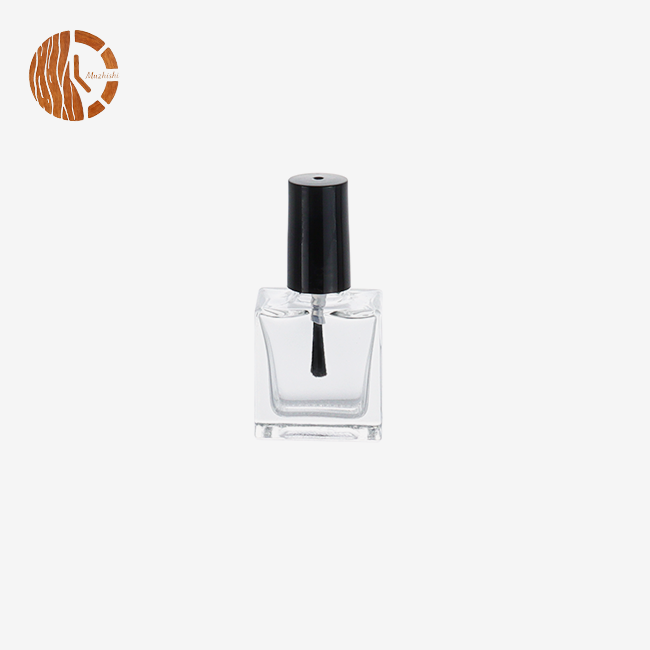
Clear Essential Oil Bottle
Capacity:3ml
Usage: Essential Oil, Other Cosmetic, Perfume, Skin Care, Skin Care Serum
Ball type: Glass,Steel Balls,Plastic
Cap material: Plastic
Cap color: Gold, Silver, White, Black, etc.
Customization capability: Hot Stamping, Inside Engraving, Clear, SCREEN PRINTING, Sizes, Colors, Bottle Types, Logo, Sticker or Label, Packing Box, etc
Packaging: As per customer requirements
Transportation method: As per customer requirements Sample:Provided Freely
Clear Essential Oil Bottle for Aromatherapy and Skincare Packaging
The Clear Essential Oil Bottle packaging enables buyers and end users to view the colour, purity and consistency of the oil without opening the container. The bottle is made of chemically inert glass which retains delicate compositions and provides complete visual transparency on retail shelves and in laboratory situations. Xuzhou Muzhishi Crafts Co., Ltd. has been engaged in the production of precision glass packaging since 2005, with 10 glass kilns, 6 automatic production lines per kiln, and a total daily output of up to 1 million units per kiln.
Who We Serve
This page is for brand owners, private label enterprises, aromatherapy businesses, skincare founders and sourcing managers that require trustworthy glass packaging at scale.
If you’re looking for a product that:
· Sell essential oils, serums, facial oils or scents
· Desire packaging that conveys product clarity and natural colour
· Want options for bespoke branding such as logo printing, hot stamping, or labelling
· Are they sourcing consistent batch quality B2B volumes?
· Require supplier with export documents & global shipping support
We collaborate with startups doing small trial orders and established businesses with high-volume recurrent orders.
Clear Essential Oil Bottle Specifications
| Specification | Details |
|---|---|
| Material | Premium Glass |
| Capacity | 3ml |
| Usage | Essential Oil, Perfume, Skin Care Serum, Cosmetics |
| Ball Type | Glass, Steel Balls, Plastic |
| Cap Material | Plastic |
| Cap Colors | Gold, Silver, White, Black, Custom Options |
| Sealing Type | Screw Cap with Crown Shape |
| Base Shape | Gourd Design |
| Surface Options | Hot Stamping, Screen Printing, Inside Engraving, Clear |
| Model Number | CP-E-023 |
| Origin | Jiangsu, China |
| Brand | Muzhishi |
| Customization | Logo, Colors, Sizes, Packaging Available |
Key Product Properties
Optically clear essential oil bottles transmit 99% of the light in the visible spectrum. Buyers, quality inspectors and consumers may see oil purity, colour tone and presence of sediment without opening the bottle through the glass wall.
The glass used in manufacture is graded for hydrolytic resistance according to ISO 719, thus no alkaline chemicals can get into the oil. This characteristic is important especially in citrus formulae, carrier oils and high value botanical blends where formula integrity needs to be maintained over shelf life.
The neck finish conforms to worldwide DIN 18 or 20/400 standards for a precise airtight fit with dropper inserts, roller balls and tamper-evident caps from around the world. Compatible with regular closing components Makes sourcing easier
Higher borosilicate glass kinds have superior heat stability and can be utilised in hot filling procedures and in sterilising cycles without cracking. The vertical load strength is adequate for automated capping lines and stacked storage requirements of USP <660> containers.

Production Process
Step 1 — Selection of Material
The raw material is chosen – soda-lime or high-borosilicate glass – according to the need of application and target capacity. Borosilicate if you need thermal stability or chemical resistance.
Step 2 — 3D Prototyping and Mould Design
3D printing enables rapid prototyping of a personalised shape. Prior to manufacturing, the accuracy of the mould is utilised to ensure the uniformity of the neck finish geometry across the entire batch.
Step 3 — Forming Glass
Six production lines per furnace utilise automated shaping equipment to shape molten glass. The temperature and the pressure of the forming are checked at each stage to ensure that the wall thickness is uniform.
Step 4 — Annealing
Formed bottles are run through a controlled annealing oven to reduce internal stress. This process directly influences the vertical load strength and thermal shock resistance.
Step 5 — Inspection and Testing
Each bottle is examined for dimensions precision, neck finish tolerance and optical clarity. No chemical leaching from glass matrix as confirmed by ISO 719 hydrolytic resistance test.
Step 6 — Surface Decoration
Hot stamping, screen printing, interior engraving or label application is completed as per customer specifications.
Step 7 — Get Ready for Shipping
Finished bottles are packed according to customer requirements. Export documentation includes a commercial invoice, packing list, and certificate of origin. Sea, air and multimodal shipping services.

Manufacturing and Quality Assurance
Muzhishi runs 10 glass furnaces, each with a capacity of 150 tons and 6 automated manufacturing lines. The output is up to 1 million pieces per furnace every day. This makes short-run jobs for custom orders and large-scale repeat jobs possible.
Each batch is subject to quality inspection before shipment. Products are CE, FDA, SGS and LFGB food grade standards. CE, FDA, SGS and LFGB certificates are the result of testing performed on each type of glass before it ships.
Samples are available for examination prior to commitment to mass production. After sample clearance, the bespoke mass production will be about 30 days.
Application Scenarios
Aromatherapy and the Art of Perfumery
When the visual hue of an oil is a component of the product experience, clear glass functions as a medium for exhibition. Rose Otto, chamomile and diluted botanical blends have natural colour depth that customers respond to. Clear glass bottles and UV coated outer boxes safeguard the formula and allow the bottle to be seen on shop shelves.
Facial Oils & Serums for Skincare
Clear glass bottles are used in the cosmetics industry for facial oils with suspended botanicals, gold flakes, or visible particles. The inert glass environment safeguards active substances from contamination and the transparent wall serves as a display window.
Quality Control & Retail Sampling
In the B2B laboratory, transparent glass is a standard sample container. This makes it possible for quality teams to check for the absence of turbidity caused by oxidation before releasing a production batch.
Diluted Blends with Carrier Oils
A clear glass bottle gives a clean premium look for non-photosensitive formulations or goods with secondary UV protection that can’t be offered with coloured glass.

FAQ
Q: How do you avoid photo-oxidation when you use a transparent glass bottle?
A: Use printed outer boxes with UV coating as supplementary packing. You can also add antioxidants such as Vitamin E to stabilise the formula. The glass itself offers chemical inertness and the outside packaging provides light protection.
Q: Can clear glass bottles handle citrus-based essential oils?
A: Yeah. Glass is chemically inert at Type III level or above and will not react with limonene or other active chemicals in citrus oils. Plastic alternatives do not have the chemical resistance.
Q: What is the benefit of a DIN 18 neck finish?
A: DIN 18 is a common neck size in the industry standard. It is compatible with a wide selection of dropper inserts, roller ball assemblies and tamper-evident closures from overseas providers, easing component sourcing.
Q: Is clear glass more brittle than amber or coloured glass?
A: Not at all. All colours of glass have the same structural strength. The difference between clear and colored glass lies in the metallic oxide additives used to create color, not in the physical properties of the glass matrix.
Q: Are these bottles recyclable?
A: Right. Clear glass is accepted by most recycling facilities. Because of its high material purity and ease of sorting, it is easy to process in normal glass recycling streams.
Q: What customization possibilities are available?
A: Cap colour, logo position, surface printing, bottle size, label design and outside packing box can be customised. Hot stamping, screen printing, interior engraving, and sticker application are supported decoration methods.
Contact Us
Send your Clear Essential Oil Bottle requirements to long@muzhishi.com to request samples or a quote. MOQ is flexible — reach out to discuss your order volume and specification needs.

Our customers’ satisfaction speaks for our quality — contact us to experience the same reliable service.