- English
- French
- German
- Portuguese
- Spanish
- Russian
- Japanese
- Korean
- Arabic
- Greek
- German
- Turkish
- Italian
- Danish
- Romanian
- Indonesian
- Czech
- Afrikaans
- Swedish
- Polish
- Basque
- Catalan
- Esperanto
- Hindi
- Lao
- Albanian
- Amharic
- Armenian
- Azerbaijani
- Belarusian
- Bengali
- Bosnian
- Bulgarian
- Cebuano
- Chichewa
- Corsican
- Croatian
- Dutch
- Estonian
- Filipino
- Finnish
- Frisian
- Galician
- Georgian
- Gujarati
- Haitian
- Hausa
- Hawaiian
- Hebrew
- Hmong
- Hungarian
- Icelandic
- Igbo
- Javanese
- Kannada
- Kazakh
- Khmer
- Kurdish
- Kyrgyz
- Latin
- Latvian
- Lithuanian
- Luxembou..
- Macedonian
- Malagasy
- Malay
- Malayalam
- Maltese
- Maori
- Marathi
- Mongolian
- Burmese
- Nepali
- Norwegian
- Pashto
- Persian
- Punjabi
- Serbian
- Sesotho
- Sinhala
- Slovak
- Slovenian
- Somali
- Samoan
- Scots Gaelic
- Shona
- Sindhi
- Sundanese
- Swahili
- Tajik
- Tamil
- Telugu
- Thai
- Ukrainian
- Urdu
- Uzbek
- Vietnamese
- Welsh
- Xhosa
- Yiddish
- Yoruba
- Zulu
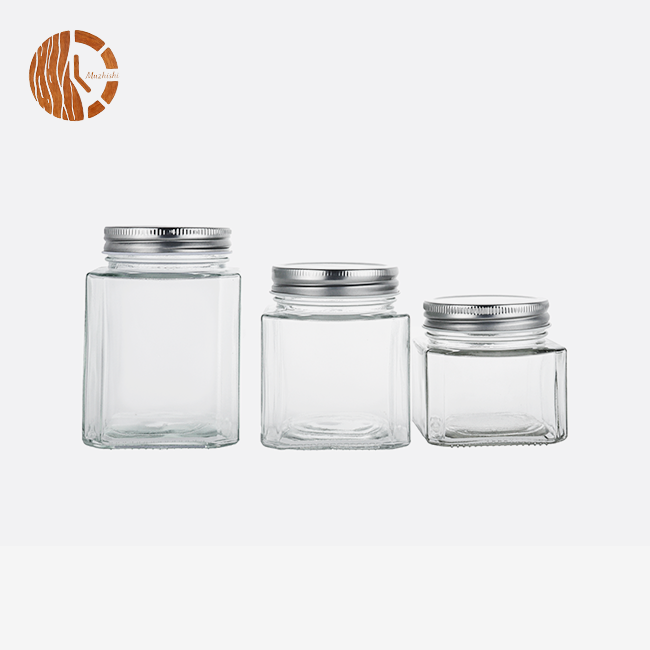
Customizable Split Mason Jar Lids
Capacity: Standard Regular/Wide-Mouth Mason Jar Fit (customizable sizes available)
Color: Gold, Silver, Customized Colors Available
Usage: Jams, Pickles, Honey, Spices, Homemade Sauces, Home Canning, Food Storage, DIY Crafts
Customization capability: High-Resolution Printing, Embossing, Debossing, Color Coating, Hot Stamping, Laser Engraving, Logo, Text, Decorative Patterns, Sizes, Colors, Finishes, Silicone Seal Ring Options, etc
Packaging: As per customer requirements
Transportation method: As per customer requirements
Sample: Provided Freely
Customizable Split Mason Jar Lids for Commercial and Retail Use
Customizable Split Mason Jar Lids are a two-piece closure system consisting of a flat sealing disk and a separate threaded screw band. Unlike one-piece lids, the split design lets air escape during heating and creates a tighter vacuum on cooling, which reduces seal failure in water bath and pressure canning up to 121°C. Built from food-grade tinplate (0.18mm–0.25mm gauge) or 304-series stainless steel with a BPA-NI plastisol gasket, they are produced by Xuzhou Muzhishi Crafts Co., Ltd., a metal closure manufacturer operating since 2005.

Who We Serve
Muzhishi has three main types of customers, and each has different needs.
Small and medium-sized food businesses that make jams, pickles, honey or fermented foods need lids that can keep a vacuum seal and show off their brand. The split lid design keeps the sealing disc away from the screw band. This lets you control the force better and keeps the seal intact while transporting and stacking.
For new product launches and holiday gift sets, corporate giving and promotional brands use laser-engraved or hot-stamped lids. Because the screw band is strong enough to be used over and over, the product looks the same even after being opened several times.
Colour-coded and laser-marked lids help business buyers who care about sustainable packaging keep track of their goods in storage areas with a lot of moving parts. The only part that needs to be replaced after each canning cycle is the flat sealing disc. The reusable band cuts down on waste and lowers the long-term cost of packing.


Technical Specifications
| Parameter | Details |
|---|---|
| Material | Food-Grade Tinplate / Stainless Steel |
| Sealing Type | Airtight Seal (Split Lid + Threaded Ring) |
| Shape | Flat Round |
| Size Options | Customizable (Fits Standard Regular/Wide-Mouth Mason Jars) |
| Model Number | BA-CL-006 |
| Brand Name | Muzhishi |
| Color Options | Gold, Silver, Custom Colors Available |
| Pattern | Plain Solid Color (Custom Logos/Patterns Accepted) |
| Surface Handling | Polishing, Gold Stamping, Silk Screen Printing, Laser Engraving, Colored Coating |
| Customization | Logo, Text, Patterns, Sizes, Colors, Finishes, Silicone Seal Ring Options |
| Certifications | CE, FDA, SGS, LFGB |
| Place of Origin | Jiangsu, China |
| Sample Availability | Free (3–5 Days Lead Time) |
| MOQ | Flexible (Suitable for Small to Large Orders) |
Customization Options
Muzhishi supports a range of surface and structural options so your lids align with your product identity and shelf presentation.
Surface decoration methods:
· High-resolution CMYK offset printing
· Embossing and debossing for tactile brand texture
· Hot stamping in gold or silver foil
· Laser engraving for permanent, scratch-resistant marks
· Matte, gloss, or food-safe gold lacquer coatings
Structural and functional options:
· Custom sizes to fit non-standard jar mouths
· Silicone seal ring as an alternative to plastisol
· Custom plastisol weight for specific vacuum requirements
· Color coating on the screw band for inventory color-coding
All coatings are tested for adhesion retention after thermal expansion during canning cycles.

Applications
Customizable Split Mason Jar Lids are used across a range of food and non-food contexts.
Food storage and home canning: Jams, pickles, honey, spices, homemade sauces, and fermented vegetables benefit from the hermetic vacuum seal that the split lid design provides.
Commercial speciality food brands: Small producers use branded lids to make their products stand out on the shelf without having to buy full custom glass packaging. The surface of the lid is a straight touchpoint for the brand at the point of sale.
DIY craft and gifting projects: The printable surface and clean aesthetic make these lids a practical choice for candle jars, dried flower displays, and holiday gift packaging.
Zero-waste bulk storage: colour-coded split lids help facilities keep track of and move stock, and the reusable band cuts down on the amount of material used over many canning cycles.
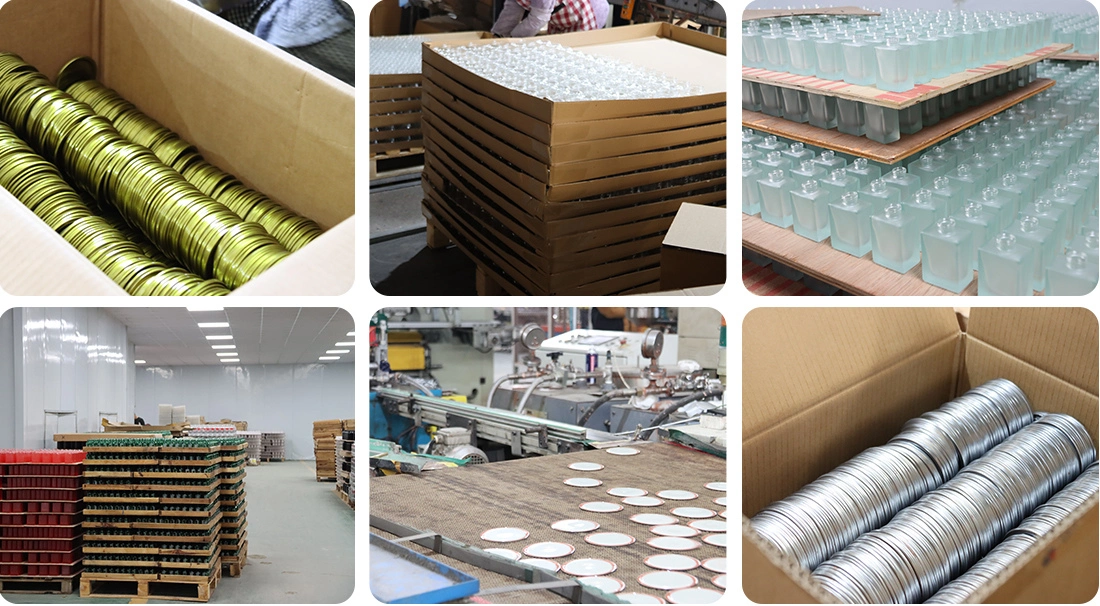
Production Process
Step 1 — Material Inspection
Tinplate or stainless steel coils are checked for gauge thickness (0.18mm–0.25mm), surface quality, and food-grade certification documents upon arrival.
Step 2 — Blanking and Forming
Steel sheets are stamped into flat disk blanks and screw band rings using automated press lines. Dimensional accuracy is verified against jar-mouth specifications at this stage.
Step 3 — Interior Coating Application
BPA-NI plastisol compound is applied to the sealing disk interior using a controlled spray or roller process. Coating weight is measured against the specified vacuum performance requirement.
Step 4 — Surface Decoration
CMYK printing, embossing, hot stamping, or laser engraving is applied based on the client's artwork file. Coatings are cured at controlled temperatures to confirm adhesion.
Step 5 — Assembly and Inspection
Disks and bands are paired and inspected for dimensional fit, coating uniformity, and gasket integrity. Salt spray and thermal resistance tests are conducted on sample units from each production batch.
Step 6 — Packaging and Shipment
Lids are packed per customer requirements. Export documentation includes a commercial invoice, packing list, and certificate of origin. Sea, air, and multimodal shipping options are available with customs clearance support.

Manufacturing and Quality
Muzhishi runs an integrated plant where they make both glass and metal lids at the same time. This way, they have direct control over where the materials come from and when they are made. Getting raw materials depends on having good ties with tinplate and stainless steel mills in the area.
Quality checks that are in line with CE, FDA, SGS, and LFGB standards are done on every output batch. The Shore A hardness of the inner plastisol gasket is checked to make sure it keeps the hoover in. The resistance to salt spray is checked against ASTM B117, which requires at least 48 hours of corrosion-free time.
Precision-formed thread shapes put even pressure on the sealing rim from all sides, which lowers the chance of uneven compression and lid buckling during processing.
FAQ
Q: Can these lids handle pressure canning?
A: Yes, when manufactured with high-temperature grade plastisol and the correct metal gauge, these lids withstand up to 121°C. Review the technical data sheet for confirmed thermal limits before use.
Q: What is the MOQ for custom printed lids?
A: MOQ ranges from 10,000 to 50,000 units depending on the complexity of your CMYK design and the production line setup required.
Q: Are the lids BPA-free?
A: All lids use BPA-NI (BPA Non-Intent) plastisol linings, which meet current food safety regulations in the US, EU, and other major markets.
Q: Why use a split lid instead of a one-piece lid?
A: The two-piece design allows air to escape during heating, creating a stronger vacuum on cooling. The separate band also protects the sealing disk from mechanical stress during shipping and stacking.
Q: How do I avoid lid buckling during processing?
A: Buckling typically occurs when the screw band is over-tightened. Apply the band fingertip-tight only, so air can escape freely during the thermal expansion phase.
Q: Can I order custom sizes for non-standard jar mouths?
A: Yes. Share your jar specifications and the team will confirm feasibility within the standard sample lead time of 3–5 days.

Contact Us
Send your jar specifications or artwork file for Customizable Split Mason Jar Lids to long@muzhishi.com to request a sample quote.

Our customers’ satisfaction speaks for our quality — contact us to experience the same reliable service.