- English
- French
- German
- Portuguese
- Spanish
- Russian
- Japanese
- Korean
- Arabic
- Greek
- German
- Turkish
- Italian
- Danish
- Romanian
- Indonesian
- Czech
- Afrikaans
- Swedish
- Polish
- Basque
- Catalan
- Esperanto
- Hindi
- Lao
- Albanian
- Amharic
- Armenian
- Azerbaijani
- Belarusian
- Bengali
- Bosnian
- Bulgarian
- Cebuano
- Chichewa
- Corsican
- Croatian
- Dutch
- Estonian
- Filipino
- Finnish
- Frisian
- Galician
- Georgian
- Gujarati
- Haitian
- Hausa
- Hawaiian
- Hebrew
- Hmong
- Hungarian
- Icelandic
- Igbo
- Javanese
- Kannada
- Kazakh
- Khmer
- Kurdish
- Kyrgyz
- Latin
- Latvian
- Lithuanian
- Luxembou..
- Macedonian
- Malagasy
- Malay
- Malayalam
- Maltese
- Maori
- Marathi
- Mongolian
- Burmese
- Nepali
- Norwegian
- Pashto
- Persian
- Punjabi
- Serbian
- Sesotho
- Sinhala
- Slovak
- Slovenian
- Somali
- Samoan
- Scots Gaelic
- Shona
- Sindhi
- Sundanese
- Swahili
- Tajik
- Tamil
- Telugu
- Thai
- Ukrainian
- Urdu
- Uzbek
- Vietnamese
- Welsh
- Xhosa
- Yiddish
- Yoruba
- Zulu
5 Solutions for Your Glass Nail Polish Bottle Questions
Finding the right package for your cosmetics can make a huge difference in how well your business runs and how well your brand stands out in the market. Clear glass nail polish bottles are a unique answer that helps B2B buyers with a number of issues, such as keeping the formula's integrity and making the bottles look better in stores. High-clarity glass was used to make these clear cases, which protect lacquers that can change colour and show real colour. Whether you're in charge of buying things for retail chains, run a gift shop, or sell high-end cosmetics, knowing the technical details and strategic benefits of glass packing helps you make choices that balance quality, sustainability, and customer standards.
Solution 1 – Understanding Clear Glass Nail Polish Bottles: Key Features and Benefits
What Makes Glass Packaging Essential for Nail Care Products
As a result, glass nail polish cases have become the standard because they can keep shine fresh longer than plastic containers. The non-porous surface of glass completely blocks air and moisture from getting in, which keeps recipes from getting too thick too quickly. Because of this chemical inertness, popular solvents like ethyl acetate and butyl acetate don't react with the sides of the container. This means that the product's viscosity and application qualities stay the same during its shelf life.
Technical Specifications That Matter for B2B Procurement
Several factors directly affect the success of your operations when looking at glass bottles for large-scale production. Different types of customers can use different sizes, from 3ml to 10ml. Promotional efforts and sample distribution programmes like 3ml bottles that are small enough to carry around, while normal retail items like 10ml bottles work better. Wall thickness uniformity, which is usually kept within a tolerance of ±0.5mm, keeps things from breaking on high-speed automatic filling lines and lowers the amount of material that is lost during shipping. Standardised neck finish sizes (usually 13/415 or 15/415) make sure that they work with application brushes and caps, which speeds up the assembly process.
Environmental and Economic Advantages
Glass packaging is environmentally friendly, which is in line with government regulations and customer preferences in the US market, and the clear glass nail polish bottle reflects this advantage well. Many business buyers now place a high priority on circular economy initiatives because glass bottles can be recycled repeatedly without losing any of their quality. Besides being good for the environment, the premium look of glass also helps brands stand out. Retail studies show that people associate glass packaging with higher-quality products, which supports higher prices and helps distributors and stores increase their profits. Because clear glass is transparent, it does not require extra packaging windows, which saves money on materials while still allowing customers to see the product.
Solution 2 – Choosing the Right Clear Glass Nail Polish Bottle for Your Business
Evaluating Material Quality and Supplier Credentials
To choose the right packing, you need to carefully look at both the product specs and the supplier's abilities. The performance qualities of a material depend on what it is made of. Type III soda-lime glass is good for most nail polish formulas because it is resistant to hydrolysis and stable at high temperatures. Purchasing managers should make sure that manufacturers test their glass according to USP standards to make sure it meets pharmaceutical-grade standards, even if it's only going to be used for cosmetic purposes. With this level of quality assurance, batch breakdowns and customer problems are less likely to happen.
It's important to give careful thought to the link between clear glass and how well a store does. High-flint glass lets more light through, so you can get a good idea of the colour even in different lighting situations in a store. This clarity is especially useful for speciality products that have glitter suspensions or color-changing powders, since buyers decide what to buy based on how it looks.
Customization Options That Strengthen Brand Identity
In areas with a lot of competition, packing that stands out is often what makes a difference. Standard bottles can be turned into company assets in a number of ways. Frosting and other surface treatments create stylish matte finishes that communicate a high-end brand, and hot stamping adds metallic details that stand out on store shelves that are already full. Inside lettering is a lasting way to brand something that can handle being handled and cleaned many times, keeping its professional look throughout its lifecycle.
Screen printing is a cheap way to decorate bottles for medium to large production runs, and it can put full-color names and ingredient lists right on the bottles. Modern printing technologies are very accurate, so alignment and colour matching are always the same across thousands of units. When planning seasonal collections or limited runs, customisable features let you respond quickly to the market without having to spend a lot of money on new tools to change the shape of the bottles.
Comparing Glass to Alternative Materials
Plastic containers have lower unit costs, but glass containers often have advantages that make up for the higher initial cost, and the clear glass nail polish bottle is a good example of this value. Chemical inertness keeps formulas from degrading, which extends shelf life and reduces returns. Because of its weight and feel, glass is perceived as more premium than plastic, which helps support higher retail prices. Glass bottles can withstand temperature changes during international shipping without compromising their structure due to their thermal stability. When product integrity, brand image, and customer satisfaction are considered together, these factors contribute to a lower total cost of ownership.
Solution 3 – Maintenance, Usage, and Sustainability of Clear Glass Nail Polish Bottles
Cleaning Protocols for Reuse and Refilling Operations
To keep the quality of their products, businesses that run refill programmes or recycling processes need to have good cleaning methods. Polish that sticks to the inside of bottles can contaminate new formulas or make colours look less true. The best effects come from a two-step cleaning process. Using acetone or other specialised glass cleaners to wash the glass first gets rid of paint remains. Rinsing it with hot water then gets rid of any solvent traces. Controlled temperatures during air drying keep water spots from showing up and ruining the look of the item.
Storage Conditions That Extend Product Shelf Life
Environmental factors have a big effect on how stable nail paint is in glass cases. When the temperature changes, liquid formulas can expand and shrink, which could weaken the seal. To lessen these effects, storage sites should keep temperatures stable between 15°C and 25°C. Some pigments and photoinitiators used in gel mixtures break down when they are exposed to light, especially UV rays. While amber glass naturally blocks UV rays, clear bottles need to be stored in dark stores or in extra packaging that also blocks UV rays.
For long-term security, it's also important to store things in the right way. Keeping bottles straight keeps formula from coming into touch with applicator brushes while they are being stored. This lowers the risk of contamination and protects the integrity of the brushes. This position also keeps the seal's effectiveness by keeping the close parts from coming into contact with solvents.
Recycling Infrastructure and Corporate Responsibility
In the US, glass recycling programmes get more than 30% of the glass back, and the infrastructure is always growing. More and more cities are including decorative glass in kerbside programmes, which makes it easier for people to participate. When these programmes make cullet (recycled glass), it goes back into industrial streams. This uses less energy than making new materials. This closed-loop method helps companies meet their sustainability reporting standards and appeals to eco-friendly customers who have a say in what stores people buy.
Solution 4 – Trusted Suppliers and Market Solutions for Bulk and Wholesale Purchases
Identifying Manufacturers with Proven Track Records
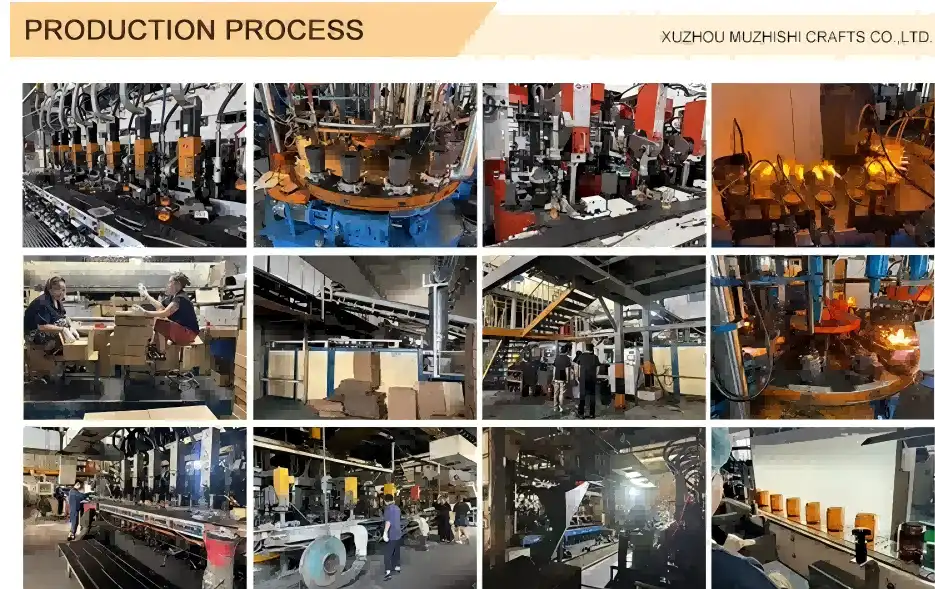
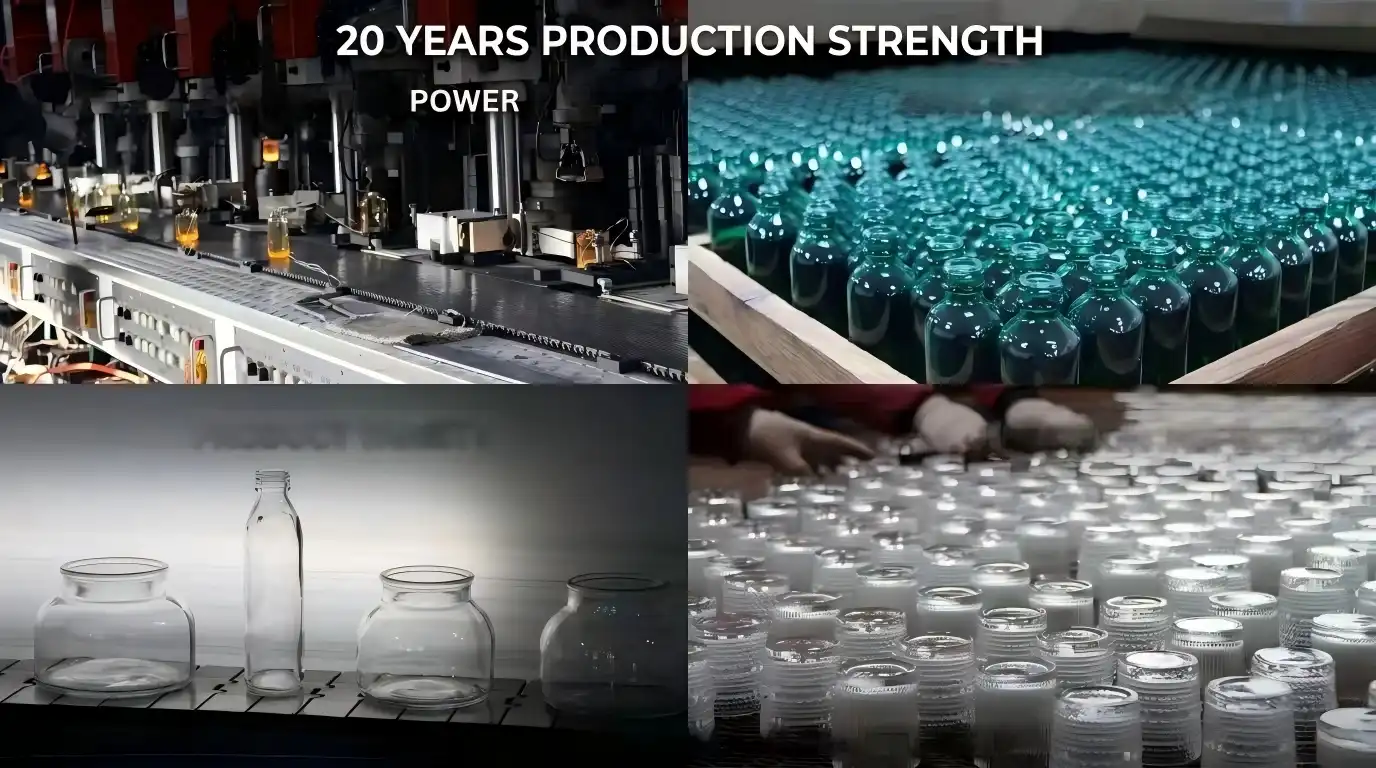
The supplier you choose for products like the clear glass nail polish bottle has a big impact on product quality, delivery reliability, and overall business flexibility. Established producers with long production histories demonstrate their ability to consistently meet strict requirements. Xuzhou Muzhishi Crafts Co., Ltd. has been manufacturing glass products for 20 years, highlighting its level of expertise. Their integrated approach—from raw material sourcing to final quality inspection—provides procurement managers with a single point of accountability, making supply chain management more efficient.
Both prices and wait times are affected by where something is located. Jiangsu state is close to high-quality silica sources and specialised glass industry areas, which helps manufacturers keep quality standards while lowering the cost of raw materials. This advantage in the area means that prices can be low without affecting the quality of the product.
Evaluating Minimum Order Quantities and Logistics Support
In order for production economics to work, minimum order amounts must be set in a way that balances speed with managing inventory. Based on how complicated the painting is, the minimum order quantity (MOQ) for customised glass bottles is usually between a few thousand and tens of thousands of units. Suppliers with flexible MOQ structures can work with companies at all stages of growth, from new names testing the market to established distributors managing many product lines.
Professional sellers are different from commodity vendors because they offer full transportation support. Self-operated import and export makes foreign business easier by taking care of customs paperwork, inspection certificates, and shipping plans. Suppliers who know about the rules in the target country make sure that the information they send—commercial invoices, packing lists, and certificates of origin—is legal and meets the needs of the market. This knowledge cuts down on clearance delays that make it hard to plan supplies and keep store promises.
Service Elements That Enhance Partnership Value
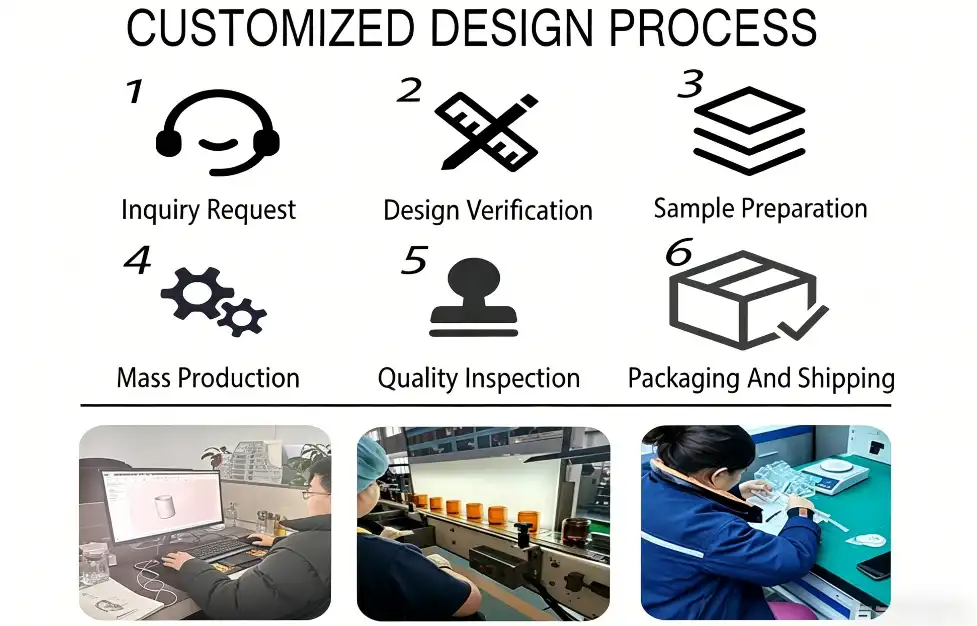
Beyond the quality of the product, the long-term success of a relationship depends on the framework of the service. Rapid sample and pilot production, which can be finished in three to five days, make it possible to quickly test the market and confirm the design. Dedicated account management makes sure that there is constant contact and quick problem-solving throughout the order cycle. With response times of less than 24 hours, after-sales help can handle problems that come up out of the blue without stopping activities. These service elements build relationships based on collaboration instead of transactions, which helps your business grow by ensuring reliable performance.
Solution 5 – Maximizing Your Investment: Optimizing Packaging Efficiency and Customer Appeal
How Transparency Drives Retail Performance
Visual merchandising study shows that how visible a product is has a big effect on how many people buy it. Customers don't have to guess because clear glass bottles let them see the exact shades in store lights. This openness lowers the number of returns caused by unhappy colours, which increases total profits. Glass's ability to bend light also makes colours look more vivid, which makes screens more interesting to look at than clear plastic options.
Professional labels on glass boxes get important product information across while also strengthening brand recognition. High-quality labels don't get damaged when they're handled, so they keep their professional look through all stages of marketing and use by consumers. Labels and packages that are clear and easy to read give customers more trust in a product by showing that the product is of good quality and the company is honest.
Aligning Packaging Choices with Market Trends
More and more, consumers want sustainable packing options that have little to no effect on the earth. Glass bottles are in line with clean-label movements that stress using natural materials and making products in an ethical way. Marketing materials that stress how glass can be recycled and used again are effective with people who care about the environment when making purchases. This placement is especially useful for gift shops and high-end stores that want to attract careful customers.
Being able to customise something lets you respond quickly to seasonal trends and sales. Limited edition packing with unique finishes makes people want to buy it right away and collect it, which speeds up sales during busy shopping times. Unique packaging is used by event planners and hotel buyers to improve guests' experiences and make branding moments that people will remember.
Case Evidence from B2B Implementation
Distribution companies that use expensive glass packing say that they keep customers longer and get higher order values. When stores stock nail care items in glass containers instead of plastic ones, they offer more of them, which helps them meet their inventory turnover goals. Corporate gift sellers find that glass wrapping makes the gifts seem more valuable, which helps them stand out in the bid process. These real-world results show that investments in packaging pay off by improving market placement and operating efficiency.
Conclusion
To make choices about glass packaging, you have to balance technical requirements, supplier capabilities, and market positioning goals. Products like the clear glass nail polish bottle help maintain chemical stability, preserving formula consistency, while their transparency supports strong retail performance. Customization options enable brands to stand out, and sustainability credentials align with evolving buyer preferences. Choosing the right supplier is critical. Manufacturers that provide end-to-end services—from rapid prototyping to shipping support—transform packaging from a basic necessity into a strategic advantage. By applying the considerations outlined here, procurement professionals can confidently select glass bottles that enhance product quality, operational efficiency, and brand image across diverse market segments.
FAQ
What capacity options work best for different market segments?
How you choose capacity depends on the programme and route you want to use it for. The 3ml size is good for sample programmes, promotional freebies, and travel-sized sets that let people try out new items. Standard 5ml bottles are easy to carry and use, which makes them perfect for stores that need to make the most of their shelf space. Larger 10ml containers are used in professional salons and high-end store lines where longer use supports the bigger sizes. For party favours, event planners often choose smaller quantities, while buyers in the hotel industry choose medium-sized containers that make things easier for guests without having too much inventory.
How does customization affect production timelines?
Standard bottles that aren't decorated usually ship on time, usually between two and three weeks based on how many are ordered. Surface finishes like screen printing, hot pressing, or frosting add a few days to the production time, but the unique package makes the extra time and money worth it. Sample production is quick; good makers can deliver samples in three to five days, which lets you test the design before committing to full production runs. Planning customisation needs early in the buying process guarantees on-time delivery that fits with product launch dates.
What documentation do international buyers need?
For smooth customs clearance, deals that happen across borders need a lot of paperwork. Important papers include business bills that show the amounts paid, packing lists that list what's in the shipment and how much it weighs, and certificates of origin that show where the goods were made. Depending on the countries where the goods are going, they may need extra certifications about quality standards or material safety. Experienced sellers who can handle their own import and export handle the paperwork, making sure that it is in line with the rules of the target country and reducing clearance delays that make it hard to plan supplies.
Partner with Muzhishi for Your Clear Glass Nail Polish Bottle Supply Needs
Xuzhou Muzhishi Crafts Co., Ltd. can help you with your packing needs because they have been making glass items for 20 years. Our integrated production skills ensure uniform quality across sizes from 3ml to 10ml. We also offer a wide range of customisation options, such as hot stamping, frosting, and precise screen printing. We know that good relationships are more than just delivering products. That's why our dedicated account managers offer quick help throughout the entire order cycle, from the initial idea to the final shipment. Our self-managed import-export system makes sure that all of our documents are correct and that we have reliable transportation to all parts of the United States. You can check the quality of free samples before committing to full production, and our fast development services can get test units to you within days. Email us at long@muzhishi.com to talk about how our clear glass nail polish bottle solutions can help your business stand out in the market. Visit mzsglass.com to learn more about what we can do as a reliable maker for cosmetics brands, stores, and wholesalers around the world.
References
Cosmetic Packaging Association. (2022). Glass Packaging Standards for Cosmetic Applications: Technical Guidelines for Quality Assurance. Industry Standards Publication.
Henderson, M. & Roberts, J. (2021). Sustainable Packaging Solutions in the Beauty Industry: Environmental Impact and Consumer Perception Studies. Journal of Cosmetic Science, 72(4), 289-307.
International Trade Commission. (2023). Glass Container Manufacturing: Global Market Analysis and Trade Patterns. Market Research Report Series.
Patterson, L. (2022). Material Selection for Volatile Formulation Packaging: Chemical Compatibility and Shelf Life Optimization. Packaging Technology Review, 18(2), 45-63.
Retail Merchandising Institute. (2021). Visual Impact of Packaging Transparency on Consumer Purchase Decisions: Quantitative Analysis of Conversion Rates. Consumer Behavior Research Journal.
Wilson, K. & Chang, S. (2023). Recycling Infrastructure and Circular Economy Principles in Glass Manufacturing. Environmental Sustainability Quarterly, 15(1), 112-128.

Our customers’ satisfaction speaks for our quality — contact us to experience the same reliable service.