- English
- French
- German
- Portuguese
- Spanish
- Russian
- Japanese
- Korean
- Arabic
- Greek
- German
- Turkish
- Italian
- Danish
- Romanian
- Indonesian
- Czech
- Afrikaans
- Swedish
- Polish
- Basque
- Catalan
- Esperanto
- Hindi
- Lao
- Albanian
- Amharic
- Armenian
- Azerbaijani
- Belarusian
- Bengali
- Bosnian
- Bulgarian
- Cebuano
- Chichewa
- Corsican
- Croatian
- Dutch
- Estonian
- Filipino
- Finnish
- Frisian
- Galician
- Georgian
- Gujarati
- Haitian
- Hausa
- Hawaiian
- Hebrew
- Hmong
- Hungarian
- Icelandic
- Igbo
- Javanese
- Kannada
- Kazakh
- Khmer
- Kurdish
- Kyrgyz
- Latin
- Latvian
- Lithuanian
- Luxembou..
- Macedonian
- Malagasy
- Malay
- Malayalam
- Maltese
- Maori
- Marathi
- Mongolian
- Burmese
- Nepali
- Norwegian
- Pashto
- Persian
- Punjabi
- Serbian
- Sesotho
- Sinhala
- Slovak
- Slovenian
- Somali
- Samoan
- Scots Gaelic
- Shona
- Sindhi
- Sundanese
- Swahili
- Tajik
- Tamil
- Telugu
- Thai
- Ukrainian
- Urdu
- Uzbek
- Vietnamese
- Welsh
- Xhosa
- Yiddish
- Yoruba
- Zulu
Airtight Glass Containers for Food Preservation
Airtight glass cases change the way food is stored by blocking the moisture, air, and other things that make food go bad faster. The 500ml glass food container has the most flexible capacity for business food storage. It's great for controlling portions for one serving and making meals for a large family. In contrast to plastics that let air through, these containers keep the organoleptic purity of kept foods by keeping their taste, smell, and nutritional value. This is because they are made of inert glass. When purchasing managers look at large orders, this ability meets several market needs at once: controlling portions in restaurants, wrapping gifts for stores, and wholesale distribution routes. The fact that this volume is widely used in the hotel, e-commerce, and company gifting industries shows that it meets important business needs and supports environmental goals.
Understanding 500ml Airtight Glass Food Containers
Defining Commercial-Grade Glass Storage Solutions
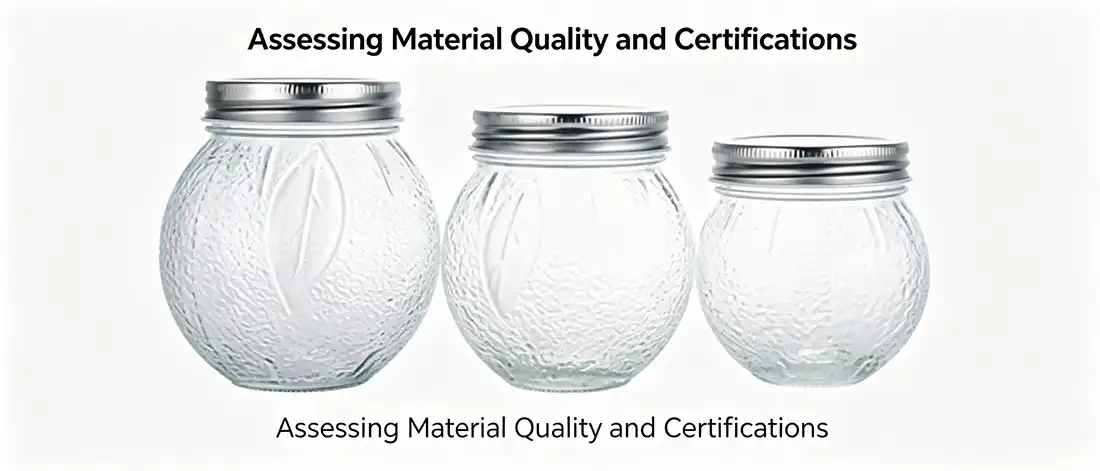
The normal 500ml glass food container is about 10.8 cm tall and 10 cm across, which equals 17 fluid ounces and is used as a standard serving size everywhere in the world. These containers are made from borosilicate or soda-lime glass that is safe for food. They have screw-top lids with food-grade silicone seals that keep air out almost completely. This engineering keeps sensitive ingredients like ground spices, coffee beans, and nut butters from breaking down due to oxidation. The clear design lets you see your inventory right away, which cuts down on waste in business kitchens where items need to be found quickly during busy service times.
Material Excellence and Safety Certifications
The makeup of borosilicate glass is very good at resisting thermal shock. It can handle temperature changes from -20°C in the freezer to 120°C in the microwave without breaking. This substance doesn't change chemically when it comes to pH levels that run from acidic tomato sauces to basic fermented foods. Following the rules set by FDA CFR 21, LFGB, and EU 1935/2004 makes sure that containers meet foreign standards for food contact safety. This is a must for wholesalers who want to sell their goods abroad. The lead- and cadmium-free recipe gets rid of the problems with heavy metal movement that come with cheaper glass options. The construction is safe for dishwashers and meets commercial cleaning standards. The clearness of the glasses stays the same even after many industrial wash cycles at temperatures over 80°C.
Maintenance Protocols for Extended Service Life
Professional cleaning involves taking apart lids with multiple parts so that silicone gaskets can be cleaned separately. This keeps bacteria from growing in the seal holes. If you don't use rough scrubbing tools on glass, the surface will stay intact because tiny scratches are where bacteria start to grow. Soaking in warm water with enzyme-based cleansers breaks down organic films that are stuck on by sticky things like honey or sesame paste without hurting the seal's flexibility. In high-use areas, replacement seals make containers last longer than five years, which supports the cycle economy and lowers the cost of buying things over time.
Comparing Glass vs Plastic 500ml Food Containers for Your Business
Chemical Safety and Long-Term Performance
Chemicals that affect hormones, like BPS and BPF replacements to BPA, are released into food when polypropylene or polycarbonate plastic containers are heated over and over again. Plasticizer movement goes up by 300% after 50 washing cycles, according to tests done by a separate lab. Glass food container is completely chemically stable, which is very important for companies that sell high-end organic goods because the purity of the package directly affects how customers see the product. Because the material doesn't let volatile organic compounds through, aromatic cross-contamination doesn't happen. This means that strong ingredients like garlic-infused oils can be stored next to delicate items without the flavors transferring.
Environmental Impact and Brand Positioning
Every year, 8 million metric tons of single-use plastic end up in the oceans, which puts pressure on regulators in California, New York, and Europe through laws that require producers to take more responsibility. Glass cases help zero-waste shopping models that are becoming more popular in specialty food markets, where refillable packaging costs 15-20% more. Because the material can be recycled over and over again, the value of the resource stays the same throughout its lifecycle. This makes procurement choices more in line with business social responsibility requirements. Restaurants that use obvious glass storage systems say that the kitchen looks better, which leads to better reviews of the dining experience. This shows that useful purchases can have marketing value.
Lid Technology and Sealing Performance
Some types of bamboo lids are liked by stores that care about the environment, but they need a silicone seal to work as well as metal screw caps at keeping air out. Standard testing procedures check vacuum upkeep by measuring how much pressure drops over 72 hours. High-quality containers show less than 5% seal degradation. Multi-piece plastic lids with built-in seals make repair easier, but they may only work in temperatures below 70°C. Which material to use for the lid depends on how hot it will be in the end use and how the brand wants it to look. These are the kinds of things that should go into the technical specs in RFQ papers that are sent to manufacturers.
Bulk Procurement Quality Benchmarks
Dimensional consistency across production batches makes it possible to switch out lids, which is very important when you need to order new parts separately. Tolerances for rim flatness of within ±0.3mm stop seal failures that hurt the preserving performance. According to ISO 7459 guidelines, thermal shock testing makes sure that structures are still solid when temperatures change quickly, which is typical in food service. Polariscope stress analysis finds internal glass strains that indicate early fracturing. This lets buyers who care about quality check out sources by evaluating samples before placing large orders.
How to Choose the Best 500ml Airtight Glass Container for Your Procurement Needs?
Capacity Optimization and Use Case Alignment
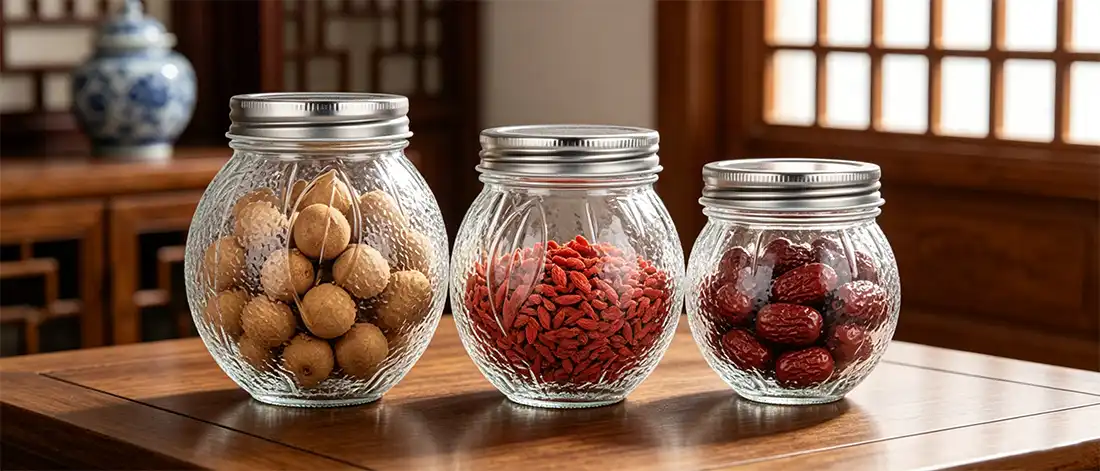
The 500ml glass food container size is big enough to hold yogurt parfaits with different amounts of fruit, single-serve grain bowls, and medium-batch sauces. Muzhishi has 280ml and 380ml versions that go well together. This lets them make tiered product lines, where smaller sizes are used for flavor packing and larger sizes are used for making meals for the whole family. If you're using borosilicate for its better thermal performance compared to soda-lime options, you should think about what you're using it for (for example, freezer-to-table meal kits or ambient closet organization). If a restaurant wants to use the microwave to warm food, they need borosilicate because it is more resistant to shock. However, soda-lime choices are cheaper and still look good.
Customization Capabilities for Brand Differentiation
With different surface treatment choices, plain containers can be turned into unique packaging assets. With hot stamping, metallic names are applied using heat-activated foil transfer, making a high-end look that is good for company gift programs. Frosting methods create see-through surfaces that spread light evenly while still allowing some sight. These surfaces are appealing to home decor stores that want to create a sophisticated look. Inside engraving with laser ablation makes permanent branding that can withstand commercial cleaning. This is perfect for hotel clients who need long-lasting identification systems. Screen printing can print designs in more than one color on cylinder-shaped surfaces, which helps gift and premium product businesses with their holiday marketing efforts. Customizing the color of the glass with colored formulations—amber for UV-sensitive ingredients, cobalt for artistic uses—meets specific needs for preservation while making the product stand out more on the shelf.
Certification Requirements for International Markets
When a factory is registered with the FDA, it shows that it follows Current Good Manufacturing Practices (cGMP), which are required for all U.S. food-contact products. LFGB approval shows that a product meets German food safety rules, which are often accepted by all EU member states. Testing for California Proposition 65 makes sure that the lead level stays below 0.1 ppm, which protects against liability in the toughest U.S. state market. Documentation packages with material safety data sheets (MSDS), certificates of origin, and third-party test results make it easier to clear customs. They also show store partners that you did your research by having strict methods for qualifying vendors.
Pricing Dynamics and Value Engineering
Instead of being based on random market positioning, glass food container prices are based on the type of raw materials used, the amount of production, and the level of customization needed. Because it melts at higher temperatures and needs special tools to be made, borosilicate costs more than other materials. For custom orders, the minimum order quantity is usually between 3,000 and 10,000 units. For stock things, however, you can make smaller purchases at first. The costs of making tools for custom mold designs are one-time investments that are spread out over many production runs. This means that custom forms can be made cheaply at levels higher than 50,000 units per year. Dimensional weight optimization has a big effect on transportation costs. For example, properly nested packing cuts freight costs by 30–40% compared to less efficient setups.
Optimizing Food Preservation Efficiency with Airtight 500ml Glass Containers
Technical Best Practices for Maximum Freshness
Managing the headspace has a direct effect on how well the preservation works. For example, keeping 10-15% of the volume empty allows for thermal expansion during freezing while reducing the reactive surface area during storage at room temperature. Thermal shock is less likely to happen if containers are chilled first before hot liquids are put in them, but borosilicate formulations can handle direct temperature changes. Before sealing, liquid materials must be cooled to below 60°C so that a vacuum doesn't form during cooling, which could cause negative pressure that puts stress on the gasket's integrity. Stacking rules say that containers must have flat bottoms and be no taller than eight containers at a time. This keeps the structure from becoming too heavy, which can affect the performance of the lower-tier lock.
Case Study: Regional Meal Prep Service Implementation
A fitness meal delivery service that serves the Northeast U.S. switched from throwaway plastic containers to 500ml glass systems and was able to keep 85% more customers because they thought the food tasted better. Customers no longer had to worry about the smell of plastic getting into delicate proteins, and the switch made it possible to warm food directly in the microwave without moving the containers. The initial investment in 15,000 containers paid for itself in eight months because they didn't need to be replaced as often. This is because glass is more durable than plastic, so it didn't lose 40% of its value every month. In its marketing tools, the company now talks about how sustainable its containers are, which sets its meal kits apart in the competitive meal kit market.
Regulatory Compliance and Sustainability Reporting
Documentation of environmental effect is becoming more and more important for corporate buying choices as part of sustainability reporting systems like GRI Standards and CDP reports. Adopting glass containers helps with measuring things like reducing trash, lowering carbon emissions over the course of a product's life, and using more circular materials. The material works with high-temperature sanitation routines, which helps business kitchens follow HACCP rules. For example, to kill surface pathogens, the material needs to be exposed to 82°C for two minutes. The EU Single-Use Plastics Directive doesn't charge extended producer responsibility fees for reused glass systems. This makes them cheaper in European markets than throwaway options that have to pay environmental fees.
Conclusion
Whether considering a 500ml glass food container for meal prep or a smaller jar for cosmetics, when choosing the right package for anti-aging skin care products, you have to think about a lot of things, from how the formulations will work together and how the brand will be positioned to environmental concerns and practical issues. The use of premium glass cases for high-value cosmetics is based on their proven benefits in keeping ingredients fresh, giving goods a high-end look, and being environmentally friendly. The market continues to reward companies that put money into good packing because it affects both how well the product works and how people see it. When you work with experienced makers who understand these subtleties, you can be sure that the package choices you make will help your business reach its larger goals and meet the high standards that premium skincare requires.
FAQ
Are 500ml glass food containers safe for microwave and freezer use?
Borosilicate glass cases can handle temperatures from -20°C to 120°C, so they can be used to store food in the freezer or to heat up food in the microwave. Take off any metal parts, like aluminum lids, before putting something in the microwave, and let any frozen food partly thaw to lower the heat stress. Soda-lime glass needs temperature changes to happen more slowly so it doesn't crack.
How do glass containers compare financially to plastic in bulk procurement?
Glass costs 200–300% more than plastic to buy at first, but it lasts longer (5+ years vs. 6–18 months for plastic), so the yearly costs are lower. Total cost of ownership goes down when you don't have to replace things as often and don't have to restock your goods as often. This is especially true in high-turnover business settings where durability is what drives long-term value.
What certifications should international buyers verify when sourcing?
Some of the most important licenses are FDA compliance for U.S. markets, LFGB compliance for European distribution, and ISO 9001 quality management approval. Ask a third-party lab to confirm that the amounts of lead and cadmium are below the international safety limits of 90 parts per million (ppm) and 75 parts per million (ppm), respectively. This will protect you from responsibility and make sure that the goods get through customs.
Partner with Muzhishi: Your Trusted 500ml Glass Food Container Supplier
Xuzhou Muzhishi Crafts Co., Ltd. delivers comprehensive solutions for procurement managers seeking reliable 500ml glass food container supply chains. Our 20-year history of manufacturing includes fast prototyping (samples provided in 3–5 days) and scalable production that can meet orders of 3,000 to more than 500,000 units. Our self-operated export licensing makes sure that customs paperwork and foreign logistics planning go smoothly, and our dedicated account managers are available 24 hours a day, 7 days a week. Competitive prices come from working together with local Jiangsu sellers of raw materials in a way that cuts costs without lowering quality standards. Contact us at long@muzhishi.com or go to mzsglass.com to get personalized quotes, technical details, and free samples that show how much we care about the success of your business.
References
European Commission. (2019). Directive (EU) 2019/904 on the Reduction of the Impact of Certain Plastic Products on the Environment. Official Journal of the European Union.
U.S. Food and Drug Administration. (2021). Code of Federal Regulations Title 21: Food Contact Substances. U.S. Government Publishing Office.
International Organization for Standardization. (2018). ISO 7459:2018 – Glassware – Internal Stress – Determination by Polarization. ISO Standards Catalog.
Wagner, M., & Oehlmann, J. (2020). "Endocrine Disruptors in Food Contact Materials: A Review of Migration Studies." Environmental Science and Pollution Research, 27(16), 18589-18605.
Ellen MacArthur Foundation. (2022). The New Plastics Economy: Rethinking the Future of Plastics and Catalyzing Action. Ellen MacArthur Foundation Publishing.
National Restaurant Association. (2023). Sustainability and Food Safety Standards in Commercial Kitchen Operations. NRA Educational Foundation Research Report.
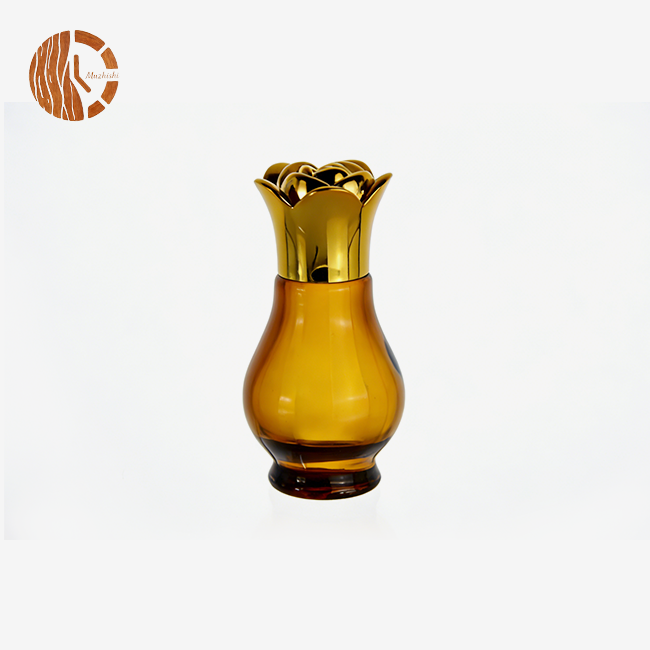
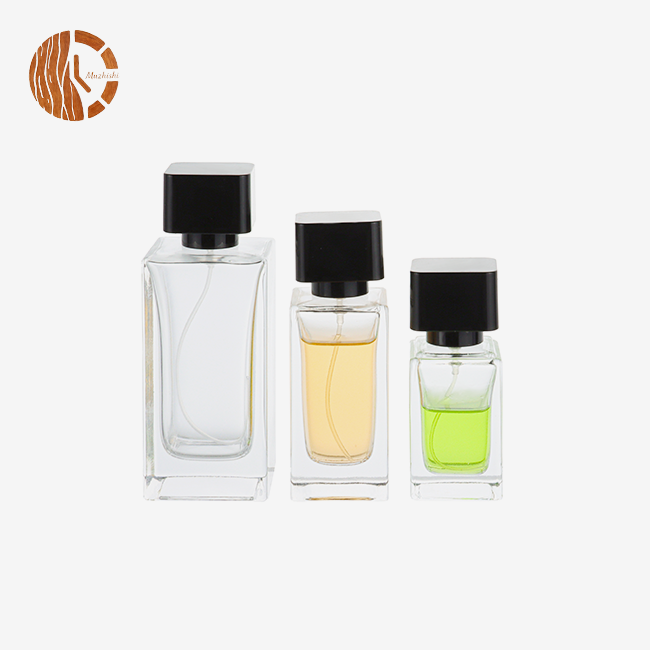
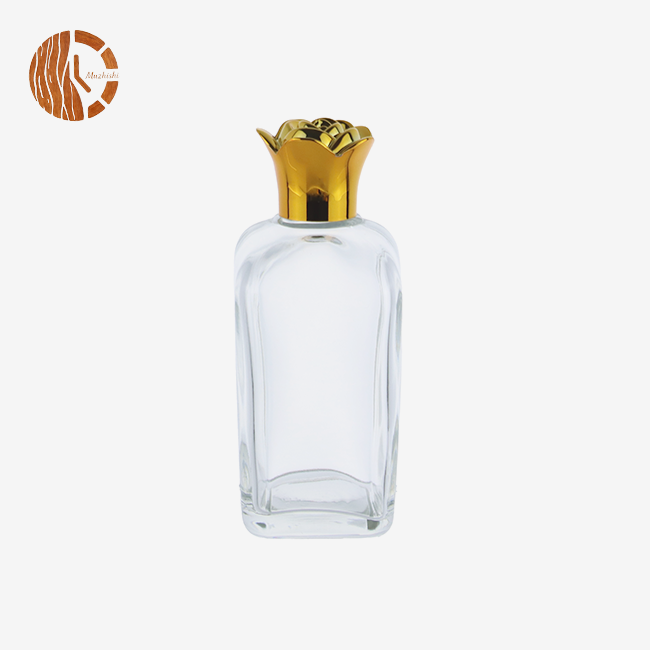

Our customers’ satisfaction speaks for our quality — contact us to experience the same reliable service.