- English
- French
- German
- Portuguese
- Spanish
- Russian
- Japanese
- Korean
- Arabic
- Greek
- German
- Turkish
- Italian
- Danish
- Romanian
- Indonesian
- Czech
- Afrikaans
- Swedish
- Polish
- Basque
- Catalan
- Esperanto
- Hindi
- Lao
- Albanian
- Amharic
- Armenian
- Azerbaijani
- Belarusian
- Bengali
- Bosnian
- Bulgarian
- Cebuano
- Chichewa
- Corsican
- Croatian
- Dutch
- Estonian
- Filipino
- Finnish
- Frisian
- Galician
- Georgian
- Gujarati
- Haitian
- Hausa
- Hawaiian
- Hebrew
- Hmong
- Hungarian
- Icelandic
- Igbo
- Javanese
- Kannada
- Kazakh
- Khmer
- Kurdish
- Kyrgyz
- Latin
- Latvian
- Lithuanian
- Luxembou..
- Macedonian
- Malagasy
- Malay
- Malayalam
- Maltese
- Maori
- Marathi
- Mongolian
- Burmese
- Nepali
- Norwegian
- Pashto
- Persian
- Punjabi
- Serbian
- Sesotho
- Sinhala
- Slovak
- Slovenian
- Somali
- Samoan
- Scots Gaelic
- Shona
- Sindhi
- Sundanese
- Swahili
- Tajik
- Tamil
- Telugu
- Thai
- Ukrainian
- Urdu
- Uzbek
- Vietnamese
- Welsh
- Xhosa
- Yiddish
- Yoruba
- Zulu
Best Jar Lid Options for Food Packaging Brands
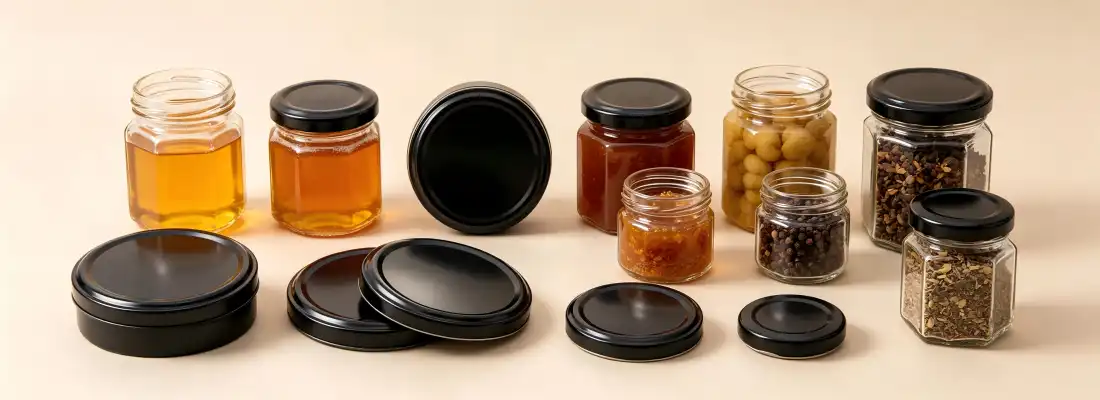
Multi-size black metal jar lids are the best jar lids for food packing brands because they look good, work well, and can be used with a lot of different brands. These lids are made from food-grade tinplate or aluminum alloy and seal tightly around jars of different sizes, making them perfect for jams, pickles, honey, spices, and other specialty foods. Their black coating, which is resistant to rust and comes in both glossy and matte styles, looks great and keeps things safe from moisture and oxidation. Brands can stand out in crowded stores with these lids because they can be customized with laser printing, embossing, and color treatment. They also meet strict food safety standards thanks to their CE, FDA, SGS, and LFGB certifications.
Understanding Multi-Size Black Metal Jar Lids and Their Benefits
Picking the right closure for food packing isn't just about making sure the jar is sealed; it's also about protecting your brand's image and making sure the quality of the product from production to consumption. Metal jar lids have changed a lot over the years. The ones you can buy now mix old-fashioned dependability with modern manufacturing precision.
What Makes These Lids Different?
multi-size black metal jar lids are precision-engineered caps that come in a wide range of diameters, usually from 38mm to 110mm, and are made to seal glass and plastic containers completely. These lids are mostly made from Electrolytic Tinplate or lightweight aluminum, and they have special black organic finishes that are both nice to look at and useful. The thickness of the material is between 0.16 mm and 0.24 mm, which gives it structural strength while still allowing it to be flexible enough for the right force application. This balance makes sure that thousands of units seal the same way every time without affecting the strength of the jar threads.
Core Performance Features
Professional-grade covers are different from simple ones because they use technology to line the inside. Food-grade Plastisol or PVC-free gaskets make a better Oxygen Transmission Rate that is getting closer and closer to zero. This directly improves the shelf life of acid-sensitive goods. The chemical makeup includes an internal lacquer that is resistant to both acid and sulfur. This means that these covers can be used with high-acid foods that have a pH level below 4.6. This science is very important when packing pickles, fermented foods, or citrus-based items that would eat away at cheap closures.
Electrophoresis or coil coating are used to apply black coatings to the outside of food. These coatings have high cross-hatch adhesion rates, which means they can handle heat up to 121°C for retort or scalding processes. This temperature stability is important for brands that use hot-fill or vacuum-sealing processes to keep the integrity of the seal during thermal processing cycles.
Business Advantages for Brand Builders
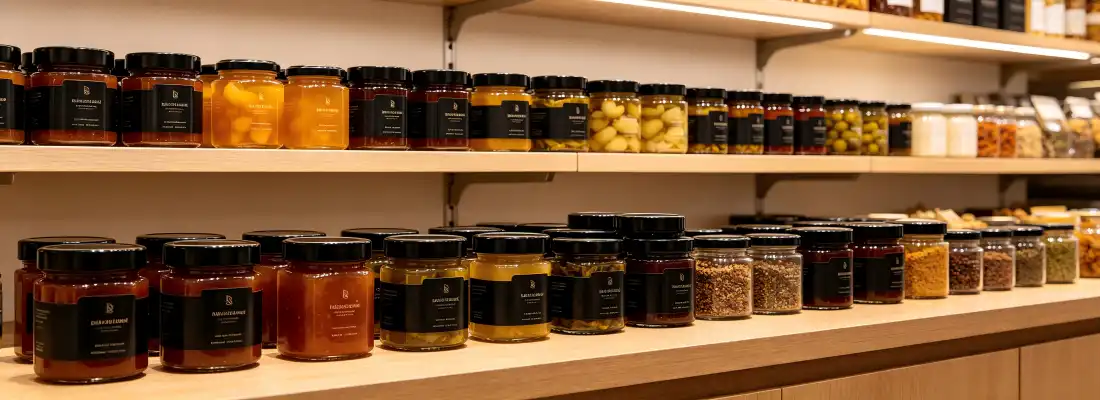
These seals do more than just meet technical requirements; they also solve important problems for buying managers. The availability of multiple sizes cuts down on inventory fragmentation across different product lines. This makes managing the warehouse easier and lowers the complexity of the minimum order. The consistent black style makes the different sizes of jars look like they belong together, which helps the brand stand out on crowded store shelves. Darker coats protect light-sensitive materials from UV light, which keeps the product from breaking down and reduces customer complaints.
How to Choose the Best Jar Lid for Your Food Packaging Needs?
To make smart choices about closure for multi-size black metal jar lid, you need to know how different factors affect your individual work environment, product features, and market positioning. It's common for expensive mid-season package changes or quality problems that hurt customer trust to happen when this choice is rushed.
Size Compatibility and Thread Standards
Many buyers don't understand how important the threading argument is. You can't switch between lug finishes and continuous thread finishes; your seal must exactly match the neck finish on your jar. 70-G and 82-RTO profiles are common standards. Mixing these profiles causes seal failures that cause spoilage and returns. These problems can be avoided by asking for specific technical drawings when buying from providers like Muzhishi. Their engineering team gives you CAD specs that your quality control team can compare to the number of jars you have on hand.
Sealing Type and Liner Technology
The choice of gasket affects both how well it seals right away and how stable the product is in the long run. Rubber seal systems work well with compression and can handle small differences in how flat the rim of a jar is, which makes them flexible for use in fast automatic filling lines. Non-gasket versions use less material, but they need tighter precision when making the lid and the jar. This choice is based on how fast your filling line is moving, what temperature the product is at when it's being filled, and how it's supposed to be distributed.
Material Comparison and Compliance Standards
Plastic covers are light, which lowers the cost of shipping, but they don't always work well in premium markets or for long-term seal reliability. Plastic threads break down faster than metal ones when they are opened and closed over and over again, which makes customers unhappy with reuse packing. Stainless steel lids are very durable and look very expensive, but they cost more per unit, which cuts into the profits of mid-range product lines. Black metal covers are the best of both worlds: they look great, last a long time, and don't cost too much, so you can make a good profit.
Compliance paperwork tells you the difference between trustworthy providers and risky ones. FDA approval proves compliance with US food contact standards, while LFGB standards cover needs for the German market. Third-party testing by SGS gives independent confirmation beyond what the seller says. When a brand goes global, it needs sources that keep their certifications up to date in a number of different areas. This way, the brand doesn't have to deal with expensive delays at customs or rejections by big stores that do packaging checks.
Supplier Reliability and Customization Capacity
Setting up long-term relationships with suppliers guards against the supply chain problems that have been plaguing global trade lately. Check to see if a possible partner can handle your growth in terms of output. Muzhishi runs 10 glass kilns that can each make up to a million units per day. This gives them extra capacity in case of regular increases or rapid growth. Through high-resolution printing, embossing, debossing, and laser cutting, their OEM services help brands stand out by turning useful closures into branded assets that strengthen product positioning.
Comparison of Black Metal Jar Lids with Other Popular Lid Types
Knowing the different competition closure choices for multi-size black metal jar lid helps you defend your investment decisions to stakeholders and makes sure you choose the best solutions instead of just going with what the industry usually does.
Durability and Lifecycle Performance
Metal fittings made from food-grade tinplate can be used over and over again without the threads wearing out. This makes them perfect for goods that are sold with "reusable packaging" claims. Consumer study shows that people are becoming more interested in boxes that can be used after the original buy. Metal closures are a good way to support this trend. The hard metal construction keeps the goods safe from damage while being shipped and stored, which lowers the loss rates that hurt profits.
Plastic options work at first, but they break down in UV light when stored in warehouses with skylights or when they are on show outside. After months of being in the sun, the polymer chains break down, making the material brittle and prone to breaking, which makes covers less effective. This degradation speeds up in warmer areas, making quality differences between regions that make national delivery plans harder to use.
Environmental Impact and Sustainability Positioning
Consumers today look at package choices more closely when it comes to the environment, and brand message needs to be in line with what's actually happening. Metal covers really help with recycling, since the infrastructure for reusing steel and aluminum is well-developed and easy to get to all over the US. Metal packaging is always recycled at higher rates than plastic packaging, and the material keeps its value through multiple recycling processes without losing any of its quality.
Brands that use recycled content should know that food-grade tinplate can have recycled materials in it and still meet strict safety standards. This supports the circular economy stance. This story about sustainability really hits home with millennials and Gen Z, two groups of people who make decisions about what high-end foods to buy.
Brand Value Perception and Market Positioning
The way people feel the package affects how good they think the product is before they even taste it. The heavy weight and smooth finish of black metal closures indicate that the product is of better quality, which is why they cost more than goods in plastic-capped jars. Retail buyers at high-end grocery chains and specialty stores specifically choose suppliers that use premium closures because they match the setting of the store brand and lower the number of SKUs that are turned down during the initial buyer demos.
Procurement and Supply Chain Strategies for Multi-Size Black Metal Jar Lids
Strategic buyers find the best total cost of ownership by looking at wait times, minimum order amounts, customization options, and source stability. Efficient sourcing is more than just discussing unit prices.
Identifying Reputable Wholesale Partners
It's easy to buy things from Xuzhou Muzhishi Crafts Co., Ltd. for multi-size black metal jar lid because they can make a lot of different things. They have been in business since 2005 and have 20 years of experience making things. They offer a complete service, from the initial creation to shipping all over the world. Their ability to import and export goods on their own speeds up the customs process, and their knowledge of foreign transportation platforms makes sure that paperwork is correct, which keeps shipments from being held up. The company's smart partnerships with suppliers in Xuzhou keep the prices of raw materials about 10 to 15 percent below the market average. This gives customers price benefits without lowering quality standards.
Customization and Brand Differentiation
Generic packaging makes it harder for brands to tell their stories. Closures can become brand champions with customization services like matching colors, adding logos through high-resolution printing, and adding patterns through hot pressing or embossing. One-on-one account managers at Muzhishi help clients understand technology needs and make sure designs can be made on a large scale while still achieving creative vision. Their quick sample turnaround—just 3–5 days for normal configurations— speeds up the process of making new products and helps brands get to market before their competitors.
Quality Assurance and Compliance Verification
Beyond the original selection of a seller, vendor audits should also include ongoing relationship management. Check to see if sellers keep their certifications up to date, test each batch, and give you paperwork that can be used for food safety checks. Muzhishi's CE, FDA, SGS, and LFGB licenses show that they follow international quality standards. They also offer 24-hour customer service after the sale and will pay for damage caused by shipping. Ask for proof of origin, business invoices, and packing lists that meet the customs requirements of the target country. This will help you avoid delays in clearance that throw off your production schedules.
Knowing the different parts of lead time helps you make more realistic plans for production. For unique specs, sample approval cycles usually take 25 days. After approval, mass production cycles last 30 days. If you plan your purchases around these dates instead of expecting them to be delivered right away, you can avoid unexpected air freight costs that destroy project budgets.
Maintenance and Longevity: How to Care for Black Metal Jar Lids?
The right way to handle and store closures will make them last longer and keep their seal performance, which will protect your investment and ensure stable product quality.
Cleaning and Rust Prevention
Corrosion resistance is provided by black metal coats, but this security is best when stored properly. If you put closures in opened boxes that let moisture in, or if the temperature changes a lot in a warehouse with a lot of humidity, the coating will wear off faster. Coatings stay strong when stored in climate-controlled spaces that are kept between 60°F and 70°F and have a relative humidity below 50%. Do not stack boxes too high, as this can cause closures to bend and sewing accuracy to suffer.
When adding caps to production lines, make sure to check the feeding devices often for metal shavings or coating bits that could show where the wear points are. If automatic cappers are not oriented correctly or vibrate too much, they can scratch coats before they are applied. This makes corrosion entry points that lower shelf life protection.
Seal Integrity Troubleshooting
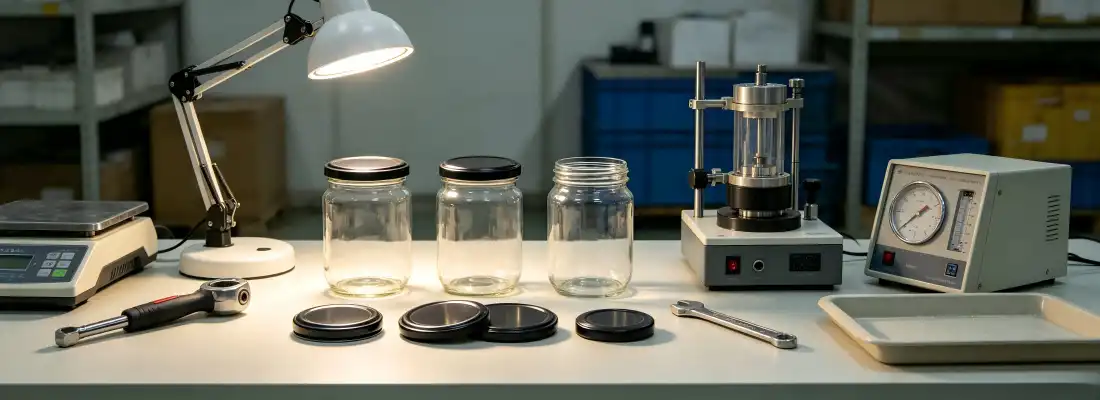
Quality control programs should make checking the seals on a regular basis a normal procedure. Visual inspection finds clear flaws, but vacuum testing finds weak covers that could break during distribution. If the rate of seal failure is higher than what is considered reasonable, check to see if the filling temperatures are correct for the close. Standard bags may deform under heat stress, so hot-fill goods need closures that can handle high temperatures.
Thread engagement depth affects the regularity of the seal, so make sure that the capping equipment always uses the same amount of force, as specified by the maker. When you over-tighten, gaskets can bend or jar lips can crack. When you under-tighten, seals aren't full. By calibrating torque wrenches every three months, you can keep your equipment working at its best.
Conclusion
To choose the best jar lids, you have to find a balance between scientific performance, good looks, following the rules, and supply chain stability. This balance is well achieved by multi-size black metal jar lids, which are made of FDA and LFGB-certified materials that are safe for food, have precision-engineered threading and Plastisol liners that keep air out, and have sleek black finishes that can be customized to be glossy or matte. Their ability to work with jars of different sizes makes keeping track of goods easier, and their strong construction means they can handle tough hot-fill, vacuum-sealing, and retort processing conditions. When you work with experienced makers that offer full customization, fast samples, and reliable global shipping, you can turn packaging from a cost that is just a commodity into a strategic brand asset that helps your products stand out and keeps customers coming back in a market where competition is high.
FAQ
Can black metal jar lids handle being sterilized in an autoclave?
High-temperature Plastisol liners and reacted lacquers are used to make sure that closures can survive autoclave conditions at 121°C for 60 minutes. This means they can be used for shelf-stable goods that need to be processed in a retort. Check with your provider about the specifics, as common closures might not be able to do this.
Are the dark coats safe for acidic foods and don't they contain BPA?
Top makers now use BPA-NI coatings that follow strict rules for food safety in the EU and California's Proposition 65. The acid-resistant lacquers inside stop chemical reactions with high acidity levels below pH 4.6. This makes sure that pickles, sauces, and pickled foods are safe.
Do these closures provide tamper-evident features?
A lot of the sizes have safety buttons or vacuum flip centers that make a hole when the right vacuum seals form during processing. This makes it clear if the package has been tampered with, reassuring customers of the product's integrity and meeting store standards for food safety packing.
How can you keep the cut sides from rusting while they are being made?
Professional closures go through edge-protection steps after being coated or use electrophoretic coating, which completely covers any metal that is visible at the edges. This stops black spots and oxidation that would hurt the product's look and ability to fight damage over time.
Partner with a Trusted Metal Jar Lid Supplier
With 20 years of experience making food-grade seals, Xuzhou Muzhishi Crafts is ready to help you with your packing needs. We offer unique solutions ranging from 38mm to 110mm in diameter, quick sample turnaround (3-5 days), and scalable production (up to 1 million units per furnace per day). We are a top multi-size black metal jar lid maker. Our full export services take care of clearing customs, foreign shipping, and all the paperwork needed for a smooth delivery to your site. Email our team at long@muzhishi.com to talk about your unique needs, get free samples, or get full technical specs. Our one-on-one account managers give you personalized service that turns problems with packing into benefits for your brand in the market.
References
Robertson, Gordon L. Food Packaging: Principles and Practice. CRC Press, 2016.
Marsh, Kenneth and Betty Bugusu. "Food Packaging—Roles, Materials, and Environmental Issues." Journal of Food Science, vol. 72, no. 3, 2007, pp. R39-R55.
Coles, Richard, et al. Food Packaging Technology. Blackwell Publishing, 2003.
Yam, Kit L. Encyclopedia of Packaging Technology. John Wiley & Sons, 2009.
Brody, Aaron L. and Kenneth S. Marsh. Wiley Encyclopedia of Packaging Technology. John Wiley & Sons, 1997.
Fellows, Peter J. Food Processing Technology: Principles and Practice. Woodhead Publishing, 2017.
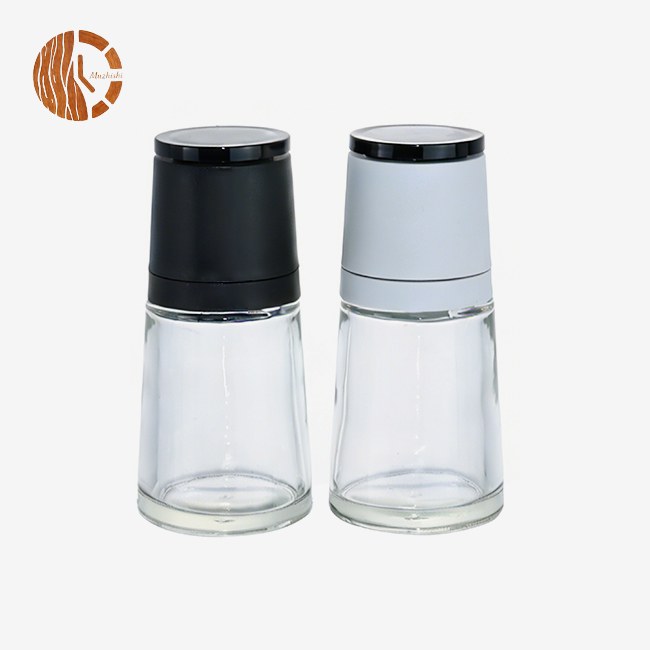
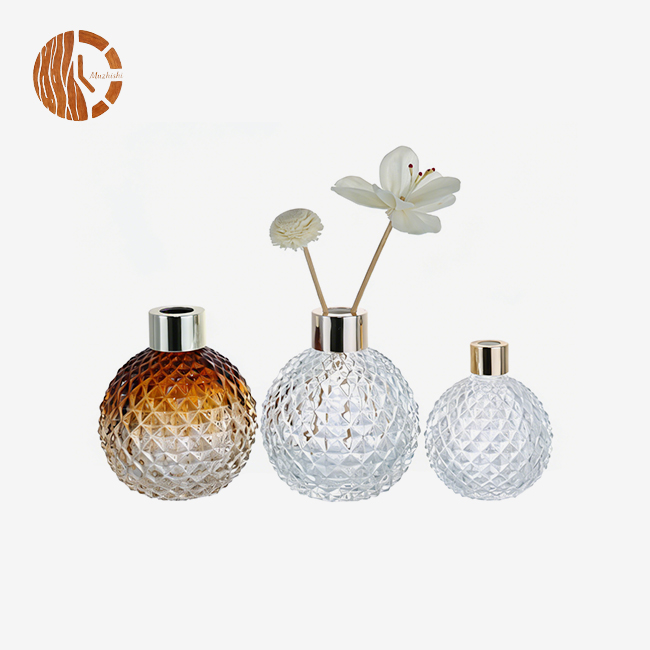
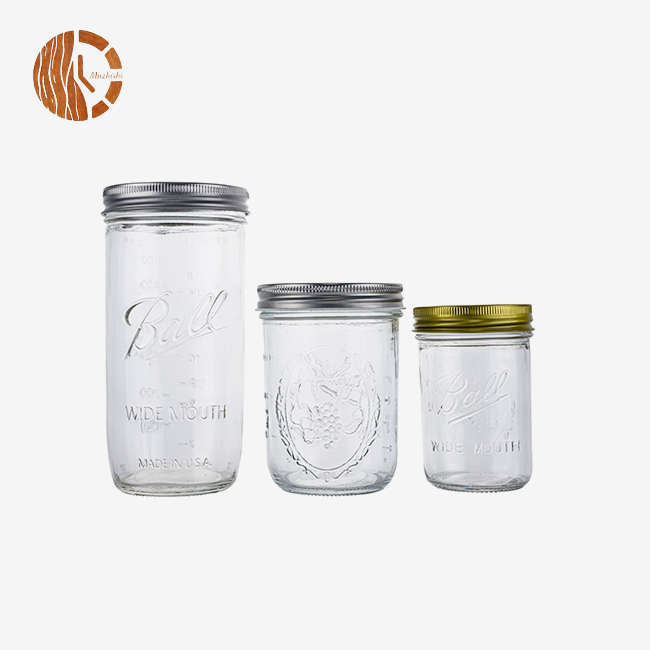

Our customers’ satisfaction speaks for our quality — contact us to experience the same reliable service.