- English
- French
- German
- Portuguese
- Spanish
- Russian
- Japanese
- Korean
- Arabic
- Greek
- German
- Turkish
- Italian
- Danish
- Romanian
- Indonesian
- Czech
- Afrikaans
- Swedish
- Polish
- Basque
- Catalan
- Esperanto
- Hindi
- Lao
- Albanian
- Amharic
- Armenian
- Azerbaijani
- Belarusian
- Bengali
- Bosnian
- Bulgarian
- Cebuano
- Chichewa
- Corsican
- Croatian
- Dutch
- Estonian
- Filipino
- Finnish
- Frisian
- Galician
- Georgian
- Gujarati
- Haitian
- Hausa
- Hawaiian
- Hebrew
- Hmong
- Hungarian
- Icelandic
- Igbo
- Javanese
- Kannada
- Kazakh
- Khmer
- Kurdish
- Kyrgyz
- Latin
- Latvian
- Lithuanian
- Luxembou..
- Macedonian
- Malagasy
- Malay
- Malayalam
- Maltese
- Maori
- Marathi
- Mongolian
- Burmese
- Nepali
- Norwegian
- Pashto
- Persian
- Punjabi
- Serbian
- Sesotho
- Sinhala
- Slovak
- Slovenian
- Somali
- Samoan
- Scots Gaelic
- Shona
- Sindhi
- Sundanese
- Swahili
- Tajik
- Tamil
- Telugu
- Thai
- Ukrainian
- Urdu
- Uzbek
- Vietnamese
- Welsh
- Xhosa
- Yiddish
- Yoruba
- Zulu
Clear Glass Cream Jars vs Airless Containers: Which One Is Better?
Clear Glass Cream Jars With Lids and Airless Containers are the two main options when it comes to packaging for beauty and skin care products. For business-to-business buyers, like those who run a home decor brand, a workplace gift company, or a retail chain, the right packaging protects the integrity of the formula, improves how customers see the brand, and affects their decision to buy. For thick, handmade creams that need to look their best, clear glass cream jars are usually the best choice. On the other hand, airless systems work best for sensitive formulations that need to be dispensed without letting air in. The answer rests on the features of your product, how you position your brand, and what your target market expects.
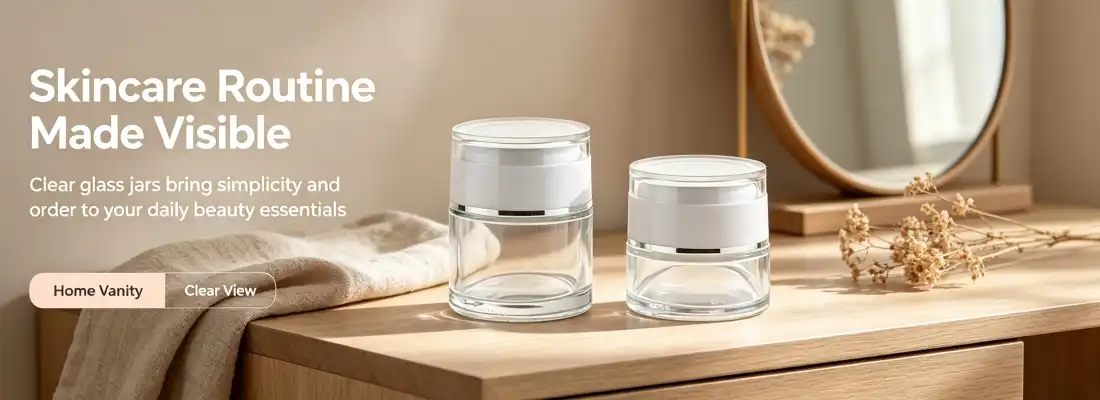
Introduction
When you put creams in packaging, it does more than just protect them. It's like a silent salesperson that tells buyers about quality, reinforces brand values, and keeps delicate formulas from breaking down. It can make a big difference in how well your product does in the tough B2B market whether you choose Clear Glass Cream Jars With Lids or airless containers. High-end skin care has come in glass jars for decades because they are clear and let buyers see exactly what they're getting. Newer containers that don't let air in use vacuum technology to get the food out without letting air in. When it comes to cosmetics and skin care, both types of packaging work well. However, each has its own benefits that make it better for certain companies. Suppliers, buyers in that area, and brand owners can make choices that keep costs low and customers pleased when they are aware of these variations.
Understanding Clear Glass Cream Jars and Airless Containers
The Premium Appeal of Glass Packaging
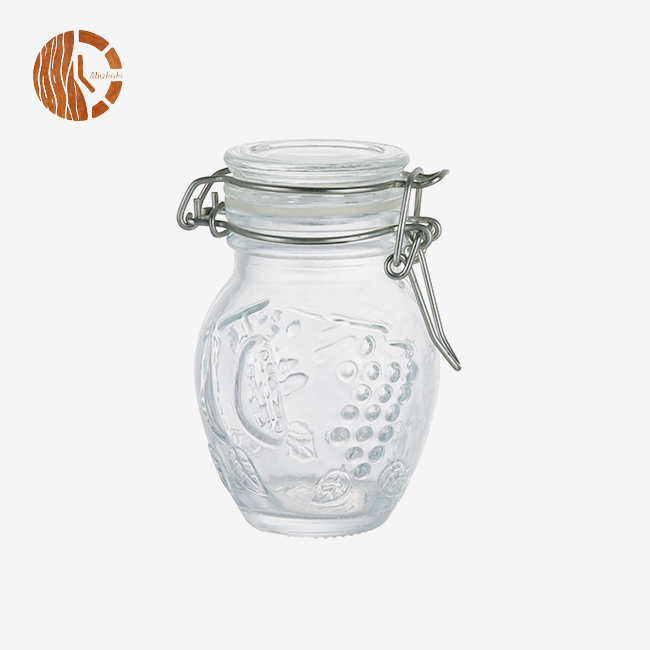
Glass cream jars look very classy and classic, which makes them perfect for high-end stores. You can get these containers in amber, clear, or custom colours that match your brand. They also come in different sizes, such as 30ml and 50ml. If you use good soda-lime or borosilicate glass, the glass itself is chemically neutral and won't react with things like vitamin C or retinol. Lids come in a lot of different styles, from plain screw caps to fancy ones that are gold or silver. All of them have seals that don't let air in and keep water inside. Hot stamping, embossing on the inside, screen printing, and full label integration can all be used to make each jar unique. This makes them perfect for telling the story of a brand. People who think that weight is a sign of quality see value in the fact that glass is heavy.
How Airless Technology Works
A hoover is made when the product is dispensed from an airless container by raising a cushion at the base. For the whole time it lasts, this keeps the product from touching air. It is great that these systems keep delicate mixtures safe from rust and contamination. Usually, they are made of metals or composites that last a long time. The pump system makes it easy to give exact doses without touching the product. This keeps your hands clean, which is good for people who are worried about bacterial contamination. You can't see through airless containers like you can with glass, but they look sleek and modern, which fits with scientific and high-tech skin care brands that care more about how they work than how they feel.
Key Comparison Metrics for Cream Packaging
Protection and Preservation Standards
Clear Glass Cream Jars With Lids are very good at keeping most outside things out because they are barrier materials. The surface doesn't let gases through, but when the lid is opened during use, oxygen can get in. Glass that is amber stops UV light, which is harmful and breaks down things that are sensitive to it. The food will last longer in packages that don't let air in because they don't let air in over and over again. So, they are great for recipes that don't have many chemicals or active ingredients that don't stay stable. Products stored in systems without air stay useful for longer than those stored in regular jars, according to tests. In particular, this is true for organic and natural foods that go bad fast.
Usability and Consumer Experience
Using each version is very different from the last. You have to use your fingers or a spatula to scoop from glass jars. Many people who like high-end products enjoy the physical act of doing this. This direct contact lets people taste the food and decide how much to eat, but it also makes it more likely that they will get sick after each use. Pumps that don't use air can give controlled amounts of the product without touching it. This saves money and keeps the item clean for as long as it lasts. In airless systems, less than 5 percent of the product is left over. In air-filled systems, 15 to 20 percent of the product gets stuck in the jar walls. For travel-sized items, making sure there are no spills is very important, so making sure they are easy to use is very important.
Environmental and Sustainability Factors
Recycling glass over and over again doesn't hurt its quality, which makes it one of a kind. In fact, after the product inside runs out, many people store things in pretty jars or use them for decoration. The brand is seen more after the purchase because it can be used again and again. Things that don't have air inside them have a more complicated effect on the world. Standard models are made of a mix of plastics, which makes it harder to recycle. But new eco-friendly choices are being made from a single material or with parts that have been recycled from old items. Transporting different materials also works in different ways. Because glass is heavier, it needs more fuel. Plastics, on the other hand, use more materials made from petroleum, even though they use less fuel.
| **Packaging Aspect** | **Clear Glass Cream Jars** | **Airless Containers** |
|---|---|---|
| Material Composition | Glass made of soda-lime or borosilicate | PP, PETG, or mixed plastics |
| Barrier Performance | Excellent at keeping dampness out; mild exposure to oxygen | Better airtight safety while in use |
| Recyclability | 100% recyclable over and over again | Mixed; depends on how the materials separate |
| Product Visibility | Full transparency shows how the formula is made | Opaque design is all about how it works |
| Weight Consideration | More expensive to ship because it's heavier | Lightweight; lowers the cost of shipping |
Evaluating Procurement Considerations for B2B Buyers
Cost Analysis and Budget Planning
Buyers have to figure out the total cost, which is more than just the unit price. Glass jars have higher material costs because they are harder to make and require more expensive raw materials. Shipping is another important factor. Because glass is heavy and easily broken, it needs to be carefully packaged and handled, which raises the cost of operations by 20–30% compared to plastic options. Even with good packaging, about 2 to 3 percent of items shipped break during transport. Most of the time, airless containers cost more per unit than simple plastic jars but less than high-end glass choices. Their smaller size and lower weight mean that they cost much less to ship, and since they break so rarely, there are no replacement costs. Because airless systems need special pump mechanisms, minimum order numbers are often higher. This can make it hard for smaller brands that are testing new goods.
Supplier Reliability and Quality Certifications
By choosing manufacturers with a history of success, you can avoid problems with compliance and inconsistent quality. Established glass suppliers, like Xuzhou Muzhishi, which has been making glass crafts for 20 years, keep strict quality controls in place. These include heating tests, thread consistency checks, and vertical load strength checks. Look for companies that have certifications that meet FDA, European Pharmacopeia, or USP standards for cosmetic packaging. Stability in the supply chain is important, especially for regular restocking. Companies that work with local suppliers and keep common products on hand can turn orders around faster. Response guaranties of less than 24 hours and full after-sales support set professional suppliers apart from those who only offer transaction services.
Customization and Brand Differentiation
Different types of boxes offer very different branding possibilities. Hot stamping, inside engraving, and multicolor screen printing are all high-end ways to customize Clear Glass Cream Jars With Lids that make them look great on the shelf. Because it is clear, the color of the mixture can become part of the design. For example, rich white creams look great against clear glass, and warm amber tones look great in colored jars. Modern branding is possible on airless containers with metal finishes and smooth label applications, but customization choices are still restricted. Sample development times for glass jars from well-known makers are usually between 3 and 5 days. This gives brands a chance to see how the market reacts before committing to big production runs. Full package solutions that include custom boxes and show materials help make unboxing experiences that are consistent and keep customers coming back.
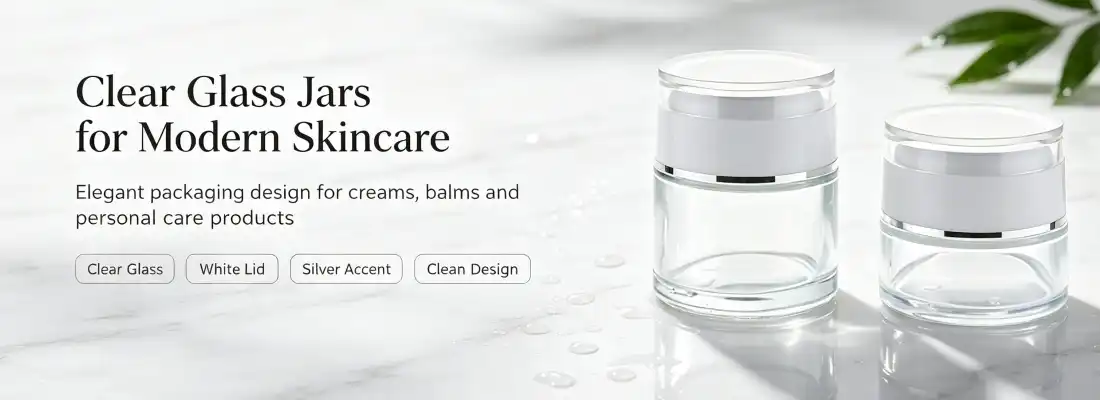
Which Packaging is Better for Different Use Cases?
Luxury and Artisanal Skincare Lines
Glass packing is very helpful for high-end brands that are aimed at wealthy customers. The material itself is a sign of quality, and being able to see the result increases trust in its purity. Clear glass is a great way to show off thick, rich creams, especially ones that have plant ingredients or luxury textures that you can see. Premium prices are fair because the weight and feel of glass jars make memories that are worth the extra money. Home decor and gift companies love glass because it can be used over and over again. They know that customers will reuse pretty jars long after the product inside them runs out, leaving a lasting impression of their brand.
Active and Sensitive Formulations
Products with unstable ingredients like vitamin C, peptides, or natural preservative systems need the security that airtight packages offer. Pharmaceutical-grade skin care lines, clinical lines, and professional treatment goods usually use airless methods to make sure their products stay effective for a long time. The hygiene benefits are especially important for eye creams and recovery products after surgery, where the risk of contamination needs to be kept to a minimum. When brands put more emphasis on scientific credibility over sensory luxury, airless packaging helps them stay true to their research-focused positioning.
Decision Framework for Procurement Teams
When picking a container, you should think about how thick the product is. For example, very thick balms and anhydrous formulas don't work well with airless pumps but do great in jars. Think about the types of people you want to buy from: younger, more convenience-oriented shoppers often like pump dispensing, while luxury buyers of all ages enjoy the routines that come with glass jars. Compare the product's shelf life needs to its recipe stability. Products that need to be stable for 24 months or more often support investing in airless packaging, even if it costs more. Brand positioning is very important. Well-known luxury brands stick to glass consistency, while new scientific brands use airless technology to set themselves apart and show their commitment to formulation potency.
| **Product Category** | **Recommended Packaging** | **Key Reasoning** |
|---|---|---|
| Rich Night Creams & Body Butters | Clear Glass Cream Jars With Lids | A thick consistency is good for scooping, and the look of glass is good for high-end positioning |
| Vitamin C & Retinol Serums (cream form) | Airless Containers | For active ingredients to stay effective, they need to be kept away from oxygen |
| Natural/Organic Formulations | Both suitable; depends on preservation | Well-preserved naturals work in glass, but minimally preserved ones need to be kept out of air |
| Eye Creams & Targeted Treatments | Airless Containers preferred | Pump systems are better for small doses, hygiene concerns, and use in sensitive areas |
| Spa & Treatment Products | Clear Glass Cream Jars With Lids | In a professional setting, appearance is very important, but amount control is not as important |
Maintenance, Handling, and Long-Term Benefits
Care Guidelines for Glass Packaging
Following certain handling rules is important for keeping the purity of Clear Glass Cream Jars With Lids throughout the supply chain. When sending on pallets, you need to make sure the corners are protected and use materials that absorb shock to protect against sudden hits. Temperature changes during storage don't usually have an effect on the glass itself, but rapid changes of more than 40°C can damage lower-quality glass by causing thermal shock. Mild detergent solutions and soft cloths that don't scratch are recommended for cleaning reuse display jars so that they keep their high-end look that draws customers. When stores sell glass items, they should teach their employees how to handle them carefully so that breakage costs are cut by an average of 1% to 2% at the market level.
Professional packing solutions cover more than just what the manufacturer is responsible for. Individually made boxes with molded pieces hold each jar in place and spread the pressure evenly while they are being shipped. Strategic partnerships between manufacturers and logistics providers who know how to handle fragile goods greatly lower the number of damage claims. Over time, the longevity benefits of glass become clear. Unlike plastic, which can warp, cloud, or absorb oils from goods, glass stays immaculate throughout its useful life, which helps keep a brand's image consistent.
Optimizing Airless Container Performance
When dealing airless systems, you need to think about how to protect the mechanisms instead of how to keep them from breaking. The most fragile part is the pump assembly. Impacts that dent the container body can weaken the vacuum, which can lead to failure of the dispensing system. For safe storage, keep containers upright to keep the diaphragm in place and stay away from temperatures that are too high or too low, as these can affect the flexibility of the plastic and the tightness of the pump spring. During the buying process, quality testing should be done to make sure that the pump works in a range of temperatures that are important to shipping and storage.
Product satisfaction with airless containers is highest when end users are educated. Clear instructions on how to prime pumps before the first use and how to tell when the product is completely gone keep people from getting frustrated. In glass jars, the leftover product can be seen. But with airless containers, users need to know that pouring resistance means the container is empty, not broken. These small investments in education keep customers from returning items and leaving bad reviews that hurt a brand's reputation.
Conclusion
In the end, the choice between airless containers and Clear Glass Cream Jars With Lids comes down to what your brand stands for, what your product needs, and what your customers expect. Glass packaging looks very expensive, lets you see the whole product, and is good for the environment because it can be recycled. This makes it perfect for handmade creams, high-end skin care lines, and products that are meant to be gifts. Airless containers protect formulations better, are easier to clean, and are more convenient, all of which are benefits for active ingredient goods and scientifically positioned brands. B2B buyers who are good at what they do look at more than just the unit price. They also look at things like shipping costs, breakage rates, and the ability to customize. Working with experienced makers that offer full support services will make sure that the package choices you make help your product succeed in competitive markets instead of hurting it.
FAQ
What advantages do glass cream jars offer compared to plastic containers?
Glass cream jars are chemically neutral, which means that ingredients don't react with each other. This keeps formulations stable for compounds that are sensitive. The material is very good at keeping out moisture and smells, and it can be recycled over and over again without losing any of its quality. Premium looks let customers know that a product is of high quality, which can support higher prices and build brand value through reusability.
Can Clear Glass Cream Jars With Lids accommodate customization for private labeling?
There are many ways to customize, such as hot pressing, screen printing, engraving on the inside, and full color personalization. Manufacturers like Muzhishi help with adding logos, making unique labels, and making sure that all of the boxes match. Sample development usually takes three to five days, which gives brands time to test designs before committing to full-scale production in Clear Glass Cream Jars With Lids.
Which lid types provide the most effective airtight seals for cream products?
Most formulations can be reliably sealed with screw-cap lids that have PE or silicone gaskets. Precision-engineered threads make sure that the closing is always the same, and sealing materials keep air out. Quality makers make sure the integrity of the seal by checking for vacuum leaks that meet ASTM standards. This makes sure that the product is protected against contamination and moisture loss for the whole time it's on the shelf.
Partner With Muzhishi for Your Premium Glass Packaging Needs
Xuzhou Muzhishi has been making glass products for 20 years and can help business buyers find reliable Clear Glass Cream Jars With Lids suppliers. Standard containers can be turned into branded items with our full customization services, which include hot stamping, screen printing, and engraving on the inside. We have strategic ties with local suppliers of raw materials that cut costs by 10 to 15 percent and allow us to stock common materials to speed up shipping times. Each jar meets international standards for cosmetic packing thanks to quality certifications, and our dedicated account managers offer individual support with response times of less than 24 hours. We offer free samples, flexible minimum order quantities, and full documentation support for easy international shipping, whether you need 30ml eye cream jars for a new boutique line or 50ml containers for an existing line of products. Email our team at long@muzhishi.com to talk about how our glass packaging solutions can help your brand stand out and keep your valuable formulations safe throughout their entire lifecycle.
References
1. Smith, J., & Anderson, K. (2022). Cosmetic Packaging Materials: Quality Standards and Industry Best Practices. International Journal of Cosmetic Science Publishing.
2. European Cosmetics Association. (2021). Guidelines for Primary Packaging Selection in Skincare Product Development. Brussels: ECA Technical Standards Committee.
3. Thompson, R. (2023). Sustainable Packaging Solutions for the Beauty Industry: A Comparative Analysis. Packaging Technology Review, 18(3), 45-62.
4. United States Food and Drug Administration. (2020). Compliance Policy Guide: Cosmetic Container Materials and Safety Requirements. Washington, DC: FDA Consumer Products Division.
5. Martinez, L., & Chen, W. (2023). Barrier Properties of Glass versus Plastic in Cosmetic Packaging: A Ten-Year Stability Study. Journal of Pharmaceutical Packaging Research, 12(2), 134-151.
6. Global Packaging Institute. (2022). B2B Procurement Strategies for Cosmetic Packaging: Cost Analysis and Supplier Selection Framework. London: GPI Research Publications.

Our customers’ satisfaction speaks for our quality — contact us to experience the same reliable service.