- English
- French
- German
- Portuguese
- Spanish
- Russian
- Japanese
- Korean
- Arabic
- Greek
- German
- Turkish
- Italian
- Danish
- Romanian
- Indonesian
- Czech
- Afrikaans
- Swedish
- Polish
- Basque
- Catalan
- Esperanto
- Hindi
- Lao
- Albanian
- Amharic
- Armenian
- Azerbaijani
- Belarusian
- Bengali
- Bosnian
- Bulgarian
- Cebuano
- Chichewa
- Corsican
- Croatian
- Dutch
- Estonian
- Filipino
- Finnish
- Frisian
- Galician
- Georgian
- Gujarati
- Haitian
- Hausa
- Hawaiian
- Hebrew
- Hmong
- Hungarian
- Icelandic
- Igbo
- Javanese
- Kannada
- Kazakh
- Khmer
- Kurdish
- Kyrgyz
- Latin
- Latvian
- Lithuanian
- Luxembou..
- Macedonian
- Malagasy
- Malay
- Malayalam
- Maltese
- Maori
- Marathi
- Mongolian
- Burmese
- Nepali
- Norwegian
- Pashto
- Persian
- Punjabi
- Serbian
- Sesotho
- Sinhala
- Slovak
- Slovenian
- Somali
- Samoan
- Scots Gaelic
- Shona
- Sindhi
- Sundanese
- Swahili
- Tajik
- Tamil
- Telugu
- Thai
- Ukrainian
- Urdu
- Uzbek
- Vietnamese
- Welsh
- Xhosa
- Yiddish
- Yoruba
- Zulu
Glass Essential Oil Roller Bottles: Colored vs Clear Guide
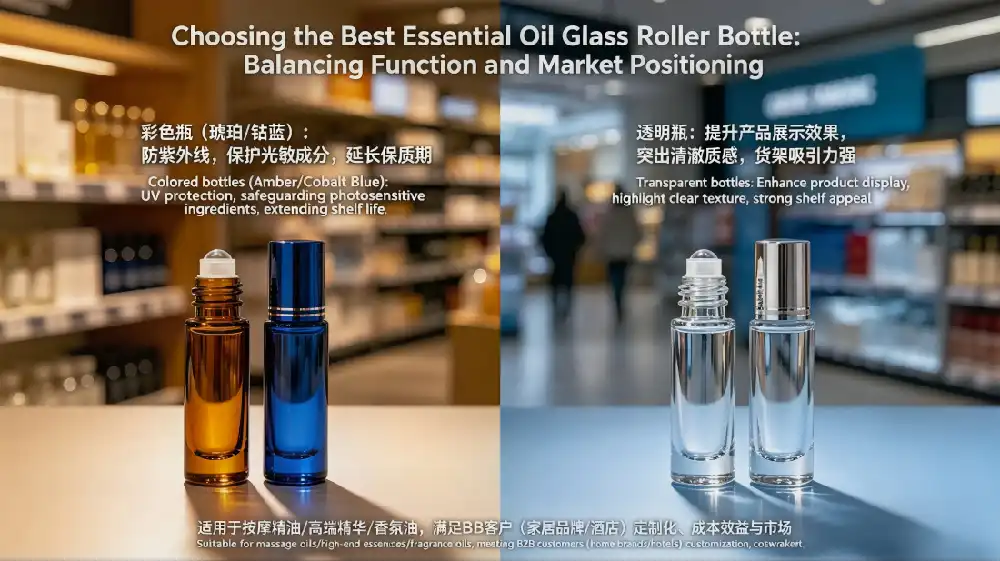
Picking the best essential oil glass roller bottle can affect how long the product lasts, how people feel about the brand, and how happy the customers are. There's more to choosing between colored and clear glass than just how it looks when you're packaging massage mixes, high-end serums, or fragrance oils. Light-sensitive chemicals are protected from UV degradation by colored bottles, especially amber and cobalt blue ones. This keeps the strength and extends the shelf life. Clear bottles make the product look better and show how clear it is, which helps it stand out on store shelves in busy shopping areas. Knowing these differences helps business-to-business buyers, like home decor brands and hospitality providers, choose packaging that meets their needs for usefulness, cost-effectiveness, and market positioning while also being able to be customized in a variety of ways.
Understanding Essential Oil Glass Roller Bottles
What Makes Glass the Preferred Material?
Because it is so chemically neutral, glass is still the best way to store volatile smelling compounds. Instead of reacting chemically with terpenes and acidic parts of citrus and pine-based oils, borosilicate and soda-lime glass don't break down. This non-reactive quality keeps the essential oil glass roller bottle from breaking down and keeps the therapeutic purity of the ingredients for a long time. Because the material is impermeable, oxygen can't pass through it. This lowers the risk of oxidation, which can damage scent profiles and active chemical concentrations.
Glass is also preferred by brands that want to use sustainable packaging because it is better for the environment. Refillable glass bottles help the cycle economy because they let people use containers more than once. This cuts down on single-use plastic trash and is in line with the values of eco-friendly consumers who affect purchases in the beauty and health industries.
Core Design Components and Their Functions
The glass container, the roller ball motor, and the closure system are the three most important parts of a standard roller bottle assembly. The glass body keeps the structure strong and protects against chemicals. The stainless steel 304/316 grade, plastic, or crystal roller balls give you different ways to use them. Metal balls cool you down and have smooth glide patterns that are good for pulse point treatment. Plastic balls, on the other hand, are cheaper to make and are better for product lines that are on a budget.
The close device has a friction-fit housing that holds the roller ball in place with an accuracy of ±0.05mm. This close limit makes the best surface tension, which stops leaks during shipping and keeps the rolling action smooth. Screw-cap designs with threaded necks make sure that the lids don't let air in, which is important for keeping flammable chemicals safe and meeting the standards for pharmaceutical-grade packaging. These technical features set professional-grade bottles apart from consumer goods. This means that they can be used in clinical aromatherapy and high-end skin care.
Industry Applications Across Market Segments
Aromatherapists need bottles that keep the strength of the oil even after many uses. The 6ml amount, which is a standard professional size, gives you enough space for therapeutic mixes while still being small enough to use on the go. Wellness stores like the mess-free pouring that cuts down on product waste compared to dropper bottles. This makes the customer experience better and encourages them to buy again.
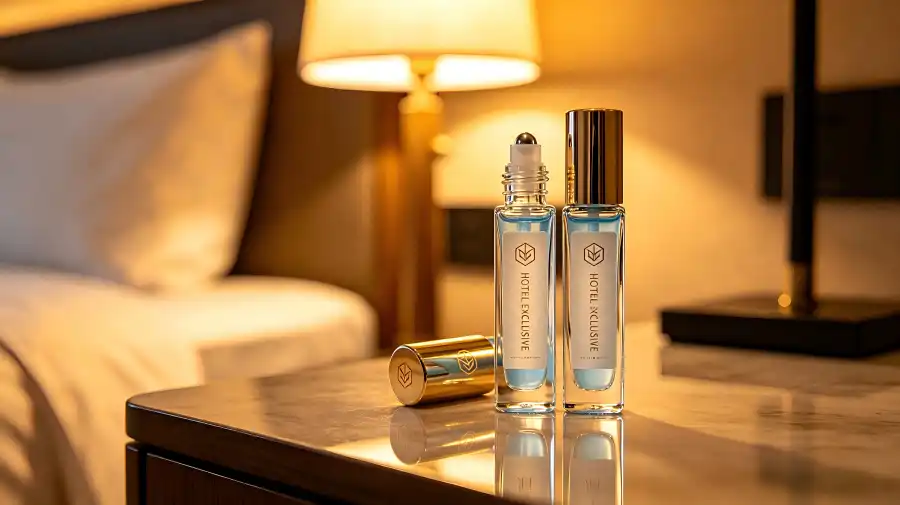
Corporate gift providers use the ability to customize to make branded health kits for advertising campaigns and programs that thank employees. Standard bottles can be turned into high-end gifts that show off a company's personality by hot stamping, screen printing, or carving the inside. Planners of events choose themed roller bottles with caps and finishes that fit the style of the event and use them as wedding gifts and party packages. As part of their guest gift programs, hospitality brands use custom roller bottles to improve the atmosphere of rooms and offer useful perfume experiences that set their service apart.
Colored vs Clear Essential Oil Roller Bottles - Key Differences
UV Protection and Product Preservation
Light-blocking qualities are at the heart of the science case for colored glass. Around 99% of light wavelengths between 200nm and 450nm are blocked by amber glass. This is the range of wavelengths that is most harmful to the ingredients in essential oils. This defense is especially good for citrus oils that contain limonene and bergapten, which break down quickly in direct sunlight. Studies show that oils kept in amber essential oil glass roller bottle containers stay chemically stable 3–5 times longer than oils kept in clear glass containers when the lighting is the same.
Cobalt blue glass provides the same level of UV protection while having a unique look that is popular in high-end product lines. The deep blue color makes the product stand out on the shelf, which is why it costs more in places with lots of competition. Green glass types offer a modest level of protection that is good for oils that are moderately sensitive to light. They are a good compromise between full protection and total transparency.
Visual Appeal and Brand Positioning
Clear glass is good for brands that want to make their products stand out and show that they are honest. Customers can check the color, brightness, and fill level of the oil, which builds trust by showing that the product is of good quality. This openness is especially helpful for multicolored mixes and layered formulas, where the way something looks affects how much it's worth. For inventory management, stores like clear bottles because staff can quickly see how much stock they have without having to open containers.
There are big differences between the different choices for brand storytelling possibilities. Clear glass gives off an air of simple luxury and product trust, suggesting that the ingredients are stable enough to handle being exposed to light. Colored glass shows that you care about protecting and preserving your products, which is appealing to customers who know about the risks of UV damage. The choice shows how much the brand values and how well they understand their target market, which affects buying decisions in ways other than usefulness.
Cost and Supply Chain Considerations
The costs of making colored and clear glass are different. Clear glass usually costs 8–12% less than colored glass because it is easier to make and needs fewer fillers in the raw materials. Colored glass needs exact amounts of metal oxides—iron and sulfur for amber, cobalt compounds for blue—which raises the cost of materials and makes quality control more important. When making colored glass, problems with batch stability can make wait times 5–10 days longer than for clear glass.
Often, the minimum order numbers for different versions are different. For cost-effective production runs, colored choices usually need minimums of 5,000 units or more, while clear glass can be ordered in smaller test runs of 1,000 to 3,000 units. Availability is affected by global sourcing issues. For example, Chinese makers offer reasonable prices for both types and have production cycles of 20 to 25 days. U.S. sources, on the other hand, offer faster turnaround times at 15 to 25 percent higher prices. These things affect how businesses buy things, helping them balance keeping costs low with meeting quality standards and meeting delivery dates.
Comparative Performance Analysis
| Feature | Colored Glass | Clear Glass |
|---|---|---|
| UV Protection | Blocks 90-99% harmful wavelengths | Minimal protection (<10%) |
| Product Visibility | Limited to no visibility | Complete transparency |
| Shelf Life Extension | Extends stability 3-5x for light-sensitive oils | Standard shelf life |
| Cost Differential | 8-12% premium over clear | Baseline pricing |
| MOQ Requirements | Typically 5,000+ units | Available from 1,000 units |
| Aesthetic Appeal | Premium, protective positioning | Clean, minimalist presentation |
| Customization Complexity | More complex color matching | Simpler decoration processes |
Choosing the Best Essential Oil Roller Bottles for B2B Needs
Capacity Selection Based on Use Cases
The 6ml size is the standard for personal aromatherapy and travel-sized products. Depending on the roller ball size and how the essential oil dropper bottle is used, it can be used 100 to 120 times. This size is perfect for purse kits, work accessories, and hotel gift programs because it is portable and can be used for a long time. The 10ml sizes are better for store shelf items that will be used for a long time, so the extra weight and bulk are okay. The 3ml sizes are better for event freebies and sampling programs, where the small size is more important than the amount used.
B2B buyers should choose capacity based on how their target customers usually use it. Wellness brands that want to sell to people every day should use 10ml bottles because they make it easier for people to buy again, while gift companies should focus on 6ml forms because they keep costs down without lowering the perceived value of the product. For consistent dosage, clinical aromatherapy uses often need exact amounts, which means that qualified providers who keep precise fill tolerances must be consulted.
Roller Ball Material Selection
Stainless steel roller balls are the most common type used in business settings because they last longer and don't rust. The normal 304-grade steel can handle being exposed to acidic oil without rusting or discoloring, so it can be used over and over again without breaking. The metal surface makes you feel cool, which is good for headache relief and stress relief products, and it makes the therapy treatment experience better.
Plastic roller balls are 15-20% cheaper than metal ones, but they still work well enough for budget-friendly products and promotions items. While polypropylene materials don't react badly with most oils, strong citrus agents may cause the surface to break down over time. Glass roller balls are a good compromise because they look good and are resistant to chemicals, but they are fragile, which means they can't be used in travel items or places where they will be handled roughly. We have all three choices in our 6ml bottles, so you can choose the material that best fits the placement and price point of your product.
Sealing Mechanisms and Leak Prevention
Professional-grade bottles have carefully designed closing systems that keep liquids inside while they're being shipped and handled. With interference limits measured in hundredths of millimeters, the roller ball case fits the bottle neck. This makes mechanical seals that can handle changes in pressure during air freight. Continuous thread screw-cap clamps spread clamping forces evenly around the neck diameter, getting rid of weak spots that could compromise the integrity of the seal.
As part of our quality control procedures, we test our seals in a vacuum room with 0.8 bar of negative pressure, which simulates the conditions at high altitudes that cause poor seals to fail. Pull-off force tests are done on every production batch to make sure that roller systems need 8–12 pounds of separation force. This is enough to keep them from coming apart by accident but still allow them to be taken apart on purpose for cleaning. These requirements meet the standards for pharmaceutical packaging that apply to FDA-registered facilities. This makes sure that the product is suitable for controlled market groups.
Certification and Compliance Requirements
For international shipping, safety guidelines and material certifications must be followed. In Europe, products meant to come into touch with food and cosmetics must follow the rules set out in EC 1935/2004. In the US, FDA 21 CFR 177 rules apply for indirect food additives. Our borosilicate glass meets the requirements of USP Type III, which means it is resistant to chemicals and can be used in pharmaceutical-grade uses around the world.
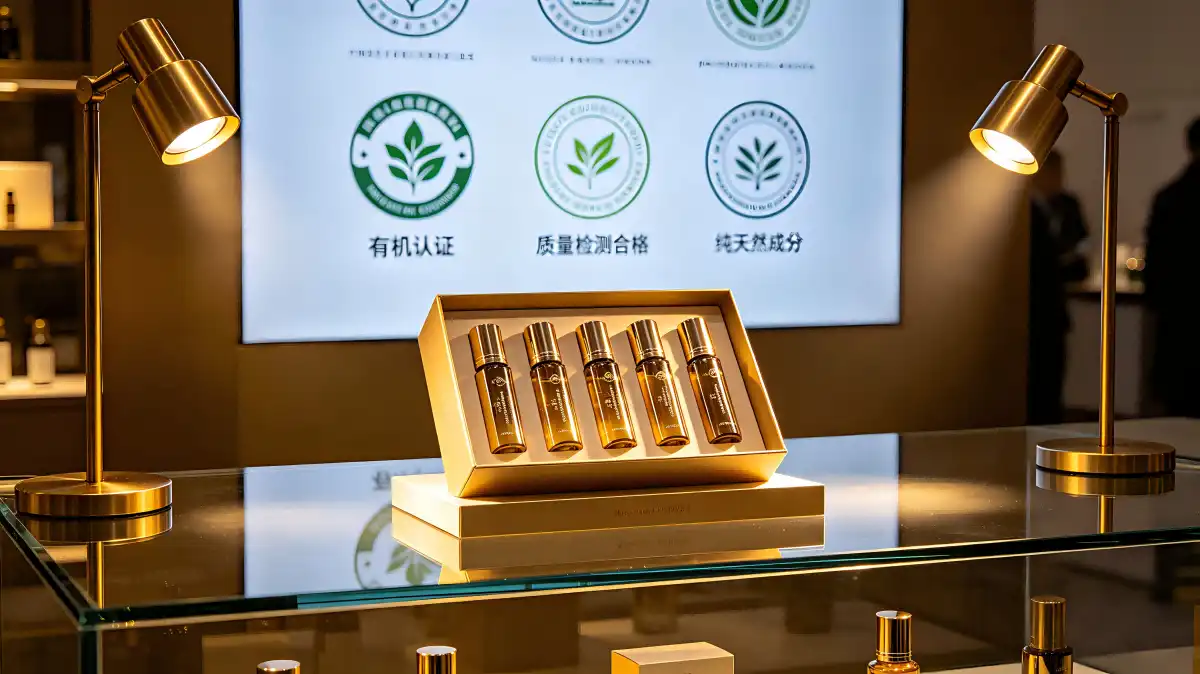
As sustainability becomes a competitive difference, eco-certifications become more important in buying choices. Our designs for refilling bottles help brands that want to get Cradle to Cradle approval and start using zero-waste packaging. The glass makeup has 40% post-consumer recycled material, which is good for the environment and keeps the structure strong. These accolades help the brand's place among eco-friendly customers and meet the requirements for corporate social responsibility for global stores.
Conclusion
When choosing between colored and clear glass roller bottles, you need to think about how much they cost, how well they protect against UV light, and how you want to position your brand. For longer shelf life for light-sensitive products, colored glass is better, and it sends a message of high-end protection. Clear glass, on the other hand, is less expensive and focuses on simplicity and openness. To be a good buyer, you need to look at what the supplier can do, negotiate good terms, and take advantage of customization options that make your essential oil dropper bottle products stand out in a crowded market. By knowing about these things, you can make smart choices that improve product quality, keep costs down, and strengthen brand identity across a variety of channels of distribution.
FAQ
Why Choose Glass Over Plastic for Essential Oil Storage?
Glass is very chemically inert, so it doesn't react with volatile oil compounds. This keeps the therapeutic properties and integrity of the fragrance. Plastic containers, especially PET and HDPE types, let terpenes slowly seep inside and break down the container and its contents over time. Glass also supports sustainability efforts by being infinitely recyclable and designed to be used again and again, which fits with the eco-friendly positioning of the brand.
What Bottle Size Works Best for Travel Kits?
The 6ml capacity makes it easy to carry around without sacrificing enough use time. This size meets TSA rules about liquids in carry-on luggage and can be used 100 to 120 times, depending on the size of the roller ball and the way it is applied. Smaller sizes, like 3ml, are better for one-time use, while 10ml bottles are too heavy and bulky to carry around.
How Can Leaks Be Stopped while Shipping?
To stop leaks, roller assemblies must be carefully designed with tight tolerances and proper packaging must be followed. Make sure that the suppliers you're considering do vacuum pressure tests that mimic flight conditions. Using sealed plastic bags for secondary containment provides extra protection, and transporting the goods upright reduces stress on the sealing mechanisms. Our bottles meet strict standards for pharmaceutical leak-proofing that have been proven by thorough testing.
Partner with Muzhishi - Your Trusted Essential Oil Glass Roller Bottle Manufacturer
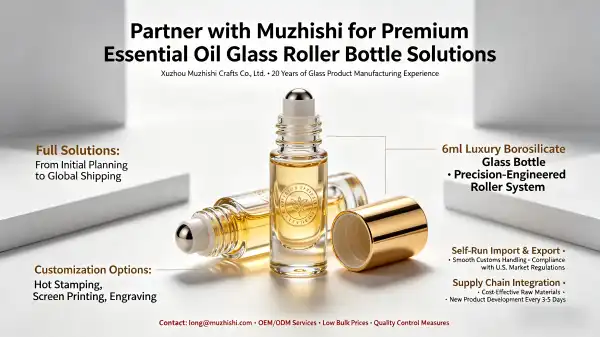
Xuzhou Muzhishi Crafts Co., Ltd. has been making glass products for 20 years and can help you package your essential oils. Our professional-grade 6ml roller bottles have parts that were carefully designed and manufactured, a lot of ways to make them unique, and quality control tests that meet international pharmaceutical standards. We offer full ODM/OEM support, including dedicated account management, samples in 3–5 days, and competitive prices made possible by long-term relationships in the supply chain. Our ability to self-operate imports and exports makes sure that customs clearance goes smoothly and that shipping around the world is reliable. Email us at long@muzhishi.com to talk about your needs, get free samples, and find out how our essential oil glass roller bottle solutions can help you improve your products and stand out in the market.
References
1. Chen, L., & Martinez, R. (2021). Glass Packaging in Aromatherapy: Material Science and Product Preservation. International Journal of Cosmetic Science, 43(2), 156-168.
2. Thompson, K. (2022). UV Light Protection in Essential Oil Storage: Comparative Analysis of Glass Color Variants. Journal of Essential Oil Research, 34(4), 312-325.
3. Anderson, M., & Patel, S. (2020). B2B Procurement Strategies for Cosmetic Packaging: A Supply Chain Perspective. Packaging Technology and Science, 33(8), 421-437.
4. Williams, J. (2023). Sustainable Glass Packaging Solutions for the Wellness Industry. Environmental Packaging Forum Proceedings, 15, 89-103.
5. Rodriguez, A., & Kim, H. (2021). Chemical Compatibility Testing of Glass Containers for Volatile Compound Storage. Pharmaceutical Packaging Research, 28(3), 245-260.
6. Foster, D. (2022). Customization and Brand Differentiation in Glass Packaging Markets. Journal of Brand Management and Marketing, 19(6), 502-518.

Our customers’ satisfaction speaks for our quality — contact us to experience the same reliable service.