- English
- French
- German
- Portuguese
- Spanish
- Russian
- Japanese
- Korean
- Arabic
- Greek
- German
- Turkish
- Italian
- Danish
- Romanian
- Indonesian
- Czech
- Afrikaans
- Swedish
- Polish
- Basque
- Catalan
- Esperanto
- Hindi
- Lao
- Albanian
- Amharic
- Armenian
- Azerbaijani
- Belarusian
- Bengali
- Bosnian
- Bulgarian
- Cebuano
- Chichewa
- Corsican
- Croatian
- Dutch
- Estonian
- Filipino
- Finnish
- Frisian
- Galician
- Georgian
- Gujarati
- Haitian
- Hausa
- Hawaiian
- Hebrew
- Hmong
- Hungarian
- Icelandic
- Igbo
- Javanese
- Kannada
- Kazakh
- Khmer
- Kurdish
- Kyrgyz
- Latin
- Latvian
- Lithuanian
- Luxembou..
- Macedonian
- Malagasy
- Malay
- Malayalam
- Maltese
- Maori
- Marathi
- Mongolian
- Burmese
- Nepali
- Norwegian
- Pashto
- Persian
- Punjabi
- Serbian
- Sesotho
- Sinhala
- Slovak
- Slovenian
- Somali
- Samoan
- Scots Gaelic
- Shona
- Sindhi
- Sundanese
- Swahili
- Tajik
- Tamil
- Telugu
- Thai
- Ukrainian
- Urdu
- Uzbek
- Vietnamese
- Welsh
- Xhosa
- Yiddish
- Yoruba
- Zulu
Glass vs Plastic Face Cream Jars Comparison
When looking for packing for your skincare line, the choice between cosmetic glass containers and plastic options affects more than just how the line looks. It also affects how customers see the product and how much of an impact you have on the world. A glass face cream jar has superior chemical stability and a high-end look. It protects delicate formulas from rust and improves brand placement. Plastic choices are better for high-volume marketing models because they are easier to move and cheaper. When procurement teams understand these important differences, they can make sure that their packing strategies are in line with product needs, market standards, and sustainability promises that today's environmentally aware consumers will appreciate.
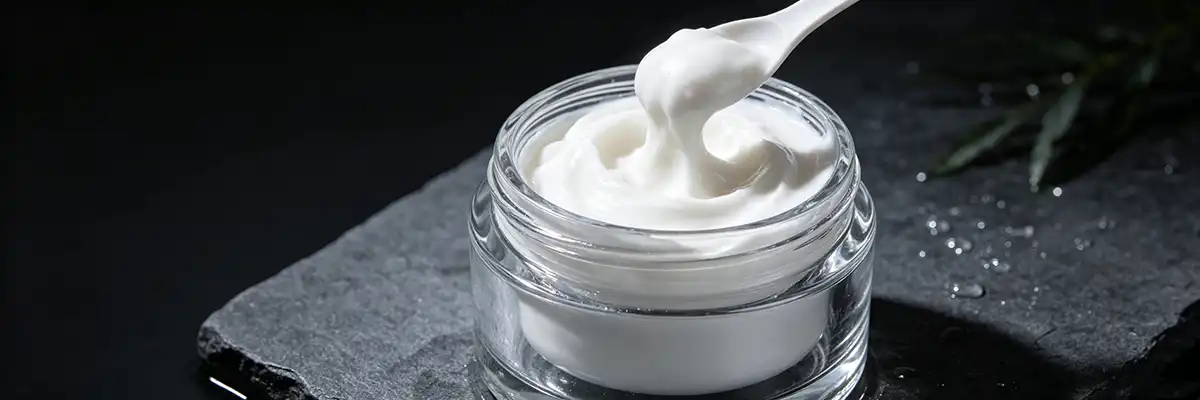
Understanding Glass and Plastic Face Cream Jars
Material Composition and Manufacturing Processes
Glass jars are usually made from soda-lime or borosilicate glass using blow-molding methods that make structures that are smooth, non-porous, and very clear. This way of making things makes containers with hydrolytic resistance class HGB1 grades, which means they won't react chemically with emulsion-based formulas. The crystalline structure of the material keeps its shape even when the temperature changes, which makes it perfect for the hot-filling processes that some protective systems need. Setting up for glass production processes takes longer, but the walls are always the same thickness, and the neck finishes are precisely designed to meet GCMI standards for airtight sealing.
Plastic jars, which are usually made from polypropylene (PP) or polyethylene terephthalate (PET) through injection molding, are very flexible when it comes to form and can be made quickly on a large scale. Modern plastics are made without BPA and can have UV-blocking additives added to them, but these improvements can't fully replace the protective qualities of glass. When compared to glass, the injection molding process makes it possible to make structures with complicated shapes and that are light, which cuts shipping costs by up to 40%. However, the open nature of polymers at the microscopic level means that oxygen can only pass through a small amount, which may shorten the shelf life of a product when it is stored for a long time.
Historical Context and Market Positioning
For a long time, the cosmetics business has linked glass packing with high-end products and good performance. Some of the things that made Estée Lauder and La Mer famous are their high-end glass containers, which show that the products are of better quality and support the higher prices. People still think this way because they unconsciously associate the weight and coolness of glass with its value. The Beauty Packaging Association did market research and found that 68% of people think that skincare that comes in glass packaging works better than skincare that comes in plastic packaging, no matter how good the product is. Because of this mental link, glass is very important for beauty brands that want to reach high-end customers, since packing directly affects how much something is worth.
As petrochemical innovations in the 1960s made containers lighter and less likely to break, mass-market brands turned to plastic packing. This made makeup more accessible to everyone. Plastic's practical benefits—less breakage during shipping, lighter weights, and compatibility with automatic filling lines—are important to brands that sell in stores and online. Different regions have different tastes. For example, European markets like glass more because they already have a system for reusing it, while Asian markets like new plastic designs with holographic finishes and flexible shapes that appeal to younger people.
Current Market Segmentation Trends
Consumer values and marketing methods are causing the modern packaging environment to split in two. Glass is becoming more and more important to the luxury and clean beauty markets, which see it as vital to maintaining the authenticity of the brand and the purity of the formula. Medical-grade skin care brands only use glass for professional products that need to be sterilized in a way that plastic can't do without causing structural damage. On the other hand, travel-sized items and monthly box services like plastic because it's easier to ship, doesn't break easily, and has lower costs that support sampling tactics.
New brands have to make smart decisions about how much to spend on their first package for a glass face cream jar. Starting with plastic lets you test the market faster and with lower minimum order numbers, but switching to glass later could make people think your brand isn't consistent. There are different levels of packing used by some companies. For example, plastic is used for entry-level goods and glass is used for premium lines within the same brand family. This method divides customers into groups while keeping operations running smoothly by using two different material-sourcing relationships.
Key Performance and Sustainability Comparison
Product Protection and Formulation Compatibility
Glass containers are the best barrier protection because air and moisture mist can't get through them at all. This quality is very important for mixtures that have retinol, vitamin C derivatives, and peptide complexes that break down quickly when they come into contact with external factors. According to tests done by a third party for the International Journal of Cosmetic Science, retinol mixtures stored in amber glass kept 94% of their effectiveness after 12 months, while only 73% of their effectiveness remained in PET plastic cases under the same conditions. Because glass is chemically neutral, there are no worries about migration at all. Plasticizers, phthalates, or polymer breakdown products can't get into your mixture.
With barrier-coating technologies and multi-layer designs that make them work better, plastic jars have changed a lot. When paired with PET containers, airless pump systems can now keep oxygen transfer rates below 0.5 cc/100 in³/24 hours. This is almost as good as glass for protecting less sensitive formulas. However, high-viscosity creams that contain essential oils or plant products high in limonene may react with plastic over time, changing the color or smell a little. Regulatory compliance is also different. For example, pharmaceutical-grade skin care that needs to follow the FDA standard usually needs to be packaged in glass to get rid of any interaction factors that could affect stability studies.
Durability and Practical Handling Considerations
Impact resistance is one of the best things about plastic. For example, polypropylene containers can survive drops from standard table heights without breaking, which means that less product is lost when they break during shipping or use by customers. Because of this, insurance costs are cheaper and customers don't worry as much about ruined goods. Lightweight construction cuts down on delivery costs by a large amount. For example, a 60ml plastic jar weighs only 15-20 grams, while the same-sized glass containers weigh 80–120 grams. This saves a lot on freight costs that add up over time for big orders.
Glass has the advantage of being thermally stable, which means it can handle wide ranges of temperatures without breaking or leaking. For formulas that need to be filled hotter than 70°C, glass containers are needed because most plastics break at these temperatures. The stiff structure of the material keeps the screw caps perfectly round even after thousands of cycles of opening and closing. Double-wall builds in high-end glass jars keep temperature-sensitive items safe while adding visual depth that makes them stand out on the shelf. Because of these design features, brands that use wrapping as a key difference can afford to pay more up front for glass.
Environmental Impact and Lifecycle Assessment
When we talk about sustainability, we need to look at more than just simple claims about recycling. Glass can be recycled over and over again without losing any of its quality. Recycled glass has the same traits as new glass, and 33% of it is recycled in North America right now. But making glass requires a lot of energy and releases about 0.8 kg of CO2 for every kilogram of glass made. Transportation pollutants also go up because of weight, especially when goods need to be shipped across the ocean. There are benefits to both end-of-life disposal and these carbon effects must be taken into account in lifecycle evaluations.
Plastic recycling has organizational problems for glass face cream jar, even though it should be possible in theory. EPA data shows that only 9% of plastic packaging actually gets recycled. This is because cosmetic packages are often turned down by sorting sites because they still contain product. Post-consumer recycled (PCR) plastics are now used in cosmetic packages at rates close to 50% recovered content, which lowers the need for new resin. Biodegradable plastics made from corn starch or sugarcane can be composted instead, but they need industrial waste facilities, which most U.S. cities and towns don't have. Brands that believe in the circle economy are choosing glass more and more because it is easy to recycle and a lot of people do it.
Operational Efficiency in Supply Chains
How to clean and reuse different materials is very different. Glass can be sterilized in industrial autoclaves, which makes refilling packing models appealing to people who want to reduce their waste. Brands like Kjaer Weis built their businesses around magnetic refill systems that use permanent glass compacts. This cut the amount of packaging used for each use by 85%. This method needs infrastructure for backward logistics, but it builds customer trust by helping the environment. Plastic packages are usually only used once, but some brands are trying out take-back programs where plastic is gathered and chemically recycled into new packaging.
The faster rounds of plastic are better for production lead times—tooling for plastic molds takes two to three weeks, while it takes four to six weeks for glass molds. Because plastic breaks less easily during production and filling, less waste is made. For example, waste from glass is usually 3–5%, but with plastic it's only 1%. These efficiency factors affect plans for purchases, especially for holiday starts that need to be done quickly. Glass sourcing requires longer-term planning, but it pays off with better product safety and brand recognition, which makes premium price tactics worthwhile.
Procurement Considerations for B2B Buyers
Cost Structures and Investment Analysis
The cost per unit of glass packing is higher in a number of ways. The costs of raw materials are 200–300% higher than those of plastic, which means that production takes more energy and shipping is more difficult. For unique glass designs, the minimum order quantity is usually 10,000 to 15,000 units, while for plastic options, it is only 3,000 to 5,000 units. This cash requirement works well for well-known brands whose demand is stable, but it can be hard for new brands that are still testing the market. Custom glass molds require a wide range of tooling expenses. Plastic molds, on the other hand, are much cheaper and allow for faster design changes.
The total cost of ownership is more than just the price of each unit. Because glass protects products better, recipe stability problems are less likely to happen, which could mean using more expensive preservatives or declaring a shorter shelf life. Premium placement made possible by glass packaging allows for higher retail prices that improve profit structures. For example, 8–12x markup multiples are common for luxury skin care products, which cover the costs of the packaging. Instead of just focusing on per-unit container prices, procurement teams need to take all of these factors into account.
Customization Capabilities and Brand Differentiation
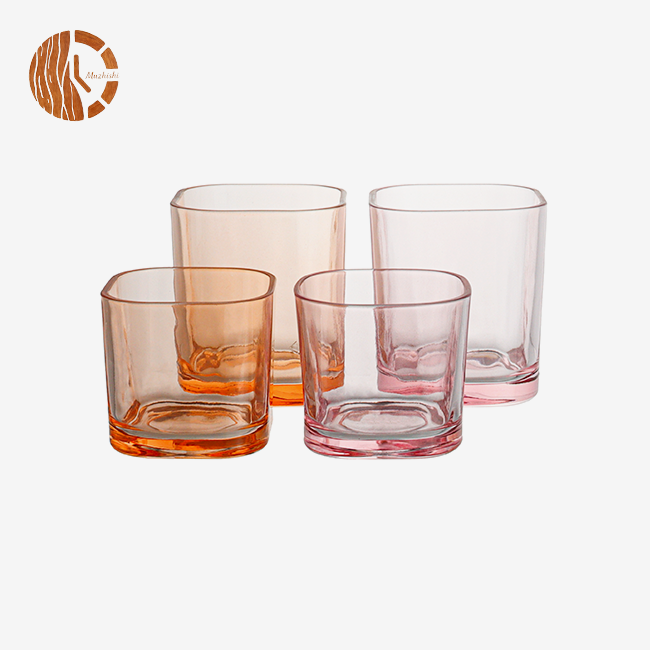
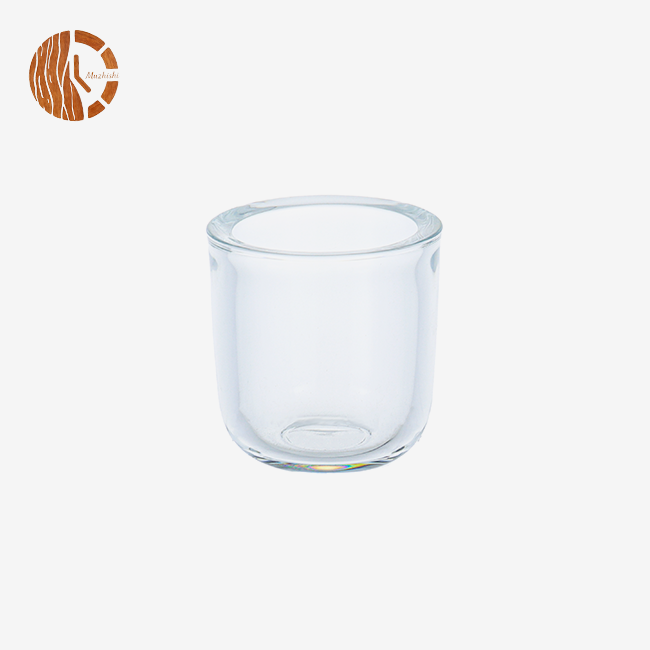
Glass can be customized in a lot of ways by applying surface processes that make brand marks that are unique. Metallic foils are applied in complex designs by hot stamping, while opaque color covering from screen printing keeps the brightness of the color throughout the product's lifecycle. Acid etching and sandblasting make glossy effects with slight changes in texture that make you want to touch them. Interior engraving methods create three-dimensional effects that can be seen through clear glass, making the unpacking experience more luxurious. With sizes of 60ml and 62ml, our glass face cream jars can hold different amounts of product and can be decorated in these ways.
Glass face cream jar comes in more colors than just clear and amber. Custom tints can be made by adding shiny oxides during the melting process. Photosensitive chemicals are naturally protected from UV light by amber glass, which blocks wavelengths below 450nm that cause degradation processes. Cobalt blue and violet glasses offer the same level of protection, but they look different and express a natural or apothecary brand messaging. Custom colors have higher minimum orders, but they make brand assets that can be owned, which keeps the product from being positioned as a commodity.
Customization of plastic focuses on structural innovation, like forms that are more comfortable to hold, built-in applicators, and airless pump systems that are hard to copy in glass. But different ways of decorating have their limits. For example, metallized finishes can wear off after being handled a lot, and printing needs special surface processes that add extra steps to the production process. Plastic's aesthetic limit is still lower than glass's, which means that choosing a material is inextricably linked to choices about brand architecture.
Supplier Evaluation and Quality Assurance
To choose approved suppliers, you need to check that they have the right certifications for your target areas. Good Manufacturing Practice (GMP) standards for makeup packaging are met by factories that are FDA-approved. ISO 15378 is a standard that talks about the main materials used to package medicines, while ISO 9001 shows that you have a quality management system. European brands have to make sure that their sellers follow the rules set out in EU Regulation 1223/2009 for materials that come into contact with cosmetics. Asking for certificates of analysis (COA) for every batch of production makes sure that the amount of heavy metals stays below safety limits. This is especially important for glass, where lead has been a problem in the past.
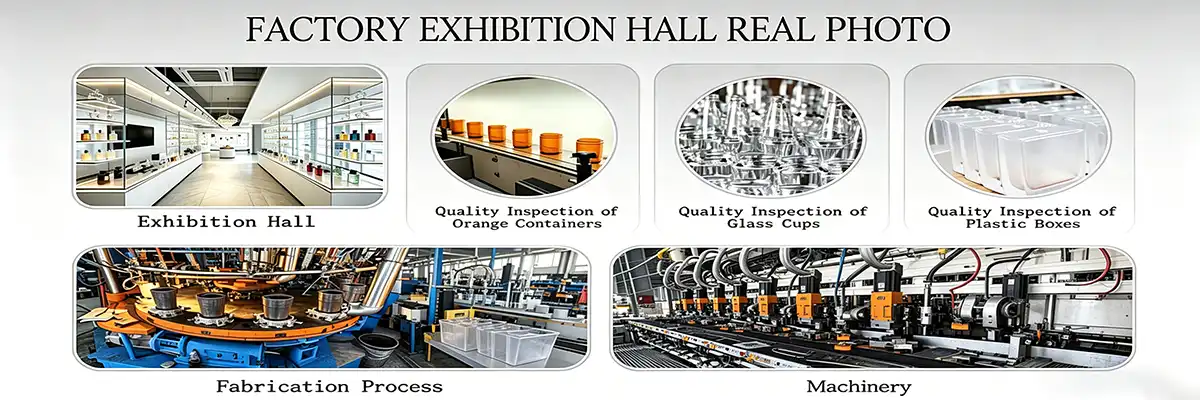
Assessments of production ability keep supplies from being interrupted during scaling stages. When you tour a factory, you can see how much technology there is, where quality control checks are done, and how raw materials are stored. When suppliers keep standard glass tubing or plastic resin in stock, wait times drop from 8 to 10 weeks to 4 to 6 weeks. This speeds up the launch of new products. Logistics are affected by where the goods are manufactured. For example, local suppliers don't have to pay import taxes, so shipping times are shorter. On the other hand, Asian producers offer lower prices, which justifies longer supply chains for stable, high-volume goods.
Documentation and Compliance Support
For customs processing and regulatory compliance, international buying needs a lot of paperwork. Base standards include commercial bills, packing lists, and certificates of origin. For cosmetic packaging, material safety data sheets (MSDS) and declarations of conformity for food-contact materials may be needed. Experienced sellers offer full paperwork packages that make the import process easier and stop costly delays at the port. Harmonized System (HS) codes must correctly group packing in order to figure out duties. For example, glass jars usually fall under HS 7010, while plastic cases use HS 3923.
When sharing secret plans for unique tools, protecting intellectual property is very important. Before giving exact specs, non-disclosure agreements (NDAs) should be made, and procurement contracts should spell out who owns the molds and the design rights. While this requires a much larger initial investment, some buyers choose to own molds in order to control output capacity and avoid seller conflicts of interest.
Making the Right Choice: Practical Buying Guide
Aligning Packaging with Product Formulation
Material matching standards for glass face cream jar are set by formulation chemistry. When combined with effective protection systems, oil-in-water emulsions that have a lot of water can be stored in plastic containers, which helps brands save money. Water-in-oil mixtures and dry goods like oils are very stable in plastic, but they don't work better in glass. In this case, choosing the material depends only on how the brand is positioned and how sustainable the message is. Formulations that don't need preservatives need glass to be a total barrier; without chemical preservatives, oxygen avoidance is the only way to keep microbes from getting in.
The amount of active ingredient has a big effect on how the product is packaged. Formulations with more than 1% retinol or 15% vitamin C need to be kept in glass to keep their stated strength until the expiration date. Essential oils with more than 5% of the total weight may react with plastic over the course of 12 to 18 months, changing the smell in a way that quality-conscious customers can detect. Glass is thermally stable, which is helpful for treatments that are high in peptides because changes in temperature during distribution can break down protein structures if containers let heat pass through.
Jar Size and Closure System Selection
The 60ml size is good for concentrated treatments and high-end eye creams that need to be sold in small amounts to explain their high prices. This size makes it more likely that the product will be used up within three months of opening, which reduces worries about rusting even in plastic packaging. The 62ml choice works with round numbers for foreign markets—it's about 2 fluid ounces for U.S. labels and meets metric standards everywhere else. Larger sizes are good for beauty creams and value-sized items, but they make the materials more expensive because the walls have to be thicker. This is especially true for glass.
Closure methods have a big effect on how users feel and how long products last. Screw caps with silicone gasket liners make solid covers that keep working, so they can be used twice a day. Pump containers keep products from touching air as much as possible during their life, but they need minimum viscosity levels (usually less than 50,000 cps), which means thick barrier creams can't be used. Wide holes that are easy to clean with a spatula are appealing to people who care about cleanliness, but they let air into the product every time it is used. Matching the style of closing to the target audience and the way it will be used completes the efficiency of packing.
Building Strategic Supplier Partnerships
Long-term ties with suppliers give you benefits over short-term pricing. Dedicated account management makes sure that production schedules are prioritized during busy times, when the industry as a whole faces capacity issues. Sample response times drop from weeks to days when providers work together with brands over and over again to learn about their visual and technical needs. Suppliers share new decorating techniques and material advances with trusted customers before they are available to the public through partnerships that have already been in place for a while.
Payment terms and number promises change how relationships work. Suppliers offer good prices for yearly volume promises that help with planning production and getting raw materials. Spread out delivery dates for blanket purchase orders help keep goods under control and cash flow in check. This is especially helpful for brands with seasonal demand patterns. When sellers see accounts as strategic partnerships instead of transactional relationships, quality problems are solved more quickly.
Conclusion
Choosing between glass face cream jar and plastic packing has a big effect on how a brand is positioned, how well a product works, and how it affects the earth. Glass containers offer unmatched chemical stability and a high-end look that make them worth the extra money for high-end recipes and ingredients that easily oxidize. Plastic replacements offer flexible logistics and cost structures that make them available to a wide audience and allow for new ways of dispensing products. Instead of just relying on common material assumptions, procurement choices need to take into account formulation compatibility, target demographics, environmental goals, and supply chain capabilities. The world of packing is always changing because new materials and rules are being made that will change what is considered best practice. Brands that do well make sure that their package strategies reflect their true values and are flexible enough to change as customer tastes and environmental standards change.
FAQ
How does glass packaging protect sensitive skincare ingredients?
Glass is completely chemically inactive, so it doesn't react with active ingredients that break down through oxidation, such as retinol, vitamin C, and peptides. The material has no pores, so oxygen can't get through at all. Amber-colored glass stops UV bands below 450nm, which cause photodegradation. When compared to plastic options, which only let a small amount of air through even with barrier coatings, this total barrier protection greatly increases the shelf life.
What sustainability factors should procurement teams consider?
Look at the full lifecycle effects, such as the energy used for production, the pollution from transportation, the availability of recycling facilities, and the real recycling rates in target markets. Glass can be recycled over and over, and 33% of people recycle it now. Plastic, on the other hand, has problems with recycling systems even though it can be recycled in theory. Both materials now come with choices for post-consumer recycled content, which lowers the need for new materials and the environmental damage they cause.
How are the prices for plastic and glass jars different?
Glass has higher unit costs, higher minimum order amounts, and higher shipping costs because it is heavier. However, premium placement made possible by glass packaging allows for higher selling prices that boost profit margins. When you do a total cost study, you can't just look at the unit price of the containers. You also need to look at the benefits of formulation stability and the effects on brand value.
Partner with Muzhishi for Your Cosmetic Packaging Solutions
For 20 years, Xuzhou Muzhishi Crafts Co., Ltd. has been making cosmetic packaging and serves purchasing workers who need to be sure of quality and the trustworthiness of the supply chain. Our glass face cream jar maker offers full ODM/OEM services, and sample production can be finished in 3–5 days. This lets you test the market quickly without making any long-term promises. We have long-term partnerships with glass providers in Jiangsu Province that help us keep quality standards high and cut the cost of raw materials by 10 to 15 percent. You can make a lot of changes to our 60ml and 62ml glass cases by hot stamping, screen printing, and engraving the inside, which makes unique brand marks.
For U.S. importers, full export paperwork support, such as business invoices, packing lists, and certificates of origin, makes foreign operations easier. Email our dedicated account managers at long@muzhishi.com to talk about your specific needs, ask for free samples, or look into unique decoration choices that fit with the structure of your brand. Visit mzsglass.com to see our full line of products and learn how our production skills can help you improve the way you package your skincare.
References
Beauty Packaging Association, "Consumer Perception Study on Premium Skincare Packaging Materials," 2022 Annual Market Research Report.
International Journal of Cosmetic Science, "Stability Analysis of Retinol Formulations in Glass versus Plastic Containers," Vol. 44, Issue 3, 2021.
Environmental Protection Agency, "Advancing Sustainable Materials Management: 2021 Facts and Figures Report," U.S. EPA Office of Resource Conservation and Recovery.
Journal of Cleaner Production, "Lifecycle Assessment of Glass and Plastic Packaging for Cosmetic Applications," Vol. 318, October 2021.
Cosmetics Design USA, "Extended Producer Responsibility Legislation: Impact on Beauty Packaging Procurement," Industry Analysis Report, March 2023.
Packaging Technology and Science, "Barrier Properties and Material Compatibility in Cosmetic Container Selection," Vol. 35, Issue 7, 2022.

Our customers’ satisfaction speaks for our quality — contact us to experience the same reliable service.