- English
- French
- German
- Portuguese
- Spanish
- Russian
- Japanese
- Korean
- Arabic
- Greek
- German
- Turkish
- Italian
- Danish
- Romanian
- Indonesian
- Czech
- Afrikaans
- Swedish
- Polish
- Basque
- Catalan
- Esperanto
- Hindi
- Lao
- Albanian
- Amharic
- Armenian
- Azerbaijani
- Belarusian
- Bengali
- Bosnian
- Bulgarian
- Cebuano
- Chichewa
- Corsican
- Croatian
- Dutch
- Estonian
- Filipino
- Finnish
- Frisian
- Galician
- Georgian
- Gujarati
- Haitian
- Hausa
- Hawaiian
- Hebrew
- Hmong
- Hungarian
- Icelandic
- Igbo
- Javanese
- Kannada
- Kazakh
- Khmer
- Kurdish
- Kyrgyz
- Latin
- Latvian
- Lithuanian
- Luxembou..
- Macedonian
- Malagasy
- Malay
- Malayalam
- Maltese
- Maori
- Marathi
- Mongolian
- Burmese
- Nepali
- Norwegian
- Pashto
- Persian
- Punjabi
- Serbian
- Sesotho
- Sinhala
- Slovak
- Slovenian
- Somali
- Samoan
- Scots Gaelic
- Shona
- Sindhi
- Sundanese
- Swahili
- Tajik
- Tamil
- Telugu
- Thai
- Ukrainian
- Urdu
- Uzbek
- Vietnamese
- Welsh
- Xhosa
- Yiddish
- Yoruba
- Zulu
Glass vs. Plastic Nail Polish Bottles: Which Is Better for Wholesale Buyers?
Choosing between glass and plastic for nail polish packing is a big business decision that will have a big impact on your products and your brand's image. Clear glass nail polish bottles are now the best choice for businesses that care about quality because they are chemically compatible and look great. These bottles keep the formula from breaking down and express a premium brand image that appeals to picky customers. There are cheaper and lighter ways to ship plastic alternatives, but glass alternatives last longer and are more in line with the green standards that stores and end users in wholesale markets are demanding.
Understanding the Differences Between Glass and Plastic Nail Polish Bottles
The materials used in wrapping have a direct effect on how well the product works and how the market sees it. Clear glass nail polish bottles are made from soda-lime or borosilicate materials, which create a neutral buffer that keeps nail polish from reacting with other chemicals. This glass structure doesn't let any liquids through, so mixtures with ethyl acetate and butyl acetate fluids keep their original viscosity for a longer time.
Material Composition and Structural Properties
High-quality nail polish containers are classified as Type III glass, which has great resistance to hydrolysis and thermal stability. The wall width of the material is uniform and ranges from 1.5 mm to 3.0 mm. It was made to handle high-speed filling operations without affecting the structure's strength. Plastics like polyethylene terephthalate (PET) or high-density polyethylene (HDPE) are flexible and don't break easily, but they aren't as chemically neutral as glass. Plastic is porous, so air can slowly pass through it. This could change the chemistry of the mixture over time.
Customers can see the real colors of pigments before they buy them because glass bottles are clearer and have better refractive index qualities, and the clear glass nail polish bottle is a perfect example of this advantage. This openness is very important for shopping success because people decide what to buy based on how things look. When plastic containers are introduced to some chemicals, they may cloud or change color, which takes away from the natural beauty of glass.
Environmental Impact and Lifecycle Considerations
Concerns about sustainability are playing a bigger role in how trade markets decide what to buy. Glass bottles can be recycled over and over again without losing any of their quality. This supports circular economy efforts that are important to stores who care about the environment. After the initial production, the material doesn't need any new resources, so it has a smaller long-term impact on the world, even though it takes more energy to move because it is heavier.
Recent lifecycle studies show that glass packaging has a smaller total effect on the environment when multiple uses are taken into account and recycling infrastructure is put in place. Plastic options add to microplastic pollution and are being regulated more and more in foreign markets. Many high-end beauty brands have switched to glass packaging to meet customer demand for eco-friendly goods. This has set market standards that bulk buyers can't ignore.
Weight and Durability Factors
Transportation methods need to be carefully thought through when choosing materials for packing. Because glass bottles make packages heavier, they cost more to ship and release more carbon into the air while they're in transit. A 10ml glass bottle usually weighs between 15 and 21 grams, while a 10ml plastic bottle weighs only 5 to 8 grams. This difference in weight adds up over large orders, which changes the landed prices and the environmental estimates.
Glass, on the other hand, is better at protecting against hits during automatic filling and capping operations. The stiff structure keeps it from deforming, which could weaken the seal and cause product loss. Plastic bottles can bend when they are being handled, which could let air in and speed up the evaporation of the formula. When sending glass, breakage worries can be eased by following the right packing rules and using protective materials.
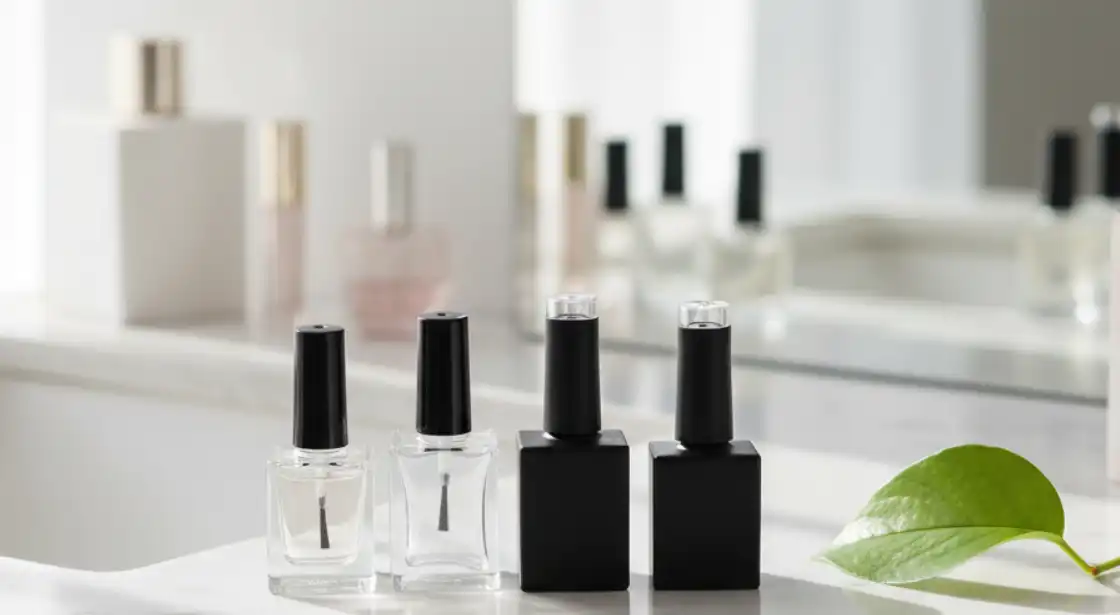
Key Factors for Wholesale Buyers When Choosing Nail Polish Bottles
When you do strategic procurement, you have to weigh a lot of factors that affect both short-term prices and long-term company value. When wholesale buyers look at their packaging choices, they need to do a full study that goes beyond just looking at the unit price of a clear glass nail polish bottle.
Durability and Performance Specifications
A key success indicator for nail polish packing is how well it stops leaks. Precision-engineered neck finishes on glass bottles, usually 13/415 or 15/415 standards, make airtight seals with caps and brush systems that work with them. This level of accuracy in measurements stops evaporation, which lowers the amount of the product and changes the regularity of the application. Quality glass cases go through a lot of tests, such as drop tests, temperature shock tests, and chemical compatibility checks.
Glass is strong enough to handle the needs of high-volume production lines where bottles move quickly through the filling lines. Having walls that are all the same width stops weak spots that could fail during the sealing process. Plastic options may get stress cracks around the closing areas, especially if they are filled with strong solvent mixtures. These weak spots lead to expensive product recalls and hurt ties between retailers.
Design Flexibility and Customization Capabilities
To set your brand apart from others, you need packaging that shows off your unique personality in a crowded store. Glass bottles can be made to look very different by using different surface processes and decorating methods. Frosting makes beautiful matte finishes that give the impression of luxury, and hot stamping adds shiny details that make people notice them. Inside engraving creates lasting markings that can't be taken off or hidden.
When you screen print on glass, you get bright, long-lasting pictures that stay looking good for the whole life of the product. When compared to plastic surfaces, where labels may peel off or writing may smudge when exposed to product formulations, these ways of decorating stick better. There are different sizes of capacities, such as 3ml, 5ml, and 10ml, which lets the product line grow from sample sets to full-size sale items.
Customization goes beyond decorating; it also includes making changes to the structure. Glass makers can make bottles in a wide range of forms, such as round, square, and custom geometries that make them stand out on the shelf. There are many color tinting choices, from soft amber to protect light-sensitive formulas to bright colors that match brand colors.
Cost Structure and Total Ownership Analysis
The initial unit price is only one part of the real cost of packing. Wholesale buyers have to figure out the total cost of ownership, which includes freight costs, damage rates, minimum order amounts, and the cost of keeping goods on hand. Glass bottles cost more per unit than plastic ones because the materials are more expensive and making them is more difficult. Premium placement, on the other hand, usually makes this investment worthwhile because it leads to higher profit margins and less need for special discounts.
Different providers have very different minimum order requirements, which can make it hard to handle your cash flow and inventory. For custom orders, well-known makers may need at least 10,000 to 50,000 units, while stock versions usually only ship in smaller amounts. Lead times range from being able to get basic bottles right away to 4 to 8 weeks for fully customized solutions that include mold development.
The number of damaged items during shipping affects the overall costs because customers are unhappy and have to buy new items. Glass bottles break less than 1% of the time when they are properly packed with divisions, padding materials, and the right box dimensions. Protective packaging pays for itself by lowering claims and keeping good relationships with suppliers.
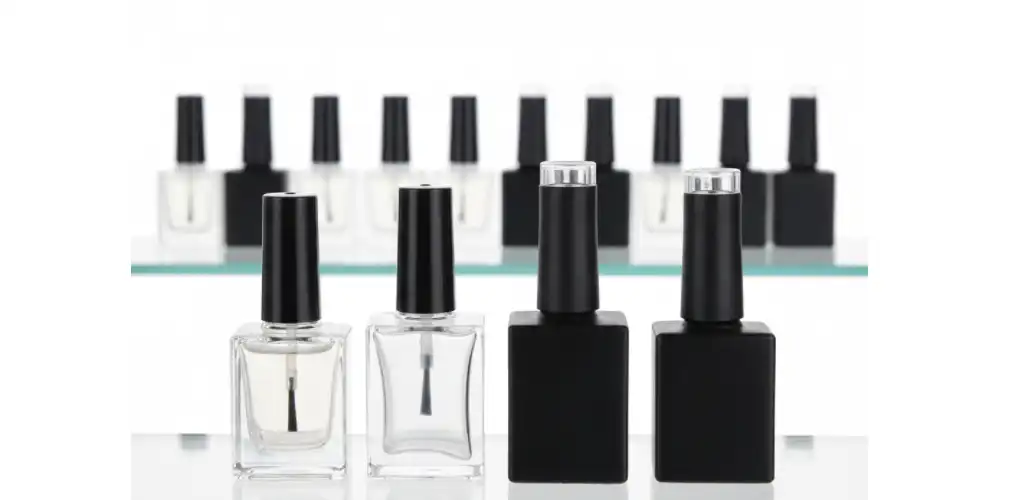
How Clear Glass Nail Polish Bottles Affect Product Quality and Brand Value?
The chemical stability and visual aspects of a product are directly affected by the packaging material. A clear glass nail polish bottle creates an inert barrier that keeps the integrity of the recipe from the time it is made until it is used by a customer.
Chemical Compatibility and Formulation Preservation
Formulations for nail polish have strong solvents and volatile organic substances that make it hard for packing materials to work. Glass is completely chemically neutral, so processes that change its viscosity, color, or drying properties can't happen. The smooth, non-porous surface stops air from getting through, which can make formulas thicker or fade the color of pigments. Plastic containers slowly take in solvent molecules, which could change the quantities of the composition and the way it works.
Independent tests show that nail polish stored in glass stays the same thickness for 24 to 36 months when kept in the right conditions, but only 12 to 18 months when stored in plastic. This longer-term security cuts down on wasted inventory and makes it easier for goods to reach more people, even if they spend months in the supply chain before they reach customers. Retailers like packaging that keeps the quality of the product safe, which lowers the number of returns and keeps the category profitable.
Visual Presentation and Consumer Appeal
Because glass is so clear, you can see right away how high-quality it is, which affects your choice to buy. High-transparency glass lets you see colors clearly in store lighting, so you won't be as disappointed when the shades don't match. The material lets more light through, which shows off shimmer particles, glitter solutions, and color-changing effects that make people interested in specialty formulas.
Premium beauty brands always use glass packing to show that they are high-quality and support their higher prices. Research on consumers shows that glass bottles make people feel more upscale, effective, and safe than plastic ones. These links lead to higher turn rates and less price sensitivity among the people you want to buy from.
Brand Positioning and Market Differentiation
Packaging is a physical part of a brand that shows what it stands for and how high the quality standards are. Glass products show care for the environment, high-quality ingredients, and attention to detail, which appeals to people who care about quality. Brands that switch from plastic to glass packaging see big jumps in how customers see the brand and how loyal they are to it.
Market case studies show that using glass has real benefits. Independent nail polish brands that are entering competitive markets have been able to get stock in high-end beauty stores because their glass packaging meets marketing standards. Investing in good packaging opens up sales routes that plastic options couldn't reach before, which increases the market reach and income potential.
Conclusion
Choosing between clear glass nail polish bottles or plastic has a big impact on the quality of the product, how people think of the brand, and where it stands in the market. Clear glass bottles are better at handling chemicals and keeping the purity of the recipe over a longer period of time. They also send a message of high quality that appeals to picky customers. Even though it costs more at first than plastic options, glass packaging pays for itself by increasing the value of a brand, opening up more shopping possibilities, and being in line with the sustainability standards that influence modern buying choices. Wholesale sellers who care about building a brand over time and standing out in the market will see glass bottles as strategic investments rather than just packing costs.
FAQ
Which material offers better environmental sustainability for nail polish packaging?
Clear glass nail polish bottles are better for the earth because they can be recycled over and over again without losing any of their quality. The material supports ideas of a circular economy in which bottles can be used more than once or recycled into new goods forever. Plastic substitutes add to microplastic waste and are being regulated more and more around the world. Lifetime analyses show that glass has a lower overall environmental effect when the full product lifetime, including the disposal and recycling phases, is looked at. This is because glass is heavier and takes more energy to move.
How can wholesale buyers ensure leak-proof performance in glass nail polish bottles?
Preventing leaks mostly depends on precise neck finish standards and closing systems that work with them. Good makers make bottles with neck finishes of 13/415 or 15/415 that are designed to make hermetic seals when caps and brush systems are properly matched. Ask for samples of your real recipe to be used in filling trials, and then keep an eye on sealed bottles for 48 to 72 hours to make sure they work. Set up quality deals with your suppliers that spell out limits for dimensions and how to test for leaks. This will make sure that all production batches perform the same way.
What customization options are available for glass nail polish bottles in wholesale quantities?
Glass packaging can be customized in many ways, such as by adding frosting or hot stamping to the outside, permanent engraving on the inside, or multicolor screen printing on the outside. There are different structural choices for bottles with different shapes and sizes of capacities, ranging from 3ml to 10ml. Color coating protects against UV rays or makes a strong brand statement. Leading makers offer full ODM/OEM services with dedicated design support. This lets you make unique packaging for your goods that sets them apart in competitive markets.
Partner with Muzhishi for Premium Clear Glass Nail Polish Bottle Solutions
If you need to buy packing, Xuzhou Muzhishi Crafts Co., Ltd. has 20 years of experience in the field. As a top maker of clear glass nail polish bottles, we offer a wide range of customization options, such as frosting, hot stamping, inside engraving, and screen printing that are all made to fit your brand's needs. Our streamlined production methods allow us to turn around samples in three to five days, and our affordable bulk prices are made possible by the benefits of our regional supply chain. Email our team at long@muzhishi.com to talk about your unique needs and get free samples that show how high our quality standards are. Find out how our glass packing options can help your products stand out and help you get a better place in the market.
References
International Journal of Cosmetic Science, "Chemical Stability of Nail Lacquer Formulations in Various Packaging Materials," Vol. 42, Issue 3, 2021, pp. 287-295.
Packaging Technology and Science Journal, "Comparative Lifecycle Assessment of Glass Versus Plastic Primary Packaging for Personal Care Products," Vol. 35, Issue 2, 2022, pp. 156-171.
American Society for Testing and Materials, "Standard Specification for Glass Containers for Pharmaceutical Use," ASTM D2746-20, 2020 Edition.
Cosmetics & Toiletries Magazine, "Premium Packaging Trends in the Beauty Industry: Material Selection and Consumer Perception," Annual Review 2023, pp. 44-52.
Journal of Cleaner Production, "Circular Economy Approaches in Cosmetic Packaging: Reuse and Recycling Strategies for Glass Containers," Vol. 318, 2021, pp. 128-142.
International Safe Transit Association, "Best Practices for Shipping Glass Containers in B2B Supply Chains: Damage Prevention and Quality Control," Technical Report 2022, pp. 18-34.

Our customers’ satisfaction speaks for our quality — contact us to experience the same reliable service.