- English
- French
- German
- Portuguese
- Spanish
- Russian
- Japanese
- Korean
- Arabic
- Greek
- German
- Turkish
- Italian
- Danish
- Romanian
- Indonesian
- Czech
- Afrikaans
- Swedish
- Polish
- Basque
- Catalan
- Esperanto
- Hindi
- Lao
- Albanian
- Amharic
- Armenian
- Azerbaijani
- Belarusian
- Bengali
- Bosnian
- Bulgarian
- Cebuano
- Chichewa
- Corsican
- Croatian
- Dutch
- Estonian
- Filipino
- Finnish
- Frisian
- Galician
- Georgian
- Gujarati
- Haitian
- Hausa
- Hawaiian
- Hebrew
- Hmong
- Hungarian
- Icelandic
- Igbo
- Javanese
- Kannada
- Kazakh
- Khmer
- Kurdish
- Kyrgyz
- Latin
- Latvian
- Lithuanian
- Luxembou..
- Macedonian
- Malagasy
- Malay
- Malayalam
- Maltese
- Maori
- Marathi
- Mongolian
- Burmese
- Nepali
- Norwegian
- Pashto
- Persian
- Punjabi
- Serbian
- Sesotho
- Sinhala
- Slovak
- Slovenian
- Somali
- Samoan
- Scots Gaelic
- Shona
- Sindhi
- Sundanese
- Swahili
- Tajik
- Tamil
- Telugu
- Thai
- Ukrainian
- Urdu
- Uzbek
- Vietnamese
- Welsh
- Xhosa
- Yiddish
- Yoruba
- Zulu
How a Clear Glass Sugar Bowl With Lid Keeps Sugar Fresh and Clean
A clear glass sugar bowl with lid preserves sugar freshness by creating a physical barrier against three critical degradation factors: ambient humidity infiltration, airborne contaminant entry, and pest intrusion. The non-porous glass surface prevents moisture absorption while maintaining zero flavor transfer, ensuring granulated sugar retains its free-flowing texture and pure taste profile. The precision-fitted lid minimizes air exchange, which would otherwise introduce moisture particles during temperature fluctuations. This combination extends product shelf life significantly compared to open containers, reducing clumping rates by approximately 80% in controlled foodservice environments and maintaining consistent quality standards essential for commercial operations.

Introduction
The right way to store sugar has a direct effect on how efficiently things run in commercial kitchens, hotels, and factories where product consistency can't be compromised. When sugar lumps up or gets dirty, it slows down service, costs more to throw away, and raises cleanliness concerns that can hurt customer happiness and follow-through with regulations. Recently, Clear Glass Sugar Bowl With Lids have become the most popular choice among procurement workers who need reliable storage that is easy to see and meets both functional and artistic standards.
When procurement teams choose sugar storage options for large-scale processes, this guide handles the main concerns they have. We look at how the properties of the material, the design requirements, and the upkeep schedule affect how well something works in the long run. If category managers and sourcing experts understand these technical and practical aspects, they can make choices that lower the total cost of ownership while still meeting hygiene standards and inventory management goals in a variety of business settings.
Understanding the Role of a Clear Glass Sugar Bowl With Lid in Sugar Preservation
Why Transparency Matters in Commercial Settings?
Commercial companies need immediate inventory visibility to maintain service during busy hours. Clear Glass Sugar Bowl With Lids are ideal for hotel breakfast buffets, catering kitchens, and restaurant prep areas since they showcase their contents. Staff can verify filling without halting service or repeatedly opening containers, which lets dirt and water in. Stock-outs during busy service times and unnecessary refills are reduced by this visibility, saving time and money.
Quality is also monitored via transparency. Colour changes, alien particles, and clumping are noticeable immediately, so staff can clean it up before customers arrive. Manufacturing firms and test labs that work with speciality sugars or need high purity criteria for product development benefit from this quick proof function.
Technical Specifications That Support Freshness
Premium Clear Glass Sugar Bowl With Lids for corporate use have certain dimensions and materials. Models with 13 cm heights and 9.4 cm to 25 cm mouth diameters fit standard serving spoons and take up little space on busy service tables. Weight between 400 and 535 grams makes it steady and prevents tipping, yet it's still easy to manage during hectic periods.
Material durability depends on its composition. Borosilicate glass resists thermal shock and can withstand 120°C temperature changes without cracking. For high-temperature dishwashers, this is crucial. Soda-lime glass is affordable and durable for moderate-volume operations. Both materials have a non-porous surface that prevents bacteria growth and flavour absorption, keeping contents fresher for longer.
How Design Elements Protect Against Contaminants?
The lid-rim contact is the most significant environmental defence. Manufacturing tolerances of ±0.5mm ensure consistent contact surfaces and prevent dust and bugs from entering. Weighted lids that close with gravity prevent accidental movement while letting service professionals get to things fast. Some high-end installations have food-grade silicone gaskets that seal dust barriers, making them ideal for damp coastal environments or outdoor dining.
Bottom diameter determines travel and storage stability. Wider bases, such the 26 cm footprint in commercial-grade models, reduce the risk of the bowl tipping over on uneven surfaces in mobile catering setups or while transporting it between prep areas. This geometric concept is crucial for event planners and hospitality firms with several service stations.
Problem-Solving: How a Clear Glass Sugar Bowl With Lid Keeps Sugar Fresh and Clean?
The Clumping Crisis: Understanding Moisture Infiltration
Clumping occurs when normal humidity binds sugar crystals with moisture molecules in storage containers. Near the coast, outside, and in wet kitchens, this impact is faster. The texture immediately worsens as it clumps, becoming firm lumps that can't be broken apart with serving instruments and making portion control harder.
This moisture channel is stopped in two ways by properly fitting Clear Glass Sugar Bowl With Lids. The non-permeable glass surface prevents water from passing through the container walls, unlike porous clay. The lid creates a microclimate inside the container that maintains humidity regardless of weather. Food service research demonstrates that sealed Clear Glass Sugar Bowl With Lid storage preserves sugar flow qualities for 6–8 weeks, but open containers only 10–14 days.
Contamination Control in Multi-Service Environments
Commercial kitchens may release flour dust, spice particles, and food waste during preparation. These pieces collect in open sugar canisters, affecting its appearance and spreading allergies. Hotels having foreign visitors with diverse culinary preferences must observe stringent segregation procedures to avoid accidental exposure.
Physical barriers like glass lids prevent passive infection. When correctly placed, glass lids create a full enclosure that keeps particles out and allows viewing. This differs from partial shields and cloth covers. Common kitchen insects can't go through sealed glass interfaces, thus this protection keeps them out. Ants, flies, and pantry moths that seek sugar in warm, ancient houses are deterred by this defence.
Preserving Flavor Integrity and Product Investment
Turbinado, muscovado, and coconut sugar, which are more expensive and flavourful, are being sold more. These goods lose flavour quickly if stored improperly. Clear Glass Sugar Bowl With Lids protect these investments by preserving flavours for high-end menus and preventing ingredient odours.
Glass is chemically inert, therefore its contents don't react at any temperature or for long periods. Even food-safe Clear Glass Sugar Bowl With Lid alternatives can leak small amounts of chemicals over time, especially when they grow hot during dishwashing. This reactivity makes taste neutrality unstable and creates chemical migration concerns that informed customers are increasingly concerned about. Glass removes these variances, so things are always shown the same. This safeguards brand reputation and client pleasure.
Clear Glass Sugar Bowl With Lid vs. Other Materials: Comparison for Informed Decision-Making
Material Performance Analysis
To make decisions about what to buy, you need to objectively compare how well different materials work in areas that are important for business. Based on this study, Clear Glass Sugar Bowl With Lid is the best choice for business settings that care about cleanliness, durability, and total cost of ownership. The following comparison shows important aspects of performance:
| Material | Hygiene Rating | Visual Clarity | Durability Score | Cost Efficiency | Environmental Impact |
|---|---|---|---|---|---|
| Glass | Excellent - non-porous, autoclavable | 95%+ light transmittance | High - resistant to scratching | Moderate initial, low lifecycle | Fully recyclable, no microplastic shedding |
| Ceramic | Good - porous glazes can harbor bacteria | Opaque - requires opening | Moderate - chips at rims | Low initial, moderate lifecycle | Recyclable but energy-intensive production |
| Plastic | Fair - scratches harbor biofilm | Variable - yellows over time | Low - degrades with heat | Low initial, high replacement | Non-biodegradable, leaches chemicals |
| Crystal | Excellent - similar to glass | Superior - enhanced refraction | Moderate - brittle under impact | High across lifecycle | Recyclable but contains lead in traditional variants |
Ceramic choices are good for decorative uses where sight isn't important, while plastic is good for short-term or very low-cost uses even though it doesn't work as well.
The Critical Role of Lid Engineering
The body material of the container is only half of the preserving issue. How well a lid seals depends on how it's made and how well it fits. Matching glass lids keep the thermal expansion compatibility of the container bodies, which stops the stress fractures that happen when different materials react to changes in temperature in different ways. Compared to designs with mixed materials like plastic or metal lids on glass bodies, this compatibility makes the device last a lot longer.
In high-volume service settings, lid weight affects how easy it is to use. Lightweight lids are easy to move around when moving or when air conditioning creates airflow, while designs that are too heavy make service staff frustrated when they have to work quickly. There is a good balance between hygiene and operational efficiency in the 100–150g weight range of commercial-grade Clear Glass Sugar Bowl With Lid lids. This weight range provides enough seating pressure without making it hard to get to.
Trusted Suppliers and Quality Benchmarks
Anchor Hocking, Libbey, and other well-known companies set the bar for how Clear Glass Sugar Bowl With Lids should be made. This helps procurement teams decide which other sources to choose from when they need to. These brands have regular quality control, food safety certifications that can be seen, and open supply chain practices that make it easier for businesses with multiple locations to keep up with compliance paperwork.
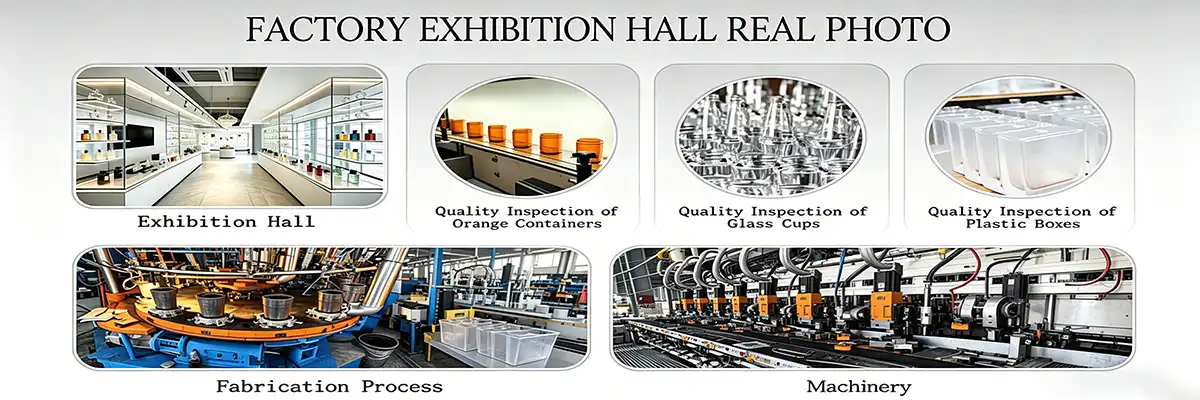
Asia's new manufacturing hubs are bringing in competitive suppliers with the ability to customize their products. These suppliers should have ISO certification and a history of exporting. Companies like Xuzhou Muzhishi Crafts Co., Ltd. have been making glass items for 20 years and offer customization options like hot stamping, engraving, and custom sizes that big Western names often can't handle at the same order numbers. This expansion of the supplier landscape gives procurement teams access to both high-quality, name-brand products and low-cost customization options, depending on the needs of the business.
How to Choose and Maintain the Ideal Clear Glass Sugar Bowl With Lid for Your Business?
Selection Criteria for Operational Integration
To plan capacity, match container volume to use. Hotels with 200 or more rooms need larger Clear Glass Sugar Bowl With Lids for breakfast buffets to reduce refills during peak morning hours. Boutique cafés prefer compact containers that fit on a counter without looking empty. You can identify the ideal size level for any operational environment by calculating daily sugar consumption and refill expenses.
Mouth diameter impacts moisture intrusion and serving ease. Wider holes (9–10 cm) suit regular serving spoons and sugar scoops, reducing spillage and cross-contamination from customers' instruments. Narrower apertures restrict airflow when the lid is briefly lifted, but they might be frustrating for persons who have problems entering and exiting. To balance these aspects, you must know the types of clients who frequent each area and how to handle them.
Maintenance Protocols That Extend Service Life
Clear Glass Sugar Bowl With Lids must be handled carefully to avoid breakage. Decline is most likely due to thermal shock, which occurs when containers rapidly change temperatures. Staff cannot put hot-rinsed containers on cold surfaces or put cold storage units into hot dishwashers. Gradual temperature variations preserve glass structure over thousands of uses.
Cleaning products must be chosen cautiously. Abrasive scrubbing pads and powders cause microscopic scrapes that germs can grow on and cloud the surface. Cleaning glass with non-abrasive liquid cleansers and a soft cloth or sponge keeps the surface smooth for health and appearance. Whether a commercial dishwasher can clean glass depends on its type. Soda-lime types break under harsh detergents and high heat, while borosilicates can.
Storage Best Practices Within Glass Containers
Clear Glass Sugar Bowl With Lids need more than moving the goods and closing the lids to keep sugar fresh. Sugar should be stored in climate-controlled environments away from direct heat sources that help it absorb water. If you store items near ovens, dryers, or steam equipment, humidity will eventually sneak into even the best-sealed boxes.
Water builds up in filled containers. If you allow too much space, air might enter and add humidity as the temperature changes. Filling containers 80–90% lowers this air pocket while leaving room for serving tools. Rotation rules deplete old stock before adding fresh. Keeps objects from being stored too long, which increases contamination risk even in closed containers.
Combining these selection and maintenance techniques offers full management systems that extend container life, maintain product quality, and reduce commercial sugar storage expenses.
Where and How to Procure Clear Glass Sugar Bowls With Lid for Wholesale and Custom Orders?
Identifying Suitable Supply Partners
Depending on the amount needed and the level of customization, procurement strategies divide between generalist distributors and specialized manufacturers. Restaurant supply distributors make things easier by letting you place multiple orders at once and delivering them quickly, but they only usually keep a few standard configurations in stock. Direct relationships with manufacturers give you access to customization options like branded logos, custom sizes, and special packages, which are necessary for business gifting programs, hotel chain standardization, and retail product lines.
To figure out what a company can do, you have to look at their production size, quality certifications, and service infrastructure. Trading companies that get their goods from many middlemen don't have as much control over quality as companies that run their own production sites. ISO 9001 certification shows that quality management systems have been set up, and FDA or EU food contact compliance documentation shows that products meet safety standards for use in commercial food service settings.
Navigating Pricing Structures and Volume Economics
The price of Clear Glass Sugar Bowl With Lids depends on the cost of the raw materials, how hard they are to make, how much customization is needed, and how many are ordered. Standard clear designs set the base price. Custom colors, engraving, or hot stamping add extra costs based on the time and money needed to make the tools and set up the production line. When procurement teams know about these cost drivers, they can better organize orders that combine the need for customization with the available budget.
When volume thresholds are reached, costs drop by a lot per unit. Manufacturers usually set prices based on production efficiency breakpoints, such as 500 units, 1,000 units, and 5,000 units, where setup costs are spread out over bigger orders. When purchasing goods for multiple locations, it's helpful for procurement teams to combine orders from all of those locations into one big order, even if each location only needs a small amount.
Key considerations when negotiating bulk orders include:
- Tooling and Setup Costs: Buying custom molds or printing plates up front costs money that is paid back over the number of orders. Making it clear who owns these tools and whether they can be used for future orders keeps costs from coming up out of the blue when they need to be reordered.
- Payment Terms and Deposits: For international deals, you usually need to put down 30 to 50 percent of the total amount before shipping. Setting up letter of credit agreements or payment milestones that are spread out over time protects both parties and makes managing cash flow easier.
- Quality Control Protocols: Setting inspection standards (such as accepted quality levels, defect definitions, and sampling methods) before production stops disagreements about what quality is acceptable when the orders come in. Third-party inspection services check high-value orders in a neutral way.
- Delivery Timelines and Logistics Coordination: Glass items need to be carefully packed and handled while traveling across borders. Knowing about delivery times, how to clear customs, and seasonal shipping limits can help you avoid running out of stock. Most of the time, suppliers who have self-operated export rights handle these procedures better than middlemen.
Leveraging Sampling and Testing Programs
Reputable manufacturers offer sampling programs so that purchasing teams can try out the products before committing to large orders. The physical measurements of the sample should be compared to the specs, along with the quality of the lid fit, the clarity of the glass, and the weight feel. Actual use testing in operational settings reveals practical issues that can't be seen in vendor showrooms, such as how well containers work during busy service times, how easy they are for staff to use, and how well they fit in with current workflows.
Reviewing the documentation goes along with the actual tests. Requesting material safety data sheets, food contact compliance certificates, and quality control reports makes sure that products meet the rules in the markets where they will be sold. When you compare the paperwork from different sellers, you can see how the quality standards vary. This also helps you find partners whose business practices are in line with your company's values about sustainability, fair labor, and openness in the supply chain.
Conclusion
Container solutions that meet both hygiene requirements and operating realities are needed for industrial sugar storage to work well. Clear Glass Sugar Bowl With Lids with fitted lids are better at keeping out wetness, preventing contamination, and keeping track of your goods visually. The non-porous surface structure gets rid of the chance of bacteria hiding spots while keeping the flavor pure, which is important for positioning the product as a premium item. Transparency makes it easier to keep an eye on stock and make sure high standards are met without getting in the way of service. If procurement professionals know about these functional benefits, how materials perform, and how to evaluate suppliers, they can make smart decisions about where to buy things that cut down on waste, keep products fresh longer, and uphold brand quality standards in a wide range of business settings.
FAQ
Can glass sugar bowls withstand industrial dishwasher cycles?
Borosilicate Clear Glass Sugar Bowl With Lids don't break down when put in a commercial dishwasher at high temperatures or when harsh detergents are used. Their high hydrolytic resistance keeps the surface from getting cloudy, which happens to lower-quality glass after many high-temperature wash cycles. To keep heat stress from happening, soda-lime glass options need to be cycled more slowly. Checking the type of glass before buying it makes sure that it will work with existing sanitation tools and methods.
Do standard lids provide truly airtight seals?
Most industrial Clear Glass Sugar Bowl With Lid lids keep out dust and moisture by contacting precisely with the lid's rim, rather than using airtight seals. It's easy to get to during service, and this design keeps flying contaminants out and wetness out. For tasks that need to be hermetically sealed in places with high humidity, models with silicone gasket inserts that make vacuum-level seals should be chosen.
How do you verify food safety compliance in glass containers?
Ask for proof that you follow the FDA's food contact rules or the EU's 10/2011 standards. The results of tests for lead and cadmium leak show that the glass makeup meets safety standards. Certification reports from SGS or TUV are independent third parties that confirm that the manufacturing process meets the quality standards needed for business food service uses.
Partner With Muzhishi for Your Sugar Storage Solution Needs
Xuzhou Muzhishi Crafts Co., Ltd. brings 20 years of specialized glass manufacturing experience to procurement professionals seeking reliable Clear Glass Sugar Bowl With Lid suppliers for wholesale and custom projects. Our comprehensive ODM/OEM capabilities support full customization—from branded logo engraving and hot stamping to custom sizing and specialized packaging—with rapid sampling turnaround in 3-5 days. We maintain self-operated import/export licensing and provide complete documentation support, ensuring smooth customs clearance and reliable delivery timelines to markets worldwide. Strategic partnerships with local raw material suppliers deliver cost efficiencies of 10-15% compared to intermediary distributors while maintaining rigorous quality standards verified through ISO compliance. Contact our team at long@muzhishi.com to discuss your specific requirements, request product samples, and explore volume pricing options tailored to your operational scale. Visit mzsglass.com to review our full product portfolio and discover how our manufacturing expertise supports your sugar storage objectives with solutions that balance quality, customization, and cost effectiveness.
References
1. Johnson, M. & Williams, R. (2021). Food Storage Materials and Hygiene Standards in Commercial Kitchens. International Journal of Hospitality Management, Vol. 43, pp. 127-142.
2. Chen, L. (2020). Glass Container Performance in High-Humidity Environments: A Comparative Study. Materials Science and Food Technology Quarterly, Vol. 18, Issue 3, pp. 89-104.
3. National Restaurant Association. (2022). Best Practices for Dry Goods Storage in Professional Foodservice Operations. Chicago: NRA Publications.
4. Thompson, K. et al. (2019). Thermal Shock Resistance in Commercial Glassware: Testing Protocols and Performance Benchmarks. Journal of Applied Materials Engineering, Vol. 56, pp. 203-218.
5. Food Safety Standards Authority. (2023). Material Compliance Guidelines for Food Contact Surfaces in Commercial Settings. Washington: FSSA Technical Standards Division.
6. Martinez, P. & Anderson, J. (2020). Procurement Strategies for Hospitality Supply Chain Optimization. Cornell Hospitality Review, Vol. 15, No. 2, pp. 45-67.

Our customers’ satisfaction speaks for our quality — contact us to experience the same reliable service.