- English
- French
- German
- Portuguese
- Spanish
- Russian
- Japanese
- Korean
- Arabic
- Greek
- German
- Turkish
- Italian
- Danish
- Romanian
- Indonesian
- Czech
- Afrikaans
- Swedish
- Polish
- Basque
- Catalan
- Esperanto
- Hindi
- Lao
- Albanian
- Amharic
- Armenian
- Azerbaijani
- Belarusian
- Bengali
- Bosnian
- Bulgarian
- Cebuano
- Chichewa
- Corsican
- Croatian
- Dutch
- Estonian
- Filipino
- Finnish
- Frisian
- Galician
- Georgian
- Gujarati
- Haitian
- Hausa
- Hawaiian
- Hebrew
- Hmong
- Hungarian
- Icelandic
- Igbo
- Javanese
- Kannada
- Kazakh
- Khmer
- Kurdish
- Kyrgyz
- Latin
- Latvian
- Lithuanian
- Luxembou..
- Macedonian
- Malagasy
- Malay
- Malayalam
- Maltese
- Maori
- Marathi
- Mongolian
- Burmese
- Nepali
- Norwegian
- Pashto
- Persian
- Punjabi
- Serbian
- Sesotho
- Sinhala
- Slovak
- Slovenian
- Somali
- Samoan
- Scots Gaelic
- Shona
- Sindhi
- Sundanese
- Swahili
- Tajik
- Tamil
- Telugu
- Thai
- Ukrainian
- Urdu
- Uzbek
- Vietnamese
- Welsh
- Xhosa
- Yiddish
- Yoruba
- Zulu
How to Clean and Reuse Glass Rollers for Essential Oils
To clean and reuse glass rollers for essential oils, take the bottle apart, remove the roller insert and cap, and wash every part with hot, soapy water. Rinse with isopropyl alcohol to dissolve leftover oil, then rinse again and let all pieces air-dry fully before refilling. Inspect the glass, gasket, and roller ball first, and replace any part that is cracked, loose, or still smells like the old blend. This routine suits personal use, samples, and small refill programs. Retail lots are safer with new components. The sections below explain each step and the reasons behind it.send inquiry

Introduction: Why Proper Cleaning Matters for Reusable Glass Rollers?
Residual Oil Changes the Next Formula
It's still there after taking out the oil. A thin film holds the glass wall, the roller ball, and the side of the cap together. This movie will be picked up by the next blend. And face cream that is light can get dark. A strong peppermint note can come from a soft lavender mix. It's also important to get old. Researchers have found that light, air, and heat are the main things that break down essential oils. It is said by Tisserand and Young that old oils can make skin more upset. Clean the surface to keep the smell and your skin healthy.
Buildup Slows the Roller Ball
There is a small hole inside the ball that makes it spin. This is where the dust begins to gather. Some thick oils, like patchouli, frankincense, myrrh, and others, can dry out and leave a film that is hard to get off. The ball skips, drags, or sticks because it doesn't have enough oil on it. The ball might not sit flat against the insert if it has dust on it. This could let oil into the neck. I put the ball against my palm and spin it around ten times, once in each direction, to test it. It's simple to check if the roll is quiet and smooth. It's better to deal with a customer who is mad tomorrow because the ball is stuck today.
What This Guide Covers
This book is for small businesses, people who make their own blenders at home, and groups that buy things that can be used more than once. As part of it, you have to check, take apart, clean, dry, restock, and put back together. You can find out what to ask a seller before you buy 10ml bottles and read about the different kinds of materials used to make roller balls and caps. There are different parts to clean, so each step tells you what to do for steel, glass, wood, and plastic. First, you should know that washing a bottle only gets rid of the oil. The bottle still looks the same. I'll talk about this difference again near the end because it's most important for things that are sold in stores.
Check Whether the Glass Roller Bottle Is Suitable for Reuse
Inspect Every Component
You should look for damage like cracks, chips, scratches, cloudiness, deformation, corrosion, and residue on the glass bottle, roller ball, insert, cap, and gasket. Let the neck dry for a little longer after you fill the bottle. A small chip there could cause it to leak. Turn each piece slowly while holding it up to a bright light. What I need is on the table.
| Component | Check for | Action |
|---|---|---|
| Glass bottle | Cloudy, neck chips | Throw away |
| Roller ball | Cracks, rust, hard to turn | Get a new one |
| Insert | Cracks, doesn't fit right | Replace |
| Cap and gasket | Warped, split wood, torn liner | Replace |
Broken, smelly, or worn-out parts go to the replacement pile, not the wash basin. When oil, heat, and movement put stress on the seal, small damage doesn't stay small for long.
Identify the Previous Oil
What was in the glass bottles for essential oils will determine how hard it is to clean. Certain oils, like German chamomile, frankincense, vetiver, and patchouli, can leave marks and smells on things that won't go away, even after you wash them. That smell should go away if it does. You can either clean the bottles with more alcohol or throw them away. For orange oils, you need a different test. Many types of plastic, like PE, can be broken down by limonene. Keep an eye out for plastic pieces that are breaking apart or sticking together. I give each bottle in my set a name that goes with a color family. When the bottle is filled up again after months, you won't get any shocks. Also, make sure you check the cover because it can hide something dangerous.
Know When to Retire a Bottle
You can only use some things once. You should throw it away if the bottle is cracked or broken, the ball won't move or sticks, the insert doesn't grip anymore, the cap is bent or split, or the smell stays even after you wash it with alcohol. Glass that is cloudy and won't clear is another red flag. I get rid of a part that doesn't work the first time I test it. If you have extra plugs, balls, and caps, it's easy to follow the steps. A simple log of batch codes and replacement dates can also show trends. Say that a certain color of cap breaks more often. Check wooden caps right away because they can break or turn a different color.
Clean, Sanitize, and Dry Glass Roller Bottles Step by Step
Disassemble the Bottle
Small pieces will fall off quickly, so work on a towel. Remove the lid and lift out the seal or plug that's inside. Most of the time, the roller insert is a piece that is pressed into the neck and fits tightly. Place a thin, blunt object under the edge of the glass and lift it straight up. This will help the lip stay put. Putting the bottle parts together will mix the smells. Watch out, though, because inserts often weaken when you pull on them. So I don't have to worry about a weak seal, I buy extra plugs and trade in the old one.
Wash and Dissolve the Oil
Oil and water don't leave a film when they mix. Break up the oil into drops. Then use dish soap and hot water to wash it off. You can clean the inside of the bottle with a cotton swab and a small bottle brush. Second, fill the bottle with at least 70% isopropyl alcohol. Then, swirl the alcohol around inside and on top of the insert to break up any soap that got missed. Then pour it out. If the food is still tough, cook it again. But don't soak wood caps, or they could break or turn a different color. Just use a wet cloth to clean them. If you put some plastics in alcohol for a short time, they will cloud over or get soft.
Sanitize, Dry, and Store
Steel and glass will be clean after one last rinse with 70% isopropyl alcohol. This type of glass doesn't spread as much when it gets hot, so it can handle more heat than soda-lime glass. Do not mix hot and cold water. Instead, let it cool down slowly. After that, clean up. For a few hours or until they don't smell like alcohol or dampness anymore, leave the bottles on a clean towel or rack. It can get cloudy and germs can grow if you add too much water to a mix. Store the bottles in a box with a lid until they are all dry. After that, put the bottles back together.
Refill and Prevent Leaks in 10ml Roller Bottles
Fill with Headspace
Use a small funnel or a glass dropper to add the mix. Before you put the cover on, do this. Make sure there is space under the neck. This part moves the liquid around when it goes in. That's why oil leaks out around the ball when the bottle is empty. When oils get warm, a little air helps them grow a bit. If you put threads in oil, they will slip, so dry the neck first. If the neck is clean and dry, the cap will sit more straight. Right away, write on the bottle the name of the blend and the date it was filled.
Seat the Insert and Tighten the Cap
Toward the neck until it's flat. Next, make it easy for the ball to spin. Tighten the cap up until it feels good. The glass thread or the wooden cap could break if you tighten it too much. After that, check for leaks. Lay the bottle on its side on a piece of paper for one minute. Then lay it flat on a paper towel and leave it there all nite. If the paper and towel are dry, everything is sealed well. If you see oil, put in a new plug or cap and check it again. Do the same test on all of the bottles in the batch, not just one.
Prepare for Travel and Shipping
The TSA only lets you bring 3.4 ounces (100 ml) of drinks with you, so a 10 ml bottle will work. Another thing you can bring is a roller bottle. That's why it's important to have a tight seal and headspace. The cabin air can push on a full bottle if it changes. Each bottle should be put in a bag that can't be opened. Check how well the boxes are packed before you send them out. Send some units on a real route and check them when they get there. Put glass bottles in the box and stand them up straight. Put things in between the bottles to keep them from running into each other. The test is worth the time because if the package leaks, it will be sent back and get bad reviews.
Choose Materials and Evaluate Refillable Packaging as a Buyer
Match Ball and Cap Materials to the Blend
Different types of balls feel different in the sink and on your skin. The table below shows the choices Muzhishi gives for glass bottles for essential oils:
| Ball type | Feel | Note |
|---|---|---|
| Stainless steel | Cools you down | Doesn't rust when exposed to acidic oils |
| Glass | Rolls the smoothest | Check for chips after cleaning |
| Plastic | Suits delicate skin | Test against citrus blends |
First I match the ball to the mix, then to the look. Even though wood caps look nice, you shouldn't soak them in water. Metal caps made of bronze, gold, silver, or black are simple to clean. But you should test a spare cap with alcohol to see if the writing or stamped finish is safe. You can get caps from Muzhishi in any color you can think of, including gold, silver, black, white, and more. Metal, plastic, aluminum, wood, and color are used to make them. Before you agree to a design, you should ask the formulator to test the mix on the glass, ball, case, and seal.
Reuse or Reorder: What Buyers Should Test
As long as there is proof that the bottles have been cleaned, you can use them for your own needs, give them as gifts, and use closed return programs. I believe that consumer things should use new, unused parts instead of used ones because used bottles have histories that we don't know about. The FDA now has more control over makeup thanks to the Modernization of Cosmetics Regulation Act of 2022 (MoCRA). The best way to make, store, and ship makeup is explained in ISO 22716. When getting prices, make sure the companies have done tests like a vacuum leaking test at -0.05 to -0.08 MPa, a cap removal torque test, a ball removal force test, and a vertical load test for lines that automatically cap. The line works if these tests are done on the ball, the lid, and the glass. It's important to check that the tools you use to fill the bottles can handle 10ml.
Muzhishi Glass Rollers for Essential Oils at a Glance
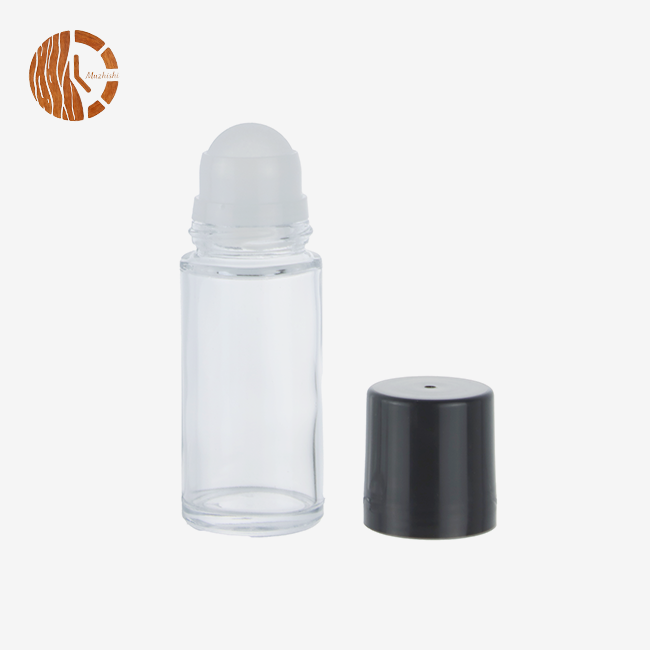
This thing, which can hold 10ml, is made of borosilicate glass. That's up to you. The cap can be any color you want and made of wood, metal, plastic, or aluminum. You can pick any color of cap you want, including gold, silver, black, white, and more. The top has a screw cap. You can make something one-of-a-kind by hot stamping, screen printing, engraving on the inside, putting labels on it, or using packing boxes. They're free to try.
| Feature | Specification |
|---|---|
| Material | Borosilicate glass |
| Capacity | 10ml |
| Colors | Custom (That's up to you) |
| Ball types | Steel, glass, plastic |
| Cap materials | Wood, metal, plastic, aluminum |
| Cap colors | Gold, silver, black, white, and more |
| Closure | Screw cap |
| Customization | Hot stamping, screen printing, inside engraving, labels, packing boxes |
| Samples | Provided freely |
It has been making crafts for 20 years and was founded in 2005 in Jiangsu as Xuzhou Muzhishi Crafts Co., Ltd. When you buy something from us, you'll get samples in 3–5 days. Also, we have an account manager who will help you with anything after the sale. Popular items are kept in stock by our glass and packing partners in the area. This speeds up shipping times. These facts let buyers compare sellers, which will change how often they buy from each one again.
Conclusion
Make sure glass rollers for essential oils are clean and empty before you use it again. It should be cleaned with soap and alcohol, left to dry, and then the right amount of air should be added back in. That person and the formula are both safer when the roller ball is clean. This is because buildup slows it down and changes the product's color and smell. What was used determines the effects. Steel, glass, and plastic balls all react in different ways. Wood caps should not be wet, but should be wiped down. Most essential oils will not harm Pyrex glass. You can use it again without worry because there are clear rules for replacement, checks for leaks, and a 3.4-ounce trip cap. You can't be sure what happened to a used bottle, so it's still better to use new parts for sale things. People who want to buy something should look at the results of the leak, pressure, and ball removal tests. When there aren't many options, when it's personal, or when it's refill, reusing works best. For business lots, though, it's best to use new boxes that are always the same.
FAQ
Can I reuse a roller bottle for a different essential oil?
Yes, after being washed with soap, rinsed with alcohol, and dried completely. Keep each smell in its own bottle if you can. This is because strong or dark oils might not smell good.
Can glass roller bottles go in the dishwasher?
First, read what the bottle's maker has to say. Before you wash, take off any wood plugs, seals, caps, or caps. Heat and water can break wood and make parts come free.
How do I fix a sticking roller ball?
Rub alcohol and a cotton swab can be used to clean the hole. After that, let it dry all the way through. When the ball is full, give it a full turn because thick oils can film or harden.
Which roller ball suits citrus blends?
Limonene can break down some plastics, like PE. Steel or glass balls aren't really hurt by acidic oils. Make sure your mix is right before you start.
How many times can I use this bottle?
There's no set number. You should get a new bottle part if it breaks, comes loose, or smells bad. You can use it again if it still looks good.
Request Samples of Muzhishi Glass Rollers for Essential Oils
Anyone can come up with a color for a 10ml paper bottle at Muzhishi. Steel, glass, and plastic are the three kinds of balls. Caps come in three different materials: metal, wood, and plastic. Our business is in Jiangsu, and what we do is make glass rollers for essential oils. From logos to hot stamping and screen printing, we can help with anything. You can get free samples from us. Tell us what you need by emailing long@muzhishi.com or going to mzsglass.com. Account manager, we'll get back to you right away.
References
1. Tisserand, R., & Young, R. (2014). Essential Oil Safety (2nd ed.). Churchill Livingstone, Elsevier.
2. Turek, C., & Stintzing, F. C. (2013). Stability of Essential Oils: A Review. Comprehensive Reviews in Food Science and Food Safety.
3. Başer, K. H. C., & Buchbauer, G. (2015). Handbook of Essential Oils: Science, Technology, and Applications (2nd ed.). CRC Press.
4. International Organization for Standardization (2007). ISO 22716: Cosmetics — Good Manufacturing Practices (GMP) — Guidelines on Good Manufacturing Practices.
5. U.S. Food and Drug Administration (2022). Modernization of Cosmetics Regulation Act of 2022 (MoCRA).
6. U.S. Food and Drug Administration (2013). Draft Guidance for Industry: Cosmetic Good Manufacturing Practices.

Our customers’ satisfaction speaks for our quality — contact us to experience the same reliable service.