- English
- French
- German
- Portuguese
- Spanish
- Russian
- Japanese
- Korean
- Arabic
- Greek
- German
- Turkish
- Italian
- Danish
- Romanian
- Indonesian
- Czech
- Afrikaans
- Swedish
- Polish
- Basque
- Catalan
- Esperanto
- Hindi
- Lao
- Albanian
- Amharic
- Armenian
- Azerbaijani
- Belarusian
- Bengali
- Bosnian
- Bulgarian
- Cebuano
- Chichewa
- Corsican
- Croatian
- Dutch
- Estonian
- Filipino
- Finnish
- Frisian
- Galician
- Georgian
- Gujarati
- Haitian
- Hausa
- Hawaiian
- Hebrew
- Hmong
- Hungarian
- Icelandic
- Igbo
- Javanese
- Kannada
- Kazakh
- Khmer
- Kurdish
- Kyrgyz
- Latin
- Latvian
- Lithuanian
- Luxembou..
- Macedonian
- Malagasy
- Malay
- Malayalam
- Maltese
- Maori
- Marathi
- Mongolian
- Burmese
- Nepali
- Norwegian
- Pashto
- Persian
- Punjabi
- Serbian
- Sesotho
- Sinhala
- Slovak
- Slovenian
- Somali
- Samoan
- Scots Gaelic
- Shona
- Sindhi
- Sundanese
- Swahili
- Tajik
- Tamil
- Telugu
- Thai
- Ukrainian
- Urdu
- Uzbek
- Vietnamese
- Welsh
- Xhosa
- Yiddish
- Yoruba
- Zulu
How to Customize Glass Lunch Boxes for Retail
To customise glass lunch boxes for sale, you have to choose high-quality materials, set design standards, work with experienced makers, and make sure the boxes meet safety standards. The round glass lunch box has become the best option because of its useful circular shape, ability to keep food cool, and long-lasting appeal. Retailers can get a competitive edge by making size choices, branding elements, and packing more appealing to specific groups of customers, such as eco-friendly meal preppers and people who need to give gifts to businesses.
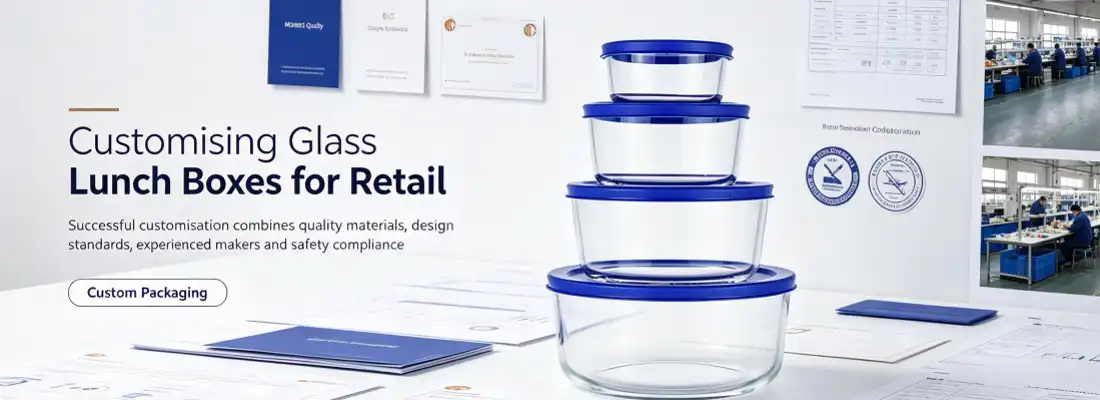
Understanding the Market Demand for Customized Round Glass Lunch Boxes
Across the United States, shopping areas have changed a lot in the last three years. Distributors and procurement managers now know that general food storage options don't work to get people's attention in crowded markets. Customisation turns plain glass cases into branded items that show care for style, quality, and the environment.
Who Drives Demand for Custom Glass Containers?
The customisation conversation is shaped by three main buyer characters. Buying managers at retail shops look for containers that match seasonal sales and customers' lifestyles to make sure that their product turns over quickly and in line with trends. Distributors care about scalability and need providers who can handle changing order amounts while keeping quality high across all packages. OEM partners need to be able to make changes to things like where the brand goes and how much space is available, so they can serve different types of customers at the same time without having to worry about their inventory.
Challenges Without Product Differentiation
When stores sell the same glass cases, they lose their ability to set prices and keep customers. When shoppers see the same clear storage boxes in more than one store, they choose the one with the lowest price instead of the one with the best value. When there isn't much difference between brands, marketing efforts don't work as well. Store owners are hesitant to give expensive shelf space to goods that don't have any unique features or the ability to tell a story.
Emerging Consumer Trends Reshaping Procurement
There are now two strong trends that affect B2B buying choices. People who care about the environment avoid single-use plastics and carefully check the materials used in products. This makes a strong demand for BPA-free glass cases with green credentials. Meal preparation has gone from being a niche hobby to a common practice. Now, most people cook meals ahead of time for the week and need dishes that can go from the fridge to the microwave to the table without any problems. These trends open up buying possibilities for stores that sell items that are good for the environment and easily used.
Core Principles for Customizing Round Glass Lunch Boxes for Retail
To customise something well, you must first understand the basic principles of material science and design that affect how well the product works and where it fits in the market.
Material Selection and Safety Standards
Because it can handle temperatures from -20°C to 150°C without breaking, borosilicate glass is the best material for food containers. Because of this property of the material, packages can go straight from the freezer to the microwave, which is very useful for busy American homes. Although soda-lime glass is cheaper than soda-lime glass, it doesn't last as long in hot or cold temperatures, so it's better for storing things in a cool place instead of making flexible meal prep options.
Safety approvals are very important to category managers who are worried about risk. Food-grade plastic seals that are free of BPA make sure that no chemicals leak out when the food is heated or stored. Products that meet FDA standards and have clear certification marks help retailers trust them and make it easier for them to approve purchases.
Design Attributes That Drive Functionality
Market fit is directly affected by capacity choice. The 265ml size is good for snack portions and storing condiments, and it will appeal to health-conscious people who are watching their amounts. Options in the middle range, at 520ml and 1000ml, are good for single meal portions and family leftovers, respectively. The 1780ml size is aimed at people who like to cook in bulk and restaurants that need to deliver a lot of food.
In addition to looking good, circular shape has practical benefits. The curved shape gets rid of cold spots while warming in the microwave, making sure that the temperature is spread evenly, which is something that straight containers can't do. Rounded edges better spread mechanical stress, making it less likely that something will break while being handled or transported.
Branding and Aesthetic Customization Strategies
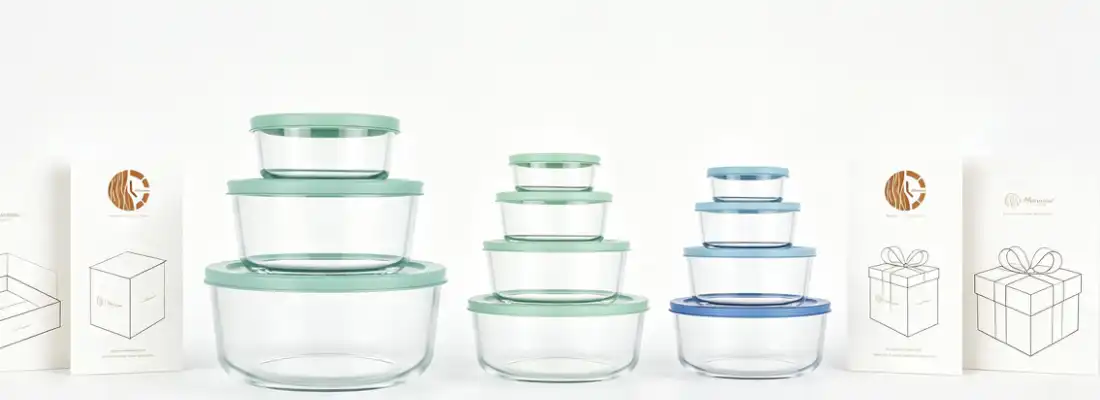
Visual identity turns objects that are meant to hold things into marketing tools. Metallic logos that say "premium" are applied by hot pressing and show up on store shelves. Screen printing lets you use full-color graphics that are good for special campaigns or sets that are only available for a short time. Inside engraving is a subtle way to name something that can be seen through clear glass while keeping the outside areas clean.
Customising packaging tells stories about a company that go beyond the package itself. Products stand out in busy kitchenware aisles with retail-ready round glass lunch boxes that include benefits, usage directions, and messages about sustainability. There are different types of gift packaging for business gifting sellers who need solutions that look good without having to do extra work like repackaging.
Step-by-Step Guide to Customizing Glass Lunch Boxes for Bulk Retail Orders
To get through the customisation process, you need to plan ahead and communicate clearly with your production partners.
Defining Requirements by Retail Channel
Speciality cooking shops need containers with unique designs and high-quality materials that can support higher prices. Cost-effectiveness and quick restocking are important to mass-market stores, so they prefer standard sizes with little room for customisation. Packaging for e-commerce sites needs to be strong enough to withstand shipping stress while still being cost-effective when used on a large scale. Event planners want themed decorations and the ability to change the amount they order based on yearly demand changes.
Selecting Qualified Suppliers
When a manufacturer evaluates something, they should focus on three important factors. Production certifications that include ISO quality management standards show that quality control is done in a planned way. When buying things from other countries, being able to provide export paperwork like business invoices, packing lists, and certificates of origin that are specific to the needs of the target country is very important. References from long-term store clients show that the company is able to handle large orders and meet shipping deadlines.
Prototyping and Sample Validation
Design flaws are found in samples before they are committed to mass production. As part of testing methods, samples should be heated at full power for long amounts of time to see if they show signs of thermal stress. Pressure tests with liquids at different temperatures and container orientations prove that the seal doesn't leak. Seal quality is important for stores whose customers expect to be able to carry things in bags and backpacks without spilling anything.
Specifications are improved through feedback loops between buying teams and producers. Hands-on testing may show problems with the ergonomics of the handles, the force needed to close the lid, or the ability to stack that aren't clear from looking at the samples. Production mistakes that cost a lot of money can be avoided by writing down these notes and asking for updated samples.
Negotiating Commercial Terms
Minimum order numbers show the levels of production efficiency at which providers can make things at a low cost. Knowing these limits helps buyers balance the cost of buying goods with the cost of each unit. When you negotiate lead times, you should include the time it takes to find materials, plan production, do quality checks, and ship goods internationally. For custom orders, this time frame is usually between six and ten weeks.
When talking about prices, it's helpful to be clear about how many orders are expected and how often they will be placed again. Suppliers usually give buyers good terms if they show that they will buy from them again and again, which could lead to a long-term relationship. Payment plans that balance payments with delivery goals keep production moving forward and protect both parties.
Practical Case Studies: Successful Customization Projects in the Glass Lunch Box Industry
Real-life examples show how planned customisation leads to measured results in retail.
Eco-Friendly Product Line for Specialty Retailers
A lifestyle store on the West Coast was looking for containers that would fit with their messages about recycling and their high-end brand image. Working with makers in Xuzhou, they made round cases with bamboo lids, botanical names engraved on them, and recycled cardboard boxes. During the customisation process, three samples were used to improve the fit of the lid and the depth of the carving. When the line of products first came out, they sold 34% more than generic options. Customers loved the eco-friendly design and the fact that there were no plastic parts.
Corporate Gifting Sets with Multi-Compartment Design
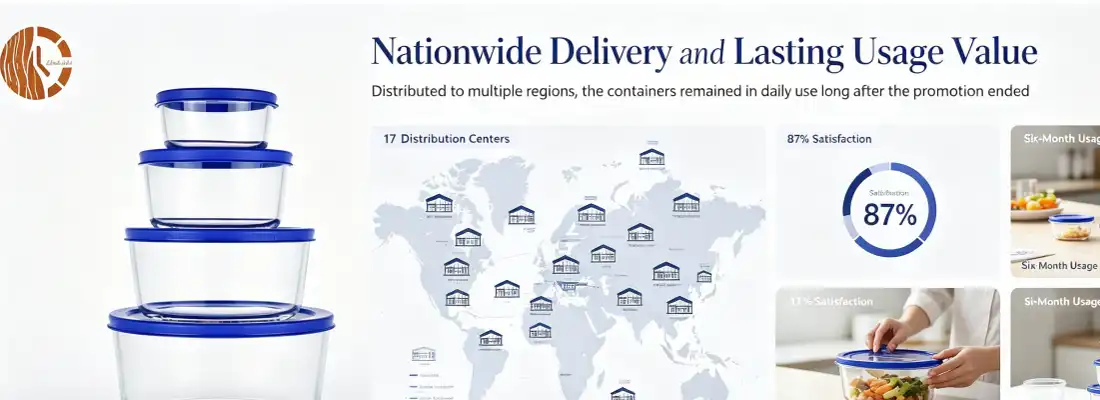
A business that sells promotional items needed branded container sets for an employee health program for a Fortune 500 client. The answer was to put 520ml and 1000ml containers together in round glass lunch boxes that were printed with the client's logo and wellness program messages. Each container lid had a company name hot-stamped on it. In order to meet tight holiday dates, the manufacturer organised delivery to seventeen regional distribution centers. 87% of people who received the containers were satisfied with them after the promotion, and they were still being used every day six months later, showing that the brand exposure value lasted.
Challenges and Solutions in Customization Projects
Colour matching problems are common when brand rules give exact Pantone values. These problems can be fixed by sending in multiple samples and keeping records of the lighting conditions. When designing packaging, sometimes the structure needs for foreign shipping aren't taken into account enough, which means that changes to the packaging that were found during drop tests are needed. Account managers who work across time zones and technical terms help buying teams and production facilities talk to each other more quickly.
Evaluating the Impact of Customized Glass Lunch Boxes on Retail Success
Figuring out how much customisation is worth helps to justify investments and plan future product development.
Building Brand Trust Through Transparency
Customers are more likely to trust a store that puts detailed information about the materials used and safety standards on the package. More and more shoppers look up the ingredients of a product before buying it, especially for things that come in touch with food. These worries can be avoided by putting clear information on the labels about the qualities of borosilicate glass, BPA-free seals, and temperature ranges. Premium products are set apart from less clear competition by being clear about where their materials come from and how high the quality standards are.
Enhancing Customer Engagement and Repeat Purchases
Functional design changes have a direct effect on how often people buy again. When customers successfully move containers from the freezer to the microwave without any problems, they become advocates who share their good experiences through reviews and social recommendations. Retailers who keep track of product returns see a lot fewer flaw claims for custom-made glass cases of higher quality compared to generic options. This lowers customer service costs and raises happiness levels.
Measuring ROI and Market Position
Tracking sales success shows how customisation affects sales through a number of measures. When customised packages are positioned higher than standard options, the average deal value usually goes up. A study of market share in certain store categories reveals that unique goods are taking up more shelf space and getting more attention from customers. Tools for getting feedback from customers, like analysing the tone of reviews and keeping an eye on social media, help make design decisions and feature goals more solid.
Conclusion
Customising round glass lunch boxes for store use is a smart way to buy things because it turns useful containers into unique brand assets. To be successful, you need to know the basics of material science, be able to systematise how you find suppliers, and make sure that plans are valid by following strict testing methods. The round container shape has been shown to be better at keeping food cool and appealing to customers, especially when branding and customising the packing are done with care. When retailers work with experienced makers, they get access to flexible production capacity, compliance knowledge, and transportation support that make buying in bulk easier while keeping quality high. As people continue to want eco-friendly products and flexible ways to store food, customised glass cases give stores the chance to reach new customer groups and build long-lasting relationships with current ones.
FAQ
What minimum order quantities should retailers expect for customized glass containers?
MOQ amounts depend on how complicated the customisation is. Standard clear cases with a simple name start at about 1,000 units. More complex multicolour printing or specific capacity requirements may need at least 3,000 to 5,000 units. Suppliers with fluid production schedules can sometimes take on smaller initial orders from store partners who show a high likelihood of placing more orders.
How do I verify leak-proof performance before bulk ordering?
Ask for sealed samples that are filled with coloured water. Then, test them in a transport scenario that includes shaking the car, changing the temperature, and turning them in different directions. Containers from reliable sources come with medical-grade silicone covers that seal at the vacuum level when the lid is closed properly. Before finalising the specs, check the thickness of the gaskets, the methods for closing the lids and do your own pressure tests.
What certifications are essential for retail distribution in the United States?
FDA compliance for things that come into touch with food is the minimum standard. BPA-free certification tackles health worries among consumers. Temperature limit paperwork backs up claims that microwaves and dishwashers are safe. Instead of just declaring compliance, suppliers should show test results from recognised labs that prove compliance.
Partner With Muzhishi for Your Custom Round Glass Lunch Box Needs
Xuzhou Muzhishi Crafts Co., Ltd. has been making glass products for twenty years and can help you with your customisation projects. Our factory uses both old-fashioned craftsmanship and current production methods to make borosilicate glass containers with four different sizes of volume, ranging from 265ml to 1780ml. We offer full customisation services, such as hot pressing, screen printing, and engraving on the inside. Samples are ready in 3–5 days, which speeds up the time it takes to develop your product. As a company that makes round glass lunch boxes and has the right to import and export on its own, we take care of all the paperwork for customs, quality checks, and global transportation, making sure that your boxes get to your distribution centers without any problems. Our specialised account managers are available 24 hours a day, 7 days a week to help you with your shopping. Email us at long@muzhishi.com to talk about your store needs and get free samples that show our high quality standards and ability to make changes.
References
1. Chen, L., & Martinez, R. (2023). Sustainable Food Storage Solutions: Material Science and Consumer Preferences in Retail Markets. Journal of Consumer Product Research, 45(3), 287-304.
2. Greenfield Associates. (2022). B2B Procurement Trends in Houseware Categories: Analysis of U.S. Retail Buying Patterns 2020-2022. Boston: Greenfield Market Intelligence.
3. Harrison, K. (2023). Glass Container Manufacturing: Quality Control Protocols for Borosilicate Food Storage Products. Industrial Materials Quarterly, 18(2), 112-128.
4. National Restaurant Association. (2023). Food Safety and Material Standards for Commercial Food Service Equipment. Washington, DC: NRA Educational Foundation.
5. Peterson, J., & Wong, S. (2022). Customization Strategies in Consumer Products: Case Studies from Kitchen and Houseware Sectors. Harvard Business Review Special Edition: Supply Chain Innovation, 156-173.
6. Williams, T. (2023). Thermal Properties of Borosilicate Glass in Food Storage Applications: Engineering Performance and Consumer Safety. Materials Science Today, 31(4), 445-462.
Our customers’ satisfaction speaks for our quality — contact us to experience the same reliable service.