- English
- French
- German
- Portuguese
- Spanish
- Russian
- Japanese
- Korean
- Arabic
- Greek
- German
- Turkish
- Italian
- Danish
- Romanian
- Indonesian
- Czech
- Afrikaans
- Swedish
- Polish
- Basque
- Catalan
- Esperanto
- Hindi
- Lao
- Albanian
- Amharic
- Armenian
- Azerbaijani
- Belarusian
- Bengali
- Bosnian
- Bulgarian
- Cebuano
- Chichewa
- Corsican
- Croatian
- Dutch
- Estonian
- Filipino
- Finnish
- Frisian
- Galician
- Georgian
- Gujarati
- Haitian
- Hausa
- Hawaiian
- Hebrew
- Hmong
- Hungarian
- Icelandic
- Igbo
- Javanese
- Kannada
- Kazakh
- Khmer
- Kurdish
- Kyrgyz
- Latin
- Latvian
- Lithuanian
- Luxembou..
- Macedonian
- Malagasy
- Malay
- Malayalam
- Maltese
- Maori
- Marathi
- Mongolian
- Burmese
- Nepali
- Norwegian
- Pashto
- Persian
- Punjabi
- Serbian
- Sesotho
- Sinhala
- Slovak
- Slovenian
- Somali
- Samoan
- Scots Gaelic
- Shona
- Sindhi
- Sundanese
- Swahili
- Tajik
- Tamil
- Telugu
- Thai
- Ukrainian
- Urdu
- Uzbek
- Vietnamese
- Welsh
- Xhosa
- Yiddish
- Yoruba
- Zulu
How to Maintain Glass Food Containers Properly?
If you take good care of your glass food containers, they will last for many years and keep your food safe and fresh. A 500ml glass food container made of food-grade borosilicate glass needs to be taken care of in a certain way so that it doesn't break, lose its seal, or get stained. Food safety standards will stay high as long as you know how to clean, store, and treat food the right way. Care jobs like cleaning gently with non-abrasive materials, making sure the right temperature changes happen, and checking the seal often can make a container last a lot longer while still having its natural benefits of being clear and chemically inert.
Understanding Common Maintenance Challenges with Glass Food Storage
Taking care of glass storage options is very different from taking care of plastic ones. When you know about these issues, you can take steps to protect your goods and the materials they are made of.
Physical Damage and Structural Integrity
In spite of being used every day and being able to handle a lot of stress, glass cases can break sometimes. Thermal shock is one of the main reasons why containers break. When temperatures change quickly, the glass unevenly grows or shrinks, which puts stress on the inside of the container and causes cracks to appear. When you move something cold from the fridge to a hot oven or pour hot drinks into cold glasses, this effect happens.
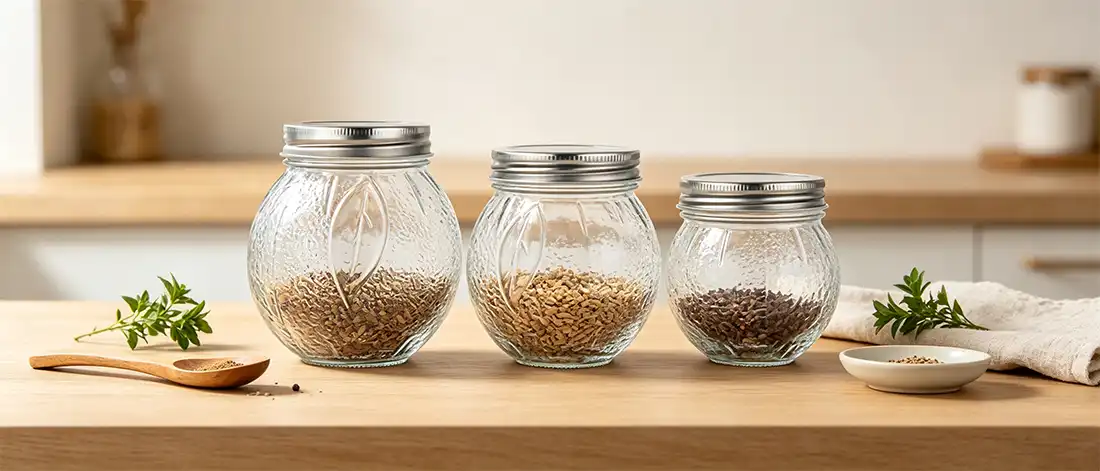
Chips and cracks are most likely to show up at the rim, since that's where the container meets itself most when it's being stacked, opened, and closed. When these seals are broken, germs can grow there, and the seals don't work as well. When you use metal tools to scrape food off of glass, little scratches show up that get worse over time. This weakens the glass and makes it harder to see.
Seal and Lid Deterioration
It is very important to keep food fresh, but the sealed close system breaks down faster than the glass body itself. Rubber and silicone seals become less flexible over time if they are washed a lot, come in touch with acidic foods, or are squished together while being kept. When food breaks down, air gets in. This breaks the pressure that food needs to stay fresh for a long time.
Metal and plastic lids change in different ways as they age. Parts made of plastic can bend or get stress cracks around the screw threads when they get hot. Lids made of aluminum can rust if they come in touch with acidic foods like tomato or lemon sauces. When these close parts are checked often, food doesn't go bad or get dirty.
Staining and Odor Retention
Some foods leave behind residues that stick to glass, even though glass doesn't stain as easily as plastic. Turmeric, tomato soups, and beetroot recipes leave behind colored films that need to be taken off in a certain way. These spots show up when tiny pieces of food stick to tiny flaws in the surface or when oils form a barrier.
Most of the time, it's not the glass itself that keeps the smell in, but the parts that close it. Porous seal materials can take in the smelly chemicals found in strong-smelling foods like garlic, onions, and pickled foods. It takes scents with it when foods are stored, which makes the food taste bad.
Best Practices for Cleaning and Sanitizing Glass Storage Containers
Making sure your glass items are cleaned on a regular basis will protect them and make sure they meet food safety standards. Businesses that deal with a lot of packages every day need to keep these habits in mind even more.
Effective Daily Cleaning Routines
To keep the glass and seal safe, you should clean it in a way that is both careful and soft. First, get rid of any food that is left over as soon as you're done using it. Letting things dry and harden makes them much harder to clean. Rinse things with warm water before you clean them to get rid of chemicals that break down in water.
Degreasers that are too strong could break silicone seals. Instead, use light dish soaps that are made just for glasses. To put on soap, use soft rags or microfiber clothes. These clean well and don't damage surfaces. Pay extra attention to the edges, corners, and threads of the 500ml glass food container because that's where dust likes to gather. There is a small bottle brush that can help you clean the inside of containers with short necks.
To get rid of all the soap, wash everything well with hot water. Used soap leaves behind films that can cloud glasses and change the way food tastes. Turn the packages upside down and let them dry completely in the air. This will keep the water from collecting and help the seal channels dry all the way through.
Dishwasher Safety Guidelines
Many modern glass items can be washed, but there are some things you should do to get the best results and keep them from getting broken. Make sure that the type of product you have is approved for use in a dishwasher. A lot of heat and strong soaps are used in automatic washing machines, which can damage some lids and locks.
Do not put containers near hot sources; instead, put them on the top rack away from them. When the washer is running, the containers might hit each other and break if you put too many things in it. Take off the lids and separate the seals that hold them on before you fill them with water. This will make sure that the water gets to all the surfaces and keep the plastic from twisting.
Pick a colder wash mode that is soft or eco-friendly if you can. Sanitization methods can make a lot of heat. This heat might be too much for some closing parts to handle, but it won't hurt the glass itself. Items should not be put out into the cooler air right away after the cycle is over. Instead, they should be left in the dishwasher to cool down slowly.
Removing Stubborn Stains and Odors
There are ways to get rid of spots and smells that won't damage the items when regular cleaning doesn't work. A rough paste that gets rid of spots is made when you mix baking soda and water. Put the paste on the area, wait thirty minutes, then gently scrub it off and wash it off well.
Baking soda gets rid of smells and breaks down minerals that build up in hard water. Mix vinegar and warm water together and put the same amount in each bottle. Soak them overnight, and then wash them often after that. You can get rid of coffee spots, tea tannins, and calcium buildup very well with this method.
If baking soda-based seals have smells that won't go away, remove the seal parts and soak them in a baking soda solution. In the sun for a few hours, chemical compounds will break down naturally. This will help get rid of smells that have been absorbed.
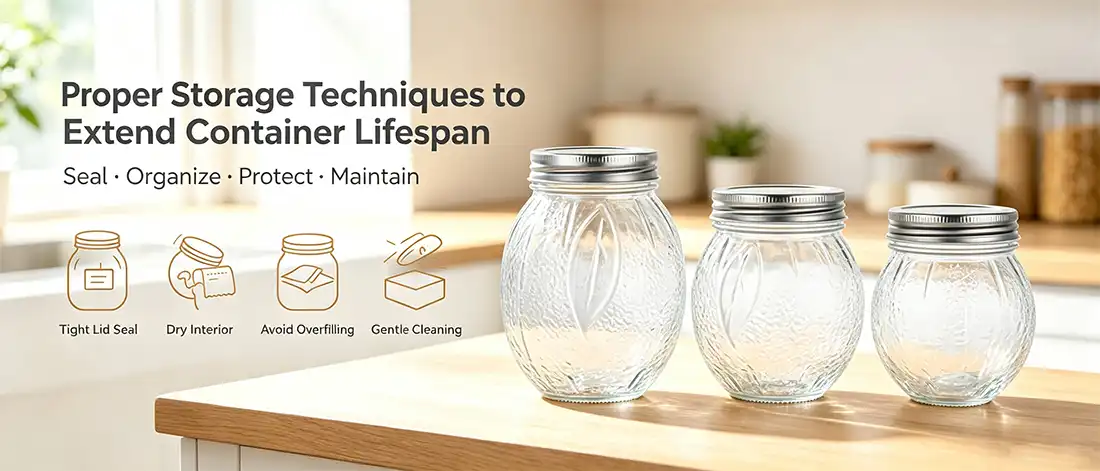
Proper Storage Techniques to Extend Container Lifespan
Containers stay in good shape and keep working for longer amounts of time with the help of strategic storage methods. In a home kitchen or a business building, these steps work just as well.
Safe Stacking and Organization Methods
When you pack things right, they don't get destroyed by pressure, and you only take up as much space as you need. Make sure the containers are fully dry before you stack them. If they aren't, water could get stuck and grow mold. Don't mix stacks of different sizes because it makes arrangements that are unsteady and likely to fall over. To avoid this, put packages of the same size next to each other.
Stack the boxes so they don't go too high, so the bottom ones don't get too heavy. The lower units are crushed more when more layers are added, which could put stress on the shutting mechanisms. To keep track of large amounts of stock, don't use floor stacks. Instead, use specialized shelving systems.
Instead of being tightly closed, lids should be kept separate or placed lightly while being stored. It lets air move, which keeps musty smells away, and keeps the seal from being squished, which can damage it in the long run.
Temperature and Environmental Considerations
When you put different kinds of things in containers, how you store them makes a big difference in how long they last. It's best to keep storage places between too hot and too cold. Some things can break when they get too cold or too hot. For example, too much heat can soften plastic parts and glue labels.
Glass cases shouldn't be kept near ovens, heating vents, or windows that let in a lot of heat. Heat that stays on glass for a long time softens it and speeds up the breakdown of seals. However, putting things away in cold places during the winter makes them less dry when they are brought into warmer places in the spring.
It's important to keep the humidity in check so that mold doesn't grow on extra water and metal lid parts don't rust. All glass food container materials stay in the best shape in storage areas with good air flow and low humidity. Businesses that keep track of goods for a long time should pay extra attention to these things.
Inventory Management for Commercial Operations
Businesses that keep a lot of containers on hand can benefit from having a system for recycling. First In, First Out (FIFO) rules should be used to make sure that older packages are used before younger ones. This way, the locks won't be broken by being stored for a long time.
Planned checks catch problems early, before they get worse and slow down operations or put people's safety at risk. Once a month visual checks find chips, cracks, and worn seals early, so units that need to be changed quickly can be done so. There are trends that help us decide what to buy that we can find by writing down what was found during an inspection.
When you name things in a planned way, you can see how old they are, how often they are used, and how many times they have been fixed. This information helps people plan ahead for replacements so that things don't break down at crucial business times.
Comparing Glass Containers to Alternative Materials in Maintenance Requirements
How much maintenance a container needs and how much it costs to run over its lifetime depend on the material it is made of. Being aware of these changes will help you make smart buying decisions.
Glass Versus Plastic: Maintenance Perspectives
If you want to keep your things from getting dirty or smelling bad, glass cases are better than plastic ones. Chemicals with colors and smells that get into plastic polymer structures can't get through the glass surface because it doesn't have pores. This makes it easy to clean and keeps plastic objects from turning colors that make them look bad over time.
Another good thing about glass is that it doesn't combine with acids or bases, which means that they don't break it down. Plastic, on the other hand, can leak chemicals or have its surface worn down by high pH levels. Even after years of use, glass dishes keep food fresh without adding any bad tastes because they are stable.
Seal Material Comparisons: Silicone Versus Plastic
What seals the container makes a big difference in how well it works and how much care it needs. To most of the time, silicone gaskets are better than plastic covers because they last longer and can handle higher temperatures better. There is a wider temperature range where silicone stays flexible. It can also be washed many times without breaking down, and food ingredients don't stick to it as well as rubber choices.
Plastic seals are less expensive, but they need to be changed more often. After being in different temperatures for a long time, they may stiffen or crack, and tools make them more likely to twist. Covers made of plastic work fine for normal keeping where temperature changes don't happen too often.
Environmental and Sustainability Considerations
The way things are maintained and how they affect the world are connected in several ways. Sustainable goals can be met with glass cases because they can be remade over and over again without losing any of their quality. In contrast, plastic is recovered many times, but each time it breaks down into less useful products.
Glass is better for the earth because it lasts longer if you take good care of it. You don't have to change containers as often when you buy ones that will last for years. This saves money and time and makes more trash. Companies that think about the environment will save money and have less of an effect on the world around them.
Procurement Tips for B2B Buyers: Selecting and Maintaining Quality Glass Storage Solutions
When you buy something professionally, you have to carefully consider a lot of things that affect the total cost of ownership, which is more than just the purchase price.
Assessing Manufacturer Reliability and Certifications
The first thing that needs to be done to make sure that container plans work is to find the right source. That a company has written quality control systems shows that it cares about making sure that production standards are always met. Food safety records, ISO licenses, and test results from a third party can all be used as objective proof of quality promises.
You need to be sure that the things you use are safe for food. There should be proof on the glass food containers that they follow FDA rules, LFGB standards, or any other food contact rules for the places they are meant for. Lead-free glass approval solves a big safety problem, especially for cases that are meant to hold acidic foods that could leach contaminants from materials that aren't up to par.
Customization Capabilities and Brand Integration
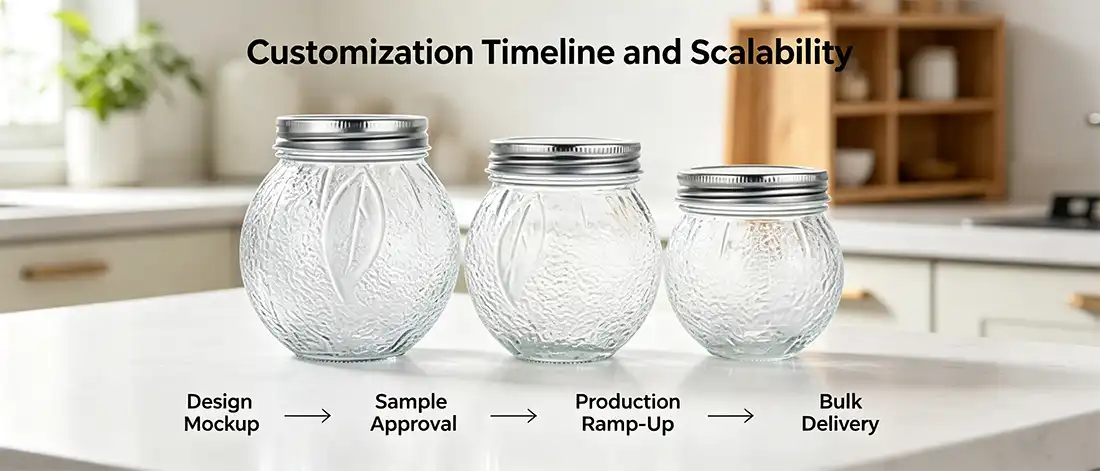
Makes that offer full design services can help businesses that want to sell one-of-a-kind items. Surface treatments like hot stamping, frosting, and screen printing can be used to give gift packages, store goods, and food served at work more brand personality and value.
It's easy to find lids that work well for you because you can change their sizes, colors, and types. Restaurants may need certain mouth sizes to fit certain serving tools, and meal prep services may need a range of capacity sizes to help them keep track of the amount they serve.
Evaluating Total Cost of Ownership
The price of a container is only one part of how much it costs all together. How often you need to change items is directly related to how long they last. Most of the time, spending more on better products that last longer will save you money in the long run. New containers that need to be bought every six months cost a lot more than ones that work well for years, even if the price seems good at first.
Maintenance needs add to the cost of running a business because they require more work and cleaning supplies. Over time, it costs less to keep containers that are easy to clean and have locks that last a long time. Dishwasher compatibility is very helpful in places with a lot of food that can't be washed by hand.
Conclusion
Doing simple things every day and making smart decisions at work are both parts of taking care of glass food containers in a way that makes them last and keeps food safe. If you clean glass carefully, keep an eye on the temperature, and check on it often, you can protect your investment and keep the great qualities that make glass the best storage material. If you avoid heat shock, clean containers with non-abrasive products, stack them properly, and keep the seals in good shape, the containers will last a lot longer and the food will stay fresh. This care method has been shown to work whether you're in charge of a home kitchen or a food service business. They make things safer, cut down on the cost of repairs, and make things run more easily.
FAQ
Can I safely transfer glass containers directly from freezer to microwave?
Do not go straight from the freezer to the microwave. Temperature shock, which can break even borosilicate glass, can happen because of the big difference. Allow frozen items to slowly thaw, and then make sure they are approved for use in microwaves before heating them. Loosen the plastic lids and take off the metal lids all the way. This will let the steam escape while the food is in the microwave.
How often should I replace sealing gaskets?
Seals should be checked once a month for signs of breaking, being squished, or becoming less flexible. If a seal stops effectively keeping air out or if it permanently changes shape, it needs to be changed. In places with a lot of traffic, gaskets need to be changed every six to twelve months. In homes, they may last two years or longer.
What causes cloudiness in glass containers and how can I prevent it?
Most of the time, it's mineral layers in hard water or soap residue that make the water cloudy. So that this doesn't happen, make sure you rinse well after cleaning and use a white vinegar solution to get rid of mineral buildup every so often. For finishing rinses in places with hard water, using filtered water cuts down on mineral buildup by a large amount.
Partner with Muzhishi for Premium Glass Food Container Solutions
If you need glass cases for food, Xuzhou Muzhishi Crafts Co., Ltd. is ready to help. They can make any changes you want because they've been making them for 20 years. The borosilicate glass we use to make our 500ml glass food containers is safe for food and made to last. We can do full ODM/OEM design, which means that your brand can fit right in. This includes hot pressing, sealing, screen printing, and engraving on the inside. You can talk to one of our personal account managers one-on-one, get quick samples in three to five days, and get help 24 hours a day, seven days a week. We're a great deal because we cut costs by 10 to 15 percent in the local supply chain and help you with legal paperwork. You can also import and export on your own. You can tell us about your specific wants and ask for free samples by emailing long@muzhishi.com.
References
1. Smith, Jennifer L. and Thompson, Michael R. "Materials Science of Glass Food Containers: Durability and Safety Considerations." Journal of Food Packaging Technology, Vol. 34, No. 2, 2022, pp. 145-167.
2. Chen, Wei and Anderson, Patricia K. "Comparative Analysis of Food Storage Materials: Chemical Inertness and Contamination Prevention." International Food Safety Review, Vol. 19, No. 4, 2021, pp. 289-312.
3. Rodriguez, Carlos M. "Thermal Shock Resistance in Borosilicate Glass Applications." Materials Engineering Quarterly, Vol. 28, No. 1, 2023, pp. 78-95.
4. Williams, Sarah J. et al. "Gasket Material Performance in Airtight Food Storage Systems." Packaging Science International, Vol. 41, No. 3, 2022, pp. 201-223.
5. Zhang, Ming and Foster, Robert D. "Life Cycle Assessment of Reusable Glass Versus Disposable Plastic Food Containers." Environmental Sustainability Journal, Vol. 15, No. 2, 2023, pp. 112-134.
6. Baker, Elizabeth A. "Food Safety Protocols for Commercial Glass Container Maintenance in Foodservice Operations." Journal of Hospitality Management, Vol. 37, No. 1, 2022, pp. 56-73.
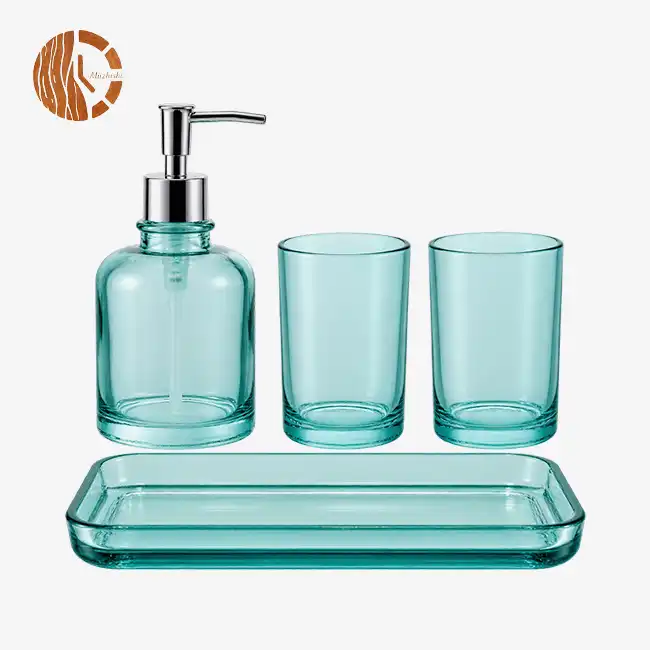
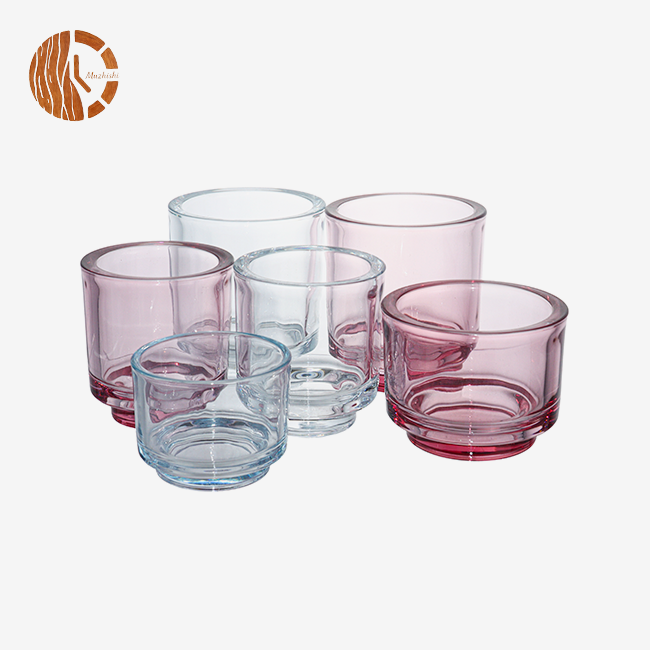
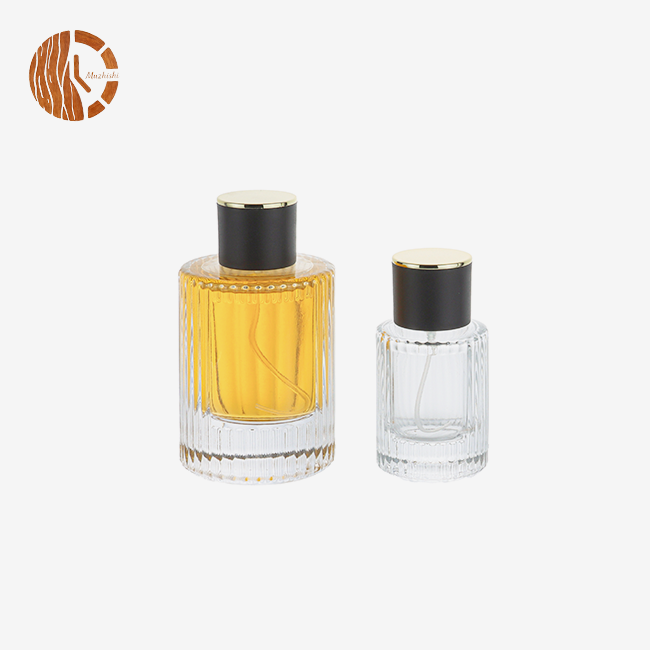

Our customers’ satisfaction speaks for our quality — contact us to experience the same reliable service.