- English
- French
- German
- Portuguese
- Spanish
- Russian
- Japanese
- Korean
- Arabic
- Greek
- German
- Turkish
- Italian
- Danish
- Romanian
- Indonesian
- Czech
- Afrikaans
- Swedish
- Polish
- Basque
- Catalan
- Esperanto
- Hindi
- Lao
- Albanian
- Amharic
- Armenian
- Azerbaijani
- Belarusian
- Bengali
- Bosnian
- Bulgarian
- Cebuano
- Chichewa
- Corsican
- Croatian
- Dutch
- Estonian
- Filipino
- Finnish
- Frisian
- Galician
- Georgian
- Gujarati
- Haitian
- Hausa
- Hawaiian
- Hebrew
- Hmong
- Hungarian
- Icelandic
- Igbo
- Javanese
- Kannada
- Kazakh
- Khmer
- Kurdish
- Kyrgyz
- Latin
- Latvian
- Lithuanian
- Luxembou..
- Macedonian
- Malagasy
- Malay
- Malayalam
- Maltese
- Maori
- Marathi
- Mongolian
- Burmese
- Nepali
- Norwegian
- Pashto
- Persian
- Punjabi
- Serbian
- Sesotho
- Sinhala
- Slovak
- Slovenian
- Somali
- Samoan
- Scots Gaelic
- Shona
- Sindhi
- Sundanese
- Swahili
- Tajik
- Tamil
- Telugu
- Thai
- Ukrainian
- Urdu
- Uzbek
- Vietnamese
- Welsh
- Xhosa
- Yiddish
- Yoruba
- Zulu
Lasinen Karkkipurkki vs Plastic Jar: Which Is Best for Retail?
When deciding between a candy jar made of glass (lasinen karkkipurkki) or plastic for retail display, the answer depends on your specific business objectives. Glass containers offer a premium aesthetic that elevates brand perception and consumer trust, making them ideal for upscale retail environments, gift shops, and hospitality settings where visual appeal drives purchasing decisions. Plastic options deliver practical advantages like lightweight portability, shatter resistance, and cost efficiency for high-volume operations. Both materials serve distinct retail strategies, and understanding their unique characteristics helps procurement professionals align product selection with customer expectations and operational requirements.
Introduction
Visual marketing that grabs attention and alters behavior is crucial in retailers. Candy jars have evolved from functional containers to strategic display elements that influence purchase patterns in boutique stores, corporate offices, event locations, and hospitality organizations. Choosing between glass and plastic containers affects product freshness, brand positioning, and customer engagement at the point of sale.
Procurement teams are under increasing pressure to balance aesthetics, efficiency, sustainability, and cost. This comprehensive study informs decision-makers on material properties, performance, and real-world applications. Retail buyers can make informed buying decisions that match their brand identity and operational goals by examining the technical specs, market location, and sourcing difficulties of glass and plastic candy jars.
Understanding Candy Jars: Glass vs. Plastic
Material Composition and Visual Appeal
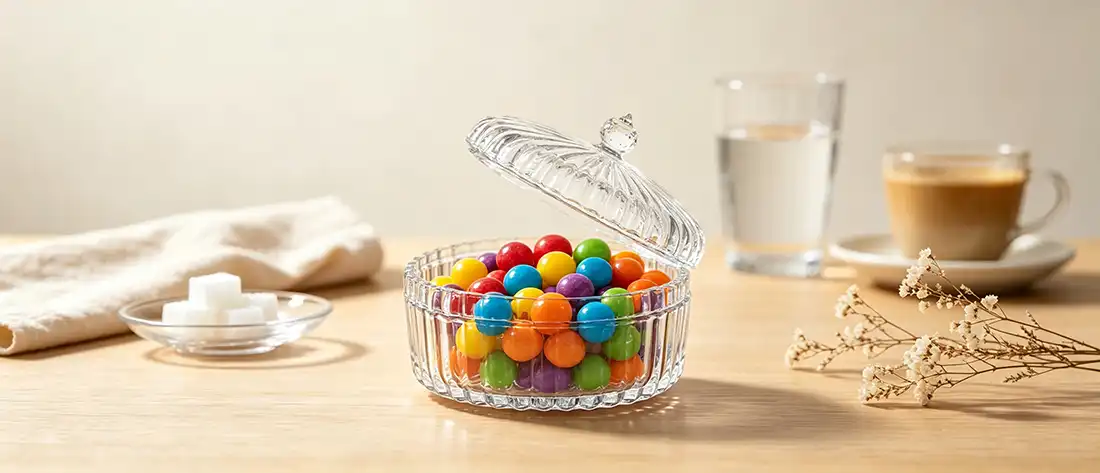
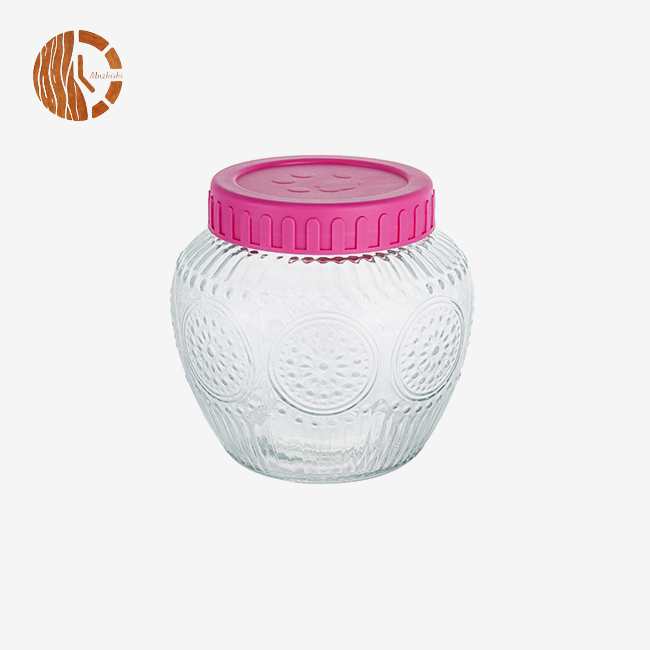
Most candy jars made of glass are made of soda-lime or borosilicate. Borosilicate is better at withstanding thermal shocks and can withstand temperatures up to 150°C. High-quality glass's optical clarity makes it possible to see products better than any other material. This makes bright candies look more appealing by diffusing light. Designs for ribbed glass jars use vertical fluting to do two things: strengthen the structure with external truss effects and improve the look with light reflection that gives the jars a shimmering crystal-like look when lit in a store.
Food-grade PET or polypropylene is mostly used in plastic replacements. These clear plastics make it possible to see what's inside while keeping the weight low, which lowers shipping costs and handling risks. There are pumpkin-shaped decorating options in both materials, which shows how form factor flexibility can be used for holiday marketing. Clear plastic containers that are about 2.75 inches tall and can hold 5 ounces are small enough to store party favors and small batches of displays.
Durability and Weight Considerations
Additionally, glass containers are very hard to scratch and keep their perfect look even after many uses. The ribbed surface texture hides fingerprints and small scratches that happen when people touch the item a lot in areas with a lot of foot traffic. Material density helps keep display panels stable, so they don't fall over while customers are interacting with them.
Plastic jars are very good at not breaking, so you don't have to worry about them breaking while they're being shipped, restocked, or handled by customers. Because they are light, they don't put as much physical stress on store employees while they're marketing and can be moved around easily. But plastic surfaces can get tiny scratches over time that make them less clear and less high-end looking after a while of use.
Environmental Impact and Sustainability
Glass can be recycled over and over again without losing any of its quality. This supports the circular economy ideas that consumers and retailers who care about the environment are increasingly valuing. The neutral qualities of the material stop chemicals from getting into food, so the taste stays the same and safety rules are followed. Purchasing teams that care about the environment find that glass meets the company's sustainability goals.
Plastic containers can be recycled using well-known PET recovery methods, but the quality of the material usually decreases after many processing rounds. Less pollution from shipping lighter items might make up for some environmental worries for businesses that focus on lowering their carbon footprint. Buyers need to think about both short-term business benefits and long-term environmental marketing tactics.
Cleaning and Maintenance Requirements
Glass candy jar can handle strict cleaning methods, like high-temperature washing and chemical disinfectants, without breaking down. The surface isn't porous, so bacteria can't grow on it or smells can't get in. This keeps the cleanliness standards needed for food-contact applications. Glass can go from one type of candy to another without affecting the flavor, which is useful in stores that change their products often.
To keep the surface from cracking and to avoid problems with chemicals, plastic needs to be cleaned with more care. Over time, some cleaning agents may make things cloudy or weaken the structure. Because the material tends to hold on to smells from strongly scented items, professional retail stores have to use separate containers for different kinds of candy.
Key Factors to Consider When Choosing Candy Jars for Retail
Capacity, Lid Design, and Freshness Preservation
Container number impacts restocking and display. For bulk candy displays at warehouse clubs and supermarkets, use 1–3-liter jars, whereas gift stores and boutiques prefer 5–10-ounce ones. Procurement specialists must calculate turnover rates to reconcile product freshness concerns with the appearance of plenty to determine capacity.
Lid engineering affects moisture and vapor transfer rates, which determine sweets' shelf life. MVTR is almost zero with food-grade silicone sealing on glass jars. This protects humidity-sensitive foods like meringues and cookies. Sealed designs like the Anchor Hocking pumpkin jar keep dust out and preserve product integrity in air-conditioned hospitality settings where temperatures change.
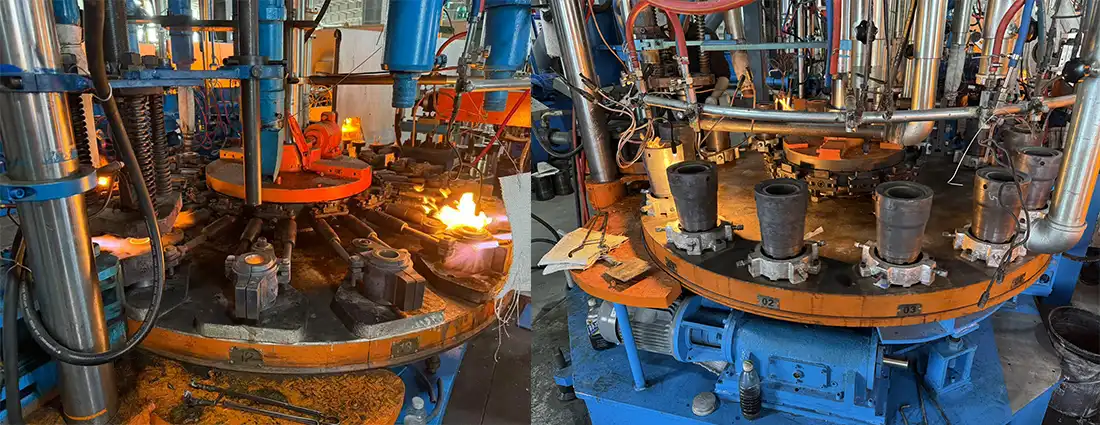
Plastic lids with friction-fit or snap-closure systems perform well for short to medium show cycles. occasion planners who just need containers for one occasion may find these closures sufficient, but retailers who need to show things longer may choose glass with higher seal integrity.
Cost Analysis and Bulk Purchasing Economics
Budgets for buying items must account for how material costs, production complexity, and order volume affect unit prices. Wholesale buying partnerships give retailers and e-commerce sites with many SKUs volume prices that boost profits. When you acquire 500 to 1,000 units, economies of scale help you set competitive store prices.
In addition to the initial purchase price, the entire cost of ownership should include replacement, breakage, and cleaning charges. Glass case permanent store fixtures last longer, lowering the amount of replacements and making up for the greater original cost. Plastic options are good for firms on a budget or who need to conduct a short sale because they require less capital and don't require replacement for broken things.
Customer Engagement and Brand Positioning
The appearance of a display affects how people think and buy. Glass cases cost more because they evoke high-end quality, which helps businesses stand out in crowded stores. Glass looks and feels heavy and valuable, which improves client faith in its quality.
Choices of colored glass, attractive lid treatments, and logo engraving help firms stand out. Corporate gift suppliers use these opportunities to grow brands by creating promotional things that customers will remember and keep the brand's name in mind after the first transaction. Ribbed glass's optical qualities make it intriguing to look at, which may encourage people to buy anything in a busy store.
Plastic containers are used in practical, over-luxurious marketing methods. The material's adaptability lets you employ pumpkin shapes for fall marketing and holiday motifs for event sales. Plastic makes products seem great without costing more, which retailers like for budget-conscious shoppers.
Comparative Analysis of Glass and Plastic Candy Jars in Retail Context
Advantages of Glass Candy Containers
Glass candy jars elevate a brand, appealing to quality-conscious consumers. The material is naturally gorgeous; therefore, it may be utilized to make simple candy displays into high-end shopping experiences that justify premium pricing. Small-business retailers say glass displays make more money than plastic ones because shoppers think greater presentation indicates better quality.
Ribbed structures distribute stress and resist mechanical impacts. This technical method makes the product survive longer than smooth glass and adds visual effects for visibility. Because they enhance the guest experience and brand image, high-end hotels and resorts employ glass cases in foyer displays and executive areas.
To ensure food safety, glass follows FDA (21 CFR 175.300), LFGB (EC 1935/2004), and California Proposition 65 lead and cadmium mobility guidelines. These certifications help health-conscious stores develop trust and stand out. When storing sweets with a strong aroma, some plastics can ruin flavors, but chemical inertness prevents this.
Advantages of Plastic Candy Containers
Plastic containers eliminate breakage concerns that complicate inventory management and pose safety problems in customer-accessible displays. Event planners who carry fragile objects between sites need it to not break. Professional wedding planners and decoration businesses like plastic for themed celebrations because it looks fantastic and lasts with lasinen karkkipurkki.
The lightweight design saves foreign supply chain distributors and importers money on transportation. When freight costs drop, margins improve and pricing can be competitive for budget customers. E-commerce platforms benefit from decreased last-mile delivery damage and dimensional weight charges.
Manufacturing scale permits short production cycles to adjust to seasonal demand and trend-following marketing techniques. Plastic container suppliers can fill large orders faster than glass container suppliers. Stores with shifting promotional calendars have more inventory freedom. The material is easy to mold, so it may be utilized to produce sophisticated designs like pumpkin shapes for holiday sales promotions.
Real-World Performance Insights
Speciality food stores with glass displays say customers are more engaged, and candy station stays increase conversion rates. Despite higher unit prices, the premium presentation allows for larger margins that offset increased material costs, resulting in higher profitability.
Chain retailers that employ plastic containers in several locations might save money by using standard displays that can handle a lot of consumer touch. Maintenance is low, and broken goods aren't replaced. This simplifies store management and budgeting. Category managers like how plastic can be utilized for various things and reduce expenses in busy stores.
How to Match Candy Jar Choices to Specific Retail Needs?
Segment-Specific Selection Frameworks
Displays in the welcome area and breakroom items are chosen based on how professional they look and how long they last in corporate office settings. Glass candy jars fit in with the esthetics of the workplace, which supports the company's brand and makes it a nice place for guests to look. The ease of maintenance helps busy facility management teams keep up with multiple display locations in office buildings.
Gift shops and small stores that sell unique items stress how their displays are different from mass-market rivals. Customized glass cases with branded engravings or specialty lid designs make products stand out, which helps them fetch higher prices and be seen as more valuable. Visual merchandising that strengthens brand identity is made possible by being able to match the look of containers to the overall design of the store.
Wedding and event venues need flexible options that strike a mix between how they look and how easy they are to use. Smaller plastic containers are used for party favors where quantity and cost are more important than luxury positioning. On the other hand, glass containers are used to make elegant candy buffet displays that look great in photos and add to the atmosphere of the event. Planners often ask for mixed-media strategies that make the best use of both cash and visual effect across all parts of an event.
Decision Matrix for Procurement Teams
To compare container choices, you need to do a thorough evaluation across a number of performance factors. Expectations for durability depend on how long the item will be used for and how often it will be handled. For example, permanent retail fixtures should be made of glass, while temporary promotional displays should be made of plastic. Shipping processes and daily marketing are both affected by weight, especially for stores that have to change the layout of their displays often.
Evaluations of visual appeal must be in line with the types of customers you want to attract and how you plan to place yourself in the market. Value-oriented businesses put an emphasis on functional displays that save money, while high-end retail segments demand glass presentation that reinforces quality associations. As retailers try to meet customer demands for sustainability and government rules on corporate responsibility, environmental positioning plays a bigger role in their buying decisions.
Different retail uses have different customization needs. For example, corporate gifts and brand-focused merchandising need the ability to decorate in a way that standard products can't. Suppliers that offer ODM and OEM services let customers choose specific sizes, add logos, and get products in special boxes that help stores use different strategies. Lead times need to be flexible to fit production plans, and glass usually needs longer production processes than plastic options.
Future Trends in Candy Container Innovation
As material science progresses, hybrid solutions are being made that blend the good qualities of glass and plastic bases. New bio-based plastics handle worries about sustainability while still having useful performance traits that are valued in retail settings. Manufacturers of glass come up with impact-resistant materials that lower the risk of breaking without lowering the quality of the vision or the way it looks.
Recent improvements in design focus on cases that can be used for more than just displaying candy. Reusable containers that can be used as home storage or decoration add value that explains higher prices and lowers damage to the environment by making products last longer. Putting QR codes and NFC tags on smart packaging makes it possible for people to interact with brands and connects physical store displays with digital marketing strategies.
Procurement and Supplier Insights for Candy Jars
Sourcing Reliable Manufacturing Partners
To find qualified suppliers, you need to look at their production capabilities, quality control systems, and how reliable their supply chain is. Global buying of candy jars involves weighing the benefits of lower costs against the difficulties of logistics and contact. Food safety standards around the world are consistently followed by well-known makers, who keep certifications that prove they are following the rules. Premium suppliers are different from commodity suppliers because they can meet specific customer needs. This lets retailers use unique merchandising strategies that set their brands apart.
Domestic suppliers can respond more quickly and make coordination easier, while foreign makers may be able to offer more customization options and cheaper prices. When considering supplier choices, procurement teams have to look at the total landed costs, which include freight, taxes, and the necessary paperwork for compliance.
Navigating Bulk Purchase Processes
Negotiations about the minimum order quantity determine how much initial capital is needed and how much inventory risk there is. Suppliers usually set their prices in a way that rewards bigger commitments. This makes it hard to find the best balance between cutting costs and keeping inventory. Sample programs let you check the quality of a product before committing to large quantities of it. This lowers the risk of buying it and makes sure that the specifications meet the needs of retail displays.
Managing leads in time is important for seasonal marketing efforts and meeting start dates for promotions. Understanding production timetables and capacity limits helps procurement teams make sure that the dates of orders match up with the needs of the store calendar. Building relationships with providers and keeping a ready supply of standard designs gives you the freedom to fill orders quickly when market opportunities come up.
Partnering with Xuzhou Muzhishi Crafts
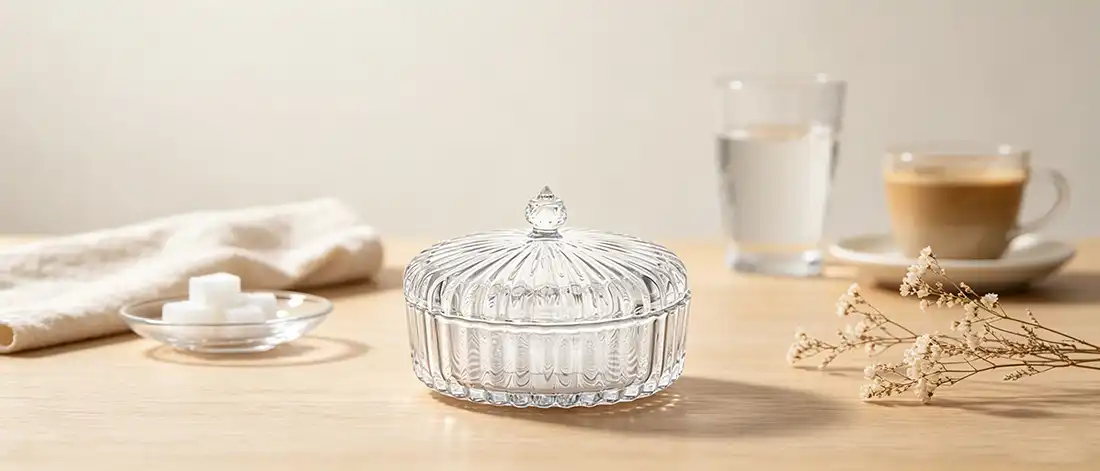
For twenty years, Xuzhou Muzhishi Crafts Co., Ltd. has been a specialist in customizing glass products and making a lot of them. The full service model includes initial design advice, independent production, and global distribution. This makes it easier for procurement teams to control and hold vendors accountable. The company can import and export goods on its own and is familiar with international trade platforms, which makes transactions and paperwork easier when going across borders.
Customization services help ODM and OEM needs by assigning a personal account manager to turn brand goals into production instructions. With rapid development, models can be sent within 3 to 5 days, so the design can be improved over and over again before going into full production. It's possible to choose different brand logos, sizes, colors, and package arrangements, which meets the specific needs of business gifting programs and labeled store displays.
Strategic partnerships with local suppliers of raw materials cut costs and make a business more competitive without lowering quality standards. Because of the established supply chain relationships, lead times for popular material specs are shorter, and there are still enough items in stock to support quick order fulfillment. Deliveries to places around the world are always on time thanks to full operations support that includes clearing customs, coordinating inspections, and offering multiple modes of transportation.
Conclusion
When choosing between glass and plastic candy jars, retailers have to weigh their esthetic goals, operational needs, and budgetary constraints. Glass jars look great and last a long time, so they are worth the extra money for high-end settings and fixed displays. Plastic alternatives have practical benefits like not breaking easily, being easy to transport, and being cost-effective for both large-scale operations and short-term uses. Material selection should be in line with what the target customer wants, how the brand wants to be positioned, and what the business can do. As the retail industry changes, it's important to have flexible buying methods that can meet the needs of sustainability, customization, and supply chain dependability. When stores work with experienced makers that offer a wide range of services and high quality standards, they can use effective merchandising strategies that keep customers interested and help the business grow.
FAQ
Which material is safer for environments with children?
Both materials are safe for food as long as they are made correctly, but plastic candy jars are safer because they don't break easily, which is important for stores that cater to families. Glass vessels need to be carefully placed in display areas that are watched over so that they don't get broken by accident. The right form of the lids for both types of materials keeps kids from getting to the small candies that are a safety issue.
What customization options support brand identity?
Logo engraving, colored glass, and decorative metal lids can all be used on glass cases to make unique branded displays. Plastic options let you print designs, put labels on things, and change the shape of things, even to make seasonal shapes. Suppliers that offer full customization services can match the look of the containers with the packing materials and show fixtures to give customers a consistent brand experience every place they interact with the brand.
What are typical lead times for bulk orders?
Depending on the number of orders and the supplier's stock levels, standard glass cases usually ship within two to four weeks. Custom designs, on the other hand, take six to eight weeks, which includes the time it takes to make the prototype and ship the final product. Most of the time, alternatives to plastic arrive faster. Standard things ship in one to two weeks, and custom projects are finished in four to six weeks. There are options for rush service that may be able to meet urgent needs, but these services usually come with higher prices.
Partner with Muzhishi for Your Candy Jar Supplier Needs
Xuzhou Muzhishi Crafts makes custom glass candy jar solutions that improve how items look in stores and make the buying process easier. Our wide range of customization options lets you turn your brand's vision into unique show pieces that get people's attention and boost sales. We offer solid supply chain support from the beginning of the planning process to delivery anywhere in the world, thanks to our 20 years of experience in manufacturing and self-run export services. Email our purchasing agents at long@muzhishi.com to talk about your specific needs and ask for samples of products that meet our high standards of quality. Visit mzsglass.com to see our full catalog and find options that can be used in a variety of store settings and with a variety of marketing strategies.
References
1. Martinez, R. & Thompson, J. (2022). Material Selection in Retail Display: Consumer Perception and Purchase Behavior. Journal of Retail Marketing Studies, 45(3), 178-195.
2. Chen, L. (2023). Food-Grade Packaging Materials: Compliance Standards and Safety Performance. International Journal of Food Safety, 18(2), 67-84.
3. Anderson, K. & Williams, P. (2021). Sustainability in Retail Procurement: Environmental Impact Assessment of Packaging Materials. Supply Chain Management Review, 33(4), 112-129.
4. Roberts, S. (2023). Visual Merchandising Effectiveness: Display Material Impact on Consumer Engagement. Retail Design International, 29(1), 45-61.
5. Zhang, W. & Liu, H. (2022). Glass Manufacturing Innovations: Structural Design and Optical Properties. Materials Science and Engineering Reports, 156, 234-251.
6. Davidson, M. (2023). Cost-Benefit Analysis in B2B Procurement: Total Ownership Models for Retail Display Solutions. Journal of Business Logistics, 41(2), 88-104.
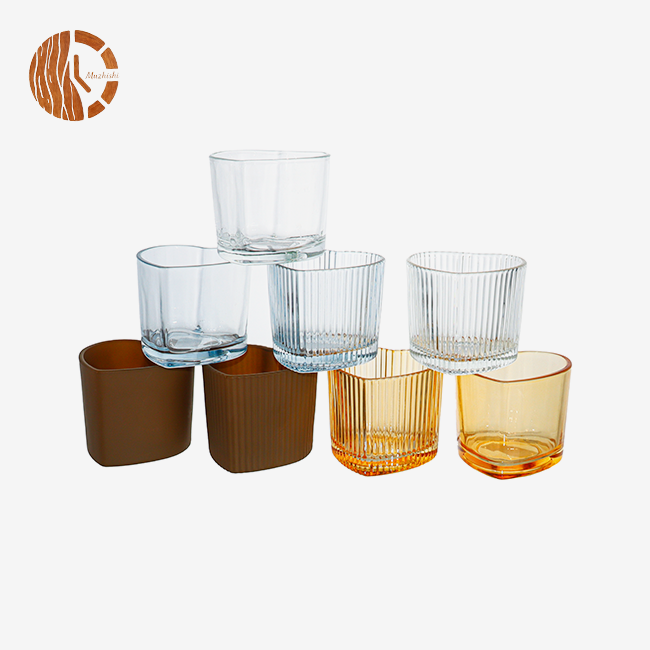

Our customers’ satisfaction speaks for our quality — contact us to experience the same reliable service.