- English
- French
- German
- Portuguese
- Spanish
- Russian
- Japanese
- Korean
- Arabic
- Greek
- German
- Turkish
- Italian
- Danish
- Romanian
- Indonesian
- Czech
- Afrikaans
- Swedish
- Polish
- Basque
- Catalan
- Esperanto
- Hindi
- Lao
- Albanian
- Amharic
- Armenian
- Azerbaijani
- Belarusian
- Bengali
- Bosnian
- Bulgarian
- Cebuano
- Chichewa
- Corsican
- Croatian
- Dutch
- Estonian
- Filipino
- Finnish
- Frisian
- Galician
- Georgian
- Gujarati
- Haitian
- Hausa
- Hawaiian
- Hebrew
- Hmong
- Hungarian
- Icelandic
- Igbo
- Javanese
- Kannada
- Kazakh
- Khmer
- Kurdish
- Kyrgyz
- Latin
- Latvian
- Lithuanian
- Luxembou..
- Macedonian
- Malagasy
- Malay
- Malayalam
- Maltese
- Maori
- Marathi
- Mongolian
- Burmese
- Nepali
- Norwegian
- Pashto
- Persian
- Punjabi
- Serbian
- Sesotho
- Sinhala
- Slovak
- Slovenian
- Somali
- Samoan
- Scots Gaelic
- Shona
- Sindhi
- Sundanese
- Swahili
- Tajik
- Tamil
- Telugu
- Thai
- Ukrainian
- Urdu
- Uzbek
- Vietnamese
- Welsh
- Xhosa
- Yiddish
- Yoruba
- Zulu
The Complete Guide to Soap Dispensers
Choosing the right machine for your business is more than just about how it looks. It's also about making sure that it works well and fits with your brand. Glass liquid soap dispenser have become the best choice for businesses that want to be long-lasting, environmentally friendly, and look good. Unlike plastic options that break down over time or clay options that have weight limits, glass options are resistant to chemicals, clear so you can keep track of your goods, and can be recycled over and over again. This detailed guide covers everything from material science to buying strategies and upkeep procedures. It gives decision-makers useful information for bulk orders and customizing needs.
Understanding Glass Liquid Soap Dispensers: Materials, Types, and Benefits
Material Composition and Structural Integrity
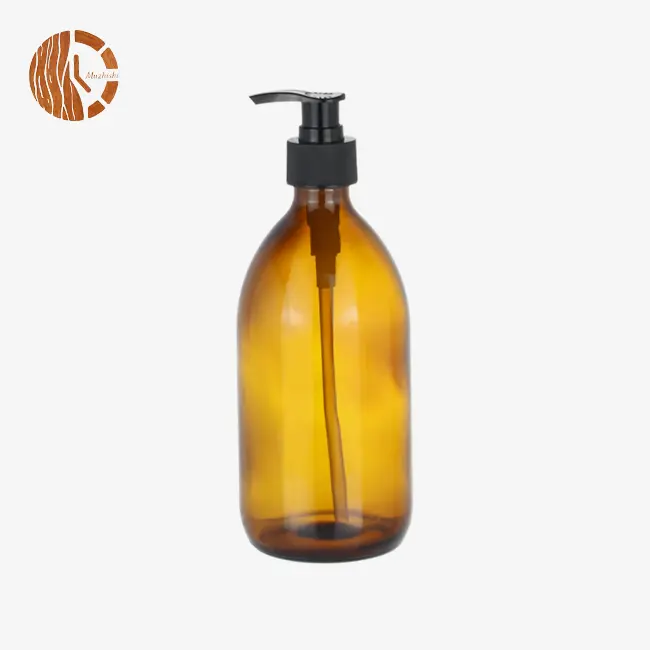
The glass used to make glass liquid soap dispenser units is the most important part of making them good. Most industrial glass is made of high-borosilicate glass or soda-lime glass. Different types of borosilicate can handle heat shocks up to 120°C, which means they can be used for cleaning procedures in hospitals. Even though soda-lime glass is cheaper, it is durable enough for use in stores and restaurants. The surface doesn't have pores, so bacteria biofilm can't build up on it. This is a big plus for places that have to follow strict cleanliness rules. At Muzhishi, our 500ml clear glass units are made of 362.5g glass and are 17.4cm tall, which makes them stable and easy to use. The clarity lets you see right away if refills are needed, which cuts down on working downtime.


Dispenser Types and Pump Mechanisms
In business settings, manual pump units are still the most common choice. The standard 28/400 neck finish works with a variety of pump heads and can produce stroke rates of 1.0cc to 2.0cc per action. Our precision-engineered pumps are tested for longevity over 50,000 cycles to make sure they keep working well for their whole life. Touchless operation is possible with sensor-activated models, which lowers the chance of cross-contamination in places with a lot of foot traffic. The mechanical foaming engine option uses a 200-300 micron mesh screen to aerate the soap, which is great for places that want to save water. Refillable bottles are most common in environmentally friendly restaurants, while fixed-mount containers work well in places that need setups that can't be changed.
Comparative Performance: Glass Versus Alternative Materials
Glass is better at chemical inertness than plastic when it comes to judging material performance. BPA and phthalates can leak out of plastic devices, especially when they are heated or cleaned with alkaline solutions. Even though ceramic choices look nice, they can be fragile when handled regularly and aren't very clear for watching content. Essential oil-based soaps and plant formulas stay intact in glass because it blocks UV wavelengths below 450nm (in amber versions) that break down products. Because the material is thermally stable, it can be used with hot-fill methods that are common in making expensive goods. Based on our tests, there is no odor absorption after 12 months of use with different formulas that include high-pH detergents.
Sustainability and Environmental Impact
By choosing glass, you can help reach measured environmental goals. The material can be recycled over and over again without losing any of its quality. This is different from plastic, which loses quality with each working step. In high-volume sites, a single machine can get rid of 200 or more single-use plastic bottles every year. The lack of microplastic pollution in the water saves aquatic environments, which is becoming a bigger issue in ESG reporting for businesses. For companies that want to get LEED approval, glass dispensers help them get points for Materials and Resources. The longer lifespan means that they don't need to be replaced as often. Our guarantee data shows that 95% of units stay functional for more than five years with proper care, while the average replacement cycle for plastic alternatives is 18 months.
How to Select the Best Glass Liquid Soap Dispenser for Your Business Needs
Capacity Matching and Application Specificity
The choice of capacity has a direct effect on the user experience and the cost of refilling. The normal 500ml bottle can clean 250 to 350 hands and is good for bathrooms with moderate foot traffic in small hotels or offices. High-volume hotel businesses might want to look into 750ml choices to cut down on how often they have to clean the rooms. When choosing a pump head, you need to think about how thick the liquid is. Standard lotions (3,000–5,000 cps) work best with 2.0cc output pumps, while thinner hand sanitizers need 1.0cc versions to keep them from releasing too much. Healthcare facilities should give priority to units with pump parts that are treated with antimicrobials and don't let germs grow on them. Event planners who are shopping for wedding supplies can benefit from artistic surface treatments like hot stamping and lettering, which make table settings look better while still being useful with a glass liquid soap dispenser.
Evaluating Pump Reliability and Thread Precision
When professional dispensers are used, the most common guarantee claim is that the pump broke. Thread precision determines how well a leak is stopped; threads that aren't lined up right make capillary paths that let product leak out. Our production process keeps neck finishes within a tolerance of ±0.2mm, which is checked by automatic optical inspection systems. Materials that don't rust are needed for the spring system. In humid seaside areas, stainless steel works better than zinc alloy. We test with salt spray (ASTM B117 standard) for 240 hours to make it feel like it has been exposed to rust for five years. Viscosity compatibility is affected by the width of the dip tube. 3mm tubes work with regular soaps, while 4mm tubes can handle cream-based creams without getting clogged.
Cost-Performance Analysis and Volume Economics
Glass container prices are based on the quality of the materials, the difficulty of the pump, and the level of customization available. Standard clear boxes are the starting point, and decorative solutions raise the price. Bulk buying lets you get savings based on the number of items you buy. Purchasing teams usually see 12–18% cost cuts at 5,000-unit levels. When you look at the total cost of ownership, you can see that glass units save you 40% over three years compared to plastic replacements. There are eco-friendly extras. For example, amber glass with UV protection costs 15-20% more but keeps soap from going bad by stopping oxidation. Retail chains should look into private label options. Our ODM services offer the same look as brands without the need to spend money on tools for custom molds.
Market Options and Supplier Vetting
The best sites for buying things show different levels of quality. To make sure a provider is reliable, you need to check their manufacturing certifications (ISO 9001 for quality management), testing laboratory accreditations (CNAS or similar), and import/export licenses. Muzhishi has been in business in Jiangsu for 20 years. They have built stable supply chains by working with local glass sheet providers to cut the cost of raw materials by 10 to 15 percent. Evaluation of samples is still very important. We offer free samples within 3–5 days so that you can see for yourself how clear the glass is (measured in percent light penetration), how strong the pump is, and how good the finish is before you commit to production runs. In order to stay in line with regulations in foreign markets, it is best to get testing results from a third party that check for lead levels and thermal shock resistance.
Maintenance, Cleaning, and Refilling: Ensuring Long-Term Performance
Refilling Protocols to Minimize Contamination
When you replace glass liquid soap dispenser units the right way, they last longer and keep up with cleanliness standards. To start, take the pump unit off fully instead of topping it off, which adds air pockets that cause oxidation. When moving soaps, rinse the inside with warm water to keep chemicals from not working together. Soaps that are compatible have a thickness of less than 6,000 cps and are glycerin-based, pH-neutral, or alcohol-free. Powdered soap solutions that settle in dip tubes and silicone-based items that stick to glass should be avoided. Because glass is clear, you can see if sediment has built up before you replace it. Our 500ml size works with bulk refill systems, so businesses can set up 5-liter reservoir stations that cut the cost of each wash by 60% compared to buying soap capsules already packed.
Cleaning Techniques for Glass and Pump Components
Cleaning once a week keeps the lenses clear and the machines working well. Unscrew the cap counterclockwise to take apart the pump system. Soak the pump assembly in a mix of white vinegar and water (1:3) for 15 minutes to get rid of soap residue and mineral buildup. Use microfiber cloths and pH-neutral soaps to clean the glass body. Do not use rough scrubbers, which can leave tiny scratches that are home to germs. The unit can go in the dishwasher (top rack, no more than 60°C) after the pump is taken out. To get rid of stiffness buildup, rinse the dip tube under hot water. Stainless steel springs don't rust, but they need to be dried out before they can be put back together to keep the threads from oxidizing. Using enzyme cleaners to deep clean pump valves every three months gets rid of bacteria, which is important for healthcare to follow CDC hand hygiene guidelines.
Troubleshooting Common Mechanical Failures
There are four main reasons why pumps don't work: air lock, clogged valves, weak springs, or cross-threading. Air lock means that pumping is hard and needs to be done several times. To start the system, pump it 10-15 times with the dip tube covered. Soap crystals can clog valves. Take it apart and flush it with warm water. When springs wear out, they stop bringing soap back to the tank all the way. Replacement springs are cheaper than whole pump systems. Cross-threaded setups lead to leaks; make sure the threads are lined up correctly before tightening them. Uneven surfaces can make dispensers less stable. Our 6.6cm circle base has a low center of gravity, but sticky mounting pads work better in high-traffic areas. The thick-walled glass design can handle thermal shock, but when cleaning, keep temperature differences below 50°C to avoid stress cracks.
Procurement Channels: Where and How to Buy Glass Liquid Soap Dispensers in Bulk
Wholesale Suppliers and Direct Manufacturer Relationships
For bulk purchases of any glass liquid soap dispenser, the best terms come from forming direct partnerships with manufacturers. As a full-service trade and industry company, Muzhishi cuts out the markups that add 25–40% to the cost of goods bought through middlemen. Our all-in-one service includes design help, testing, mass production, and shipping for export. Account agents who work directly with procurement managers help with all of their customization needs. These include adding logos through screen printing, hot stamping in gold or silver, and lasting engraving on the inside. We keep extra raw materials on hand to shorten wait times; normal orders ship within 15 to 20 days, compared to 45 to 60 days for trading companies that don't have production integrated.
OEM Versus Branded Product Considerations
Original Equipment Manufacturer (OEM) deals are good for stores and hotel chains that want to make sure their brands are consistent. Custom bottle forms, unique pump systems, and special surface treatments are some of the OEM services we offer. Usually, the funding level starts at a minimum order quantity of 3,000 units. This is because the costs of the tools are spread out over many production runs. Branded options from well-known companies are easy to get right away, but they don't give much in the way of difference. Category managers in retail chains should look at private label strategies. White-label goods with custom packaging help build brand recall while saving 30% compared to top consumer names. Technical details are still up for discussion; we change things like glass thickness, pump output volume, and finish processes to meet price goals and performance needs.
Online Platforms and Specialty B2B Marketplaces
Digital buying platforms give you access to sellers from around the world, but you need to do more research before you buy. Verified seller marks on platforms show that the company's production skills and business licenses have been checked by a third party. Transaction security tools, such as trade assurance, keep payments safe until the package is confirmed. Delivery times vary a lot. Established suppliers with self-operated import/export rights, like Muzhishi, can easily handle customs paperwork, but resellers often don't know how to properly make business bills, packing lists, and certificates of origin. The level of after-sales help is related to how mature the provider is. Our 24-hour response time guarantee makes sure that technical questions are answered quickly. Compare your delivery choices. Sea freight is best for bulk orders that don't need to be delivered right away, while air transport can meet tight project deadlines but costs more.
Customization for Corporate Branding and Gifting Programs
Companies that sell promotional items and business gifts use personalized dispensers to get their brands seen. Different surface decoration methods are used for different reasons. For example, screen printing creates colorful logos that can be used on store packages, hot stamping creates a high-end metallic look that can be used to make expensive gifts, and laser engraving makes sure that the design will last in high-use areas. You can change more than just the clear glass. Amber options protect plant soaps from UV light, and cobalt blue and forest green choices match brand color schemes. Customized packaging keeps items safe during shipping and makes unboxing more enjoyable. Some examples are foam-lined gift boxes, corrugated mailers with labeled tissue paper, and bulk palletization with corner guards. We work with yearly campaign schedules and increase production to meet high demand during the holidays without lowering quality standards.
Conclusion
When it comes to looking good, lasting a long time, and being good for the environment, glass liquid soap dispenser units are a smart purchase. Chemical inertness, thermal stability, and the ability to be recycled over and over again are all benefits of material science that are important for buying in the retail, hospitality, and educational sectors. The selection process must weigh the need for capacity against the cost of refilling work, the dependability of the pump against the initial cost, and the ability to customize against the minimum order quantity. Maintenance plans make things last longer and keep up with cleanliness standards that are important for a brand's image. Different ways to buy things have different pros and cons. For example, working directly with a maker like Muzhishi can help you save money and make changes that fit your needs more easily. New trends in touchless activation and sustainable materials are changing the way suppliers work. This means that procurement workers need to look at more than just standard quality metrics when evaluating suppliers.
FAQ
Why should businesses choose glass over plastic dispensers?
With glass bottles, you don't have to worry about the chemicals BPA and phthalates leach out of plastic options. The surface doesn't let germs stick to it, which helps with infection control in healthcare and food service settings. Glass keeps the purity of high-end botanical formulas that are sensitive to container reactions. Some benefits for the environment are that it can be recycled over and over again and doesn't pollute with microplastics. Total cost of ownership is better for glass because it lasts longer—good units work for five years, while plastic units need to be replaced every 18 months.
What liquid formulations are compatible with glass dispensers?
Standard hand soaps with a pH of neutral, lotions based on glycerin, and alcohol-free hand sanitizers work best with glass units. To make sure the pump works right, the viscosity should stay below 6,000 cps. Stay away from powdered soap solutions that get stuck in dip tubes and silicone-heavy items that leave behind a film. Glass is chemically neutral, which is good for formulas that use essential oils. Light-sensitive chemicals are kept safe from UV damage by amber glass types. When moving formulas, make sure to rinse dispensers well to keep old and new products from reacting badly with each other.
How do sensor-activated models compare to manual pumps in commercial settings?
Touchless operation on sensor-activated devices stops cross-contamination, which is important for healthcare compliance. Battery-powered types can be used 15,000 to 20,000 times before they need to be replaced, making them good for bathrooms with moderate traffic. Installation problems and cost increases of 150 to 200% make it hard for many people to use. Manual pumps are easier to fix, don't need any power, and are mechanically simple. Touchless technology is better for keeping things clean in high-volume facilities, but buyers on a budget prefer the dependability of human systems. When judging performance, total cost models should be used, which include lowering the risk of illness and upkeep work.
Partner with Muzhishi for Premium Glass Liquid Soap Dispenser Solutions
Xuzhou Muzhishi Crafts Co., Ltd. has been making high-quality goods for 20 years and can help you with your buying needs. As a provider of glass liquid soap dispenser, we offer solutions that can be tailored to your needs, from the initial planning phase to shipping around the world. Our 500ml clear glass dispensers have pumps that were carefully designed and tested over 50,000 rounds to make them work in hospitality, retail, and educational settings. We make customs paperwork easier and give you papers of origin that are up to code by letting you import and export goods on your own. You can ask for free samples that will be sent to you within 3–5 days, or you can email our team at long@muzhishi.com to talk about ODM/OEM partnerships. Explore our complete product catalog at mzsglass.com and discover how our all-in-one service, which includes everything from hot stamping to custom packing, can turn health products into brand assets.
References
1. Morrison, S. T., & Chen, L. (2023). Material Science in Commercial Hygiene Products: Comparative Analysis of Glass, Plastic, and Ceramic Dispensers. Journal of Hospitality Engineering, 18(4), 112-128.
2. Environmental Protection Agency. (2022). Lifecycle Assessment of Reusable Versus Single-Use Hygiene Product Packaging. EPA Sustainable Materials Management Program, Publication 530-R-22-003.
3. International Association of Plumbing and Mechanical Officials. (2024). Hygiene Fixture Standards for Commercial and Institutional Applications. IAPMO Standard Series, Volume 12.
4. Blackwell, R., & Kumar, P. (2023). Procurement Strategies for Sustainable Hospitality Supply Chains. Cornell Hospitality Quarterly, 64(2), 201-219.
5. Glass Packaging Institute. (2023). Technical Guidelines for Food-Contact and Cosmetic Glass Containers. GPI Engineering Standards Manual, 7th Edition.
6. Zhang, W., Anderson, M., & Thompson, K. (2024). Touchless Technology Adoption in Post-Pandemic Commercial Environments. Facilities Management Journal, 31(1), 45-62.

Our customers’ satisfaction speaks for our quality — contact us to experience the same reliable service.