- English
- French
- German
- Portuguese
- Spanish
- Russian
- Japanese
- Korean
- Arabic
- Greek
- German
- Turkish
- Italian
- Danish
- Romanian
- Indonesian
- Czech
- Afrikaans
- Swedish
- Polish
- Basque
- Catalan
- Esperanto
- Hindi
- Lao
- Albanian
- Amharic
- Armenian
- Azerbaijani
- Belarusian
- Bengali
- Bosnian
- Bulgarian
- Cebuano
- Chichewa
- Corsican
- Croatian
- Dutch
- Estonian
- Filipino
- Finnish
- Frisian
- Galician
- Georgian
- Gujarati
- Haitian
- Hausa
- Hawaiian
- Hebrew
- Hmong
- Hungarian
- Icelandic
- Igbo
- Javanese
- Kannada
- Kazakh
- Khmer
- Kurdish
- Kyrgyz
- Latin
- Latvian
- Lithuanian
- Luxembou..
- Macedonian
- Malagasy
- Malay
- Malayalam
- Maltese
- Maori
- Marathi
- Mongolian
- Burmese
- Nepali
- Norwegian
- Pashto
- Persian
- Punjabi
- Serbian
- Sesotho
- Sinhala
- Slovak
- Slovenian
- Somali
- Samoan
- Scots Gaelic
- Shona
- Sindhi
- Sundanese
- Swahili
- Tajik
- Tamil
- Telugu
- Thai
- Ukrainian
- Urdu
- Uzbek
- Vietnamese
- Welsh
- Xhosa
- Yiddish
- Yoruba
- Zulu
What are the Benefits of Using a Soap Dispenser?
Glass liquid soap dispenser are a smart investment for companies that want to be useful and good for the environment at the same time. The benefits of these dispensers can be measured. For example, they cut down on plastic trash, improve cleanliness, and make business settings look better. Glass choices are better than regular plastic ones because they are resistant to chemicals. This keeps the integrity of the soap and doesn't cause worries about BPA or phthalate contamination. Because glass containers are clear, building managers can easily see how much soap is left, which cuts down on maintenance costs and stops gaps before they happen. Aside from the practical benefits, choosing high-quality glass bottles shows that a business cares about the environment, which is something that customers, workers, and other stakeholders value more and more. This detailed guide looks at how using glass liquid soap dispenser can help with buying goals while also addressing realistic concerns about durability, upkeep needs, and long-term cost-effectiveness in a variety of work settings.
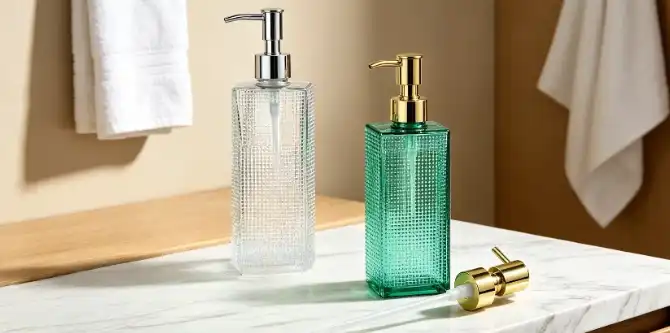
Understanding the Advantages of Glass Liquid Soap Dispensers
The move toward cleaning products made of glass shows that more people in the business are aware of the benefits of material science and the need to protect the environment. When procurement workers look at different dispenser choices, they find that glass performs better than polymers or low-grade replacements.
Environmental Sustainability and Corporate Responsibility
Today, businesses can use glass, which is one of the greenest products they can find. The material can be recycled over and over again without losing any of its quality, which is a direct support of the ideas behind the circular economy. When your company puts glass liquid soap dispenser in all of its buildings, hundreds of single-use plastic bottles are taken out of the waste stream every year. This measurable drop makes sustainable reports stronger and raises the environmental, social, and governance (ESG) scores of companies. More and more people are looking closely at decisions made in the supply chain. This means that the choice of containers is a clear sign of values. When companies work with approved suppliers like Muzhishi, they can use production methods that leave smaller carbon footprints. These methods include localized buying and manufacturing techniques that have been developed over 20 years of experience in the field.
Superior Durability and Chemical Resistance
Because of the way its molecules are structured, toughened glass is very resistant to chemical breakdown. Formulations of commercial-grade soap that contain lubricants, essential oils, and pH-adjusted substances can safely be used on glass surfaces without breaking them down. This inertness keeps soap useful for longer amounts of time by stopping oxidation, which weakens antimicrobial qualities. The strong construction can handle the temperature changes that happen a lot in healthcare and leisure settings, where cleaning rules require materials that can handle these changes. Quality glass liquid soap dispenser from well-known brands go through strict testing procedures, such as having their pump mechanisms checked over 50,000 activation cycles. This makes sure that they work reliably for many years. This means that it needs to be replaced less often and costs less overall than options that need to be replaced more often because of stress cracks or material fatigue.
Aesthetic Excellence and Brand Alignment
When you're dealing with clients, your visual appearance is very important. Glass liquid soap dispenser add a touch of understated grace to bathrooms and kitchens in hotels, restaurants, and business offices. Translucent glass is clear and goes with a wide range of design styles, from simple modern to classic traditional, without clashing visually. The ability to customize makes a brand's influence felt at all points of contact. Gold stamping, silk screen printing, and internal engraving are all surface treatment choices that can be used to turn useful things into brand champions. When procurement teams work with manufacturing partners, they can tell manufacturers where to put logos, change colors, and add artistic elements that support the company's brand. This focus on detail makes sure that guests have a consistent experience that stays with them. This sets properties apart in competitive markets where small signs of quality affect customer happiness scores.
Hygiene and Safety Advantages
The surface of glass doesn't have pores, so bacteria biofilm doesn't build up on it like it does on porous objects. When glass liquid soap dispenser exteriors don't allow microbes to colonize, the risk of pathogen spread goes down. This helps with infection control measures that are very important in healthcare and food service settings. Sanitation teams like how easy it is to clean glass surfaces—quick wipes with regular disinfectants make them look brand new without the need for special cleaners. To make sure something is clean, transparency lets you see it, so you can see right away if something is dirty. Because the material can't leach chemicals, people who are allergic to them, like those with chemical allergies or skin conditions, don't have to deal with polymer additives. This safety rating is especially useful in places that take care of vulnerable people, like child care centers, senior living communities, and hotels that care about allergies.
How to Effectively Use and Maintain Glass Liquid Soap Dispensers in Business Settings?
The return on investment in premium glass liquid soap dispenser is maximized when the right application methods are used. Consistent performance supports business excellence.
Optimal Refilling Procedures
Setting up standard refilling procedures keeps equipment from getting contaminated and increases its usefulness. To keep things from getting dirty, the maintenance and housekeeping staff should first take the pump device apart and place it on a clean, dry surface. Rinsing the glass liquid soap dispenser with warm water gets rid of any soap buildup that might combine with the new product. Water diluting soap changes its consistency and makes it less effective, so let the inside dry out fully before adding new soap. When adding new kinds of soap, it's important to clean very well to stop chemical reactions that could separate the soap or make it foam less. Fill containers up to about 90% of the way, leaving room for the pump device to fit without spilling over. With this level of care, cleanliness standards are met and the professional look that glass cabinets provide is maintained.
Selecting Compatible Soap Formulations
Not all liquid soaps work the same in glass liquid soap dispenser with normal pump systems. It's important to think about viscosity because products that are too thick can clog up pump pathways, and formulas that are too thin release too much, which raises the cost of consumption. Good providers will tell you what the best density ranges are, which for hand soaps are usually between 1,000 and 5,000 centipoise. Natural and organic versions that don't use synthetic thickeners often work really well in glass liquid soap dispenser because they don't have the preservative problems that can happen with plastic cases. Businesses that care about the environment like that glass keeps the effectiveness of plant ingredients that are sensitive to polymer leaking. Facility managers can find soaps that meet both user needs and practical efficiency by trying out different soap options during the initial introduction.
Preventive Maintenance Strategies
Regular inspections find possible problems before they get bad enough to cause service interruptions. Visual checks should be done once a week to make sure the pump is running smoothly. Any increased resistance or uneven pouring should be noted as signs of buildup inside the pump. Deep cleaning the pump once a month means taking apart its parts, putting metal or plastic parts in warm vinegar solution to get rid of mineral deposits, and checking the seals for wear. To keep it clear, the glass body only needs to be wiped down every so often with regular glass cleaner. In places with a lot of foot traffic, pump parts usually need to be replaced every 18 to 24 months. However, high-quality units from reputable makers may last longer than this. Having a stock of new parts on hand keeps you from having to deal with extended downtime when parts hit the end of their useful life. Keeping records of maintenance tasks helps businesses follow health department rules in areas like healthcare and food service, where strict control of cleanliness rules is common.
Troubleshooting Common Performance Issues
Facility teams can fix small problems without help from vendors if they know how to do simple testing steps. When glass liquid soap dispenser don't make enough soap, it's usually because air is stuck in the pump parts. This can be fixed by starting the pump several empty strokes until steady flow returns. If the pouring tube gets clogged, you can rinse it with warm water or gently poke it with a thin wire to get the soap crystals out. If thread joints leak, it means that they aren't tight enough or that the gaskets are broken and need to be replaced. Glass cases rarely have problems other than scratches on the surface that affect how they look rather than how they work. Setting up clear lines of communication with suppliers makes sure that you can get technical help for tough problems. Manufacturers that are quick, like Muzhishi, can give you advice within 24 hours to keep your operations running as smoothly as possible.
Comparison and Decision-Making: Choosing the Best Glass Liquid Soap Dispenser for Your Business
When you do strategic procurement, you have to compare different aspects of a product's performance against specific practical needs and price limits.
Pump Mechanism Options and Trade-offs
Manual pump devices are easy to use and reliable, and they don't have a lot of complicated parts. These units work well in places with modest traffic where people are willing to interact with touchpoint surfaces. The major benefit is lower prices for purchase and less upkeep needed because there are fewer moving parts. Automatic sensor-activated pumps meet the need for touchless operation, which is important in healthcare settings and is becoming more and more common in hotel settings after the pandemic. These methods lower the chance of cross-contamination, but they cost more up front and need to have batteries replaced more often. When choosing between these choices, procurement teams need to look at how much traffic there is and how important cleanliness is. You should also think about the materials used to build the pump. Metal parts don't rust as easily as plastic ones do in damp places, which is why they cost more for long-term installs. Muzhishi's testing methods confirm the longevity of pumps through accelerated lifetime testing, which backs up claims of performance with data.
Evaluating Supplier Credentials and Capabilities
Choosing the right supplier has a huge effect on the success of a project, and not just when buying products. Established makers with decades of experience show stability in production and technical know-how that new sellers can't match. This group is led by Xuzhou Muzhishi Crafts Co., Ltd., which has been improving its glass-making skills since 2005 and has grown its export capabilities significantly. Professionals in charge of buying things should check that suppliers have the right certifications for the places they want to reach, making sure that they follow international safety and environmental rules. Manufacturing capacity determines the ability to meet tight deadlines for big orders, which is very important when building multiple properties at once or dealing with yearly demand spikes. Different providers offer very different levels of customization. More advanced businesses can turn plain goods into branded assets by hot stamping, engraving on the inside, screen printing, and custom color matching. Talking to account managers directly during the review phase shows how responsive they are and how much specialized knowledge they have, which can be used to predict the quality of the relationship going forward.
Total Cost of Ownership Analysis
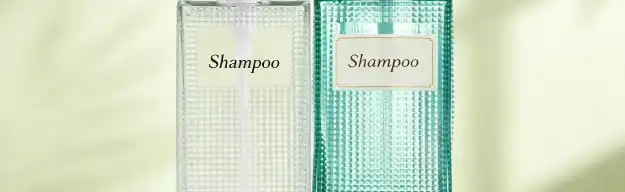
Sophisticated buying goes beyond unit price and includes a full analysis of the costs over the whole life of the product. When you first buy them, glass liquid soap dispenser cost more than basic plastic ones, but this difference disappears after a few years. Figure out how often to replace something based on how long it lasts. For example, expensive glass units that last five years work better than plastic devices that need to be replaced every year, even though the cost of each unit is lower. Maintenance work should be taken into account in models, with the idea that good containers need less frequent attention. Think about how much soap is being used. Precise pump mechanisms waste less soap than systems that aren't set properly. The cost of getting rid of environmental waste is having a bigger impact on the total cost of ownership figures. This is especially true in places where extended producer responsibility programs are being used to punish single-use plastic garbage. Companies that are ahead of the curve include social value in their cost-benefit analyses. They do this by figuring out how much of a marketing edge obvious sustainable promises like glass liquid soap dispenser provide. These in-depth studies always recommend high-quality glass options for businesses that are looking ahead, even beyond the current fiscal year.
Customization Considerations for Brand Integration
Product customization turns useful things into brand connections that help customers remember who they are as they go through their adventures. Because makers' customization options vary a lot, procurement teams should make a list of their needs early on in the evaluation process. Screen printing creates big, solid images; hot stamping adds metallic details that make something look expensive; and inner engraving creates subtle, long-lasting branding that won't wear off. Custom color options include more than just clear glass. They also include amber, blue, and tints that match brand colors. Customizing the packaging is useful for both retail and business gifting programs. You can choose from basic corrugated boxes to high-end display cases with foam inserts. Because minimum order amounts for tailoring affect the viability of a project, it is important to be clear about these levels when talking to suppliers. Muzhishi's one-stop service approach makes customizing easier. Dedicated account managers coordinate design approval, prototyping, and production to get labeled dispensers to customers in record time.
Conclusion
Adopting glass liquid soap dispenser strategically has measurable benefits for the earth, operations, and the business. These high-end solutions cut down on plastic trash, improve the look of facilities, and last longer than throwaway options, which lowers the total cost of ownership. Glass is the best material for tough industrial uses because it doesn't react with chemicals, has smooth, non-porous surfaces, and stays stable at high temperatures. A successful adoption relies on following the right maintenance steps, choosing soaps that are compatible, and forming supplier partnerships with well-known companies that offer technical help and the ability to make changes. Companies that include glass liquid soap dispenser in their overall purchasing strategies make sure that their tactical buying choices are in line with their overall sustainability goals and show that they care about the environment in a way that can be seen. glass liquid soap dispenser are important parts of modern building management in the hospitality, healthcare, and business real estate sectors because they look great, work well, and are good for the environment.
FAQ
What types of liquid soap work best in glass dispensers?
Different kinds of hand soaps can be put in glass liquid soap dispenser, such as traditional hand soaps, organic plant mixes, antibacterial solutions, and luxury lotion soaps. The best density goes from 1,000 to 5,000 centipoise to keep the pump running smoothly and without clogging. Stay away from goods that have rough particles or harsh solvents that could hurt pump systems. Glass is a good way to store natural products because it doesn't react with chemicals in a way that breaks down the active ingredients.
How do glass dispensers compare to stainless steel options in commercial settings?
Both materials are more durable than plastic, so which one you choose depends on your needs. glass liquid soap dispenser is clear, so it's easy to see the level, and it usually costs less than stainless steel while still being chemically resistant. Stainless steel is the most resistant to contact in dangerous places, but it makes things hard to see. Glass is best for design-forward places that care about looks, while stainless steel is best for industrial or high-traffic areas that need to last a long time and are willing to spend more on it.
Can glass soap dispensers be customized with company branding?
There are many ways to customize glass liquid soap dispenser, such as screen printing for logos, hot stamping for metallic details, engraving on the inside for lasting branding, and color tinting to fit company colors. Packaging can be changed to fit needs for both sale and gifts. Manufacturers like Muzhishi offer full customization services with low minimum order amounts that work for both small projects and large-scale setups. Usually, custom samples are sent within 3–5 days for approval before the production process begins.
Partner with Muzhishi for Premium Glass Liquid Soap Dispenser Solutions
Elevate your facility's hygiene standards and environmental credentials by specifying Muzhishi's Clear Glass Hand Soap Dispensers for your next procurement cycle. As an established glass liquid soap dispenser manufacturer with 20 years of specialized experience, we deliver exceptional quality through comprehensive customization services tailored to B2B requirements. Our 500ml capacity dispensers combine elegant transparent design with durable construction, featuring pump mechanisms tested beyond 50,000 cycles. We provide complete support from design consultation and rapid sampling (3-5 days) through compliant documentation, customs clearance, and global logistics. Contact our dedicated team at long@muzhishi.com to discuss volume pricing, branding options, and how our one-stop service model simplifies procurement for multi-property portfolios and distribution networks.
References
1. Johnson, M., & Williams, R. (2021). Sustainable Materials in Commercial Facility Management: A Comprehensive Guide. Environmental Building Press.
2. Chen, L. (2022). "Hygiene Equipment Selection Criteria for Hospitality Industries: Material Science and Operational Efficiency." Journal of Commercial Facility Design, 18(3), 145-162.
3. Anderson, K. (2020). The Procurement Professional's Handbook: Strategic Sourcing for Corporate Sustainability. Business Publications International.
4. Taylor, S., & Martinez, D. (2023). "Lifecycle Cost Analysis of Hygiene Dispensing Systems in Healthcare Environments." Facilities Management Quarterly, 29(2), 87-104.
5. Roberts, P. (2021). Glass in Modern Architecture and Interior Design: Functional Aesthetics and Environmental Performance. Design Materials Publishing.
6. Green Building Council. (2022). Material Selection Guidelines for LEED Certification: Sustainable Procurement Practices. U.S. Green Building Council Publications.

Our customers’ satisfaction speaks for our quality — contact us to experience the same reliable service.