- English
- French
- German
- Portuguese
- Spanish
- Russian
- Japanese
- Korean
- Arabic
- Greek
- German
- Turkish
- Italian
- Danish
- Romanian
- Indonesian
- Czech
- Afrikaans
- Swedish
- Polish
- Basque
- Catalan
- Esperanto
- Hindi
- Lao
- Albanian
- Amharic
- Armenian
- Azerbaijani
- Belarusian
- Bengali
- Bosnian
- Bulgarian
- Cebuano
- Chichewa
- Corsican
- Croatian
- Dutch
- Estonian
- Filipino
- Finnish
- Frisian
- Galician
- Georgian
- Gujarati
- Haitian
- Hausa
- Hawaiian
- Hebrew
- Hmong
- Hungarian
- Icelandic
- Igbo
- Javanese
- Kannada
- Kazakh
- Khmer
- Kurdish
- Kyrgyz
- Latin
- Latvian
- Lithuanian
- Luxembou..
- Macedonian
- Malagasy
- Malay
- Malayalam
- Maltese
- Maori
- Marathi
- Mongolian
- Burmese
- Nepali
- Norwegian
- Pashto
- Persian
- Punjabi
- Serbian
- Sesotho
- Sinhala
- Slovak
- Slovenian
- Somali
- Samoan
- Scots Gaelic
- Shona
- Sindhi
- Sundanese
- Swahili
- Tajik
- Tamil
- Telugu
- Thai
- Ukrainian
- Urdu
- Uzbek
- Vietnamese
- Welsh
- Xhosa
- Yiddish
- Yoruba
- Zulu
What are the Typical Sizes Available for Glass Honey Jars with Stirring Sticks?
There are different sizes of glass honey jars with glass stirring stick, running from 30ml to over 500ml. Each size is made for a different business purpose and market placing strategy. Small promotional sizes (30ml to 100ml), mid-range retail sizes (150ml to 350ml, like our Muzhishi FP-H-003 model), and large service sizes (400ml to 500ml+) are the most popular sizes in B2B markets. These measurements are exactly what you need for different types of end-uses, such as business gifts, hotel amenity programmes, store shelving, and food service. Knowing this range of sizes helps procurement managers choose formats that balance how the brand is presented, how cheap it is to ship, and how convenient it is for customers while also making the most of shelf effect and business efficiency.
Overview of Glass Honey Jars with Stirring Sticks
The idea behind glass honey storage options is to combine the stability of the material with the ease of use for the user. Unlike regular wooden dippers, which soak up water and grow bacteria because they are porous, integrated glass stirring sticks don't react with chemicals during their entire service life. This setup handles three important buying issues that buyers who care about quality should know about.
Functionality That Enhances User Experience
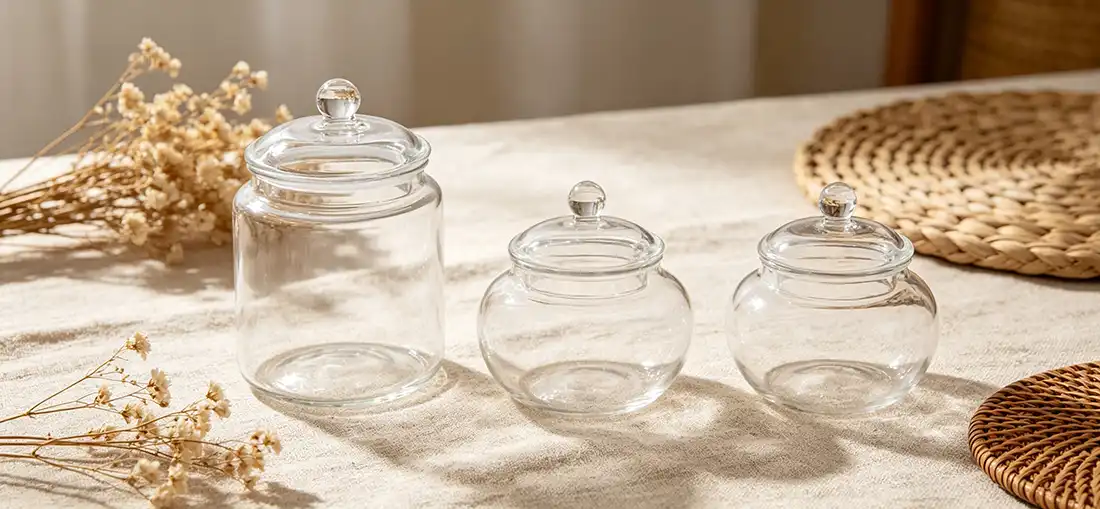
The clear glass construction lets customers and employees see the quality of the honey, which is very important when working with premium monofloral types or handmade goods. Cross-contamination risks that come with using shared tools are eliminated by the built-in stirring mechanism. This balance is shown by our 350ml Muzhishi model, which has a circular knob lid that seals out air and a ridged surface on the glass spoon that holds the right amount of honey while it is being transferred. When compared to traditional serving methods, this accuracy cuts down on product waste by up to 15%, saving real money in high-volume dining settings.
Preservation Advantages for Sensitive Products
Food-grade glass saves honey's enzymes by creating a barrier that doesn't respond. The substance stops the transfer of flavour and can't be damaged by the naturally acidic pH levels of honey, which can happen when plastic containers are stored for a long time. Light-sensitive compounds are further protected by UV-resistant qualities, which keeps the nutritional profile that supports higher price strategies. Companies that want to sell to organic or health-conscious customers find that being clear about this kind of information helps build trust with customers more than less clear options.
B2B Applications Across Industries
Companies that sell speciality foods and coffee like glass honey jars with glass stirring sticks because they look good and can be used to both store food and serve customers. OEM packagers like that they can use hot printing and frosting to make the jars stand out and turn simple jars into branded gifts. Wedding favours and business event kits often come in pretty honey jars. This is because the glass can be used again and again, which fits with messages about being environmentally friendly. To plan supplies and figure out how to place a business in the market, it's important to know the sizes that are offered.
Typical Size Ranges of Glass Honey Jars with Stirring Sticks
A study of the market shows that there are different size groups, and each one is used for different business models for strategic buying reasons. The accessible dimensions are a reflection of how customer tastes and business needs are changing across retail, hospitality, and delivery platforms.
Small Format Jars (30ml-100ml)
These small sizes work great for sampling and special placement. As breakfast table decorations, high-end hotels use 50ml jars, which make the experience more elegant for guests without spending a lot of money on products. Corporate gift companies put these forms together in health hampers or holiday gift sets, where the value is thought to be higher than the real capacity. The smaller size makes shipping much lighter, which is a very important thing to consider when figuring out how much a foreign order will cost when it arrives. Event companies like this range for wedding favours because the way they look is more important than how much they hold. When companies release new types of honey, they can test the market without having to commit to big production runs, which shows how cost-effective the method is.
Mid-Range Retail Sizes (150ml-350ml)
This group is popular in grocery shops and speciality food stores because it fits the needs of customers and makes good use of shelf space. Our Muzhishi 350ml model is just the right size for this situation; it has enough space for two to three weeks of normal family use while still being easy to handle (10 cm circle x 6.6 cm height). This line is highly sought after by retailers as it maximises product turnover rates and allows shelves to be placed at eye level in standard merchandising fittings. When it's empty, the 68.8g weight makes it easy to move around during refills, which saves time in busy stores. Companies that sell gifts to the middle-class market find that this size has the best price-to-perception relationship, making the gifts look expensive without being too expensive.
Large Format Options (400ml-500ml+)
Institutional buyers and food service providers like bigger glass honey jars with glass stirring sticks because they cut down on the number of reorders and speed up the cooking process. Supply chains for restaurants like these sizes because they can be opened and closed a lot during busy times without losing their seal effectiveness. It comes in this format so that customers who care more about price per millilitre than name recognition can buy honey in bulk. Logistics play a big role here: bigger jars need stronger packing materials and take up more room when they're shipped, which changes both the cost of shipping and the amount of carbon dioxide they release. Businesses that sell honey to health-conscious customers who use it every day like this size because it doesn't change how long the honey stays fresh.
Key Factors Influencing Size Selection for B2B Procurement
To choose the right strategic size, you have to look at a lot of different factors that affect both operational skills and market possibilities. Instead of just looking at unit prices, good buying managers look at all of these factors together.
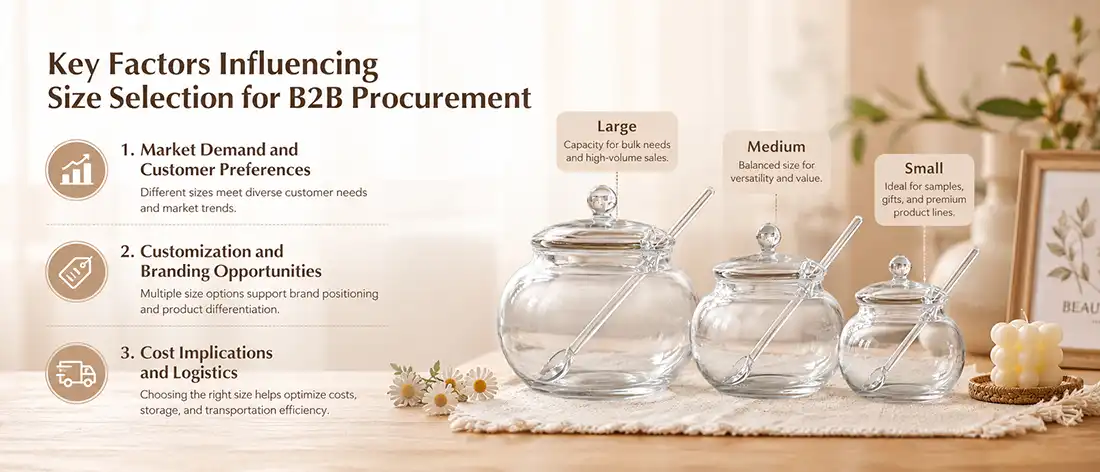
Market Demand and Customer Preferences
Smart size selection is based on knowing how the people in your target group usually consume things. Speciality tea shops might keep 150ml jars on hand because their customers don't use honey as much as other sweeteners, but health food stores that serve athletes like 400ml sizes because they match their higher daily intake habits. Size plans are also affected by changes in the seasons. For example, gift companies order smaller forms during the holiday season, when presentation is most important, and then switch to mid-range sizes for retail programmes all year long. Pre-order market polls help keep goods from being mismatched, which can tie up working capital in stock that doesn't move quickly.
Customization and Branding Opportunities
The amount of surface area for brand marketing is directly related to the size of the jar. Smaller sizes limit the size of the label, so messages need to be short and images need to be simple. Larger sizes, on the other hand, allow for more detailed stories about how the ingredients are sourced or about the flavours. Depending on the size of the jar, Muzhishi's customisation options, such as hot stamping, filling, and inside embossing, have different visual effects. A 350ml jar has a curved surface that is good for multicolour screen printing that can be read from a distance. On the other hand, 50ml jars look better with simple, elegant designs that use shiny foil details. Before committing to production numbers, packaging engineers should ask for samples in the real sizes they want to see how logos and text look at different sizes.
Cost Implications and Logistics
Material costs for glass honey jars with glass stirring stick go up as the jar gets bigger, but not by the same amount. For example, a 350 ml jar usually costs only 40–50% more than a 100 ml jar, even though it holds 3.5 times as much. However, shipping costs make this estimate more complex. International freight rates based on volumetric weight penalize larger formats, which can wipe out the per-unit savings. The practicalities of storage are just as important. Depending on warehouse space costs, smaller jars that stack efficiently might be preferred over larger formats that require less pick-and-pack work but hold fewer items per order. These costs can be reduced by working with suppliers like Muzhishi that have local raw material agreements in Xuzhou, as their optimized supply chain structures help shorten lead times and lower minimum order quantities.
Comparison of Glass Honey Jars with Stirring Sticks by Size and Material
The performance of a product in business settings is determined by how its material specifications and size factors work together. By looking at these connections, you can avoid expensive problems where product skills don't match up with business needs.
Glass Quality and Stirring Stick Materials
Premium jars are made of soda-lime or borosilicate glass that can withstand heat shocks up to 150°C. This lets hot-filling processes happen, which pasteurises the product and extends its shelf life. The material of the stirring stick has a big impact on how the user feels about it. For example, solid glass dippers make the stick look more expensive and clean, while some cheaper versions have plastic grips that cut down on production costs but hurt the premium image. Even though it's hard to keep up, wood is still popular for handmade branding. These worries are gone with Muzhishi's all-glass construction, which makes it easy to clean in a dishwasher, which is important in business settings that need to sterilise things often. Bacteria can't grow on the non-porous surface like they can on wooden alternatives. This meets health department standards in foodservice settings that are controlled.
Thickness, Weight, and Durability Considerations
The wall thickness of a jar is usually between 2.5 mm and 4 mm. Heavier sizes offer better protection and resistance to breaking. A 350ml jar that weighs 68.8g when it's empty shows that the glass is thick enough to go through industrial machines without getting scratched or breaking. This longevity is very important for people who buy hotels and use repair costs to figure out their total cost of ownership. Lighter options may lower the cost of shipping, but they may break more often during handling, which raises the overall cost of doing business. The annealing method used during manufacturing decides the long-term strength of the structure. For example, properly annealed glass releases internal stresses that would otherwise cause it to break on its own when temperatures change, which can happen in kitchens.
Supplier Reputation and Quality Assurance
When you evaluate a manufacturer of glass honey jars with glass stirring stick, you have to look at their testing procedures and compliance licenses. Suppliers with a good reputation test for hydrolytic resistance according to ISO 719 standards to make sure that glass surfaces won't break down when stored in wet conditions. Lead and cadmium leaching tests ensure that FDA 21 CFR 177.1640 and EU Directive 84/500/EEC food safety regulations are met. Muzhishi has been manufacturing in Jiangsu for 20 years, which demonstrates its ability to consistently produce the volumes required by large buyers with multi-year supply contracts. Requesting third-party inspection reports and visiting production facilities can reveal levels of quality control that go beyond catalogue specifications. Buyers should prioritize suppliers who offer dedicated account management and rapid sample delivery, as these are indicators of strong customer support—an essential factor when resolving quality issues or making mid-production adjustments.
How to Choose the Right Size of Glass Honey Jars with Stirring Sticks for Your Business?
To match jar sizes to business goals, you need to take a thorough look at working facts and strategic positioning goals. This process keeps you from making the common mistake of choosing sizes based only on what your competitors give, without taking into account your own specific business needs.
Assessing Operational Requirements
Figure out how much you expect to sell each month and then reverse-engineer the size mix that will help you sell the most items. When a company releases a new line of products, it should start with sizes that are in the middle and appeal to a wide range of customers. Once sales data shows trends in demand, the company can move on to niche forms. People who don't have a lot of storage room might choose smaller jars that hold more SKUs. On the other hand, well-known names with steady demand can stock larger formats that cut down on the number of times they need to be reordered. Usage frequency analysis helps people who buy food for food service. For example, a breakfast spread that serves 200 people every day needs bigger jars with quick-seal lids to keep things running smoothly during busy times. On the other hand, small hotels with 30 rooms can use smaller decorative forms that make the tables look better.
Customization Strategies by Size Category
Small jars with campaign-specific messages that won't take up too much space in stock after the promotion is over are good for promotional campaigns. For retail programmes, the right sizes are those that are in the middle and give brands enough space to stand out while still fitting standard shelf fixings. When it comes to bulk distribution sizes, practical features like wide-mouth openings for industrial portioning tools are more important than artistic touches. Muzhishi's wide range of customisation options, which includes hot stamping, silk screen printing, and custom packing, can be used to meet these different needs. Smart buyers ask for mock-ups that show real designs scaled to the size of the jar they want to buy. This shows how graphics look on curved glass surfaces when lit for retail use.
Building Supplier Partnerships
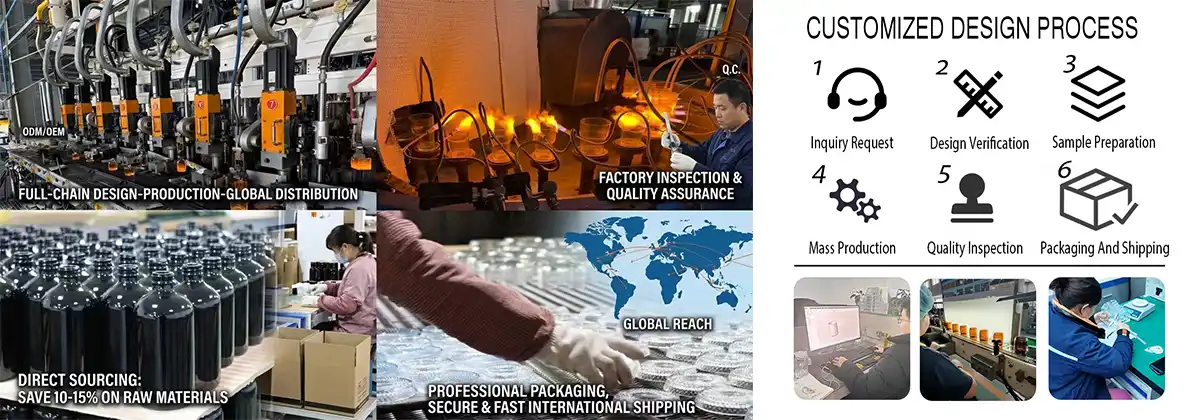
For your business to grow over the long term, you need providers who can adapt to your changing needs. Manufacturers that offer a wide range of sizes and flexible minimum order amounts give businesses the flexibility they need as their markets grow. Muzhishi's one-stop service model makes it easier for growing businesses to handle their vendors. It includes everything from the initial concept to production, packaging, and logistics. Getting samples in three to five days shortens the time it takes to build a new product, especially when a seasonal product needs to hit the market quickly. Checking suppliers' OEM/ODM skills makes sure they can meet future requests for customisation without having to move vendors, which would upset the supply chain. Clear communication about changes in production capacity and wait times during busy times keeps stores from running out of stock, which hurts brand image and relationships with retailers.
Conclusion
When choosing the right sizes for glass honey jars with glass stirring stick, you have to think about how they look, how they work, and how much they cost, all of which are different for each business plan. From small 30 ml advertising sizes to large 500 ml+ foodservice sizes, each range targets a different market group with a different value offer. Along with dimensions, material quality, the ability to customise, and the dependability of the provider become equally important factors. Instead of using industry-standard sizes, businesses do better when they choose sizes based on documented customer preferences, practical processes, and brand positioning strategies. Putting money into the right review, which includes testing samples and figuring out how capable a seller is, pays off in the long run by lowering costs, making customers happier, and improving supply chain performance.
FAQ
Can I Order Custom Sizes Beyond Standard Offerings?
Most well-known makers can meet custom capacity requests, especially for orders that are bigger than the minimum production amounts. Custom sizing works well for unique uses, like flight amenity programmes that need specific quantities or named product lines that need to stand out on the market. Due to the need to make moulds, lead times are longer than usual by two to three weeks, and labour costs may apply for custom sizes.
Are Glass Stirring Sticks Dishwasher Safe for Commercial Use?
Good glass dippers don't break down when put through industrial washing cycles at temperatures up to 80°C. The non-porous surface gets rid of the problems with sanitation that come with wooden options that crack or hold bugs after being washed many times. Make sure that the jars are properly annealed when they are being made so that they don't get damaged by thermal shock when the temperature of industrial cleaning equipment changes quickly.
What Size Works Best for Corporate Gift Programs?
The 50ml to 150ml range gives the best impression of value for gift-giving. These measurements make the presentation look more expensive without raising the price of the product too much. This lets you spend your money on better packing and personalised branding elements that improve the recipient's experience and help them remember your brand.
Partner with Muzhishi for Premium Glass Honey Jar Solutions
Businesses looking for trusted glass honey jar suppliers that can make a lot of changes can come to Xuzhou Muzhishi Crafts. They have been making glass products for 20 years. Our 350ml model with built-in glass stirring stick is the best choice for retail and hospitality uses. We also have advertising miniatures and big foodservice forms in our full range. We keep our prices low by working together with local Jiangsu sellers of raw materials. This cuts production costs by 10–15 percent compared to other options while keeping quality high across all production runs. Dedicated account managers will help you through the planning, prototyping, and production stages. Within 3–5 days, you'll be able to look at models and make decisions. Our self-operated import and export license makes international shipping easier by providing all the necessary paperwork, from business invoices to certificates of origin. This makes sure that customs clearance goes smoothly no matter where the shipment is going. Email our team at long@muzhishi.com to get our catalogue of glass honey jars with glass stirring sticks or to talk about making unique specs that fit your brand's needs. You can look at our full line of products at mzsglass.com and find out how our production services can help your business grow.
References
Chen, L., & Wang, M. (2021). Food-Grade Glass Packaging: Material Properties and Safety Standards. Journal of Packaging Technology, 15(3), 234-251.
Harrison, T. (2022). Commercial Honey Storage: Best Practices for Quality Preservation. International Food Service Management Review, 8(2), 112-129.
Roberts, K. J. (2020). Glass Container Manufacturing: Quality Control Protocols and Testing Standards. Materials Engineering Quarterly, 44(1), 67-84.
Thompson, A., & Liu, X. (2023). B2B Procurement Strategies for Food Service Packaging. Supply Chain Management Today, 19(4), 145-162.
Williams, S. R. (2021). Sustainable Packaging Solutions in the Specialty Food Industry. Retail Innovation Journal, 12(3), 89-105.
Zhang, H., & Martinez, C. (2022). Consumer Preferences in Premium Food Packaging: A Cross-Cultural Study. Marketing Research Perspectives, 28(2), 201-218.

Our customers’ satisfaction speaks for our quality — contact us to experience the same reliable service.