- English
- French
- German
- Portuguese
- Spanish
- Russian
- Japanese
- Korean
- Arabic
- Greek
- German
- Turkish
- Italian
- Danish
- Romanian
- Indonesian
- Czech
- Afrikaans
- Swedish
- Polish
- Basque
- Catalan
- Esperanto
- Hindi
- Lao
- Albanian
- Amharic
- Armenian
- Azerbaijani
- Belarusian
- Bengali
- Bosnian
- Bulgarian
- Cebuano
- Chichewa
- Corsican
- Croatian
- Dutch
- Estonian
- Filipino
- Finnish
- Frisian
- Galician
- Georgian
- Gujarati
- Haitian
- Hausa
- Hawaiian
- Hebrew
- Hmong
- Hungarian
- Icelandic
- Igbo
- Javanese
- Kannada
- Kazakh
- Khmer
- Kurdish
- Kyrgyz
- Latin
- Latvian
- Lithuanian
- Luxembou..
- Macedonian
- Malagasy
- Malay
- Malayalam
- Maltese
- Maori
- Marathi
- Mongolian
- Burmese
- Nepali
- Norwegian
- Pashto
- Persian
- Punjabi
- Serbian
- Sesotho
- Sinhala
- Slovak
- Slovenian
- Somali
- Samoan
- Scots Gaelic
- Shona
- Sindhi
- Sundanese
- Swahili
- Tajik
- Tamil
- Telugu
- Thai
- Ukrainian
- Urdu
- Uzbek
- Vietnamese
- Welsh
- Xhosa
- Yiddish
- Yoruba
- Zulu
What Companies Offer Glass Spray Bottles with Antimicrobial Glass Options? - Muzhishi
When looking for antimicrobial glass packages for cosmetics, essential oils, or pharmaceutical uses, it can be hard to find reputable companies that offer both new cleanliness innovations and attractive designs. Several companies around the world now make antimicrobial glass spray bottles. One of these is Muzhishi, which makes colorful glass spray bottles with silver ion technology and patterns that can be customized. These bottles actively stop microbes from growing on surfaces and protect against UV light. They also last a long time without harming the environment. Muzhishi has a wide range of containers available in amber, clear, and custom colors and sizes ranging from 5ml to 200ml. These containers meet the needs of high-end skin care brands, workplace gift companies, and hospitality companies looking for high-quality packing options.
Understanding Antimicrobial Glass Spray Bottles in the Market
A lot of progress has been made in the hygiene-focused packing industry, and antimicrobial glass technology is now required instead of choice. These special cases are very different from regular glass boxes because they have built-in safety features.
What Makes Antimicrobial Glass Different
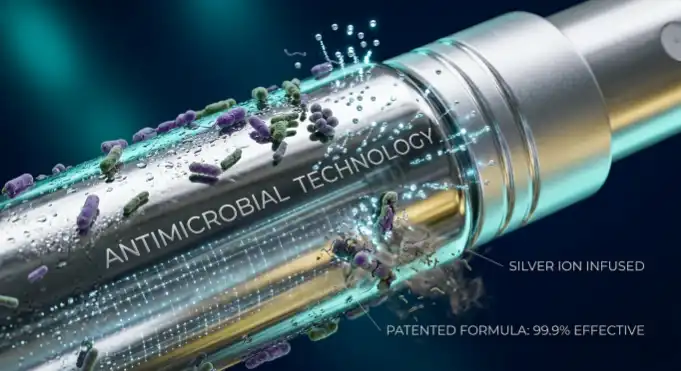
Antimicrobial glass has silver ion technology or special layers on the outside that stop germs and fungi from growing. Unlike regular glass, which only acts as a barrier, these bottles make it hard for germs to live on surfaces that come into touch with them. Since the technology works all the time, it protects the product for its whole life without the need for extra stabilizers in your formulas. This new idea solves a major problem in the packing of cosmetics and essential oils: the risk of contamination grows with continued use. Premium soda-lime glass bottles that are antibacterial meet Type III hydrolytic resistance standards, which means they can be used with even high-pH mixtures.
Industry Applications and Benefits
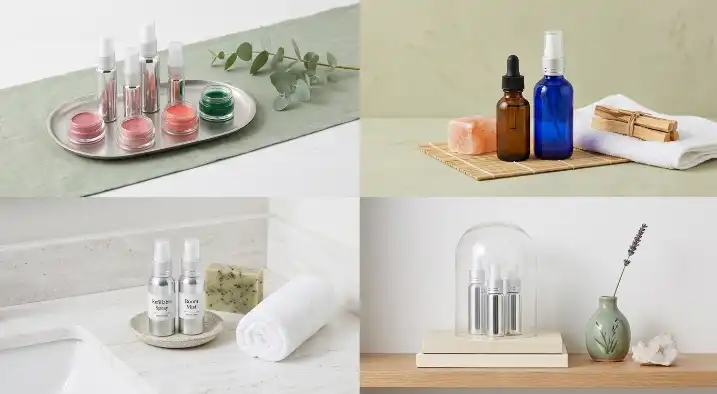
More and more, cosmetics companies want antimicrobial packing for formulas that don't need preservatives because regular stabilizers would damage the purity of the ingredients. Essential oil makers can protect their plants with UV-resistant colored glass that also kills germs on the surface. For pharmaceutical uses to meet regulatory compliance standards, antibiotic effectiveness must be proven. The hotel industry uses these solutions for lines of guest amenities that get touched a lot, which raises the risk of pollution. Home decor companies include antibacterial spray bottles in their lifestyle collections, making cleanliness seem like a nice-to-have rather than a must-have.
Environmental Advantages Over Plastic Alternatives
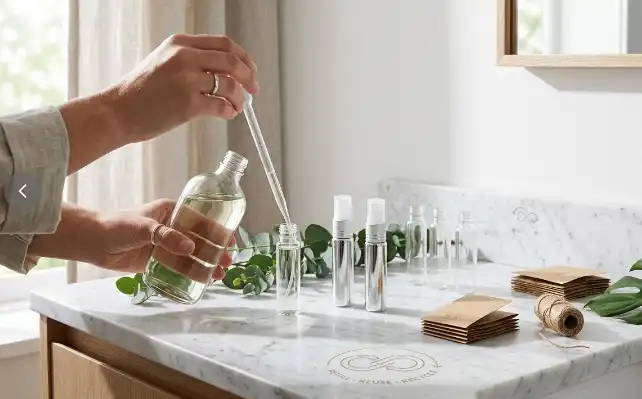
Antimicrobial glass bottles can be used more than once, which is something that plastic bottles can't do. People refill these containers many times, and the antibacterial traits don't lose their effectiveness. Glass can be recycled over and over again without losing any of its quality, which supports the ideas of the circle economy. Chemical inertness stops dangerous plasticizers or BPA from getting into formulas that are sensitive to them. Durability means you don't have to replace things as often, which cuts down on total package waste. These environmental standards are in line with B2B procurement goals that focus on sustainability reporting and efforts for business responsibility.
Key Companies Offering Antimicrobial Glass Spray Bottles
On the global market, there are specialized producers whose skills vary in terms of technology, customization, and supply chain management.
Leading Global Manufacturers
A number of well-known foreign names are known for their antimicrobial glass technology. Both ColorSpray and ColorGlow have patents on antibacterial covering methods and offer eco-certifications that meet EU standards. Most of the time, these businesses work with big drug and beauty companies that already have established marketing networks. Regional providers in North America, Europe, and Asia offer help that is more localized and has shorter supply lines. European manufacturers often put a lot of emphasis on green standards, while Asian manufacturers are great at making large quantities of goods quickly and cheaply.
Muzhishi's Distinctive Approach
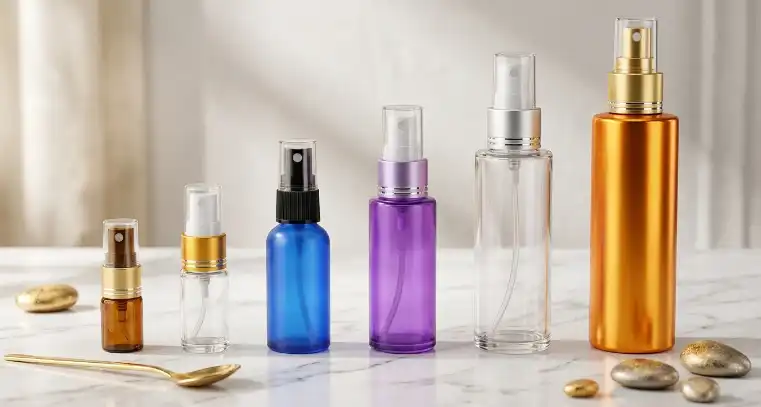
For twenty years, Xuzhou Muzhishi Crafts Co., Ltd. has been making glass products. They now make antibacterial packing. Antimicrobial protection and a lot of customization options make our colorful glass spray bottles stand out from the rest. We make bottles in eight standard sizes, from 5ml pocket sizes to 200ml bulk dispensers, so they can be used for a wide range of purposes, from professional spa services to perfume samplers. In addition to standard amber and clear colors, the range also includes custom-matched colors that help build company identity. Our manufacturing plant can import and ship goods on its own, which makes the paperwork easier for buyers from other countries. Working with local Xuzhou suppliers of glass sheets to make our products cuts the cost of raw materials by 10 to 15 percent compared to the average in the industry. We pass these savings on to our customers by offering competitive bulk prices.
Evaluating Supplier Capabilities
When choosing providers of antibacterial glass bottles, purchasing managers should look at a number of important factors. Verification of antimicrobial effectiveness through third-party tests against standards like ISO 22196 makes sure that the safety is real, not just marketing promises. Customization goes deeper than you might think. You should be able to hot stamp, screen print, and engrave on the surface. Smaller companies that are trying out new product lines are greatly affected by minimum order quantities. Making lead times clear helps make sure that the coming of packaging doesn't interfere with production plans. Offering extra services like OEM/ODM support, custom mold development, and export integration makes business more flexible. Compliance paperwork for FDA, CE, and region-specific cosmetic packing rules keeps buyers from having to deal with expensive regulatory problems.
Comparison of Antimicrobial Glass Spray Bottles vs Conventional and Plastic Spray Bottles
Knowing the changes in performance helps you make the case for investments when switching from standard packaging.
Performance and Safety Advantages
Antimicrobial glass bottles protect the purity of the product even more than regular glass does. When people touch the antibacterial surface over and over again, it keeps bacteria from growing on the pump parts and bottle exteriors. For goods like face toners and setting sprays that are used every day, this protection is very important. Conventional glass is neutral and protects against UV rays, but it depends on stabilizers in the mixture to keep it clean. Chemicals can leak out of plastic bottles, even high-end PET bottles, when they are used to store essential oils or alcohol-based mixtures. Plastic is porous, which lets tiny particles get inside and makes glass structures useless. Concerns about endocrine disruptors or cancer chemicals getting into cosmetics can be put to rest because the glass is non-toxic.
Lifecycle Cost Analysis
Antimicrobial glass costs more to buy at first than both regular glass and plastic. Lifecycle value study, on the other hand, shows that quality-focused brands have good economy. Durability means that the bottle can be used for three to five times longer than regular plastic bottles that are exposed to bathroom damp and cleaning chemicals. People who care about the environment like reusable goods and buy refills, which creates recurring revenue possibilities. Premium wrapping that improves a brand's image is worth the extra money that it costs to package. Less product failure due to bacteria contamination keeps expensive active ingredients from going to waste. Building trust with customers through clear promises to quality leads to better lifetime value and lower costs for getting new customers.
Environmental Impact Comparison
When compared to single-use plastic bottles, antimicrobial glass spray bottles don't hurt the earth as much. Making glass takes more energy at the start, but because it can be recycled over and over again without losing any of its quality, the end result is a net win for the earth. It takes a limited number of rounds before plastics become trash because recycling breaks down polymer chains. Ocean plastic pollution is becoming a bigger problem for customers, which makes glass a good way to place a brand. When product lifespan and reusability are taken into account, carbon footprint estimates favor glass. Glass is clearly better than plastic because it is safer to use and throw away chemicals during production and removal. Plastic manufacturing processes release harmful organic compounds.
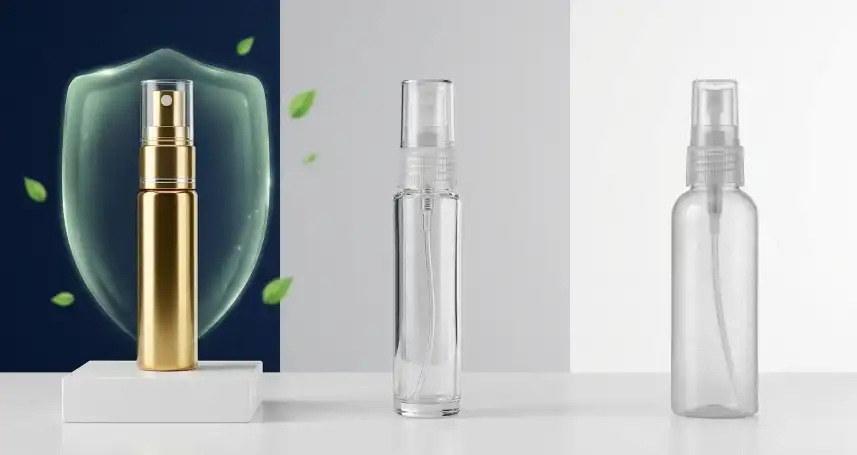
How to Select the Right Antimicrobial Glass Spray Bottles for Your Business?
To make a strategic choice, you have to fit technical requirements with operational needs and company positioning.
Defining Your Packaging Requirements
Baseline standards are set by the industry group. For high-end skin care, both looks and performance are important, so expensive finishes and unique colors are preferred. In clinical dermatology, antibiotic effectiveness that has been proven and regulatory compliance paperwork are given the most weight. When it comes to corporate gifts, the ability to customize images and company messages is emphasized. Material choice is affected by the chemistry of the product mixture. For example, essential oils need glass compositions that are resistant to chemicals, while water-based makeup can work with a wider range of materials. Volume projections tells us if stock capacity choices are enough or if we need to do custom sizing. The level of toughness needed for packaging depends on how it will be distributed. For example, shipping for online purchases needs better impact resistance than selling directly to customers.
Essential Quality and Certification Criteria
Verified antimicrobial approval from separate labs gives you more confidence than what the maker says. Common cosmetic pollutants, such as Staphylococcus aureus and Escherichia coli, should be tested to show that the product works. Glass quality standards, such as Type III hydrolytic resistance, keep the contents of the bottle from reacting chemically with each other. The accuracy of the spray tip affects the user experience. Customers won't be frustrated if the spray design and droplet size are always the same. Color consistency between groups of production helps keep the brand's identity when goods are displayed next to each other in stores. Accurate measurements make sure that the product can be used with current caps, pumps, and packing equipment. Light-sensitive formulas that contain retinol or vitamin C products need different amounts of UV protection.
Supplier Evaluation Framework
When considering antimicrobial glass bottle sources, these are the most important things to look at:
- Minimum order quantities that work with your production scale and stocking capacity without requiring you to spend a lot of money up front
- Lead time transparency, such as production plans, quality review times, and shipping times, is needed for accurate inventory planning.
- Customization flexibility include the ability to match colors, create different ways to apply logos, and create unique models for each design.
- Sample provision policies let you check the quality before placing a large order, and response times are less than a week.
- Regulatory compliance support, such as making paperwork for FDA, CE marking, and country-specific rules on makeup packaging
- After-sales responsiveness is measured by how quickly and effectively problems are solved when they come up.
These review factors make it possible to compare potential suppliers in an unbiased way. Muzhishi meets all of your needs with personalized account management, sample delivery in three to five days, and compliance paperwork made by our experienced export team. Our production is flexible enough to handle orders ranging from small test runs to full container loads, which helps brands at different times of their growth.
Cost Optimization Strategies
To balance quality with a limited budget, you need to think strategically about the total cost of ownership. Standardized sizes and colors cut down on the cost of tailoring while still giving the product a high-end look. Orders that combine more than one SKU are more likely to meet minimum order requirements. Long-term relationships with suppliers often lead to big savings and better scheduling for production. Strategic planning of supplies cuts down on rush order fees and makes the best use of containers for foreign shipping. Prioritizing customization means putting money toward things that customers see, like outward branding, while letting standard choices be used for internal parts.
Best Practices for Using and Maintaining Antimicrobial Glass Spray Bottles
Antimicrobial glass wrapping works best and lasts as long as it is handled properly.
Optimal Filling and Cleaning Protocols
To keep the antibacterial properties, you need to clean and refill according to the manufacturer's instructions. Most antimicrobial surfaces can handle mild surfactants, but they break down when exposed to strong alkaline cleaners or rough washing. Cleaning should be done with warm water and light soap, and temperatures above 60°C should be avoided because they could damage surface treatments. Rinsing well gets rid of any leftover chemicals that could react with later mixtures. Complete drying keeps the color clear and stops water spots. When refilling, formulation compatibility testing makes sure that the new ingredients won't react chemically with any leftover old product. To keep them from getting clogged with ingredients, pump parts need to be taken apart and cleaned every so often.
Storage and Handling Guidelines
Proper keeping conditions keep glass spray bottles looking nice and make them last longer. Avoiding direct sunlight keeps you from getting too much UV radiation, even if your skin has built-in protection. Temperatures between 15°C and 25°C are good for keeping glass and pump parts from getting damaged by heat. Upright storage keeps the pump prime and stops leaks from happening when the seals wear out. For safe warehouse handling, padded storage keeps things from chipping or cracking. Transportation packaging should have enough protection materials. For example, bubble wrap, foam inserts, or molded pulp separators keep glass from touching glass during shipping vibrations.
Industry Use Case Examples
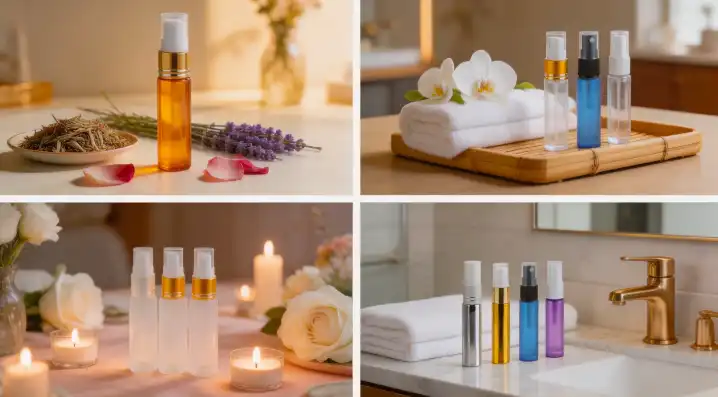
Luxury organic skin care brands say that plant serums that don't contain preservatives last longer when they are stored in amber glass boxes that kill germs. The UV protection and antimicrobial qualities of the surface keep the ingredients active for 30% longer than regular packing. When high-end spa chains used antibacterial glass for treatment room items, product spoilage dropped by 40% and the luxury brand's image improved. When wedding planners give custom scent gifts in small antimicrobial bottles, they make guests' experiences unique and useful by letting them use the bottles again and again. When hotel groups switched from plastic toiletry bottles to antimicrobial glass bottles that can be used again and again, they met their environmental goals and made guests happier.
Conclusion
Brands that care about product safety, sustainability, and a high-end image should invest in antimicrobial glass spray bottles. The technology handles real risks of contamination while also supporting environmental duty by being able to be reused and recycled. Muzhishi offers complete solutions that include antimicrobial protection as well as a lot of customization choices, including eight different size levels and an infinite number of color combinations. Our 20 years of experience in manufacturing means that you can always count on steady quality, low prices thanks to optimized supply lines, and quick help during the whole buying process. Antimicrobial colorful glass spray bottles offer real benefits that appeal to quality-conscious customers and support long-term brand value. They can be used to start a new product line, improve current packaging, or increase production to meet rising demand.
FAQ
Are antimicrobial glass spray bottles safe for essential oils and cosmetics?
When made correctly, antimicrobial glass bottles meet safety standards for use with essential oils and cosmetics. Most of the time, silver ions or surface coatings that don't get into the bottle innards are used for the antibacterial qualities. Reliable sellers provide proof that they follow FDA rules and, if necessary, CE marking. Glass doesn't react chemically with volatile chemicals in essential oils or active ingredients in makeup, so it doesn't break down. Always make sure that the antibacterial treatments your provider uses have been tested to make sure they are safe for the intended use.
Can I customize colors and nozzle types?
Different providers offer a wide range of customization options. Muzhishi gives a lot of choices, like matching colors to brand themes, different spray nozzle arrangements for various pouring needs, and surface treatments like hot stamping or screen printing for logos. Standard colors include amber and clear, and unique colors can be made for orders that meet certain minimum quantities. You can choose a fine mist nozzle for face toners or a stream spray nozzle for cleaning products. Talking to account managers about specific needs makes sure that the design idea and production skills are in line with each other.
What are typical lead times and minimum order quantities?
Lead times depend on how special the design is and how busy the production schedule is. After the order is confirmed, standard setups in stock colors are sent out within two to three weeks. It takes four to six weeks longer if you want custom colors or special surface treatments. Samples are made and sent for quality control within three to five days. The minimum order quantity is usually between 3,000 and 10,000 units, but it depends on the size of the bottle and the amount of personalization. Muzhishi can handle smaller orders at first for new names to see how well they do in the market. For bigger orders that make production more efficient, volume discounts apply.
Partner with Muzhishi for Premium Antimicrobial Glass Spray Bottles
Manufacturers of colorful glass spray bottles manufacturer partnerships benefit from Muzhishi's combined method, which combines high-quality production with full export services. Our factory in Xuzhou makes antibacterial glass bottles that meet international quality standards and can be customized in a way that helps brands stand out. We know how hard it is to buy things in the home decor, workplace gifts, hospitality, and retail sectors because we've been in the business for twenty years. Dedicated one-on-one account management oversees projects from the first design meeting all the way through production and delivery around the world. Self-operated import and export features make sure that customs clearance goes smoothly and that the right paperwork is prepared for each target country. Email our team at long@muzhishi.com to get brochures of our products, talk about large order needs, or set up shipping of samples to show quality before we start making more. We answer questions within 24 hours and send samples within five days, so you can make a choice faster while still meeting the high standards your brand requires.
References
1. Johnson, M. & Williams, R. (2022). Antimicrobial Packaging Technologies in Cosmetic Applications. International Journal of Packaging Science and Technology, 34(2), 145-162.
2. Chen, L. (2021). Silver Ion Technology in Glass Manufacturing: Efficacy and Safety Considerations. Materials Science and Engineering Reports, 89, 78-94.
3. Peterson, A. (2023). Sustainable Packaging Solutions for Personal Care Products: A Lifecycle Analysis. Journal of Environmental Management and Sustainability, 17(4), 223-241.
4. Rodriguez, S. & Kumar, P. (2022). Comparative Analysis of Glass and Plastic Packaging in Cosmetic Product Preservation. Packaging Technology Review, 28(1), 56-73.
5. Thompson, K. (2023). Regulatory Compliance in Antimicrobial Cosmetic Packaging: FDA and EU Standards. Cosmetic Science and Regulatory Affairs Quarterly, 12(3), 112-129.
6. Zhang, W. & Liu, H. (2021). Consumer Perception of Premium Glass Packaging in Luxury Skincare Markets. International Journal of Consumer Behavior Studies, 45(6), 334-351.

Our customers’ satisfaction speaks for our quality — contact us to experience the same reliable service.