- English
- French
- German
- Portuguese
- Spanish
- Russian
- Japanese
- Korean
- Arabic
- Greek
- German
- Turkish
- Italian
- Danish
- Romanian
- Indonesian
- Czech
- Afrikaans
- Swedish
- Polish
- Basque
- Catalan
- Esperanto
- Hindi
- Lao
- Albanian
- Amharic
- Armenian
- Azerbaijani
- Belarusian
- Bengali
- Bosnian
- Bulgarian
- Cebuano
- Chichewa
- Corsican
- Croatian
- Dutch
- Estonian
- Filipino
- Finnish
- Frisian
- Galician
- Georgian
- Gujarati
- Haitian
- Hausa
- Hawaiian
- Hebrew
- Hmong
- Hungarian
- Icelandic
- Igbo
- Javanese
- Kannada
- Kazakh
- Khmer
- Kurdish
- Kyrgyz
- Latin
- Latvian
- Lithuanian
- Luxembou..
- Macedonian
- Malagasy
- Malay
- Malayalam
- Maltese
- Maori
- Marathi
- Mongolian
- Burmese
- Nepali
- Norwegian
- Pashto
- Persian
- Punjabi
- Serbian
- Sesotho
- Sinhala
- Slovak
- Slovenian
- Somali
- Samoan
- Scots Gaelic
- Shona
- Sindhi
- Sundanese
- Swahili
- Tajik
- Tamil
- Telugu
- Thai
- Ukrainian
- Urdu
- Uzbek
- Vietnamese
- Welsh
- Xhosa
- Yiddish
- Yoruba
- Zulu
What Makes Hexagon Honey Jar Glass Ideal for Premium Honey Packaging?
When buyers ask what makes hexagon honey jar glass stand out in premium honey packaging, the answer spans geometry, material science, and brand strategy. This six-sided glass container does more than hold honey — its flat facets prevent rolling during transit, its tessellating profile reduces wasted pallet space, and its crystal-clear soda-lime construction showcases honey's natural amber hue without chemical interference. Available in 100ml, 250ml, and 400ml capacities, Muzhishi's hexagonal glass jars serve artisanal producers, retail chains, corporate gifting programs, and hospitality buyers who demand both visual impact and structural reliability.

Understanding Hexagon Honey Jar Glass: Features and Benefits
Why Geometry Matters in Packaging?
The hexagonal shape is not a new addition to the world of art; nature verified it through the honeycomb. On a store shelf, flat-sided jars fit together physically, making a honeycomb pattern that stands out and gets people's attention. Unlike cylindrical jars, the six flat sides make the surfaces stable and non-rolling while they are being stacked and moved around in the warehouse. This directly lowers the risk of breaking. This means that category managers who buy in bulk will save money on transit damage claims.
The hexagon honey jar glass from Muzhishi comes in three different sizes to fit a range of products and store settings:
| Model | Capacity | Dimensions (H×D) | Weight |
|---|---|---|---|
| FP-H-004 | 100ml | 7.3 × 7.9 cm | 120.4g |
| FP-H-005 | 250ml | 9.7 × 10.0 cm | 203.9g |
| FP-H-006 | 400ml | 11.11 × 11.9 cm | 304.8g |
The 100ml size works well for single-serve gifts and hotel amenity programs. The 250ml jar is the right size for both store shelves and farmers' market displays. The 400ml option is good for large-scale artisanal or foodservice uses. Each size comes with a matching hexagonal wooden lid. This adds to the premium, nature-inspired image that honey buyers today like.
Shelf Presence and Brand Differentiation
The faceted surface bends light in a way that round jars can't, making the honey's golden color stand out more and giving it an instant premium look. Retail research regularly shows that unique packaging styles make people more likely to buy premium foods. When importers and wholesalers combine SKUs for various markets, a visually distinct container cuts down on the need for expensive marketing to show quality—the jar does it all by itself.
Why Hexagon Honey Jar Glass Outperforms Plastic and Other Packaging Materials?
The Material Advantage of Food-Grade Glass
Glass doesn't react with chemicals. It doesn't pose a threat of leaching bisphenol compounds or volatile organic compounds that change the taste of honey, which has a pH range of 3.4 to 6.1 depending on the flower source. Muzhishi's hexagon honey jar glass is made of Type III high-clarity soda-lime glass that meets both FDA food contact standards and EU Regulation 10/2011 on plastic materials. The latter is a standard that shows how well glass meets compliance requirements. The surface doesn't have pores, so it doesn't absorb water. This keeps the water activity fixed and extends the shelf life without using any fake ingredients.
Besides safety, the environmental case for glass jar is growing stronger. The Glass Packaging Institute says that glass can be recycled over and over again without losing any of its quality. For U.S. brands that want to appeal to environmentally aware customers, moving from plastic to glass packaging makes an environmental claim that can be checked out, not just a marketing story.
The structural properties of Muzhishi's jars further reinforce the procurement case:
- Thermal shock resistance of ΔT 42°C: With a thermal shock resistance of ΔT 42°C, hot-fill methods used in making sterilized and infused honey can be used without damaging the walls.
- Minimum wall thickness of 2.0mm: Transit fracturing under compression can't happen if the walls are at least 2.0mm thick at the hexagonal corners, which have historically been the point where stress builds up.
- Vertical load strength exceeding 400kg: Safe high-stack palletization in warehouses requires a vertical load strength of more than 400kg.
- Lead-free and BPA-free composition: The composition is free of lead and BPA, which meets the paperwork needs of U.S. and European import officials.
Best Practices for Using and Maintaining Hexagon Honey Jar Glass
Cleaning, Reuse, and Label Placement
Glass jars can help with circular economy projects in a way that plastic packaging can't because of the way it's made. If you clean a hexagon honey jar glass with hot water and light detergent instead of rough tools that can scratch the surface, the glass will stay clear after many fill rounds. This makes honey presentations last longer, which lowers the cost of consumables per filled room for hospitality buyers who replace them.
Label placement is just as important as keeping the jar clean. Because a hexagon jar has flat sides, it has a stable labeling surface that automatic applicators can work with great accuracy. This is a benefit over curved round jars, where label wrinkles and misalignment are common quality control problems. When brands work with Muzhishi, they can tell them what size label they want during the design process so that the artwork fits perfectly on all sides.
Customer happiness is also affected by choosing the right size. Companies that make gifts and high-end products often pair 100ml jars with carefully put together gift sets. For retail chains, 250ml units are the standard size for honey. The 400ml jar attracts repeat buyers and food service accounts that want good value. When you match the jar size to the occasion of the purchase, you avoid the common mistake of either over-packaging single-serve items or under-packaging bulk items.
Sourcing and Procuring Hexagon Honey Jar Glass for B2B Buyers
Evaluating Suppliers Against B2B Criteria
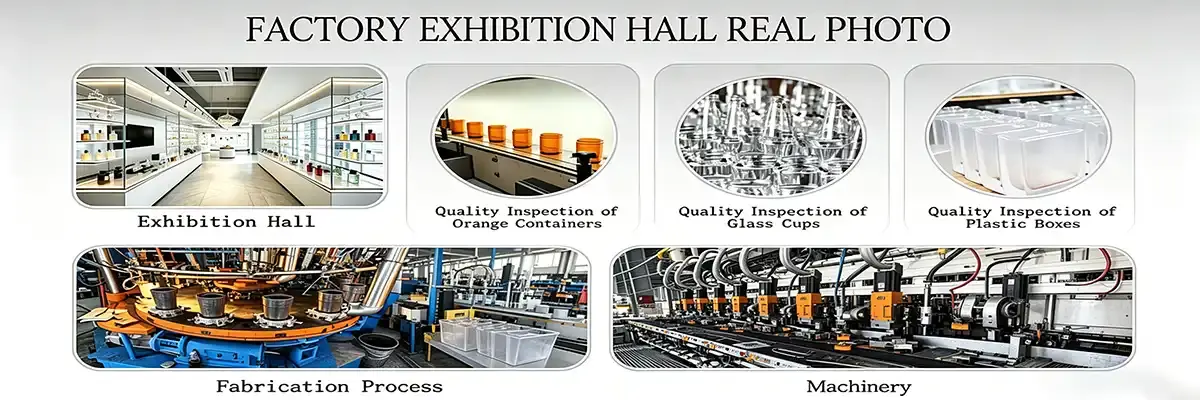
For event planners, corporate gift suppliers, and international distributors, evaluating a supplier is more than just looking at the price per unit. A supplier relationship can grow or shrink depending on how reliable the quality is across large runs, how responsive the after-sales support is, and how clear the logistics are. Muzhishi was founded in 2005 in Xuzhou, Jiangsu. It has the exclusive right to import and export goods and has long-term partnerships with local suppliers of glass sheets and packaging materials. This structure of the supply chain lowers the costs of raw materials by 10–15% compared to brokers who buy on the spot.
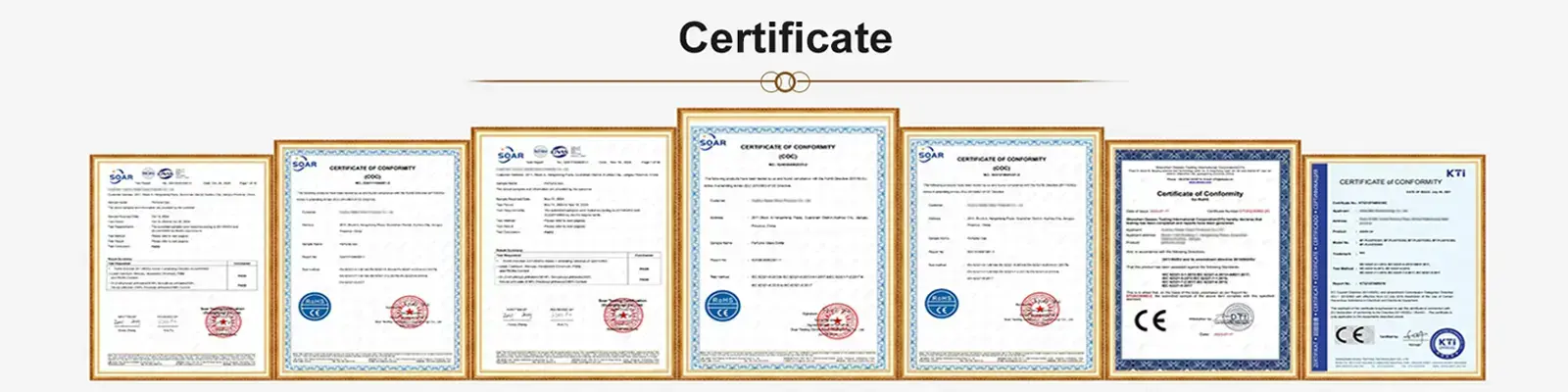
The company's ODM/OEM method for hexagon honey jar glass is set up to lower buyer risk:
| Stage | Deliverable | Timeline |
|---|---|---|
| Design | 3D models and layouts for machines | In agreement with |
| Prototyping | Physical samples for approval | Three to five days |
| Production | Making everything in one go with quality checks | Amount per order |
| Packaging & Shipping | Packing lists, custom boxes, and certificates of origin | Based on what the location needs |
For all of your brand expression needs, Muzhishi has a wide range of customization options, such as hot stamping for metallic finishes, frosting for matte elegance, inside engraving for permanent brand marks, screen printing for bright multicolor graphics, and custom sticker or label programs. Each treatment is checked for food safety to make sure that the surface processes don't damage the jar's contact surface.
The Future of Honey Packaging: Trends and Strategic Insights
Sustainability, Premiumization, and Packaging as Brand Equity
The luxury food market in the U.S. has been slowly growing. High-quality honey has shelf prices that require packing that matches. Packaging experts who keep an eye on food retail trends say that people think that heavier, glass-encased products are of higher quality. The geometry of the hexagon honey jar glass reinforces this idea because it is structurally strong and was designed with purpose. For brands in the natural foods market that want to build customer trust, the jar is not just an input; it's an asset that shows skill, provenance, and care at the point of sale.
Reusability makes brand connections bigger than just the kitchen counter. When people reuse hexagonal glass jars as spice jars, work organizers, or candle holders, they bring the brand into their everyday lives, which is an effect of earned media that plastic packaging rarely has. Because of this, event planners are choosing hexagonal glass cases more and more for wedding favor honey sets and customized gift experiences, where the jar's future use as a keepsake raises its value.
In the future, digitally printed labels and packaging with built-in QR codes will make hexagonal glass jars even better tools for communicating a brand's message. The flat sides easily fit digital label formats, allowing stories about where the flowers came from, when they were harvested, and which beekeepers made them. This level of transparency is something that more and more U.S. consumers expect from premium honey.
Conclusion
The hexagonal shape of the glass jar fixes real problems with transportation, brand, and buying. Flat sides prevent harm during shipping, tessellating profiles increase pallet density, inert glass chemistry protects honey's integrity, and the unique form grabs attention on the shelf without spending extra on marketing. Muzhishi's range of 100ml, 250ml, and 400ml honey containers can be used for a wide range of honey packaging needs, from hotel amenities to retail category anchors to corporate gift programs. When business-to-business buyers are thinking about packing options, hexagon honey jar glass is the smart and strategic choice because it combines good functionality, a lot of customization options, and environmental friendliness.
FAQ
What capacity options does the hexagon honey jar come in?
There are three sizes of Muzhishi's hexagon honey jar glass: 100ml, 250ml, and 400ml. The 100ml jar is good for single-serve gifts and hotel amenities, the 250ml jar fits on normal store shelves, and the 400ml jar is good for large amounts of craft or foodservice use.
Is it safe to recycle or reuse these glass jars?
Glass is 100% recyclable and won't lose any of its quality. Cleaning jars with hot water and mild detergent keeps their clear appearance and structural integrity through multiple fill cycles. This supports efforts to create a circular economy and saves money for buyers who refill often.
How does glass packaging extend honey shelf life?
Glass doesn't react with chemicals and doesn't have pores, so it forms an airtight shield that keeps wetness out and stops oxidation. It doesn't leach chemicals into acidic honey (pH 3.4–6.1) like plastic does. This means that the natural taste, color, and nutritional value are kept for longer without the need for extra protection.
Can these jars handle hot-fill production processes?
The soda-lime glass construction has a thermal shock resistance of ΔT 42°C, which means it can handle hot-fill processes up to 85°C, which are common in the production of pasteurized and herb-infused honey, while still keeping its shape when it cools.
Partner with Muzhishi for Your Hexagon Honey Jar Glass Supply
Muzhishi offers high-quality hexagon honey jar glass that is safe for food, can be customized in a lot of ways, and can be shipped anywhere in the world with confidence, thanks to 20 years of experience making glasses. Whether you need branded gift sets, packaging that's ready to sell, or bulk supplies for distribution, our team can help. From the first inquiry to delivery, we offer free samples and dedicated account management. To talk about your hexagon honey jar glass supply needs right now, email us at long@muzhishi.com or visit mzsglass.com.
References
1. Glass Packaging Institute. Glass Recycling Facts. Glass Packaging Institute, 2023.
2. Bogdanov, Stefan. Honey Quality and International Regulatory Standards. Bee Product Science, 2011.
3. European Commission. EU Regulation No 10/2011 on Plastic Materials and Articles Intended to Contact Food. Official Journal of the European Union, 2011.
4. Specialty Food Association. State of the Specialty Food Industry Report. Specialty Food Association, 2023.
5. ASTM International. ASTM C148: Standard Test Methods for Polariscopic Examination of Glass Containers. ASTM International, 2020.
6. Opara, Umezuruike Linus, and Pramod Bhande. "Packaging Design and Shelf-Life Extension in Food Products." Packaging Technology and Science, Wiley, 2022.

Our customers’ satisfaction speaks for our quality — contact us to experience the same reliable service.