- English
- French
- German
- Portuguese
- Spanish
- Russian
- Japanese
- Korean
- Arabic
- Greek
- German
- Turkish
- Italian
- Danish
- Romanian
- Indonesian
- Czech
- Afrikaans
- Swedish
- Polish
- Basque
- Catalan
- Esperanto
- Hindi
- Lao
- Albanian
- Amharic
- Armenian
- Azerbaijani
- Belarusian
- Bengali
- Bosnian
- Bulgarian
- Cebuano
- Chichewa
- Corsican
- Croatian
- Dutch
- Estonian
- Filipino
- Finnish
- Frisian
- Galician
- Georgian
- Gujarati
- Haitian
- Hausa
- Hawaiian
- Hebrew
- Hmong
- Hungarian
- Icelandic
- Igbo
- Javanese
- Kannada
- Kazakh
- Khmer
- Kurdish
- Kyrgyz
- Latin
- Latvian
- Lithuanian
- Luxembou..
- Macedonian
- Malagasy
- Malay
- Malayalam
- Maltese
- Maori
- Marathi
- Mongolian
- Burmese
- Nepali
- Norwegian
- Pashto
- Persian
- Punjabi
- Serbian
- Sesotho
- Sinhala
- Slovak
- Slovenian
- Somali
- Samoan
- Scots Gaelic
- Shona
- Sindhi
- Sundanese
- Swahili
- Tajik
- Tamil
- Telugu
- Thai
- Ukrainian
- Urdu
- Uzbek
- Vietnamese
- Welsh
- Xhosa
- Yiddish
- Yoruba
- Zulu
Where can I find round perfume bottles with biodegradable packaging?
Businesses that care about the environment but don't want to give up style need to find high-quality round perfume bottles that come in packaging that can be recycled. Xuzhou Muzhishi Crafts Co., Ltd. is one place where you can get these eco-friendly glass cases. They have been making glass goods for 20 years and offer many ways to customise them and pack them in an eco-friendly way. There are glass bottles in these companies that range in size from 30ml to 100ml, and the styles can be clear or customised. They also use eco-friendly, biodegradable materials for the outside packaging that meet international standards for the earth. When eco-friendly packaging is used with high-quality glass work, it gives brands a chance to improve their environmental credentials while keeping the quality of their products.
Understanding the Market for Round Perfume Bottles with Biodegradable Packaging
The Sustainability Shift in Fragrance Packaging
The perfume industry around the world has been greatly affected by changes in the rules for packaging. The EU and the US now have rules that say less plastic trash can be made. This is forcing companies to use materials that break down naturally. Containers for perfume made of glass easily follow these rules since glass is chemically inert and can be recycled over and over. In other words, smell profiles are kept without any harmful chemicals leaking out. When paired with eco-friendly outer packages made from kraft paper, plastics based on cornflour, or mushroom mycelium, these containers are the only choice that makes sense. Studies of American shoppers show that 73% of them actively look for things that come in packaging that is better for the environment. This puts stress on the market, which changes how stores, restaurants, and online stores make choices.
Material Compatibility and Design Functionality
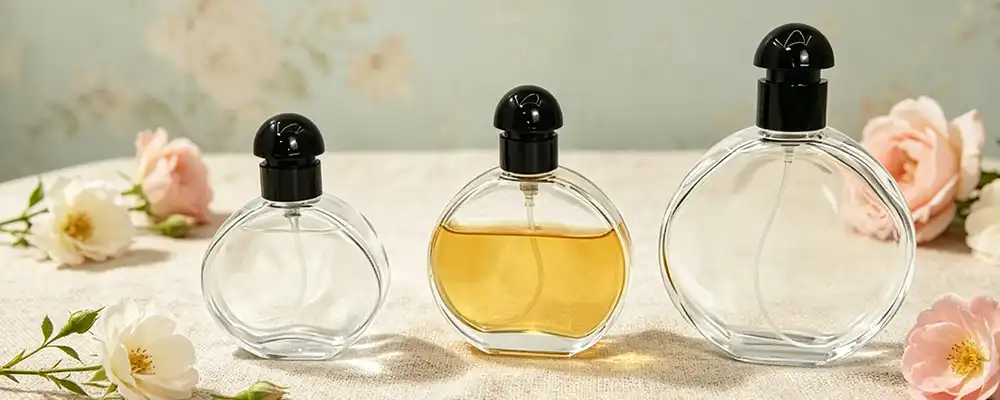
To pick eco-friendly boxes for glass perfume bottles, you need to know how different materials fit together. There are obvious advantages to round perfume bottles. The curved surface spreads structural stress out equally, which makes it less likely that the structure will break during shipping, which is important when using lighter biodegradable cushioning materials. Some types of soda-lime glass, like Type III flint glass, are better at not breaking down when they come in contact with water. They can still be used with compostable wrapping materials. Systems that can be refilled and sizes that are easy to carry are important design factors. The 30 ml and 50 ml bottles work well for sample programs and travel-sized items. The 100ml bottles, on the other hand, are better for full-size store uses. A new idea is to add biodegradable parts to pump sprayers. However, procurement teams need to check standards to make sure that the glass, scent chemistry, and outer package materials will all work together during the entire distribution life.
Aligning Procurement Strategies with Environmental Standards
Category managers and sourcing workers may struggle to balance sustainability and efficiency. Procurement strategies require material audits, supplier skill assessments, and lifecycle analyses. Materials that claim to break down organically meet ASTM D6400 or EN 13432 industrial composting standards when checked. When evaluating a supplier, consider how much they can make for large orders, how easy it is to make seasonal campaign modifications, and how effectively their logistics are set up to ensure delivery. Everything from sourcing raw materials to disposing of them is examined for environmental impact. This determines if biodegradable packaging reduces carbon emissions more than others. This all-around approach can help home décor, gift, and hotel room sellers stay ahead of the market and meet stakeholder corporate responsibility demands.
How to Choose the Right Round Perfume Bottles with Biodegradable Packaging for Your Business
Evaluating Volume Requirements and Cost Structures
Unit economics and supplier choice are directly affected by the amount of goods bought. Event planners and wedding planners usually need smaller batch runs with a lot of customisation. They look for makers with low minimum order numbers and fast prototyping services. Retail chains and online shopping sites need to be able to make a lot of products—often thousands of units per month—and keep quality control high throughout all of their production runs. When looking at cost structures, buyers should not only look at the unit price but also the total landed cost, which should include biodegradable packing materials, custom printing or hot stamping fees, foreign shipping with the right padding, and any possible customs taxes. Clear pricing shows if sustainable package parts cost 8–15% more than regular materials, which helps with planning budgets for seasonal campaigns or new product launches.
Verifying Sustainability Certifications and Quality Standards
Real biodegradable packaging has third-party certifications that show it is an eco-product and not just greenwashing. For North American markets, BPI Certification (Biodegradable Products Institute) is an important badge that proves products break down in business composting sites within 180 days. European sellers should have compost that has been certified by TÜV Austria. In addition to being biodegradable, the quality of a round perfume bottle must be checked by dimensional tolerance testing. This makes sure that the neck finishes are perfectly aligned with the pump mechanisms to stop leaks. Hydrostatic pressure tests show that round perfume bottles can handle changes in vapour pressure during air freight. This is especially important when using biodegradable cushioning that is lighter and doesn't absorb noise as well as plastic options. Asking for certificates of analysis and third-party lab reports shows that the supplier is open and honest, which is a key sign of trust for distributors and importers who want to work together for a long time.
Matching Product Types to Business Applications
For each type of business, you need a different bottle and package setup. Premium biodegradable packaging, like embossed paper boxes, goes well with frosted glass finishes or embossing on the inside of high-end stores. This creates opening experiences that boost brand status. Suppliers of corporate gifts put a high value on both standardisation and customisation. For example, they print names directly on clear glass and use recyclable packing peanuts made from cornflour. When hotels choose amenity bottles, they need to be of standard sizes and come in elegant, durable packaging that can stand up to being handled by housekeepers. Whether a bottle is reusable or one-time use affects the design choices that can be made. Reusable bottles need bigger necks and pumps that can be taken off, while single-use luxury samples can have sealed designs. When you match these technical specs to your operational situation, you can be sure that the choices you make about buying will support both short-term functional needs and long-term brand positioning strategies.
Leading Suppliers and Brands Offering Round Perfume Bottles with Biodegradable Packaging
Manufacturer Capabilities and OEM Partnerships
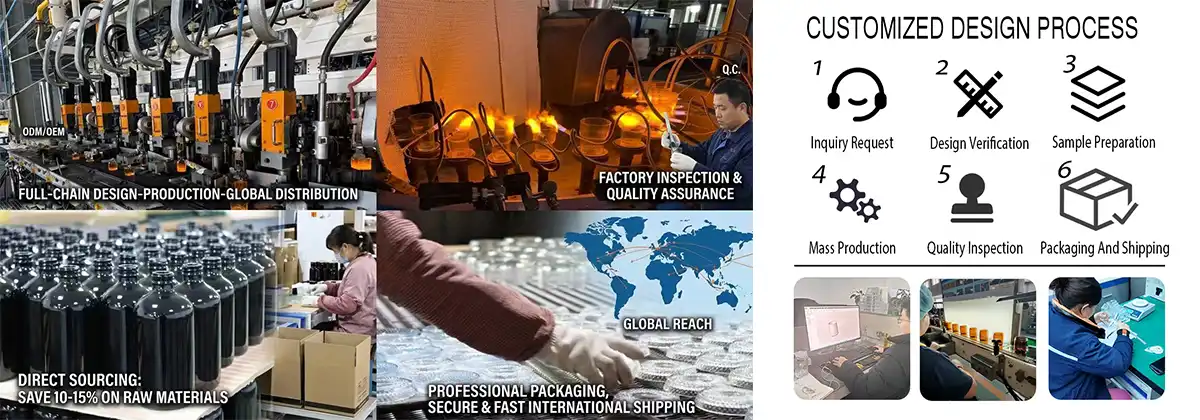
Finding suppliers with a history of both making glass and integrating sustainable packing helps you tell the difference between trusted partners and vendors who don't always do what they say they'll do. Established makers usually have factories that have been making glass for 15 to 20 years and have quality control systems that include polariscopy for annealing quality checks and verticality tests to make sure bottles stay straight on automatic filling lines. As part of an OEM partnership, engineers can help with design consultations, where they suggest changes to the shape of the bottle that will keep the scent better while also lowering the weight of the glass, which lowers both material costs and shipping emissions. ODM services include designing the whole package system, matching the specs for recyclable boxes with the sizes of bottles, and making custom inserts out of molded pulp or recycled cardboard. Buyers should ask for facility audit reports and client references from similar industries to make sure that production is consistent across big orders that take up multiple shipping containers.
Customization Possibilities and Branding Solutions
Standard glass vessels can be turned into unique business assets with a wide range of customization choices. Some ways to treat the surface are hot stamping, which adds metallic highlights that make the item look more expensive, frosting, which gives it a sophisticated matte finish, and inside engraving, which makes patterns that won't wear off. Screen printing puts high-resolution logos and text right on glass, so they can be seen through clear surfaces. You can choose from colours other than clear, like amber, cobalt blue, or custom Pantone matches made possible by tinting the glass. Customised biodegradable packaging includes painted kraft boxes, compostable tissue paper, and labels made with soy-based inks on FSC-certified paper types. Full-service sellers organise these parts so that the glass vessel, pump parts, and outer packing all look the same. When gift companies need to make holiday-themed presents that look good together, or when event planners need to make changes that are special to a wedding quickly, this integration is very helpful.
Supplier Transparency and Reliability Indicators
The transparency of a supplier's activities and client feedback are indicators of trustworthiness. Trustworthy manufacturers provide precise production schedules that involve design approval, mold creation (if the shape is special), production runs, quality checks, and packaging. Buyers can obtain samples within three to five days to check how clear the glass is, how well the pump works, and how long the biodegradable packing lasts before placing large orders. Export qualifications are crucial when buying abroad. Self-operated import-export permits, destination country customs restrictions, and the necessary paperwork (commercial invoices, packing lists, and certificates of origin) can help you avoid costly shipping delays. Customers who receive frequent after-sales help and prompt responses (preferably within 24 hours) indicate that sellers view their connections with purchasers as long-term partnerships. These reliability indicators protect purchases and provide supply chain stability throughout multiple order cycles.
Challenges and Solutions in Procuring Biodegradable Round Perfume Bottles
Verifying Authenticity of Environmental Claims
Greenwashing is a problem that keeps coming up in the purchase of sustainable packaging. Some companies label their goods as "biodegradable" even though they don't meet scientific standards for how quickly they break down or how safe they are for the environment. As a solution, you could ask for specific proof documents instead of believing marketing promises. Before buying biodegradable packaging, make sure that it says exactly what it is made of, like "PLA (polylactic acid) derived from non-GMO corn starch" instead of just "plant-based materials." Testing in a lab shows that the materials break down in controlled conditions that are similar to how they would be thrown away in the real world. Collaboration works well in this case: making connections with sources who are willing to give full material disclosure and third-party testing results builds trust and encourages greater openness across the whole industry. Procurement teams can include terms in contracts that require ongoing certification upkeep. This makes sure that environmental standards are met for repeat orders that span more than one year.
Ensuring Material Compatibility with Fragrance Formulations
Glass bottles are chemically stable, but recyclable packaging raises compatibility difficulties. If stored closed, alcohol-heavy perfumes can bend biodegradable plastics due to vapour pressure. Some essential oils can react with plant-based adhesives in biodegradable labels, making them stick less or alter colour. Request compatibility testing during sample part. Fill bottles with your aroma recipe, seal them with biodegradable packaging, and monitor them for 30–60 days at varied temperatures. Technically knowledgeable vendors might recommend complementary materials. High-clarity soda-lime glass can be used with recyclable film that resists alcohol vapour. This testing method prevents costly product recalls and quality issues after shipment. This keeps the brand's reputation and advances sustainable packaging.
Managing Supply Chain Logistics for Fragile Products
Shipping glass containers requires care, especially if biodegradable padding is used, which may not absorb pressure as well as plastic bubble wrap. Solution: strategic package design that balances safety and sustainability. Moulded pulp bits that fit the round perfume bottle give structural support and are compostable. Transitioning to biodegradable materials may increase loss, thus logistics planning should allow for this. Change the quantity of materials ordered and save money to buy more. Providers with exporting experience will load containers effectively with the right dividers and stacking strategies to avoid stress spots. Choosing the correct form of transportation is crucial. Sea freight is better for biodegradable goods than air cargo holds, which change temperatures quickly. Supplier backup procedures, such as swiftly creating replacement products when boxes break, keep operations operating while companies learn sustainable packaging logistics.
Future Trends in Biodegradable Round Perfume Bottles and Packaging
Emerging Material Innovations
Researchers and packing experts are still working on making biodegradable materials that are better than what we have now. Bioplastics made from algae can break down safely in sea settings, which is a big plus for businesses that cater to people who visit the coast. Mycelium-based cushioning naturally grows into custom shapes that fit the shape of the bottle. It protects well against shock and breaks down completely in a few weeks. The process of making glass is moving toward lower-temperature methods that use less energy, and recovered glass content can reach 80 to 90 percent without losing its power or clarity. For refill programs, some companies are looking into stickers that dissolve in water using water-soluble polymers that disappear when the bottle is washed. These new ideas suggest that in the future, buyers will look for materials that do more than just break down naturally. For example, active packaging with natural antimicrobials that keep fragrances fresh longer while still being safe for the environment during disposal.
Integration of Smart Packaging Technologies
The use of digital technology is a new step in environmentally friendly packing. Near-field communication (NFC) tags built into biodegradable labels let customers check if a product is real, find refill locations or get instructions on how to properly dispose of it by tapping their smartphones on bottles. When made with plant-based inks, QR codes can lead to augmented reality brand experiences or carbon footprint transparency reports that show how certain goods affect the environment. Blockchain-based tracking systems keep track of the whole supply chain, from making glass to finding biodegradable packaging. This gives companies provable sustainable credentials that stop greenwashing. These technologies help importers and distributors set themselves apart in the premium market, where brands stand out from the competition thanks to their transparency. Procurement strategies should keep an eye on these changes and decide when the costs of adopting new technologies drop enough to make integrating them across product lines worth it. This will probably happen in the next two to three years, when component prices drop due to economies of scale.
Circular Economy Applications and Refill Systems
The idea of a circular economy changes perfume packages from one-time-use items to systems that can be used again and again. Refill station networks are popping up in shopping malls and retail chains. These networks let customers return empty fragrance bottles and get refills at a discount, which cuts down on the need to make new packaging. Bottle designs that work best with circular systems have pumps that can be taken off, wider necks that make cleaning easier, and strong construction that can handle many uses. Biodegradable packaging is a bridge between the two, protecting the first purchases while the long-term strategy for the brand shifts toward reuse. Professionals in charge of buying things should talk to sellers about how to make bottles that can be used for both one-time uses and future refill programs. To do this, they should make sure that the investments in tools and production standards are flexible. Businesses can get ahead of changes in the law that might require reuse systems or extended producer responsibility plans by forming partnerships that focus on innovation. These forward-looking methods turn sustainable packaging from a legal requirement into a competitive advantage, bringing customers who care about the environment and making operations more resistant to changes in what the market needs.
Conclusion
In conclusion, finding round perfume bottles with biodegradable packaging means finding a balance between good looks, good functionality, and caring for the environment. When high-quality glass is made with approved biodegradable materials, it gives companies in the home decor, gifts, retail, catering, and distribution sectors a chance to set their products apart while still meeting sustainability standards. Checking certifications, seeing how much customization is possible, and building clear partnerships that support both short-term operational needs and long-term brand evolution are all important parts of successful procurement strategies. As new materials come out and circular economy models get better, companies that use sustainable packing solutions early on will be in a better position to succeed in markets that value environmental responsibility along with product quality.
FAQ
What certifications should biodegradable packaging carry for perfume bottles?
Biodegradable packaging for the US market should have BPI (Biodegradable Products Institute) certification, which shows that the materials can break down in commercial composting facilities that meet ASTM D6400 standards. For European markets, compost must have either TÜV Austria OK approval or EN 13432 compliance. These tests by a third party make sure that packaging breaks down safely and completely within 180 days, without leaving behind any harmful substances. Instead of believing what marketing says, always ask suppliers for proof of certification. Also, make sure that the certifications apply to the packaging materials used for your order and not just goods that the maker has certified before.
How does glass quality affect fragrance preservation in round bottles?
Chemical stability and fragrance longevity are directly affected by the type of glass used. Type III soda-lime glass has better resistance to hydrolysis, which stops moisture exchange that can change smell patterns. The optical clarity that shows off the colour of the smell correctly is ensured by a refractive index greater than 1.51. Stress cracks don't happen during shipping and storage because the material is resistant to thermal shock and can handle changes in temperature up to 42°C. The shape of a round perfume bottle makes these qualities better because the walls are all the same width, so there are no weak spots where chemical reactions could happen. When properly sealed, good glass keeps the scent intact for at least 36 months, protecting your product investment and customer happiness.
Can I order small quantities with custom biodegradable packaging?
Minimum order quantities depend on the supplier and how complicated the customisation is. Established makers usually allow smaller batch runs, starting at 500 to 1000 units, for companies that want to see how the market reacts or serve niche markets like wedding favors or boutique retail. At these levels, you can still customize by screen printing names or choosing from pre-designed biodegradable box styles, but the cost per unit will be higher than for large orders. Sample provisions let you test before committing to large amounts of production. When you ask for quotes, be sure to include how often you plan to place orders and how your business will grow. This is because sellers often set their prices in a way that rewards long-term relationships over one-time purchases.
Partner with Muzhishi for Sustainable Glass Packaging Solutions
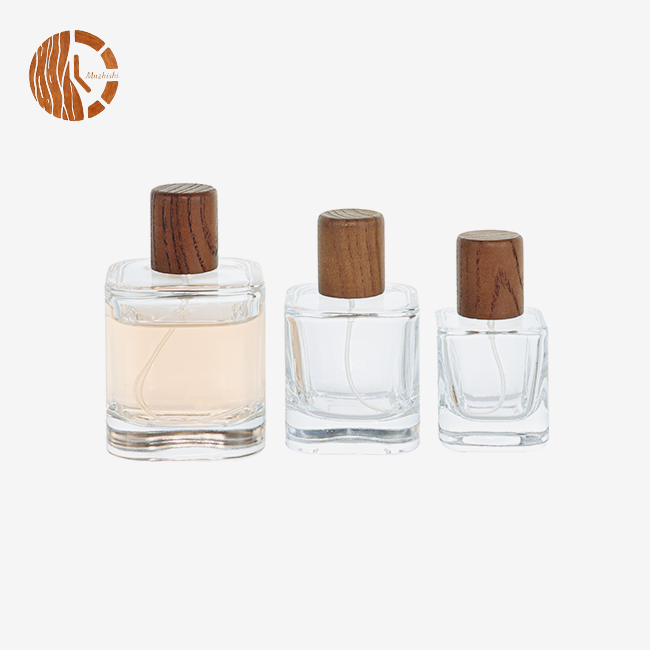
Work with Muzhishi to find eco-friendly ways to package glass items. Xuzhou Muzhishi Crafts Co., Ltd. has been making high-quality glass cases for twenty years, making them great for brands that care about the environment. Our sets of round perfume bottles are made of high-clarity soda-lime glass and come in 30ml, 50ml, and 100ml sizes. They come with biodegradable packaging choices that can be changed to fit your needs and meet international standards for sustainability. We offer full ODM/OEM services, such as hot stamping, frosting, inside engraving, and screen printing. These are provided by dedicated account management, who make sure that your specs are followed correctly from the idea stage to production. Our ability to import and export goods on our own makes customs processing and logistics planning easier. Additionally, our partnerships with local sellers lower material costs without lowering quality. Get free samples from our team within three to five days by emailing long@muzhishi.com. Learn how working with an expert round perfume bottle maker can help you improve your products and meet your environmental goals.
References
1. Anderson, S. (2022). Sustainable Packaging Strategies for the Fragrance Industry: Material Innovations and Consumer Trends. New York: Cosmetics Business Press.
2. Chen, L., & Roberts, M. (2023). "Biodegradable Polymers in Cosmetic Packaging: Performance Evaluation and Environmental Impact Assessment." Journal of Sustainable Packaging Science, 18(4), 412-429.
3. European Bioplastics Association. (2023). Standards and Certifications for Biodegradable Packaging Materials: A Comprehensive Guide for Procurement Professionals. Berlin: EUBP Publications.
4. Martinez, R. (2021). "Glass Container Manufacturing Technologies: Optimizing Material Properties for Fragrance Preservation." International Journal of Glass Science and Engineering, 12(3), 287-304.
5. United States Environmental Protection Agency. (2023). Environmentally Preferable Purchasing Guidelines for Cosmetic and Fragrance Packaging. Washington, DC: EPA Office of Resource Conservation.
6. Wong, K., & Thompson, J. (2022). Circular Economy Models in Beauty and Personal Care: Implementation Strategies for Reusable Packaging Systems. London: Sustainable Commerce Institute.

Our customers’ satisfaction speaks for our quality — contact us to experience the same reliable service.