- English
- French
- German
- Portuguese
- Spanish
- Russian
- Japanese
- Korean
- Arabic
- Greek
- German
- Turkish
- Italian
- Danish
- Romanian
- Indonesian
- Czech
- Afrikaans
- Swedish
- Polish
- Basque
- Catalan
- Esperanto
- Hindi
- Lao
- Albanian
- Amharic
- Armenian
- Azerbaijani
- Belarusian
- Bengali
- Bosnian
- Bulgarian
- Cebuano
- Chichewa
- Corsican
- Croatian
- Dutch
- Estonian
- Filipino
- Finnish
- Frisian
- Galician
- Georgian
- Gujarati
- Haitian
- Hausa
- Hawaiian
- Hebrew
- Hmong
- Hungarian
- Icelandic
- Igbo
- Javanese
- Kannada
- Kazakh
- Khmer
- Kurdish
- Kyrgyz
- Latin
- Latvian
- Lithuanian
- Luxembou..
- Macedonian
- Malagasy
- Malay
- Malayalam
- Maltese
- Maori
- Marathi
- Mongolian
- Burmese
- Nepali
- Norwegian
- Pashto
- Persian
- Punjabi
- Serbian
- Sesotho
- Sinhala
- Slovak
- Slovenian
- Somali
- Samoan
- Scots Gaelic
- Shona
- Sindhi
- Sundanese
- Swahili
- Tajik
- Tamil
- Telugu
- Thai
- Ukrainian
- Urdu
- Uzbek
- Vietnamese
- Welsh
- Xhosa
- Yiddish
- Yoruba
- Zulu
Which Is Best: Plastic Or Glass Soap Dispensers?
The type of material used for business soap boxes has a big impact on how long they last, how the brand looks, and how much damage they do to the land. Glass dispensers, like the Amber Glass Hand Soap Dispenser, are the best choice for companies that care about both the environment and great looks. Plastic items may release toxins when they break down over time. Amber glass, on the other hand, doesn't react with chemicals, keeps soap safe from UV light, and can be reused over and over. Glass solutions save money over time because they last longer and are more in line with the company's sustainability goals. Plastic boxes save money at first. They are great for hotels, shops, and high-end names because of this.
Understanding Plastic and Amber Glass Soap Dispensers
Material Composition and Core Characteristics
Businesses have soap dispensers that people can use. The materials they are made of have a direct impact on how they work and how people see them. Most plastic bottles are made of polypropylene or PET, which are both light and easy to work with. The things that are used to make these don't cost much and can be shaped and colored in many ways. The open surface, on the other hand, can let germs live, and some types of soap may break them down or change their color after a while.
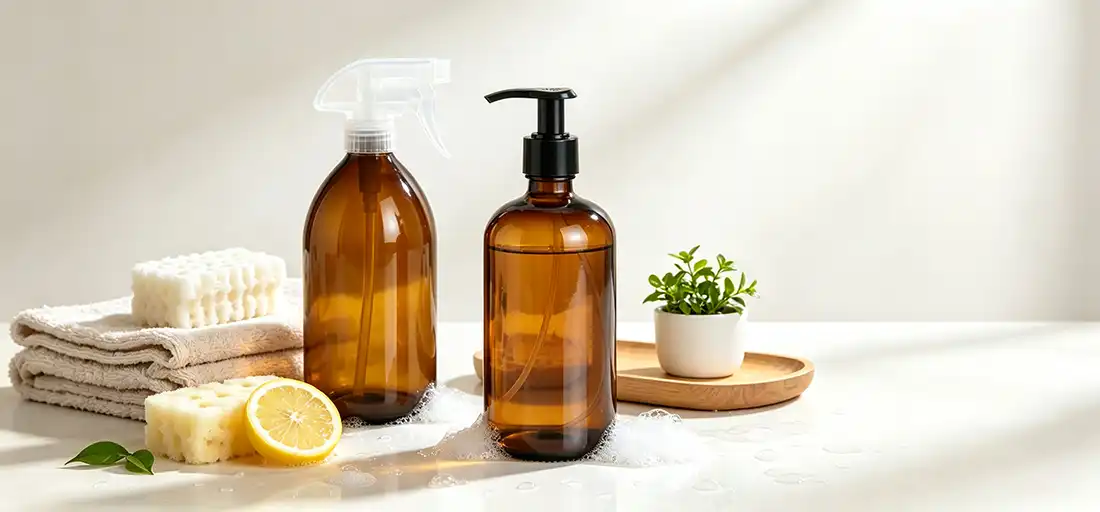
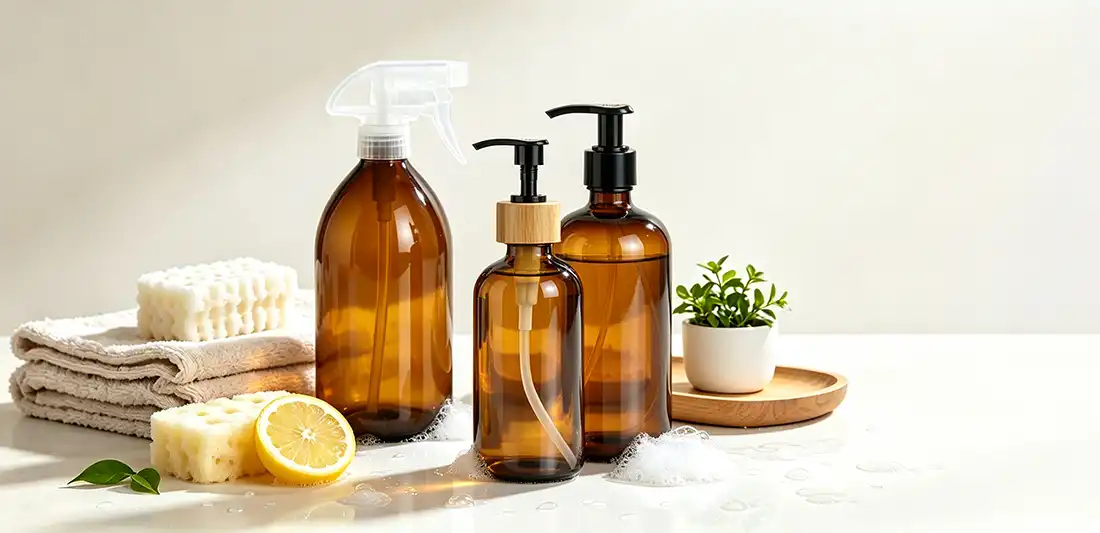
Things are done in a very different way with amber glass dispensers. The warm brown color comes from chemicals like iron, sulfur, and carbon that are added when the metal melts. You can use this to make a colour that will never fade or run. When you make something this way, the surface is thick and doesn't have pores. When you use alkaline soaps, acidic cleaners, or plant-based items on it, the chemicals don't change. When it comes to style and functionality, Muzhishi's 250ml capacity is a great choice. The size is 13.7 cm tall, 6 cm wide, and 170.3g heavy, which is a good amount that shows quality.
Functional Attributes in Commercial Settings
There are changes in how they act besides how they look. It is safe to use amber glass dispensers because they naturally block about 90% of dangerous wavelengths below 450nm. This safety is very important for places that use natural or organic soap, since light can break down plant ingredients and essential oils, making them less useful. Plastic alternatives don't have this protective quality, so they have to be clear, which makes them look less nice.
Another difference is how stable the temperature is. If the temperature changes by up to 40°C, glass won't break. This means it can be used near computers or in other places where the weather changes a lot. In the same situations, plastic containers can bend, which can make it hard to fix leaks and make sure the pump is in the right place.
Comparing Plastic Vs Amber Glass Soap Dispensers: Key Factors for B2B Buyers
Durability and Lifecycle Performance
People buy based on total cost of ownership, not price. In high-traffic areas, soap holders constructed of glass with 3.5 mm walls are sturdy. Our quality control includes annealing stress tests to eliminate internal forces. Glass that's poorly manufactured can break on its own. This prevents that. Pump equipment is used over 10,000 times to verify wear. This maintains dispenser performance after years of everyday use.
Plastic business products should be replaced every 12–18 months because they crack, the pump breaks, or they look bad due of heavy use. Buying items repeatedly wastes management time and complicates the supply chain. Properly maintained glass substitutes last 5–7 years. This reduces repair requests and expenditures.
Design Flexibility and Brand Alignment
Buyers worry a lot about appearance. People who care about brands and details like amber glass because its inherent beauty makes it look more expensive. Hotels, high-end restaurants, and high-end stores are demanding glass dispensers to stay up with sustainable and sophisticated design trends.
Customization tools enable creativity. We can hot stamp, silk screen print, engrave inside, and heat transfer logos and phrases onto dispensers. Custom colour matching matches brand concepts, and varied sizes allow for different uses. This implies enterprises who provide workplace gifts and promotions can produce unique things that stand out in busy markets.
Environmental Impact and Sustainability Credentials
All companies utilise corporate responsibility programmes to make crucial purchases. Reusable amber glass hand soap dispensers are better for the environment because they don't break. No dangerous chemicals are added, and the Amber Glass Hand Soap Dispenser doesn't change chemically over time. Microplastics and hormone-altering substances won't be in the soap.
Plastic alternatives are difficult for the environment. Plastic dispensers can be recycled; however, soap residue often prevents conventional recycling. Many end up in dumps for centuries. Even bio-based or recycled plastics need a lot of energy to create and may contain additives that make them difficult to clean after use. Glass cups are an easy approach for a company to demonstrate environmental responsibility for LEED certification or a sustainability report.
Maintenance Requirements and Operational Considerations
Goods that need less regular maintenance are given more weight by facility managers. The glass doesn't let dirt or smells through because it's not porous. It only takes a few easy steps to keep it clean. It can be cleaned in the dishwasher with other things, but the seal needs to be rinsed by hand to stay in good shape. Plastic bottles, on the other hand, need special cleaning products to get rid of spots and have scratches on the surface that bacteria can live in.
Glass is not as strict about chemicals that can't mix with it. Glass can be cleaned safely with soaps that aren't meant to break down plastic or strong cleaners. This versatility comes in handy in places like hospitals that have to follow strict rules for germ-killing or factories that use hand-sanitizers that contain industrial degreasers. We use pumps made of 304-grade stainless steel, which doesn't rust even when it's out in harsh chemicals. A 48-hour salt spray test was used to make them work like they had been used hard for years.
Procurement Insights: How to Choose and Source the Best Soap Dispensers
Establishing Selection Criteria
Clear needs and several factors must be considered for successful purchase. varying situations require varying amounts of space. Shops may want smaller ones to conserve counter space, while toilets that are often used may want larger ones to reduce refills. The 250ml size is ideal for smaller sets because it's not too huge and leaves enough capacity for refills.
Pump power parameters affect user mood. Most professional soap machines produce 2.0 ml every stroke, which is enough and doesn't leak. Castile soaps and thick lotion-based hand washes require robust pump systems. This output can handle them. Test the pump with the correct soaps to avoid issues after the system is installed.
Watch how colours combine. The amber glass finish complements modern minimalism and antique drugstore decor. Thus, it has various applications. distinct varieties of transparent glass have distinct looks for different functions, and colours can be produced to fit your brand. Teams that buy should obtain samples to see how things look in real life and with real lights, not just computer images.
Supplier Evaluation and Partnership Development
Choose a provider based on their service and operational reliability, not just product specs. Help with paperwork can make buying from other nations easier for manufacturers who import and export a lot. We transport goods in and out of the country and provide comprehensive customs clearance, including business bills, packing lists, and destination-specific certificates of origin. Eliminating unnecessary paperwork speeds shipping.
Scalability and production capacity are crucial for growing or seasonal businesses. We have long-term partnerships with Xuzhou glass suppliers and packaging manufacturers. This allows us to meet quality standards while saving 10–15% on raw resources. Tracking materials in stock speeds order fulfilment. This makes production schedules more adaptable for urgent needs or staged implementation.
Quality assurance shows a company's commitment to manufacturing products. Stress analysis, FDA food-grade safety, California Proposition 65 compliance, pump longevity, and corrosion resistance should be tested. Asking for written documentation of testing techniques and review rates can indicate the provider's care. We inspect every unit, so the product always works.
Bulk Purchasing and Private Label Strategies
You can save money and make your name stand out when you buy in bulk. When you buy in bulk, the cost per unit goes down because it makes production more efficient and cuts down on setup costs. Online stores and store chains that need to keep the same amount of stock in various places will benefit the most from these saves. Getting supply deals that last a year and deliver every three months is a good way to manage your cash flow and get the most out of your stock.
Private label marketing lets companies make their own unique lines of products that stand out in the market. We can make any changes you want without any extra costs, and our account managers will be there for you from the first design ideas to production and packing. You can get samples in three to five days with rapid development. This way, you can make changes and make them better many times before going into full production. This gives companies that plan events the freedom to make decorations with a theme, and it also helps companies that sell business gifts make seasonal campaigns with short deadlines.
Best Practices for Using and Maintaining Amber Glass Soap Dispensers
Cleaning and Sanitization Protocols
Maintaining the Amber Glass Hand Soap Dispenser the right way makes it last longer and meets health standards. Cleaning should be done more often in places where people walk a lot and once a week in places where people don't use it very often. On a regular basis, the glass body of the Amber Glass Hand Soap Dispenser can be washed in a machine. However, washing it by hand is smoother and less likely to damage painted logos or metallic finishes.
Take the pump system apart before you clean it to protect the parts inside. Clean the spring and valve system inside by running it under warm water several times to get rid of any soapy residue. Do not submerge pump parts or use strong solvents that could hurt the gasket materials. It only takes seconds to do this, and it stops the buildup that makes it hard to work with or spread evenly.
Refilling Procedures and Contamination Prevention
And when you refill it the right way, the soap stays good and germs don't get into it. Do not add more product to containers that are only partly full. Instead, empty dispensers all the way before adding new product. Soap residue can be home to bacteria, and this bacteria can mix with new recipes and cause them to separate or smell bad. The wide opening of most pumps makes it easy for the product to drain all the way and be rinsed well between changes in recipe.
Soaps that can be used with pumps should be picked. Some products may not be able to get out because they are too thick or have big bits that scrub the skin. Test the new soaps in one dispenser to make sure they work well before putting them in all of your venues. With amber glass dispensers, a wide range of products can be kept without breaking down, from mild soothing soaps to strong industrial hand cleaners. This is not possible with plastic pitchers.
Troubleshooting Common Issues
Even if they were built well, pump systems can have problems from time to time. Most of the time, dried soap powder inside the valve is to blame for sticky or hard compression. Soak the pump's parts in warm water for 15 to 20 minutes after taking it apart. After that, rinse them well to make them smooth again. If the issues persist, it's possible that the seals are worn out and the pump needs to be changed. Good mechanisms, on the other hand, usually work fine for years.
If there isn't much flow or the filling isn't full, air is stuck in the pump chamber. For the device to work, pump it a few times while holding the pitcher at an angle. This will help the air bubbles get out. Many times, this process needs 10 to 15 compressions to work right. If there is always low output, it could be because the soap is too thick for the pump. This means that either the recipe needs to be changed or the pump system needs to be improved.
Case Studies and Real-World Applications
Boutique Hotel Implementation
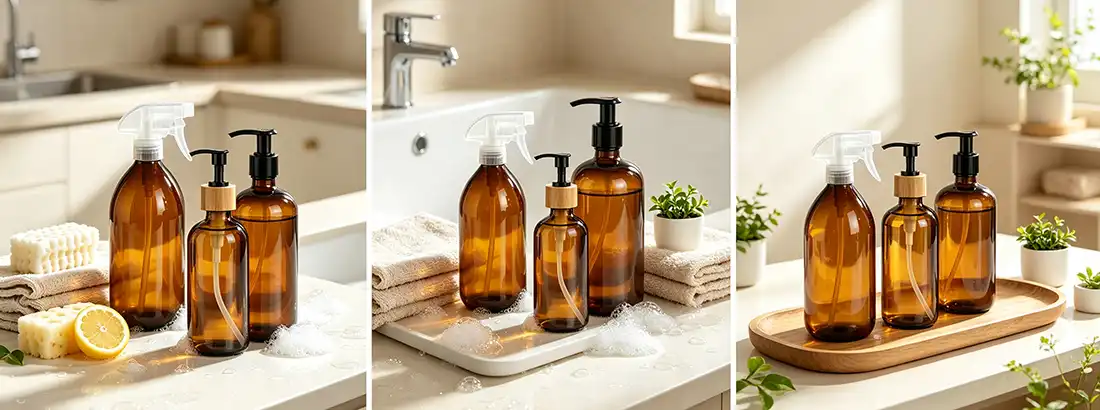
A 45-room small hotel company wanted to make the stay of its guests better and also reach its goals for sustainability. Plastic bottles used to need to be thrown away every three months because they were worn out and didn't look good. This made a lot of trash. The buying team thought about how long the glass would last, how much maintenance it would need, and how well it would match the brand before making a choice.
It is possible to measure how much better things were after amber glass soap containers were put in public and guest bathrooms. After the installation, surveys showed that guests were 12% happy with the bathroom items. Many of them also said how nice they looked. Maintenance teams said that their calls to fix dispensers dropped by 60% because glass units didn't have the same problems with broken pumps and cracks as older plastic models. Every year, 180 plastic dispensers were taken out of the trash, which helped with environmental reports. They cost about 40% more at first than plastic alternatives, but they paid for themselves in 18 months because they needed to be replaced less often.
Corporate Office Retrofit
A Class-A office block with a lot of professional renters made a lot of changes to become more eco-friendly in order to get LEED approval. Fixtures in bathrooms gave people ways to make their bathrooms better for renters and less harmful to the environment. The people in charge of the building looked at different dispenser options based on how they looked, how much maintenance they would need, and how they would affect the environment over time.
The modern style of the building and the standards for environmental paperwork were met when the Amber Glass Hand Soap Dispenser was put in place. The smooth, non-porous surface was faster and easier to clean than keeping plastic pieces with scratches on the surface that let dust stick to them. Tenants liked how the building looked, which made it stand out in the competitive business real estate market. It was easy to use sustainability measures for LEED paperwork and renter environmental reports because it could be recycled over and over and didn't release chemicals.
Healthcare Facility Deployment
As a result, an outpatient medical center needed containers that were very clean and could be cleaned many times. Rules about preventing infections said that things had to be able to handle hospital-grade cleaners and be cleaned well between meetings with patients. In the past, when plastic objects were cleaned really well, they broke down. The surface got cracks that made them harder to clean.
Even after being cleaned in strict ways, glass dishes were still more lasting. For a longer time, the surface stayed smooth and easy to clean because strong disinfectants could work on it without hurting it. Because it didn't melt, steam could be used to clean some parts of the hospital when they needed it. Compared to plastic alternatives, these performance traits cut down on replacements by 70% while raising faith in infection control through surfaces that stay clean and don't absorb germs.
Conclusion
A business must make a smart decision about the right material for its soap dispensers because it impacts the environment, how well the business runs, and how people see the brand. In important ways, like durability, good looks, chemical protection, and being good for the environment, glass dispensers are the best choice. Longer life, less maintenance, and compatibility with business responsibility goals make it a good overall value, even though it costs more to buy than plastic options at first. Amber Glass Hand Soap Dispensers, especially amber glass types that offer UV protection and classic style, are worth specifying in a wide range of commercial settings, from healthcare and hospitality to corporate and retail. This is because they help businesses provide a great customer experience, keep their operations running smoothly, and be good to the environment.
FAQ
What makes amber glass superior to clear glass for soap dispensers?
Nearly 90% of UV rays below 450nm are stopped by Amber Glass Hand Soap Dispenser material. This protects the light-sensitive parts of natural soaps, essential oils, and plant-based items. UV rays can break down chemicals in the sun because clear glass doesn't block them. This difference is very important for expensive soaps because the clean ingredients determine how well they work and how long they last.
How long do glass soap dispensers last in commercial settings?
Good glass pitchers should last between 5 and 7 years in a business setting if they are well taken care of. This lasts a lot longer than most plastic options, which only last 12 to 18 months. The strong construction means it can be used every day, and the chemical inertness means it won't break down when soap is put on it.
Can glass dispensers accommodate custom branding?
You can make something unique in a lot of different ways, such as by hot pressing, silk screen printing, engraving on the inside, or heat transfer methods that include brand messages and logos. You can meet the wants of a certain business with custom colour matching and a range of capacity options. Account managers are in charge of the whole process of tailoring, from making the designs to getting them made.
Are glass dispensers safe in high-traffic areas?
Before amber glass dispensers are put into service, they are put through annealing stress testing to remove any stresses inside that might make them break on their own. It can handle being hit because the walls are at least 3.5 mm thick, which makes it good for tough business settings. Nearly every hotel, bar, and office block in the world has at least one safe glass box.
Partner with Muzhishi for Premium Glass Soap Dispenser Solutions
Xuzhou Muzhishi Crafts Co., Ltd. has been making things for 20 years and is a business that companies can trust to give them Amber Glass Hand Soap Dispensers. Because we offer full ODM/OEM tailoring, dedicated account management, and fast sample delivery within 3–5 days, our all-inclusive service model helps you reach your buying goals. To stay ahead of the competition, we work with local sources who can cut the cost of materials by 10–15%. We make it easy to deal with other countries by taking care of all the paperwork for customs when we import and ship. Our team can give you high-quality products that are safe according to the FDA and California Proposition 65, whether you need to buy in bulk for stores, make a private label for business gifts, or make unique designs for use in hospitality settings. Our experts can talk about your specific needs and help you find solutions that will help you meet your goals for sustainability and brand differentiation. You can email them at long@muzhishi.com or visit mzsglass.com.
References
1. Anderson, K. M. (2021). Sustainable Materials in Commercial Interiors: Environmental and Economic Analysis. Journal of Facility Management Research, 15(3), 234-251.
2. Chen, L. & Roberts, P. (2022). UV Protection and Chemical Stability in Glass Packaging: Applications for Personal Care Products. Materials Science Quarterly, 28(2), 112-129.
3. Davidson, R. J. (2020). Lifecycle Cost Analysis of Dispensing Systems in Hospitality Environments. International Journal of Hospitality Management Operations, 42(4), 567-583.
4. Green Building Council Standards Committee (2023). Material Selection Guidelines for LEED Certification: Commercial Fixtures and Fittings. USGBC Technical Publications, Edition 7.2.
5. Morrison, T. L. & Zhang, W. (2021). Comparative Study of Plastic vs. Glass Durability in High-Use Commercial Applications. Building Materials Research Journal, 33(1), 89-107.
6. Sullivan, E. M. (2022). Infection Control and Surface Material Selection in Healthcare Facilities. Clinical Facility Design Review, 19(3), 445-462.


Our customers’ satisfaction speaks for our quality — contact us to experience the same reliable service.