- English
- French
- German
- Portuguese
- Spanish
- Russian
- Japanese
- Korean
- Arabic
- Greek
- German
- Turkish
- Italian
- Danish
- Romanian
- Indonesian
- Czech
- Afrikaans
- Swedish
- Polish
- Basque
- Catalan
- Esperanto
- Hindi
- Lao
- Albanian
- Amharic
- Armenian
- Azerbaijani
- Belarusian
- Bengali
- Bosnian
- Bulgarian
- Cebuano
- Chichewa
- Corsican
- Croatian
- Dutch
- Estonian
- Filipino
- Finnish
- Frisian
- Galician
- Georgian
- Gujarati
- Haitian
- Hausa
- Hawaiian
- Hebrew
- Hmong
- Hungarian
- Icelandic
- Igbo
- Javanese
- Kannada
- Kazakh
- Khmer
- Kurdish
- Kyrgyz
- Latin
- Latvian
- Lithuanian
- Luxembou..
- Macedonian
- Malagasy
- Malay
- Malayalam
- Maltese
- Maori
- Marathi
- Mongolian
- Burmese
- Nepali
- Norwegian
- Pashto
- Persian
- Punjabi
- Serbian
- Sesotho
- Sinhala
- Slovak
- Slovenian
- Somali
- Samoan
- Scots Gaelic
- Shona
- Sindhi
- Sundanese
- Swahili
- Tajik
- Tamil
- Telugu
- Thai
- Ukrainian
- Urdu
- Uzbek
- Vietnamese
- Welsh
- Xhosa
- Yiddish
- Yoruba
- Zulu
Wholesale Clear Glass Cream Jars: What Cosmetic Brands Should Know
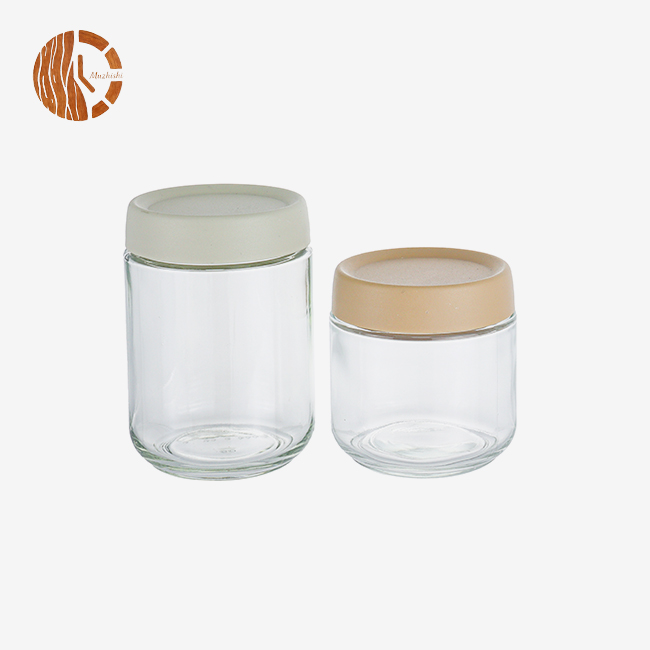
If you source packaging for skincare or cosmetic products, understanding the role of clear glass cream jars with lids in your supply chain can directly affect product quality, brand perception, and long-term profitability. Glass jars have become the preferred vessel for premium face creams, eye treatments, and essential oil-based formulas across the U.S. market. This guide covers everything procurement teams, brand managers, and importers need to know—from material properties and sourcing strategy to customization options and common packaging pitfalls. send inquiry

Understanding Clear Glass Cream Jars with Lids: Key Attributes and Benefits
Why Glass Outperforms Plastic for Cosmetic Packaging?
Chemically, glass is inert, which means it doesn't react with things like retinol, vitamin C, or essential oils. A report from 2021 by Euromonitor International confirmed that high-end skin care brands are choosing glass over plastic more and more because they are worried about the stability of the ingredients. Glass doesn't leak chemicals into recipes like plastic does. This keeps products working well and protects consumers' health.
Transparency Builds Consumer Trust
A glass cream jar's surface is very clear, so customers can see the color, texture, and consistency of the cream before they buy it. This level of exposure acts as a quiet quality signal on store shelves. Nielsen's research from 2019 found that for U.S. skincare buyers, especially those who like natural and organic products, clear packaging is one of the top three reasons they buy.
Sustainability and Market Alignment
The Glass Packaging Institute says that glass can be recycled over and over again without losing any of its quality. As U.S. customers continue to value environmentally friendly goods, companies that use reusable glass jars are meeting a known market need. This positioning helps with both short-term and long-term company trust.
How to Choose Wholesale Clear Glass Cream Jars: A Decision-Support Framework?
Matching Jar Size to Formulation Type
Most of the time, 30ml and 50ml are bought in bulk. This is a quick list of popular use cases:
| Capacity | Common Application | Typical User |
|---|---|---|
| 30ml | Eye cream, spot treatments | Luxury & clinical brands |
| 50ml | Face moisturizers, balms | Mass-market & premium brands |
The 30ml jar is good for exact, high-value recipes where controlling the amount used is important. For daily lotions and body creams that need to be applied in bigger amounts, the 50ml jar is a good size.
Evaluating Lid and Sealing Performance
Shelf life is directly linked to how well the lid fits. The most reliable way to keep air out is to use screw caps with PE gaskets or induction liners. When looking at different providers, make sure to ask for torque measurement data and make sure that the lids meet USP <660> closure standards. When the lid doesn't work right, the product oxidizes. This is especially true for solutions without preservatives, which are becoming more popular in the U.S. natural beauty market.
Customization and Branding Capabilities
Different sellers of glass jars for face cream offer a wide range of private labeling and surface decoration choices. Before signing a wholesale agreement, make sure the following things can be done:
- Hot stamping for metallic logo application on glass or cap surfaces
- Silk screen printing for direct, durable label printing onto the jar body
- Inside engraving for subtle luxury branding
- Custom cap colors to coordinate with brand color systems
- OEM packaging boxes for complete shelf-ready presentation
With these choices, brands can make their goods stand out without having to spend a lot of money on developing their own molds early in the production process.
Wholesale Market Insights: Trends and Sourcing Strategies for Glass Cream Jars
Current Trends Shaping Demand
According to Grand View Research (2023), the global market for cosmetic glass packaging was worth about USD 8.9 billion in 2022 and is expected to keep growing until 2028. This is because people want high-quality and environmentally-friendly packaging. Companies in the United States are turning away from single-use plastics because of rules and because people want them to. The most popular colors for glass are still amber and clear, but customized styles are becoming more popular in the high-end market.
Regional Sourcing Considerations
China's manufacturing hubs, especially those in Jiangsu province, are reliable places to get high-quality glass cosmetic jars at low wholesale prices. Many suppliers in this area offer full OEM/ODM services, which speeds up the time it takes for new products to go from concept to production. When looking at international suppliers, make sure they have self-operated export rights and see if they handle customs paperwork in-house. This will make logistics much easier.
| Sourcing Factor | What to Check |
|---|---|
| Production Capacity | Can supplier handle volume spikes? |
| Lead Time | Standard vs. custom orders |
| OEM/ODM Support | Full-service or design-only? |
| Logistics | Self-operated export rights? |
| Sample Availability | Turnaround under 5 days? |
When suppliers keep raw materials in stock locally, which also cuts down on delivery times, bulk orders can get discounts of 10–15%.
Addressing Common Challenges with Glass Cream Jars in Cosmetic Packaging
Managing Fragility in Transit
The most common worry among buying teams is thatclear glass cream jars with lids will break during shipping. The answer is not to skimp on materials, but on how the packages are designed. Standard sea freight routes can have breakage rates drop to less than 0.5% with custom-fit foam inserts, corrugated cell dividers, and proven box compression ratings. Before you approve a packaging specification, ask suppliers to show you data from drop and vibration tests.
Maintaining Cleanliness and Contamination Standards
Before they can be filled with cosmetics, glass jars that are meant for cosmetics must meet strict cleanliness standards. An heating test should be done on the jars using a polariscope to make sure that the structure inside is stress-free. Microbes can't stick to the non-porous glass surface as well as they can to plastic. This makes it a better choice for natural and preservative-free products where contamination risk is high.
Clarifying the Glass vs. Plastic ROI Debate
Many people think that glass packaging always costs more in the long run. Even though glass costs more per unit than plastic, the total cost of ownership often works out better for glass when you consider the lower need for preservatives, the lower rate of returns due to product degradation, and the higher price customers pay for goods packaged in glass. The 2022 U.S. Beauty Packaging Report from Mintel found that products in glass cases sold for 18–25% more than similar products in plastic packaging.
How Cosmetic Brands Can Use Wholesale Glass Jars to Strengthen Their Product Lines?
Building Brand Identity Through Custom Packaging
People think about a product before they even open the lid because of unique jar designs and high-quality surface finishes. Muzhishi's glass cream cases can be hot stamped, engraved on the inside, screen printed, and come in any color that the brand wants. This lets them make a line of products that look good together without having to buy a lot of custom molds at once.
Incorporating Glass Into Green Packaging Strategy
More and more, people check the materials used in packing before buying something. In the natural and organic groups, people are more attached to brands that make it clear that they use recyclable glass products. Glass jars work well in refillable packing models as well. This is a new trend in the U.S. upscale market that saves money on packaging costs over time.
Partnering With a Capable Supplier for Scalable Growth
Time-to-market is cut down by a large amount when you buy from a supplier that has confirmed OEM/ODM capabilities, in-house export documentation, and quick sample turnaround. Muzhishi provides free samples within 3–5 days, specialized one-on-one account managers, and after-sales response times of less than 24 hours. These features help brands at any growth stage quickly go from idea to shelf-ready product.
Conclusion
For beauty brands that care about maintaining the purity of their ingredients, making their products look good, and being environmentally friendly, clear glass cream jars with lids are still the best way to package them. When looking for a bulk provider, it's important to think about things like material standards, sealing performance, the level of customization, and the dependability of the processes. When brands spend time evaluating suppliers during the buying stage, they avoid costly problems with the products later on. Whether you are expanding a current line or releasing a new product, glass packaging protects your products and adds value to your brand in a way that plastic can't.
FAQ
Can these glass jars handle hot-filling processes?
Yes. Cream jars made of standard clear glass can be filled with hot liquids up to 70°C to 80°C. Thermal shock can be avoided by warming the jar up first. Before making a hot-fill order, you should always check with your provider to make sure the thermal shock resistance numbers are correct.
Do the lids maintain seal integrity during international shipping?
Lid security relies on how much force is applied during capping and choosing the liner. The safest choices are PE gaskets and induction seals. Ask your provider for information on lid torque specs and ASTM D3078 vacuum leak test results to make sure the seal works well when there are differences in transit pressures.
Does clear glass protect light-sensitive formulations?
Clear glass doesn't block UV light very well. For ingredients that break down easily in light, like retinol or vitamin C, you might want to use extra packaging like opaque outer boxes or ask for amber glass instead. Along with clear glass, Muzhishi also has amber glass choices.
What is the lead time for custom-decorated jars?
It usually takes 25 to 30 days to make a custom mold for an embossed lid. Adding decoration to the outside of standard jar shapes (like screen printing or hot stamping) usually takes an extra 5–10 days of production time. Within 3–5 days, you can get free samples to look over the specifications.
Partner With Muzhishi for Wholesale Glass Cream Jar Solutions
Muzhishi brings 20 years of experience making glass to every job. As a reliable company that makes clear glass cream jars with lids, we offer 30ml and 50ml sizes and offer full OEM/ODM customization, such as hot stamping, screen printing, and labeled packing boxes. Our export rights that you can manage yourself and our in-house paperwork team keep your supply chain going. Get your free samples right now. Please go to mzsglass.com or email us at long@muzhishi.com.

References
1. Euromonitor International. Beauty Packaging Trends: Sustainability and Material Innovation. 2021.
2. Grand View Research. Cosmetic Glass Packaging Market Size, Share & Trends Analysis Report. 2023.
3. Glass Packaging Institute. Glass Recycling Facts and Industry Data. 2022.
4. Mintel Group Ltd. U.S. Beauty Packaging Consumer Report. 2022.
5. Nielsen. The Sustainability Imperative: New Insights on Consumer Expectations. 2019.
6. United States Pharmacopeia. USP General Chapter <660>: Containers—Glass. 2021.

Our customers’ satisfaction speaks for our quality — contact us to experience the same reliable service.