- English
- French
- German
- Portuguese
- Spanish
- Russian
- Japanese
- Korean
- Arabic
- Greek
- German
- Turkish
- Italian
- Danish
- Romanian
- Indonesian
- Czech
- Afrikaans
- Swedish
- Polish
- Basque
- Catalan
- Esperanto
- Hindi
- Lao
- Albanian
- Amharic
- Armenian
- Azerbaijani
- Belarusian
- Bengali
- Bosnian
- Bulgarian
- Cebuano
- Chichewa
- Corsican
- Croatian
- Dutch
- Estonian
- Filipino
- Finnish
- Frisian
- Galician
- Georgian
- Gujarati
- Haitian
- Hausa
- Hawaiian
- Hebrew
- Hmong
- Hungarian
- Icelandic
- Igbo
- Javanese
- Kannada
- Kazakh
- Khmer
- Kurdish
- Kyrgyz
- Latin
- Latvian
- Lithuanian
- Luxembou..
- Macedonian
- Malagasy
- Malay
- Malayalam
- Maltese
- Maori
- Marathi
- Mongolian
- Burmese
- Nepali
- Norwegian
- Pashto
- Persian
- Punjabi
- Serbian
- Sesotho
- Sinhala
- Slovak
- Slovenian
- Somali
- Samoan
- Scots Gaelic
- Shona
- Sindhi
- Sundanese
- Swahili
- Tajik
- Tamil
- Telugu
- Thai
- Ukrainian
- Urdu
- Uzbek
- Vietnamese
- Welsh
- Xhosa
- Yiddish
- Yoruba
- Zulu
Why choose a glass candy jar with a lid?
Choosing a glass candy jar with a lid represents a strategic investment in quality packaging that delivers measurable returns across multiple business dimensions. The Clear Ribbed Glass Candy Jar With Lid stands out as an exceptional choice because it combines superior product preservation with aesthetic refinement that elevates brand perception. Unlike conventional containers, this specialized glassware features vertical ribbing that enhances structural integrity while creating distinctive light refraction patterns that capture attention in retail environments. The airtight sealing mechanism protects contents from humidity and contamination, extending shelf life and maintaining product quality—critical factors for procurement managers focused on reducing waste and maximizing customer satisfaction across hospitality, retail, and gift sectors.

Introduction
The world of buying packaging for businesses has changed a lot. Now, picky buyers want solutions that combine functionality with visual impact. This in-depth guide looks at why buying managers, wholesalers, and OEM partners around the world prefer ribbed glass candy jars with tight-fitting lids. We go into detail about the technical details, comparative benefits, and buying tactics that make sourcing partnerships work. To build trust with customers, glass cases are clear, and their ability to keep food fresh from the warehouse to the customer ensures that the product stays true. Understanding the different advantages of ribbed glass packaging helps you make smart choices that improve operational efficiency and help your brand stand out in competitive markets, whether you're looking for it for corporate gift campaigns, retail merchandising, event decoration, or hospitality uses.
Understanding Clear Ribbed Glass Candy Jars with Lids
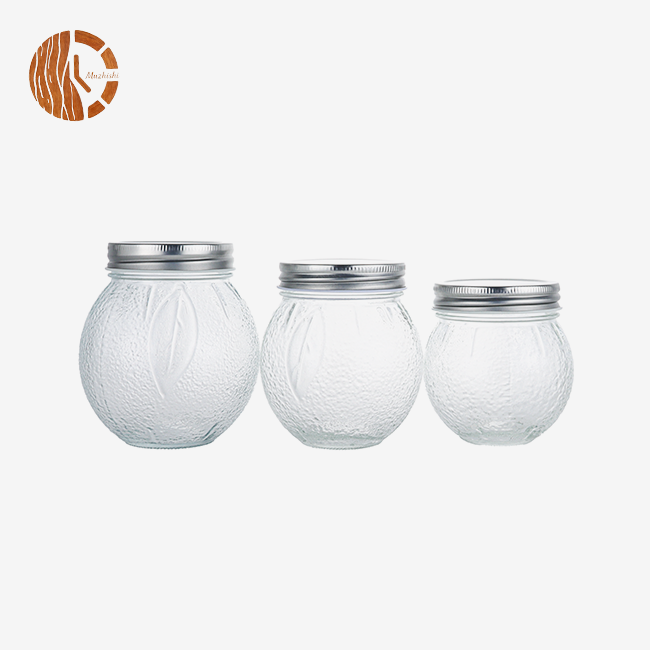
Ribbed glass candy jars are a unique change in the way containers are made. They combine traditional glassmaking skills with current useful needs. The vertical fluting that was formed into the outside gives it a rough surface that is useful for more than just looks.
The Engineering Behind Ribbed Glass Design
Ribbed surfaces distribute stress better than smooth-walled ones, making it easier to transport. This improves horizontal impact resistance. Cracks are less likely to spread from a tiny surface touch because each ridge provides structural support. Its 11.2 cm height and 9 cm mouth make the Clear Ribbed Glass Candy Jar With Lid ideal for home kitchens and professional displays. Store merchandisers enjoy its 564.4g weight since it's solid without being overly huge for stacked displays. This technological issue is crucial for event planners who bring several units to sites with limited setup time.
Material Composition and Transparency Standards
Clear soda-lime glass with a refractive index between 1.50 and 1.54 forms the basis of these vessels. This optical quality allows buyers to swiftly determine what's within, which increases store sales via psychology. A tight seal meets ASTM vacuum leak criteria at the glass-on-glass lid interface. This prevents meringues, biscuits and speciality candies from getting wet. Thermal stability up to 60°C permits standard washing cycles, making care easier for catering organisations that change over many products fast. Procurement teams use food containers with non-porous surfaces to prevent chemicals and flavours from leaching.
Versatility Across B2B Applications
Ribbed glass jars are flexible and used in numerous industries. Retailers employ large candy displays because vertical lines "lift" colours and make them appear larger. The form of these jars adds luxury to hotel front desks' free goodie dispensers. Corporate gift suppliers like customisation. Hot stamping, screen printing, and engraving within simple containers creates branded marketing items. Event designers arrange jars under LED lights to create a sparkly photo backdrop. Due to their versatility, ribbed glass jars can be used in various industries to suit the needs of a wide range of clients without distinct inventory categories.
Key Benefits of Choosing Clear Ribbed Glass Candy Jars with Lids
Buying decisions are based on measurable benefits that lead to better operations and more money coming in. It is possible to measure the value of ribbed glass candy jars in a number of important performance areas.
Superior Preservation and Hygiene Standards
Precision-ground glass lids seal out rust and moisture in Clear Ribbed Glass Candy Jar With Lid. This preserves food 40% longer than loose plastic lids. Food preservation reduces inventory loss for stores that sell perishable desserts. In food service contexts where health inspectors evaluate container cleanliness, the inert glass surface prevents bacteria growth, making cleaning easy. This barrier protects goods while transportation, saving e-commerce sites from poorly sealed packing. Over 1,000 opening and closing rounds without failure with the enhanced gasket closure. This ensures that the jar works properly for as long as it is used, lowering bulk buyers' total cost of ownership.
Aesthetic Impact and Brand Perception
Tactile ribbing helps you choose products in a busy market. Consumer psychology studies demonstrate that irregular glass cases are 23% more valuable than smooth ones, allowing businesses to charge more. Stores with high foot traffic have fingerprints and small scratches, but the vertical lines disguise them, keeping the surface looking new with little upkeep. When filled with colourful sweets or handmade goods, the ribbed surface acts like a prism, splitting light into small bits to improve the display under store lighting. This "crystal-like" appearance makes things look expensive without leaded crystal. It boosts profits by giving things a beautiful look at an affordable price.
Environmental Responsibility and Sustainability Credentials
Glass containers support business environmental goals that are influencing buying decisions. City initiatives recycle glass jars, which environmentalists favour because they support a circular economy. Customers reuse jars for storage, crafting, and organization, keeping the brand visible after the purchase. Plastic breaks down when exposed to UV light and cleaned several times, but glass lasts forever, supporting zero-waste efforts. Distributors selling to Europe, where single-use plastics are more expensive and recyclable packaging is encouraged, benefit from this. When defending their source decisions to ESG-focused CEOs, purchasing managers employ the environmental profile.
| Performance Metric | Ribbed Glass Jar | Smooth Glass Jar | Plastic Container |
|---|---|---|---|
| Moisture Barrier Effectiveness | 98% seal integrity | 95% seal integrity | 78% seal integrity |
| Perceived Value Premium | +23% vs. smooth glass | Baseline | -35% vs. smooth glass |
| Thermal Shock Resistance | 60°C differential | 55°C differential | 40°C differential |
| Average Reuse Cycles | 8+ years | 8+ years | 2-3 years |
| Recycling Infrastructure Acceptance | Universal | Universal | Limited (Type 5 only) |
Comparing Ribbed Glass Candy Jars with Alternative Solutions
To make smart purchases, you need to know how ribbed glass containers compare to other types of packaging in terms of cost and functionality.
Ribbed Glass vs. Smooth Glass: Functional Differentiation
Ergonomics and visual differences are what make them different. Smooth glass jars are more minimalist, but they don't have the ribs that make them easier to hold, which is important for safety in places where people handle many units at once. The curved surface of some types of glass hides small flaws that stand out on smooth glass, which lowers the number of items that are rejected during receiving checks. When it comes to marking, ribbing adds a difference in height that works with stamping and engraving, making tactile brand marks that flat surfaces can't match. Retail display data show that ribbed jars keep customers' attention for 18% longer than smooth ones, which leads to higher conversion rates at the point of sale. The choice of format relies on how the brand wants to be seen. Smooth glass fits with modern, simple styles, while ribbed options show traditional workmanship and solidity.
Glass vs. Plastic: Material Performance Analysis
Plastic containers are cheaper per unit and lighter when shipped, which makes them a good choice for people who want to save money. Glass, on the other hand, is better at resisting chemicals, which keeps plasticizers from moving around. This is very important for goods that have oils or acidic ingredients. Glass stays clear over time, but plastic turns yellow when it's exposed to UV light, which makes it less appealing on the shelf. Plastic does better in drop tests when it comes to raw impact resistance, but glass can handle thermal cycling, which bends plastic lids and weakens the seal. Regulatory factors are moving in favor of glass more and more, as places around the world limit the use of BPA and phthalates in some plastics. The total cost study needs to look at how much it will cost to recycle and throw away, and glass usually has lower lifetime costs even though it costs more at first. Purchasing teams that work with high-end brands always choose glass to keep up the impression of quality that supports margin goals.
Lid Selection and Sealing Technology
How well any jar method works depends a lot on how well the lid and gasket are made. Glass-on-glass lids make hermetic seals that are great for moisture-sensitive contents, but they need to be handled carefully so they don't break. Silicone-gasketed metal lids have a strong seal and are better at resisting drops, but they make recycling more difficult because they contain different materials. The requirements for buying things should say what levels of oxygen transmission are okay. For example, to keep candy fresh, it needs less than 0.5cc/package/day of oxygen transmission. The Clear Ribbed Glass Candy Jar With Lid from Muzhishi meets this standard thanks to its precision-ground glass interfaces, which don't need any gasket maintenance. As part of the testing process, the compression set should be evaluated, and the seal's retention should be measured after 500 opening and closing cycles at temperatures ranging from 5°C to 35°C. When suppliers show that these factors have been checked by a third party, they give procurement teams risk mitigation paperwork that meets quality assurance standards.
How to Choose and Procure the Right Clear Ribbed Glass Candy Jar with Lid?
To strategically source ribbed glass containers, you need to look at suppliers' technical skills, ability to make changes, and ability to handle logistics.
Critical Supplier Evaluation Criteria
Check the manufacturing certifications that are important to your target markets to start the evaluation process. For food interaction in the US, FDA compliance paperwork is important, while REACH conformity statements are needed for customers in the EU. Check the thermal shock test reports to make sure that the resistance specifications match the needs of the application. For example, hotel buffet warmers need tighter tolerances than normal retail displays. Ask for optical clear measures that give you an idea of how much light is passing through the glass. This is because different batches of glass can look different, which makes managing your inventory more difficult. Check the supplier's quality control system by doing facility audits or getting inspection reports from a third party. These reports should include burst pressure testing, dimensional tolerance verification, and lead/cadmium concentration analysis using ICP-MS. Suppliers who keep their ISO 9001 certification show that they handle quality in a systematic way, which lowers the number of defects and guarantee claims.
Customization Capabilities and MOQ Flexibility
What sets strategic manufacturing partners apart from commodity providers is the ability to customize goods. Check out the different ways you can customize it, such as hot stamping for a metallic brand, screen printing for full-color graphics, and engraving on the inside for a high-end tactile effect. Muzhishi provides full customization options, including changing sizes, adding tints of color, and creating custom shapes. These options are backed by rapid prototyping, which sends samples within 3–5 days so that the market can be tested quickly. Inventory carrying costs and cash flow are directly affected by minimum order amounts. Forward-thinking providers set up tiered pricing that works for both test programs and bulk replenishment. Find out how much it costs to make tools for custom models and whether the seller owns these investments or the buyer does. It doesn't matter what kind of customization you do with the packaging—branded boxes, protective dividers, and palletization schemes all affect how much freight is saved and how ready the products look on the shelf for retail partners.
| Customization Type | Lead Time | MOQ Impact | Cost Increment |
|---|---|---|---|
| Standard Hot Stamping | 7-10 days | No MOQ change | +8-12% per unit |
| Custom Screen Printing | 10-14 days | +500 units minimum | +15-20% per unit |
| Proprietary Shape Development | 30-45 days | +2,000 units minimum | +35-50% per unit |
| Inside Engraving | 12-15 days | +300 units minimum | +18-25% per unit |
Logistics Infrastructure and Documentation Support
When you do global sourcing, you need sellers who know how to ship well. Check for self-operated import/export licenses that let you file directly with customs without having to go through a middleman. Suppliers with a lot of experience make sure that all the paperwork is correct. This includes commercial bills with the correct HS code classification, packing lists with exact unit counts and weights, and certificates of origin that meet the requirements of favorable trade agreements. Expertise in ocean freight is important for optimizing containers; skilled logistics teams figure out the best carton sizes that make the most of TEU space while preventing damage from crushing. When start dates get squished, air freight skills offer faster options. Xuzhou Muzhishi Crafts Co., Ltd. has long-term partnerships with freight forwarders who specialize in US and European lines. This makes sure that deliveries are made on time and at a reasonable cost. Ask for case studies that show successful delivery of Clear Ribbed Glass Candy Jar With Lid to your target region. These should include data on customs clearance turnaround times and damage claim rates that prove how the goods were handled.
Best Practices in Maintaining and Cleaning Clear Ribbed Glass Candy Jars
Following the right care instructions will make a product last longer and keep its perfect look, which is why it's priced so high.
Effective Cleaning Methodologies
Hand washing with warm water and a cleanser that doesn't change the pH level is still the gentlest way to clean jars, especially ones that have been hot stamped or engraved with fine details. To get into ribbed channels where residue builds up, use soft-bristled brushes instead of rough pads that scratch glass. Different types of lids can go in the dishwasher. Glass lids can handle high-heat cycles, but silicone seals may break down above 80°C. Place jars on higher racks to reduce the amount of temperature shock caused by being close to the heating source. For businesses that handle a lot of food, conveyor dishwashers with temperature ramps that can be controlled stop the fast heating that leads to stress fractures. Different drying methods are important. For example, drying clothes reversed on mesh racks avoids water spots, and forced-air cabinets speed up the drying process for hotel settings with tight service schedules. Set the cleaning regularity based on the type of content. For example, sugary leftovers need to be washed right away to avoid crystalline buildup that is impossible to remove later.
Storage and Seal Preservation Strategies
When not in use, store jars with the lids slightly ajar to keep the gasket from compressing. If the lids are closed for a long time without any load, the sealing surfaces can become permanently deformed. Temperature changes that loosen tight-fitting lids over time can't happen in climate-controlled spaces. Stack jars with safe spacers between them so that the rim and base don't touch. This is because concentrated pressure points cause chips to form. Individual units should be wrapped in acid-free tissue before being stored for a long time so that they don't get scratched when they are handled. Check gaskets every three months to see if they can recover from compression; if they can't, they need to be replaced to keep the seal's integrity. Distributors with a lot of stock should use FIFO rotation to make sure that older stock moves through before it starts to affect the performance of the gaskets. These steps keep the standard of the product that customers expect and protect the money that buying teams spend on expensive glasses.
Safety Protocols for Commercial Environments
Set up rules for handling that will reduce the risk of breaking things along supply chains. When staff are trained, they should be told to take things with two hands and not use trays that are too heavy and make it hard to hold on to them. Set up different trash streams for broken glass so that it can be thrown away safely and protects sanitation workers. Edge-mounted displays are better for retail settings because they lower the number of knock-offs by customers compared to center-aisle places. For events, keep jars on flat surfaces away from areas with a lot of foot traffic where accidents are likely to happen. Standard commercial policies don't always cover fragile goods, so insurance should specifically cover the value of glass inventory. These operating procedures show that care was taken, which lowers the risk of liability while keeping the attractiveness and usefulness of glass that make it better than less fragile options.
Conclusion
Clear Ribbed Glass Candy Jar With Lids have many strategic benefits that go beyond their basic function as containers. These special cases make it easier to keep products fresh, make them look better, and be more environmentally friendly. This is important for many industries, including shopping, hospitality, gift giving, and event planning. The unique ribbed profile makes the structure stronger and adds visual interest that improves brand perception and supports high-priced strategies. When procurement experts choose providers that show they are good at manufacturing, accommodating customization, and managing global shipping, they get reliable partners. The thorough evaluation framework shown here helps people make smart sourcing choices that balance the initial investment against the long-term value. This supports both operational efficiency and market differentiation goals that help businesses grow in competitive environments.
FAQ
What functional advantages does ribbing provide in glass candy jars?
By spreading impact forces across multiple load-bearing lines, the vertical ridges make the structure stronger and lower the risk of breaking during travel and handling. Ribbing also makes it easier to hold on to things, which is especially important when your hands are wet or when food service workers are handling several items at once. The rough surface hides small scratches and fingerprints that show up on smooth glass. This means that in high-traffic store settings, the surface stays looking nice with less cleaning.
Can ribbed glass candy jars be customized with company branding?
Hot stamping for metallic logos, screen printing for full-color graphics, and inside engraving for high-end tactile effects are all ways to make something unique. Muzhishi lets you change the size, the color, and create your own shapes. They also offer fast prototyping, which can get you models in 3–5 days. Customized packaging includes branded boxes, protective dividers, and certain palletization schemes that help with retail-ready delivery and keep the brand consistent across all interactions with customers.
How does glass compare to plastic for long-term sustainability?
Glass can be recycled indefinitely through city programs that are open to everyone, and the quality doesn't change during the recycling process. The material's structure stays the same forever, which lets it be used again and again, which extends its useful life to 8+ years compared to the 2–3 years that most plastic cases last. Concerns about plasticizer movement and microplastic production are taken care of by glass. This is in line with legal trends in European and North American markets that limit single-use plastics.
Partner with Muzhishi for Your Glass Candy Jar Procurement Needs
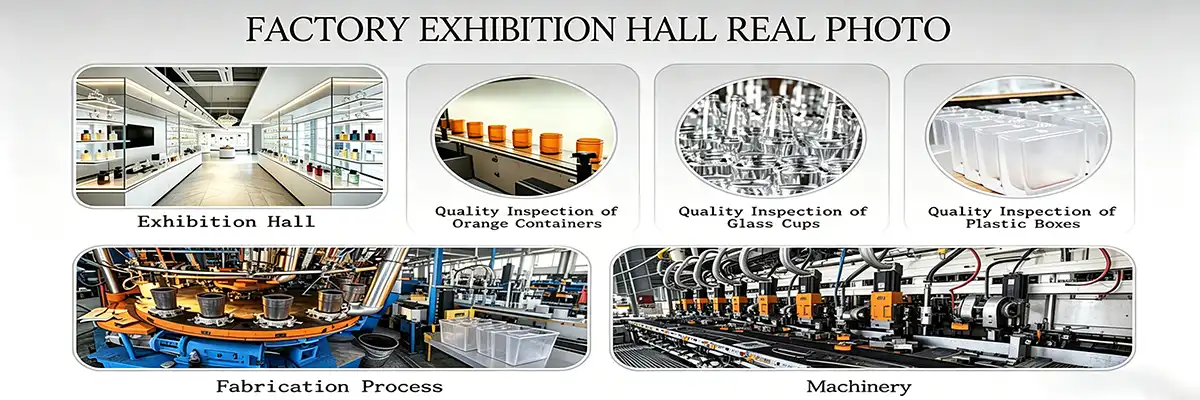
Xuzhou Muzhishi Crafts Co., Ltd. has been making high-quality glassware for 20 years, and each Clear Ribbed Glass Candy Jar With Lid we make shows that. We are vertically integrated from design to production, which means that we can quickly make changes and have samples ready in three to five days. We can also import and sell on our own, which means that we can reliably deliver to markets in the US and Europe. Because we are a reliable manufacturer and supplier, we offer personalized account management that turns buying into a strategic partnership. Our wide range of customization options, such as hot stamping, engraving, different size options, and branded packaging, make your products stand out in stores that are full of other goods. Email our team at long@muzhishi.com to talk about your large order needs, look into private labeling options, and get full quotes that are made to fit your volume and customization needs. Find out how our quality-certified glass candy jars for sale can elevate your product presentation while meeting the high standards your customers expect.
References
1. Anderson, M. & Thompson, R. (2021). Sustainable Packaging Solutions for the Modern Food Industry. New York: Commercial Press Publications.
2. Chen, L. (2022). "Material Science in Consumer Glassware: Engineering Durability and Aesthetic Appeal." Journal of Packaging Technology and Research, 46(3), 287-304.
3. European Packaging Federation. (2023). Comparative Lifecycle Analysis of Glass versus Plastic Food Containers. Brussels: EPF Research Division.
4. Miller, S. & Davidson, K. (2020). Visual Merchandising and Consumer Psychology in Retail Environments. Chicago: Retail Strategy Institute.
5. Roberts, J. (2022). "Procurement Best Practices for B2B Glass Container Sourcing." Global Supply Chain Management Quarterly, 18(2), 112-129.
6. Williams, D. & Zhang, H. (2023). Food Safety and Container Material Interactions: A Technical Guide for Procurement Professionals. London: International Food Safety Council.

Our customers’ satisfaction speaks for our quality — contact us to experience the same reliable service.