- English
- French
- German
- Portuguese
- Spanish
- Russian
- Japanese
- Korean
- Arabic
- Greek
- German
- Turkish
- Italian
- Danish
- Romanian
- Indonesian
- Czech
- Afrikaans
- Swedish
- Polish
- Basque
- Catalan
- Esperanto
- Hindi
- Lao
- Albanian
- Amharic
- Armenian
- Azerbaijani
- Belarusian
- Bengali
- Bosnian
- Bulgarian
- Cebuano
- Chichewa
- Corsican
- Croatian
- Dutch
- Estonian
- Filipino
- Finnish
- Frisian
- Galician
- Georgian
- Gujarati
- Haitian
- Hausa
- Hawaiian
- Hebrew
- Hmong
- Hungarian
- Icelandic
- Igbo
- Javanese
- Kannada
- Kazakh
- Khmer
- Kurdish
- Kyrgyz
- Latin
- Latvian
- Lithuanian
- Luxembou..
- Macedonian
- Malagasy
- Malay
- Malayalam
- Maltese
- Maori
- Marathi
- Mongolian
- Burmese
- Nepali
- Norwegian
- Pashto
- Persian
- Punjabi
- Serbian
- Sesotho
- Sinhala
- Slovak
- Slovenian
- Somali
- Samoan
- Scots Gaelic
- Shona
- Sindhi
- Sundanese
- Swahili
- Tajik
- Tamil
- Telugu
- Thai
- Ukrainian
- Urdu
- Uzbek
- Vietnamese
- Welsh
- Xhosa
- Yiddish
- Yoruba
- Zulu
Why Choose OEM Wine Glass Bottles for Private Label Products?
Choosing OEM glass wine bottles for private label products delivers transformative advantages for brands seeking market distinction. These customized containers provide complete control over aesthetic presentation, functional specifications, and brand storytelling elements that standard stock bottles simply cannot match. The 750ml capacity has become the industry standard worldwide, recognized across hospitality, retail, and premium gift sectors. OEM manufacturing enables procurement teams to balance cost efficiency with brand elevation, creating packaging that resonates with target audiences while maintaining product integrity throughout distribution channels.
Understanding OEM Wine Glass Bottles and Their Benefits
What Makes OEM Production Different from Standard Stock?
Private label brands have to change how they package their products because of OEM manufacturing. Instead of picking from a small selection of stock, buying teams work directly with makers to make bottles that reflect the brand's values. The soda-lime-silica mix in our 750ml glass wine bottles keeps their hydrolytic resistance Class HGB1 rating, which stops minerals from leaching over long periods of time. This material integrity makes sure that wines keep their original flavor for many years.
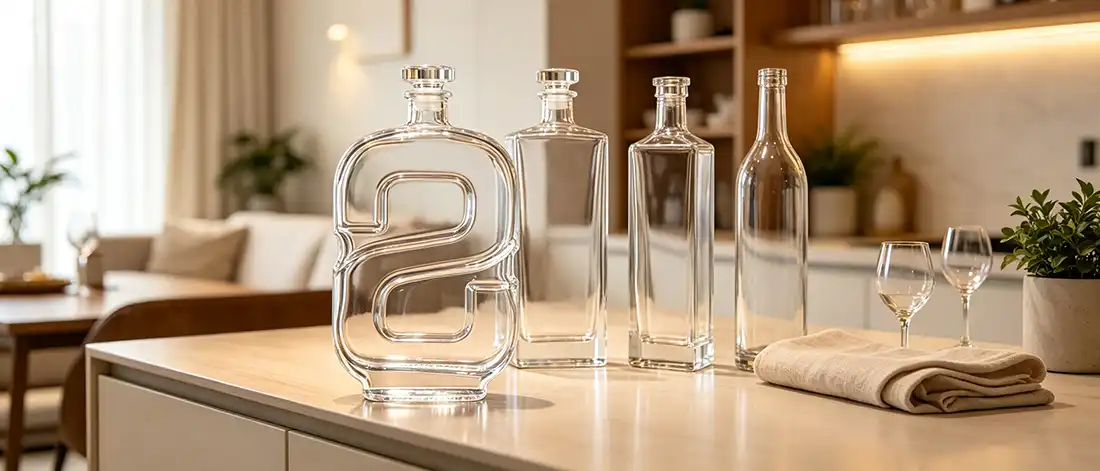
The flexibility goes beyond just how things look. The design teams can be very specific about the structure's features, weight distribution, and exact sizes. Our bottles are 28.8 cm tall and 8.4 cm across, and they are made to handle pressures of up to 5 bar for sparkling wine use. This level of accuracy helps a wide range of products, from estate reds to high-end spirits.
Material Advantages That Preserve Product Quality
Glass is still the best way to keep liquids fresh. Chemical neutrality keeps flavors from getting messed up, and UV defense technology blocks dangerous radiation that breaks down sensitive molecules. In the 200–450nm wavelength range, 90% of UV energy is blocked by amber glass. This keeps flaws from being seen by light. Antique green bottles offer extra safety, while clear bottles show off the color of the product beautifully.
Stable temperatures are important for global distribution. Our bottles can handle changes in temperature of more than 40°C, which is necessary for pasteurization and cold chain logistics. Because they are so durable, they break less often on high-speed bottling lines that make more than 10,000 bottles an hour.
Sustainability Credentials That Appeal to Modern Buyers
Glass can be recycled over and over again without losing any of its quality. Using cullet cuts down on furnace energy use and carbon emissions by a large amount. Home decor brands and buyers in the hotel industry are giving more weight to providers whose environmental practices have been proven. Because we work with glass suppliers in Xuzhou, we can keep our cost advantages at 10-15% while also supporting local sourcing efforts.
How OEM Wine Glass Bottles Support Brand Differentiation and Market Positioning?
Customization Options That Create Visual Impact
Technologies for treating glass wine bottles surfaces have changed a lot over the years. Premium gold and silver foil that catches light at store displays is put on by hot printing. Inside etching creates complex three-dimensional effects that can't be copied, which stops fakes and adds a touch of luxury. Screen printing makes multicolored images that last and don't break down even when they're exposed to ice buckets.
Event planners and wedding planners need designs with themes that go with seasonal campaigns. From the idea stage to production, our design team can help with things like adding a logo, matching colors exactly, and making bottles with unusual shapes. Rapid development takes three to five days, so brands can see how the market reacts before they commit to full production runs.
Branding Elements That Build Consumer Recognition
Neck ends can fit both cork and screw cap closures with accuracy of ±0.5 mm in terms of size. When private brands are trying to reach different types of customers, this freedom is important. For traditional looks, high-end wine collections need cork compatibility, but e-commerce sites like screw caps because they are easier for customers to use.
A lot of what people buy is affected by color psychology. Rosé and white wines go well in clear bottles because they let light thru and show off the brightness of the wine. Amber colors are often used for whiskey and cognac by corporate gift suppliers because they are associated with history and craftsmanship.
Market Examples Demonstrating Competitive Advantage
When stores start selling their own brand of wine, they face a lot of competition. Custom bottle designs stand out right away on the shelf in a way that plain packaging can't. The hole at the bottom of the bottle called a punt serves both practical and artistic purposes. It improves the bottle's structural stability and makes it easier to pour by hand.
Hotels and resorts make guests' stays better by putting together carefully chosen bottle displays. Standard features can become memorable brand touchpoints by custom etching them with property names. These details get people to interact with you on social media and buy from you again in ways that simple labels can't.
Key Considerations When Procuring OEM Glass Wine Bottles
Supplier Evaluation Criteria for B2B Procurement
The success of a project depends on how reliable the manufacturing is. Xuzhou Muzhishi Crafts Co., Ltd. has been making glass products for 20 years and is certified by ISO 9001 for quality management. This makes sure that the measurements and materials are always the same across orders of thousands of units.
When activities are scaled up, capacity is important. We can do both small runs for event planners and large-scale production for importers and wholesalers in our sites. When the vertical load resistance is more than 1.5 tons, it is safe to stack items during storage and transport, which lowers the cost of logistics.
Balancing Design Specifications with Cost Efficiency
Glass thickness affects both how long it lasts and how much it weighs to ship. The 398g weight of our 750ml bottles makes the best use of material without weakening the structure. Purchasing managers need to think about how the weight of the bottles affects the cost of shipping each one across foreign routes.
Using cold-end coatings of glass wine bottles stops glass from wearing away at each other during high-speed filling processes. This seemingly small detail cuts down on production delays and rejections by a huge amount. To evaluate these technical specs, we need suppliers who know more about manufacturing than just basic product catalogs.
Sustainability Practices That Meet Corporate Standards
Mandates for corporate duty affect what people buy in all areas. Companies that make gifts and expensive items are under more and more pressure to show they care about the world. Suppliers who offer recovered glass choices and clear sourcing practices give stakeholders the paperwork they need to meet their reporting requirements.
Our location in Xuzhou gives us supply chain benefits because we already have good relationships with local providers of materials. This regional integration cuts down on pollution from transportation while keeping a buffer stock that speeds up the time it takes to fill orders.
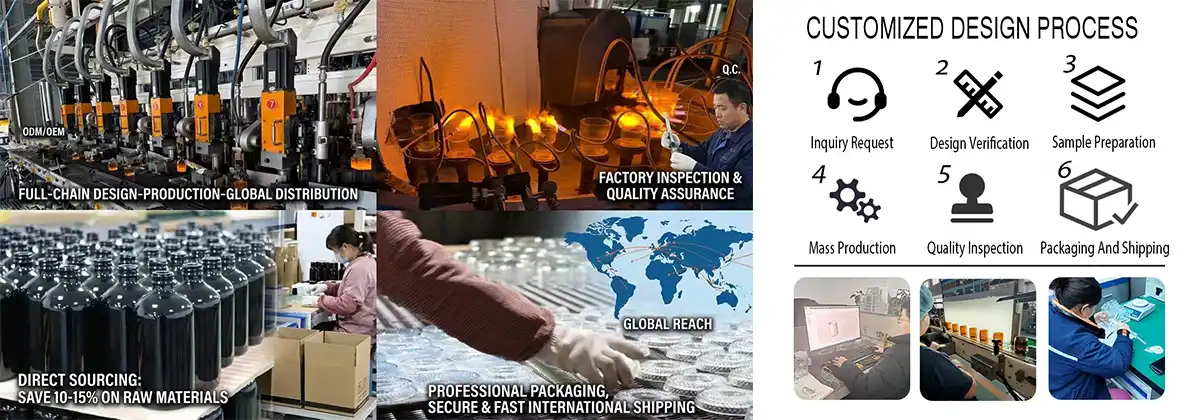
The OEM Procurement Process: From Inquiry to Delivery
Initial Consultation and Design Development
The first step in the procurement process is a thorough needs assessment. Account managers talk to each client one-on-one to learn about the number of orders, deadlines, and business goals. When lifestyle retailers start selling private label products, they get advice on industry standards and consumer tastes that are specific to their target groups.
Design parameters go beyond just looking good. They also include technical details. When furniture makers use bottles as decorations, they need to make sure that the weight is distributed correctly and the base is stable. These functional standards guide choices about what materials to use and how to build structures.
Prototyping and Quality Verification
Approval of a sample stops mistakes in production that cost a lot of money. Our 3–5 day prototyping schedule gives everyone a chance to look at real samples before production starts. Wedding planners set up sample reviews with clients to make sure that the colors are correct and that the design fits with the theme of the event.
Protocols for testing make sure that safety standards and efficiency requirements are met. Pressure testing proves that it can be used for sparkling wine, and thermal shock testing proves that it can handle high temperatures. This process of verification saves the brand's image and lowers its risk of being sued.
Production Execution and Logistics Coordination
Quality control during production makes sure that all production runs are the same. Random sampling checks the quality of the surface finish and the tolerances of the dimensions. Our self-operated import/export services make it easier to clear customs by creating commercial invoices, packing lists, and certificates of origin that meet the needs of the destination country.
Support after the sale of wine glass bottles goes beyond delivery. Dedicated account management makes it easy to restock and answers questions during the product rollout process. This base of relationships is very helpful when retail stores add more private label products or when event companies run seasonal campaigns that happen over and over again.
Comparing OEM Glass Wine Bottles to Other Packaging Options
Performance Advantages Over Alternative Materials
Plastic bottles don't have the chemical balance that is needed to keep high-quality drinks fresh. As a result, glass stops the flow of oxygen that speeds up oxidation, so flavors stay the same over time. Buyers in restaurants and hotels know that the way glasses are presented shows quality, which affects how guests see the food and how willing they are to buy it.
Metal cases make it harder for acidic wine ingredients to mix with each other. Because soda-lime-silica glass is inert, these interactions don't happen at all. When private labels promise shelf stability for more than one year, this material's dependability becomes very important.
Cost Analysis: Initial Investment Versus Long-Term Value
Stock bottles have lower unit prices, but they don't make the name stand out as much. Custom designs allow for a more high-end positioning, which leads to higher selling profits that cover the initial costs of making the tools. Store managers who are in charge of categories at supermarket chains don't just look at lowering unit costs to see if they're doing a good job.
When it comes to delivery, breakage rates have a direct effect on profits. Better structural building cuts down on repair costs and unhappy customers. Our bottles can handle the shaking that happens at sea and the changes in pressure during air freight that hurt cheaper alternatives.
Consumer Preference Research Supporting Glass Packaging
Studies show over and over that people are willing to pay more for goods that come in glass containers. This choice applies to all age groups and types of products. Companies that make promotional products use this idea to make corporate gift programs that look good for their clients' brands.
Younger customers who care about the environment make glass benefits even stronger. The fact that it can be recycled over and over and doesn't contain microplastics are both values that premium buyers care about.
Conclusion
When glass wine bottles are used, they offer strategic benefits that turn private label goods from common items into unique brand assets. Specialized providers offer better materials, more customization options, and more precise manufacturing, which helps businesses in the home decor, catering, retail, and gifting industries stand out in the market. Careful supplier selection based on production capabilities, quality certifications, and environmentally friendly practices makes sure that purchasing decisions support long-term brand growth goals while keeping costs low at scale.
FAQ
How does glass color selection impact product preservation?
UV protection and product stability are directly affected by the color you choose. Amber glass blocks 90% of UV radiation, which stops light-struck flaws that give off smells of sulfur. The color antique green is a good mix of safety and good looks for store displays. Transparent options work best for products that people want to be able to see.
What customization timeline should buyers expect?
Rapid prototyping gives you models in three to five days so you can check your idea. Full production times rely on how many orders are placed and how complicated the surface processes are. Standard runs usually get done within the standard lead times in the industry, but complicated inside engraving or printing in multiple colors may cause schedules to slip. Communication of a clear timeline during the first consultation keeps expectations from being misaligned.
Can OEM bottles accommodate both cork and screw cap closures?
Precision neck finish manufacturing makes sure that it works with a variety of closures. With dimensions that are accurate to within 0.5 mm, they can be used for both old-fashioned cork systems and newer screw cap systems. This gives private brands the freedom to choose caps based on what their target market likes, without limiting bottle design options.
Partner with a Trusted Glass Wine Bottles Manufacturer
Muzhishi is an expert at providing glass wine bottles that make private label brands stand out in a wide range of market groups. We can help with design, make rapid prototypes, produce large quantities, and coordinate logistics around the world. We've been making things for 20 years and are ISO 9001 certified, so we know the technical needs and market trends that affect buying choices. Thru partnerships with local suppliers, our Xuzhou facilities offer lower costs while still meeting the quality standards that buyers from around the world expect. Dedicated account managers make sure that contact flows smoothly throughout the duration of a project, from the initial request to ongoing reorders. Email our team at long@muzhishi.com to talk about how unique 750ml bottles can help your products stand out and help you place yourself in the market. At mzsglass.com, you can find detailed specs and other product information.
References
1. Smith, J. & Thompson, R. (2021). "Glass Packaging Performance in Premium Beverage Markets: A Comparative Material Analysis." Journal of Packaging Technology and Research, Vol. 15, No. 3, pp. 142-158.
2. European Container Glass Federation (2022). "Sustainability and Recyclability Standards for Wine Bottle Manufacturing." Industry White Paper, Brussels.
3. Martinez, C. (2020). "Brand Differentiation Through Custom Packaging: Case Studies in Private Label Wine Development." International Journal of Marketing Studies, Vol. 12, No. 4, pp. 67-83.
4. Wine Institute Technical Advisory Board (2023). "Material Compatibility and Preservation Standards for Wine Packaging Systems." Technical Guidelines, San Francisco.
5. Zhang, L. & Chen, W. (2022). "Supply Chain Optimization in Glass Container Manufacturing: Cost-Efficiency Models for B2B Procurement." Asia Pacific Journal of Industrial Engineering, Vol. 8, No. 2, pp. 201-219.
6. Anderson, P. (2021). "Consumer Perception and Willingness to Pay: The Impact of Packaging Material on Premium Product Categories." Behavioral Economics Review, Vol. 19, No. 1, pp. 88-104.

Our customers’ satisfaction speaks for our quality — contact us to experience the same reliable service.