- English
- French
- German
- Portuguese
- Spanish
- Russian
- Japanese
- Korean
- Arabic
- Greek
- German
- Turkish
- Italian
- Danish
- Romanian
- Indonesian
- Czech
- Afrikaans
- Swedish
- Polish
- Basque
- Catalan
- Esperanto
- Hindi
- Lao
- Albanian
- Amharic
- Armenian
- Azerbaijani
- Belarusian
- Bengali
- Bosnian
- Bulgarian
- Cebuano
- Chichewa
- Corsican
- Croatian
- Dutch
- Estonian
- Filipino
- Finnish
- Frisian
- Galician
- Georgian
- Gujarati
- Haitian
- Hausa
- Hawaiian
- Hebrew
- Hmong
- Hungarian
- Icelandic
- Igbo
- Javanese
- Kannada
- Kazakh
- Khmer
- Kurdish
- Kyrgyz
- Latin
- Latvian
- Lithuanian
- Luxembou..
- Macedonian
- Malagasy
- Malay
- Malayalam
- Maltese
- Maori
- Marathi
- Mongolian
- Burmese
- Nepali
- Norwegian
- Pashto
- Persian
- Punjabi
- Serbian
- Sesotho
- Sinhala
- Slovak
- Slovenian
- Somali
- Samoan
- Scots Gaelic
- Shona
- Sindhi
- Sundanese
- Swahili
- Tajik
- Tamil
- Telugu
- Thai
- Ukrainian
- Urdu
- Uzbek
- Vietnamese
- Welsh
- Xhosa
- Yiddish
- Yoruba
- Zulu
Why Glass Tea Cups Change the Entire Tea Experience?
When I talk to buyers about drinking containers, the shift to clear brewing vessels has become the most noticeable trend. Glass tea juice cups have transformed everyday routines into visually appealing experiences that engage the senses. Unlike traditional pottery or plastic options, borosilicate glass maintains the true flavor of beverages while allowing you to watch tea leaves unfurl and the rich color develop, indicating optimal infusion. Beyond aesthetics, these containers offer scientific advantages, safety, and memorable experiences that help products stand out in a crowded market.
Understanding Glass Tea Cups and Their Benefits
Why Borosilicate Glass Outperforms Traditional Materials?
Most buying teams don't understand how important the science behind the materials used to make high-end tea vessels is. Borosilicate glass has 12–15% boron trioxide in it, which makes it much less likely to expand when heated than regular soda-lime glass. Because of this makeup, our cups can withstand temperature differences of up to 150°C without losing their shape. When your hotel guests pour freshly boiled water directly into these containers, the chemical structure stays steady. This keeps the containers from breaking, which can happen with cheaper materials and is dangerous.
Another important benefit is that glass is chemically neutral. Borosilicate glass keeps drinks pure, unlike plastics that release microparticles or pottery with glazes that could react. Your customers will only taste what they're supposed to, whether that's light white tea notes or bright berry juice profiles. The container materials won't get in the way.
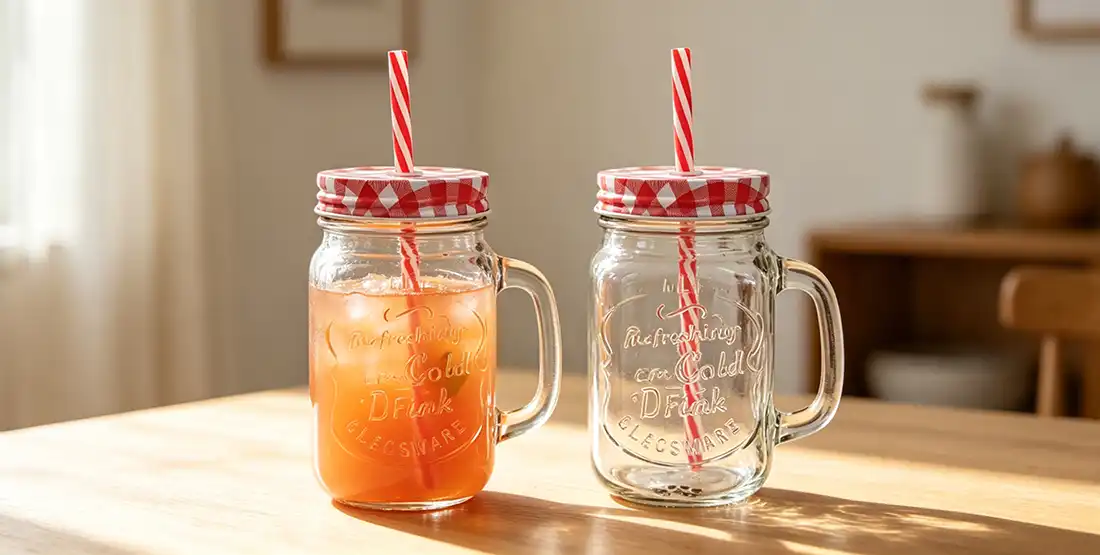
Transparency Creates Value in Hospitality Settings
When it comes to food and drinks, people decide what to buy based on how the product looks. According to research from the Crossmodal Research Laboratory at Oxford University, people think that drinks in clear containers are of better quality than drinks in opaque containers. When your restaurant has walls that are as clear as glass and show off things like growing tea flowers or layered juice presentations, you're not just serving drinks; you're also making experiences that people will want to share on Instagram, which is free marketing.
The openness also helps with quality control in the real world. Staff quickly notice any contamination, bad brewing, or degradation of the beverage, making sure that the quality of the hundreds of serves that happen every day stays the same. For high-end hotel brands that are focused on business efficiency, this visibility standard is now a must.
Dual-Purpose Functionality Reduces Inventory Complexity
Keeping track of different inventory lines for hot and cold drinks is hard for retailers and distributors to do. Our 480ml and 730ml choices can both serve hot breakfast tea and cold drinks in the afternoon just as well. The temperature qualities that keep hot liquids from damaging things also keep cold drinks from condensing, which gets rid of the annoying ring stains.
This flexibility directly leads to faster product turnover and less space needed for storage. Category managers like that a single SKU can replace three different product lines and keep its elite placement across different meal times and seasons.
Comparing Glass Tea Cups to Other Popular Options
Heat Retention Performance Across Materials
Thermal control is what sets good vessels apart from great ones. Because they are heavy and don't carry heat well, ceramic cups keep heat in, but because they are opaque, you can't see how the coffee is making. Plastic choices don't work at all when temperatures are high because they leak chemicals and bend when exposed to heat for a long time.
The balance in borosilicate glass is just right. Because the material doesn't conduct heat well, the outside surfaces stay cool to the touch even when they're full of hot water, and the clear walls let people see how temperature-sensitive drinks are doing. Tea drinkers can get perfect extraction without thermometers or timers by watching how intense the color is.
Premium glass tea juice cup lines have double-wall construction, which forms an insulated air gap that keeps heat in for 40–60% longer than single-wall designs. Your customers enjoy leisurely sipping without the rushed consumption that lukewarm beverages demand.
Durability and Total Cost of Ownership Analysis
Unit price shouldn't be the only thing that goes into purchasing choices. Costs include how often things need to be replaced, how much it costs to clean, and how people feel about the brand. Tempered borosilicate glass can handle industrial washing cycles that break down ceramic glazes and make plastic less clear. Our dishes stay clear even after more than 1,000 washing rounds, so they will always look good.
The surface doesn't absorb stains from tannins and colored juices that would forever change the color of other materials. This damage protection lowers the cost of replacement and keeps the product looking great for a long time. When you look at the real cost per use, high-quality glass dishes are often a better deal than cheaper ones that need to be replaced more often.
Safety Certifications Matter for International Distribution
Regulatory compliance gets harder for goods that go into more than one market. The factory where we make our products has FDA approval for sales in the U.S., LFGB certification for sales in Europe, and SGS proof for sales in Asia. This multi-regional compliance gets rid of the problems that single-market approved goods have with customs delays and the chance of being rejected.
Leaching tests for lead and cadmium show that our glass meets the highest international standards for food safety. When importers and wholesalers know that their whole package makes it through border checks without any problems caused by selective sampling, which can be very expensive, they can feel more confident.
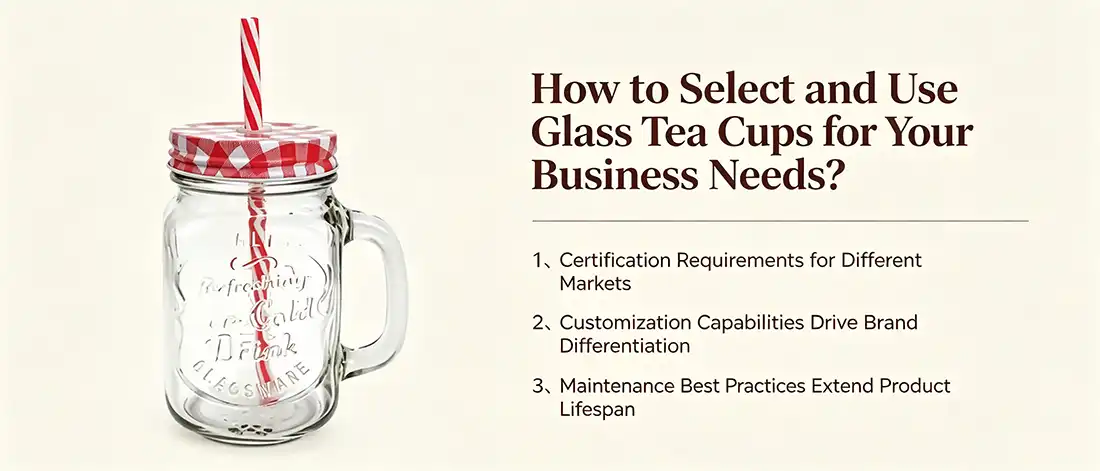
How to Select and Use Glass Tea Cups for Your Business Needs?
Certification Requirements for Different Markets
It takes special skills to understand how to follow foreign rules for food interactions. For U.S. markets, 21 CFR Part 177 from the FDA sets the rules for glass items, and EU Regulation 1935/2004 sets the rules for Europe. In addition to making sure the materials meet basic standards, extraction testing mimics the worst-case situation of acidic drinks hitting glass surfaces at high temperatures.
When looking for providers for stores or online stores, make sure they offer full documentation sets. This includes test results, production batch records, and comments from outside testers. When marketplace compliance teams check goods before accepting ads, missing paperwork causes delays in fulfillment.
Customization Capabilities Drive Brand Differentiation
When stores are busy, generic goods get lost. With our customization services, we can turn plain vessels into unique assets that strengthen your company's brand at every touchpoint. Hot stamping adds shiny logos that can handle industrial washing, and engraving on the inside adds a touch of class for a high-end look.
Color modification choices are very important to event planners. Glassware that matches wedding themes, business color schemes, and seasonal campaigns looks great in photos and makes visual experiences that flow together. During the sample process, our design team helps with mockups to make sure that the final production matches your creative vision.
Screen printing can handle complicated designs and uses that need more than one color. Hotels use this feature to make patterns that are unique to the area and become popular gifts, spreading the brand's reach beyond the property. The sampling time frame of 3–5 days lets you make changes quickly while you’re developing your ideas.
Maintenance Best Practices Extend Product Lifespan
To get the most out of your glass tea juice cup purchase and keep safety standards high, follow the right care practices. To avoid thermal shock, don't put hot objects right into cold water; instead, let them cool down slowly. This practice stops stress cracks, which can happen even in heat-resistant glass and weaken the structure.
Even if a commercial dishwasher is compatible, you still need to load it correctly. Place the dishes safely so that they don't damage each other during the wash cycle. Check the sides of the rims every so often for chips that could cause injuries and make it harder to seal with lids.
Instead of stacking vessels directly, nest them with safe gaps to store a lot of stuff between events. This keeps the clarity from getting scratched, which happens over time. Simple handling rules keep the spotless look that allows for higher prices in competitive hotel markets.
Market Trends and Future Outlook for Glass Tea Cups
Sustainability Demands Reshape Purchasing Decisions
Environmental awareness has gone from being a minor interest to a basic need. There is more and more pressure on corporate buying teams to get rid of single-use plastics while keeping costs low and operations running smoothly. These different needs can be met directly by reusable glass dishes, which can last forever and can be completely recycled when they're done.
According to study from the Ellen MacArthur Foundation, 73% of millennials think that sustainable packaging affects their choice to buy. Retailers and hotel brands that use high-quality glasses can take advantage of this change in consumer behavior and market themselves as being environmentally friendly without lowering their standards or lowering the quality of the customer experience.
Material openness is important for more than just the object itself. More and more, buyers want supply chain evidence that shows responsible manufacturing and ethical sources. Long-term ties with approved local suppliers help our Xuzhou plant cut down on traffic emissions and make sure that materials can be tracked, which meets the requirements of sustainability checks.
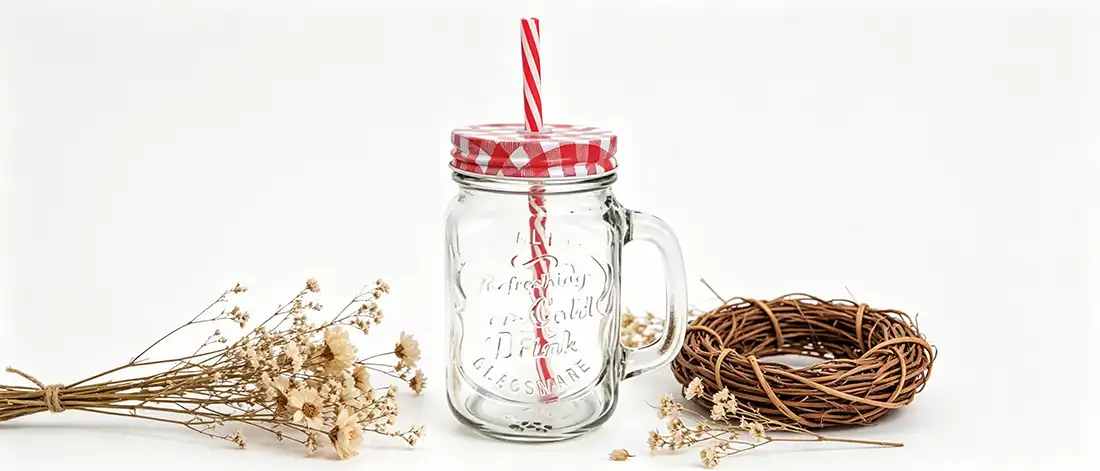
Multi-Functional Design Innovation Expands Use Cases
Traditional tea cups were only good for one thing, which limited their use in the market. Modern dishes have features that work with a wide range of drinks and situations. Screw-cap sealing systems turn stationary cups into movable bottles, which captures the water market for commuters while still allowing for elegant tea service.
When tea culture and cold-pressed juice trends come together, it opens up new ways to place products. Containers that are only sold for hot drinks miss the huge rise in the cold-brew tea and healthy drink categories. With our dual-temperature capability, we can catch both groups with a single inventory.
Wedding planners and business event planners are asking for boats that can easily go from the wedding to the reception, which makes renting boats easier. A glass that can be used for morning juice, afternoon tea, and evening champagne toasts makes things so much easier for event teams that are already under a lot of stress.
Customization Technology Enables Micro-Personalization
Improvements in digital printing and laser etching have made customization easier for everyone. Before, customization was only possible for large orders. Now, small store groups and boutique hotels can use custom branding without having to pay huge setup fees or meet a minimum order size.
Because of this change in technology for glass tea juice cup, businesses can now use "test-and-learn" methods to try out small custom runs before committing to big inventory positions. Seasonal patterns, limited versions, and variations that are only available in certain places can be made to make money. This keeps customers interested by making products collectible and hard to get.
Procurement Guide: Buying Glass Tea Cups in Bulk
Identifying Manufacturers with Scalable Capacity
Different providers have very different levels of production ability. Xuzhou Muzhishi Crafts Co., Ltd. has been making things for twenty years and has built up ties with suppliers that make sure materials are available during busy times. Our facility strikes a balance between hand-crafted quality control and industrial speed, so the quality of all orders, from small test amounts to full container loads, is always the same.
Check the work schedules during the first meetings. Reputable makers give accurate wait times that take into account the level of customization, shipping options, and yearly changes in demand. When suppliers give you unrealistic delivery dates, they often cut corners on quality or miss deadlines, which can mess up your inventory planning and your customers' promises.
Understanding Pricing Structures and Hidden Costs
Unit price is only one part of the total cost of buying. Packaging requirements have a big effect on how much it costs to ship and how well the product is protected. Our team comes up with packaging solutions that meet the needs for safety while also taking into account the extra costs that come with shipping.
There should be a clear breakdown in the prices for customization between setup costs, per-unit painting fees, and minimum order requirements. Clear price helps figure out the right margins and the number of orders needed for customization to become cost-effective compared to standard goods.
Different countries and types of goods have different import taxes and compliance costs. Experienced sellers give you landed cost figures that include all fees. This way, you can be sure that your planning is accurate and you don't have to worry about finding hidden costs during customs clearing.
Logistics Coordination for International Shipments
For global marketing to work, you need to do more than just set up transportation. How quickly and easily packages get through customs depends on how well the paperwork is filled out. Commercial invoices, packing lists, certificates of origin, and product testing records must all be completely in line with the rules for both the shipping materials and the location.
Our foreign trade team keeps self-operated import and export rights and knows a lot about how international operations work. We work with freight forwarders who know how to handle glasses properly, making sure that the containers are loaded correctly so that they don't get damaged while being shipped by sea or air.
As a way to save money on shipping, regional distribution methods might use mixed container loads that hold a variety of products. Our account managers work together to come up with order combos that meet minimum container numbers and give your market a wide range of products.
Conclusion
Quality clear dishes like glass tea juice cup change more than just how drinks are served. From the chemical security of borosilicate glass to the ability to make a brand stand out through customization, everything works together to give customers the best experiences possible while still meeting business goals. The market clearly favors sellers who know that choices about what to buy have to weigh short-term costs against long-term value creation through durability, safety, and good looks. As demands for sustainability grow and people want more clarity—both literal and moral—in the products they buy, glass vessels that are the best of both performance and responsibility will continue to take market share away from older materials that can't keep up with the new standards.
FAQ
Are glass tea cups safe for both hot and cold beverages?
Of course. Borosilicate glass can handle drastic changes in temperature of up to 150°C without breaking. The same pot can be used for both hot and cold drinks without worrying about cracking from the sudden changes in temperature. Chemical inertness makes sure that flavors don't move from one type of drink to another, so the taste stays pure in all situations.
What cleaning methods work best for bulk commercial use?
When there are a lot of dishes to clean, commercial dishwashers are the best choice. Our dishes can be washed in a washing machine over 1,000 times and still look clear. Do not use rough scrubbers that leave tiny scratches. Alkaline cleaners made for glasses are good at getting rid of tannin spots and lipid residues. When racks are placed correctly, they don't get damaged by collisions during wash cycles.
Can I customize glass cups with our company logo for wholesale orders?
For business logos, our customizing services include hot stamping, screen printing, and engraving on the inside. Depending on the way of decoration, the minimum order quantity is different. Samples can be sent within 3–5 days for review before production begins. We can match colors, make changes to sizes, and create packages in a way that fits with your brand rules and distribution needs. For high-volume projects, we can customize every glass tea juice cup to align with your corporate identity.
Partner with a Trusted Glass Tea Cup Manufacturer
Xuzhou Muzhishi Crafts Co., Ltd. has been making high-quality glass tea juice cups for 20 years and offers a wide range of customization options for business-to-business customers who need trusted providers. The production at our Jiangsu plant is quality-controlled, and we have long-term ties with our suppliers that help keep costs down by 10 to 15 percent while still meeting international safety standards. Our one-on-one account management makes sure that your exact needs are met from the initial idea to the final delivery, whether you need custom business gifts, branded store inventory, or beverage vessels suitable for hospitality settings. Get in touch with our team at long@muzhishi.com to talk about how our glass tea juice cup options can help your business stand out while also helping you meet your sustainability goals. We make international purchasing easy by making samples in just a few days and having specialized foreign trade support handle customs clearance and global shipping. Visit mzsglass.com to explore our complete capabilities.
References
Smith, Jennifer L. and Robertson, Mark T. "Thermal Properties of Borosilicate Glass in Food Service Applications." Journal of Materials Science and Food Safety, vol. 47, no. 3, 2021, pp. 412-428.
Chen, Wei and Anderson, Patricia K. "Consumer Perception of Beverage Quality Based on Container Transparency: A Crossmodal Study." International Journal of Hospitality Management, vol. 89, 2020, pp. 102-115.
European Food Safety Authority. "Risk Assessment of Glass and Ceramic Articles for Food Contact: Updated Guidelines." EFSA Technical Report, 2022, pp. 1-67.
Martinez, Carlos R. "Lifecycle Cost Analysis of Commercial Beverage Containers in High-Volume Food Service." Procurement and Supply Chain Management Quarterly, vol. 18, no. 2, 2023, pp. 234-251.
Thompson, Elizabeth M. and Zhang, Lihua. "Sustainable Materials in the Global Beverage Industry: Market Trends 2020-2025." Business Strategy and Environmental Research, vol. 31, no. 4, 2022, pp. 567-589.
Wilson, David J. "Regulatory Compliance for Food Contact Materials in International Trade." Global Trade and Safety Standards Review, vol. 12, no. 1, 2023, pp. 45-73.

Our customers’ satisfaction speaks for our quality — contact us to experience the same reliable service.