- English
- French
- German
- Portuguese
- Spanish
- Russian
- Japanese
- Korean
- Arabic
- Greek
- German
- Turkish
- Italian
- Danish
- Romanian
- Indonesian
- Czech
- Afrikaans
- Swedish
- Polish
- Basque
- Catalan
- Esperanto
- Hindi
- Lao
- Albanian
- Amharic
- Armenian
- Azerbaijani
- Belarusian
- Bengali
- Bosnian
- Bulgarian
- Cebuano
- Chichewa
- Corsican
- Croatian
- Dutch
- Estonian
- Filipino
- Finnish
- Frisian
- Galician
- Georgian
- Gujarati
- Haitian
- Hausa
- Hawaiian
- Hebrew
- Hmong
- Hungarian
- Icelandic
- Igbo
- Javanese
- Kannada
- Kazakh
- Khmer
- Kurdish
- Kyrgyz
- Latin
- Latvian
- Lithuanian
- Luxembou..
- Macedonian
- Malagasy
- Malay
- Malayalam
- Maltese
- Maori
- Marathi
- Mongolian
- Burmese
- Nepali
- Norwegian
- Pashto
- Persian
- Punjabi
- Serbian
- Sesotho
- Sinhala
- Slovak
- Slovenian
- Somali
- Samoan
- Scots Gaelic
- Shona
- Sindhi
- Sundanese
- Swahili
- Tajik
- Tamil
- Telugu
- Thai
- Ukrainian
- Urdu
- Uzbek
- Vietnamese
- Welsh
- Xhosa
- Yiddish
- Yoruba
- Zulu
Why Perfume Bottle Design Is As Important As Scent Design?
What is the first thing that you notice when you walk by a perfume display? The shape of the bottle. But the way the bottle looks already starts to tell you something about it before you even smell it. This event is especially important for B2B buying workers who are looking for ways to package fragrance goods. The round perfume bottle, with its classic cylinder shape and strong construction, is more than just a matter of taste; it's also a strategy choice that affects how people see the brand, how well the product is protected, and how well it does in the market. Up to 70% of a customer's decision to buy is based on the style of the package, according to industry study. This means that the container is just as important as the scent formula itself. When procurement teams understand this link, they can choose sources and styles that fit with larger marketing goals and give clear returns on investment.
Understanding the Crucial Role of Perfume Bottle Design
The Evolution of Fragrance Packaging
The history of perfume packing shows how customer tastes and technology have changed over time. In the past, scent vessels only did one thing: they kept volatile chemicals from breaking down. The cylindrical glass cases of today are a mix of old-fashioned workmanship and new technology. The round perfume bottle became the standard because it solves important structural problems: the even wall thickness spreads pressure evenly, getting rid of weak spots that are common in angled designs. Procurement workers should pay attention to this change because it shows that form follows function, which means that the packaging you choose will work reliably across global supply lines.
How Bottle Design Shapes Brand Identity?
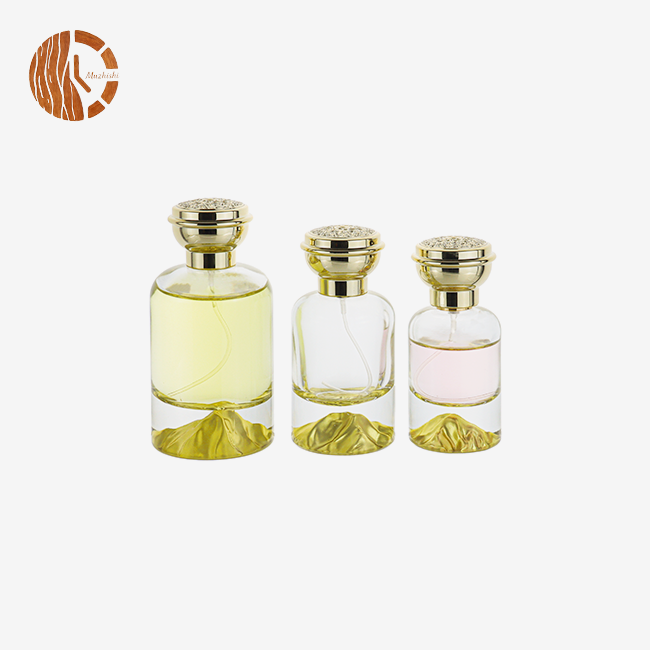
Before people smell the flavor, the way your fragrance is packaged tells them about your brand's values. Brands that promote a simple, clean lifestyle will like a clear glass dish with straight lines that gives off an air of cleanliness. Frosted finishes make goods look expensive and exclusive, which puts them in high-end market groups. For business-to-business buyers looking for gift or home decor brands, these visual signs must perfectly match what the target audience expects. Cylindrical bottles have a 360-degree surface area that makes them perfect for branding methods like hot stamping and screen printing. This means that sourcing teams can choose decoration methods that strengthen brand stories without compromising the structural integrity of the bottle.
Dispelling Common Misconceptions About Packaging Design
A lot of buying managers think that developing the scent is more important than designing the bottles. This view ignores important facts: packing keeps products safe during months of storage and shipping, keeps hermetic seals that keep smell profiles, and creates the physical experience that makes people want to buy again. High-clarity soda-lime glass, which is used to make good cylinder containers, is chemically neutral and doesn't react with alcohol-based products. These technology features are just as important as how they look. Knowing these practical benefits helps you choose suppliers who offer a good mix between engineering performance and visual design.
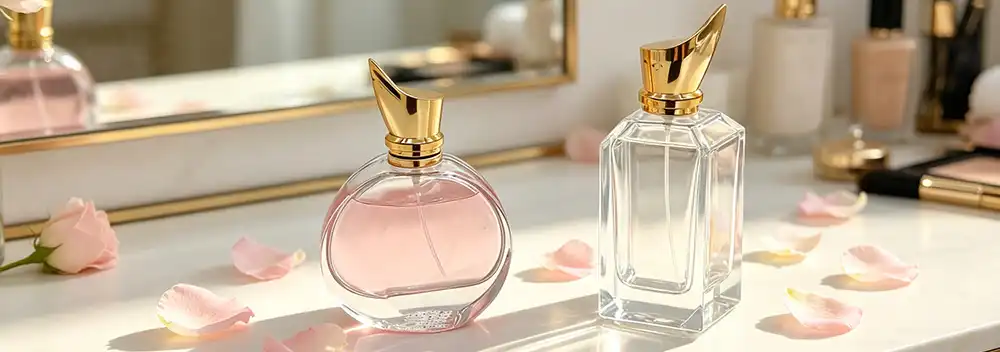
Key Dimensions of Round Perfume Bottle Design Impacting Procurement Decisions
Material Selection and Its Strategic Implications
Because it is harmless and can be recycled, glass is still the best material for fragrance packing. Type III soda-lime glass has better resistance to hydrolysis, so it can keep products pure for longer. This is especially important when buying for store groups that need long-lasting products or when importers are in charge of complicated distribution networks. The material has a refractive index greater than 1.51, which makes the light clear and raises the perceived value of the product in store lighting. When procurement teams compare quotes from different suppliers, they should check the glass composition details and thermal shock resistance ratings. Good perfume bottles can handle temperature changes of up to 42°C, which keeps goods safe during foreign shipping through different climate zones.
Shape Psychology and User Experience
The cylinder shape naturally makes it more comfortable to wear. Its curved shape fits easily in the palm and gives you a good grip while you're using it. This is very important for people who are buying things for hotels or choosing gifts for events, because the end-user experience has a direct effect on how people think of a brand. The form also makes production more efficient because it lets automated filling lines work faster with fewer breaks than when the shapes are more complicated. If the specs call for atomizer pumps, the round neck finish ensures a tight seal, which stops leaks that happen with angled designs. These functional benefits lead to lower operating costs and higher customer happiness levels, which support strategies for charging higher prices.
Customization Capabilities That Drive Brand Differentiation
Modern production techniques allow for a lot of customization without having to spend a lot of money on special molds. Surface treatments can turn plain packages into unique brand products. Here are the main customization choices that people in charge of buying things should look at when choosing suppliers:
- Hot Stamping: Using heat to apply metallic foils makes details that look expensive. This is great for high-end gift boxes and holiday campaigns.
- Frosting: Chemical etching creates beautiful matte finishes that spread light evenly, making them perfect for high-end stores.
- Inside Engraving: Laser technology makes lasting designs inside the glass, providing tamper-proof branding for identification reasons.
- Screen Printing: Using mesh cutouts to apply high-resolution images makes bold brand statements with bright colors and fine details.
These ways of decorating let buying teams choose unique looks while using standard bottle molds, which cuts tooling costs and wait times by a large amount. Suppliers who offer full customization services, such as applying logos, designing labels, and coordinating packaging boxes, give businesses the strategy freedom they need to act quickly on market trends and holiday opportunities.
Packaging Features That Add Strategic Value
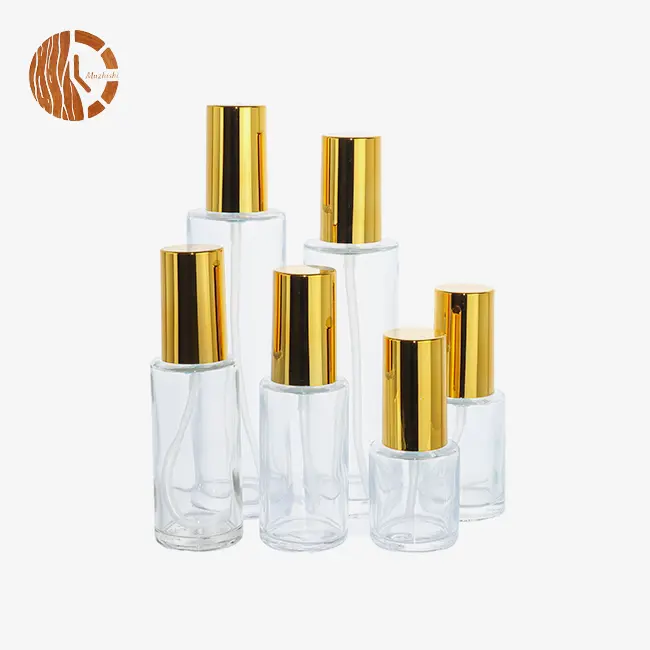
Besides the bottle itself, features that work together improve how the product is positioned and how well operations work. People who care about the environment like refillable designs, which are also in line with environmental efforts that retailers are increasingly requiring their partners to make. There are different uses for pump spray mechanisms with 30ml, 50ml, and 100ml capacities. The smaller sizes are good for travel shopping and sampling programs, while the larger amounts are better for home decor and high-end gift sets. The method for closing directly affects how long the product lasts. Screw caps with gaskets inside keep hermetic seals that keep the fragrance's integrity. When procurement managers list their needs, they should be clear about how much space they need, what kind of closing they want, and any special features that are needed to meet regulations in target markets, such as tamper-evident bands or child-resistant closures.
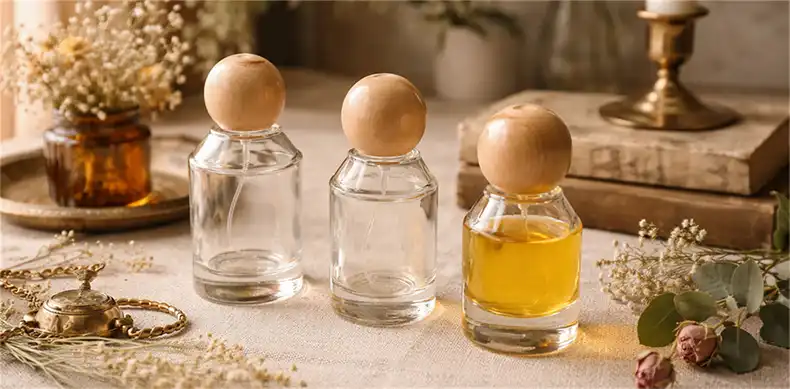
How To Choose the Best Round Perfume Bottle for Your Business Needs?
Aligning Supplier Selection With Business Objectives
For buying to go well, the organization's goals must be made clear from the start. Depending on how much you need, you may need wholesale providers with large production capacities or small makers who focus on making limited runs. When there are cost limits, they need to look at the total landing costs, which include things like packing, shipping, and decoration. As corporate responsibility goals and government forces increase the need for recovered glass material and carbon-neutral shipping choices, sustainability pledges become more important in choosing a provider. Setting these guidelines up front makes evaluating vendors easier and makes sure that choices about purchases are in line with the strategic direction of the business.
Evaluating OEM Capabilities and Customization Services
Original Equipment Manufacturing agreements are very helpful for brands that want to stand out. Suppliers with strong OEM programs offer complete options, from the initial design advice to production and delivery. Ask possible partners for detailed information about their design support, prototyping timelines, and minimum order amounts for custom specs when you are looking at them. Good makers will send you sample perfume bottles within three to five days so you can check the brightness of the glass, the quality of the decoration, and the strength of the structure before you commit to large production runs. Dedicated account management makes sure that contact stays open throughout the order cycle, and changes and problems are fixed quickly.
Comparing Cost Structures Across Supply Options
Professional suppliers and commodity vendors can be told apart by clear price systems. Reliable makers explain how the cost of raw materials, the difficulty of the design, and the number of orders all affect the unit price. Cost savings can come from working with local sources. For example, if you have a good relationship with a factory that makes glass sheets or packing materials, you can save a lot of money on materials while still meeting quality standards. When you keep common materials on hand, you can fill repeat orders faster, which cuts down on lead times that affect inventory management. When procurement teams compare quotes, they should look at overall value instead of lowest price. They should think about things like the number of defects, how well the product is delivered on time, and how good the after-sales help is.
Sustainability Considerations in Modern Procurement
Environmental duty has gone from being a nice-to-have to a must-have in order to compete. Glass packaging is naturally better for recycling, but forward-thinking providers show even stronger pledges through actions that can be tracked. Using recovered glass in manufacturing cuts down on the use of new materials and the carbon emissions that come with them. Production centers that use less energy and better logistics networks leave smaller marks on the earth. Checking a supplier's licenses and environmental policies is important for protecting a brand's image and making sure they follow the rules when they're buying from countries with strict environmental laws or from brand partners who make public promises to be environmentally friendly.
Innovations and Future Trends in Round Perfume Bottle Design
Emerging Materials Reshaping Industry Standards
New materials are changing the rules in the industry. Glass is still the most popular choice for high-end fragrances, but material science is always coming up with new options that meet specific market needs. Bioplastics made from green sources are better for the earth and can help brands that want to talk about sustainability. It is important to carefully check these materials' barrier qualities and make sure they work with fragrance mixtures, since some chemicals may react with high alcohol concentrations or essential oil mixes. Progressive procurement teams keep an eye on these changes and talk to suppliers about sample programs and testing processes that make sure everything works well before going full-scale.
Smart Packaging Technologies Enhancing Consumer Engagement
When digital elements are added to standard packaging, they become dynamic brand experiences. When QR codes are printed, they connect users to identification sites, how-to guides for using the codes, and content that tells the story of the brand. Closure systems with near-field communication chips allow for tracking of goods and anti-counterfeiting checks. These technologies are especially appealing to store partners who want to see more of the supply chain and upscale brands that want to stop product theft. When procurement managers describe the features of smart packaging, they should be clear about how data needs to be integrated and make sure that suppliers can do more than just find parts. They should also be able to provide technical application help.
Sustainability Initiatives Driving Supply Chain Evolution
Regulatory environments are making environmental duty more and more important throughout the lifecycles of products. In some places, laws called "Extended Producer Responsibility" force brands to pay for the equipment needed to recycle packaging materials. These rules affect the choice of suppliers, giving more weight to partners who show they understand the circular economy by having take-back programs and using recovered material. Companies that use procurement strategies that are in line with these trends will be in a good situation as rules get stricter and customer standards change. By talking to suppliers about sustainable roadmaps and how they can report on the environment, relationships can be sure to continue to work as standards rise.
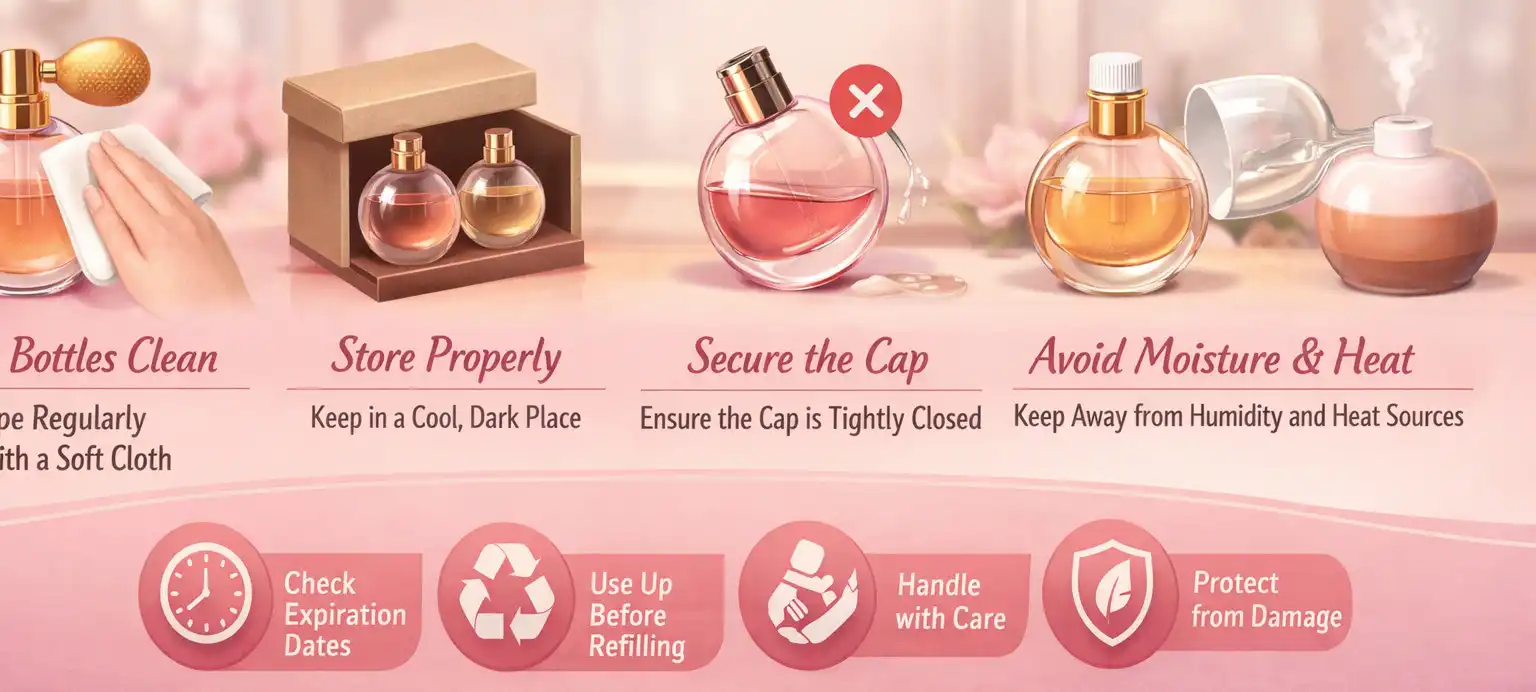
Practical Care and Maintenance Tips for Round Perfume Bottles
Preserving Product Integrity Through Proper Handling
Cylindrical glass cases don't need much care, but they do look better when you do. When cleaning, you should not use rough materials that scratch surfaces and make them less clear. Rinsing with isopropyl alcohol gets rid of any leftover scent oils in refilling designs without leaving behind deposits that make later fills less successful. These rules are important for hotel guests who need to refill water bottles and for store managers who are in charge of tester displays. End users can keep the product's look and functions up to date for longer by following the clear instructions in the literature.
Troubleshooting Common Operational Issues
Even when products are well made, they sometimes don't work right. Spray systems may have less output when their tips get clogged. A quick rinse generally fixes this problem. Most leaks are caused by bad cap fitting rather than structural flaws; making sure all threads are fully engaged fixes most issues. Giving troubleshooting tips to distribution partners lowers the number of returns and customer service calls. This protects the brand's image and keeps running costs low.
Shipping and Packaging Best Practices
Strategic package design is needed to keep fragile glass safe while it's being shipped. Each bottle needs its own compartmented box with soft materials that absorb shock when it's being handled. The cylinder shape has built-in benefits—it doesn't have any weak corners that would gather collision forces. When planning how to palletize things, you should think about vertical load limits and safe strapping that keeps things from moving. Suppliers with experience in global shipping know these needs and can suggest wrapping options that keep items from breaking and get them to stores in perfect condition.
Conclusion
The style of a perfume bottle is important in a way that goes beyond personal taste. It affects how people think about a brand, how they feel about the quality of the product, and how they decide what to buy. When buying cylindrical glass packaging for home decor brands, gift companies, retail chains, event planners, hospitality providers, and distribution networks, procurement professionals have to find the best balance between the material's properties, the ability to customize, the supplier's dependability, and changing market trends. When it comes to these measurements, the round perfume bottle has been shown to work well. Its structure makes it easier to ship and gives brands a lot of ways to stand out. As rules about sustainability get stricter and smart packaging technologies get better, smart buying strategies will focus on suppliers who can show they can be innovative as well as good at making things. This will help build partnerships that support long-term business goals in global markets that are always changing.
FAQ
What advantages do frosted bottles offer compared to clear glass?
Frosted finishes make things look different, which draws to high-end market groups. The matte surface spreads light in a beautiful way, making it look expensive and classy. Feeling-wise, frosted glass has a light feel that makes it easier to hold and makes the product seem better. Concerning functionality, the finish hides small flaws and dirt, keeping the item's spotless look in store settings. Because of these qualities, frosted bottles are great for gift packaging and high-end store settings where the way they look supports their high price tag.
How can I ensure custom bottles meet brand quality standards?
Requesting samples before production gives you a chance to test things in real life. Check the specs against the glass's clarity, the accuracy of its decoration, and its structural stability. Check the quality control methods used by the provider, such as thermal shock validation and hydrolytic resistance tests. Manufacturers who have been around for a while can provide certificates that show they meet foreign standards. Clear sharing of standards, backed up by thorough specs and reference samples, ensures that everyone understands, which stops production mistakes that cost a lot of money.
What are typical lead times for bulk OEM orders?
Production times depend on how complicated the design is and how many items are ordered. It usually takes four to six weeks from the time an order is confirmed until it is delivered for standard bottles with simple decorations. With custom molds, the time it takes to make tools goes up by eight to twelve weeks. When suppliers keep popular bottle styles and decoration materials in stock, wait times for repeat orders are cut down. When planning your buying schedule, you should take into account how long it takes to make the goods, ship them internationally, and get approval for samples. For first sales, the whole process usually takes two to three months.
Partner With Muzhishi for Superior Round Perfume Bottle Solutions
Xuzhou Muzhishi Crafts has been making glass for twenty years and can help you with your fragrance packaging needs. As a specialist in round perfume bottle solutions, we offer full OEM services, from helping with the initial design to shipping all over the world. Our high-clarity soda-lime glass cases come in 30ml, 50ml, and 100ml sizes. They give your brand the structural stability and optical excellence it deserves. We can make standard cases into unique brand assets that stand out in stores by hot stamping, frosting, engraving on the inside, and screen printing, among other customization choices. Our supply chain benefits, such as partnerships with local material sources and the ability to sell on our own, lower costs and speed up delivery times. You can see for yourself how good our products are by getting free samples in three to five days. Email our account managers at long@muzhishi.com to talk about your unique needs, ask for samples, or start placing bulk orders. Find out why big brands trust Muzhishi to provide packing options that keep products safe and boost their market presence.
References
1. Robertson, G.L. (2016). Food Packaging: Principles and Practice (3rd ed.). Boca Raton: CRC Press.
2. Klimchuk, M.R., & Krasovec, S.A. (2012). Packaging Design: Successful Product Branding From Concept to Shelf (2nd ed.). Hoboken: John Wiley & Sons.
3. Soroka, W. (2009). Fundamentals of Packaging Technology (4th ed.). Herndon: Institute of Packaging Professionals.
4. Lindström, M. (2005). Brand Sense: Sensory Secrets Behind the Stuff We Buy. New York: Free Press.
5. Paine, F.A., & Paine, H.Y. (1992). A Handbook of Food Packaging (2nd ed.). Glasgow: Blackie Academic & Professional.
6. Emblem, A., & Emblem, H. (2012). Packaging Technology: Fundamentals, Materials and Processes. Cambridge: Woodhead Publishing.

Our customers’ satisfaction speaks for our quality — contact us to experience the same reliable service.