- English
- French
- German
- Portuguese
- Spanish
- Russian
- Japanese
- Korean
- Arabic
- Greek
- German
- Turkish
- Italian
- Danish
- Romanian
- Indonesian
- Czech
- Afrikaans
- Swedish
- Polish
- Basque
- Catalan
- Esperanto
- Hindi
- Lao
- Albanian
- Amharic
- Armenian
- Azerbaijani
- Belarusian
- Bengali
- Bosnian
- Bulgarian
- Cebuano
- Chichewa
- Corsican
- Croatian
- Dutch
- Estonian
- Filipino
- Finnish
- Frisian
- Galician
- Georgian
- Gujarati
- Haitian
- Hausa
- Hawaiian
- Hebrew
- Hmong
- Hungarian
- Icelandic
- Igbo
- Javanese
- Kannada
- Kazakh
- Khmer
- Kurdish
- Kyrgyz
- Latin
- Latvian
- Lithuanian
- Luxembou..
- Macedonian
- Malagasy
- Malay
- Malayalam
- Maltese
- Maori
- Marathi
- Mongolian
- Burmese
- Nepali
- Norwegian
- Pashto
- Persian
- Punjabi
- Serbian
- Sesotho
- Sinhala
- Slovak
- Slovenian
- Somali
- Samoan
- Scots Gaelic
- Shona
- Sindhi
- Sundanese
- Swahili
- Tajik
- Tamil
- Telugu
- Thai
- Ukrainian
- Urdu
- Uzbek
- Vietnamese
- Welsh
- Xhosa
- Yiddish
- Yoruba
- Zulu
750ml Glass Wine Bottles for Wine Making: Benefits, Types, and Buying Tips
When making wine, picking the right package means carefully thinking about how to keep it fresh, how to show it, and how to make it work in real life. The 750 ml glass wine bottle has become the standard in the industry because it has the right amount of space for aging, shipping, and drinking. These bottles have great chemical stability that keeps the quality of the wine safe over long periods of time, great UV resistance that keeps the quality from breaking down when exposed to light, and beautiful looks that boost brand positioning. Whether you run a small winery, are in charge of business gifting programs, or are in charge of large-scale delivery networks, knowing how to choose the right 750 ml glass wine bottles has a direct effect on the quality of your product and your success in the market.
Understanding 750 ml Glass Wine Bottles: Size, Standards, and Benefits
The 750 ml capacity, which is about 25.4 fluid ounces, is the most common size for wine packaging around the world for historical and practical reasons. This amount started out as a functional limitation for glassblowing and has since become an international standard that makes trade more consistent around the world. Regulatory bodies around the world recognize this size, which makes it easier for foreign sellers to get export paperwork and clear customs.

Why Does Glass Outperform Alternative Materials?
The chemical purity of glass is unmatched, which keeps the wine's aromatic and taste qualities without contaminating them. Plastic containers let air in and add flavors that aren't wanted, but high-grade soda-lime-silica glass makes a barrier that can't be broken through. Our bottles keep their hydrolytic resistance Class HGB1 rating, which means that no minerals are leached even after decades of storage in the cellar. This material steadiness protects investment-grade wines that gain value over 20 years of aging.
The environmental image makes glass more competitive in the market. Glass can be recycled over and over again without losing any of its quality. Each cycle saves raw materials and cuts burner energy use by about 30%. People who care about the environment will like this sustainability benefit, and it helps brands keep their environmental promises. More and more, purchasing managers are looking for suppliers with recycling programs and smaller carbon footprints across all of their production activities.
Optimal Storage Conditions for Quality Preservation
Glass shipping benefits are felt all along the supply chain when it is stored properly. Temperatures should stay between 12°C and 15°C, humidity should be around 70%, and wine bottles should be kept out of direct sunshine. These factors are just as important in retail settings as they are in production facilities and distribution warehouses. Our bottles can handle temperature changes of more than 40°C because they are resistant to thermal shock. This makes them suitable for transport in cold conditions and for moving goods between countries with different climates.
The vertical load resistance (more than 1.5 tonnes) lets you stack things efficiently in the warehouse without putting the structure at risk. This mechanical strength cuts down on wasteful packing and increases storage density, which has a direct effect on how much it costs importers to manage container volumes and their transportation costs. When distribution partners figure out the total cost of ownership, which includes the initial purchase price, they look at these engineering specs.
Types of 750ml Glass Wine Bottles: Features and Applications
If you know about the different types of bottles, you can better match the package to the features of the wine and your market positioning strategies. There are three main bottle shapes that make up the market. Each has its own useful benefits and aesthetic meanings.
Bordeaux Bottle Design Characteristics
The Bordeaux profile of 750 ml glass wine bottles was created to catch sediment during pouring. It has high shoulders and straight sides. This design works well for red wines that need to be aged for a long time, like Cabernet Sauvignon and Merlot. The shoulder shape makes decanting easier, and the cylinder body makes keeping in the cellar more efficient. When procurement teams are looking for premium red wine programs, they usually choose this classic shape because it is well-known in the market and works well.
Burgundy Bottle Profile and Uses
Burgundy bottles usually have bigger bodies and shoulders that slope slowly down. This is typical of Pinot Noir and Chardonnay wines. This shape is good for wines with lighter sediments, and its graceful curves give it an air of elegance. Home decor brands sometimes use empty burgundy bottles as decorative elements, which extends the lifecycle of the product beyond its original use. This profile is popular with lifestyle retailers looking for packaging solutions that can be used for two different things.
Champagne Bottle Engineering
To make sparkling wine, structures need to be stronger so they can handle pressures of up to 5–6 bar. Champagne bottles have stronger glass walls, deeper punts (dentations in the bottom), and a heavier total weight—often more than 900 grams compared to regular still wine bottles that weigh 398 grams. The punt makes the structure stronger and makes riddling by hand easier during traditional méthode champenoise production. Event planners who are looking for supplies for parties often ask for these unique bottles because they look so good.
Color Selection and Brand Strategy
Colour choices aren't just about looks; they're also about meeting useful preservation needs. About 90% of dangerous UV radiation in the 200–450nm wavelength range is blocked by amber glass. This stops light-struck flaws that cause sulfury off-flavors. Antique green choices offer some UV protection while keeping the standard wine look. Transparent flint glass shows off the colour of wine beautifully, making it perfect for rosé wines and spirits where looks are important.
Through unique colour development, our customisation options help brands stand out. For senior presentation programs, corporate gift sellers often ask for custom colour palettes that match the recipient's company's brand. This customisation makes receiving events that people will remember, which strengthens business relationships beyond just transactions.
Closure System Considerations
Cork seals are still the standard for high-end wines that are meant to be aged for a long time. They let little air in, which helps control the ageing process. Costs of natural cork and changes in supply have led to the use of technology-cork and synthetic replacements that seal well every time. Screw cap closures completely block oxygen, making them perfect for fresh white wines and spirits that will be drunk soon.
Because the necks of our bottles are made with precision within ±0.5mm limits, they can be finished with either a cork or a screw cap. Because of this, bottlers can change how they close bottles based on the type of wine and the tastes of their target market without having to retool their bottle inventory.
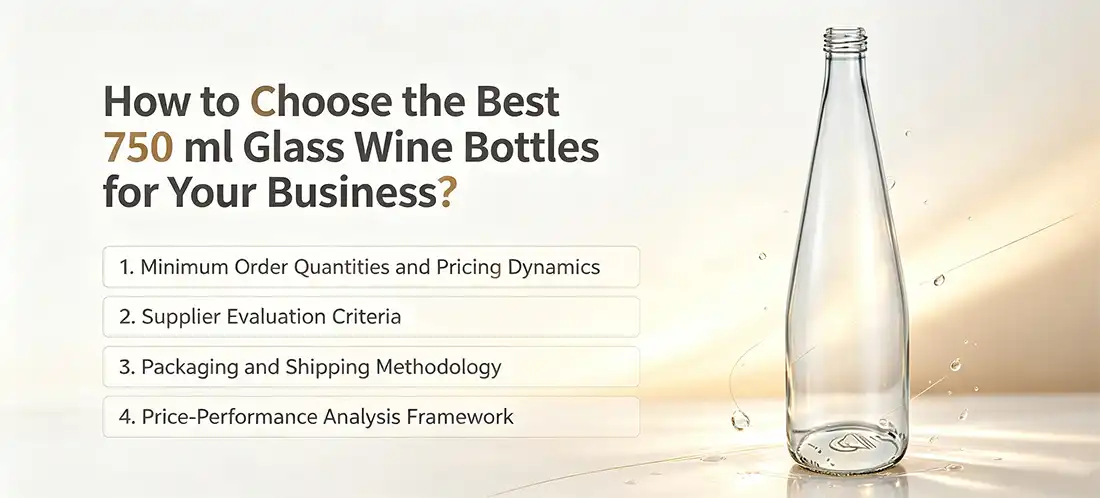
Buying Guide: How to Choose the Best 750 ml Glass Wine Bottles for Your Business?
When making strategic buying choices, you have to weigh the needs for quality, cost, and the dependability of the supply chain. When purchasing professionals look at different suppliers, they should consistently consider a number of important factors.
Minimum Order Quantities and Pricing Dynamics
The economics of making 750 ml glass wine bottles favor making a lot of them. For standard designs, the minimum order quantity is usually around 10,000 units. For custom specs, bigger pledges may be needed to cover the costs of mold development. By knowing these levels, buyers can better discuss terms and keep inventory turnover in line with production plans.
When you make a bigger commitment, the price per unit goes down because of volume-based pricing. Through our partnerships with local glass providers, we're able to offer our customers lower prices on raw materials, which cuts their costs by 10 to 15 percent compared to other options on the market. To correctly compare total landed costs, buyers should ask for thorough quotes that include payment terms, currency factors, and who is responsible for freight.
Supplier Evaluation Criteria
Product stability and supply continuity are directly affected by the image of the manufacturer. Check the quality standards of possible suppliers—ISO 9001 compliance shows that they follow structured quality management practices. Ask for written proof of the testing procedures, such as checking the dimensions, analyzing the wall thickness, and making sure the pressure resistance is correct. Concerns about manufacturing quality are raised when suppliers refuse to give full technical specs.
Assessing production capacity stops supply problems from happening in the future. Our facilities can handle fast prototyping, with models ready in three to five days, as well as large-scale production to meet the needs of the market right away. Visiting factories is a great way to learn about how professionally they run their businesses, but virtual factory tours are becoming more and more acceptable for initial assessments.
Packaging and Shipping Methodology
Glass goods that are easily broken need protective packaging that is designed to work in foreign shipping circumstances. Standard setups include divisions made of cardboard, top boxes made of corrugated cardboard, and pallet support. Our transportation team comes up with ways to package things that protect them while also taking into account the weight of the packages, which affects how much freight costs.
We keep our own import/export authorization up-to-date and prepare customs documents like commercial invoices, packing lists, and certificates of origin. This all-inclusive service takes away the need for international buyers to coordinate, especially if they don't know what the requirements are in the destination country. Because we know how to put containers on ships and follow the rules for air freight, we can make sure that packages get there on time and in good condition.
Price-Performance Analysis Framework
To figure out what something is worth, you have to look at more than just the initial buying price. High-speed bottling processes are less likely to stop because of glass-to-glass contact when the bottles are of higher quality and have better coatings. These performance characteristics lower the costs of production downtime, which are often higher than the small amount of money saved by using cheaper alternatives.
Figure out how often bottles break during the distribution cycle. Bottles that aren't structurally sound cost more to replace and throw away, and they could also hurt the brand's reputation if they break on the shelf. Our cold-end coating technology reduces damage from handling during automated processing, which lowers total costs by cutting down on waste and making operations more efficient.
Top Trends and Innovations in 750 ml Glass Wine Bottles
Environmental concerns, progress in technology, and shifting customer standards all cause industries to change. Procurement teams can take advantage of competitive benefits by staying up to date on new trends.
Sustainability Driving Design Innovation
Lightweight bottle engineering cuts down on the use of glass without affecting the strength of the structure. Advanced finite element analysis lets you find the best materials for bottles, which cuts their weight by 15 to 20 percent while keeping their ability to withstand pressure and stack. These new ideas make movement less harmful to the environment and save money on shipping costs by making containers lighter.
Enhanced Security and Convenience Features
Adding tamper-evident seals to 750 ml glass wine bottle neck designs gives customers peace of mind and makes sure that regulations are followed. These traits are especially important for foreign markets that have strict rules about authenticity. Screen printing and inside engraving are advanced technologies that make it possible to stop imitation and protect the purity of high-end brands.
Digital Integration and Supply Chain Transparency
New tracking technologies include unique labels that allow the supply chain to see what is being made and how it is being used. While QR codes and NFC tags make authentication easier, they also connect real goods to digital brand experiences through marketing connections. Forward-thinking purchasing groups check with sellers to see if they can add these technologies to regular products.
Conclusion
Choosing the right 750 ml glass wine bottle packing is a smart choice that affects how well the product stays fresh, how people see the brand, and how efficiently the business runs. The 750ml standard size is the perfect amount for fermentation and consumption, and its capacity is recognized around the world. This makes international trade easier. Knowing the different types of bottles, how colours work, and which closures work with each type helps you make smart decisions about where to get bottles that match the characteristics of the wine and your market positioning goals. Suppliers can be trusted if they have quality certifications, the ability to produce goods, and knowledge of logistics. This helps businesses grow over the long term in competitive global markets.
FAQ
What makes the 750 ml capacity the industry standard?
The 750 ml size became standard through historical glassblowing practices and the harmonisation of rules. This volume is a good size for a single serve and meets the needs of older people. This size is recognised by all international trade rules, which makes shipping paperwork and clearing customs easier for businesses that do business across borders.
How do I determine the appropriate bottle color for my product?
The choice of color strikes a balance between the need to preserve and the need to sell. Dark amber blocks UV rays the best, so light-sensitive wines that need to last longer can do so. While keeping traditional wine associations, green choices offer a modest level of protection. Clear glass is a good way to show off the look of rosé wines and high-end drinks, where looks are important in making buying decisions.
Can bottles accommodate both cork and screw cap closures?
Fine neck ends on high-quality bottles make them work with a variety of closure methods. We make sure that our manufacturing tolerances are within ±0.5mm so that sealing works properly whether you use natural cork, technical cork alternatives, or screw cap systems. This gives bottlers the freedom to change how they close bottles based on the type of wine without having to change the bottle's specs.
Partner with Muzhishi for Premium Wine Packaging Solutions
International customers looking for dependable 750ml Glass Wine Bottles suppliers can come to Xuzhou Muzhishi Crafts Co., Ltd., which has been making glasses for 20 years. Our wide range of customisation options, such as hot stamping, inside lettering, and screen printing, let you show your brand in a way that stands out and gets people's attention. We offer free samples within 3–5 days, so you can check the quality before committing. Our dedicated account management makes sure that you can communicate easily throughout the entire lifecycle of your project. Our self-operated logistics take care of all the paperwork and freight arrangements so that you don't have to worry about foreign shipping. Email our team at long@muzhishi.com to talk about your unique needs and get quotes that are suited to your procurement goals.
References
1. Johnson, H. & Robinson, J. (2019). The World Atlas of Wine (8th ed.). London: Mitchell Beazley Publishing.
2. Parveau, S. & Reynolds, A.G. (2021). "Impact of Bottle Color on Wine Quality During Storage." Journal of Food Science and Technology, 58(4), 1456-1468.
3. Boseley, M. (2020). Sustainable Wine Packaging: Materials, Design, and Environmental Impact. Adelaide: Australian Wine Research Institute.
4. International Organization of Vine and Wine (OIV). (2022). Standard Specifications for Wine Bottles and Closures. Paris: OIV Publications.
5. Charters, S. (2018). Packaging and the Marketing of Wine: The Role of Design and Materials in Consumer Perception. New York: Routledge Academic Press.
6. Global Glass Packaging Institute. (2023). Technical Standards for Wine Bottle Manufacturing and Quality Control. Brussels: European Glass Container Federation.


Our customers’ satisfaction speaks for our quality — contact us to experience the same reliable service.