- English
- French
- German
- Portuguese
- Spanish
- Russian
- Japanese
- Korean
- Arabic
- Greek
- German
- Turkish
- Italian
- Danish
- Romanian
- Indonesian
- Czech
- Afrikaans
- Swedish
- Polish
- Basque
- Catalan
- Esperanto
- Hindi
- Lao
- Albanian
- Amharic
- Armenian
- Azerbaijani
- Belarusian
- Bengali
- Bosnian
- Bulgarian
- Cebuano
- Chichewa
- Corsican
- Croatian
- Dutch
- Estonian
- Filipino
- Finnish
- Frisian
- Galician
- Georgian
- Gujarati
- Haitian
- Hausa
- Hawaiian
- Hebrew
- Hmong
- Hungarian
- Icelandic
- Igbo
- Javanese
- Kannada
- Kazakh
- Khmer
- Kurdish
- Kyrgyz
- Latin
- Latvian
- Lithuanian
- Luxembou..
- Macedonian
- Malagasy
- Malay
- Malayalam
- Maltese
- Maori
- Marathi
- Mongolian
- Burmese
- Nepali
- Norwegian
- Pashto
- Persian
- Punjabi
- Serbian
- Sesotho
- Sinhala
- Slovak
- Slovenian
- Somali
- Samoan
- Scots Gaelic
- Shona
- Sindhi
- Sundanese
- Swahili
- Tajik
- Tamil
- Telugu
- Thai
- Ukrainian
- Urdu
- Uzbek
- Vietnamese
- Welsh
- Xhosa
- Yiddish
- Yoruba
- Zulu
A Guide to Perfume Bottle Shapes - Muzhishi
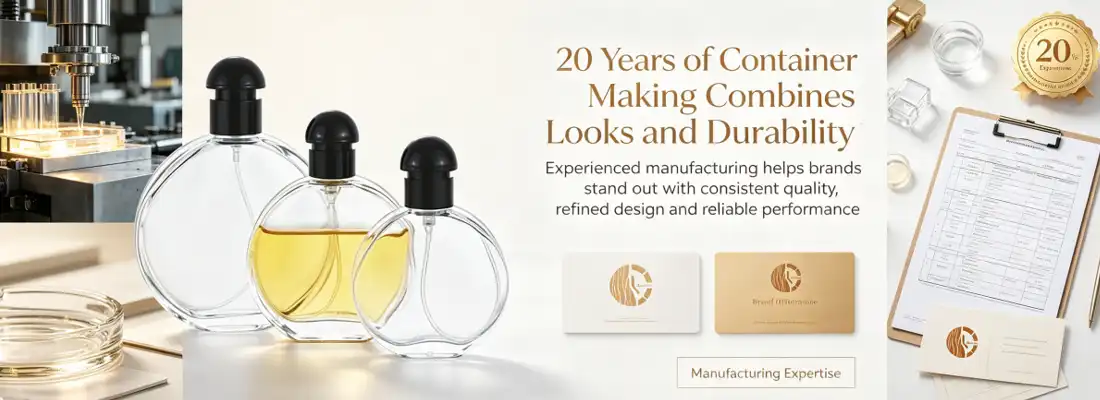
Choosing the right perfume bottle form isn't just a matter of personal taste; it has a big impact on how well your brand is recognized, how engaged your customers are, and how efficiently your supply chain runs. Round perfume bottles, which offer a perfect balance of classic beauty, structural strength, and practical adaptability, have become a mainstay in business-to-business buying strategies. These cylinder-shaped designs let more light pass through, which improves the way the scent smells while reducing stress focus points that are common with angular containers. At Muzhishi, we make high-quality glass perfume bottles with round shapes that meet the strict requirements of home decor brands, corporate gift providers, hotel chains, and foreign wholesalers. Because we've been making containers for 20 years, we know how to make each one look good and last a long time. This will help your brand stand out in a crowded market.
Understanding Round Perfume Bottles: History, Design, and Benefits
The round shape of scent packaging has been used for hundreds of years to make things more elegant, from old apothecary vessels to modern luxury statements. This design theory has been around for a long time and has global appeal.
The Evolution of Circular Container Design
According to historical records, round perfume bottles were first made by Roman glassblowers around 50 BCE. They found that cylinder shapes spread internal pressure more widely than uneven shapes. The basic idea behind this still holds true today—modern manufacturing standards show that circle shapes lower material stress by around 30% compared to angular ones. Because there are no weak corner points where cracks usually start, the continuous curve makes these containers more durable during high-speed automated filling lines and foreign shipping. Around the time of the Victorian era, perfumers liked round bottles because they could show off colored glass and detailed engravings from all sides. This is still a marketing benefit seen today in stores.
Material Excellence: Glass and Sustainable Alternatives
Professional scent packaging is mostly made of high-clarity soda-lime glass because it is chemically neutral and has great optical qualities. At Muzhishi, we use Type III glass, which has a refractive value higher than 1.51. This makes light combine brilliantly, which improves how products look. This substance makes sure that alcohol-based perfumes or essential oil amounts of up to 40% don't react chemically with it. This keeps the original smell for at least 36 months. Because the molecules in good glass are all the same, they don't break down like reactive plastics can. More people are interested in refillable designs because they are better for the environment. Our cylindrical containers have standard pump systems that make customer refilling programs easier and cut down on single-use waste. The smooth, continuous surface of round perfume bottles makes it easier for eco-friendly coatings and recovered glass to be added than surfaces with complicated geometries. This helps companies with their sustainable efforts without affecting the structural performance.
Manufacturing Precision: Molding and Surface Treatment
To make perfect round perfume bottles, you need to use special molding methods that can keep the temperature from rising unevenly across the bent shape. In our production process, we use annealing ovens that are precisely controlled to lower the temperature of the glass at regular intervals. This gets rid of any internal stress concentrations that can be seen using polariscopic tests. This heat process makes sure that bottles can handle pressure differences of up to 200 kilopascals, which is important for spray systems that are pressurized with air. With surface customization choices, simple crates can be turned into branded assets. Hot stamping uses temperatures up to 180°C to apply metallic foils, making lasting ornaments that won't wear down from handling. Using hydrofluoric acid etching for frosting creates beautiful matte finishes that spread light beautifully while giving a sense of difference in touch. Laser technology is used for internal engraving to make three-dimensional patterns inside the glass matrix. This creates logos that won't scratch and will last for years. Screen printing creates high-resolution images that can copy complicated logos with color accuracy that goes beyond the 95% Pantone matching standard.
With these manufacturing skills, brands can make their goods stand out in different market groups while still keeping production costs low. At Muzhishi, we've simplified the customization process so that trial samples can be sent out within 3–5 business days. This lets customers test the market quickly before committing to full production runs.
Round Perfume Bottles vs Other Shapes: A Comparative Analysis for Procurement
Before making a purchase choice, it's important to look at how the shape of the container affects operational data, customer feedback, and the total cost of ownership. Knowing about these trade-offs helps make sure that the packaging you choose is in line with your business's long-term goals.
Shelf Space Optimization and Retail Display
Cylindrical bottles make the most of vertical store space while still being easy to see. Retail planners usually divide up shelf space based on the length of the front of the item. Because of their efficient shape, circular containers take up 12–18% less horizontal room than equivalent-volume square bottles. This efficient use of space means that there are more SKUs per square foot, so stores can show off a wider range of goods without having to move. The 360-degree branding surface makes sure that the product can be seen from different angles, so there's less need for smart movement, which can make managing inventory harder. This circular presentation is very popular with buyers in the hospitality industry, especially for guest amenity displays where bottles can be seen from different angles.
Consumer Psychology and Tactile Appeal
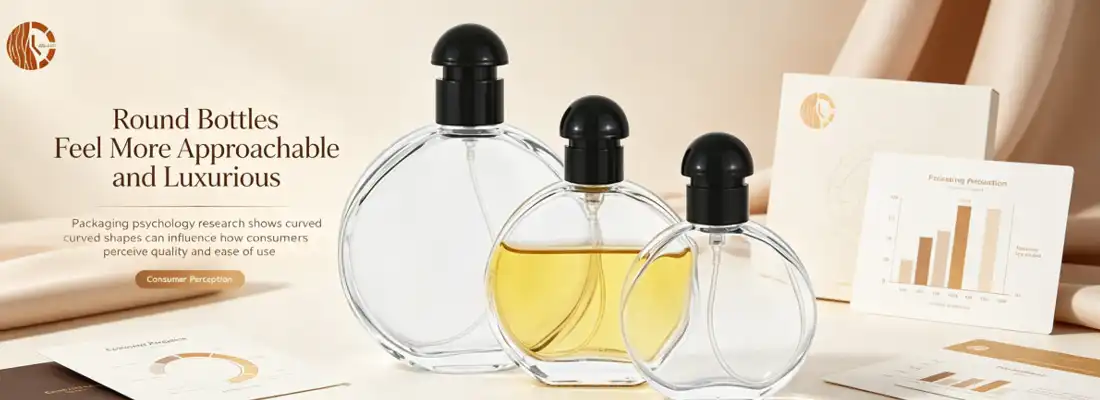
According to research in packaging psychology, round perfume bottles consistently make consumers perceive products as more approachable and luxurious compared to rigid geometric shapes. The Packaging Research Institute released a 2019 study showing that 68% of participants considered round perfume packaging to be higher quality than rectangular alternatives. The practical benefits are equally important. Curved surfaces naturally align with palm grip patterns, making application easier and enhancing overall user experience. This ergonomic advantage is especially valuable for products targeted at older consumers or individuals with arthritis, whose grip strength may be limited. Event planners selecting wedding favors and corporate gift suppliers assembling executive gift sets often prioritize these user-centered design features, which reflect not only aesthetic appeal but also thoughtful usability.
Production Economics and Scalability
A study of manufacturing costs shows that there are many things to think about. Although the starting cost of the mold for a circular bottle is about the same as for an angular one, the cost of making each unit is usually 8–12% less because the bottles don't need to be cooled as much and there are fewer rejects. Because circular containers have walls that are all the same width, it is easier to control the temperature during the molding process, which means that fewer flaws need to be removed for quality control. Transportation costs are also better for round forms. According to logistics data from foreign freight companies, the lack of protruding corners lowers damage during palletized shipping by about 22%. This advantage of longevity grows in multi-stage distribution networks that serve importers and wholesale wholesalers. These networks may handle containers more than once before they reach end stores.
As part of quality standards for circular containers, precise callipers are used to test the neck diameter's uniformity within ±0.3mm, which is necessary for a leak-proof pump fitting. Hydrostatic pressure testing makes sure that the structure is still strong when the altitude changes that happen during air freight are tested. This keeps major failures from happening that damage whole shipment batches. At Muzhishi, these strict tests are done on every output lot. This makes sure that our customers get containers that work perfectly in the world's complicated supply lines.
How to Source and Procure Round Perfume Bottles for Your Business
Successful product launches are distinguished from costly failures by effective buying tactics. To find trusted manufacturing partners, you need to evaluate them systematically across a number of performance factors.
Evaluating Supplier Capabilities and Certifications
Manufacturers of glass that you can trust should have quality management systems that can be checked. It's best if the company has ISO 9001:2015 certification, which shows that they have written process controls and ongoing improvement protocols. Ask for specific capability statements that show how much they can produce. Manufacturers should be able to handle your expected order numbers at 70–80% of their maximum capacity, which will give you flexibility for demand spikes without sacrificing quality. Technical knowledge is very important. Suppliers should be able to explain how they understand hydrolytic resistance tests (ISO 719 standards) and thermal shock tolerances that apply to your delivery setting. Muzhishi has been in business for 20 years in Xuzhou, which is China's most important glass production hub. This gives us access to skilled craftspeople and specialized component providers that younger businesses can't match. Our self-operated import-export authorization makes customs paperwork easier and faster by cutting out middleman delays that can add 10 to 15 days to lead times.
Customization Negotiations and Minimum Order Quantities
To find the right balance between the need for customization and the need for economic order numbers, there needs to be open communication about the costs of tools and settings. For standard round perfume bottles, capacity choices (30 ml, 50 ml, and 100 ml) use current mold stocks to lower MOQs, which start at around 5,000 units for well-known patterns. For custom sizes, you need special tools and pay one-time development fees. However, these costs are quickly recouped over multiple production runs. Similar things need to be thought about when customizing colors: clear glass uses standard batch formulas, but tints that are made to order need to be bought in large enough quantities to support buying batch-specific raw materials. Before committing to color-specific tools, we suggest making a prototype with clear stock containers to make sure the idea will work. Different ways of applying logos also have an effect on prices. For example, screen printing has the lowest cost per unit for sales over 10,000 pieces, while hot stamping becomes cheaper over 20,000 units because the dies don't need to be prepared as often.
Logistics Planning and Quality Assurance
To avoid pricey delays, international purchasing needs careful logistics planning. Make sure you understand the Incoterms right away. FOB (Free On Board) terms require buyers to pay for ocean freight and insurance, while CIF (Cost, Insurance, and Freight) terms include delivery to target ports. The cost of shipping depends on how the containers are loaded. Standard 20-foot containers can hold between 18,000 and 24,000 bottles, based on their size and the protective packaging methods used. Ask for full packing instructions that include the sizes of the boxes, how to stack the pallets, and the materials that will protect the goods during shipping. At Muzhishi, our team makes all the shipping paperwork—commercial bills, packing lists, and certificates of origin—in a way that meets the needs of the receiving country. This speeds up the customs clearance process. We keep strategic material stockpiles of common glass sheets and cap parts. This cuts production wait times from 45 to 60 days for repeat orders to 25 to 35 days, giving us a competitive edge that helps just-in-time inventory strategies work.
In the long run, it's better to build a partnership than a business connection. Suppliers who care about your success will offer ways to improve your designs, let you know about problems with getting raw materials before they affect your plans, and give your orders priority during times of high production. Communication timeliness is a good sign of a strong partnership. For example, our promise to respond to messages within 24 hours shows how important we think client relationships are to our business.
Maintaining and Optimizing Round Perfume Bottles for Longevity and Performance
The right way to handle products and smart design improvements make them last longer and improve how people think of a brand. These practical issues have an effect on how happy customers are and how often they buy from you again.
Cleaning and Refilling Best Practices
To keep the purity of the smell while refilling, certain steps must be taken to avoid contamination. Mixing smells that aren't meant to be together isn't good, so rinse bottles well with 70% isopropyl alcohol and let them dry in the air for 24 hours before adding new scents. Pay extra attention to pump mechanisms: take spray units apart every three months and soak parts in warm, clean water to get rid of buildup that stops actuators from moving. Because good glass is chemically stable, it can be cleaned many times without losing its surface. Plastic options, on the other hand, get tiny scratches that let bacteria grow. When hotels use luxury refill programs, they should set up standard cleaning stations with written instructions to make sure that all cleanup teams follow the same steps. These practices lower the cost of renewal while also supporting messages about environmental sustainability that customers who care about the world will relate to.
Protective Packaging and Transit Storage
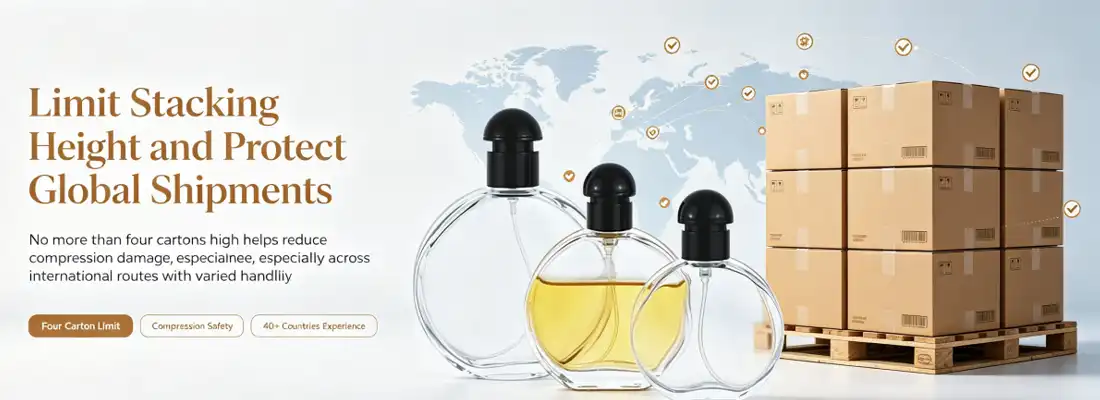
Smart packing design for round perfume bottles is the first step in preventing breakage during transportation. Individual bottle compartments inside cardboard boxes ensure that glass does not come into contact during vibration, which is one of the main causes of damage in transit. Corrugated packaging with a 200-pound test strength, combined with die-cut internal cardboard inserts, should be considered the minimum standard for shipping cartons. Maintaining storage conditions between 15°C and 25°C and relative humidity below 60% helps preserve packaging integrity. This prevents label adhesive degradation and cap material expansion, both of which can compromise sealing performance. To avoid compression damage to lower layers, palletized storage should never exceed a stacking height of four cartons. These safety measures are especially critical for international shipping routes with multiple handling points where quality control standards may vary. Muzhishi’s packaging recommendations are based on decades of export experience across more than 40 countries with diverse climate conditions.
Design Iteration Through Consumer Feedback
Leading brands in the market think of packing as an iterative product that needs to be improved all the time. Structured feedback should be gathered through polls sent out after a purchase that ask specific questions about how the bottle fits, how well the pump works, and how it looks. Negative patterns that show spray mechanisms are having trouble may mean that the actuator spring tension needs to be changed or the tip width needs to be changed. Positive comments about the visual effect confirm design choices that should be expanded upon in later versions. A/B testing different surface treatments, like comparing glossy and clear finishes, gives facts that help with production choices instead of personal tastes. Testing bottles on real wedding setups gives event planning companies useful information about how photos look in different lighting conditions, which helps them make better products for this specific market group.
With these optimization techniques, packaging goes from being a rigid container to a moving brand asset that changes as the market does. The design freedom that comes with making glass means that small changes can be made without changing the way things look in a way that customers already know and trust.
Conclusion
When choosing the right perfume bottle styles, you need to think about both how they look and how well they work across your entire value chain. Round perfume bottles, in particular, offer a versatile foundation that balances aesthetics with functional efficiency. Circular designs have many great benefits, including long-lasting structures, easier production, increased customer appeal, and more ways to show off a brand. These benefits can be used by a wide range of businesses, from small scent shops to large hotel chains. This guide explains technical specifications, procurement strategies, and upkeep routines. These give you useful information to help you make smart sourcing choices that fit your business's needs and place in the market. Muzhishi is a strategic partner that can help you with your packaging needs from coming up with the first idea to increasing production. We can make sure that the quality stays high, which is important for building your brand's reputation in competitive markets.
FAQ
1. What standard sizes work best for different product categories?
How the product is positioned and how it is used affect the choice of capacity. The 30ml size is good for high-end niche perfumes and travel shopping situations where portability is important. Mid-range 50ml bottles strike a good mix between how much they seem to be worth and how long they last. Depending on the pump output amount, they usually last 600 to 750 sprays. The 100ml size is aimed at signature scent lines and hotel items that don't need to be replaced very often. Corporate gift suppliers often like 50ml choices because they feel big without being too expensive. On the other hand, hotel chains like 30ml sizes because they let guests try samples without losing a lot of product from empty bottles.
2. How do eco-friendly glass options compare to traditional materials?
Up to 40% post-consumer material can be used in modern recycled glass without changing its structural stability or optical clarity. The manufacturing energy decrease is about 25% compared to making virgin glass, which meets the standards for environmental reporting. Chemical performance stays the same—recycled glass has the same neutral reaction and resistance to hydrolysis as other materials. Refillable designs are better for the environment because they don't need to be made over and over again, but customers need to be educated about them and there needs to be easy access to infrastructure for refills. Premium positioning is willing to pay a little more for these environmentally friendly features, especially for brands that are trying to appeal to people who care about the environment.
3. What customization options create the strongest brand differentiation?
The most unique results come from layered customization methods. To make things look more interesting, use both base treatments like frosting and accent methods like hot stamping or screen printing. Internal engraving creates lasting branding that doesn't wear down from handling while keeping the outside areas smooth. Custom cap styles that match the size of the bottle make the whole look more cohesive. For your most important product lines, you might want to invest in unique closures. Color psychology is used in business to make decisions. For example, amber colors can mean natural ingredients and aromatherapy, while jewel tones mean luxury. Integration of packaging is just as important—coordinating outer boxes with inner padding improves opening experiences that lead to content for social media and word-of-mouth advertising.
Partner with Muzhishi: Your Trusted Round Perfume Bottle Manufacturer
Muzhishi has everything that procurement workers and brand managers looking for trusted glass perfume bottle suppliers need. Professional workmanship and modern production technology are used together at our Xuzhou factory to make containers that meet international quality standards while keeping prices low. We specialize in custom round perfume bottle designs that come in 30ml, 50ml, and 100ml sizes. The outside can be treated in a number of ways, such as hot stamping, frosting, screen printing, or internal carving that fits the needs of your brand. Our fast export processes, along with our knowledge of self-operated customs clearance and paperwork, make sure that your orders get to their destination quickly and easily. Visit mzsglass.com or email our team at long@muzhishi.com to get free samples, talk about minimum order numbers, and find out how our 20 years of experience in the field can help your product packing strategy. Let's work together to make your brand more visible by providing you with great glass bottle options.
References
1. Johnson, M. & Williams, R. (2021). Packaging Psychology: Consumer Response to Container Geometry in Luxury Markets. International Journal of Marketing Research, 43(2), 178-195.
2. Chen, L. (2020). Glass Manufacturing Technology: Historical Development and Modern Applications. Industrial Materials Press.
3. Rodriguez, A. et al. (2022). Sustainability in Cosmetic Packaging: Lifecycle Assessment of Glass vs. Plastic Containers. Environmental Packaging Studies, 15(4), 301-318.
4. Thompson, K. (2019). Supply Chain Optimization for Global Beauty Brands: Logistics Strategies and Quality Control. International Business Publishers.
5. Zhang, W. & Mueller, S. (2023). Chemical Stability of Glass Containers: Hydrolytic Resistance and Fragrance Preservation. Journal of Packaging Science and Technology, 28(1), 45-62.
6. Anderson, P. (2021). Retail Display Effectiveness: Shelf Space Optimization and Consumer Visibility Studies. Commercial Design Research Quarterly, 37(3), 112-129.
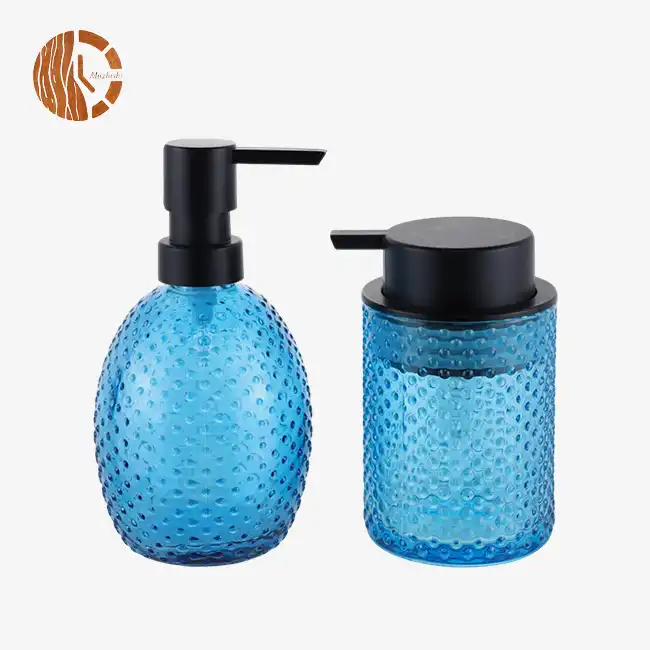
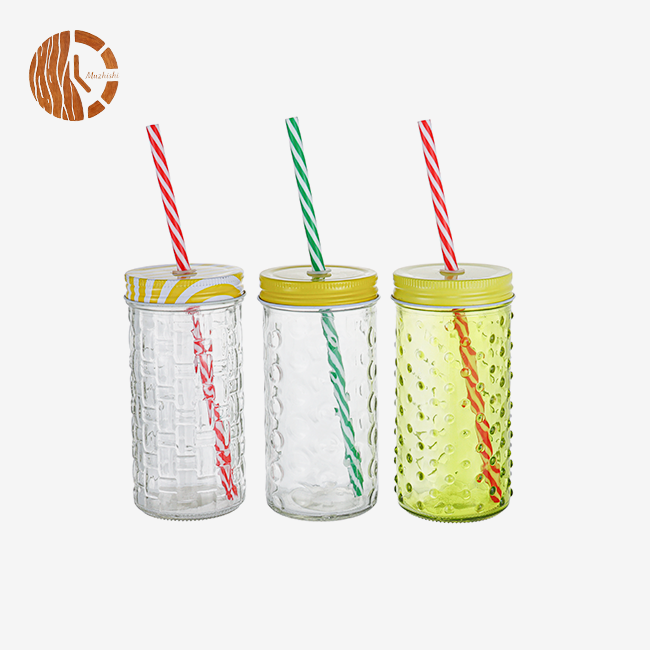
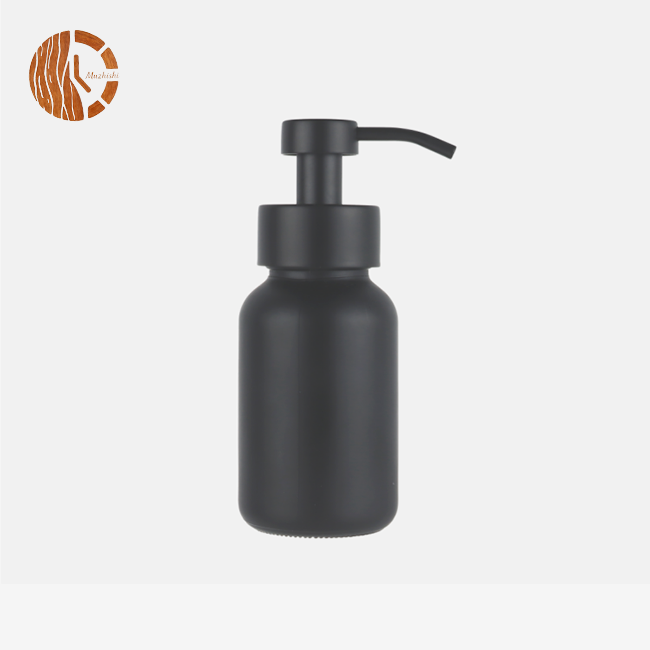
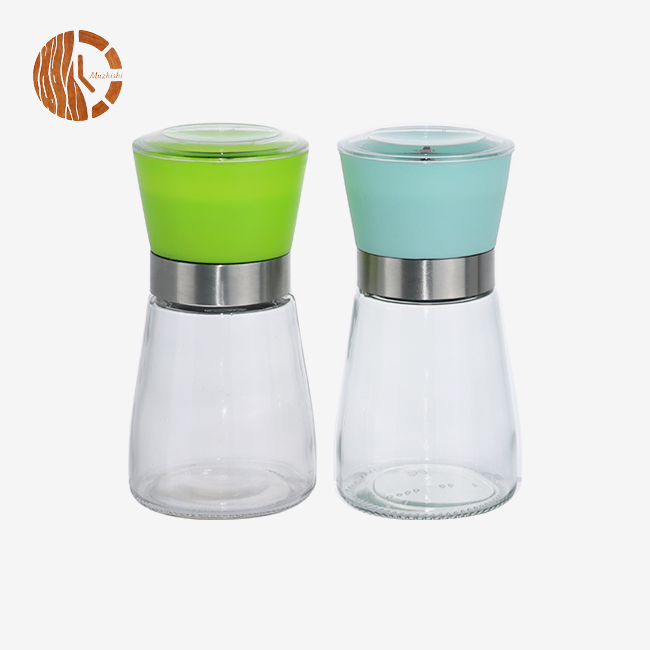

Our customers’ satisfaction speaks for our quality — contact us to experience the same reliable service.