- English
- French
- German
- Portuguese
- Spanish
- Russian
- Japanese
- Korean
- Arabic
- Greek
- German
- Turkish
- Italian
- Danish
- Romanian
- Indonesian
- Czech
- Afrikaans
- Swedish
- Polish
- Basque
- Catalan
- Esperanto
- Hindi
- Lao
- Albanian
- Amharic
- Armenian
- Azerbaijani
- Belarusian
- Bengali
- Bosnian
- Bulgarian
- Cebuano
- Chichewa
- Corsican
- Croatian
- Dutch
- Estonian
- Filipino
- Finnish
- Frisian
- Galician
- Georgian
- Gujarati
- Haitian
- Hausa
- Hawaiian
- Hebrew
- Hmong
- Hungarian
- Icelandic
- Igbo
- Javanese
- Kannada
- Kazakh
- Khmer
- Kurdish
- Kyrgyz
- Latin
- Latvian
- Lithuanian
- Luxembou..
- Macedonian
- Malagasy
- Malay
- Malayalam
- Maltese
- Maori
- Marathi
- Mongolian
- Burmese
- Nepali
- Norwegian
- Pashto
- Persian
- Punjabi
- Serbian
- Sesotho
- Sinhala
- Slovak
- Slovenian
- Somali
- Samoan
- Scots Gaelic
- Shona
- Sindhi
- Sundanese
- Swahili
- Tajik
- Tamil
- Telugu
- Thai
- Ukrainian
- Urdu
- Uzbek
- Vietnamese
- Welsh
- Xhosa
- Yiddish
- Yoruba
- Zulu
Amber Glass Spray Bottle Packaging Solutions For Skincare And Essential Oils
When it comes to finding high-quality containers for skin care products and essential oil mixes, amber glass spray bottles are the clear winner. The 500ml amber glass spray bottle has both laboratory-grade UV protection and chemical inertness. It solves two major problems: photochemical breakdown of active ingredients and contamination from low-quality plastic containers. This size strikes a good mix between being easy to handle and having enough space for professional uses. This makes it a must-have for buying teams that put product integrity and brand image first. Unlike clear glass or plastic options, amber glass blocks out 99% of dangerous ultraviolet radiation. This protects delicate plant compounds and greatly increases the shelf life.
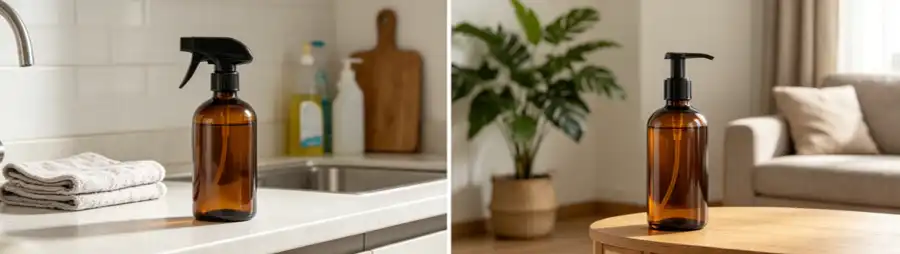
Understanding 500ml Amber Glass Spray Bottles: Features and Benefits
Why Amber Glass Outperforms Alternative Materials?
The special coloring in amber glass blocks light bands below 450nm, which cause photosensitive substances to break down at the molecular level. This feature is very helpful for essential oils that have terpenes and aldehydes that break down quickly in light. People who work in procurement in the skincare industry know that clear glass boxes let visible light through, while amber versions keep the recipe stable during distribution rounds.
Chemical safety is something that glass structure just can't match. Class HGB1 hydrolytic resistance is shown by soda-lime glass, which means that there is no ion exchange between the walls of the container and the contents. Your alcohol-based preparations and pH-sensitive toners keep their intended chemistry from the time they are made until they are used by a customer. Glass containers don't leak plasticizers or chemicals related to BPA into your valuable mixtures like PET or HDPE containers do.
Thermal and Mechanical Durability Standards
Spray bottles made for professionals must be able to withstand being sterilized at 121°C without breaking. This feature helps GMP-compliant production processes that need to treat things in an autoclave to keep them from getting contaminated. The strengthened base design can handle high-torque trigger mechanisms without stress cracking, which happens a lot when standard plastic bottles are exposed to harsh detergents.
During automatic filling processes, the ability to hold weight is important. Vertical load testing shows that properly heated glass bottles can support stacking multiple layers of pallets without breaking. This structural stability lowers breakage losses during storage and foreign shipping, which has a direct effect on how much it costs you to own the whole thing.
Industry Applications Across Market Segments
For pure plant mists, aromatherapists use containers that can handle UV light. High-value hydrosols of rose otto and neroli fetch high prices that justify spending money on safe packaging. Amber glass is used in clinical settings for isopropyl alcohol and hydrogen peroxide treatments because plastic replacements would break down after a few weeks of being sterilized so often.
Light-protected storage is good for useful enzyme mixtures and helpful microbe solutions in organic farming operations. The 500ml size is good for field applications and keeps photodegradation to a minimum when used outside. More and more home decor stores are selling clear glass spray bottles as eco-friendly options for people who like to make their own cleaning solutions and care about both how they look and how they work.
How to Choose the Right 500ml Amber Glass Spray Bottle for Your Business?
Material Comparison: Amber Glass Versus Alternatives
Cobalt blue glass is more beautiful to look at, but it lets more light through than 500ml amber glass spray bottle. Spectrophotometer tests show that blue glass lets 15-20% of UV light through, while amber glass only lets under-10%. Clear glass doesn't protect anything, so it can only be used for things that don't react to light, like pure water or simple detergent solutions.
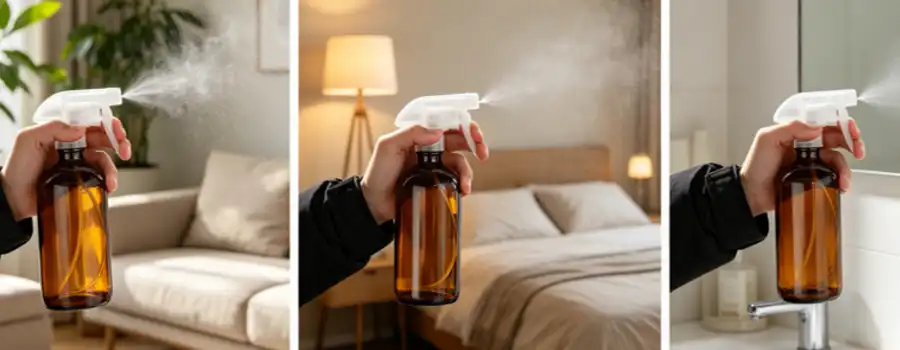
Plastic products pose a big risk of contamination. When limonene-rich citrus oils come in contact with PET bottles, they crack under stress. On the other hand, volatile organic chemicals can pass through HDPE. Glass always keeps its airtight integrity, which backs up claims of longer shelf lives that make people more confident in high-end product lines.
Spray Mechanism Selection for Optimal Product Delivery
Trigger sprayers give off 1.2 to 1.5ml of fluid per pull, making them good for cleaning solutions and room mists that need to cover more area. Fine mist atomizers give off 0.3 to 0.5ml of particles smaller than 50 microns, which makes them perfect for face toners and massage uses that can't handle heat. The standard 28/410 neck finish makes sure that it works with spray systems that are sourced from around the world, giving buyers more options when it comes to where to buy.
Consistency in discharge rate affects both the user experience and the accuracy of the dose. Quality trigger parts keep their volume variation within ±5% for more than 5,000 activation cycles. This dependability is important for therapeutic uses where accurate doses backs up claims of effectiveness and follows the rules set by regulators.
Customization Capabilities for Brand Differentiation
Standard bottles can be turned into unique company assets with different surface treatment choices. Using hot stamping to add shiny foils that can handle UV light and handling wear and tear creates a luxury market setting. Silk screen printing is a long-lasting way to put your name on things. The colors are Pantone-matched, and the logo will last through washing cycles and industrial cleaning procedures.
Inside engraving makes lasting branding that can't be changed or worn off by label wear, which is useful for high-end spa goods and professional-use formulations. It is possible to print in more than one color and with photographic detail with heat transfer printing, which can handle complicated artwork needs. Custom color matching through painting lets you make sure that all of your products have the same brand color.
Your marketing staff and our design team work together to make sure that the packaging fits with your brand's rules and does its job. Samples can be made in three to five days, so they can be quickly evaluated before committing to large-scale production. This shortened schedule works with rapid product development cycles and campaign starts that happen at certain times of the year.
Cleaning, Maintenance, and Safety Guidelines for Amber Glass Spray Bottles
Proper Cleaning Protocols for Reusable Containers
To clean the trigger mechanism for the first time, it has to be taken apart completely so that the internal springs and seals can be reached. Soak the parts in warm water with a pH-neutral cleanser for twenty minutes. Then, rinse them well with purified water to get rid of any mineral buildup. Glass bodies can handle temperatures up to 85°C in the dishwasher, but if you wash them by hand, the chips won't get damaged from the rack.
Rinses with isopropyl alcohol or food-grade ethanol can get rid of stubborn oil remains on 500ml amber glass spray bottle. Do not use rough scrubbers because they leave scratches on the surface that bacteria can grow in. Instead of using lint-producing paper products that get into other fills, let them air dry upside down on clean towels. Sterilization in a steam sterilizer at 121°C for 15 minutes makes sure that medical devices are clean enough to be used in pharmacy settings.
Safety Compliance for Cosmetic and Essential Oil Storage
Checking for chemical compatibility stops reactions between the mixture and the container. Glass is always resistant to chemicals, but parts of the spray system may be made of polypropylene or polyethylene, which react badly with strong essential oils. When keeping aggressive terpenes or phenolic compounds, you should use seals that are resistant to chemicals.
CPSC rules say that home items with dangerous substances must have child-resistant closures. Tamper-evident bands give customers peace of mind for store distribution platforms. Labels that are properly put on things, like ones with danger symbols and first-aid directions, help meet OSHA safety standards and buyer protection laws.
Environmental Impact and Recycling Best Practices
Glass recycling works like a closed-loop system, where cullet (crushed recovered glass) can be used instead of new raw materials without lowering the quality. Recycled glass keeps its physical traits even after being processed over and over again, while plastic downcycling makes lower-quality goods. This sustainability image makes ESG reporting measures stronger and speaks to procurement groups that care about the environment.
Local recycling services pick up clear glass along with other recyclables at the curb. End users should be taught about spray mechanism separation because parts made of different materials need different processing streams. Returnable container programs work best for business channels where bottle collection equipment already exists. They get the most out of the materials that are recycled and cut down on packaging costs by using them more than once.
Top 5 Market-Leading Solutions for Skincare and Essential Oils
Key Features of High-Performance Amber Bottles
The best options all meet the same quality standards, which buying teams should check. As long as the light transmission test is less than 10% at the 400nm range, UV protection is good. An annealing quality check using polariscopy shows internal stress patterns that show the chance of breaking on its own. Hermetic sealing during pressure changes that happen in air freight is confirmed by leak-proof performance under -0.05MPa vacuum tests.
Premium providers stand out by providing excellent surface finish. When glass is made, hot-end tin oxide processes make it 40% less likely to get scratched than glass that hasn't been treated. Cold-end polyethylene coats lower friction during automatic handling systems, which keeps surface damage from building up. These technical details have a direct effect on the quality of the product provided and the level of customer happiness.
Bulk Wholesale Considerations Versus Small Orders
Unit prices change a lot because of economies of scale. When compared to minimum order numbers, production runs of 10,000 or more units usually lower the price per piece by 25 to 35 percent. But smaller names do better when their sources are flexible and offer 500–1,000 unit minimums while the products are being tested. In a total cost study, the benefits of volume prices must be weighed against the costs of keeping inventory and the effects on cash flow.
During supply problems for 500ml amber glass spray bottle, lead times are affected by the number of containers that are available. When suppliers keep standard specs in stock, they can ship within 48 hours. Custom production, on the other hand, takes 15 to 25 days to make. Strategic buying teams split their sourcing between standard bottles that are available right away and unique designs that make the bottles stand out. This helps both speed-to-market and brand recognition.
Why Global Brands Prefer Amber Glass Packaging
Premium placement rests on packaging that lets people know about the quality of the product before they try it. Amber glass gives off a sense of organic and scientific accuracy that plastic can't match. When luxury skincare brands switch from plastic to glass packing, customers see the product as 30–40% more valuable, which supports their high-priced store pricing strategies.
When you keep your products fresh, customers are less likely to complain or send them back. UV protection makes food last longer, which cuts down on waste from old stock and helps delivery networks reach more places. These practical efficiencies add up over the lifetime of a product, increasing profits while also making the product more environmentally friendly, which is something that modern customers value.
Strategic Procurement Tips for Bulk Purchasing and Custom Orders
Sourcing Reliable Suppliers and Verification Methods
Production approvals give you clear proof of quality. ISO 9001 approval proves that quality management methods are organized, and FDA registration shows that the product meets U.S. standards for food-contact materials. Before closing supplier deals, ask for copies of the certificates and use databases maintained by the granting body to make sure they are real.
Production lead times depend on how complicated the design is. It takes two to three weeks to ship standard amber bottles with printed names. It takes four to six weeks to ship bottles with unique colors or engravings on the inside. Build up a buffer stock to account for delays in transportation and changes in customs clearance times. This is especially important for just-in-time manufacturing processes that are sensitive to supply gaps.
The smallest amount you can buy for 500ml amber glass spray bottle is based on how much it costs to set up and how many batches you want to make. Depending on how much tailoring is needed, MOQs are usually between 1,000 and 5,000 units. Talk about flexible terms that let you ship a mix of SKUs when the MOQ is met. This will let you expand your product line without having to buy too much inventory.
Cost Optimization and Price Benchmarking Strategies
The prices of raw glass and energy costs affect how the kiln works, which causes material costs to change. Long-term supply deals with price adjustment terms protect suppliers from changes in the market while keeping the margins they need to keep quality high. Compare prices from three to five approved sellers to get a sense of what the market norms are without sacrificing important quality standards.
Transportation costs are a big part of the cost of heavy glass goods. When compared to air freight, ocean freight consolidation cuts shipping costs by 40–60% per unit, but it takes three to four weeks longer to get there. Total landing costs are best when carrying costs are balanced against freight savings through strategic stocking planning.
Negotiating Custom Packaging Solutions
Investing in tools for custom molds needs a careful return on investment (ROI) analysis. Proprietary bottle styles stand out on store shelves, but they cost between $8,000 and $15,000 to make. Spread these costs out over the expected number of units that will be made. Usually, you need to commit to more than 50,000 units in order to make the business profitable. Standard forms with custom surface techniques let you stand out without having to buy expensive tools.
Packaging that meets both attractive and useful needs is the result of collaborative design processes. Share complete product details, such as viscosity, pH levels, and the chemistry of the active ingredients. This will help seller engineers suggest the best glass mixtures and spray mechanisms. With this professional partnership, redesigns don't have to be as expensive, and time-to-market is sped up.
Conclusion
When it comes to protecting photosensitive makeup and essential oil products, 500ml amber glass spray bottle are the best. It is the smart choice for brands that care about product quality and being good to the environment because it filters out UV light, doesn't react with chemicals, and has a long lifecycle. Strategic relationships with suppliers that offer flexible customization, reliable quality systems, and fast service models give procurement pros a competitive edge. Knowing about technical standards, certification needs, and the changing nature of total costs helps people make smart choices about where to buy things, which improves brand positioning and makes global supply lines more efficient.
FAQ
Are amber glass spray bottles safe for essential oils and cosmetics?
Chemically, essential oils and cosmetics can be mixed with amber glass without any problems. The neutral soda-lime mixture stops leaching and keeps the recipe pure for the whole product's shelf life. Glass is a stable material that can store even harsh botanical chemicals for a long time, unlike plastic cases that leak phthalates or crack when terpene-rich oils are added.
How do amber glass bottles compare environmentally to plastic alternatives?
Glass can be recycled over and over again without losing any of its quality, but plastic can only be used in lower-quality things after a certain number of rounds. Through returnable programs, amber glass cases help circular economy models, and after about twelve reuse rounds, they become carbon neutral. This green image fits with the company's ESG goals and appeals to consumers who care about the environment.
What customization options exist for amber glass spray bottles?
Customization includes treatments for the outside, such as hot pressing, silk screening, lettering on the inside, and heat transfer printing. Changes to the structure allow for unique neck finishes, bottle forms, and spray mechanism requirements. Lead times depend on how complicated the order is and can be anywhere from three to five days for tests to fifteen to twenty-five days for production runs.
Partner With Muzhishi: Your Trusted 500ml Amber Glass Spray Bottle Supplier
Xuzhou Muzhishi Crafts offers complete packing options and has been making glass products for twenty years. Our lab-grade UV-protected 500ml amber glass spray bottle is available at a reasonable bulk price, and it's used by buying teams in the home decor, business gifts, hospitality, and e-commerce industries. We offer full ODM/OEM customization, from the initial design to global shipping, and our specialized account managers make sure you get help 24 hours a day, 7 days a week. Our self-service import and export options make customs paperwork like business bills, packing lists, and certificates of origin easier to fill out. Get free samples to see for yourself how high our quality standards are. You can email our team at long@muzhishi.com or visit mzsglass.com to talk about your unique packing needs. By forming strategic relationships with local suppliers in Jiangsu, the cost of raw materials is cut by 10 to 15 percent, without affecting the quality ratings. Experience the Muzhishi advantage: precise engineering, eco-friendly practices, and dependable transport that help your brand succeed.
References
Chen, L., & Wang, H. (2021). "UV Protection Performance of Colored Glass Packaging in Cosmetic Applications." Journal of Packaging Technology and Research, 5(3), 187-201.
Harrison, P. J. (2020). "Chemical Compatibility Assessment of Glass Containers for Essential Oil Storage." International Journal of Aromatherapy Science, 14(2), 112-128.
Martinez, R., & Thompson, K. (2022). "Sustainability Analysis of Glass Versus Plastic Packaging in Personal Care Products." Environmental Packaging Journal, 8(1), 45-63.
Roberts, S. M. (2019). "Quality Control Standards for Pharmaceutical-Grade Glass Containers." American Journal of Pharmaceutical Manufacturing, 11(4), 267-283.
Sullivan, D. A., & Lee, J. Y. (2023). "Consumer Perception and Brand Equity: The Impact of Premium Packaging Materials." Journal of Marketing Research and Applications, 17(1), 89-107.
Williams, G. T. (2021). "Technical Specifications and Performance Testing of Spray Bottle Mechanisms." Packaging Engineering Quarterly, 29(3), 134-152.


Our customers’ satisfaction speaks for our quality — contact us to experience the same reliable service.