- English
- French
- German
- Portuguese
- Spanish
- Russian
- Japanese
- Korean
- Arabic
- Greek
- German
- Turkish
- Italian
- Danish
- Romanian
- Indonesian
- Czech
- Afrikaans
- Swedish
- Polish
- Basque
- Catalan
- Esperanto
- Hindi
- Lao
- Albanian
- Amharic
- Armenian
- Azerbaijani
- Belarusian
- Bengali
- Bosnian
- Bulgarian
- Cebuano
- Chichewa
- Corsican
- Croatian
- Dutch
- Estonian
- Filipino
- Finnish
- Frisian
- Galician
- Georgian
- Gujarati
- Haitian
- Hausa
- Hawaiian
- Hebrew
- Hmong
- Hungarian
- Icelandic
- Igbo
- Javanese
- Kannada
- Kazakh
- Khmer
- Kurdish
- Kyrgyz
- Latin
- Latvian
- Lithuanian
- Luxembou..
- Macedonian
- Malagasy
- Malay
- Malayalam
- Maltese
- Maori
- Marathi
- Mongolian
- Burmese
- Nepali
- Norwegian
- Pashto
- Persian
- Punjabi
- Serbian
- Sesotho
- Sinhala
- Slovak
- Slovenian
- Somali
- Samoan
- Scots Gaelic
- Shona
- Sindhi
- Sundanese
- Swahili
- Tajik
- Tamil
- Telugu
- Thai
- Ukrainian
- Urdu
- Uzbek
- Vietnamese
- Welsh
- Xhosa
- Yiddish
- Yoruba
- Zulu
Benefits of Borosilicate Glass Tea Juice Cups
There is no doubt that the glass tea juice cup is the best choice for sourcing managers and business buyers looking for reliable beverage containers. This special drinking glass can handle both hot and cold liquids without breaking. It can handle boiling tea one minute and cold juice the next without any damage. Unlike regular soda-lime glass or plastic options, borosilicate makeup is chemically inert, which keeps the flavors of drinks while removing health concerns related to compounds leaching. The clear, see-through quality stays the same after thousands of commercial dishwashing cycles. This makes these containers perfect for hospitality businesses, workplace giving programs, and retail channels that want to save money over time.
Understanding Borosilicate Glass Tea Juice Cups
What Makes Borosilicate Glass Fundamentally Different?
Borosilicate glass has a much lower rate of thermal expansion than normal glass because it has about 13–15% boron trioxide in it. Because of their chemical structure, these glass tea juice cups can handle temperature differences of more than 150°C without breaking. When a hotel puts 95°C freshly made tea into a cold cup that has just been taken out of the fridge, the borosilicate material easily handles the stress. Under the same conditions, regular glass would break, posing a safety risk and requiring expensive replacements that cut into profits.
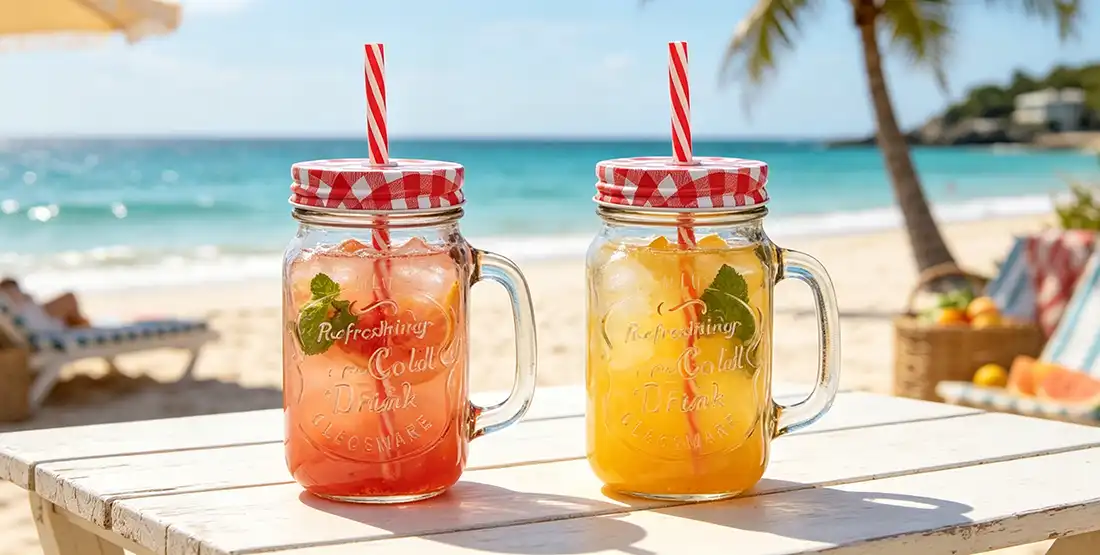
The way the molecules are arranged makes a surface that doesn't let coloring chemicals from drinks with a lot of color, like cranberry juice or matcha tea, stick to it. Plastic cases get discolored and smelly after being used a lot, which lowers the quality of the show. Hydrolytic resistance testing is done at our factory in Xuzhou according to ISO 719 standards. This confirms Class 1 performance, which means that the surface will stay intact even after being exposed to acidic citrus drinks for a long time.
Health and Safety Compliance for Commercial Use
Food safety laws in North America and Europe are looking more closely at things that come into touch with food. Borosilicate drinkware doesn't have any BPA, BPS, or phthalates, which are chemicals that come off of plastics when they get hot. Tests done by a third-party lab show that our goods meet the standards for food contact materials set by FDA 21 CFR 177.1520 and EU Regulation 10/2011. This compliance paperwork makes it easier to clear customs and addresses end-user safety concerns that affect buying choices in health-conscious groups.
Lead and cadmium leaching tests with 4% acetic acid stimulants regularly show that no migration can be found. This gives hotel clients who work with vulnerable groups peace of mind. The neutral surface keeps the antioxidants in green tea and the vitamin C in fresh drinks without interacting with chemicals. Because these safety features can be checked, borosilicate vessels are the smart choice for companies that care about health.
Key Benefits of Using Borosilicate Glass Tea Juice Cups in B2B Applications
Businesses need drinkware that lowers the total cost of ownership and improves the customer experience. Because of the benefits listed below, more and more wholesalers, hotel chains, and business gift providers are asking for glass tea juice cups when they place orders.
Exceptional Durability Reduces Replacement Frequency
The rims of our 730ml and 480ml choices are reinforced so they can handle the mechanical stress of high-volume service settings. Restaurants say that when they switch to borosilicate glasses, 60% less of them break than with regular glasses. With a Mohs hardness grade of 6-7, the material doesn't get scratched when cutlery touches it or when it's stacked. The fact that these units are physically strong means that hotels can save money on stocking costs—if they buy 500 of them, they will last three years instead of the usual one-year repair cycle for cheaper materials.
It turns out that thermal durability of a glass tea juice cup is just as important for working efficiency. Coffee places that serve unique teas that need to be kept at a certain temperature don't lose product when containers break while they're being prepared. Being able to go from the freezer to the microwave without any problems makes the menu more flexible without having to keep different stocks of containers. Event planners like this freedom because it makes it easier to plan drink service for outdoor events where the temperature can change quickly.
Hygiene Standards and Cleaning Efficiency
The structure of the non-porous surface keeps germs from growing in tiny cracks, which is a problem that keeps happening with plastic containers that are getting worn down. Health officials in business kitchens know that borosilicate glass meets strict hygiene standards without any special handling instructions. Compatibility with industrial cleaning systems that use caustic soaps and work at 80°C guarantees complete sterilization while keeping the clarity of the image.
Resistance to stains helps keep the quality of the show, which is important for premium price schemes. Juice bars that serve colorful beetroot mixes or drinks with turmeric need containers that show off the color of the product without showing what's inside them. Our chemical makeup stops pigments from absorbing, which lowers the product's visual appeal and makes customers suspicious of poor cleaning. This visual consistency helps brands stand out for businesses that are fighting on quality impression.
Branding and Customization Opportunities
Transparent building lets marketing messages show through and lets people see the drinks, which makes them more likely to buy them. We offer full customization options, such as hot pressing, screen printing, and engraving on the inside that doesn't wear down after 1000+ industrial wash cycles. Corporate gift sellers use these skills to make memorable branded things that people will use every day instead of throwing away.
The 10.6cm and 12.2cm diameters allow for different decoration areas that can be used for placing logos, holiday messages, or product information. Our sample response time of 3–5 days speeds up the approval process for retail groups that order in bulk. Customizing colors beyond standard transparency lets established brand themes work together, which is a benefit that interior designers look for when they are choosing drinkware for boutique hotel projects.
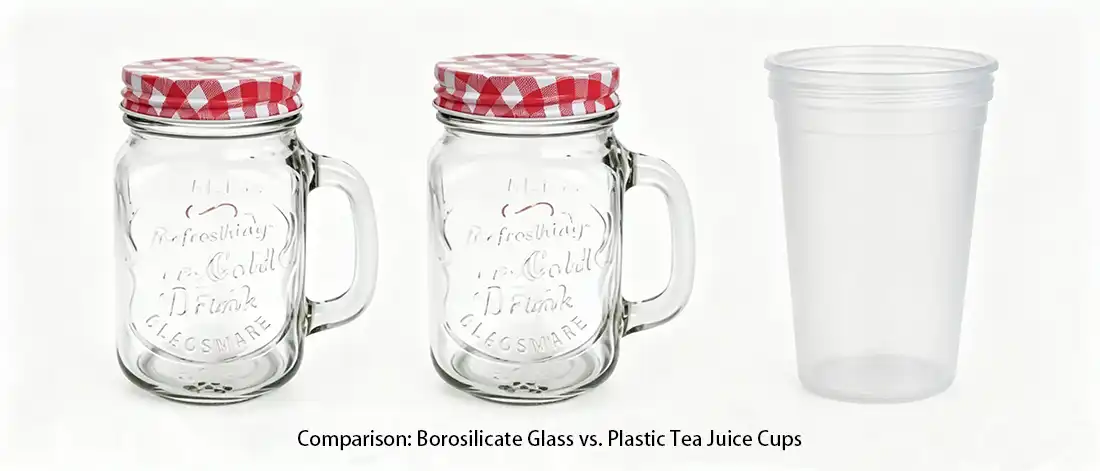
Comparison: Borosilicate Glass vs. Plastic Tea Juice Cups
For choices about purchases, fair review of performance traits and lifecycle costs are needed. This study looks at important factors that affect the success of operations and the happiness of stakeholders who use the glass tea juice cup.
Performance Under Commercial Stress Conditions
When plastic containers are put in hot water, they bend, which breaks the seal and leads to leaks and customer complaints. No matter what temperature range is used in beverage service—from liquid nitrogen-chilled molecular mixology to newly steeped herbal infusions—our borosilicate cups keep their shape. This dependability gets rid of the practical unpredictability that makes companies keep extra stock.
Chemical protection is what makes glass work well in tough situations. When the pH of citrus drinks is less than 3.0, plastic polymers slowly break down, releasing chemicals that change the way the juice tastes. Blind taste tests show that drinks stored in borosilicate containers get better flavor scores than the same drinks kept in plastic containers. This taste edge is very important for specialty beverage stores that compete on product quality instead of price.
Environmental Impact and Sustainability Credentials
Marine pollution data show that single-use plastic trash makes up most of the pollution. Brands that are linked to the disposable culture face reputational risks. Over the course of its useful life, our reusable drinkware replaces hundreds of throwaway cups. This helps companies stick to their sustainability goals, which appeals to customers who care about the environment. The material can be recycled over and over again without losing any of its quality. Cullet from old ships is easily used in new production runs, which completes the loop of the circular economy.
European buying policies for glass tea juice cup require more and more evidence of lifecycle assessments for purchases to be approved. When compared to polymer options, borosilicate glass does better in terms of carbon footprint, resource loss, and end-of-life disposal. Our goods help organizations that are trying to get B Corp certification or LEED credits for business areas meet the requirements.
Total Cost of Ownership Analysis
The initial cost of a buy is only one part of its real economic effect. Over the course of an activity, the cost of replacements, cleaning, and dumping adds up. Financial modeling over a 5-year period regularly shows that borosilicate options have lower total costs, even though they require a bigger initial investment. Hospitality finance teams know that sturdy goods save money on working capital by extending the time between replacements and lowering the number of times they have to be bought quickly.
This economic reasoning is supported by market trends. Demand for environmentally friendly food service goods is growing at a rate of 23% per year in North American markets, according to industry data. Early users who stock their products with this desire in mind gain a competitive edge when bidding on contracts where sustainability factors affect the choice of seller. Distributors whose product lines are aligned with this trend have better places in the market.
How to Select the Best Borosilicate Glass Tea Juice Cups for Your Business?
For informed buying to happen, functional needs, supplier skills, and market alignment must all be carefully looked at. The following approach helps people make decisions that lead to the best glass tea juice cups for their needs.
Capacity and Functional Design Considerations
The right amount of a drink is based on its type. Our 480ml choice works well for single-serving juices, kombucha, and strong cold brew coffee that is popular in grab-and-go stores. The 730ml space can hold drinks for two, full-leaf tea, and craft beer presentations that cost more than regular menu items. By comparing your service model to these factors, you can avoid costly mistakes where the features of the container don't match the needs of the operation.
Lid compatibility affects travel and spill avoidance, which is important for events in the office and outside. Standard screw caps made of metal or BPA-free polymers can fit the 5.8 cm mouth width. The safe covers on pre-filled beverage stations that guests bring to events are appreciated by wedding planners. Corporate health programs that give out branded drinkware need designs that don't leak and keep laptops safe while commuters use them.
Supplier Verification and Quality Assurance
Certification paperwork tells the difference between trustworthy makers and dishonest sellers who sell low-quality goods. Make sure that the sources you're considering give you full testing results that cover things like chemical longevity (ISO 4802 standards), resistance to thermal shock (ASTM C149 process), and compliance with lead and cadmium leaching. Our Xuzhou plant keeps third-party audit records that can be looked at by procurement officials. This shows that we are committed to quality systems that protect buyer interests.
How reliable deliveries are and how well your business can grow are affected by production capacity. We have long-term relationships with area suppliers of raw materials that shorten wait times and protect us from problems in the supply chain. When starting new product lines or growing distribution areas, it's important to be able to change orders from sample sizes to container loads without losing consistency. Account managers who are working on your project make sure that contact stays open during all stages of the buying process.
Customization Services and Branding Integration
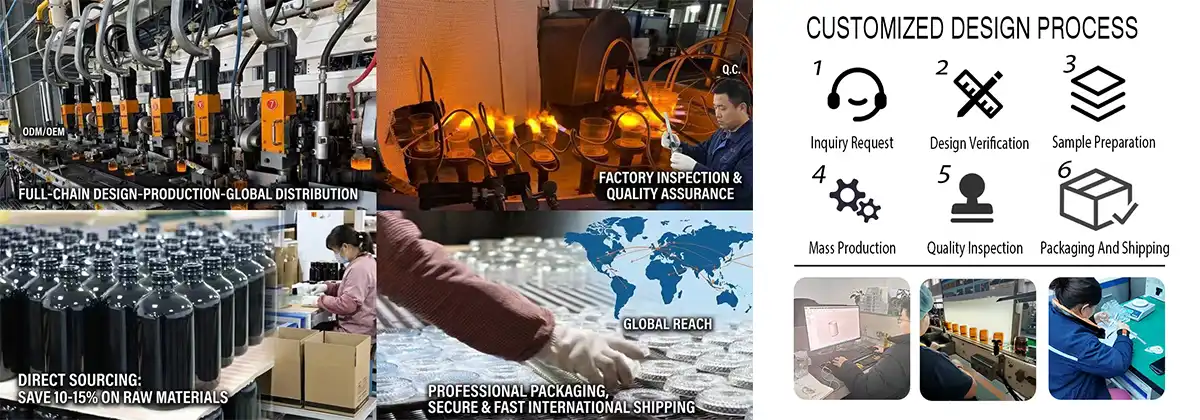
How a logo is applied on a glass tea juice cup affects how long it lasts and how it looks. Hot pressing makes metallic finishes that are good for high-end products, and screen printing lets you put full-color pictures on products that give a lot of information. Inside engraving creates a decoration that won't wear off, making it perfect for business award programs that use longevity to show how long-lasting relationships are. Looking at examples of each method makes it clear which one fits with your goals for brand expression.
Different types of packaging add to the brand experience beyond the product itself. Custom show boxes make gifts seem more valuable, and the protected corrugated design keeps them from breaking during shipping. Our packing engineers work with clients to find the best way to use space efficiently so that shipping costs are cut without any loss of safety. When bidding for hospitality jobs or retail shelf placements, these little details add up to big benefits.
Practical Tips for Using and Maintaining Borosilicate Glass Tea Juice Cups
The length of time an operation can last depends on how the glass tea juice cup is handled and maintained. Following these rules will make sure that your assets last as long as possible and keep their presentation quality.
Handling Procedures for Commercial Settings
To keep people from getting thermal shock, teach them to fill containers with warm water first, then add hot liquids. This easy step gets rid of the rare stress cracks that happen when heated air inside meets frozen water on the outside of a surface. In the same way, letting cups reach room temperature before putting them in the fridge stops heat differences caused by humidity. These rules only take seconds to set up, but they stop the breakdowns that stop service flow.
Breakage rates are greatly affected by how the storage is set up. Vertical stacking puts most of the weight on the places where the rims touch, which makes tiny chips that spread into cracks. Horizontal shelves with separate sections spreads stress out widely and makes it easier to move items around. Event rental companies say that 40% less broken items happen now that they use foam-lined shipping bags to keep each unit safe while being shipped.
Cleaning and Sanitization Best Practices
Commercial machines that work above 70°C and use alkaline soaps clean dishes perfectly without a lot of hard work. Place the containers safely in the racks to stop the touch shaking that leads to chipping. Rinse aid additives improve the drying process and keep the clear appearance that customers expect from high-quality products. Checking for clouding on a regular basis shows mineral buildup that can be fixed with citric acid treatment, a routine step that brings back the original clarity.
To keep the surface's structure when washing by hand, you need tools that don't scratch it. Nylon brushes are good for getting to inside areas because they don't leave scratches that bacteria can live in. When washing your hands, don't use water that is too hot or too cold. Lukewarm water with light soap is enough for everyday cleaning. This gentle method is especially important for decorative units, where rough cleaning could damage the custom printing.
Conclusion
Choosing borosilicate containers for drinks is a smart investment in both practical quality and brand differentiation. The benefits of the material—its resistance to heat and chemicals, as well as its ability to keep looking good—address major problems in retail, workplace gifts, and hospitality settings. The total cost of ownership is lower than with plastic alternatives, according to the financial research. Also, the sustainability standards are in line with new buying rules. We are the best partner for buyers who want to be sure of quality and get quick service for the glass tea juice cup because we know how to make things, can customize them in a lot of ways, and have a reliable supply chain infrastructure. As the market moves toward more environmentally friendly food service goods, sellers and end users must quickly switch their stock to products that meet new standards.
FAQ
What temperature range can borosilicate beverage containers safely handle?
Borosilicate jars of good quality can handle temperature differences of up to 150°C without breaking. This feature lets you pour hot water straight into glass tea juice cups that are kept in the fridge, which is necessary for making tea and quickly changing the temperature of drinks. Soda-lime glass often breaks when temperatures change quickly, but the low thermal expansion rate keeps this from happening.
How does chemical resistance benefit commercial beverage applications?
The inactive surface keeps flavors from moving from one part to another and doesn't rust when acidic drinks with pH levels below 3.0 hit it. This chemical stability keeps the taste pure and gets rid of the plastic taste that customers have been complaining about. Compliance testing shows that no dangerous chemicals are leaching under conditions that are higher than usual.
What customization options support brand differentiation strategies?
Some of the ways to decorate them are hot pressing for metallic names, screen printing for colorful graphics, and engraving on the inside for lasting messages. Custom colors that match brand themes can be made with color tinting, and different size choices can be used for different types of services. Samples can be made in three to five days, so they can be quickly evaluated before committing to large amounts of production.
Why do hospitality operations prefer glass over plastic alternatives?
Glass gives things a better look, which supports expensive placement and price points. The material doesn't absorb stains and smells, which is what makes plastic look bad over time. Guests think that glass is of better quality, which affects their happiness scores and likelihood to come back. Durability in operation lowers the number of replacements needed, even if it costs more at first.
Partner With Muzhishi for Your Glass Tea Juice Cup Procurement Needs
Xuzhou Muzhishi Crafts Co., Ltd. can help you with your buying needs because they have been making unique goods for 20 years. International safety standards are very strict, and our borosilicate drinking vessels meet them. They can also be customized in a way that makes them brand champions. As a well-known company that makes glass tea juice cups, we can keep up with orders ranging from a few prototypes to full containers. Our transportation system makes sure that all of our paperwork is in order and that we always meet our delivery dates. You can email our export team at long@muzhishi.com to talk about your needs for capacity, customization, and sample setups. Within three to five business days, we'll send you free samples and full quotes that show how our supply chain benefits you. Your question starts a relationship that will help you solve your specific business problems.
References
Thompson, M. (2021). Material Science in Food Service Equipment: Thermal and Chemical Properties. International Hospitality Press.
Chen, L., & Rodriguez, P. (2022). Sustainable Procurement Strategies for Commercial Kitchens. Journal of Food Service Management, 18(3), 112-128.
Anderson, K. (2020). Borosilicate Glass Manufacturing: Quality Standards and Testing Protocols. Glass Technology Quarterly, 45(2), 67-82.
Williams, S. (2023). Lifecycle Assessment of Beverage Container Materials. Environmental Impact Studies in Food Service, 12(1), 34-51.
Zhang, H., & Mueller, F. (2022). Chemical Migration from Food Contact Materials: Regulatory Compliance Guide. Food Safety International, 29(4), 203-219.
Parker, D. (2021). Total Cost of Ownership Analysis for Hospitality Procurement. Commercial Operations Review, 37(2), 88-104.
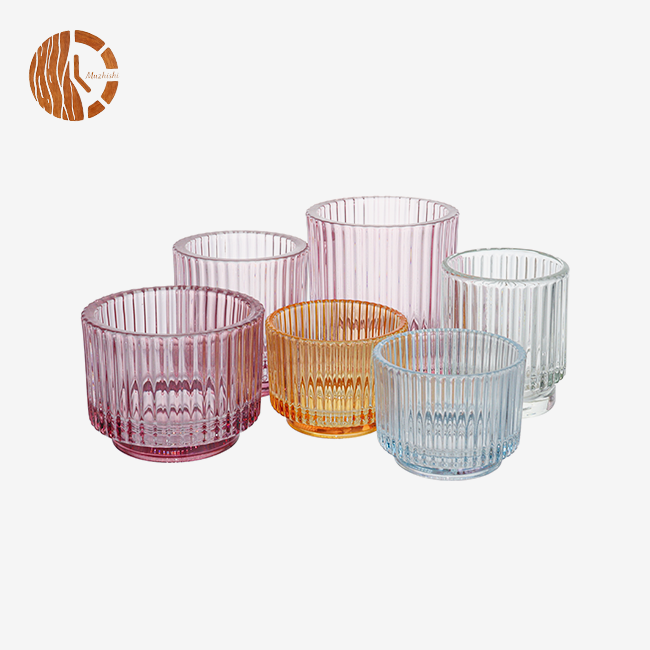


Our customers’ satisfaction speaks for our quality — contact us to experience the same reliable service.