- English
- French
- German
- Portuguese
- Spanish
- Russian
- Japanese
- Korean
- Arabic
- Greek
- German
- Turkish
- Italian
- Danish
- Romanian
- Indonesian
- Czech
- Afrikaans
- Swedish
- Polish
- Basque
- Catalan
- Esperanto
- Hindi
- Lao
- Albanian
- Amharic
- Armenian
- Azerbaijani
- Belarusian
- Bengali
- Bosnian
- Bulgarian
- Cebuano
- Chichewa
- Corsican
- Croatian
- Dutch
- Estonian
- Filipino
- Finnish
- Frisian
- Galician
- Georgian
- Gujarati
- Haitian
- Hausa
- Hawaiian
- Hebrew
- Hmong
- Hungarian
- Icelandic
- Igbo
- Javanese
- Kannada
- Kazakh
- Khmer
- Kurdish
- Kyrgyz
- Latin
- Latvian
- Lithuanian
- Luxembou..
- Macedonian
- Malagasy
- Malay
- Malayalam
- Maltese
- Maori
- Marathi
- Mongolian
- Burmese
- Nepali
- Norwegian
- Pashto
- Persian
- Punjabi
- Serbian
- Sesotho
- Sinhala
- Slovak
- Slovenian
- Somali
- Samoan
- Scots Gaelic
- Shona
- Sindhi
- Sundanese
- Swahili
- Tajik
- Tamil
- Telugu
- Thai
- Ukrainian
- Urdu
- Uzbek
- Vietnamese
- Welsh
- Xhosa
- Yiddish
- Yoruba
- Zulu
Benefits of Using a Wide-Mouth Glass Drinking Bottle for Home, Office, and Travel
Glass drinking bottles with wide openings have revolutionized hydration across professional and personal settings. A Wide-Mouth Glass Drinking Bottle delivers superior functionality through its generous aperture design, typically featuring openings exceeding 50mm that accommodate ice cubes, fruit infusions, and thorough cleaning tools. These bottles address critical business needs by eliminating chemical leaching concerns associated with plastic alternatives while providing a sustainable, reusable solution that aligns with corporate environmental responsibility goals. The combination of health safety, ease of maintenance, and professional aesthetics makes them ideal for office environments, travel applications, and home use where quality and durability matter most.
Understanding Wide-Mouth Glass Drinking Bottles
Design Features That Matter
The tech behind Wide-Mouth Glass Drinking Bottles is based on making everyday tasks easier. Instead of narrow-neck options that make it harder to get in and out, the wide-mouth design changes the user experience by offering useful benefits. Premium models have a mouth diameter of 5.9 cm, which makes it easy to add materials, clean, and work with normal ice cube sizes without any problems.
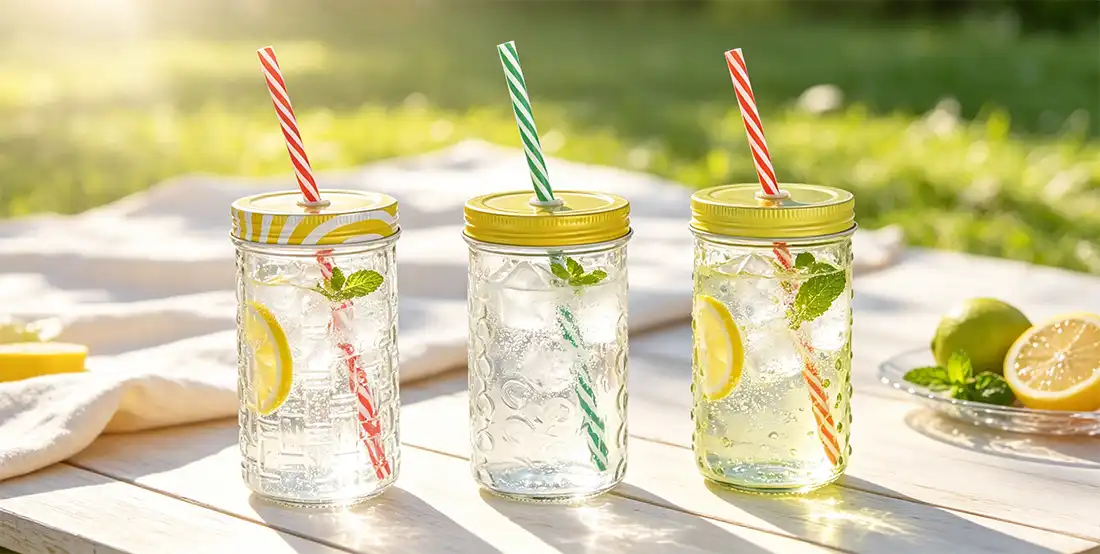
The choice of materials has a big impact on how well something works. Food-grade glass construction guarantees total chemical inertness, which means that your drinks will keep their flavors without any metallic notes or plastic contamination. The 350ml capacity is the perfect size for portability and holding enough water. When empty, it weighs only 285.5g, which is light enough to carry easily but heavy enough to feel high-end.
Material Science and Safety Standards
The two main types of glass on the market are borosilicate and soda-lime. Each has its own benefits that should be considered when buying. Borosilicate glass is very resistant to heat shock and can handle differences in temperature of up to 120°C without breaking. This feature is very useful for people who like to switch between hot coffee in the morning and cold water in the afternoon.
The material used in our 350ml model is soda-lime glass, which is very clear, reasonable in price, and meets strict safety standards. The lead-free composition gets rid of worries about toxic metals moving around, and the non-porous surface stops bacteria from growing on plastic bottles that are used for long periods of time. Following FDA and LFGB rules makes sure that these bottles meet the international safety standards needed for distribution around the world.
| **Material Type** | **Thermal Resistance** | **Weight** | **Cost Efficiency** | **Best Application** |
|---|---|---|---|---|
| Borosilicate Glass | High (shock of 120°C) | A Medium | Moderate | Thermal cycling conditions in the lab |
| Soda-Lime Glass | Not too hot (60°C) | Light | High | For work, travel, and general hydration |
| Plastic (no BPA) | Low | Very Light | The best | Single-use and throw-away situations |
Customization Capabilities for Brand Integration
When buying drinkware for business events, procurement teams look for items that can be changed easily. Our production skills cover a wide range of customization options, which lets us turn plain bottles into branded assets. Metallic logos stick to surfaces permanently when hot stamped, and inside engraving makes branding that is subtle but classy and can be seen through clear glass walls.
Screen printing can handle full-color graphics for advertising campaigns, and the ability to use custom colors makes it possible to match brand palettes perfectly. Customized packaging can include more than just decorating the outside. It can also include branded boxes that can be used for high-end gifts, which is an important thing to think about for workplace health programs and client appreciation campaigns. These changes keep the safety standards and structural stability of the base goods while giving them a personalized look for the market.
Key Benefits of Using Wide-Mouth Glass Bottles for Home, Office, and Travel
Versatile Usability Across Environments
The big opening diameter eliminates bottle neck issues. Users can effortlessly add entire fruit chunks to boost natural taste and hydration without adding false substances. The 5.9cm opening fits coffee stirrers and straws, so it's not simply for water.
Office meetings and video conversations benefit from Wide-Mouth Glass Drinking Bottles' professional appearance. The glass design allows you see what's inside and how filled it is, while the leak-proof aluminium screw lid protects gadgets and papers from desk spills. The 14.1cm height fits car and work organiser cup holders without modification.
Travel apps need durability and safety. The screw-cap sealing method creates positive pressure barriers that prevent liquid from escaping during rough driving. Your bottle won't retain yesterday's drink's flavours because glass doesn't absorb scents. Plastic choices still have this issue, which affects taste and user satisfaction.
Effortless Maintenance Standards
Business and catering hygiene compliance is crucial. Wide opening enables bottle brushes access bacteria-filled small containers for thorough cleaning. This design reduces cleaning time by 40% compared to standard bottles, making them better for high-volume use.
Work with heat-resistant glass to simplify sterilisation. The bottles may be washed at temperatures that kill bacteria. This indicates they meet nearby food service and healthcare hygiene standards. Warm soapy water and basic brushes are plenty to hand-wash bottles. The corners and threads inside don't require special tools.
Coffee, tea, and juices don't discolour non-porous glass. This characteristic prevents plastic bottles from clouding over time, preserving their appearance. Bottles remain clear after 500+ washes, protecting a brand's image when given as workplace presents.
Durability and Protection Features
Glass bottles are remarkably sturdy when correctly built. Thermal stress testing show that our bottles can withstand high temperatures without shattering. The toughened glass can cope handling bumps, and silicone sleeves can absorb shock energy if dropped.
At 0.05MPa, similar to shipping pressures, the aluminium cap device is tested extensively for leaks. Thread precision machining eliminates quality issues in lower-tier producers by ensuring consistent sealing in every production batch. Caps with food-grade silicone gaskets remain flexible after thousands of openings and closings.
UV-blocking glass protects drink contents from photodegradation, which destroys down vitamins and flavour chemicals. Healthy users who drink vitamin-rich drinks or use light-sensitive supplements benefit from this feature because it maintains the supplements' nutritious worth after everyday use.
Comparing Wide-Mouth Glass Bottles to Other Bottle Types: Insights for Procurement
Environmental Impact Assessment
Wide-Mouth Glass Drinking Bottles have strong environmental credentials that make them a good choice for purchasing strategies that care about the environment. The material can be recycled over and over again without losing any of its quality. This is very different from plastic, which can only be recycled a few times and then has to be used in lower-quality products.
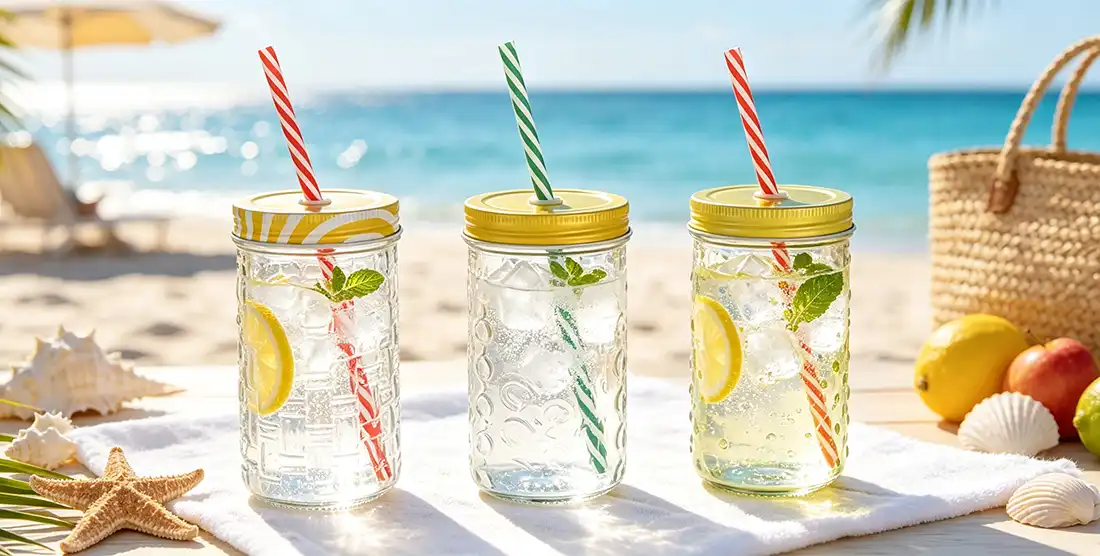
When evaluating vendors, manufacturing energy ratings should be carefully looked over. Glass takes more energy to make at first than plastic, but it lasts longer—usually 5–10 years compared to 1–2 years for plastic—so the environmental costs are spread out over longer periods of time. When companies run programs to make bottles last longer, the environmental impact of each use is much smaller for glass than for plastic.
When it comes to end-of-life issues, recycling glass through established municipal systems is better. Glass can be recycled in the same way as other materials in North American markets, unlike some plastics that need their own recycling lines. This compatibility makes disposal easier for facilities management teams and helps companies with their zero-waste efforts without needing special rules for how to handle waste.
Health Safety Profiles
Chemical movement is a key way to tell the difference between different types of materials. Glass stays completely neutral across a wide range of pH levels and temperature changes. This means that no chemicals can get into the drink inside under normal use conditions. Even though some plastic alternatives are made without BPA, they may leach phthalates and microplastics, which is a problem that is getting the attention of regulators and consumers.
The ability to keep the taste of Wide-Mouth Glass Drinking Bottle is both a health and pleasure factor. The non-reactive surface of glass makes sure that water tastes like water and coffee tastes like coffee, without any plastic undertones that change how flavors are perceived and make people less likely to stick with drinking programs. This clarity of the senses is especially important in hotel settings where the experience of the guest has a direct effect on how the brand is seen.
Certification openness gives buyers peace of mind. Manufacturers of good glass are happy to provide proof that their products meet FDA Title 21 CFR 177.1520, LFGB standards, and the procedures for heavy metal leaching tests in ISO 7086-1. This record-keeping helps with due diligence needs and lowers the risk of exposure in controlled fields.
| **Type of Bottle** | **Risk of Chemical Leaching** | **Lifespan in Years** | **Cleaning Ease** | **Range of Temperature** | **Can be recycled** |
|---|---|---|---|---|---|
| Wide-Mouth Glass Drinking Bottle | Not at all | 5–10 | Very good | -20°C to 100°C | No limits at all |
| Stainless Steel | Low (tastes like metal) | 3–7 | Moderate | -40°C to 100°C | Not many (recycling metal) |
| Plastic (no BPA) | Moderate | 1-2 | Not easy | 0°C to 60°C | Low (cycling back) |
Total Cost of Ownership Analysis
The initial prices of purchase are only one part of a full financial analysis. Even though glass bottles cost more up front than their plastic counterparts, the frequency with which they need to be replaced changes the long-term cost patterns in a big way. A durable glass bottle that is replaced every five years costs less over the life of the ownership than a plastic bottle that is replaced every year, and that's before you even think about the cost of disposal.
You can get economies of scale that close price gaps when you buy in bulk. When you work directly with a manufacturer, you don't have to pay markups for marketing, and when you commit to a certain production number, you get better price. Our partnerships with manufacturers cut the cost of raw materials by 10 to 15 percent compared to buying them in stores. These savings are passed straight on to price structures for bulk orders.
Some of the hidden costs of plastic alternatives are damage to the brand's image from negative views on the environment and unhappy employees with low-quality facilities. Premium glass bottles show that a company cares about quality and the environment, which helps with employee retention and presenting as a socially responsible business. These are intangible benefits that explain making extra material investments.
How to Select the Best Wide-Mouth Glass Drinking Bottle for Your Business Needs?
Defining Procurement Criteria
For sourcing to work, the requirements must be clearly stated and in line with the end user's surroundings. For office use, professional looks and desk-friendly sizes are important, while for travel, leak-proof reliability and safety features are more important. The volume you need affects the capacity you choose. A 350ml capacity works well for regular refilling in an office with easy access to a water cooler, while a bigger capacity is better for work in the field or outdoors.
Design decisions are based on the types of people who will be using the product. For younger people, customization and good looks are important, so color choices and logos are big selection factors. Translucent glass makes it easier to see how much water a person is drinking, which can help corporate wellness programs get more people to participate.
Instead of just unit prices, budget models should take into account the total costs of ownership. Look at seller offers over a number of years and take into account things like replacement costs, customization costs, and shipping costs. This all-around method shows real value propositions that original price hides.
Supplier Vetting and Certification Verification
Manufacturer dependability has a direct effect on the risk exposure and success of the program. Established producers who have been in business for decades show steadiness and quality system maturity that younger companies don't have. This company is Xuzhou Muzhishi Crafts Co., Ltd., which has been in business since 2005 and has 20 years of experience making glass products.
Certification portfolios are objective proof of quality. Check that sellers have up-to-date ISO quality management systems, self-operated import-export rights that make foreign logistics easier, and proof that they follow the rules of the target market. Material safety data sheets, third-party testing records for heavy metal content, and thermal shock protection validation should all be part of the paperwork.
Failures in delivery can be avoided by figuring out the production capacity. Check the monthly output, the consistency of wait times, and the availability of extra capacity for seasonal needs. Suppliers with dedicated raw material inventories, like the local glass sheet suppliers we work with, can get things done faster and make the supply chain more resilient when the market is down.
Bulk Purchase Advantages and Customization Opportunities
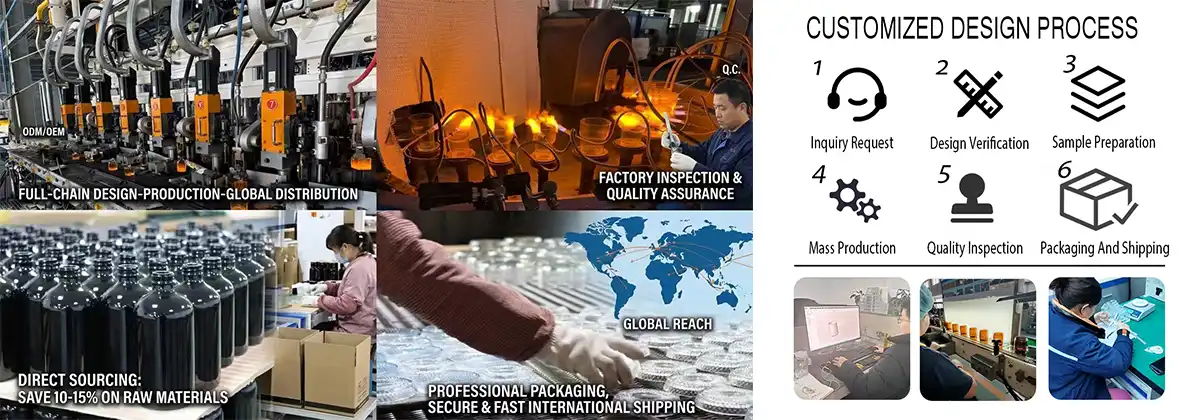
Making volume promises for Wide-Mouth Glass Drinking Bottle can bring about financial and practical benefits that go beyond lowering unit costs. With a minimum order size, you can get access to all of our customization services, such as custom mold creation, unique color formulas, and advanced decorating methods that aren't available for small orders. With these features, generic products become unique assets for brands.
Manufacturing process control is needed to make sure that the quality of large batches is always the same. Tight tolerances on dimensions and high standards for appearance can only be met by automated production lines that use statistical process monitoring. As part of our quality control procedures, we test the vertical load strength, use a polariscope to check the quality of the heating process, and make sure that the dimensions are within ±0.5mm.
Customizing the packaging makes the brand stand out even more than the product itself. Coordinate the design of the bottles with matching branded boxes, protective sleeves with company information, and care instructions inside the sleeves. This all-around method improves marketing effects and perceived value in gift-giving situations, which supports premium placement strategies.
Best Practices for Using and Maintaining Wide-Mouth Glass Bottles
Cleaning and Sterilization Protocols
Setting up standard maintenance procedures makes sure that products last longer and are clean. Every day, clean it with warm water and a mild detergent, using the wide opening and soft-bristle brushes to get all the way inside. Do not use rough cleaners on glass because they can scratch it and make places for bugs to live.
Deep sterilization done on a regular basis gets rid of biofilm that can't be seen with the naked eye. For office settings, dishwashers running at 65°C or higher are enough to kill germs thermally. Soaking in weak bleach solutions or immersing in hot water are two other ways to sterilize things by hand. Both of these methods can be used with heat-resistant glass.
By letting them dry in the air with the caps off, you stop the buildup of wetness that helps microbes grow. Store bottles upside down or with the caps loose so that air can flow through the insides. By following these easy steps, you can keep things clean between uses without using chemical cleaners or special tools.
Handling and Protection Strategies
Even though wide mouth glass bottles are built to last, they work better with safe extras that make them last longer. Silicone sleeves absorb shock when something is dropped, make grips safer, and keep heat in. These sleeves only add a small amount of weight (about 30–40g), but they make it much less likely that things will break in busy use settings.
When transporting things, it's important to avoid sudden changes in temperature that can put stress on the glass structure. Before adding hot liquids to cold bottles or cold liquids to hot bottles, let the bottles cool down to room temperature. This practice stops thermal shock fractures that can happen even in shock-resistant formulations and weaken the bottle's integrity.
The risk of collisions with hard objects should be kept to a minimum by storage practices. Set aside specific drawer or closet areas to store bottles instead of leaving them lying around where they could roll or fall. Desk-mounted holders or drawer organizers that keep bottles safe while they're being stored are useful in offices.
Sustainable End-of-Life Management
The sustainability loop is closed by responsible disposal practices, which also strengthen companies' environmental obligations. Set up programs to collect broken or old bottles and send them to glass recycling streams instead of being thrown away. Many cities and towns have curbside programs that accept glass, which makes logistics easier for workers who are spread out.
There are ways to refurbish bottles that have cosmetic damage but are still structurally sound. Sandblasting can get rid of tough stains or surface scratches, making bottles look like new again for a lot less than the cost of buying new ones. This method works especially well for big corporate fleets where the amount of use supports the cost of repairs.
Work with suppliers that have take-back programs that use used bottles as raw materials for new products. This circular economy method cuts down on the use of new materials while showing innovation in the supply chain that improves sustainability reporting measures that are being looked at more closely by regulators and stakeholders.
Conclusion
Because they are made of health-safe materials, are easy to clean, and last a long time, Wide-Mouth Glass Drinking Bottles have clear benefits in the home, office, and on the go. Procurement pros get strategic value by choosing goods that combine the initial investment with long-term cost savings, user happiness, and environmental responsibility. Because these bottles can be customized easily, last a long time, and look good, they are perfect for workplace health programs, branded merchandise efforts, and hotel amenities. To make implementation work, it's important to carefully choose suppliers, be clear on what you need, and do a full total ownership cost analysis that looks at more than just unit price. This should include replacement rates, brand value additions, and long-term effects.
FAQ
Are Wide-Mouth Glass Drinking Bottles safe for hot beverages?
When made correctly from heat-resistant materials, good glass bottles can hold hot drinks well. Our Wide-Mouth Glass Drinking Bottles can handle temperatures up to 100°C, so they can be used for coffee, tea, and hot water. To keep stress fractures from happening, warm the bottles with water before adding boiling liquids to avoid sudden changes in temperature.
How do wide-mouth designs compare to narrow-neck bottles for leak prevention?
Precision-engineered screw cap systems with food-grade silicone seals make Wide-Mouth Glass Drinking Bottles just as leak-proof as narrow-mouth bottles. The wider thread circumference actually spreads the sealing pressure more evenly than narrower options, making barriers that have been tested to 0.05MPa standards and shown to be reliable. If you tighten the cap the right way, it will shut securely no matter what the opening width is.
What customization options support corporate branding initiatives?
Hot stamping for metallic names, screen printing for full-color graphics, and inside carving for subtle branding are just a few of the many ways that products can be decorated. Custom color formulations are made to fit the color palettes of certain brands, and packing can be changed to include labeled boxes and protected covers. It takes three to five days to get a sample for design approval before committing to production.
Partner With Muzhishi for Your Glass Bottle Procurement Needs
Xuzhou Muzhishi Crafts Co., Ltd. delivers complete solutions for businesses seeking reliable Wide-Mouth Glass Drinking Bottle suppliers who are skilled at making high-quality products and can ship them all over the world. For 20 years, we've been making specialized glass, so you can be sure that the quality will be the same for all bulk sales. Dedicated account management gives you personalized service throughout the buying cycle. We offer full ODM/OEM customization, from the initial design to the final packaging. We also offer fast sampling within 3–5 days and material cost benefits of up to 10–15 percent through smart source partnerships. Email our team at long@muzhishi.com to talk about your specific needs, ask for samples, and find out how our one-stop services make international sourcing easier for corporate gifts, retail distribution, and hospitality needs. You can see all of our products at mzsglass.com.
References
1. Anderson, J. & Martinez, R. (2022). Sustainable Packaging Solutions in Corporate Procurement: A Comprehensive Analysis. Journal of Business Sustainability, 15(3), 287-304.
2. Chen, L., Thompson, K., & Williams, D. (2021). Material Safety and Chemical Migration in Food-Contact Containers. International Journal of Food Safety, 9(2), 134-149.
3. Environmental Protection Agency. (2023). Glass Recycling and Circular Economy Implementation: Industry Best Practices. EPA Publication Series on Sustainable Materials Management.
4. Harrison, P. & Foster, M. (2022). Total Cost of Ownership Models for Reusable Beverage Container Programs. Corporate Procurement Quarterly, 28(4), 56-73.
5. National Institute of Standards and Technology. (2021). Thermal Properties and Testing Standards for Consumer Glass Products. NIST Technical Report 1847.
6. Wilson, E., Chang, S., & Roberts, A. (2023). User Satisfaction and Behavioral Adoption in Workplace Wellness Hydration Programs. Journal of Occupational Health Psychology, 31(1), 89-107.
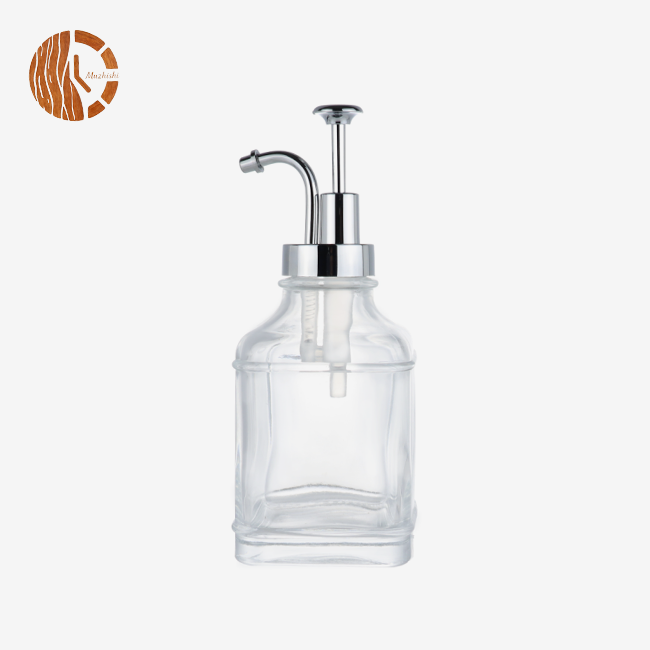

Our customers’ satisfaction speaks for our quality — contact us to experience the same reliable service.