- English
- French
- German
- Portuguese
- Spanish
- Russian
- Japanese
- Korean
- Arabic
- Greek
- German
- Turkish
- Italian
- Danish
- Romanian
- Indonesian
- Czech
- Afrikaans
- Swedish
- Polish
- Basque
- Catalan
- Esperanto
- Hindi
- Lao
- Albanian
- Amharic
- Armenian
- Azerbaijani
- Belarusian
- Bengali
- Bosnian
- Bulgarian
- Cebuano
- Chichewa
- Corsican
- Croatian
- Dutch
- Estonian
- Filipino
- Finnish
- Frisian
- Galician
- Georgian
- Gujarati
- Haitian
- Hausa
- Hawaiian
- Hebrew
- Hmong
- Hungarian
- Icelandic
- Igbo
- Javanese
- Kannada
- Kazakh
- Khmer
- Kurdish
- Kyrgyz
- Latin
- Latvian
- Lithuanian
- Luxembou..
- Macedonian
- Malagasy
- Malay
- Malayalam
- Maltese
- Maori
- Marathi
- Mongolian
- Burmese
- Nepali
- Norwegian
- Pashto
- Persian
- Punjabi
- Serbian
- Sesotho
- Sinhala
- Slovak
- Slovenian
- Somali
- Samoan
- Scots Gaelic
- Shona
- Sindhi
- Sundanese
- Swahili
- Tajik
- Tamil
- Telugu
- Thai
- Ukrainian
- Urdu
- Uzbek
- Vietnamese
- Welsh
- Xhosa
- Yiddish
- Yoruba
- Zulu
Best Square Glass Jars With Lids for Private Label Brands
When we talk about premium packaging that delivers both function and brand appeal, square glass jars consistently emerge as a top choice for private label brands across multiple industries. These versatile containers combine space-efficient design with exceptional clarity, making them ideal for everything from artisanal jams and gourmet spices to luxury cosmetics and home décor collections. Unlike traditional round jars, the cubic architecture of square glass jars maximizes shelf presence while reducing wasted space during storage and transport—a critical advantage for brands looking to optimize logistics costs without compromising visual impact. Their flat surfaces provide an expanded canvas for custom labels and branding, transforming functional packaging into a powerful marketing tool that resonates with today's quality-conscious consumers.
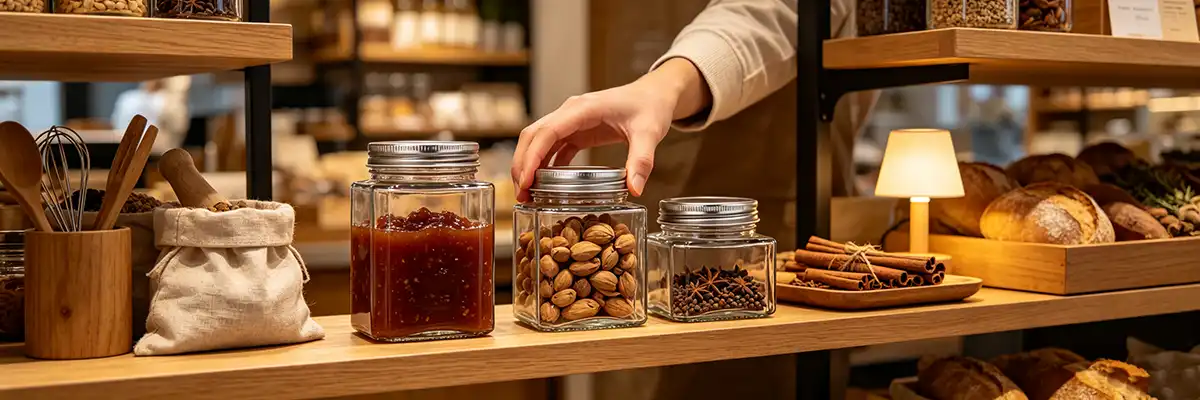
Understanding the Core Benefits of Square Glass Jars for Private Label Brands
The move to square glass jars is part of a larger trend in the industry toward sustainability, brand differentiation, and running businesses more efficiently. We've seen that these jars solve more than one problem at the same time, which makes them especially appealing to B2B buyers who are in charge of complicated supply lines.
Space Optimization Drives Cost Savings
When looking at pallet efficiency, the geometric benefit of square glass jars is immediately clear. Studies show that cubic bins are up to 25% more densely packed for storage than circular ones. This means that shipping costs will go down, building costs will go down, and store shelves will be better used. The stable footprint reduces the risk of moving and breakage during transport, protecting the purity of the product and lowering the cost of insurance and replacement.
Enhanced Branding Surface Area
Every face of a square glass jar that can be seen is a great place to put a sign and tell a brand story. With this bigger canvas, designers can add detailed lists of ingredients, certification badges, QR codes, and eye-catching images without making the page too crowded. The flat panels evenly catch light, so the labels can always be read in a variety of store lighting conditions. Brands that are trying to reach high-end customers really like this better way of communicating visually.
Material Durability and Environmental Responsibility
Glass doesn't react with other chemicals, so it keeps the package and contents from reacting in ways that aren't wanted. This is especially important for organic foods, natural cosmetics, and pharmaceutical-grade goods. Type III soda-lime glass, which is often used in food-grade uses, keeps food fresh without releasing dangerous chemicals like BPA or phthalates that are found in some plastics. People who care about the environment will really like this material because it can be recycled over and over again. It also fits with corporate sustainability requirements that are becoming more common in European and American retailers.
In addition to being good for the environment, glass is a great barrier against oxygen and moisture getting in. This naturally extends the shelf life of the product, which cuts down on waste along the supply chain and makes customers happier by ensuring consistent product quality.
How to Choose the Best Square Glass Jars With Lids for Your Private Label?
To choose the right package, you need to carefully look at the physical requirements, the need to follow regulations, and the goals for brand positioning. We regularly walk procurement teams thru this choice framework, and there are a few key factors that always decide success when selecting the best square glass jars for your brand.
Match Container Size to Application Requirements
The best jar sizes are determined by the needs of the industry. Food companies usually work with standard sizes—4 oz, 8 oz, 16oz, and 32oz are the most common sizes on the market because customers are used to them and recipes can be made in larger or smaller amounts. Cosmetic companies like to package creams and balms in smaller sizes, usually between 1oz and 4oz, because the higher quantity of the product means they can charge more per unit amount. Gift shops might care more about how the jars look than how much space they hold, looking for ones that look good in pictures and feel solid in your hand.
Wall width is a very important factor for longevity. Containers that will be used for hot filling or sterilization must be made of thicker glass that can handle heat. The standard wall thickness is between 2mm and 4mm, but for commercial use, thicker, heavier models can go up to 5mm.
Evaluate Lid Technologies for Product Protection
Choice of closure has a big effect on how well a product stays safe and how the user feels about it. Each type of lid is used for a different set of practical and esthetic reasons:
Screw-top metal lids with plastisol or EPE (Expanded Polyethylene) layers make vacuum covers that work well for foods that can be kept on the shelf. During heat sealing, the plastisol substance runs into tiny cracks and forms an airtight shield that stops oxidation and microbial contamination. Most of the time, these lids have food-grade epoxy-phenolic coatings on the inside that can withstand 48 hours of salt spray rust tests. This means that they will stay strong even when pickles or jams are inside.
Airtight clamp lids with silicone covers that can be used more than once will appeal to people who care about the environment and want sustainable packages. The automatic seal keeps the pressure around the rim of the jar constant, but it costs more per unit than regular screw caps. This high-end choice is often preferred by brands that market their goods as reusable storage solutions.
BPA-free plastic lids are a cheap way to cover containers for dry goods and other things that aren't food. Even tho they can't vacuum-seal like metal options, good plastic closures don't crack and are very resistant to wetness. Because they are smaller, shipping costs are lower, which makes them appealing for businesses that do a lot of online sales.
Verify Compliance Certifications and Quality Standards
Different markets have very different regulatory requirements. The U.S. Food and Drug Administration requires certain types of glass to meet their standards for direct food contact. For makeup uses, the FDA 21 CFR Part 700 rules must be followed. European buyers must make sure that the goods they buy are in line with EU Regulation 1935/2004, which controls materials and items that will come into contact with food.
In addition to the bare minimums required by law, brands that care about quality should ask for proof from a third party that the product meets the requirements for physical power, chemical resistance, and temperature shock resistance. Suppliers you can trust will give you proof that their goods meet the ASTM D2140 standards for closing sealing performance and the ISO 7086 standards for glass container design.
Top 5 Square Glass Jars With Lids for Private Labeling: Market Leaders & Features
Getting to know the competition helps procurement professionals find sellers whose skills match the needs of a particular project. The following manufacturers have built strong reputations by consistently delivering high-quality goods and letting customers make changes.
Anchor Hocking has a strong market position in North America thanks to its large production capacity and reliable delivery schedules. Their lines of square glass jars have strengthened corners with radiused inner edges that spread impact forces out evenly, making it much less likely that the jars will break while being handled. The company gives big discounts on orders of more than 10,000 units, which makes them a great choice for retail chains that need a steady supply at low prices.
Bormioli Rocco brings Italian design sensibility to functional packaging by using optically superior, crystal-clear glass. Light transmissions above 90% make products more visible, which increases their perceived value. Their high-end marketing works well for high-end cosmetics and gourmet food brands where the quality of the package directly affects buying choices. With a moderate minimum order quantity, you can get custom embossing and specialty lid finishes.
Kilner has built a heritage brand over 175 years, which gives artisanal and craft-focused private names a sense of sincerity. Their square preserve jars look traditional but are sealed with modern technology, making them appealing to people who want retro but useful packing. Through strategic packaging partnerships, the brand's well-known reputation can give new private label products more credibility.
Ball and Mason makes trusted American heritage products, especially ones that are good for preserving food. Their square glass jars with wide mouths make it easy to fill and empty them, which is important for thick goods like nut butters, honey, and body scrubs. Standardized thread patterns make sure that lids work with different product lines. This makes it easier for brands that sell a range of sizes to keep track of their inventory.
Weck comes up with new lid technologies, like their unique glass lid and rubber seal system, which makes a package solution that doesn't use any plastic at all. This method works really well with consumers who want to reduce their trash and brands that want to be environmental leaders. You can still see the product through the clear closure, and the seal works perfectly.
These market players have a range of positioning strategies, from being cost-focused bulk providers to experts at setting themselves apart through premium products. Instead of going with the cheapest provider, procurement teams should compare several choices based on the needs of a particular brand.
Procurement Strategies for B2B Buyers: How to Source Square Glass Jars With Lids Efficiently
When you do strategic sourcing, you have to find the right balance between cost, quality, shipping efficiency, and the ability to customize. We've come up with organized ways for buyers to handle complicated relationships with suppliers while lowering their risk.
Establish Clear Supplier Evaluation Criteria
How well a manufacturer can grow with your brand depends on how much they can produce. Suppliers should show that they can fill original orders within 30 to 45 days and keep extra capacity on hand in case demand goes up during busy times. Ask for specifics about production lines, daily output amounts, and clients who have already committed to orders that could fight for production slots.
Quality assurance procedures show how committed a seller is to being consistent. Manufacturers with a good reputation test each batch to make sure it meets specifications for size, resistance to heat, and seal integrity. Ask possible partners to show you their inspection records and explain how they keep track of the number of defects they find. Suppliers with failure rates of less than 0.5% show that they have the process control that is needed for long-term partnerships that are reliable.
Both the cost of logistics and the speed of communication are affected by geography. When it comes to large orders, international manufacturers may be cheaper, but domestic suppliers usually have faster turnaround times and make the customs process easier. Xuzhou, Jiangsu, has become a world hub for glassmaking, with a lot of experience in both production and export logistics. Companies in this area usually offer a wide range of services, such as customs paperwork, quality checks, and watching over containers as they are loaded.
Negotiate Terms That Protect Business Interests
Talk about terms that will protect your business. Minimum order quantities have a direct effect on the cost of keeping inventory and the flow of cash. Large MOQs lower the price per unit, but they also pose a risk for new names that are still testing the market. Suppliers with a lot of experience often set up tiered pricing that rewards large orders while still allowing for smaller ones at first. Instead of setting minimums for each specification, you might want to negotiate terms that let you average the MOQ across multiple product SKUs.
Payment terms for square glass jars with lids need to be carefully set up to protect both the buyer and the supplier. In most foreign deals, a 30% fee is required when the order is confirmed, and the remaining 70% is due before the shipment. Letters of credit add extra protection for big sales, but they also make transactions more expensive. By placing smaller orders at first, you can build trust, which can lead to better terms on larger purchases in the future.
Leverage Customization for Brand Differentiation
Use customization to set your brand apart. With private labeling, plain containers can be turned into unique brand assets. With today's printing technologies, you can print logos with great clarity, pantone colors that match, and even photos directly on glass. Screen printing is good for designs that need to be handled a lot, and ceramic decals make things look high-end, which is good for luxury positioning.
Custom lid colors are a cost-effective way to stand out when customizing the whole jar is too expensive. Many providers keep standard jar sizes and 8–12 color choices for lids in stock, which lets brands make unique combinations without having to pay for custom tools. This method works especially well for yearly changes or sales of a limited number of items.
Packaging design should take into account both how it looks on the shelf and how easy it is to handle. Embossed logos or textures give items a tactile quality that looks good in photos for online shopping and make them safer to hold. Think about how the placement of the label affects the shape of the jar. Designs that wrap around corners create a continuous look from all viewing angles.
Care, Maintenance, and Sustainability Practices for Square Glass Jars
The right way to handle and maintain square glass jars makes them last longer and shows that the brand cares about the world. These actions are good for both the short-term performance of the product and the long-term reputation of the company.
Implement Effective Cleaning Protocols
To get rid of biological contaminants, glass jars that will come into contact with food need to be cleaned very well. Dishwashers in businesses that run at 180°F (82°C) and have long rinse processes are good at sterilizing, but quick changes in temperature can cause thermal shock in soda-lime glass. Warming jars up to about 100°F before putting them in hot water lowers the chance that they will break. High borosilicate glass can handle temperature differences of more than 140°F, which means it can be sterilized without being heated first.
For cosmetics, cleaning without leaving behind residue is very important because contaminated products affect safety and performance. Using pharmaceutical-grade isopropyl alcohol and then rinsing with deionized water gets rid of oils and particles without leaving any chemical residue. Let it dry completely in the air before filling to stop spoilage caused by moisture.
Establish Recycling and Reuse Programs
Glass can be recycled over and over again without losing any of its quality. This is a big advantage over plastics, which lose quality after each recycling cycle. Take-back programs that collect used jars for recycling or refilling are a way for brands to stand out. People who care about the environment will like this circular approach, and systems that reuse materials could also help lower the cost of packaging.
Giving people clear information about how to recycle helps them do it right. Labels should say that lids and jars need to be separated before they can be recycled, because recycling streams get dirty when materials are mixed. Metal lids should be recycled with steel and aluminum, while glass should go into a different system. Labels have to be taken off of glass before it can be recycled in some places, but modern optical sorting does this more and more automatically.
Promoting creative reuse keeps people interested in a brand even after they've bought a product. For organized storage, craft projects, and home organization, square glass jars are a natural choice. Social media ads that show ways to reuse things bring people together around environmental concerns and keep the brand's name in people's homes long after the product is used.
Conclusion
Buying square glass jars with good lids is a smart move when it comes to packaging that pays off in a big way by making processes more efficient, raising brand awareness, and meeting customer standards for sustainability. The cube shape cuts down on transportation costs while increasing shelf presence, and the material's safety and ability to be recycled support companies' environmental goals. For buying to go well, technical requirements, seller capabilities, and customization options that turn plain containers into unique brand assets must be carefully looked at. The right square glass jar solution balances functional performance with brand differentiation goals, making packaging that protects products while advancing marketing goals. This is true whether your company works with home decor stores, corporate gifting programs, or hospitality operations.
FAQ
Can square glass jars withstand boiling water sterilization?
Jars made of high borosilicate glass can be put in boiling water without breaking. Changing the temperature of standard soda-lime glass slowly is needed. Pre-warming containers to about 100°F before adding boiling water stops sudden thermal stress that causes cracking. Before using hot-fill or sterilization methods in production areas, you should always check with your provider to make sure that the glass makeup specs are correct.
How do I prevent lid leakage during extended storage periods?
Closure lining technology is the main thing that stops leaks. By using electromagnetic energy to fuse aluminum foil to jar rims, induction heating seals make permanent barriers that keep air out. This is the most reliable long-term protection. Silicone gaskets that meet ASTM D2140 airtightness standards are a great way to seal clamp-style lids over and over again. Regular checks on the state of the gasket and the right amount of torque used during close make sure that the seal works the same way throughout the product's shelf life.
Are square jar corners more prone to breakage than round designs?
Professional-grade square containers have radiused edges, which are smooth corners on the inside that spread stress evenly across the construction. Compared to sharp 90-degree angles, this engineering detail makes impact resistance a lot better. As long as they are made correctly and the glass is the right thickness, square glass jars are just as durable or more durable than circular ones, and they still save room.
Can these containers safely store frozen products?
Glass jars can freeze as long as they have enough headspace to keep the pressure from expanding. Before you freeze the containers, leave about 10% of the space at the top empty so that ice crystals can form without putting stress on the lids or walls. Specialized cold-resistant glass recipes offer extra thermal shock protection during freeze-thaw cycles. This is especially important for goods that need to go thru a lot of temperature changes.
Partner With Muzhishi for Your Square Glass Jar Requirements
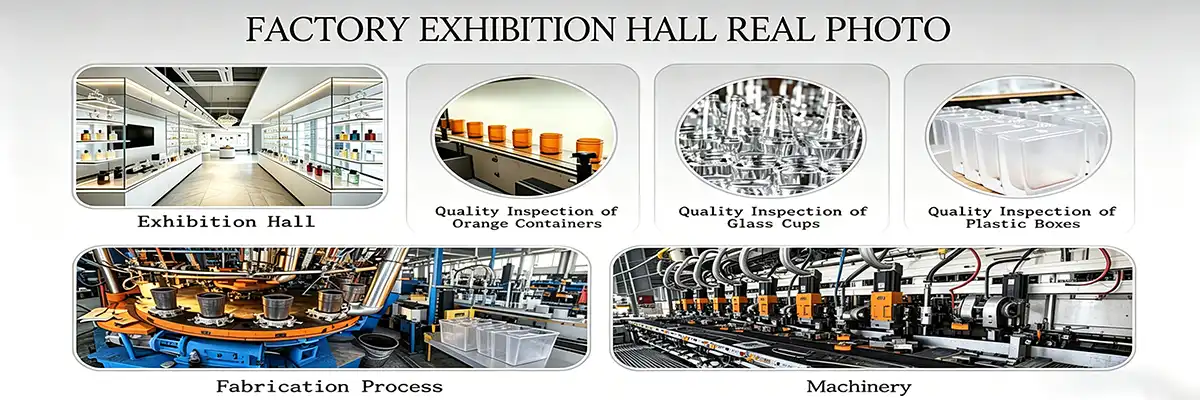
Xuzhou Muzhishi Crafts Co., Ltd. is a full-service maker and supplier of glass packaging. They have been helping private label names in North America and Europe for 20 years. Strategic partnerships with area suppliers of raw materials help our plant keep production costs between 10 and 15 percent lower while keeping quality high for big orders. We offer full ODM/OEM customization services, from the first ideas for designs to the final packing. Samples can be sent out within 3–5 days. Our self-operated import-export licenses make it easier to clear customs and provide full documentation support that is tailored to the needs of the destination country. Our dedicated account management team handles all of your square glass jars for sale procurement needs, from testing 5,000 units before the product launch to distributing 500,000 units across the country. You can email our experts at long@muzhishi.com or visit mzsglass.com to talk about how our supply chain benefits and technical know-how can help your private label packing strategy.
References
1. Smith, J.R. & Thompson, M.K. (2021). Sustainable Packaging Solutions in Food Industry: A Comparative Analysis of Glass Versus Plastic Containers. Journal of Food Packaging Technology, 15(3), 142-158.
2. Anderson, L.P. (2020). Logistics Optimization Through Container Geometry: Efficiency Studies in Distribution Systems. International Journal of Supply Chain Management, 9(2), 67-82.
3. European Food Safety Authority Panel on Food Contact Materials (2019). Scientific Opinion on the Safety Assessment of Glass Materials in Direct Food Contact Applications. EFSA Journal, 17(4), 112-145.
4. Williams, C.D. & Martinez, R.H. (2022). Brand Differentiation Through Premium Packaging: Consumer Perception Studies in Specialty Food Markets. Marketing Science Quarterly, 28(1), 34-51.
5. Chen, Y.Q., Liu, F., & Zhang, H.W. (2021). Thermal Properties and Performance Standards for Food-Grade Glass Containers. Materials Science and Engineering Reports, 44(6), 201-218.
6. Brown, K.E. (2023). Circular Economy Principles in Packaging Design: Lifecycle Analysis of Reusable Glass Systems. Environmental Sustainability Review, 12(2), 89-107.

Our customers’ satisfaction speaks for our quality — contact us to experience the same reliable service.