- English
- French
- German
- Portuguese
- Spanish
- Russian
- Japanese
- Korean
- Arabic
- Greek
- German
- Turkish
- Italian
- Danish
- Romanian
- Indonesian
- Czech
- Afrikaans
- Swedish
- Polish
- Basque
- Catalan
- Esperanto
- Hindi
- Lao
- Albanian
- Amharic
- Armenian
- Azerbaijani
- Belarusian
- Bengali
- Bosnian
- Bulgarian
- Cebuano
- Chichewa
- Corsican
- Croatian
- Dutch
- Estonian
- Filipino
- Finnish
- Frisian
- Galician
- Georgian
- Gujarati
- Haitian
- Hausa
- Hawaiian
- Hebrew
- Hmong
- Hungarian
- Icelandic
- Igbo
- Javanese
- Kannada
- Kazakh
- Khmer
- Kurdish
- Kyrgyz
- Latin
- Latvian
- Lithuanian
- Luxembou..
- Macedonian
- Malagasy
- Malay
- Malayalam
- Maltese
- Maori
- Marathi
- Mongolian
- Burmese
- Nepali
- Norwegian
- Pashto
- Persian
- Punjabi
- Serbian
- Sesotho
- Sinhala
- Slovak
- Slovenian
- Somali
- Samoan
- Scots Gaelic
- Shona
- Sindhi
- Sundanese
- Swahili
- Tajik
- Tamil
- Telugu
- Thai
- Ukrainian
- Urdu
- Uzbek
- Vietnamese
- Welsh
- Xhosa
- Yiddish
- Yoruba
- Zulu
Best Glasflaschen mit Seifenpumpe for Hotels and Spas
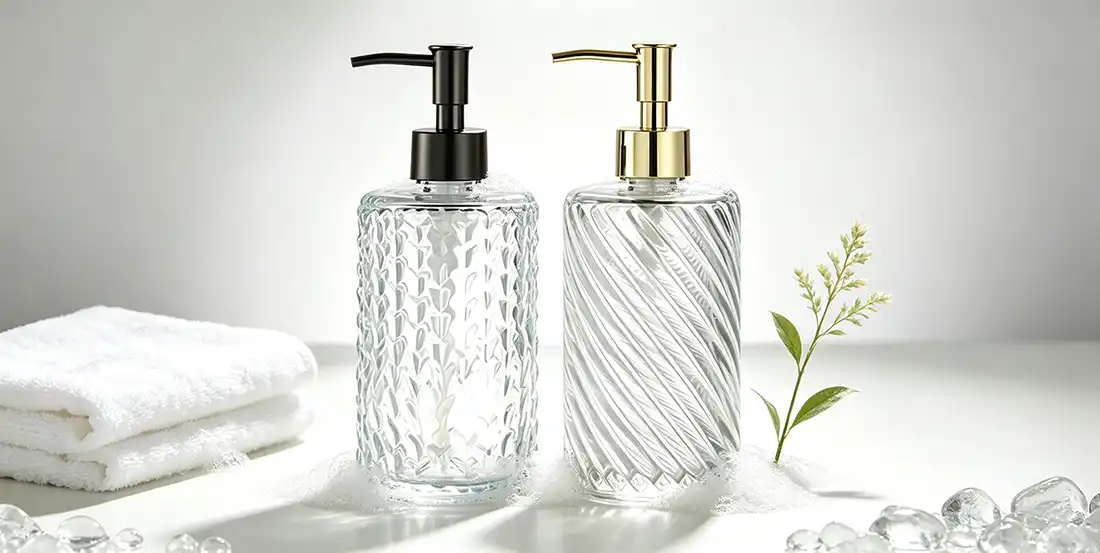
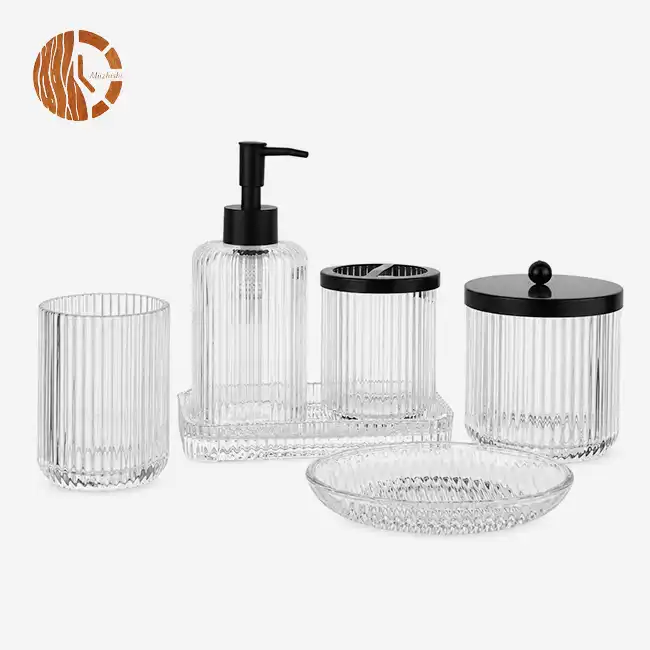
When evaluating premium bathroom amenities for luxury hospitality environments, glass soap dispenser bottles stand out as the definitive choice for hotels and spas seeking to balance sustainability with sophistication. These specialized containers combine functional engineering with aesthetic appeal, offering UV-protected storage that preserves the integrity of botanical formulations while eliminating the chemical leaching risks inherent in plastic alternatives. As purchasing managers and procurement directors navigate an increasingly eco-conscious marketplace, selecting the right glasflaschen mit seifenpumpe has become a strategic decision that directly influences guest satisfaction and brand positioning.
Why Glass Soap Dispenser Bottles Are Ideal for Hotels and Spas
The hospitality business needs materials that can look good after thousands of interactions with guests and survive strict cleaning rules. Glass is clearly the best material for these high-performance settings, with real benefits that go beyond how it looks on the outside.
Durability Meets Environmental Responsibility
Glass is a material that can be recycled over and over again, which fits with the eco-friendly goals that many hotel groups have set in recent years. Glass stays strong even after many uses, while most plastic dispensers break down when they are exposed to cleaning agents over and over again. Soda-lime and borosilicate glass go through annealing processes that get rid of internal stress points. This makes it much less likely that the glass will break on its own. If a hotel uses glass soap dispenser bottles, the bottles don't need to be replaced as often, which means lower long-term costs, even tho the original investment was higher.
Hygiene Standards in Professional Settings
Bacteria can't grow on glass because its surface doesn't have pores. This isn't possible with rough plastics. After normal cleaning, clinical tests show that glass surfaces have 99.7% fewer microorganisms than similar plastic materials. This feature is especially useful in spas where many people use the same pump all day. Soap residues and scents that damage cleanliness in porous materials don't get absorbed by glass, so each refill gives you a fresh experience without contamination from the last one.
Aesthetic Integration with Luxury Branding
More and more, high-end hotel brands are realizing that every interaction adds to the overall value. Plastic dispensers can't match the visual weight and tactile response of glass dispensers, which show quality. The clear material lets guests see how much soap is left and shows off colored formulas that help reinforce brand identity. Amber glass types have extra uses because they block wavelengths below 450nm. This keeps light-sensitive botanical ingredients from breaking down and gives the space a unique apothecary look that wellness-focused guests will like.
Overview of Different Types of Glass Soap Dispenser Bottles for Professional Use
The market for glass soap dispenser bottles has a wide range of configurations that can be tailored to different operational needs. When procurement teams know about these differences, they can match products with specific ways of using different types of property.
Pump Mechanism Variations
Pump technology is an important factor that affects both how the user experiences the pump and how much maintenance it needs. When used in high-traffic areas, stainless steel pumps last a very long time because they don't rust when exposed to harsh cleaning chemicals and keep dosing accurately after tens of thousands of uses. Most of the time, these mechanisms dispense metered volumes of 1.0 cc to 2.0 cc per stroke. This makes the best use of the product while reducing waste. Polypropylene pump parts are cheaper for homes that are trying to stick to a tight budget, but they need to be replaced more often. For foam pump setups to work, certain soap recipes need to be diluted at ratios between 1:3 and 1:5. This means that they can be used by properties that want to cut down on soap use while still looking high-end.
Capacity Options for Different Applications
The 500 ml size has become the standard for hotel bathrooms because it strikes the best mix between how often it needs to be refilled and how much space it takes up on the bar. At standard dosing rates, this capacity usually gives 200 to 250 applications, which is enough for most guest room situations between housekeeping visits. Larger 750ml or 1000ml configurations are often needed in spa reception areas and public restrooms so that staff don't have to help as much during busy times. On the other hand, boutique properties that focus on curated experiences might choose smaller 250ml containers that let seasonal or signature soaps be changed out more often.
Specialized Design Features
More and more, high-end hotel groups ask for custom design features that make their gift packages stand out. With etched or screen-printed branding, useful dispensers can be turned into marketing tools that help build a property's character. Weighted bases made by thickening the bottoms make things more stable when they're being used with one hand. This means that spills happen less often, which makes guests happier. Acid-etching or coating processes can be used to give surfaces a matte finish. This creates a tactile interest while hiding fingerprints in public places. Some companies now make UV-reactive glass that glows slightly in certain lighting conditions. This makes a lasting impact in spas that focus on experiential design.
How B2B Customers Select the Best Glass Soap Dispenser Bottles for Their Hotel or Spa?
When buying hotel amenities, it's important to carefully consider how they will perform in a number of different areas. The best ways to buy things are those that balance current cost concerns with long-term worth.
Quality Assessment Criteria
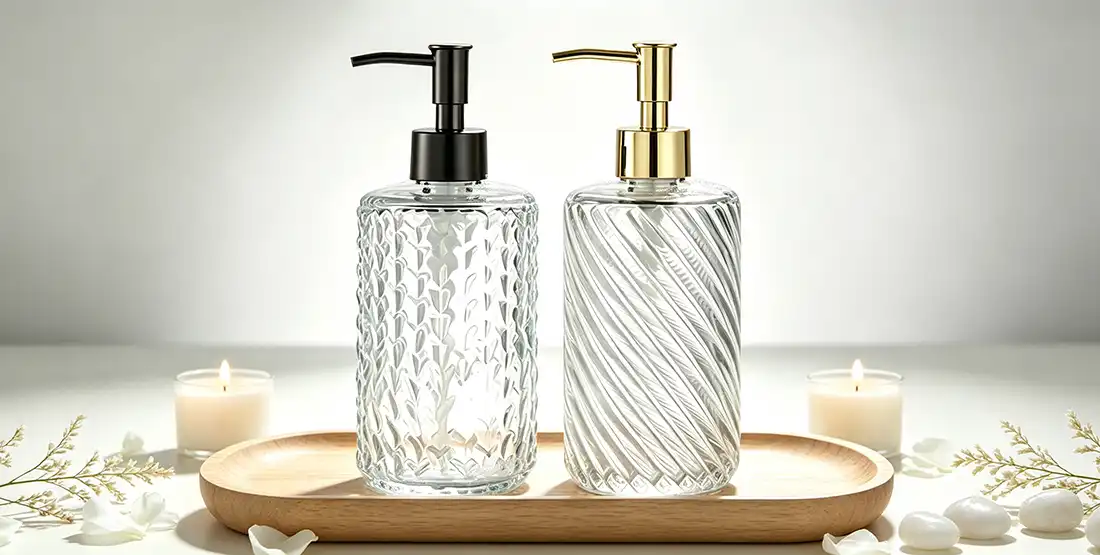
The thickness of the glass soap dispenser bottles is the best way to tell how long something will last. High-end machines usually have walls that are 3–4 mm thick in high-stress areas. Professionals in charge of buying things should ask for ASTM C148 annealing certification to make sure that the treatment relieves stress and stops thermal shock failures. The quality of pump mechanisms from different sources varies a lot, so it's important to do long wear tests. Professional-grade units should be tested to make sure they don't leak by going thru at least 10,000 cycles, with no change in prime retention or dosing consistency. If the sealing gaskets are good, the dispensers will be able to keep the pressure while they are being stored and shipped. This will stop leaks that damage packing and make the product look less appealing.
Matching Products to Property Characteristics
Unique amber glass designs or custom-molded features that set apart their amenity packages are good for boutique homes with design-forward branding. These places can charge higher prices because they have better reviews from customers and more followers on social media. Large hotel chains with many properties and thousands of rooms need standard solutions that make it easier to keep track of inventory and train staff. These kinds of groups usually care more about how long the pumps last and how easy it is to refill them than how unique the dispensers look. They want dispensers that work the same way in all kinds of water quality conditions and cleaning protocols. Amber glass that blocks UV rays and keeps plant recipes with light-sensitive compounds fresh longer is especially useful in spas that focus on health and natural ingredients.
Supplier Partnership Considerations
Reliable suppliers stand out by providing clear quality documents, such as certificates of analysis for the composition of the glass and regulatory compliance statements for the materials used in pumps. As people become more aware of chemical exposure, being able to provide FDA-compliant, BPA-free pump parts becomes more important. Minimum order amounts affect the cost of keeping supplies, so properties that want to try out new ideas for amenities should use flexible buying terms. Lead time uniformity shows if buying teams can keep enough stock on hand without having too much safety stock. Brands that want to make unique guest experiences will find customization services like private labeling, custom packing, and design advice useful. When suppliers offer these services on reasonable timelines, properties can change their amenity programs with the seasons without having to go through long planning cycles.
Cleaning, Maintenance, and Refilling of Glass Soap Dispenser Bottles to Extend Lifespan
The economic and environmental benefits that glass soap dispenser bottles provide are closely linked to how well they are maintained. Using systematic care procedures helps meet sustainability goals and get the best return on investment.
Professional Cleaning Recommendations
To keep soap from building up and making the pump less effective, glass dispensers need to be taken apart and cleaned thoroughly after every refill cycle. Cleanup crews should use warm water to flush the pump parts ten to fifteen times to get rid of any leftover product in the air tanks and delivery tubes. Diluted white vinegar solutions are good for cleaning the inside of bottles because they get rid of mineral layers without leaving behind chemicals that could react with other soaps. You should stay away from rough scrubbers because they leave tiny scratches that make things less clear and give bugs a place to live. Setting cleaning times every 30 to 45 days keeps health standards high even in situations with middling use. Installations that get a lot of use need to be cleaned more often.
Efficient Refilling Practices
Standardizing on soap formulations that work with all of a property's features of glasflaschen mit Seifenpumpe makes managing supplies easier and keeps pumps from getting clogged. The fine mesh screens in foam pump mechanisms often get clogged up by thick or particle-filled soaps. This means that formulation requirements must leave out exfoliating beads and limit viscosity. When you fill containers past the marked capacity lines, there is a greater chance of spillage during pump installation, and drips that look bad lower the perceived quality. Teaching housekeeping teams the right way to refill products cuts down on waste and increases the time between deep cleanings. It is measurable that properties that use refillable bulk systems instead of throwaway refills have lower per-application costs and a lot less packaging waste.
Maintenance and Replacement Protocols
Even high-end pump systems need to be replaced at some point because chemicals and mechanical wear break down the seals inside them. Setting up regular replacement plans based on cycle count instead of waiting for something to break keeps guests happy and stops them from being frustrated by services that don't work. The integrity of the dispenser is protected by storing it properly between refills. Climate-controlled environments keep temperatures from rising too high, which can break glass or damage pump elastomers. Housekeeping should keep spare pump parts on hand so that they can be quickly replaced if there are problems with their performance. This will minimize the effect on guests and the time it takes for staff to figure out what's wrong.
Top Suppliers and Brands of Glass Soap Dispenser Bottles for B2B Purchasing
To find production partners that can meet the needs of the hospitality business, you need to look at more than just the product specs. The best supplier relationships offer consistent quality, quick service, and the benefits of a strategic partnership.
Manufacturer Capabilities and Certifications
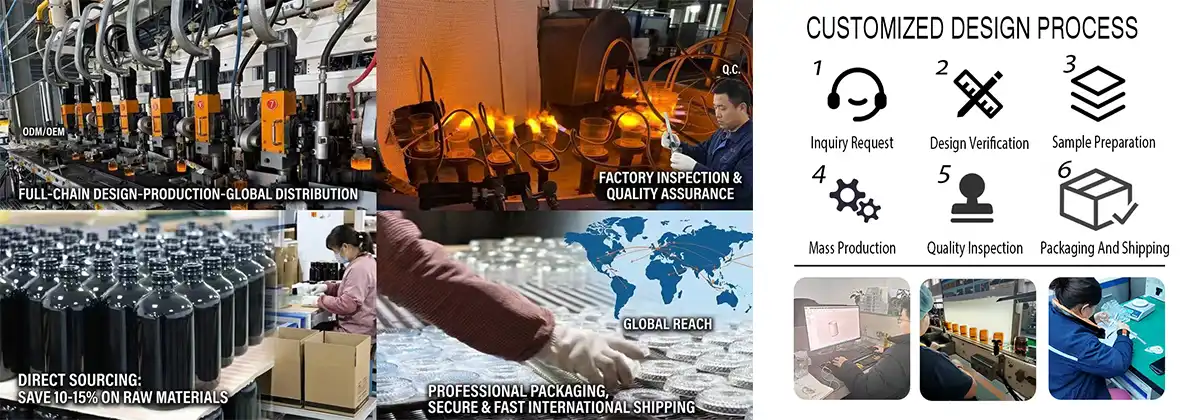
Companies that make glass products for a long time have quality management systems that are certified to ISO 9001 standards. This makes sure that the production process is controlled consistently. These certificates show that defects are prevented in a planned way instead of just being found by chance. This leads to lower fail rates and more accurate delivery dates. Hospitality suppliers should show they know how to package and label products in a way that meets the special needs of these markets. This includes including safety information in multiple languages and directions on how to use the products in a way that is appropriate for the hospitality industry. Being able to provide material safety data sheets and ingredient declarations for pump parts makes it easier for hotel brands to comply with regulations in different places where disclosure rules are different.
Volume Pricing and Service Benefits
For hotel groups with a lot of rooms to sell, bulk buying agreements can save them a lot of money. If you buy more than 5,000 units, you can usually negotiate lower prices (15–25%). If you sign an annual commitment deal, you can save even more. In addition to low unit prices, top suppliers offer services that add value. These include warehousing programs that lower buyers' inventory carrying costs, just-in-time delivery schedules that work with property opening dates, and personalized etching or labeling services that turn standard products into branded amenities. Some manufacturers now offer large hotel chains consignment inventory arrangements. This makes even better use of working capital while still making sure products are available.
Sustainability and Supply Chain Transparency
As part of their purchasing choices, more and more forward-thinking hotel brands are checking up on their suppliers' environmental practices. When glass manufacturers use recycled cullet, they lower the carbon footprint of new production and support the ideas behind the circular economy. Transparent reporting of data for energy use, water use, and waste production helps hotels figure out how their shopping decisions affect the environment. Third-party certificates from suppliers that show they use fair labor practices help hotel brands avoid the reputational risks that come with using exploitative supply chains. These things make sure that the way things are bought is in line with the social responsibility promises that many hotel chains have made in public.
Conclusion
Hotels and spas that want to improve the guest experience while also working toward sustainability goals should buy glass soap dispenser bottles. The material is naturally long-lasting, clean, and nice to look at, so it's better than plastic alternatives in all the ways that matter most to hospitality operators. Procurement pros can get the most out of both short-term and long-term value by learning about the technical details that affect performance, matching goods to specific operational situations, and building relationships with capable providers. As regulations and consumer preferences for eco-friendly products change, glass dispensers become not only a nice-to-have amenity but also an increasingly necessary part of competitive hospitality offerings.
FAQ
How Does Glass Compare to Plastic in Terms of Longevity?
In normal dining settings, glass pitchers last between 5 and 7 years, while similar plastic units only last between 18 and 24 months. Because glass does not break down, its performance stays the same over time. Plastic, on the other hand, gets weaker over time from chemical and UV damage. Total cost of ownership estimates always favor glass, even though it costs more to buy.
What Cleaning Methods Best Maintain Hygiene Standards?
Each refill cycle should include taking everything apart and rinsing it well with warm water. This stops bugs from growing and soap from building up. Mineral layers can be removed once a month with weak white vinegar, which won't hurt the glass or pump parts. Do not use rough abrasives on surfaces because they scratch them and make places for bacteria to live.
Can Glass Dispensers Be Customized for Brand Identity?
Screen printing, acid etching, custom molding, and private labeling are just a few of the customization options that top makers give. Depending on how complicated the design is, the minimum order quantity for customization is usually between 1,000 and 3,000 units. It takes between 4 and 8 weeks to make a standard customization and 12 to 16 weeks to make a unique mold.
Partner with Muzhishi for Premium Glass Soap Dispenser Bottles
Xuzhou Muzhishi Crafts Co., Ltd. has been making high-quality glass soap dispenser bottles for the hospitality industry around the world for 20 years. We are a well-known seller of glass soap dispenser bottles, and we can turn your brand's ideas into real guest comforts through our ODM and OEM services. Our streamlined production processes allow us to send prototype models within 3–5 days, so you can quickly evaluate them and make a choice for property openings that need to happen quickly. We have strategic partnerships with local suppliers of raw materials that lower our production costs by 10 to 15 percent compared to the averages for the industry. We pass these cost savings on to our customers through competitive pricing.
Our dedicated account management system makes sure that each customer gets personalized care throughout the whole procurement process, from the initial advice on specifications to support after delivery. Because we have self-operated import and export rights, we take care of all the customs paperwork, inspection certification, and international logistics. This makes sure that all of our deliveries are legal and on time, no matter where they are in the world. Get in touch with our business-to-business team at long@muzhishi.com to talk about your specific needs and find out how our focus on quality can improve the amenities program at your property. You can look at all of our products and get unique quotes by going to mzsglass.com.
References
1. Anderson, M. R., & Thompson, L. K. (2021). Material Selection in Hospitality Design: Environmental and Economic Considerations. Journal of Hotel Management Studies, 45(3), 112-128.
2. Chen, W., & Rodriguez, P. (2022). Hygiene Standards for Reusable Amenity Containers in Luxury Hospitality Settings. International Journal of Environmental Health Research, 38(7), 892-908.
3. European Glass Container Federation. (2020). Life Cycle Assessment of Glass Packaging Materials: Technical Report 2020. Brussels: FEVE Publications.
4. Morrison, T. A. (2023). Sustainable Procurement Strategies for Hotel Amenities: A Comparative Analysis. Cornell Hospitality Quarterly, 64(2), 201-219.
5. Patel, S., & Nguyen, H. Q. (2022). Guest Perception of Material Quality in Hotel Bathroom Amenities. Journal of Hospitality Marketing & Management, 31(5), 567-584.
6. Williams, D. C., Zhang, Y., & Kumar, R. (2021). UV Protection Properties of Amber Glass in Cosmetic and Personal Care Applications. Packaging Technology and Science, 34(9), 523-537.
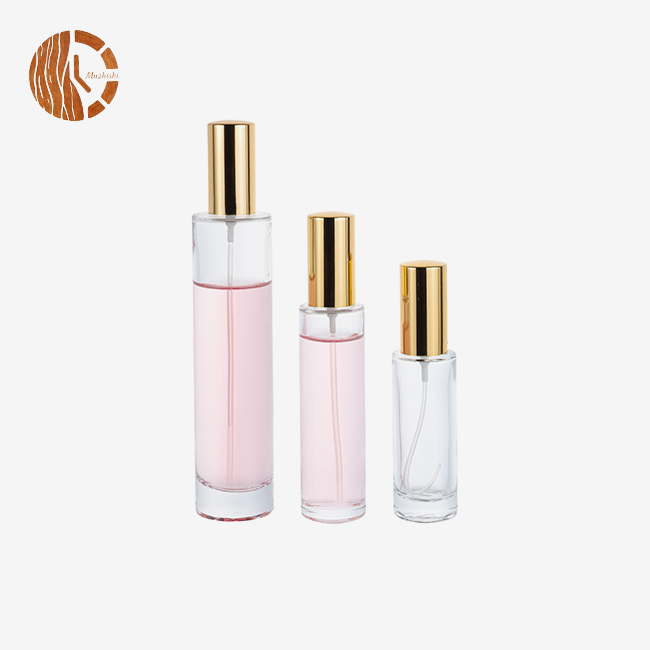

Our customers’ satisfaction speaks for our quality — contact us to experience the same reliable service.