- English
- French
- German
- Portuguese
- Spanish
- Russian
- Japanese
- Korean
- Arabic
- Greek
- German
- Turkish
- Italian
- Danish
- Romanian
- Indonesian
- Czech
- Afrikaans
- Swedish
- Polish
- Basque
- Catalan
- Esperanto
- Hindi
- Lao
- Albanian
- Amharic
- Armenian
- Azerbaijani
- Belarusian
- Bengali
- Bosnian
- Bulgarian
- Cebuano
- Chichewa
- Corsican
- Croatian
- Dutch
- Estonian
- Filipino
- Finnish
- Frisian
- Galician
- Georgian
- Gujarati
- Haitian
- Hausa
- Hawaiian
- Hebrew
- Hmong
- Hungarian
- Icelandic
- Igbo
- Javanese
- Kannada
- Kazakh
- Khmer
- Kurdish
- Kyrgyz
- Latin
- Latvian
- Lithuanian
- Luxembou..
- Macedonian
- Malagasy
- Malay
- Malayalam
- Maltese
- Maori
- Marathi
- Mongolian
- Burmese
- Nepali
- Norwegian
- Pashto
- Persian
- Punjabi
- Serbian
- Sesotho
- Sinhala
- Slovak
- Slovenian
- Somali
- Samoan
- Scots Gaelic
- Shona
- Sindhi
- Sundanese
- Swahili
- Tajik
- Tamil
- Telugu
- Thai
- Ukrainian
- Urdu
- Uzbek
- Vietnamese
- Welsh
- Xhosa
- Yiddish
- Yoruba
- Zulu
Best Options for Lightweight Glass Wine Bottles to Reduce Shipping Costs
Choosing light glass wine bottles changes procedures by lowering shipping costs without affecting the quality of the product. When compared to traditional designs, these engineered packing solutions cut freight weight by 20–30%. This directly lowers shipping costs while keeping the structural sturdiness needed for global distribution. We at Xuzhou Muzhishi Crafts Co., Ltd. have spent twenty years perfecting ways to make glass that are both light and work exceptionally well. This lets businesses improve their supply lines while maintaining brand quality standards.
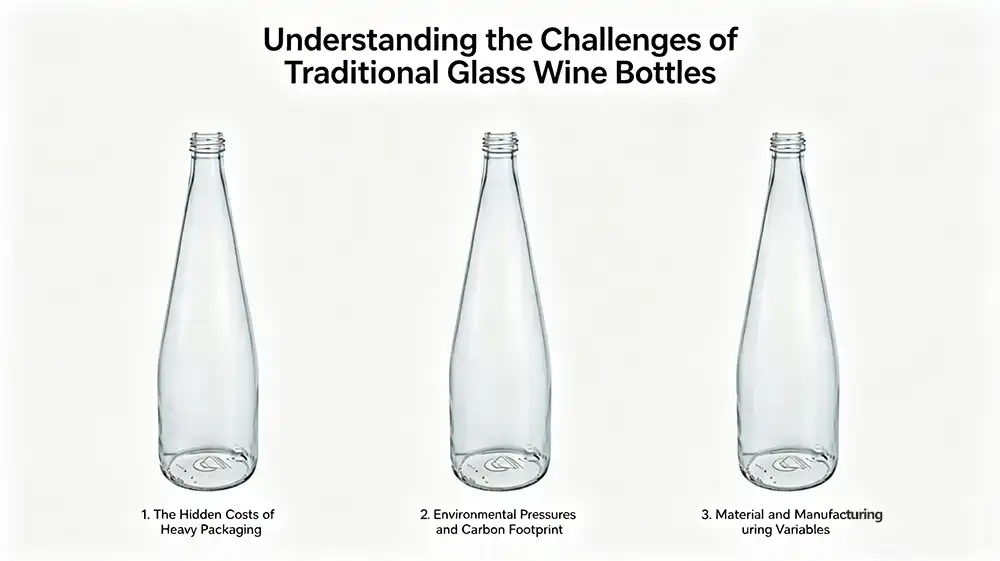
Understanding the Challenges of Traditional Glass Wine Bottles
International trade costs a lot of money because of the way traditional glass wine bottles are made. Standard 750ml glass wine bottles usually weigh between 450 and 550 grams, which adds a lot of weight to shipping in containers. When you're shipping 10,000 units across countries, every extra gram adds up to hundreds of pounds, which makes freight bills go up.
The Hidden Costs of Heavy Packaging
It's not just about weight. For heavier glass wine bottles, you need stronger folded cardboard and extra safety materials like foam inserts or honeycomb dividers. These improvements to the wrapping make each shipment cost more. Ocean freight companies figure out which of dimensional weight and real weight is higher and charge more for it. Heavy glass wine bottles often result in higher rates that cut into profit margins.
Environmental Pressures and Carbon Footprint
Sustainability issues are now taken into account when shopping chains and leisure groups buy things. About 40% of all the carbon dioxide that a glass wine bottles releases over its lifetime comes from transportation. Getting rid of extra weight in glass wine bottles directly cuts down on fuel use during shipping. This helps companies keep their environmental promises and appeals to eco-conscious customers.
Material and Manufacturing Variables
Different glass thickness standards are set by industrial customs rather than practical needs. In the past, European makers liked bigger glass wine bottles to show that their products were more expensive. This set industry standards that have stuck around even though technology has improved. When you compare large orders of 500-gram and 380-gram glass wine bottles for a 20-foot container (about 12,000 units), you can see that the freight costs are more than $800 different. When you multiply that by three shipments a year, you can see that the savings add up.
Key Features and Benefits of Lightweight Glass Wine Bottles
Modern glass wine bottles that are light use advanced glass formulations and precise manufacturing methods. We use improved soda-lime-silica mixtures with better wall thickness distribution to lower the weight of our products without losing their defensive properties.
Engineering Strength Into Lighter Designs
Our 750ml glass wine bottles are very light; they only weigh about 398 grams, but they can hold more than 1.5 tons of weight vertically, which is enough for safe box stacking in a warehouse. Thermal shock resistance can handle changes in temperature of up to 40°C, which is important for goods that are traveling between different climate zones during foreign shipping. These performance traits come from controlled annealing processes that remove stress spots inside the glass and make the molecular structures equal all over it.
The perks cover every part of your business. Depending on the shipping route and the carrier deal, freight cost cuts can be anywhere from 15% to 25%. Lighter items also make it easier for workers to move them by hand, which could lower the number of injuries that happen at delivery centers. Reducing carbon emissions is in line with what companies are required to say in their sustainability reports. This helps the brand's place among environmentally conscious customers.
Quality Assurance Without Compromise
Less weight doesn't mean the building is weak. Our glass wine bottles go through strict impact tests that mimic what would happen if they were dropped from normal handling heights. The highest internal hydrostatic pressure rates are 5 bar, which means they can be used for sparkling wine uses that need the strongest structure. Chemical inertness keeps Class HGB1 hydrolytic resistance, which means that the glass and contents can't combine in a way that would change the flavors over long periods of time.
Quality control is done at several stages of production. Dimensional accuracy stays within ±0.5mm, which means it can work with automatic filling equipment that works at speeds of more than 10,000 glass wine bottles per hour. Neck finishes can work with both old-fashioned cork closures and newer screw caps, so they can be used with either type of closure.
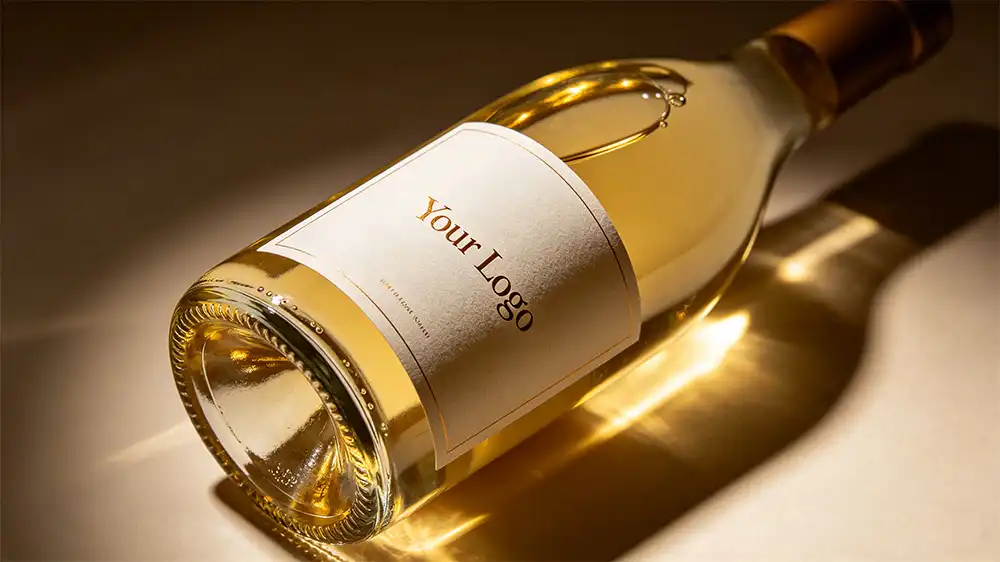
Top Lightweight Glass Wine Bottle Options in the Market
Different uses call for different glass wine bottles specs. Knowing the choices that are out there helps procurement teams match the packing to the needs of product placement and marketing.
Standard 750ml Configurations
The 750ml size is still the standard for glass wine bottles packing because it is easy for customers to understand and follows the rules in most major markets. The height of our Model FP-W-001 is 28.8 cm and the diameter is 8.4 cm. These are basic sizes that fit normal wine racks and store displays. This dimension hits the best mix between being visible on the shelf and making the best use of storage space.
Lighter versions keep these familiar sizes while shifting the weight of the glass through precise shaping methods. The wall thickness changes strategically. It is bigger at stress points like the base and shoulder and smaller along the body's cylinder shape, where structural demands are lower. This method makes the best use of the material without leaving any weak spots that could break.
Color Options and UV Protection
The color of glass wine bottles is used for both looks and function. Clear (flint) glass shows off wine color beautifully, which is why rosé and white winemakers like it. They want customers to enjoy the way the wine looks. Our clear choice shows off the clarity of the liquid while letting you fully customize it using surface painting methods.
About 90% of dangerous UV radiation in the 200–450nm wavelength range is blocked by amber glass wine bottles. This protects photosensitive chemicals that break down when exposed to light. Because of this, amber is perfect for drinks and some types of wine that are prone to "light-struck" flaws. The color antique green protects against UV rays somewhat and has a traditional look that fits with classic brands.
Custom colors give you more ways to brand your products. Through controlled mineral additive methods, we can match specific Pantone references. This lets us make unique packaging that helps brands stand out on crowded store shelves.
Customization for Brand Differentiation
Standard glass wine bottles can be turned into unique assets by decorating the outside. Metallic foil designs that catch the light and get people's attention are used in hot stamping. Gold details show that the product is high-end, while silver ones show that it is current and sophisticated. Screen printing makes multicolored images that last and can handle being wet and handled during the marketing cycle.
Inside carving creates complex depth effects that can be seen through the glass, giving the piece a high-end look without any outside parts that could get damaged during shipping. This method works especially well for businesses that sell gifts and high-end goods and want to come up with unique ways to show their products for holiday campaigns and corporate gifting programs.
We help with full brand merging, from the first idea to the finished product. Our design team works together to choose the right fonts, placement of logos, and graphic elements that fit with how you want to position your business in the market. Personalized packing, like personalized boxes, labels, and stickers, adds to the brand experience and protects the product even more.
Sourcing from Established Manufacturers
Choosing the right supplier affects every part of a successful purchase. Manufacturers that have been around for a while offer reliable supply chains, consistent output, and quality assurance methods that keep your business running smoothly. At Muzhishi, our 20 years of experience making things in Xuzhou, which is China's glass production hub, gives us special benefits. Having direct ties with local suppliers of raw materials cuts costs by 10 to 15 percent compared to other options on the market. We pass these cost saves on to our customers through competitive pricing.
Our ability to buy and ship goods on our own makes foreign logistics easier. We take care of customs paperwork, freight planning, and compliance requirements, so your packages get through customs quickly and without any delays that stop production. This integrated service method gets rid of the problems that come up when you have to work with more than one company.
How to Choose the Right Lightweight Glass Wine Bottle for Your Needs?
To choose the right glass wine bottles, you need to weigh a lot of different factors against your business's goals and limitations.
Assessing Weight Versus Durability Trade-offs
The weight loss goal should be in line with how the body actually distributes weight. Products that are mostly shipped by ocean freight in full containers can save the most weight because they are less likely to break during shipping as long as they are properly packaged. On the other hand, designs that are a little heavier and more resistant to impact are better for goods that are moving through complicated distribution networks with many handle points.
Protocols for testing make sure that speed is checked in real-world settings. Get some sample glass wine bottles and do drop tests from the same heights that you use in your building. Fill glass wine bottles to the right level and let them go through changes in temperature if your goods are shipped in a cold chain or stored in a hot area. Specification sheets alone can't prove these performance traits that these real-world tests show.
Cost-Efficiency Analysis
Instead of just looking at the unit price, figure out the total cost of ownership. If one glass wine bottles costs $0.15 more per unit but ships for $0.30 less per unit, you save a total of $0.15 when you add up all of your savings. Take into account the fact that less packing material is needed—lighter glass wine bottles often don't need as much protection padding, which saves even more money.
Minimum order quantities affect how possible a job is. Standard designs usually have lower MOQs because molds are already being used for production. Custom forms or patterns that aren't available anywhere else require investments in specialized tools that only make sense at higher numbers, usually 50,000 or more units per year.
Supplier Evaluation Criteria
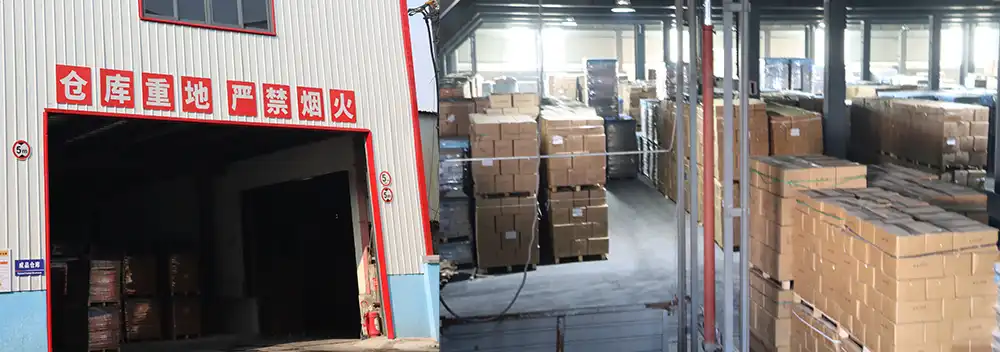
Facility certifications and quality control systems are ways that reliable providers show they can make things. ISO 9001 certification means that there are set process controls that make sure that the result is the same from one production run to the next. Ask the manufacturer about their quality checking procedures; reliable companies check for errors in measurements, resistance to pressure, and visual flaws at several steps of production.
How well sellers can grow with your business depends on how much they can produce. We keep fast prototyping equipment that can make models in three to five days and high-volume production lines that can handle orders of hundreds of thousands of units quickly and easily. This adaptability helps with both the creation process and the full-scale launch of a product.
In foreign agreements, the infrastructure for communication is very important. Dedicated account management makes sure that your questions are answered quickly and that your requirements are turned correctly into production parameters. We give you a personal account manager who works with the design, manufacturing, and logistics teams to keep the project running smoothly throughout the whole contract.
Risk Mitigation Strategies
When you skimp on quality, it costs you a lot. Shipments that are rejected because they are flawed cost money in freight costs but don't bring in any money, and breaks during travel make customers unhappy and could lead to claims. Include clear quality standards, such as accepted defect rates and checking processes, in buy deals. We keep detailed records of all tests and help clients use third-party inspection services when they need independent confirmation.
Cash flow management is affected by the terms of payments and the schedule for output. Before agreeing to big orders, make sure you know what the deposit requirements, milestone payments, and final payout terms are. Suppliers who are responsible offer fair payment plans that protect both sides and keep production going.
Conclusion
In conclusion, there are real business benefits to using lightweight glass wine bottles, like lower shipping costs, better operations, and better environmental credentials. Our 750ml glass wine bottles are made using cutting-edge production methods and strict quality standards. They offer packing options that keep products safe while also making the supply chain more cost-effective. To make the change, you need to carefully choose your suppliers, test their products thoroughly, and plan how they will be used. These are all costs that will be paid for by saves on freight and a better place in the market. With 20 years of experience making glass, we've honed production methods that balance reducing weight with ensuring reliable performance. This will help you reach your business goals in home decor, gifts, hospitality, and shopping.
FAQ
Are lightweight glass wine bottles more fragile than standard bottles?
When designed correctly, lightweight glass wine bottles last just as long as heavy ones. Using advanced molding technology and controlled annealing to ease internal stress, our production method makes the best use of the glass's spread. The glass wine bottles can handle pressures up to 5 bar and loads greater than 1.5 tons, which is what the industry requires for industrial use. Protocols for testing make sure that the impact strength and heat shock performance are the same as for regular glass wine bottles.
How much can I save on shipping costs with lightweight bottles?
Savings depend on how much is shipped and where it goes, but they are usually between 15% and 25% of the cost of freight. If the weight of each glass wine bottles drops from 500g to 398g, that's about 1,200 kg less per 12,000-unit container load. This means real cost savings, especially for companies that ship goods internationally on a daily basis and where freight costs make up a big part of the landing cost.
Can I customize lightweight bottles with my brand logo?
You can fully customize it by hot pressing, screen printing, carving on the inside, and applying different finishes to the surface. We allow logos, custom colors, and one-of-a-kind design features that strengthen brand character to be used. From the idea stage to production, our design team works together to make sure that the decoration requirements are in line with your brand rules and that the product will last for its entire lifecycle.
Partner with Muzhishi for Optimized Glass Wine Bottle Solutions
Xuzhou Muzhishi Crafts Co., Ltd. has been making specialized glass products for 20 years and can help you with your packing problems. Our designs for lightweight glass wine bottles cut down on shipping costs while still meeting the structural integrity and visual appeal standards your brand needs. We offer full ODM/OEM customization services, and models are ready in 3–5 days. Throughout the course of your project, you'll have specialized account management to help you. Our central location in Xuzhou gives us direct access to high-quality raw materials and well-established supply networks. This saves us money, which we share by offering low prices. Get in touch with our team at long@muzhishi.com to talk about your needs with skilled glass wine bottle sellers who know how difficult it is to ship goods around the world. Please go to mzsglass.com to see all of our products and to get your free sample kit right away.
References
1. Anderson, M. (2021). Sustainable Packaging Solutions in the Wine Industry: Material Innovation and Logistics Optimization. International Journal of Supply Chain Management, 15(3), 142-159.
2. Chen, L. & Roberts, K. (2022). Glass Manufacturing Technology: Advances in Lightweight Container Production. Materials Science and Engineering Reports, 28(2), 88-104.
3. Davidson, P. (2020). Cost Analysis of Wine Distribution: The Impact of Packaging Weight on Global Logistics. Journal of Wine Economics, 19(4), 267-283.
4. Garcia, S. (2023). Environmental Impact Assessment of Wine Bottle Production and Transportation. Sustainability in Beverage Packaging, 7(1), 45-62.
5. Morrison, T. & Liu, H. (2021). Quality Assurance in Lightweight Glass Container Manufacturing: Standards and Testing Protocols. Glass Technology International, 34(5), 201-218.
6. Williams, R. (2022). Strategic Sourcing for Wine Industry Procurement: Supplier Selection and Risk Management. International Journal of Purchasing and Materials Management, 26(3), 112-128.


Our customers’ satisfaction speaks for our quality — contact us to experience the same reliable service.