- English
- French
- German
- Portuguese
- Spanish
- Russian
- Japanese
- Korean
- Arabic
- Greek
- German
- Turkish
- Italian
- Danish
- Romanian
- Indonesian
- Czech
- Afrikaans
- Swedish
- Polish
- Basque
- Catalan
- Esperanto
- Hindi
- Lao
- Albanian
- Amharic
- Armenian
- Azerbaijani
- Belarusian
- Bengali
- Bosnian
- Bulgarian
- Cebuano
- Chichewa
- Corsican
- Croatian
- Dutch
- Estonian
- Filipino
- Finnish
- Frisian
- Galician
- Georgian
- Gujarati
- Haitian
- Hausa
- Hawaiian
- Hebrew
- Hmong
- Hungarian
- Icelandic
- Igbo
- Javanese
- Kannada
- Kazakh
- Khmer
- Kurdish
- Kyrgyz
- Latin
- Latvian
- Lithuanian
- Luxembou..
- Macedonian
- Malagasy
- Malay
- Malayalam
- Maltese
- Maori
- Marathi
- Mongolian
- Burmese
- Nepali
- Norwegian
- Pashto
- Persian
- Punjabi
- Serbian
- Sesotho
- Sinhala
- Slovak
- Slovenian
- Somali
- Samoan
- Scots Gaelic
- Shona
- Sindhi
- Sundanese
- Swahili
- Tajik
- Tamil
- Telugu
- Thai
- Ukrainian
- Urdu
- Uzbek
- Vietnamese
- Welsh
- Xhosa
- Yiddish
- Yoruba
- Zulu
What are the Different Types of Soap Dispensers?
It's been a long time since soap dispenser were just simple push-button items. Now they're high-tech cleaning tools used in many business and home settings. Before you buy something, you should know about the different kinds that are available. There are easy-to-use hand dispensers that don't need to be touched, and there are also automatic touchless dispensers that are better for cleanliness because they keep things from getting dirty. Many people choose plastic dispensers because they are inexpensive. People also choose stainless steel dispensers because they last a long time in industry settings. And finally, people choose glass liquid soap dispenser because they look good and are good for the environment. People put these in bathrooms, restaurants, hospitals, hotels, offices, and on the grounds of businesses. To meet brand standards and business goals, each of these places needs different looks and functions.
Understanding the Key Types of Soap Dispensers
Manual vs. Automatic Operation
Folks still like hand soap dispenser in many areas because they work well and are simple to use. People who use these units have to press a pump each time they want a small amount of soap. Manual pumps always work because they are mechanical. You don't need to fix broken lights or change the batteries. This easy method works great for restaurants and hotels where staff can quickly fix things and restock without having to deal with high-tech tools.
The newest and best way to clean is with automatic pumps. These touchless machines can tell when a hand is near by by measuring temperature. They will then give the person soap without touching them. Automatic taps are great for places with a lot of foot traffic, like hospitals, airports, and business bathrooms. This technology makes it much less likely that germs will spread from one person to another. They can also exactly control how much soap is used with the sensor-based system, which lowers the long-term costs of running the machine.
Material Classifications and Their Implications
What kind of material you use for business soap dispenser makes a big difference in how well they work and how they look. People who want to save money usually choose plastic bottles because they are light and don't break easily. These days' plastics are strong enough to be used every day in places like shops and office buildings that get a fair amount of foot traffic. For manufacturers, plastic is easy to work with, so it can be made in many colors and patterns that match the name of the company.
Stainless steel dispensers last a very long time in tough business and hospital environments. The metal frame can handle being dropped, rusting, and being damaged by strong cleaners. Building managers like stainless steel because it doesn't lose its shine even after being cleaned very carefully. Material that kills germs adds an extra layer of protection in places where cleaning is very important.
Soap that is sent in glass packages looks great and is good for you and the environment. Glass, on the other hand, doesn't let chemicals get into the soap like plastic does. Soaps made from herbs and renewable materials stay clean. Since glass is clear, you can see right away how much soap is left in the dispensers and fill them up again before they run out. Glass bowls are good for businesses that want to show they care about the environment because they can be remade over and over again and don't lose their quality. They can replace a lot of single-use plastic bottles over the course of their useful life by using a glass liquid soap dispenser.
Application-Specific Considerations
In kitchens, soap machines need to be able to handle being used all the time, getting oily, and going through changes in temperature. To keep industrial kitchens clean, the best materials are ones that don't hold germs, like glass and stainless steel. A lot of glass pumps can hold 500ml, which is plenty for restaurants and eating halls that need to handle a lot of people. We don't have to refill as often during busy times because of this.
Bathroom layouts can be very different, from small powder rooms in homes to busy airport areas, and each one has its own needs. To show that they care about quality and the environment, more and more high-end hotels are putting glass bottles in guest rooms and public areas. A hand soap dispenser made of clear glass looks classy and fits in with modern decor. It also shows that the company cares about how it looks and the outdoors.
In healthcare and labs, the highest standards of success are set. For the sake of preventing infections, pitchers need to be able to be cleaned many times, harmed by medical-grade soaps, and used without touching anything. Types of high-borosilicate glass can handle the heat shock that comes from cleaning, and automatic pump systems keep people from touching areas that might be dirty. Cells can't grow on glass since it doesn't have any openings. Some metals can do this after being used for a long time.
Classification and Features of Glass Liquid Soap Dispensers
Manual Pump Mechanisms
When you turn on a manual glass liquid soap dispenser, the pump parts are built to always give you the same amount of soap. Between 1.0cc and 2.0cc of soap come out of the pump with each pass. This is enough to wash your hands well without any loss. In business settings, good pumps that have been used more than 50,000 times will last a long time and do their job well. Even if the pumps are used every day, they won't leak because of the tight threading between the glass neck surfaces (which are usually 28/400 or 28/410 standards) and the pump parts.
Hand pumps are liked by facility management teams because they are simple to keep up. If you want to clean the motor parts, you can clean the whole machine. This is helpful when switching between types of soap or when making lotion, hand wash, or liquid soap. Stainless steel parts of the pump won't rust in wet baths, so the dispenser will keep working well for a long time. In the long run, manual glass bottles with good pumps often cost less than plastic ones that need to be replaced more often when buying teams look at the total cost of ownership.
Automatic Dispensing Technology
Automatic glass soap dispenser use sensor technology and the nice look of glass to make cleaning products that don't need to be touched and still look good. The infrared systems turn on the pump motors when hands get close enough to the sensors, which is generally between 5 and 10 centimeters. This process doesn't need to be touched, which is helpful in hospitals where rules say people shouldn't touch things too much to avoid getting infections. Automatic units that give out soap at a steady rate help healthcare managers keep track of how much is used and make sure that rules about washing hands are followed.
Automatic dispensers that are newer use batteries a lot more efficiently than dispensers that are older. These days, machines can make between 30,000 and 50,000 drinks on a single set of batteries, so they don't need to be fixed as often. When building with glass and electronic parts, it's important to plan ahead to keep the circuits dry and keep the clean look that buyers want for high-end business sites. Some newer types let you change the amount of soap that comes out. In this way, property managers can figure out the best balance between cleanliness and cost based on the needs of the business.
Style and Design Variations
Simple forms, like cylinders or squares, make classic glass dispensers that look good in traditional homes. These traditional shapes look great in eating rooms that want to feel old-fashioned or hand-made. Clear glass lets you see right through it, so the color of the soap can be part of the pattern. As an example, brown drinks make you think of natural ingredients, while bright colors go with current branding.
Contemporary models have straight lines, textured glass surfaces, and simple pump systems that fit in with the shape. These styles are good for tech companies, shops that care about design, and small hotels that want to be where function and art meet. The different surface treatments make the design possibilities much bigger. With hot pressing, you can add metallic details. With silk screen printing, you can make complex logos. And with internal engraving, you can make long-lasting branding that doesn't fade after years of cleaning.
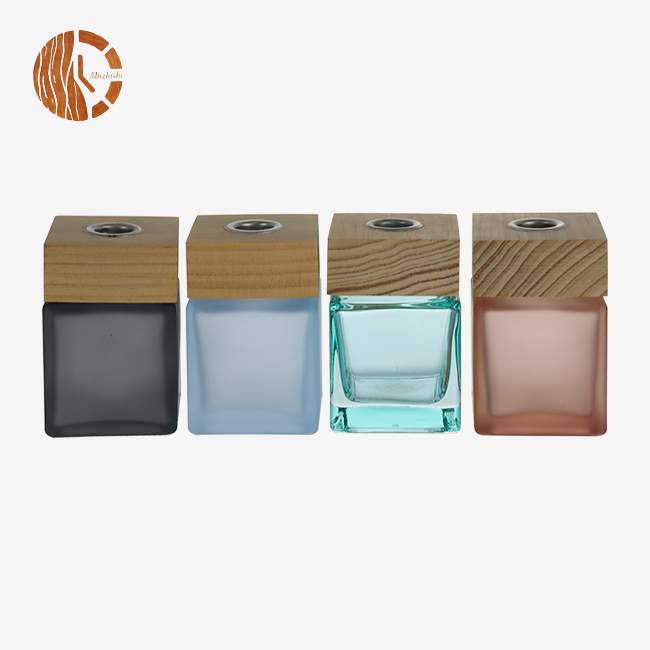
You can customize it in more ways than just painting the outside; you can also pick colored glass. Amber glass blocks UV light by 450nm wavelengths and above. This keeps essential oils and organic soap ingredients fresh. People who make organic skin care items and hotels that care about health can use this technology benefit. Clear glass and cobalt blue glass are both safe, but cobalt blue glass looks very different in shops. Practical soap dispenser can have their colors, names, and packaging changed, so they can become brand ambassadors that help people remember your business every time they wash their hands.
Capacity and Volume Considerations
How well things run and how much maintenance needs to be done are directly related to the size of the dispensers. For bathrooms at home or at work with little foot traffic, smaller 250ml units are better because they take up less space. For most work needs, the 500ml size is best. It's big enough to cut down on refills but small enough to fit on a desk without taking up too much space. Depending on how the pump is set, this much water is enough for 250 to 500 handwashings. A bathroom in a medium-sized office building or restaurant can be used every day with this much water.
Places with a lot of foot traffic, like shopping stores, meeting centers, and transportation hubs, need pumps that can hold up to 1000ml. This is because they need less maintenance. Procurement teams have to think about the benefits of capacity along with the size and weight of the things they want to buy. This is especially important for installations that need to be placed on the wall and have support structures. A full 500ml glass pitcher weighs between 850 and 900 grams, which is easy to fix with regular tools. It can hold a lot of fluid.
Making an Informed Choice: Glass vs Plastic Liquid Soap Dispensers
Durability and Longevity Under Commercial Use
Glass bottles made from high-quality soda-lime or borosilicate glass last a very long time if they are used responsibly. The material doesn't scratch easily, stays clear even after being cleaned by professionals many times, and the color doesn't change when UV light hits it. The high-end look of these glass dispensers will last for years, which helps keep the brand's image uniform in places where buyers can see it. Commercial-grade glass units have thick walls that can handle the small hits that happen when bathrooms are being cleaned and maintained.
Because plastic cups can take being hit, they are good for places like elementary schools and parks where things are likely to break. If you use advanced plastics the right way, they can last for a long time. It's too bad that the material can be scratched. This leaves small holes in the surface that germs can live in and makes cleaning harder over time. There is a chance that chemicals will break down when certain kinds of soap, like those with essential oils or high-pH soaps, come in touch with plastic bottles. Because of this, it needs to be changed more often than glass choices because it can cloud, crack, or break the pump system.
There are a lot of different ways to figure out whether to fix or replace something. A glass liquid soap dispenser pump system breaks more often than the bottles themselves. This means that parts can be replaced to make the service life longer. A lot of the time, plastic units need to be changed totally when the container or pump body breaks. Many times, the higher price of glass pitchers at first is balanced out by the lower cost of ownership after five years. This is because they don't need to be changed as often and are easier to keep up.
Environmental Impact and Sustainability
It used to be that the environmental effect of soap dispenser wasn't very important, but now it is because companies want to get sustainability certifications and meet their business responsibility goals. Recycling glass over and over again doesn't hurt its quality, which makes it one of a kind. Even after being remade many times, melted glass still has the same properties. For this reason, when glass dispensers reach the end of their useful life, they are put back into the production stream instead of being thrown away or ending up in an environment.
It takes more steps to recycle plastic, which makes it harder. The bottle, pump, and spring systems of many plastic dispensers are made of more than one type of polymer. It's hard to sort the plastic for recycling this way, and it's not always worth the money. This is why most plastic products, even ones that are marked to be recycled, end up in landfills. The issue of microplastics makes things even worse. Plastic items break down over time and release tiny pieces into water systems that stay there forever.
Glass bins help companies get better scores in a number of green areas, which is helpful if they want to get LEED certification or become a B Corporation. For things to be approved, they must have less plastic trash, protect people from BPA and phthalates, and support the cycle economy. A lot of buying teams say that clear promises of sustainability, like glass dispensers, connect with eco-friendly clients and employees, building trust that goes beyond the practical aspects of keeping things clean.
Supplier Landscape and Procurement Strategies
On the market for glass soap dispenser around the world, there are experts who are very good at making and designing glass. People who work in procurement should find out how much a possible seller can produce, how they control quality, and if they can make changes. When a company makes the glass, puts the pumps together, and treats the surface, they can generally make the product more stable and meet specific needs like matching colors or coming up with unique ways to name it.
When buying in bulk, plastic bottles are bought in a different way than glass bottles because each unit weighs more and is worth more, which changes how much it costs to ship. Most of the time, the lowest number of units needed for a special order is between 1,000 and 3,000. When you place an order regularly, some companies have lower minimums. It takes 45 to 60 days to get a custom glass pitcher after you accept the order. First, the glass has to be cut, heated, and treated on the outside. Only then can the pump be put together. People who are in charge of buying things for multiple homes or for seasonal needs should carefully plan their orders so that they don't have to pay extra for rush fees or run out of stock.
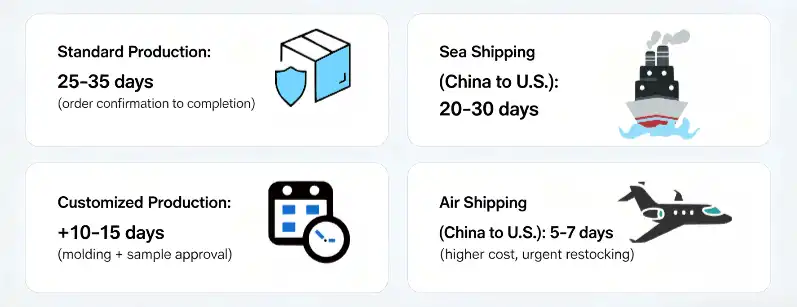
Managers in charge of buying things should ask buyers for a lot of paperwork when they negotiate with them. This includes material safety data sheets, quality testing methods, and specs for the pump mechanism. Manufacturers you can trust will send you samples in three to five days so you can see how they work before you place a big order. During the sample process, you should check out how the pump works, the glass's brightness and thickness, and the customization to make sure it meets your needs. When buying teams have good relationships with sellers who offer quick technical help and low minimum orders, they are free to adapt to new market opportunities or when brand needs change.
Conclusion
It is important to think about how the soap dispenser work, how they look, how they impact the earth, and how much they cost. All of these things are good about glass liquid soap dispenser: they last longer, are resistant to chemicals, can be recycled fully, and look better, which makes people like your brand more. Over a number of years of use, the higher initial cost is balanced out by the commitment to sustainability, which is becoming more important to customers and partners. You can find glass dispensers that meet both short-term business needs and long-term strategic goals if you use planned review methods and know what providers can do. To make useful cleaning products that help your brand stand out and protect the environment, you need to use high-quality materials, be able to customize them, and have reliable support from the supply chain.
FAQ
What are the primary benefits of glass over plastic soap dispensers?
Why do glass liquid soap dispenser work better than those made of plastic? There are many good things about glass bowls. Since the material doesn't mix with anything, it doesn't release chemicals like some plastics do when they come in contact with soaps that have plant or essential oils in them. Glass stays clear and looks good even after years of use and being cleaned by professionals. Plastic, on the other hand, scratches, fogs up, and goes yellow over time. The sturdiness and weight of glass give it an air of quality that fits with a name that costs a lot. One good thing for the environment is that you can recycle over and over again and get rid of microplastic trash. A lot of the time, glass is cheaper in the long run, even if it costs more at first. This is because it doesn't need to be changed as often.
How do I determine if bulk glass dispenser procurement suits my organization?
How do I know if it's good for my business to buy a lot of glass dispensers? When getting the same thing on all sites helps keep the brand uniform and makes managing the supply chain easier, it makes sense to buy in bulk. When properties put in 10 or more pumps, they usually save a lot of money on volume. Companies that want to get badges for being environmentally friendly find that glass tools help them do better. Because you can add a name, match colors, and make your own patterns on glass, it's the best way to show off your brand on a big scale. Glass is a good investment for places that care about quality if you look at the total cost over the expected service life instead of just the cost per unit.
What maintenance practices maximize glass dispenser performance and longevity?
How can I take better care of the glass machine so that it works better and lasts longer? Industrial cleaners should be used once a week to keep the outside of your house clean and nice-looking. A deep clean is done once a month by taking out the pump parts and cleaning the glass cases with the right chemicals. Glass jugs can be cleaned in the machine as long as the pump parts are taken out separately. By making sure the soap is the right amount for the pump, you can avoid problems with how it works. Having extra pump parts on hand in case they need to be fixed makes it easy to switch them out quickly when the mechanisms do not work as well as they should. This keeps the same level of cleanliness performance while increasing the amount of money that can be made from the glass cases.
Transform Your Hygiene Infrastructure with Muzhishi Glass Liquid Soap Dispensers
Muzhishi glass liquid soap dispensers can transform how your bathroom and kitchen operate. Facility managers and procurement teams can enhance cleanliness while supporting sustainability. With OEM/ODM customization, fast sampling, reliable global delivery, and responsive after-sales service, Muzhishi ensures a seamless, cost-effective upgrade tailored to your brand and operational needs. Contact us at long@muzhishi.com to get started today.
References
1. Smith, J. & Anderson, P. (2022). Sustainable Hygiene Solutions: Material Selection for Commercial Facilities. International Facility Management Journal, 15(3), 112-128.
2. Chen, L., Rodriguez, M., & Kumar, S. (2021). Comparative Lifecycle Analysis of Glass and Plastic Dispensing Systems in Healthcare Environments. Journal of Healthcare Infrastructure, 8(2), 45-67.
3. Williams, R. (2023). The Procurement Professional's Guide to Hygiene Product Specification. Commercial Purchasing Quarterly, 29(1), 78-95.
4. Thompson, K. & Martinez, A. (2022). Material Science in Commercial Dispensing Technology: Performance and Durability Factors. Applied Materials in Facility Management, 11(4), 203-221.
5. Peterson, H., Zhang, W., & O'Brien, T. (2021). Environmental Impact Assessment of Common Bathroom Fixtures and Accessories. Sustainability in Commercial Operations, 6(3), 134-152.
6. Davis, M. (2023). Brand Expression Through Material Selection: The Role of Premium Fixtures in Customer Experience. Hospitality Design and Management Review, 17(2), 89-107.
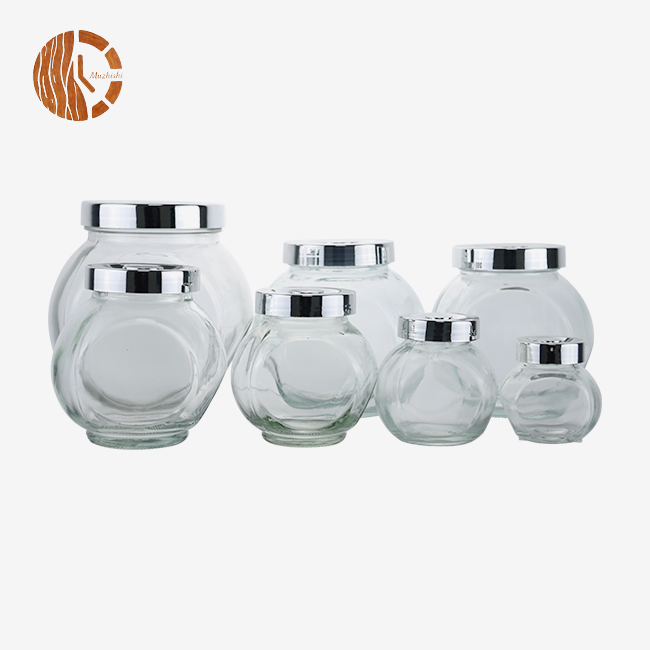
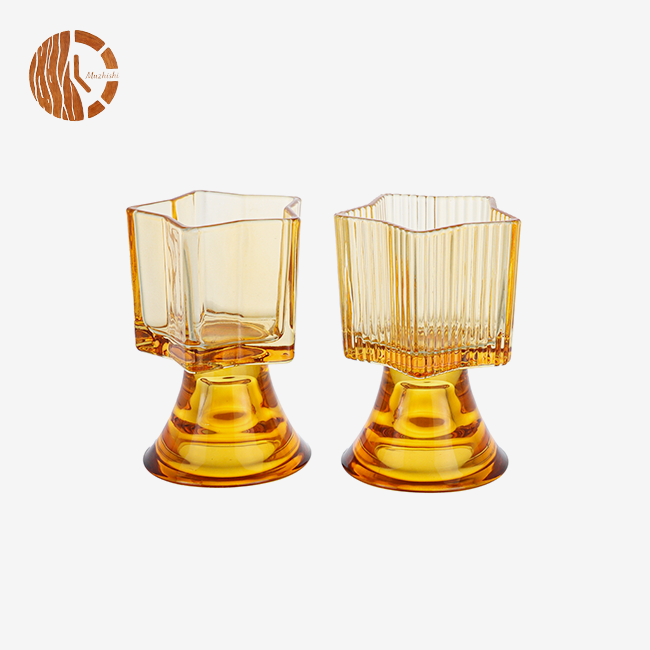
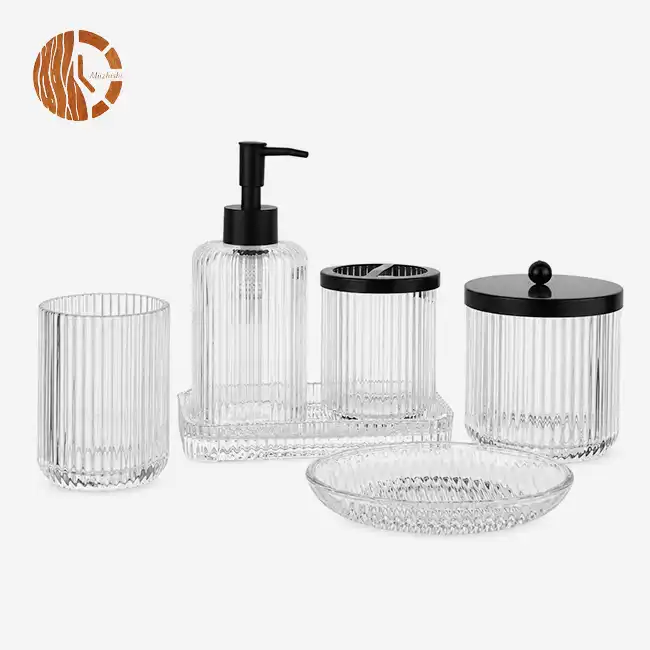

Our customers’ satisfaction speaks for our quality — contact us to experience the same reliable service.