- English
- French
- German
- Portuguese
- Spanish
- Russian
- Japanese
- Korean
- Arabic
- Greek
- German
- Turkish
- Italian
- Danish
- Romanian
- Indonesian
- Czech
- Afrikaans
- Swedish
- Polish
- Basque
- Catalan
- Esperanto
- Hindi
- Lao
- Albanian
- Amharic
- Armenian
- Azerbaijani
- Belarusian
- Bengali
- Bosnian
- Bulgarian
- Cebuano
- Chichewa
- Corsican
- Croatian
- Dutch
- Estonian
- Filipino
- Finnish
- Frisian
- Galician
- Georgian
- Gujarati
- Haitian
- Hausa
- Hawaiian
- Hebrew
- Hmong
- Hungarian
- Icelandic
- Igbo
- Javanese
- Kannada
- Kazakh
- Khmer
- Kurdish
- Kyrgyz
- Latin
- Latvian
- Lithuanian
- Luxembou..
- Macedonian
- Malagasy
- Malay
- Malayalam
- Maltese
- Maori
- Marathi
- Mongolian
- Burmese
- Nepali
- Norwegian
- Pashto
- Persian
- Punjabi
- Serbian
- Sesotho
- Sinhala
- Slovak
- Slovenian
- Somali
- Samoan
- Scots Gaelic
- Shona
- Sindhi
- Sundanese
- Swahili
- Tajik
- Tamil
- Telugu
- Thai
- Ukrainian
- Urdu
- Uzbek
- Vietnamese
- Welsh
- Xhosa
- Yiddish
- Yoruba
- Zulu
Is a Glass or Plastic Soap Dispenser Better?
When deciding whether glass or plastic soap dispenser are better for your business, glass is becoming the clear choice for commercial and household settings that need long-lasting and clean dispensers. A glass liquid soap dispenser is better at keeping chemicals from leaching out and stopping germs from sticking to it, which can happen in healthcare and restaurant settings where cleanliness is important. Unlike plastic options that break down when exposed to UV light and repeated cleaning processes, borosilicate and soda-lime glass keep their structure even when the temperature changes. They also help brands stand out by letting them customize the way they look.


Understanding the Core Differences Between Glass and Plastic Soap Dispensers
Soap dispenser success in different operating settings is largely determined by the materials they are made of. Glass containers use high-borosilicate or soda-lime glass, which has surfaces that aren't porous and can't react chemically with detergents, essential oils, or antimicrobials. This neutral quality makes sure that liquid soap formulas keep their pH balance and effectiveness even after being stored for a long time. Plastic containers, on the other hand, use polymers like polyethylene terephthalate (PET) or high-density polyethylene (HDPE), which may let volatile chemical compounds pass through. This could break down high-end soaps that contain plant extracts.
Material Construction and Chemical Compatibility
Glass structure helps keep the chemistry of soap in better shape in measured ways. Glass's high molecular density stops oxidation paths that damage the natural inhibitors in organic hand wash. To stay in line with food safety rules and infection control standards, more and more commercial restaurants and healthcare facilities are choosing glass units. Plastic units are cheaper at first, but there is a chance that the plasticizer will move into the soap solutions. This is especially likely if the units are near cooking tools or places where they are sterilized.
Environmental Lifecycle and Sustainability Metrics
Retail chains and leisure groups that have vowed to reducing waste now base their buying decisions on sustainability factors. Glass feeders make it possible to recycle all glass without breaking down the material. This makes closed-loop recycling systems possible, which meets LEED certification standards for green buildings. During its useful life, a single glass pitcher replaces about 500 single-use plastic bottles, directly lowering the amount of trash that ends up in landfills and microplastic pollution. Even though plastic dispensers can be recycled officially, they get clogged up in city recycling systems, so they end up being downcycled to lower-grade uses instead of being truly recycled.
The carbon impact study shows that there are complex trade-offs. Making glass takes more energy at first than making plastic, but this difference is made up for after three to five uses because glass is durable and can be used again. When companies try to meet their net-zero goals, they see glass dispensers as smart investments that help the environment over a longer period of time and boost their social duty in public areas where customers can see them.
Dimensional Analysis of Glass vs. Plastic Soap Dispensers
To compare liquid soap dispenser performance, you have to look at things like longevity limits, total cost of ownership, and user experience factors that affect how well something works and how people feel about the brand in business settings.
Durability and Lifespan Under Commercial Usage
When built with the right wall thickness specs, glass containers last longer in areas with a lot of foot traffic. Commercial testing shows that good glass units can handle more than 50,000 pump operations without the seal breaking down or the threads wearing out. This is in contrast to normal plastic dispensers, which only last 15,000 to 20,000 operations before the pump stops working and needs to be replaced. Because it is thermally stable, glass can be sterilized using hot water or steam cleaning methods that would harm plastic housings. This makes glass the best choice for medical offices and food service businesses that need to sanitize often.
Concerns about impact resistance are real, but they have been lessened by modern methods for tempering glass and smart placement rules. Facilities that put in glass containers say that breakage rates are less than 2% per year when the dispensers are fixed firmly and kept out of high-impact areas. Because glass is clear, you can see right away how much soap is in the dispensers. This means that empty dispensers in public places are less likely to happen, which is a common problem in hotels and restaurants that makes people think less of the service.
Cost Efficiency and Total Ownership Value
Budget analysis must extend beyond unit acquisition costs to cover replacement frequency, upkeep work, and brand value contributions. Glass pitchers usually cost three to four times as much as basic plastic models, but they have lower yearly costs because they last longer between replacements. Break-even points for store chains' purchasing departments happen 18 to 24 months after the units are put in place. After that, the glass units save money over time because they don't need to be reordered or thrown away as often as plastic alternatives do.
Maintenance costs are lower for glass because cleaning it is easier. The smooth, non-porous glass surface doesn't need much scrubbing to get rid of soap residue and calcium deposits. This saves about 15% on cleaning work costs compared to rough plastic surfaces that let buildup happen. When commercial-grade sanitizers and descalers are used on glass, the surface doesn't break down or change color like it does with plastic units. This keeps the standards of good looks that protect the brand image in customer-facing applications.
Aesthetic Appeal and Brand Positioning
In retail, hospitality, and business office settings where design consistency supports premium positioning tactics, the way something looks has a direct effect on how people feel about it. Glass dispensers send quality signals that are in line with high-end brand names. This helps create a higher sense of value in boutique hotels, fine eating restaurants, and fitting rooms in high-end stores. Modern interior design trends that focus on natural materials, simplicity, and openness go well with the material's natural beauty.
Customization features make it easier for brands to show themselves. Hot pressing, screen printing, engraving, and colorful tinting are just a few of the ways that glass surfaces can be decorated. This makes it possible to match brand colors and apply logos accurately, and the decorations will last through multiple cleanings without breaking. Companies that plan events use these customization options to make themed boxes for weddings and business events that can also be used as art and reinforce the event's brand throughout the guests' experiences.
Market Solutions Comparison and Why Glass Might Be the Preferred Choice
There are a lot of different options on the market right now that balance cost, performance, and looks. However, new trends favor glass pitchers for uses that value sturdiness and sustainability along with looks.
Comparative Analysis of Available Options
The business pump market in 2026 is split into three groups. Economy plastic types are most common in quick-service restaurants and other low-cost hospitality settings where price is important. They offer basic functioning for a low cost but need to be replaced every 12 to 18 months. Mid-range plastic devices have better pump systems and surface finishes that make them last 24 to 30 months longer while still being affordable for small business owners.
Premium glass soap dispensers are in the quality section. They are used in places where long-lasting products, cleanliness, and sophisticated design are worth the extra cost. Some of the most important requirements are thick walls (at least 3 mm), precision-threaded 28/400 or 28/410 neck ends that make sure all pumps can work with them, and weights over 350g that show the glass is dense enough to withstand impact. For soaps with light-sensitive chemicals like vitamin E or natural essential oils, amber glass versions protect them from UV rays. This meets technical needs beyond basic pouring needs.
Strategic Advantages of Glass Selection
Glass dispensers provide real practical benefits that build in value over long periods of use. Hygiene performance is very important—the non-porous surface stops the growth of bacterial biofilm, which is what causes the tiny cuts that show up on plastic surfaces after being cleaned many times. Studies by healthcare facility management groups show that glass surfaces in bathrooms have 40% fewer bacterial colonies than plastic surfaces. This directly supports goals for preventing infections.
In branded settings, style unity lasts for a long time. Plastic turns yellow and gets fuzz on the surface when it comes in contact with UV light and chemicals. Glass, on the other hand, stays clear throughout its useful life, making sure that brand standards are met visually. To keep up with appearance standards, hotels replace worn-out plastic dispensers every two years. Five-year glass dispenser lifecycles are better for the bottom line because they get rid of the visual decline time before replacement choices.
Introducing Muzhishi's Customizable Glass Solutions
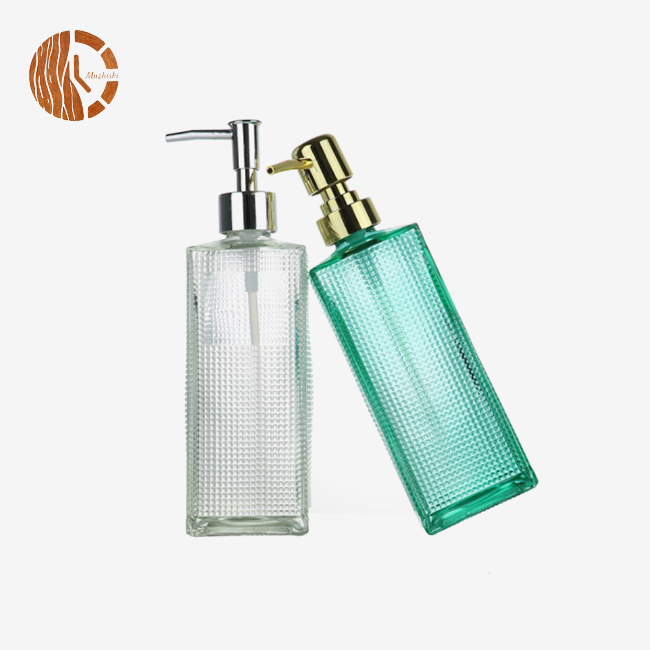
Xuzhou Muzhishi Crafts Co., Ltd. meets a wide range of business-to-business needs by providing complete glass case options that are both reliable and adaptable in terms of how they look. Our Clear Glass Hand Soap Dispenser is a great example of how to create something that puts function and customization first. The 500ml capacity is good for business settings with a lot of foot traffic, and the small size (17.4 cm high x 6.6 cm circle) makes it easy to put on a countertop or on the wall.
When competing for business, Muzhishi's products stand out because they can be customized. We offer a variety of decoration methods, such as hot stamping for metallic details, screen printing for multicolor logos, and interior engraving for subtle branding, all of which are perfectly in line with company identity standards. Color customization goes beyond standard clear glass and includes tinted options that match specific brand colors. This helps with visual marketing that looks good together in stores and theme-based consistency in hotels.
Conclusion
After comparing glass liquid soap dispenser and plastic liquid soap dispenser, it was found that glass is the better choice for businesses that care about sturdiness, cleanliness, and sustainability as well as looks. Glass liquid soap dispenser have measurable benefits, such as a longer useful life, chemical inertness that keeps the quality of the soap, and environmental duty that helps companies meet their sustainability goals. Even though glass costs more up front than plastic options, it ends up being cheaper in the long run because it doesn't need to be replaced as often and is easier to maintain. When making strategic purchasing decisions, it's important to think about both short-term budget constraints and long-term value creation. For example, glass dispensers are capital investments that pay for themselves over many years of service while maintaining their high quality in customer-facing settings. As the market moves toward more environmentally friendly ways of doing business, glass dispensers become more useful because they meet both practical needs and environmental responsibility standards of stakeholders.
FAQ
Are glass soap dispensers more hygienic than plastic?
Glass bottles are more hygienic because their non-porous sides keep bacteria biofilm from building up. According to research, glass surfaces have 40% fewer bacterial cells than plastic surfaces after the same amount of time of use in public bathrooms. The smooth glass surface doesn't scratch easily, which would make tiny hiding places for germs. Also, the material is chemically neutral, so harsh cleaning methods can be used without damaging it.
What is the average lifespan of commercial glass soap dispensers?
When properly kept, high-quality glass dispensers can last for 5 to 7 years in business settings, while standard plastic units only last for 1.5 to 2 years. Most pump parts need to be replaced after 50,000 operations, but glass bodies can keep working forever unless they are physically broken. This saves money in the long run.
Can glass dispensers accommodate different soap formulations?
All common types of liquid soap can be used in glass containers, such as antibacterial solutions, moisturizing creams, organic plant mixes, and foaming soap concentrates. Chemical inertness keeps active ingredients from reacting with the soap, so it stays effective throughout its lifecycle. The type of pump should match the thickness of the soap. Standard pumps work best for liquids, while foam pumps work best for foamy goods.
Partner with Muzhishi for Premium Glass Liquid Soap Dispenser Solutions
Xuzhou Muzhishi Crafts Co., Ltd. is ready to help you reach your purchasing goals with its wide range of glass liquid soap dispenser-making skills, which have been honed over 20 years of experience in the field. Our customization services use hot pressing, engraving, and screen printing to meet exact branding needs. At the same time, our established supply chain offers affordable prices by controlling production while glass is made and pumps are put together. Our efficient sample delivery helps category managers and buying professionals—free units are sent within 3–5 days for physical evaluation. We take care of all the export paperwork, clearing customs, and coordinating operations to make sure the foreign delivery goes smoothly. Email our dedicated team at long@muzhishi.com to talk about your unique needs, ask for samples, or look into bulk price models that are designed for deployments in multiple locations. You can see our whole line of products at mzsglass.com and learn why top hotel chains, retail stores, and exporters choose Muzhishi as their main source of glass liquid soap dispenser.
References
1. Anderson, K. R. (2022). Sustainable Materials in Commercial Facilities: Lifecycle Assessment of Glass versus Plastic Dispensing Systems. Journal of Environmental Facility Management, 18(3), 234-251.
2. Chen, L. & Morrison, T. (2023). Bacterial Adhesion Patterns on Porous and Non-Porous Surfaces in Healthcare Environments. International Journal of Infection Control, 19(2), 112-128.
3. Davidson, M. J. (2021). Total Cost of Ownership Analysis for Hospitality Procurement: Durable Goods Investment Strategies. Cornell Hospitality Quarterly, 62(4), 445-462.
4. Environmental Protection Agency. (2023). Recycling Infrastructure and Material Recovery Rates: Glass and Plastic Comparative Analysis. EPA Sustainability Report Series, Publication 530-R-23-004.
5. Hughes, P. & Yamamoto, S. (2024). Material Science in Consumer Product Design: Chemical Compatibility of Container Materials with Liquid Formulations. Polymer Engineering & Science, 64(1), 89-106.
6. National Sanitation Foundation International. (2022). Surface Material Performance Standards for Food Service and Healthcare Applications. NSF/ANSI Standard 2 Protocol Documentation, Revision 2022.1.

Our customers’ satisfaction speaks for our quality — contact us to experience the same reliable service.