- English
- French
- German
- Portuguese
- Spanish
- Russian
- Japanese
- Korean
- Arabic
- Greek
- German
- Turkish
- Italian
- Danish
- Romanian
- Indonesian
- Czech
- Afrikaans
- Swedish
- Polish
- Basque
- Catalan
- Esperanto
- Hindi
- Lao
- Albanian
- Amharic
- Armenian
- Azerbaijani
- Belarusian
- Bengali
- Bosnian
- Bulgarian
- Cebuano
- Chichewa
- Corsican
- Croatian
- Dutch
- Estonian
- Filipino
- Finnish
- Frisian
- Galician
- Georgian
- Gujarati
- Haitian
- Hausa
- Hawaiian
- Hebrew
- Hmong
- Hungarian
- Icelandic
- Igbo
- Javanese
- Kannada
- Kazakh
- Khmer
- Kurdish
- Kyrgyz
- Latin
- Latvian
- Lithuanian
- Luxembou..
- Macedonian
- Malagasy
- Malay
- Malayalam
- Maltese
- Maori
- Marathi
- Mongolian
- Burmese
- Nepali
- Norwegian
- Pashto
- Persian
- Punjabi
- Serbian
- Sesotho
- Sinhala
- Slovak
- Slovenian
- Somali
- Samoan
- Scots Gaelic
- Shona
- Sindhi
- Sundanese
- Swahili
- Tajik
- Tamil
- Telugu
- Thai
- Ukrainian
- Urdu
- Uzbek
- Vietnamese
- Welsh
- Xhosa
- Yiddish
- Yoruba
- Zulu
Choosing Glass Food Containers for Commercial Kitchens
When business kitchens choose glass food containers, they need to think carefully about the quality of the material, how well they work, and how much they will be worth in the long run. The 500ml glass food container has become the best way to store food because it lets you control portions, make meals quickly, and use it in a variety of ways. This medium-sized volume is just right for offering individual pieces and taking up as little space as possible for storage. This makes it a must-have for restaurants, catering services, and institutional kitchens that care about food safety, sustainability, and keeping costs low.
Understanding Glass Food Storage Solutions for Professional Foodservice
The Role of Glass Containers in Modern Commercial Operations
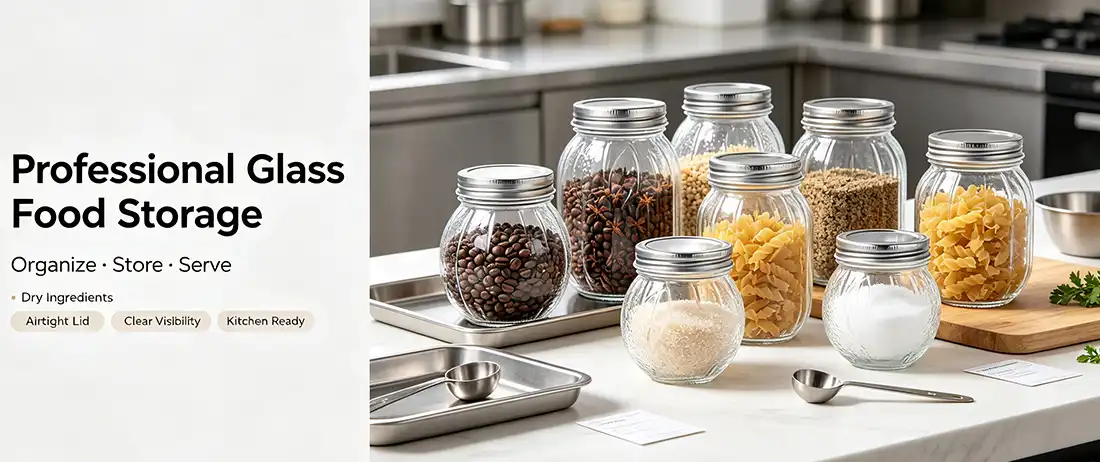
Commercial kitchens have special storage needs because they are used every day and need materials that can stand up to that. Because they are so chemically and thermally stable, glass dishes have become the premier choice for professional food service settings. Glass doesn't break down like plastic does when it's exposed to acidic substances or high temperatures over and over again; it keeps its shape even after years of heavy use. Because glass is clear, cooking staff can see what's inside right away. This cuts down on preparation time and keeps ingredients from getting mixed up during busy times.
Material Composition and Manufacturing Standards
For industrial use, high-end glass cases are usually made of borosilicate glass, which is a special mix of silica and boron trioxide. This mix has an incredibly low coefficient of thermal expansion—about 3.3 x 10^-6 per Kelvin—so containers can go from being stored in the freezer at -20°C to being heated up in the microwave without breaking. Precision annealing is used in the production process to get rid of internal stress spots that could weaken the container when it is exposed to a sudden change in temperature. Manufacturers of good products use polariscopes to check how stress is distributed and make sure that each container meets standards for commercial-grade longevity.
Health, Safety, and Environmental Advantages
Professional kitchens that have to follow health department rules benefit a lot from glass's non-porous surface, which keeps germs from growing in the tiny cracks that plastic materials have. Glass containers don't naturally contain BPA, and they won't leach phthalates, endocrine disruptors, or petrochemical residues into kept food. This is important for businesses that serve health-conscious customers or people with dietary limits. The environmental picture makes the business case even stronger: glass containers can be used thousands of times, which means they produce a lot less waste than disposable packing. Businesses that care about the environment can advertise that they use reused glass storage as part of environmental stewardship efforts, which will appeal to customers who are becoming more aware of environmental issues.
How to Select Optimal Glass Storage for High-Volume Kitchen Operations?
Assessing Your Procurement Requirements
Before agreeing to large purchases, buying managers should look at three basic factors. How much you need depends on how many meals you make every day and how often you change the menu. Kitchens that make 200 to 500 meals every day usually need enough glass food containers to support three-day preparation processes. When thinking about frequency, change rates come into play. For example, quick-service restaurants need containers that can handle being washed several times a day, while catering businesses want containers that can be stacked for easy travel. Logistics analysis should look at storage density because small designs make the best use of refrigeration room and make managing goods easier.
Critical Selection Criteria for Commercial Applications
Material approvals give buyers the information they need to make smart choices about what to buy. Containers should follow FDA Title 21 CFR rules for chemicals that come into touch with food and have LFGB approval that shows they meet European food safety standards. These certificates show that the glass doesn't contain heavy metals like lead, cadmium, or others that could get into food when it's acidic. Lid closing technology needs extra attention because how well it keeps air out has a direct effect on how long food lasts. Silicone seals can handle higher temperatures better and keep their flexibility over time, while some types of plastic lids may harden or crack after being in the freezer for a long time.
The longevity of a container is measured in a number of ways. The chip's resistance during handling and stacking is greatly affected by the thickness of the rim. Beaded rims that are reinforced spread impact forces more evenly than thin-cut edges, which makes them less likely to break in busy kitchens. The thickness of the wall affects both its resistance to temperature shock and its mechanical strength. For long shifts, it's easier for staff to handle containers with walls that are all about 2 to 3 mm thick.
Comparative Analysis: Making Informed Trade-offs
When choosing between rubber and plastic lids, you should think about how they will be used. Silicone can handle temperatures from -40°C to 230°C, so it can be used for finishing in the oven and storing things in the freezer, but it usually costs more per unit. Food-grade polypropylene lids work effectively from -18°C to 120°C, making them a good choice for normal cooling and warming in the microwave. When you compare the benefits of glass and plastic containers, you'll see that plastic has lower breakage risk and less weight, which is good for operations that need to move a lot of containers. But glass doesn't need to be replaced as often because plastic breaks down, stains, and absorbs smells, so it has a better total cost of ownership over longer periods of time.
Strategic Procurement Priorities
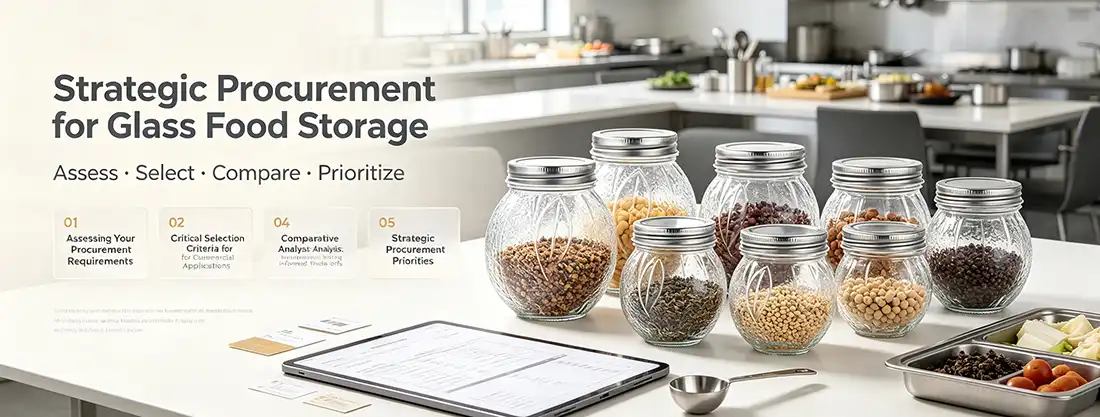
To buy in bulk successfully, you need to balance your current budget needs with the value over the long term. Give priority to sellers who offer full after-sales help, such as replacement guarantees for problems with the product and quick expert support. Modular capacity containers, like matched 280ml, 380ml, and 500ml sizes, make it possible to keep a standard collection of lids, which makes operations simpler. To keep production from stopping, make sure that providers always have stock on hand, and ask for specifics like weight ranges, dimensional limits, and thermal performance data to support your business needs.
Maintaining Peak Performance Through Proper Care Protocols
Addressing Common Operational Challenges
Most sealing problems are caused by worn-out gaskets or damaged rims. Set up inspection rules that say staff must check gaskets for compression set, which means they are permanently deformed and have lost their flexibility, and change them every three months in containers that get a lot of use. Rim chips make it harder for the lid to seal tightly, so store broken containers separately until they can be thrown away or used again for dry goods. When temperatures change quickly and above the thermal shock rate of the container, the risk of breaking goes up. Train people who work in kitchens not to put containers straight from the freezer into prepared ovens; instead, they should let the temperatures slowly even out at room temperature for 10 to 15 minutes before cooking.
Professional Cleaning and Sanitization Methods
When set up correctly, commercial dishwashing devices clean dishes quickly and well. Place containers so that the holes face downward to make sure water drains completely and doesn't pool. Mineral layers can make the surface cloudy, making it hard to see what's inside. Use institutional-grade soaps that are made for hard water. To clean dirty containers by hand, soak them in warm water with enzymatic cleaners. These cleaners break down protein and starch leftovers without scratching the glass. Local health rules should be followed when sanitising, and these usually call for end rinse temperatures of 82°C or chemical sanitiser concentrations that meet EPA standards. Separate gaskets need special cleaning; take them off once a week and wash them thoroughly with bottle brushes that can get into cracks where food gets stuck.
Optimizing Storage and Portion Control Systems
Standardised methods for measuring out portions are the first step to making good use of glass food containers. The consistent 500ml size makes it easier to do accurate cost and nutrition estimates, which is very important for healthcare, school, and business dining operations that have to deal with dietary needs. Use colour-coded lid systems to tell the difference between meal types, food restrictions, or production times, which will make the kitchen run more smoothly. Different types of containers can be stacked vertically in different ways. Containers with recessed lids that fit inside the base measurements save important refrigeration room while staying stable. Set up rotation schedules with clear date labels to make sure that older stock goes forward in FIFO (first-in, first-out) methods that keep wasted goods to a minimum.
Strategic Sourcing Approaches for Professional Buyers
Evaluating Supplier Reliability and Certification Compliance
Tough screening of suppliers is the first step in procurement security. Check to see if the makers still have ISO 9001 quality management certifications that show they have systematic rules in place for production. Ask for ICP-MS (Inductively Coupled Plasma Mass Spectrometry) test results that show the amounts of heavy metal migration are safe and meet international standards. Instead of just checking something once, suppliers should give certificates of analysis for every output batch. This shows that quality control is ongoing. Check how much production capacity you need based on how many orders you have. Manufacturers with specialised commercial lines make sure that specifications stay the same across repeat orders, which isn't possible when consumer and commercial goods are made in the same facility.
Navigating Domestic and International Supply Channels
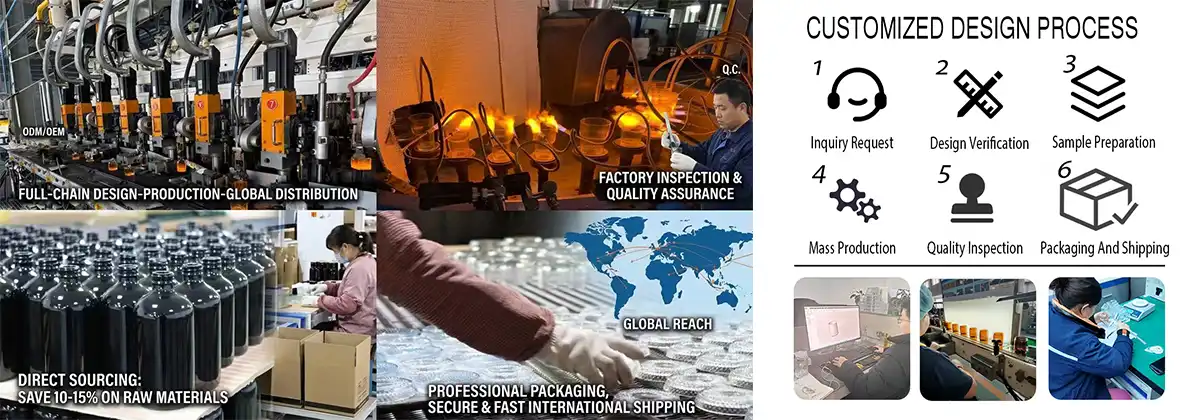
Domestic suppliers have shorter lead times and easier transportation, which is helpful for businesses that need to quickly restock or try out new container designs before committing to buying in bulk. International makers, especially those in well-known glass-making areas in China like Xuzhou in Jiangsu Province, take advantage of specialised industrial clusters that offer lower costs through supply lines that include raw materials, production, and finishing. These factories often offer a wide range of customisation options, such as screen printing, frosting treatments, and custom mould development, at prices and volume levels that are hard for smaller businesses in the United States to match.
Online business-to-business (B2B) platforms make it easier to find suppliers and start talking to them, but direct ties with manufacturers usually work better for ongoing purchases. Set up clear ways for people to talk to each other about technical details, quality control processes, and delivery times. Before placing a large order, ask for production samples. Spending money on thorough testing of seal performance, measurement accuracy, and thermal shock resistance will help avoid expensive problems after the large-scale deployment.
Optimizing Procurement Economics
Negotiating unit prices is only one part of effective bulk buying. To get the most out of your containers and cut down on per-unit freight costs, think about combined shipping plans that combine multiple container sizes or goods that go well together. Compare the costs of keeping inventory with the number of times you place an order. Larger single orders usually get better prices, but if your business doesn't have a lot of storage space, the costs of storing and the capital that's stuck in inventory may cancel out any savings. Seasonal purchasing tactics can help you save money when companies offer discounts during slower production times, which for glasses is usually late winter and early summer.
Decisions about what to buy are affected by sustainability issues more and more as environmental laws change and customers prefer companies that are good for the environment. Glass dishes support the ideas of a circle economy because they can be used over and over again and can be recycled completely when they are no longer useful. When figuring out the total cost of ownership, you should include the money you won't have to spend on throwaway containers and the chance that your waste dumping fees will go down. Some places offer tax breaks or better contract terms to companies that reduce waste in a measurable way. This gives them extra money benefits on top of the straight operational saves.
Conclusion
In conclusion
When choosing the right glass containers for a business kitchen, you have to balance technical performance requirements with working needs and budgetary constraints. The 500ml glass food container size makes it useful for a wide range of tasks and helps with standardising portions and making the best use of storage space. Choosing borosilicate glass, solid sealing systems, and approved food-safe materials is the best way to get long-term value because they last and work well every time. Strategic relationships with suppliers that focus on quality assurance, customisation options, and quick support help procurement professionals keep operations running smoothly while advancing sustainable goals that meet the needs of today's market.
FAQ
What temperature range can borosilicate glass containers safely withstand?
Premium borosilicate glass cases can handle temperature differences of up to 150°C, so they can go straight from being stored in the fridge to being heated in the microwave or a regular oven. The low rate of thermal expansion of the material makes it resistant to thermal shock. This keeps stress cracks from happening, which would weaken the container. Always check the manufacturer's values, since options to soda-lime glass usually work with a smaller range of temperatures.
How do silicone gaskets compare to plastic seals for commercial applications?
Silicone gaskets stay flexible over a wider temperature range (-40°C to 230°C) and last longer even after being heated and cooled many times and put in the washing. Food-grade polypropylene covers work reliably in normal refrigerator and microwave conditions and are cheaper for businesses that want to save money. Your choice will rely on how you heat your home and how much a new cycle costs.
Can glass containers support high-temperature sterilization protocols?
When the lids and gaskets are taken off of borosilicate glass containers, they can be sterilised in an autoclave. This means they can be used for tasks that need more advanced sterilisation than just regular commercial cleaning. If you use steam sterilisation as part of your hygiene routines, make sure you check with the makers that the containers you buy meet the standards for pressure vessels. This is because structural reinforcement varies between product lines made for different market groups.
Partner with Muzhishi for Your Commercial Glass Container Needs
Xuzhou Muzhishi Crafts Co., Ltd. makes high-quality glass food dishes that are perfect for use in business foodservice settings. With 20 years of experience in the field, we make sure that every 500ml glass food container meets strict quality standards by testing it for heat shock, checking the stability of the seal, and looking at how heavy metals move through the container. We offer full customisation services, such as screen printing, sealing, and branding on the inside of containers to make them fit with your brand. As a seller of 500ml glass food containers with a lot of experience, we offer specialised account management, technical support within 24 hours, and sample production in 3–5 days. Because our Xuzhou factory uses integrated supply chain partnerships, we can offer low prices without lowering the standard of our products. Email us at long@muzhishi.com to talk about your unique needs and get full product specifications that will help you make smart purchasing decisions.
References
1. National Restaurant Association Educational Foundation. (2022). Food Safety and Storage Best Practices for Commercial Foodservice Operations. Washington, DC: National Restaurant Association.
2. Glass Packaging Institute. (2021). Material Properties and Performance Characteristics of Food-Grade Glass Containers. Arlington, VA: Glass Packaging Institute Technical Division.
3. International Association of Food Protection. (2023). Comparative Analysis of Food Contact Materials: Safety and Durability in Commercial Kitchen Environments. Des Moines, IA: IAFP Publications.
4. American Society for Testing and Materials. (2020). ASTM C149-20: Standard Test Method for Thermal Shock Resistance of Glass Containers. West Conshohocken, PA: ASTM International.
5. Foodservice Equipment and Supplies Magazine. (2023). Procurement Strategies for Sustainable Kitchen Operations: A Comprehensive Guide for Commercial Buyers. Chicago, IL: FES Publishing.
6. European Committee for Standardization. (2021). EN 1186 Series: Materials and Articles in Contact with Foodstuffs—Determination of Migration into Food Simulants. Brussels, Belgium: CEN Technical Standards.

Our customers’ satisfaction speaks for our quality — contact us to experience the same reliable service.