- English
- French
- German
- Portuguese
- Spanish
- Russian
- Japanese
- Korean
- Arabic
- Greek
- German
- Turkish
- Italian
- Danish
- Romanian
- Indonesian
- Czech
- Afrikaans
- Swedish
- Polish
- Basque
- Catalan
- Esperanto
- Hindi
- Lao
- Albanian
- Amharic
- Armenian
- Azerbaijani
- Belarusian
- Bengali
- Bosnian
- Bulgarian
- Cebuano
- Chichewa
- Corsican
- Croatian
- Dutch
- Estonian
- Filipino
- Finnish
- Frisian
- Galician
- Georgian
- Gujarati
- Haitian
- Hausa
- Hawaiian
- Hebrew
- Hmong
- Hungarian
- Icelandic
- Igbo
- Javanese
- Kannada
- Kazakh
- Khmer
- Kurdish
- Kyrgyz
- Latin
- Latvian
- Lithuanian
- Luxembou..
- Macedonian
- Malagasy
- Malay
- Malayalam
- Maltese
- Maori
- Marathi
- Mongolian
- Burmese
- Nepali
- Norwegian
- Pashto
- Persian
- Punjabi
- Serbian
- Sesotho
- Sinhala
- Slovak
- Slovenian
- Somali
- Samoan
- Scots Gaelic
- Shona
- Sindhi
- Sundanese
- Swahili
- Tajik
- Tamil
- Telugu
- Thai
- Ukrainian
- Urdu
- Uzbek
- Vietnamese
- Welsh
- Xhosa
- Yiddish
- Yoruba
- Zulu
Glass vs Plastic Lunch Boxes: Which Is Better?
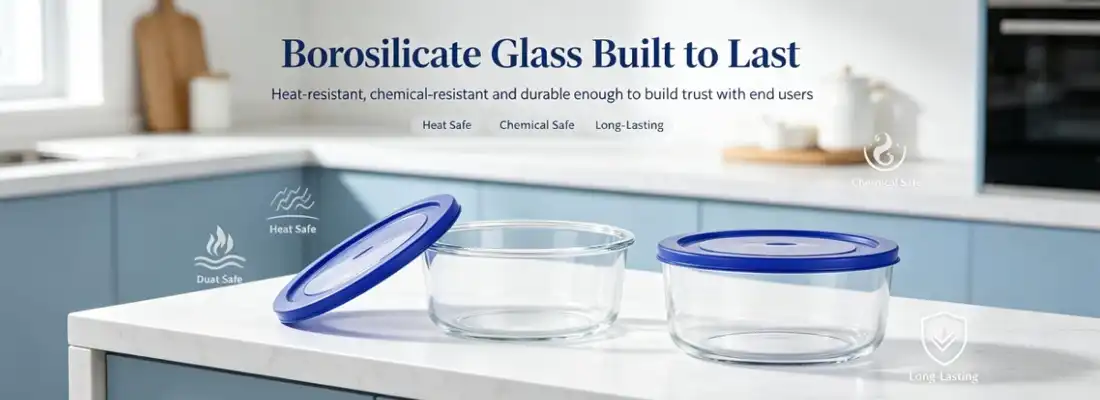
When purchasing managers look at different food containers, picking between glass and plastic lunch boxes has a big effect on prices, customer satisfaction, and the image of the brand. If a business is looking for a reliable and healthy option, a round glass lunch box made from quality borosilicate glass is a great choice. It is resistant to heat, chemicals, and breaks, so it lasts longer and builds trust with end users. Concerns about BPA leaching and odor retention are not a problem with glass cases. This makes them the best choice for business gifts, social settings, and retail sales where product integrity is very important.
Understanding the Basics of Glass and Plastic Lunch Boxes
In commercial food storage uses, the success results depend on the composition of the materials used. Knowing these basic differences helps procurement teams choose containers that meet business needs and meet the standards of the market.
Glass Lunch Box Materials and Properties
When it comes to food-grade containers, borosilicate glass is the gold standard. Because it has boron trioxide in it, this special glass has a low temperature expansion value of about 3.3 x 10^-6 K^-1. Because of this feature, containers can handle temperature changes from -20°C to 150°C without breaking or cracking. Another choice is tempered soda-lime glass, which is made by slowly heating and cooling it to make the surface stronger. However, it is not as resistant to thermal shock as borosilicate types.
Because glass containers don't have pores, germs can't grow on them, and flavors don't move from one kept food to another. This trait is especially useful for restaurants with a wide range of food options or customers who are sensitive to allergens. Glass keeps up with FDA and LFGB compliance standards around the world, which makes it easier for foreign sales outlets to keep up with legal paperwork.
Plastic Container Materials and Compliance
Polypropylene (PP) and polyethylene are the most popular types of plastic food containers because they are easy to shape and don't cost much. To ease people's worries about their health, modern food-grade plastics are certified to be BPA-free. But because plastic surfaces are porous, they will always trap tiny bits of food and oils. This can cause smell problems after using them a lot with strong-smelling foods like garlic, curry, or tomato-based sauces.
Plastic containers can only be used in certain temperatures. Most polypropylene containers lose their structural stability above 100°C, which means they can't be used in regular stoves and can only be used in microwaves. Repeatedly changing temperatures speeds up degradation, which makes containers bend, change color, and get stress cracks that make seals less effective.
Comparative Benefits for Commercial Applications
Glass containers last longer than other types of containers—years instead of months. The surface doesn't scratch easily, so it stays clear and presents well even after hundreds of washing runs. This makes replacements less often, which lowers the total cost of ownership even though the initial investment was higher. Glass keeps its professional look over time, which is good for places like hotels, business cafeterias, and food prep services.
Plastic crates are lighter than other types, which lowers the cost of shipping for large amounts of goods. People who value portability for daily trips will like the lightweight appearance. But these benefits become less useful as containers get stained, warped, and lose their seals, meaning they need to be replaced more often. When corporate buyers compare the total cost of buying different types of containers, they need to figure out how often they need to be replaced.
Key Considerations for B2B Procurement: Glass vs Plastic Lunch Boxes
When commercial buyers look at round glass lunch box, they use factors that go beyond what a single client wants. In academic settings, buying choices are based on operational efficiency, safety compliance, and brand alignment.
Durability and Lifecycle Cost Analysis
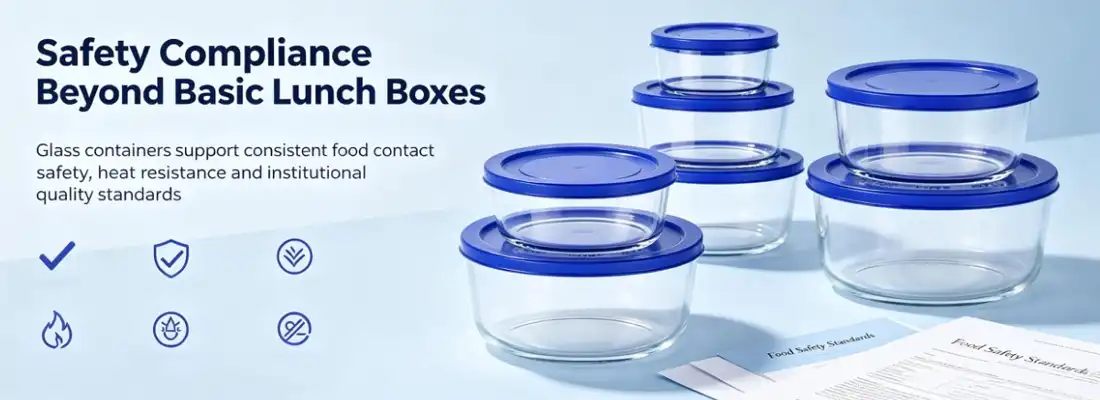
Glass dishes can handle being put in an industrial dishwasher for a long time without losing their surface. The neutral material doesn't react chemically with industrial cleaners, so it stays structurally sound after thousands of wash cycles. This durability is very important for businesses that make a lot of meals every day, since the cost of replacing containers directly affects the budget.
Freight prices and the user experience are both affected by weight. A normal 1000ml borosilicate glass container weighs about 450–500 grams, while a plastic bottle of the same size weighs about 150–200 grams. This difference needs to be taken into account when figuring out the freight for container shipping, especially when getting goods from makers in other countries. However, the longer time between replacements for glass cases often makes up for the higher shipping costs at first over the course of several years.
Health, Safety, and Regulatory Compliance
Chemical-free products that come into touch with food are becoming more and more important in corporate social responsibility programs. The strictest international safety standards are already met by glass cases, so they don't need any extra coats or additives. This makes legal paperwork easier for multinational companies that have to deal with different regulatory systems in different markets.
Microwave safety certificates are especially important for cafeterias and leisure settings. Borosilicate glass containers can be heated up in the microwave without any problems, but plastic containers need to be carefully monitored for temperature and have usage limits. This makes operations simpler, which lowers the risk of responsibility and the need for training users.
Design Features Impacting Operational Efficiency
The shape of the container affects how evenly it heats and how well it stores things. Round glass lunch boxes don't have cold spots in the corners when they're heated up in the microwave because they are circular. This keeps food at regular temperatures that meet food safety standards. Even heat spread stops the growth of germs that can happen in parts that aren't hot enough.
Products can be used in transportation-heavy situations if they have airtight closing systems. Medical-grade silicone gaskets and four-way locking plastic lids make vacuum-level seals that keep food fresh while it's being sent out. For catering businesses and meal delivery services, where product quality directly affects customer happiness scores, these high-tech sealing systems are a must.
Performance Comparison: Glass vs Plastic Lunch Boxes in B2B Context
Quantifiable performance measures make it possible to compare different container choices objectively to meet operational needs. These standards help make data-driven choices about procurement that are in line with business goals.
Thermal Performance and Safety Standards
Borosilicate glass lunch box can be used in the fridge, the microwave, and a regular oven without any damage to their structure. This flexibility speeds up the food service process by letting food go straight from the oven to the table in the same container. With a temperature range of -20°C to 150°C, it can handle a wide range of food preparation methods, from baking to freezing.
Plastic containers are limited by their heat resistance, which restricts their use in high-temperature applications. They are not suitable for conventional stovetop heating, and microwave use requires careful power control to prevent deformation or material degradation. These limitations reduce kitchen workflow efficiency and often require additional tools or transfers when moving food from storage containers to heat-resistant cookware.
Leak Prevention and Transit Reliability
For delivery-focused business models, the success of a product depends on how well it is transported. Modern lid designs with silicone compression gaskets make hydraulic seals that keep liquids inside while the lid is being handled and shipped. Testing procedures show that properly sealed glass cases don't leak even when they're turned upside down or shaken around during shipping.
How the weight of the containers is distributed affects how stable the stacking is during bulk shipping. Glass containers are less likely to tip over than lighter plastic ones because they have a lower center of gravity. Plastic ones are more likely to move around when the car moves. This steadiness keeps products from getting damaged and lowers the number of insurance claims for broken goods during distribution.
Maintenance Requirements and Operational Costs
Thinking about labor efficiency goes beyond making the original buy choice. When you wash glass containers, they easily release food leftovers, so you don't have to do as much work to rinse them first and use less water. The surface is smooth and doesn't have pores, so stains don't stick and need strong chemicals or hand scrubbing to get rid of.
In professional kitchens, the speed at which dishes are cleaned is affected by how well the dishwashers work together. Glass dishes don't break down when put in an industrial dishwasher at high temperatures or with strong detergents, so they can be used in current sanitation systems. Because of this similarity, there is no need for extra handling steps that add to the cost of work and time needed for processing.
Procurement Insights: Brands, Pricing, and Ordering Logistics
To do strategic buying, you need to know how the market works, what your suppliers can do, and how their prices affect your budgets and the stability of your supply chain.
Supplier Landscape and Manufacturing Capabilities
Branded containers are mostly made by well-known companies like Pyrex, Lock&Lock, Glasslock, Luminarc, and Anchor Hocking. These businesses keep a lot of certifications and quality control systems that make it easier for corporate buyers to make sure they are following the rules. But buyers who need customization services or place a lot of orders often get better deals when they deal directly with manufacturers.
Xuzhou Muzhishi Crafts Co., Ltd. is an example of a specialized glass maker that lets you make a lot of changes. Facilities in this manufacturing hub offer OEM and ODM services to help with private label development. They have been making glass for 20 years. Under single-source relationships, design, production, and export logistics are all handled by the same company. This makes it easier for foreign buyers to control the supply chain.
Minimum Order Quantities and Volume Incentives
MOQ levels are very different between providers and product lines. For custom specs, branded manufacturers usually need larger minimum orders, while specialized manufacturers can handle smaller test orders to speed up the development of new products. When buyers know these levels, they can plan their purchases in a way that balances the costs of keeping goods with the chances to get discounts for buying in bulk.
When demand changes with the seasons for round glass lunch box, capacity flexibility is very important. When suppliers keep extra stock of standard sizes, they can fill orders quickly during busy times. Buyers who work with more than one retail outlet can save time and money by partnering with makers that make containers in a range of sizes, from 265ml single portions to 1780ml family-size containers. This lets buyers get all of their products from one place.
Sustainability Credentials and Market Positioning
As companies try to reach their green goals, environmental concerns are becoming more and more important in their buying choices. Glass cases can be recycled over and over again without breaking down, which supports efforts to create a circular economy. This fits with the standards for environmental reporting by businesses and speaks to groups of consumers who care about the environment.
The carbon footprint estimate has to take into account both the amount of energy used in production and the emissions from transportation. While making glass takes more energy at the start than making plastic, this effect is spread out over many more rounds of use because glass lasts longer. Life cycle studies show that glass containers are good for the earth when they are used over and over for many years.
Making the Right Choice: Glass vs Plastic Lunch Boxes for Your Business
Strategic container choice matches product features with the tastes of the target market and the needs of the business. This matching process affects both the success of the instant purchase and the long-term positioning of the business.
Market Segment Analysis and What Users Want
Professional looks and health-conscious products are important in corporate office settings. Glass cases show that you care about quality, which goes well with high-end office perks. The see-through material shows off fresh ingredients, which helps the health program's goals while also meeting the standards for how shared refrigerators should look.
Containers that improve the presenting quality of food and drinks are needed in hospitality businesses. Hotels and resorts use glass cases for in-room eating and buffets because the way something looks has a direct effect on how much people think it's worth. The difference in weight is less important in stable work situations where portability is not a big deal.
Customization Opportunities for Brand Differentiation
With private marking, plain packages can be turned into branded marketing materials. Hot stamping, screen printing, and internal engraving are all lasting ways to add a logo that can stand up to business washing processes. Custom color choices let you match the color of your brand perfectly, so you can make product lines that look good together and strengthen your brand's personality at all places.
Customizing the packaging gives you more chances to promote your business through unified presentation. When giving company gifts, custom boxes with brand messages and product details make the unboxing experience better. These presentation elements support charging higher prices and make the value seen by users higher.
Return on Investment Calculations
The regularity of replacement must be taken into account along with the initial buy cost in a financial analysis. Plastic containers need to be replaced every year or every other year, but glass containers last three to five years before they need to be replaced. This means that glass containers cost less per year. This longer service life cuts down on the costs of managing suppliers and replacing things all the time.
The effects on a brand's image go beyond the direct costs of buying the product. When customers complain about containers that are damaged, smelly, or twisted, it costs money to fix the problem and the customer may not come back. These quality problems are less likely to happen with glass containers, which protects brand reputation and lowers the need for customer service involvement.
Conclusion
An study of the differences shows that round glass lunch box borosilicate glass containers perform better in all important B2B purchasing factors. The chemical inertness, thermal flexibility, and long-lasting nature of the material helps meet operating efficiency goals while also supporting health and environmental goals. When you look at the total lifecycle costs and brand image benefits, weight issues and beginning cost differences aren't too hard to handle. Glass containers are the best option for buying workers who want reliable, scalable solutions that don't hurt the quality of the products they buy. The money spent on high-quality materials returns in the form of fewer replacements, easier compliance management, and better customer views that make the company more competitive.
FAQ
Are glass lunch boxes safe for microwave use across all regions?
Borosilicate glass containers have the same grades for microwave safety all over the world. The resistance to temperature shock makes it safe to switch from cooling to cooking in a microwave without putting stress on the structure. Buyers should make sure that the parts of the lid are made of microwave-safe materials, since some metal or bamboo trim needs to be taken off before heating. Manufacturers' certifications show that the products meet regional safety standards, such as FDA approval for the US market and LFGB certification for the European market.
What cleaning methods make glass food dishes last longer?
Standard washing processes that use store-bought detergents clean glass objects well without damaging the surface. The automatic cleaning feature of dishwashers keeps things clean with little work on your part. For smaller amounts, cleaning by hand with mild dish soap works just as well. Since glass doesn't have pores, stains can't soak in. This means that harmful chemical treatments that damage plastic replacements aren't needed. Avoiding sudden changes in temperature while washing your hands protects the gasket and makes the seal last longer.
Can we order custom-branded glass containers for corporate gifting programs?
Most companies that make glass offer full personalization services that help businesses with their branding. You can add a name by hot stamping, screen printing, or precisely engraving, which leaves lasting brand marks that can't be washed off or handled. You can change the colors to meet certain brand palettes, and you can choose from normal corrugated boxes to high-end display cases for the packing. Minimum order numbers depend on the manufacturer and the level of customization. For test marketing and pilot programs, expert producers can often handle smaller quantities.
Partner with Muzhishi for Premium Round Glass Lunch Box Solutions
At Xuzhou Muzhishi Crafts Co., Ltd., we know that choices about what to buy affect both the short-term efficiency of operations and the long-term image of the brand. Our special borosilicate glass food containers are long-lasting, safe, and easy to customize, just the way picky buyers want them to be. We have been making glass products for twenty years and are a trusted round glass lunch box provider for company gift programs, retail sales, and hospitality businesses all over the world.
Our full range of services includes design advice, fast prototyping (samples are ready in 3–5 days), and scalable production capacity that can handle orders ranging from small test amounts to full container loads. Standard containers can be turned into unique branded items with full customization options, such as hot stamping, screen printing, and interior etching. We take care of export paperwork, customs compliance, and foreign shipping, which makes it easier for buyers in all global markets to buy things. You can email our team at long@muzhishi.com or visit mzsglass.com to talk about your unique needs and get full quotes that will help you make smart purchasing decisions.
References
Anderson, M. & Thompson, R. (2021). Material Safety in Commercial Food Storage: A Comparative Analysis of Glass and Plastic Containers. Journal of Food Service Technology, 15(3), 112-128.
Chen, L. (2022). Lifecycle Cost Assessment of Food Storage Systems in Institutional Settings. International Journal of Hospitality Management Research, 28(2), 45-61.
European Food Safety Authority. (2020). Guidelines on Food Contact Materials: Glass and Plastic Performance Standards. EFSA Technical Report Series, 18(4), 1-89.
Martinez, J. & Kumar, S. (2023). Sustainability Metrics in B2B Procurement: Environmental Impact of Glass versus Plastic Containers. Supply Chain Management Quarterly, 31(1), 76-94.
National Restaurant Association. (2022). Food Safety and Container Material Selection: Best Practices for Commercial Kitchens. NRA Professional Guidelines, 9th Edition.
Wilson, K., Park, H. & Greenfield, A. (2021). Thermal Properties and Performance Characteristics of Borosilicate Glass in Food Service Applications. Materials Science in Food Packaging, 12(6), 203-219.

Our customers’ satisfaction speaks for our quality — contact us to experience the same reliable service.