- English
- French
- German
- Portuguese
- Spanish
- Russian
- Japanese
- Korean
- Arabic
- Greek
- German
- Turkish
- Italian
- Danish
- Romanian
- Indonesian
- Czech
- Afrikaans
- Swedish
- Polish
- Basque
- Catalan
- Esperanto
- Hindi
- Lao
- Albanian
- Amharic
- Armenian
- Azerbaijani
- Belarusian
- Bengali
- Bosnian
- Bulgarian
- Cebuano
- Chichewa
- Corsican
- Croatian
- Dutch
- Estonian
- Filipino
- Finnish
- Frisian
- Galician
- Georgian
- Gujarati
- Haitian
- Hausa
- Hawaiian
- Hebrew
- Hmong
- Hungarian
- Icelandic
- Igbo
- Javanese
- Kannada
- Kazakh
- Khmer
- Kurdish
- Kyrgyz
- Latin
- Latvian
- Lithuanian
- Luxembou..
- Macedonian
- Malagasy
- Malay
- Malayalam
- Maltese
- Maori
- Marathi
- Mongolian
- Burmese
- Nepali
- Norwegian
- Pashto
- Persian
- Punjabi
- Serbian
- Sesotho
- Sinhala
- Slovak
- Slovenian
- Somali
- Samoan
- Scots Gaelic
- Shona
- Sindhi
- Sundanese
- Swahili
- Tajik
- Tamil
- Telugu
- Thai
- Ukrainian
- Urdu
- Uzbek
- Vietnamese
- Welsh
- Xhosa
- Yiddish
- Yoruba
- Zulu
Choosing Jar Closures for Glass Packaging Projects
Selecting the right jar closures stands as a crucial decision that directly influences product safety, shelf life, and overall market presentation in glass packaging projects. Multi-size black metal jar lids have emerged as reliable solutions across food, cosmetic, pharmaceutical, and industrial sectors, offering adaptability and consistent sealing performance. These versatile closures accommodate various jar diameters while maintaining airtight integrity, reducing inventory complexity for businesses managing diverse product lines. Their food-grade tinplate or aluminum construction meets stringent safety standards, making them indispensable for brands prioritizing both functionality and aesthetic appeal in their packaging strategies.
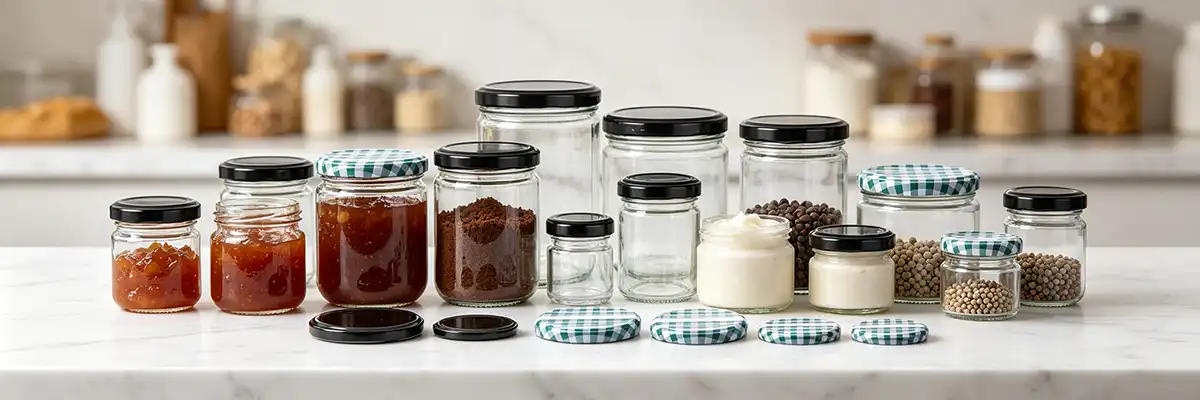
Understanding Multi-Size Black Metal Jar Lids and Their Benefits
Metal lids for jars that can fit a variety of diameters are a big step forward in the ease of packing. These designed parts solve real problems that procurement managers and category directors face when they have to balance the costs of inventory with the need to protect products.
What Defines Multi-Size Compatibility?
Multi-size black metal jar lids can fit a wide range of diameters, from 38 mm to 110 mm on average. This means that similar product lines don't need to be managed separately by SKU. Precision threading on food-grade tinplate makes airtight rings that stop oxygen from getting through. This is very important for keeping jams, pickles, honey, and cosmetics fresh. At Muzhishi, we use automatic production lines that can make up to a million units per furnace every day to make sure that every closure we make meets exact specs. This means that even when we get a lot of orders, the quality will stay the same.
Material Science Behind Superior Performance
Electrolytic tinplate is chemically stable, so it doesn't react with acidic materials. This is a common worry when packing things with pH levels below 4.6. Plastic options may break down when temperatures change during hot-fill processes, but metal closures stay together through pasteurisation rounds that hit 121°C. The black organic layer, which comes in shiny or matte finishes, does two things: it protects light-sensitive contents from UV rays and gives the product a higher profile on the shelf, which improves how people think of the brand in stores.
Cost Efficiency Through Inventory Consolidation
Less complexity helps wedding planners order themed favour jars, hotel chains standardise room amenity containers, and e-commerce platforms manage holiday gift sets. Having one type of closure that fits both normal and wide-mouth jars saves 30 to 40 percent on storage costs compared to keeping different stock. This streamlined method speeds up the fulfilment process, which is helpful for event companies that need to meet tight dates or retail buyers who need to keep up with popular product demands.
How to Choose the Right Jar Lid for Different Sizes and Applications?
Systematic review keeps closures and container specs from not matching up, which can be very expensive. Before deciding on a provider partnership, procurement teams need to think about a number of technical factors.
Matching Neck Finishes and Thread Profiles
Not every screw-top system works the same way. Continuous thread (CT) setups are very different from lug finishes (twist-off style). An 82-RTO jar neck won't close properly with a 70-G finish because it needs special internal threading. When you buy from makers, make sure you ask for specific compatibility charts that show which closure types will work with the jars you already have. Muzhishi offers free samples within 3–5 days, so customers can try the products out for themselves before committing to large-scale production. This is an important step that keeps warehouses from being stocked with useless parts.
Evaluating Sealing Technology for Product Categories
For shelf-stable goods, artisans who make sauces need to be able to vacuum-seal them, and cosmetic makers need moisture barriers to keep humidity out during distribution. The material of the gasket is very important. Food-grade Plastisol liners have almost no oxygen transfer rates, which is important for keeping nut butters and spice mixes from going bad. Pharmaceutical packaging needs finishes that are BPA-free and meet California Prop 65 standards. Our LFGB and FDA certifications directly address this issue through third-party SGS testing proof.
Temperature and Chemical Resistance Specifications
Closures that aren't made well enough can't handle the heat stress that comes with hot-fill treatments. Specialised lacquers on retort-grade multi-size black metal jar lids keep the cover intact after autoclave sterilisation, which is very important for hospital meal programs and public food services. Chemical exposure concerns go beyond acidity and include sulphur compounds in pickled veggies or the amount of alcohol in flavour extracts. Our acid-resistant coats on the inside keep "black spotting" oxidation from happening, which hurts both the look and the protective function. This way, your goods will get to customers in perfect condition.
Advantages of Metal Jar Lids Over Plastic and Glass Alternatives
Comparing performance shows why high-end brands choose metal covers even though there are more options on the market.
Superior Barrier Properties Extending Shelf Life
Plastic caps allow tiny gas exchanges that speed up the breakdown of products. This is a big problem for companies that make premium honey or import speciality spices because they need to spend more on packing to keep the flavours fresh. Even though glass stoppers look nice, they aren't reliable enough to be used for transport across shipping networks. Precision threading on metal closures makes tamper-evident seals that are always the same. The vacuum button indentation proves the purity of the product at the point of sale, which is important for e-commerce platforms where return rates directly affect profits.
Environmental Responsibility Meeting Corporate Mandates
Sustainability goals affect buying choices across catering groups and retail chains that are trying to cut down on packing. Composite plastic caps get mixed up in recycling streams, while metal lids get 70–90% recycled rates. Tinplate can be recycled over and over again, which is in line with business social responsibility goals without affecting performance. When distribution centers take back glass jars for refill programs, they find that metal closures keep closing well through multiple uses as long as they are cleaned properly. This lowers the cost per unit over the span of the product.
Enhanced Brand Perception Through Premium Aesthetics
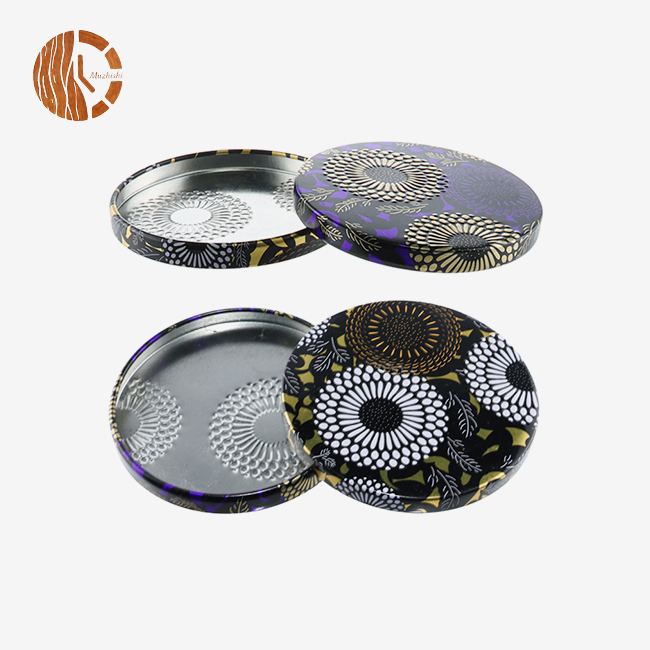
Before customers even open the jar, the black metal seals' weight and sleek look let them know that the product is of high quality. Luxury candle companies and apothecary brands take advantage of this psychological advantage to explain their high prices through package stories that flow together. Customisation options, such as laser-engraved initials or raised patterns, turn useful closes into parts of a brand's story. Our high-resolution printing and hot stamping services can handle the complicated designs that promotional product companies need for business gifting programs. Within 25 days, you can approve unique samples.
Because of these benefits, speciality food stores, boutique beauty lines, and pharmaceutical nutraceutical brands always choose metal closures, even when the original cost is higher. When you add up the total cost of ownership, which includes less waste, fewer returns, and higher brand recognition, you get a measured return on investment (ROI) that procurement pros can show to financial stakeholders.
Procurement Strategies for Multi-Size Black Metal Jar Lids
To use strategic sourcing, you need to make sure that your supply chain's technology requirements are in line with how things actually work.
Sector-Specific Requirements Analysis
Buyers of food and drinks care most about FDA compliance and tamper-evidence for regulatory compliance, while buyers of cosmetics care most about how the product looks and how well it resists wetness. Industrial packaging for labs or pharmaceutical compounding needs to be more chemically inert than what is required for food-grade packing. By knowing these differences, you can avoid over-specifying (which can cost more) or under-specifying (which can lead to product fails). Category managers should write down how the goods will be used, including the temperatures at which they will be stored, the amounts of humidity in different areas, and how long they are expected to last. This will help suppliers like Muzhishi meet exact needs through our ODM/OEM customisation services.
Evaluating Supplier Production Capacity
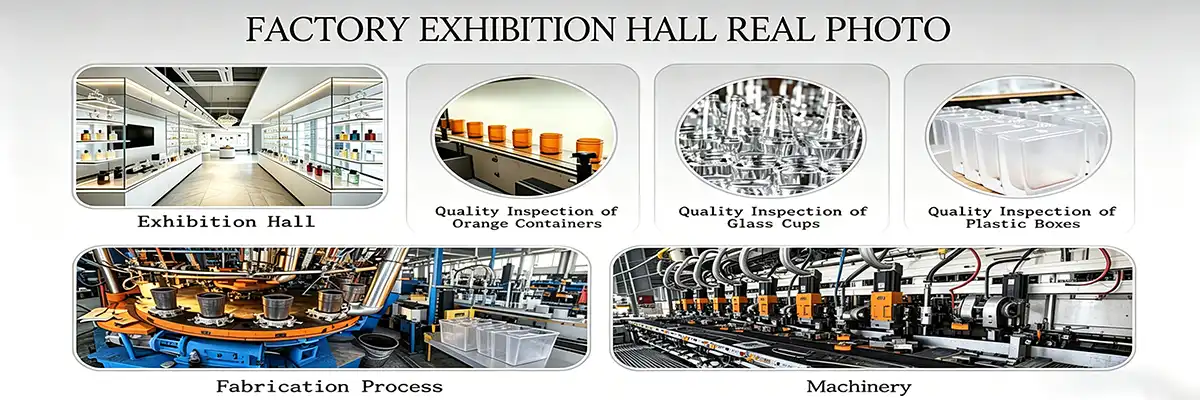
There are different supply chain weaknesses for small-batch artisan makers and large-scale suppliers. How well a maker can grow with your business or handle regular demand spikes depends on how much they can make each day. With ten glass furnaces that can each hold 150 tonnes of glass and six automatic production lines per furnace, we can handle both small orders and large contracts for millions of units of multi-size black metal jar lids without any changes to the quality. This scalability is very important for e-commerce sites that are releasing new product lines or event planners that are getting ready for busy wedding seasons, because production bottlenecks at key times can ruin business relationships and income predictions.
Quality Assurance and Certification Verification
Third-party approvals give concrete proof of performance that goes beyond what the seller says. The CE mark shows that European safety standards have been met, which is important for companies that sell goods in other countries. SGS testing records list the materials used and how well they work, which protects procurement teams from being held responsible if a product fails. When looking at possible business partners, it's a good idea to ask for copies of their most recent licenses and, if you can, visit their factories. As part of our commitment to openness, we provide full paperwork such as business invoices, packing lists, and certificates of origin. This makes it easier for you to clear customs, no matter what port you're going to.
Building Strategic Supplier Partnerships
When compared to joint partnerships, transactional ties don't give you much of a competitive edge. When suppliers give design help, help with managing inventory, and flexible minimum order amounts, they stop being just another seller and become strategic assets. At Muzhishi, our one-on-one account managers help clients choose materials, finish choices, and decoration methods. This way, you can expand your product development skills without hiring more people. We can get our basic materials at 10–15% less than the market average because we've been working with the same local suppliers for a long time. This lets us keep our prices low across all order sizes, which is good for both initial trials and ongoing replenishment programs.
Maintenance, Cleaning, and Longevity of Black Metal Jar Lids
Following the right handling steps will make closures last longer and lock more reliably throughout the entire distribution cycle of a product.
Cleaning Protocols Preserving Coating Integrity
The black organic layer is damaged by harsh alkaline cleansers or rough scrubbing, which makes it look bad and makes it less resistant to corrosion. For programs that use refillable jars, like those found in zero-waste stores or hotel amenities, ask for pH-neutral cleaners and soft-bristle brushes. Over time, commercial dishwasher cycles that go above 65°C may break down Plastisol seals. Washing them by hand in warm water with light soap makes them last longer. Thoroughly drying covers before putting them away stops the buildup of moisture that causes rusting on cut edges, which is the main place where metal parts that are normally strong break.
Storage Conditions Preventing Premature Degradation
Controlling the temperature in the warehouse is very important for metal packing parts. Keep closures in climate-controlled rooms with relative humidity below 60%, ideally in their original packing, which protects them physically and keeps wetness out. Limits on stacking weight keep threading from deforming. For box storage, we suggest stack heights of no more than 1.5 meters. Following the first-in, first-out rule for proper rotation makes sure that older stock is used up before the coating starts to break down. However, our goods keep performing as specified for 24 months or more under the right conditions.
Identifying Replacement Indicators
Procurement teams should set up checking processes to find closures that are getting close to the end of their useful life. Some visible signs are covering flaking, dents that make it harder for threads to engage, or gasket stiffening that makes it harder for seals to stick. If the safety button doesn't press properly during sealing, it means that the vacuum isn't being formed properly. This means that the button needs to be replaced right away to keep vacuum-sealed goods from going bad. By teaching quality control staff to spot these signs, you can keep bad closures from making it to the production lines. This keeps expensive batch rejections from happening and protects the brand's image across all channels of sales.
Conclusion
Choosing the right jar lids has a big effect on the quality of the product, how efficiently operations run, and how the brand is positioned in many different industries. Through improved sealing, visual flexibility, and environmental stewardship, multi-size black metal jar lids offer quantifiable benefits. Businesses can stay ahead of the competition by making smart purchasing choices that take into account technical specs, provider capabilities, and total ownership costs. When you follow the right care steps, you can make closures last longer and keep their protective features throughout distribution cycles. The things listed above give procurement workers a way to think about their choices and build relationships with suppliers that will help the business reach its long-term goals.
FAQ
Can these metal closures accommodate both standard and wide-mouth jar openings?
Yes, multi-size support solves this problem right away. There are closures with diameters ranging from 38 mm to 110 mm, which can fit everything from regular-mouth canning jars to wide-mouth storage cases. Giving accurate jar specs when you buy them makes sure that the threads match up correctly and that the sealing works well for all of your products.
Do black metal lids meet food safety requirements for acidic products?
Of course. Food-grade tinplate with acid-resistant lacquers inside can hold pickles, sauces, and citrus jams, as well as other items with a pH level below 4.6. The fact that our materials are chemically stable means that foreign tastes don't transfer or content reacts, and they are FDA-approved to be safe for direct food contact. Documentation from SGS tests proves that regulations are being followed across all delivery areas.
What customization options suit corporate branding requirements?
High-resolution printing for detailed logos, laser cutting for lasting marking, embossing for tactile brand elements, and hot pressing for metallic details are just some of the many ways that the product can be decorated. Custom colour matching goes beyond standard shiny or matte black finishes to make sure that everything is in line with brand rules. Our design team works together to prepare the artwork, and within 25 days, unique samples are sent for approval before the production promise is made.
Why Partner with Muzhishi for Your Metal Jar Closure Needs?
Xuzhou Muzhishi Crafts Co., Ltd. has been making specialised goods for 20 years and can help you with your glass packing projects. As a full-service seller of multi-size black metal jar lids, we make the buying process easy by offering design advice, quick prototyping, and global logistics coordination. Our CE, FDA, SGS, and LFGB certifications make sure that we meet the standards for foreign markets, and our production capacity means that we can reliably meet your needs whether you need 500 units or 500,000. With our custom colour matching, laser engraving, and other customisation options, we can turn plain seals into branded box elements. Email our team at long@muzhishi.com to talk about your unique needs, ask for free samples, and find out how our lower prices and expert support can help your supply chain. Visit mzsglass.com to see all of our products and see why leaders in the field trust our quality.
References
1. Robertson, Gordon L. Food Packaging: Principles and Practice, 3rd Edition. CRC Press, 2012.
2. Marsh, Kenneth and Betty Bugusu. "Food Packaging—Roles, Materials, and Environmental Issues." Journal of Food Science, Vol. 72, Issue 3, 2007.
3. Yam, Kit L. The Wiley Encyclopedia of Packaging Technology, 3rd Edition. John Wiley & Sons, 2009.
4. Coles, Richard, Derek McDowell, and Mark J. Kirwan. Food Packaging Technology. Blackwell Publishing, 2003.
5. Soroka, Walter. Fundamentals of Packaging Technology, 4th Edition. Institute of Packaging Professionals, 2009.
6. Paine, Frank A. and Heather Y. Paine. A Handbook of Food Packaging, 2nd Edition. Springer Science & Business Media, 1992.

Our customers’ satisfaction speaks for our quality — contact us to experience the same reliable service.