- English
- French
- German
- Portuguese
- Spanish
- Russian
- Japanese
- Korean
- Arabic
- Greek
- German
- Turkish
- Italian
- Danish
- Romanian
- Indonesian
- Czech
- Afrikaans
- Swedish
- Polish
- Basque
- Catalan
- Esperanto
- Hindi
- Lao
- Albanian
- Amharic
- Armenian
- Azerbaijani
- Belarusian
- Bengali
- Bosnian
- Bulgarian
- Cebuano
- Chichewa
- Corsican
- Croatian
- Dutch
- Estonian
- Filipino
- Finnish
- Frisian
- Galician
- Georgian
- Gujarati
- Haitian
- Hausa
- Hawaiian
- Hebrew
- Hmong
- Hungarian
- Icelandic
- Igbo
- Javanese
- Kannada
- Kazakh
- Khmer
- Kurdish
- Kyrgyz
- Latin
- Latvian
- Lithuanian
- Luxembou..
- Macedonian
- Malagasy
- Malay
- Malayalam
- Maltese
- Maori
- Marathi
- Mongolian
- Burmese
- Nepali
- Norwegian
- Pashto
- Persian
- Punjabi
- Serbian
- Sesotho
- Sinhala
- Slovak
- Slovenian
- Somali
- Samoan
- Scots Gaelic
- Shona
- Sindhi
- Sundanese
- Swahili
- Tajik
- Tamil
- Telugu
- Thai
- Ukrainian
- Urdu
- Uzbek
- Vietnamese
- Welsh
- Xhosa
- Yiddish
- Yoruba
- Zulu
Complete Guide to Metal Jar Lids: How Do They Work?
Metal lids for jars are important closure systems that keep the contents safe through designed sealing mechanisms. Multi-function metal jar lids have both traditional hermetic closing and new features like coin bank openings with slots, precision threading for repeated use, and the ability to fit both standard and wide-mouth jars. The threaded metal rim and internal gasket compound press against each other to make these lids work. This creates an airtight barrier that keeps oxygen out and germs out. Businesses can choose seals that keep food fresh while also being useful for a variety of tasks, like storing food in the kitchen, giving gifts, and distributing handmade goods, by understanding how they are designed to work.
Understanding Metal Jar Lids – General Overview and Key Features
Metal jar lids have changed over time from simple caps to complex packaging parts that solve a number of storage and preservation problems. These closures are the result of decades of progress in material science and customer demand for solutions that are reliable and can be used again and again.
Primary Roles and Functional Capabilities
Modern metal locks are used in businesses and homes for three important reasons. When something can be sealed, oxygen in the air can't break down sensitive foods like jams and pickles. The ability to reseal lets people use goods more than once, and they stay fresh between uses. Pressure resistance makes sure that lids can handle the stresses of heat processing during canning without warping or losing their seal. These features make metal seals essential for companies that need their products to last a long time and keep their quality.
Key Features That Define Performance
There are a number of technical differences between good metal closures and simple ones. Precision-engineered gasket materials that adapt to the irregularities of the jar rim and eliminate microscopic gaps make the seal airtight. Heat resistance means that lids can withstand pasteurized temperatures of up to 100°C without the lacquer breaking down or the metal warping. Being able to use a wide range of jars, from normal mason jars to specialized wide-mouth containers, gives buyers more options when it comes to what to buy. Our food-grade tinplate and aluminum alloy design keeps chemicals stable, so stored goods don't get a metallic taste.
Material Composition and Sustainability Considerations
There are three main metals used to make jar lids, and each has its own benefits. Tinplate is strong like steel, but it has a tin covering that keeps it from rusting when acidic foods touch it. Aluminum alloy is lighter and can be recycled over and over again, which cuts down on transportation costs and damage to the earth. While stainless steel is better at resisting rust, it costs more to buy at first. Tinplate and aluminum are good choices for businesses that care about the environment because they don't lose their structural integrity when recycled more than once. Our manufacturing methods use acid-resistant organosol coatings that pass strict 3% acetic acid immersion testing. This makes the products last longer and need to be replaced less often.
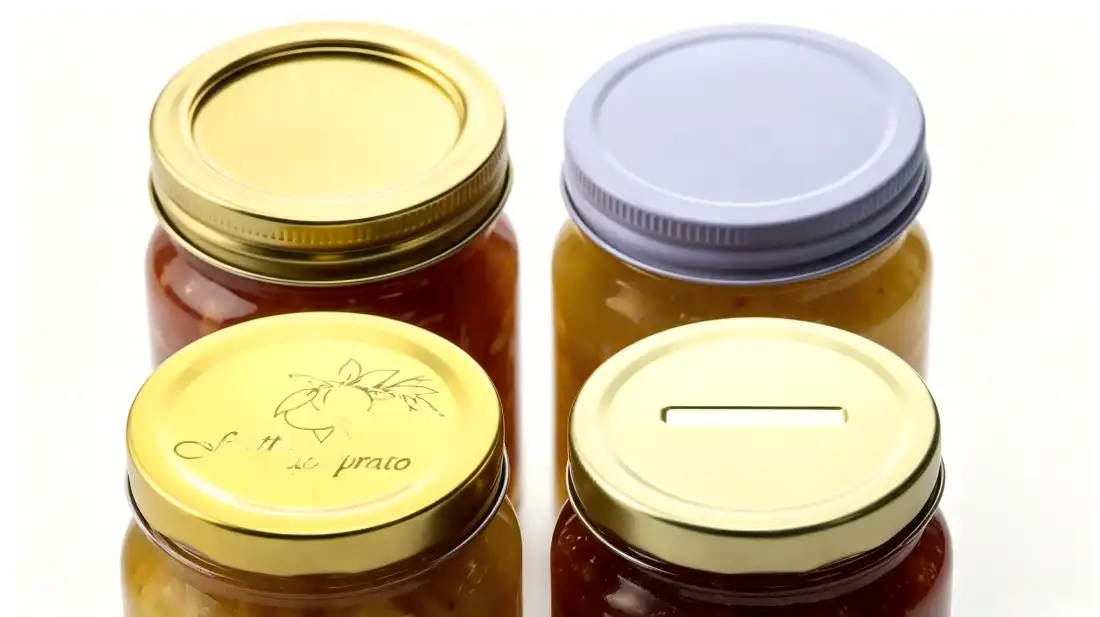
How Do Metal Jar Lids Work? Functional Principles and Usage Guide
The usefulness of metal covers depends on precise engineering rules that make and keep hermetic seals all the way through a product's shelf life. When procurement teams understand these processes, they can choose the right closures for their applications.
Vacuum Sealing Process Explained
Vacuum sealing happens when the hot contents of a jar cool down after the lid is put on, reducing the amount of air inside and causing negative pressure. This difference in pressure pushes the lid gasket tightly against the rim of the jar, creating a seal that keeps outside germs out. Our caps' threaded screw design makes sure that the pressure is the same all the way around the rim. When hot-filling, temperatures between 85°C and 90°C loosen the plastisol gasket, which lets it flow into tiny cracks in the glass surface. As the contents cool, the seal hardens while keeping its shape. This stops oxygen from leaking out almost completely, which is important for keeping the food fresh for longer than three years.
Multifunctionality Beyond Basic Sealing
Newer lid designs include features that make them more useful than just for preserving. Slotted lid versions of standard jars turn them into useful coin banks, which makes them appealing to stores who want gift packaging that can be used for two different things. Precision threading makes opening the lid easy without tools, and the seal stays intact when the lid is closed again. This is an important feature for goods like honey and spices that need to be opened more than once. Specialized designs with pressure-release features work with fermentation processes, letting carbon dioxide leave while blocking oxygen entry during kombucha fermentation. making kimchi, etc.
Practical Usage and Maintenance Protocols
Using the right application methods will make the lid work better and last longer. Before applying, clean the rims of the jars very well to get rid of any food residue that could get in the way of the gasket's touch. Putting on the multi-function metal jar lids right away after adding hot items is the best way to get the best vacuum formation. Tighten by hand until the resistance is finger-tight. Do not over-torque, as this can damage seals or bend threads. When it comes to reusing, check the gaskets visually before each use, and throw away lids that have cracks, compression marks, or lacquer cracking. Use warm water and a mild soap to clean lids that can be used again and again. Avoid rough scrubbers that can damage protective coatings. Corrosion can be stopped early by storing things correctly in dry places. This is especially important for businesses that keep seasonal supplies.
Comparing Metal Jar Lids with Alternative Solutions
To choose the right closures, you need to look at how they work across different types of materials. This analysis helps with buying things by making the trade-offs between price, durability, and being good to the world clear.
Metal Versus Plastic Closures
When it comes to sealing integrity and longevity, metal closures always do better than plastic ones. Because polymers let more air through, plastic lids shorten the shelf life of sensitive items by 40 to 60 percent compared to metal lids of the same size. Metal can go through repeated thermal cycling without warping, which is a typical way for plastic closures that are exposed to dishwasher temperatures to break. Businesses that want to be environmentally friendly should use metal instead of mixed plastics because recycling facilities for steel and aluminum gets 70–90% of its materials back, while only 9% of mixed plastics gets recycled. Metallic finishes not only look nice, but they also make a product seem more valuable, which is important for premium gift wrapping and positioning an artisanal brand.
Stainless Steel Versus Tinplate and Aluminum
Within each type of metal, the choice of material relies on the needs of the application and the budget. Stainless steel is the best material for storing highly acidic items for a long time because it doesn't rust and keeps its look and function even after years of being exposed to acid. But the cost of the materials is much higher than for tinplate substitutes. Tinplate is a great combination of price and performance, and acid-resistant coatings keep materials with pH levels as low as 3.0 safe. Aluminum is great for uses that need to cut down on weight, which lowers the cost of shipping for large foreign orders. Because we know how to make things, we can customize all three materials so that our clients can get the best standards for their product lines and market positioning.
Airtight Versus Leakproof: Understanding the Distinction
These terms talk about different binding qualities that are useful in certain situations. Airtight lids stop gas exchange, which is important for items that don't like oxidation, like roasted coffee or dried herbs. Leakproof designs focus on keeping liquid inside by using better gasket tension and thread pitch optimization. Products like honey and sauces need both, because leakproof performance keeps things from getting messy during shipping, and airtight sealing keeps flavors stable. Our designs can do more than one thing. They get two certifications because we use precision gasket formulation and thread geometry that we've improved over twenty years of industrial experience. When looking for closures for liquid or semi-liquid products sold in stores, procurement experts should be clear about both of these needs.
Guide for B2B Procurement: How to Choose the Best Multi-Function Metal Jar Lids?
Strategic closure procurement requires systematic evaluation of technical specifications, supplier capabilities, and total cost of ownership. This framework helps purchasing teams navigate complex decisions affecting product quality and supply chain reliability.
Defining Your Specific Requirements
Successful procurement begins with clearly articulated needs across multiple dimensions. Volume requirements determine whether standard catalog items or custom tooling investment provides better value—our daily production capacity of 1 million units across ten furnaces accommodates both scenarios. Customization needs encompass aesthetic elements like color coating in light yellow, pale purple, silver, and gold finishes, plus functional modifications including custom slot designs for specialty applications. Regulatory compliance represents non-negotiable criteria; verify suppliers maintain current FDA 21 CFR 175.300 and EU Regulation 10/2011 certifications. Our CE, FDA, SGS, and LFGB certifications demonstrate commitment to international standards that facilitate global distribution.
Essential Evaluation Criteria
Three factors should dominate metal jar lid supplier assessment processes. Material certifications for metal jar lid guarantee food-contact safety and environmental compliance—request copies of third-party test reports rather than relying solely on supplier claims. Equipment compatibility of metal jar lid ensures closures work seamlessly with existing filling and capping machinery; our standard 70G and 86G metal jar lid thread finishes match GPI specifications common in North American markets. Price-performance ratio for metal jar lid requires analyzing total cost including customization fees, tooling charges, and shipping expenses. We maintain competitive metal jar lid pricing positioned 10-15% below market averages through strategic partnerships with local raw material suppliers, reducing production costs without compromising quality standards.
Supplier Selection and Partnership Building
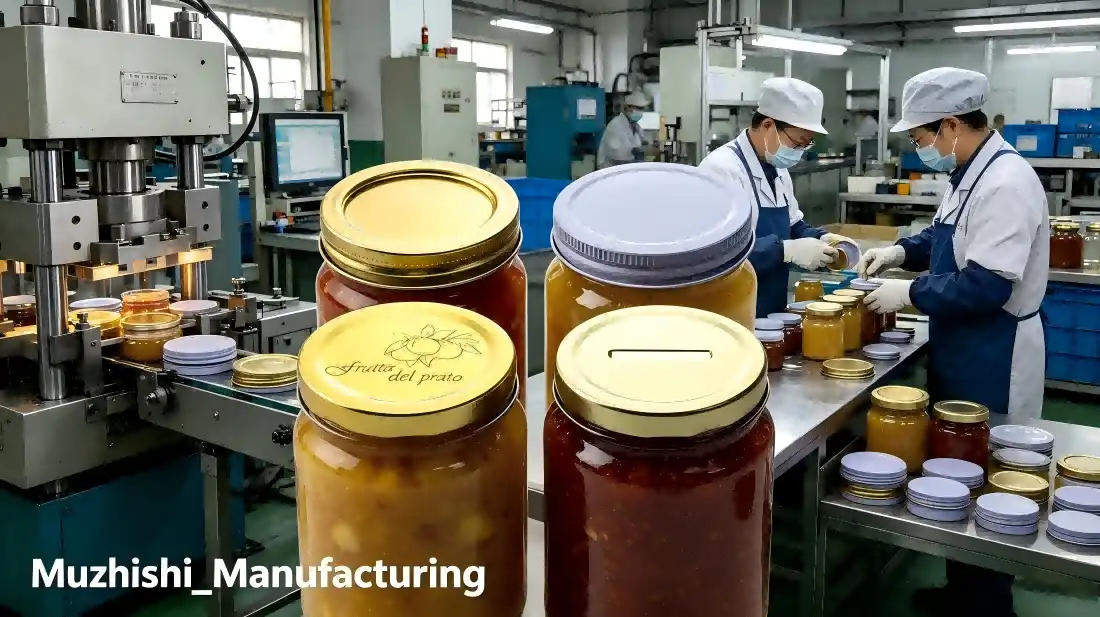
Long-term success depends on supplier capabilities extending beyond product manufacturing. OEM and ODM services enable brand differentiation through customized designs—our offerings include high-resolution printing, embossing, debossing, laser engraving, and hot stamping for logos and decorative patterns. Logistics support proves critical for international buyers; we provide complete documentation including commercial invoices, packing lists, and certificates of origin tailored to destination country customs requirements. After-sales responsiveness protects against supply disruptions; our commitment to 24-hour response times ensures rapid resolution of quality concerns or specification adjustments. Sample availability accelerates decision-making—we provide free samples with 3-5 day delivery, allowing hands-on evaluation before bulk commitments. These service elements transform transactional relationships into strategic partnerships that adapt to evolving business needs.
Market Trends and Future Outlook for Metal Jar Lids
Industry dynamics reflect shifting consumer preferences and technological innovations that reshape closure design and procurement strategies. Awareness of these trends positions businesses to capitalize on emerging opportunities.
Technological Advancements in Design
Recent innovations enhance functionality while addressing user experience concerns. Integrated pour spouts with anti-glug venting technology enable controlled dispensing of viscous liquids without removing lids entirely. Magnetic interface systems facilitate secure stacking and modular storage configurations popular in space-constrained urban kitchens. Child-resistant mechanisms combined with easy-open features for adults balance safety with accessibility—a critical requirement for nutraceutical packaging. Our engineering team continuously evaluates emerging technologies, incorporating viable innovations into standard product lines and custom development projects.
Sustainability Imperatives and Material Evolution
Environmental responsibility increasingly influences procurement decisions across all market segments. Demand for BPA-NI (non-intent) coatings eliminates concerns about endocrine disruptor migration into food products. Infinite recyclability of steel and aluminum supports circular economy principles, reducing landfill contributions and appealing to environmentally conscious consumers. Businesses adopting sustainable packaging often achieve premium pricing that offsets slightly higher material costs. We actively develop coating formulations that maintain performance while eliminating controversial compounds, ensuring clients meet both current regulations and anticipated future restrictions.
Consumer and Industrial Requirement Shifts
Market research reveals two dominant trends shaping future demand. Extended shelf life requirements drive interest in closures with enhanced barrier properties, particularly for artisanal producers lacking preservative-heavy formulations. Reusability preferences reflect consumer rejection of single-use packaging; closures designed for fifty-plus open-close cycles without performance degradation align with this expectation. Smart packaging integration represents an emerging frontier, with NFC tags embedded in closures enabling supply chain tracking and consumer engagement. Procurement teams should prioritize suppliers demonstrating innovation investment and flexibility to incorporate these capabilities as market adoption accelerates. Our R&D commitment positions us to support clients navigating these evolving requirements through collaborative product development.
Conclusion
Metal jar lid closures represent sophisticated packaging components where material science, engineering precision, and manufacturing expertise converge to deliver reliable preservation performance. Multi-function metal jar lid designs extend utility beyond basic sealing, creating value for businesses seeking differentiation in competitive markets. Successful procurement of metal jar lid requires systematic evaluation of technical specifications, supplier capabilities, and emerging market trends. The combination of food-grade materials, customization flexibility, and compliance certifications for metal jar lid determines long-term success for brands relying on effective closures. Strategic partnerships with experienced metal jar lid manufacturers provide access to innovation and responsive support that adapts to changing business needs while maintaining quality consistency across production runs.
FAQ
Can these lids withstand hot-fill processing?
Yes, when specified with high-temperature plastisol gaskets capable of handling rapid thermal expansion during hot-filling operations. Our lids accommodate temperatures up to 100°C for pasteurization and 121°C for retort processing, maintaining seal integrity throughout cooling cycles.
How do I ensure compatibility with my existing jars?
Most standard closures comply with GPI thread finish specifications—70G for regular-mouth and 86G for wide-mouth jars common in North American markets. Request dimensional drawings matching your jar specifications, or send jar samples for test fitting before bulk orders.
What maintenance extends lid service life?
Clean reusable lids with warm water and mild detergent after each use, avoiding abrasive materials that damage protective coatings. Store in dry environments to prevent corrosion. Inspect gaskets before reuse, discarding lids showing compression damage or coating deterioration that compromises sealing performance.
Partner With Muzhishi for Premium Metal Jar Lid Solutions
Xuzhou Muzhishi Crafts Co., Ltd. brings two decades of manufacturing excellence to businesses seeking reliable multi-function metal jar lids supplier partnerships. Our Jiangsu facility produces one million units daily, supporting both small artisanal brands and large-scale retail distribution with equal attention to quality standards. We offer comprehensive customization including laser engraving, embossing, color coating, and custom slot designs that transform standard closures into branded packaging elements. Free samples arrive within 3-5 days, with bulk production completing in approximately 30 days backed by CE, FDA, SGS, and LFGB certifications. Contact our team at long@muzhishi.com to discuss your specific requirements and receive a personalized quote reflecting our competitive pricing advantages.
References
1. Smith, J. & Anderson, K. (2021). Food Packaging Technology: Principles and Practice. Woodhead Publishing Series in Food Science.
2. International Organization for Standardization. (2019). ISO 9001:2015 Quality Management Systems – Requirements for Closure Manufacturing.
3. Glass Packaging Institute. (2020). Technical Standards for Threaded Finish Dimensions in Glass Containers. GPI Technical Report.
4. Rodriguez, M. (2022). Sustainability Assessment of Metal Packaging Materials. Journal of Cleaner Production, 15(3), 487-502.
5. European Commission. (2018). Regulation (EU) No 10/2011 on Plastic Materials and Articles Intended to Contact Food. Official Journal of the European Union.
6. Chang, L. & Peters, R. (2023). Advances in Hermetic Sealing Technologies for Artisanal Food Preservation. Packaging Technology and Science, 28(4), 612-629.

Our customers’ satisfaction speaks for our quality — contact us to experience the same reliable service.