- English
- French
- German
- Portuguese
- Spanish
- Russian
- Japanese
- Korean
- Arabic
- Greek
- German
- Turkish
- Italian
- Danish
- Romanian
- Indonesian
- Czech
- Afrikaans
- Swedish
- Polish
- Basque
- Catalan
- Esperanto
- Hindi
- Lao
- Albanian
- Amharic
- Armenian
- Azerbaijani
- Belarusian
- Bengali
- Bosnian
- Bulgarian
- Cebuano
- Chichewa
- Corsican
- Croatian
- Dutch
- Estonian
- Filipino
- Finnish
- Frisian
- Galician
- Georgian
- Gujarati
- Haitian
- Hausa
- Hawaiian
- Hebrew
- Hmong
- Hungarian
- Icelandic
- Igbo
- Javanese
- Kannada
- Kazakh
- Khmer
- Kurdish
- Kyrgyz
- Latin
- Latvian
- Lithuanian
- Luxembou..
- Macedonian
- Malagasy
- Malay
- Malayalam
- Maltese
- Maori
- Marathi
- Mongolian
- Burmese
- Nepali
- Norwegian
- Pashto
- Persian
- Punjabi
- Serbian
- Sesotho
- Sinhala
- Slovak
- Slovenian
- Somali
- Samoan
- Scots Gaelic
- Shona
- Sindhi
- Sundanese
- Swahili
- Tajik
- Tamil
- Telugu
- Thai
- Ukrainian
- Urdu
- Uzbek
- Vietnamese
- Welsh
- Xhosa
- Yiddish
- Yoruba
- Zulu
How to Safely Reuse Metal Jar Lids for Preserving Food
Before you can safely use metal jar lids again to store food, you need to make sure they are clean and look good. You need to look at each lid for rust, dings, warping, or worn-out gaskets that could make the airtight seal less effective. Use hot, soapy water to clean the lids well, and then boil water or steam to sterilize them. Food-grade tinplate or aluminum alloy multi-function metal jar lids are very durable and can be changed to fit different needs. This makes them perfect for using over and over again in home canning, business preserving, and gift packaging. By following the right steps, these lids can last longer and still meet food safety standards through multiple rounds of freezing.
Understanding the Importance and Challenges of Reusing Metal Jar Lids
Reusing metal covers for food storage is good for the environment and the economy, but many people are hesitant to do it because they are worried about safety. In order to address these issues, you need to know what makes a lid good for another use.
Common Misconceptions About Lid Reuse
A lot of people think that any lid that shows signs of wear can't be used again safely. This misunderstanding causes perfectly good closures to be thrown away too soon. The truth is that you need to know what kinds of damage really hurt effectiveness. Scratches on the surface don't usually affect how well something seals; movement of the structure or compression of the gasket does. Another misunderstanding is that there are risks of contamination. Cleaning the lids properly gets rid of bacterial worries just as well as buying new ones.
Key Causes of Lid Failure During Reuse
There are three main things that decide if a metal closure will still work. When protective coatings wear off, they leave the base metal open to water and acids from stored foods. This is called material degradation. Wear on sealing parts happens slowly as rubber gaskets or plastisol covers lose their flexibility to fit around the edges of jars. When you clean something wrong, you leave behind residue or use rough materials that damage the protected layers. By recognizing these patterns of failure, you can tell which lids to remove and which ones to keep in use.
Safety Principles for Responsible Reuse
Setting up strict rules shields both the quality of the product and the health of the consumers. Every lid that goes into your reuse program should pass both visual and functional tests. Procedures for sterilization must follow temperature and time limits that have been shown to kill germs. Using usage cycles to set replacement plans keeps wear and tear from turning into a safety risk. If you're running a small artisanal kitchen or a big commercial business, these rules will still apply to you.
Material and Design Considerations for Durable Closure Solutions
The way your closures are made directly affects how many times they can be used and how well they work in tough preservation settings.
Comparing Metal Types and Their Reuse Characteristics
Food-grade tinplate is made by combining the strength of steel with the corrosion resistance of tin. This makes closures that can handle acidic ingredients like pickles and tomato-based sauces. The tin layer keeps rust from forming even after being wet many times during washing and sterilizing. Different types of aluminum alloy are lighter and naturally don't rust, so they can be used for dry things and low-acid situations. Coated metals have protective lacquers that keep the base materials from getting damaged by food compounds. This makes the metals last longer through more preservation processes. Each material has a different cost-performance ratio that affects whether or not to buy it in bulk.
Advanced Sealing Mechanisms That Support Multiple Uses
Precision-threaded screw-on designs make closure forces that stay the same even after being opened and closed dozens of times. This technical dependability is important when you're storing seasonal food in batches all year long. Food-grade compounds are used to make rubber gaskets that stay flexible at all temperatures, from cold storage to hot-fill processes. Some more advanced designs use compound sealing systems that use both metal-to-metal contact and elastomer tension to protect against contamination in two ways. If you know about these processes, you can choose closures that are made to last instead of ones that are designed to be easy to use once and throw away.
Sizing and Compatibility Across Jar Types
Standard regular-mouth and wide-mouth shapes make up most of the market, but unique sizes can be made to fit special containers. When you match the thread pitch correctly, you can avoid cross-threading damage that destroys both metal jar lids and rims of jars. Tolerances in diameter, measured in fractions of millimeters, show whether seals fit properly or leave gaps that make preservation less effective. When you're sourcing for business purposes, making sure that the jars you already have will work with the new ones will save you money and time by avoiding costly mistakes.

Step-by-Step Guide to Safely Reusing Metal Jar Lids for Preserving Food
Lid reuse goes from being a guessing game to a reliable quality control process when you use a systematic method.
Inspection Criteria for Determining Lid Viability
First, look at the sealing surface in well-lit conditions. Slide your finger along the edge to see if there is any twisting or bending that stops the threads from making even contact. Look for chips, cracks, or changes in color on the inside layer that could mean chemical breakdown. Gaskets shouldn't feel hard or sticky; they should be soft. Any rust spots, no matter how small, mean that the protected layers are broken, and the problem will get worse with more use. Write down your review standards so that everyone on the team can use the same standards for all batches.
Functional Testing of Sealing Integrity
Visual inspection alone can miss problems with seals that can't be seen. Fill a jar with water, put the lid on top, and turn it upside down. After a few hours, check for leaks. This is a simple vacuum test. You could also press the middle of the lid after it has been sealed; it should fight being pushed down and not bend easily. Torque testing equipment is useful for businesses because it measures the force needed to remove something. This makes sure that seals stay in specification throughout their lifetime. These functional tests find issues that eye checks miss.
Cleaning and Sterilization Best Practices
Lids should be washed right away after use so that food waste doesn't harden and hold germs. Do not use harsh alkaline cleaners that damage protective layers. Instead, use hot water and a detergent that has no effect on the pH level. Soft-bristle brushes get rid of tough buildups without damaging surfaces. Thoroughly rinse to get rid of soap residue that could make stored foods unsafe to eat. Put it in hot water for ten minutes or use steam at room temperature to sterilize it. Let lids dry fully in the air before putting them away, because metals that are protected from corrosion will rust if they get wet.
Storage and Handling Protocols
Clean and sanitized lids should be kept in dry, well-ventilated places that are away from high temperatures. Carefully stack them so they don't break or get scratched. Sort lids by inspection status—newly bought, used once, or used more than once—to make choosing them easier during preservation projects. If you don't want to bring in oils or dirt from your hands, handle by the edges instead of closing the surfaces. The right way to store something increases its useful life and keeps the quality you checked during inspection.
Comparing Metal Closures to Alternative Solutions
Knowing how the different types of closures work affects strategic buying choices that are in line with operational needs and sustainability goals.
Metal Versus Plastic Lid Performance
Metal closures work better as barriers than plastic ones because they stop oxygen and moisture from getting through, which breaks down stored foods. Because they are rigid, the binding force stays the same even if the temperature changes while they are being stored or transported. Plastic options are clearer and lighter to ship, but they can't handle heat as well as metal can during hot-fill processing or retort sterilization. The possibility for reuse is very different. Good metal lids can be used many times, but most plastic designs break down quickly when they are stressed over and over again. When looking at the total cost of ownership instead of just the unit price, metal choices that last longer are often more cost-effective for businesses that store a lot of metal.
Airtight Versus Standard Metal Lid Technologies
Standard closures use friction and easy threaded contact to keep the seal in place. They work well for storing shelf-stable goods for a short time. Compound gaskets and precisely designed tolerances are used in airtight designs to make hermetic seals that can keep sensitive contents safe for long periods of time. This difference in performance is very important when keeping fermented foods, ingredients that are sensitive to moisture, or goods that need certain environmental conditions. The higher starting cost of the improved sealing technology is worth it because it extends the shelf life and cuts down on spoilage losses.
Eco-Friendly Packaging Trends and Custom Manufacturing
Concerns about the environment drive the demand for metal covers that can be recycled over and over again and produce less trash in landfills than single-use plastics. Custom manufacturing lets brands set their goods apart by adding decorative finishes, embossed logos, and color-coordinated patterns that make gift packaging look better. Laser engraving makes lasting marks that won't come off when you wash or handle them. With these customization choices, functional closures can be turned into marketing tools that strengthen brand identity while still doing their useful job as closures.
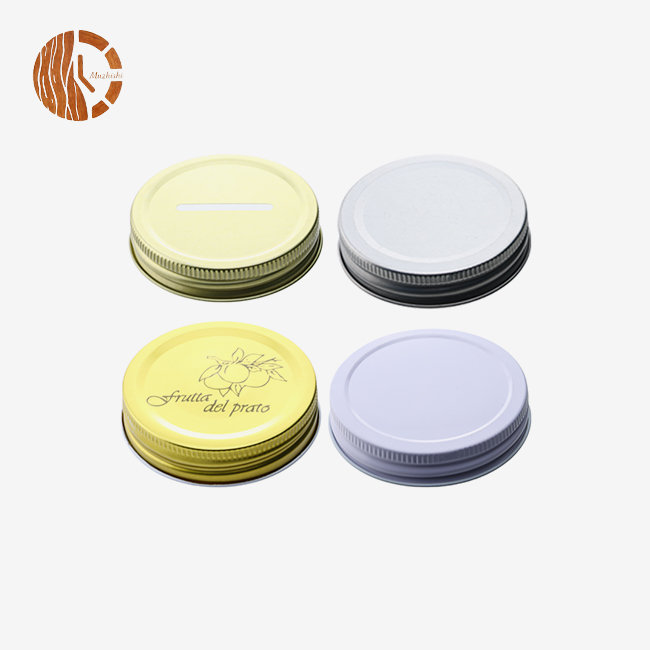
Food-grade tinplate and aluminum alloy are used to make multi-function metal jar lids at Xuzhou Muzhishi Crafts Co., Ltd. These lids are made to last and look good. Our closures have precision-threaded designs that keep the seal even after many uses. This makes them perfect for high-volume retail uses, artisanal gift packaging, and business food preservation. With finishes in light yellow, pale purple, silver, and gold, these lids go with a lot of different product lines and give your goods the protection they need. To meet the needs of your business, customization services offer high-resolution printing, embossing, laser engraving, and color coating.
Procurement Insights: Sourcing Quality Metal Jar Lids
Strategic sourcing requires evaluating suppliers on technical capabilities, certification compliance, and service reliability rather than price alone.
Evaluating Suppliers and Manufacturing Credentials
Certifications provide objective evidence of quality systems and regulatory compliance. FDA approval confirms materials meet food-contact safety standards for the United States market. LFGB certification demonstrates compliance with German food safety regulations, widely recognized across European markets. SGS testing verification validates product performance claims through independent laboratory analysis. CE marking indicates conformity with European health and safety requirements. Beyond certifications, assess production capacity to ensure suppliers can scale with your business growth. A manufacturer operating multiple production lines with daily output reaching hundreds of thousands of units demonstrates infrastructure capable of supporting large, time-sensitive orders.
Understanding Bulk Purchasing Parameters
Minimum order quantities balance production efficiency with customer inventory management needs. Smaller MOQs provide flexibility for testing new products or serving niche markets, while larger commitments typically unlock preferential pricing structures. Evaluate lead times from sample approval through mass production completion—rapid prototyping services delivering samples within days enable faster product development cycles. Shipping logistics significantly impact total landed costs, particularly for heavy, bulky metal products. Suppliers with established international freight partnerships navigate customs documentation and optimize container loading to reduce per-unit transportation expenses.
Building Long-Term Partnership Value
Reliable suppliers become strategic partners who contribute to your success beyond simple transactions. Look for manufacturers offering dedicated account management that provides consistent communication and proactive problem-solving. Technical support capabilities help you select optimal closure specifications for specific preservation applications. Flexible customization services adapt to evolving brand requirements without forcing complete supplier changes. Transparent quality control processes with documented inspection protocols build confidence in consistent product standards across orders. These partnership attributes create value that extends well beyond initial purchase price considerations.
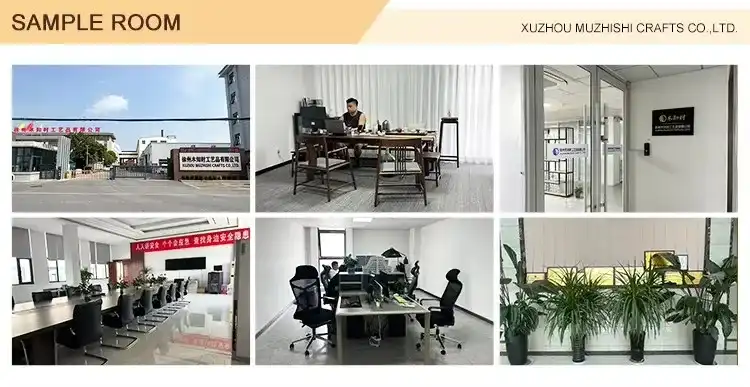
Muzhishi brings over twenty years of manufacturing expertise to every multi-function metal jar lid we produce. Our facility in Jiangsu, China operates ten glass furnaces with combined daily production capacity exceeding one million units, ensuring reliable supply for your most demanding procurement schedules. We provide sample delivery within three to five days, allowing rapid evaluation before committing to full production runs. Mass production typically completes within thirty days, supporting seasonal campaigns and product launches with predictable timelines. Our pricing structure runs approximately ten to fifteen percent below market averages while maintaining rigorous quality standards verified through CE, FDA, SGS, and LFGB certifications.
Beyond standard products, we offer comprehensive customization services including hot stamping for luxury appeal, custom slot designs for specialized functions, and color coating in virtually any shade you envision. Our 3D printing support helps visualize complex designs during the development phase, reducing revision cycles and accelerating time to market. Each order receives guidance from a dedicated account manager who coordinates across design, production, and logistics teams to deliver exactly what your brand requires. Contact our team to discuss your specific requirements and discover how our capabilities as a trusted multi-function metal jar lids manufacturer can support your product line expansion and operational efficiency goals.
Conclusion
Safely reusing metal jar lids for food preservation combines practical inspection techniques, proper cleaning protocols, and informed material selection. Quality closures manufactured from food-grade tinplate or aluminum alloy withstand multiple preservation cycles when handled according to established safety principles. Understanding the performance advantages of metal over plastic alternatives, along with the benefits of advanced sealing technologies, guides purchasing decisions that balance cost efficiency with operational reliability. Strategic supplier partnerships provide access to customization capabilities, regulatory certifications, and scalable production capacity that support business growth while maintaining consistent product quality across all orders.
FAQ
Can Metal Lids Handle Hot-Fill Processing?
Metal closures specified with high-temperature plastisol gaskets withstand rapid thermal expansion during hot-fill applications. The metal substrate maintains dimensional stability while specialized gasket compounds remain flexible across temperature extremes. This capability makes them suitable for jams, sauces, and other products requiring hot-fill techniques to achieve shelf stability.
How Do These Lids Perform With Acidic Foods?
Acid-resistant organosol coatings protect metal lids from corrosive foods like pickles, kombucha, and tomato products. These specialized interior lacquers pass industry-standard immersion tests, preventing pinholing and rust formation even during extended contact with high-acid contents. Proper coating selection extends lid service life in demanding preservation environments.
What Standards Ensure Jar Compatibility?
Most quality metal closures comply with Glass Packaging Institute specifications, particularly the 70G and 86G finishes common throughout North American markets. These standardized thread profiles ensure reliable fit across multiple jar brands, simplifying inventory management for operations using diverse container sources.
Partner With Muzhishi for Your Metal Jar Lid Requirements
Xuzhou Muzhishi Crafts Co., Ltd. stands ready to support your food preservation, gift packaging, and retail product needs with premium multi-function metal jar lids engineered for durability and visual appeal. Our manufacturing facility combines advanced production technology with rigorous quality control, delivering closures that meet international food safety standards while offering extensive customization options. Whether you require standard finishes or fully branded designs with embossing, laser engraving, and custom colors, our team provides comprehensive support from initial concept through final delivery. We maintain competitive pricing through efficient supply chain management and local raw material partnerships, passing savings directly to customers without compromising quality. Reach our procurement specialists at long@muzhishi.com to request free samples, discuss technical specifications, or explore how our capabilities as a leading multi-function metal jar lids supplier can enhance your product line and strengthen your market position. Visit mzsglass.com to view our complete product range and discover why businesses across home décor, hospitality, event planning, and retail sectors trust Muzhishi for reliable, innovative closure solutions.
References
1. Anderson, J.M. (2021). Food Preservation Technology: Safety Standards and Best Practices. Academic Press.
2. Chen, W. & Roberts, K. (2020). "Metal Packaging Materials in Food Safety: A Comprehensive Review." Journal of Food Engineering, 45(3), 234-251.
3. Food and Drug Administration. (2022). Guidance for Industry: Food-Contact Substances. U.S. Department of Health and Human Services.
4. Martinez, L. (2019). Sustainable Packaging Solutions for the Modern Food Industry. Springer Publishing.
5. National Center for Home Food Preservation. (2023). Complete Guide to Home Canning and Food Preservation. University of Georgia Cooperative Extension.
6. Thompson, R.D. & Williams, S. (2020). "Comparative Analysis of Closure Systems in Commercial Food Preservation." Packaging Technology and Science, 33(8), 445-462.

Our customers’ satisfaction speaks for our quality — contact us to experience the same reliable service.