- English
- French
- German
- Portuguese
- Spanish
- Russian
- Japanese
- Korean
- Arabic
- Greek
- German
- Turkish
- Italian
- Danish
- Romanian
- Indonesian
- Czech
- Afrikaans
- Swedish
- Polish
- Basque
- Catalan
- Esperanto
- Hindi
- Lao
- Albanian
- Amharic
- Armenian
- Azerbaijani
- Belarusian
- Bengali
- Bosnian
- Bulgarian
- Cebuano
- Chichewa
- Corsican
- Croatian
- Dutch
- Estonian
- Filipino
- Finnish
- Frisian
- Galician
- Georgian
- Gujarati
- Haitian
- Hausa
- Hawaiian
- Hebrew
- Hmong
- Hungarian
- Icelandic
- Igbo
- Javanese
- Kannada
- Kazakh
- Khmer
- Kurdish
- Kyrgyz
- Latin
- Latvian
- Lithuanian
- Luxembou..
- Macedonian
- Malagasy
- Malay
- Malayalam
- Maltese
- Maori
- Marathi
- Mongolian
- Burmese
- Nepali
- Norwegian
- Pashto
- Persian
- Punjabi
- Serbian
- Sesotho
- Sinhala
- Slovak
- Slovenian
- Somali
- Samoan
- Scots Gaelic
- Shona
- Sindhi
- Sundanese
- Swahili
- Tajik
- Tamil
- Telugu
- Thai
- Ukrainian
- Urdu
- Uzbek
- Vietnamese
- Welsh
- Xhosa
- Yiddish
- Yoruba
- Zulu
A Guide to Selecting the Perfect Glass Mist Bottle for Your Brand
The right glass fine mist spray bottle is important for B2B brands that want to improve the quality of their products, the user experience, and the way people see their brand. Packaging is more than just a box these days; it's a strategic asset that tells people what your brand stands for, keeps your goods safe, and influences their decision to buy. Quality glass bottles make your business stand out because they look great and work well. This is very important if you're selling to picky people in the retail, home decor, luxury gifting, or hotel industries. This guide is mostly about product benefits, how to buy them, problems with ease of use, and finding reliable manufacturers. Our goal is to give you the information you need to make smart decisions that meet environmental goals and the needs of buyers around the world.

Understanding Glass Fine Mist Spray Bottles: Features and Benefits
What Defines a Fine Mist Spray Bottle?
The pump system in a glass fine mist spray bottle is very well thought out so that it can break down liquids into very small drops, about 50 to 100 microns across. This mechanical way is very different from trigger sprayers, which make droplets that are bigger and less even. The fine mist application makes sure that the product covers evenly, that there is little waste, and that the user has a better experience, which is what people expect from high-end products. Other than making a controlled, steady spray pattern that spreads product evenly across skin or surfaces, the fine mist actuator is unique.
Material Advantages: Glass Over Plastic
Glass is much better than plastic in many important ways. It's very important to be resistant to chemicals. Because glass doesn't let harmful chemicals into your mixtures, it keeps the purity and effectiveness of ingredients that are easy to damage, like toners, essential oils, and cleaners that are based on alcohol. Durability doesn't just mean that something doesn't break. Good glass can stand up to chemicals and changes in temperature over and over again without breaking. Plastic just doesn't have the same high-end look as glass. Glass instantly makes you think of wealth and quality, which is how high-end brands work. Also, glass is always clear, but over time, plastic things tend to become cloudy or change color.
Ideal Applications and Formulation Compatibility
There are some things that work really well in glass mist bottles. Glass doesn't combine with other things, so toners, facial mists, and hydrosols for skin care don't get oxidized or lose their formula. A lot of volatile compounds don't work well with plastic polymers. This makes essential oil mixes and other aromatherapy goods less effective and less pleasant to smell. That's why they need to be in glass boxes. Hand sanitizers and disinfectants with a lot of alcohol always work in glass cases that don't break down easily. That's also the best way to get hair products, setting sprays, and light serums to spread out evenly. To keep the actuators from getting stuck and to make sure the spray always works the same way, products with a high viscosity or particles may need different designs.
Key Criteria for Selecting the Perfect Glass Mist Bottle for Your Brand
Capacity Options and Logistical Considerations
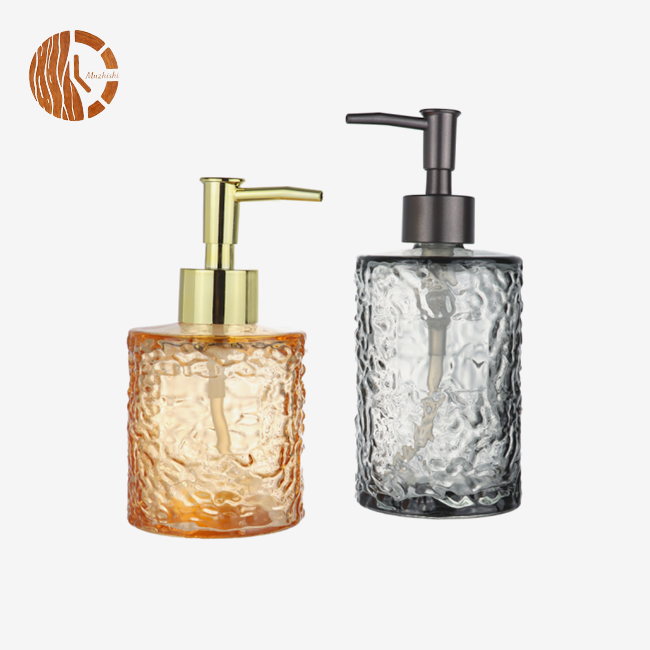
The choice of capacity has a direct effect on operations, shipping costs, and how customers use products. This 350ml capacity is the best size for most uses because it holds a lot of product while still being easy to handle (12.4cm height, 7.6cm diameter, 224.5g weight). Smaller capacities work better for travel-sized items and store displays that need to save room, while larger volumes are better for professional settings and people who don't want to refill their containers often. Case packing density is affected by the physical measurements, which in turn affects freight costs and the efficiency of warehouse storage. The procurement team should figure out the cost-per-milliliter for each capacity choice while taking into account the total landed cost, which includes the costs of shipping and storage.
Nozzle Selection and Functional Requirements
The choice of nozzle affects the user experience and the number of ways it can be used. Fixed nozzles give you regular spray patterns that work great for toners, setting sprays, and other products that need to be applied evenly. Adjustable nozzles are flexible because they let users change the spray pattern from a fine mist to a concentrated stream. However, this makes the mechanism more complicated and could lead to failure points. Lockable actuators keep batteries from discharging accidentally while they're being moved or stored, which is an important feature for goods that are sold online. The neck finish—usually 18/410, 20/410, or 24/410 threading—must match the pump mechanism you choose to make sure the seal is airtight and there are no leaks during shipping or use.
Material Standards and Compliance Requirements
Different markets have different international compliance standards, but they usually include information about the safety and efficiency of materials. Type III soda-lime glass is the standard in the industry for most home and beauty care uses. It is clear, resistant to chemicals, and doesn't cost too much. Hydrolytic resistance ratings (with HGB1 being the best) show how well the glass can handle being exposed to watery solutions over and over again without losing its surface. Teams in charge of buying things should make sure that suppliers show proof that their products meet the standards needed for the markets they want to reach. For example, FDA rules apply to products sold in the US, and EU cosmetics guidelines apply to products sold in Europe.
Maintenance and Longevity Factors
With proper care, the glass mist spray bottle will last longer and the spray will keep working well. Glass bottles can be cleaned over and over with regular cleaners without losing their shape or absorbing chemicals. The pump system needs to be cleaned every so often to keep residue from building up and changing the spray pattern. If a facility uses these bottles for refillable products, they should have cleaning procedures in place that include taking the actuator apart, rinsing it well with solvents that are suitable, and checking the spray pattern after putting it back together. These practices keep the high level of service that customers expect, minimize business disruptions, and cut down on product waste.
Comparing Glass Fine Mist Spray Bottles to Other Types: What Makes Them Ideal for B2B Procurement?
Performance and Cost Analysis
Glass bottles cost more to buy at first than plastic ones, but lifecycle research shows that they are worth the extra money. Plastic containers need to be replaced more often because they break down, but glass containers look good and keep their shape over time. The premium positioning glass often supports higher retail prices, which boosts profit margins and covers the costs of buying the glass. Chemical resistance gets rid of problems with product compatibility that happen with some types of plastic when they come in contact with harsh ingredients and break down or bend. Consistency in performance across a range of temperatures and storage conditions makes quality control easier and cuts down on customer complaints.
Sustainability and Environmental Responsibility
As more people ask brands to use eco-friendly packaging, environmental concerns are becoming more important in buying choices. Glass is good for the environment and helps with business responsibility efforts. The material can be recycled over and over again without losing any of its quality. Recycled glass has the same traits as new glass, so it can be used in the real circular economy. Refilling glass bottles is a natural way to cut down on single-use packaging waste and build long-term relationships with customers while also having the least possible impact on the earth. More and more people are worried about plastic pollution in ecosystems, and the lack of microplastic shedding helps ease those worries. People who care about the environment will like these sustainability credentials, and they will also help brands meet their business environmental goals.
Bulk Procurement Advantages
When B2B buyers buy in bulk, they get a lot of benefits. When you buy more of something, the cost per unit goes down by a lot. This can help you make more money or offer competitive prices in stores. When you ship multiple items at once, you save money on shipping costs and make the freight run more smoothly. The managing of inventory is made easier by streamlined logistics, which lowers the cost of administration and makes warehousing simpler. Long-term connections with suppliers that are built through regular large purchases often lead to priority production scheduling, better payment terms, and chances to work together on product development. Setting up reliable supply chains for standard parts while keeping some room for customization makes procurement more efficient, which improves a company's place in the market.
How to Source and Procure High-Quality Glass Fine Mist Spray Bottles?
Evaluating Supplier Credibility and Capabilities
Choosing a supplier is the most important choice in procurement. Companies that have been around for a while and have a track record of success have lower risk ratings than companies that are new to the market. With 20 years of experience making glass products, Xuzhou Muzhishi Crafts Co., Ltd. is a great example of a trusted business partner. Their wide range of services includes initial design advice, independent production, and global distribution. They offer unified solutions that make procurement easier. Standards for manufacturing and process controls are checked by certifications and quality documents. Self-operated import-export authorization and knowledge of international trade platforms such as Alibaba International are signs of being able to handle the logistics of deals across borders.
Customization Services and Brand Differentiation
With custom printing and finishing services, plain glass mist spray bottles can be turned into unique company assets. Different surface treatments make things look different, which helps people recognize and value a brand. When metal finishes are applied by hot pressing, they give the impression of luxury, which is right for high-end product lines. Screen printing makes images and text that lasts and can handle being handled and exposed to the elements. Inside engraving makes beautiful patterns that last forever and can't be taken off or damaged by wear and tear from the outside. Color coating fits brand palettes, making sure that packaging is the same across all of a company's products. With these customization options, brands can make their own unique packaging identities that help customers remember their goods in crowded stores.
Procurement Process and Timeline Management
Knowing the ordering parameters lets you make realistic plans for timelines and handle your inventory. If samples are available within three to five days, formula compatibility testing can be done before committing to large amounts of production. Minimum order amounts depend on the product specification and level of customization, which is done to balance the need for efficient production with the buyer's need for stock. Lead times depend on the number of orders, how customized they are, and how busy the factory is at the moment. Standard production takes a few weeks, while rush orders may cost more. Payment terms and conditions should be made clear from the start. For large orders, lines of credit or trade insurance can help lower the risk of the transaction. Professional export paperwork, like business invoices, packing lists, and certificates of origin, makes it easier to get goods through customs in a variety of regulatory settings.
Best Practices and Tips for Using and Maintaining Glass Fine Mist Spray Bottles
Proper Refilling and Cleaning Protocols
The right way to replace a spray bottle keeps it working and stops contamination. To keep chemicals from reacting or scents from getting messed up, bottles should be cleaned very well between formulations. Completely take apart the pump mechanism and rinse all of its parts with the right solvents. Isopropyl alcohol is good for getting rid of oil-based leftovers, while warm water is enough for getting rid of water-soluble ones. Let parts dry fully in the air before putting them back together to avoid problems caused by moisture. When you refill, don't put in more than the suggested amount. This can stop the pump from working properly and cause pressure imbalances. Before putting products into service or selling them in stores, make sure the spray pattern stays the same after refilling by trying it several times.
Avoiding Common Operational Pitfalls
A lot of people make mistakes that hurt the performance and life of bottles. Cross-threading while installing a pump hurts the neck finish threads and makes ways for leaks to happen. When you tighten pump systems too much, the glass necks can crack or the sealing parts can become deformed. Keeping bottles in places with very high or very low temperatures, or where the temperature changes quickly, can cause thermal stress that can break the bottles on their own. Putting bottles in full sunlight can break down some formulations and speed up the breakdown of plastic parts in the pump mechanism. If you don't clean it on a regular basis, residue will build up and finally clog the actuator nozzle, which will mean the whole pump assembly has to be replaced. Teaching employees the right way to handle things and setting up regular maintenance plans can stop these problems and make things last longer.
Optimizing Product Longevity and Performance
When you pack, use strategic operational methods to get the most for your money. As the bottles are being filled, quality control steps are used to find any broken ones before they reach the customers. Regularly testing the spray pattern finds problems with how it works quickly, so replacements can be made before customers complain. Both the glass and its contents are safe from environmental stresses when they are kept properly in climate-controlled areas. It is important that all buildings and workers follow the same rules when it comes to cleaning and restocking. It's worth it to spend money on glass packing because these steps keep things going smoothly, cut down on warranty claims, and keep up the high level of customer service.

Conclusion
To find the best glass mist bottle, you have to weigh technical requirements, supplier skills, customization options, and overall cost. Glass fine mist spray bottles are better at protecting products, looking good, and being good for the world than plastic alternatives. The 350ml volume makes it useful for a wide range of tasks, from cleansing to moisturizing, and the full range of customization options lets your brand stand out. Working with seasoned makers like Muzhishi guarantees quality, allows for easy customization, and offers professional export support that makes buying things from other countries easier. Investing in high-quality glass packaging improves the positioning of the brand, helps meet sustainability goals, and provides long-term value through durability and customer preference.
FAQ
Can essential oils be safely stored in glass mist bottles?
Absolutely. Glass represents the ideal material for essential oil storage because it prevents chemical interactions that plastic containers often experience. Essential oils contain potent volatile compounds that can dissolve certain plastics, compromising both container integrity and oil purity. Glass maintains complete chemical inertness, preserving therapeutic properties and aromatic profiles indefinitely.
What advantages do adjustable nozzles provide?
Adjustable nozzles offer application flexibility by allowing users to modify spray patterns between fine mist and concentrated stream. This versatility suits products used in different scenarios—broad coverage for body mists versus targeted application for spot treatments. The trade-off involves increased mechanical complexity, which may slightly reduce long-term reliability compared to fixed nozzles.
What lead times should we expect for customized bulk orders?
Standard production for customized orders typically requires 3-5 weeks after sample approval, depending on order volume and customization complexity. Sample bottles arrive within 3-5 days for compatibility testing. Rush production may be available at premium pricing for urgent requirements. Communication with suppliers early in your planning process ensures realistic timeline expectations.
Partner with Muzhishi: Your Trusted Glass Fine Mist Spray Bottle Manufacturer
Xuzhou Muzhishi Crafts Co., Ltd. brings two decades of glass manufacturing expertise to your packaging challenges. We specialize in premium glass fine mist spray bottles that combine functional excellence with aesthetic distinction. Our comprehensive ODM/OEM customization services—from initial design through global delivery—simplify procurement while ensuring your brand vision becomes reality. With self-operated export capabilities, complete documentation support, and dedicated account management, we eliminate the complexity of international sourcing. Local supplier partnerships reduce costs by 10-15% while accelerating delivery timelines. Contact us at long@muzhishi.com to discuss your specific requirements, request samples, or explore how our glass fine mist spray bottle solutions can elevate your brand positioning in competitive markets.
References
1. Smith, J. & Anderson, P. (2021). Sustainable Packaging Solutions for the Cosmetics Industry. International Journal of Packaging Technology, 34(2), 145-162.
2. Chen, L. (2020). Material Selection in Premium Product Packaging: A Comparative Analysis. Packaging Science Quarterly, 18(4), 78-95.
3. Robertson, G.L. (2022). Glass Packaging: Properties, Performance, and Sustainability. Cambridge: Woodhead Publishing.
4. Martinez, R. & Thompson, K. (2023). Fine Mist Atomization Technology in Consumer Products. Journal of Dispensing Technology, 12(1), 34-51.
5. European Cosmetics Association (2022). Guidelines for Primary Packaging Material Selection. Brussels: ECA Publications.
6. Williams, D. (2021). B2B Procurement Strategies in the Glass Manufacturing Sector. Supply Chain Management Review, 25(3), 112-128.

Our customers’ satisfaction speaks for our quality — contact us to experience the same reliable service.