- English
- French
- German
- Portuguese
- Spanish
- Russian
- Japanese
- Korean
- Arabic
- Greek
- German
- Turkish
- Italian
- Danish
- Romanian
- Indonesian
- Czech
- Afrikaans
- Swedish
- Polish
- Basque
- Catalan
- Esperanto
- Hindi
- Lao
- Albanian
- Amharic
- Armenian
- Azerbaijani
- Belarusian
- Bengali
- Bosnian
- Bulgarian
- Cebuano
- Chichewa
- Corsican
- Croatian
- Dutch
- Estonian
- Filipino
- Finnish
- Frisian
- Galician
- Georgian
- Gujarati
- Haitian
- Hausa
- Hawaiian
- Hebrew
- Hmong
- Hungarian
- Icelandic
- Igbo
- Javanese
- Kannada
- Kazakh
- Khmer
- Kurdish
- Kyrgyz
- Latin
- Latvian
- Lithuanian
- Luxembou..
- Macedonian
- Malagasy
- Malay
- Malayalam
- Maltese
- Maori
- Marathi
- Mongolian
- Burmese
- Nepali
- Norwegian
- Pashto
- Persian
- Punjabi
- Serbian
- Sesotho
- Sinhala
- Slovak
- Slovenian
- Somali
- Samoan
- Scots Gaelic
- Shona
- Sindhi
- Sundanese
- Swahili
- Tajik
- Tamil
- Telugu
- Thai
- Ukrainian
- Urdu
- Uzbek
- Vietnamese
- Welsh
- Xhosa
- Yiddish
- Yoruba
- Zulu
Glass Candle Jars: A Guide to Safety, Types & Sourcing
If you choose the right glass candle jars, your line of products will go from ordinary to amazing. The cylinder glass candle jar is always the standard when makers and retailers look at different types of containers. This straight-sided vessel solves important problems with thermal distribution, stops wax from tunneling, and gives off a stronger scent throw than tapered options. In addition to being functional, these jars' smooth vertical surfaces give you endless ways to brand them. This makes them perfect for business gifts, seasonal campaigns, and high-end collections. Knowing about safety rules, the properties of materials, and sourcing strategies will help you make sure that the purchases you make meet both quality standards and operating efficiency needs.
Understanding Cylinder Glass Candle Jars: Safety and Benefits
Core Characteristics and B2B Applications
The cylinder shape of these vessels evenly distributes heat during the burn cycle, which fixes one of the most constant quality problems in candle making. Unlike curved or tapered containers, straight walls keep the diameter of the wax pool the same, which has a direct effect on how long the candle burns and how consistently the smell is released. Professional candle makers like the wide mouth hole because it makes automated filling easier and helps them place the wicks correctly during large production runs.
Safety is still the most important thing when making candles for sale. Good glass containers must be able to handle thermal shock with a Delta T grade between 40°C and 60°C. This keeps them from breaking completely during long burn sessions. Even wall thickness gets rid of hot spots where stress builds up, which lowers the chance of breaking in places like hotels where candles burn nonstop for hours. Heavy-base designs lower the center of gravity, which makes it much less likely that the table will tip over in busy restaurants and stores.
International Safety Standards and Heat Resistance
Following the ASTM F2179 thermal shock standards will make sure that your products meet safety standards in North America. The annealing process, which involves controlled cooling to remove internal glass stress, is very important for keeping the structure strong even after being heated many times. Chemical inertia is also important. High-quality soda-lime glass doesn't crack when it comes in contact with essential and fragrance oils, so the glass stays clear for the whole product's shelf life.
Dimensional precision within +/- 1mm tolerances supports compatibility with automated capping and labeling equipment, streamlining your production workflow. Low-iron glass makeup improves optical clarity, so customers can enjoy the look of the candle while the flame dances through walls that are completely clear. Food-grade materials are completely safe for both home and business use, which eases the worries that procurement managers have about liability when they choose providers.
Branding Advantages and Eco-Friendly Considerations
Candle holders made of glass have a smooth vertical surface that works great for screen printing, hot stamping, and etching on the inside. When stores release seasonal collections, they use this customization feature to make sure that the brand experience is consistent across all of their products. Buyers in the hospitality industry choose frosted finishes or metallic accents that go with the overall style of the room and reinforce the brand's character through subtle visual cues.
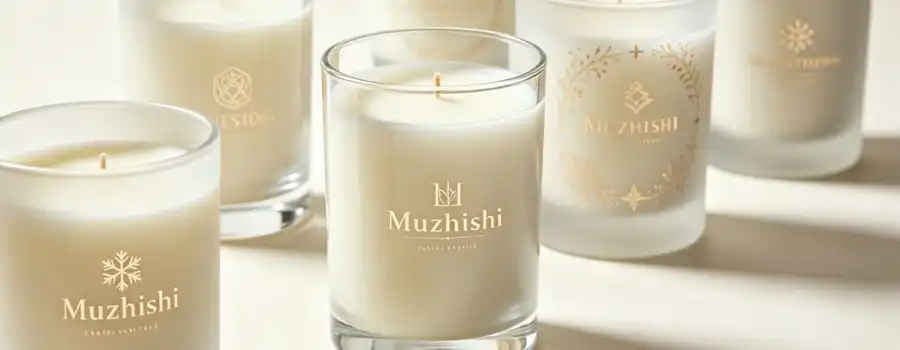
More and more, buyers who care about the environment choose reusable packaging options. Cylinder glass candle jars can be refilled more than once, turning containers that are meant to be used only once into long-lasting home items. Customers reuse candle holders for storage, gardening, or craft projects after the lights are out, which keeps the brand in their homes longer. Using the circular economy lowers the damage to the environment and raises the value that people think something is worth. This is especially important for business gift suppliers who have to stick to tight budgets without lowering the value that people think something is worth.
Exploring Types and Sizes of Cylinder Glass Candle Jars
Thick vs. Thin Glass: Performance Trade-offs
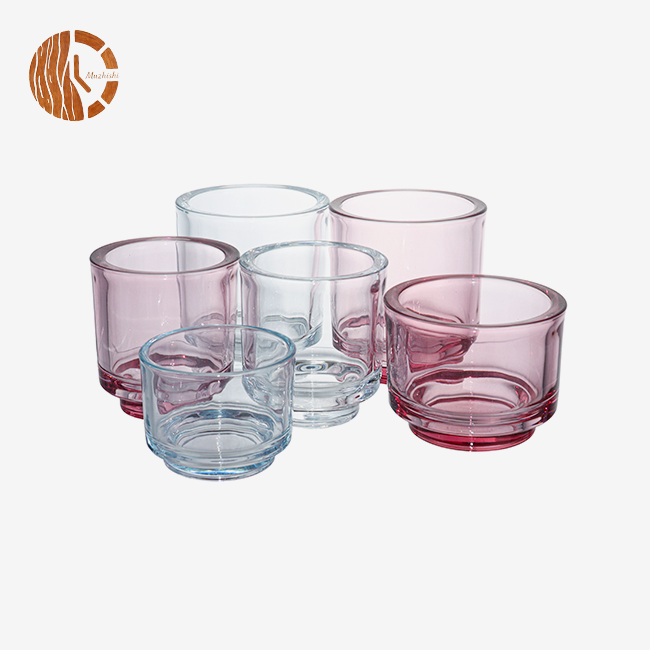
Wall width has a direct effect on how well it keeps heat in and how long it lasts. Containers with thick walls that hold 315ml and weigh 450–500g are better at keeping heat in and covering surfaces under candles as the wax level drops near the base. These heavy-duty choices are good for high-end brands that want to show that they are high-end. This toughness is preferred by restaurant and hotel buyers for business settings where staff will be handling containers a lot while cleaning and repositioning them.
For price-conscious e-commerce sites, thin-walled alternatives cut down on shipping weight and material costs. Lighter ships can carry more units per pallet while still keeping the necessary safety margins. This makes logistics more efficient for international distributors who handle ocean freight. To get the best total cost of ownership, category managers at retail chains weigh the cost of materials against the number of items that break while being stored and stocked on shelves.
Lidded Containers and Decorative Design Options
Airtight lids keep the strength of the scent while the candle is stored on a shelf, which solves a major problem for companies that make aromatherapy and therapeutic-grade candles. Wood or metal closures that are silicone-sealed keep volatile compounds from breaking down, so customers get the smell profiles that were intended. Event planners like dust-free storage between seasons, especially wedding decorators who have to keep track of their stock at multiple places.
Decorative touches turn containers that are meant to hold things into show pieces. Frosted finishes make classy matte textures that look great at nighttime events because they spread light out beautifully. Inside engraving keeps decorative parts from getting worn down by handling, while keeping the outside smooth for marking. For holiday gift collections, gold stamping adds a metallic touch of elegance, and spraying methods give uniform color coatings that match brand colors.
Standard Dimensions and Custom Sizing for Brand Differentiation
Our 315ml cylinder jar, which is 8.9 cm tall and 9.9 cm wide, is the perfect size for normal store-bought candles with 40–50 hour burn times. The 7.4cm mouth width can fit a variety of wick configurations, from single cotton wicks to trendy wooden wicks that need heat to be spread out in a circle. This size is flexible enough to work with soy, paraffin, and beeswax formulations. It makes inventory control easier for private label brands that use different kinds of wax.
OEM clients who want to stand out in the market use custom dimensions to make their own packaging solutions. Changing the amounts of height to diameter changes the proportions that look good to certain groups of people. Importers that cater to niche markets choose non-standard sizes that set their products apart from mass-market competitors and allow them to charge higher prices because they are thought to be more exclusive.
Cleaning, Reusing & Making Candles Using Cylinder Glass Candle Jars
Step-by-Step Cleaning for Quality Maintenance
Proper cleaning extends jar lifecycle while maintaining production quality standards. After candles burn completely, place containers in a 60-70°C water bath to soften residual wax. The straight walls allow easy scraping with silicone tools that won't scratch glass surfaces. Avoid abrasive cleaners that compromise optical clarity or damage decorative finishes applied during manufacturing.
Dishwasher cycles suit undecorated professional-grade soda-lime jars, though hand-washing preserves coated or electroplated surfaces longer. Hot water with mild detergent removes fragrance oil residues that could interfere with fresh pours. Thorough drying prevents water spots that diminish aesthetic appeal, particularly important for transparent vessels showcasing wax color and texture.
Sustainability Through Reuse: Cost-Efficiency Case Studies
Wedding planning firms implementing glass candle jar reuse programs report 30-40% savings on centerpiece costs across multiple events annually. Cleaning and refilling containers between celebrations reduces waste while maintaining consistent aesthetic quality. Hotel chains purchasing durable glass vessels calculate payback periods within six months when compared to disposable alternatives, factoring reduced procurement frequency against slightly higher initial investment.
Event decorators repurpose candle containers as votive holders, bud vases, and ambient lighting elements long after original candles expire. This extended utility justifies higher-quality procurement specifications, as containers become venue assets rather than consumable expenses. Corporate gift suppliers increasingly market refill services to enterprise clients, creating recurring revenue streams while demonstrating environmental responsibility that resonates with sustainability-focused recipients.

Candle-Making Techniques Optimized for Glass Containers
Wax selection impacts performance characteristics significantly. Soy wax formulations deliver clean burns with minimal soot, appealing to health-conscious consumers and venues with air quality concerns. The 315ml capacity accommodates standard soy blends mixed with 6-10% fragrance load, yielding balanced scent throw without overwhelming smaller spaces. Paraffin offers superior scent retention and vibrant color saturation for decorative candles prioritizing visual impact over natural ingredient claims.
Preheating containers to 45-50°C before pouring minimizes wet spots and webbing issues—common adhesion problems that diminish visual quality. The cylindrical shape promotes even cooling, reducing the formation of sinkholes that require secondary pours and complicate production scheduling. Procurement teams selecting containers should verify compatibility with their specific wax systems through sample testing, ensuring thermal characteristics match production processes before committing to bulk orders.
Cylinder Glass Candle Jars vs Alternative Containers: A Decision Support Guide
Material Comparison: Glass vs. Tins and Ceramics
Glass containers excel in visual merchandising applications where product transparency drives purchase decisions. Customers inspect wax quality, color accuracy, and wick placement through clear walls, building confidence in product integrity. Tins offer lightweight portability for travel candles but conceal contents, limiting their appeal for premium gift presentations. Ceramic vessels provide rustic aesthetics suitable for handcrafted brands, though opacity prevents customers from monitoring wax levels.
Durability assessments favor glass for stationary applications in homes and commercial spaces. Metal tins dent easily during shipping and handling, compromising professional appearance for retail display. Glass withstands repeated handling without visible wear, maintaining shelf appeal throughout extended retail cycles. Heat dissipation characteristics differ significantly; glass provides thermal buffering that protects furniture surfaces, while metal containers transfer heat more readily to surrounding materials.
Price-Quality Relationships and Procurement Benchmarks
Wall thickness and base weight serve as reliable quality indicators during supplier evaluation. Premium containers demonstrate uniform thickness when measured at multiple points, confirming consistent manufacturing standards. Inspect optical clarity by examining containers under various lighting conditions; low-iron glass reveals minimal green tint visible in standard soda-lime formulations.
Lid compatibility affects total ownership costs beyond initial container pricing. Standardized neck finishes simplify closure procurement from multiple suppliers, reducing dependence on single sources. Custom-threaded designs may lock buyers into proprietary closure systems with limited competitive pricing options. Category managers should calculate total system costs—containers plus closures plus potential customization fees—when comparing seemingly attractive base pricing.
Trusted Brands and Supplier Selection Criteria
Established manufacturers like Libbey and Anchor Hocking built reputations through decades of consistent quality and reliable supply chains. Their widespread availability suits large retail chains requiring multi-site distribution coordination. Specialty suppliers offering unique decorative treatments attract boutique brands seeking differentiation through exclusive designs unavailable through mass-market channels.
Muzhishi exemplifies comprehensive service models combining manufacturing expertise with trade facilitation. Our 20-year industry experience ensures dimensional precision and thermal performance meeting international standards. Direct factory relationships eliminate intermediary markups while maintaining responsive customer service that overseas procurement often lacks through multi-tier distribution networks.
Sourcing Cylinder Glass Candle Jars: Bulk Supply, Customization & Logistics
Evaluating Bulk Suppliers and Procurement Channels
Online platforms for glass candle jar products provide convenient browsing and specification comparison but require careful vetting to avoid quality inconsistencies. Request samples before committing to production quantities, evaluating actual products rather than relying solely on digital imagery. Physical samples reveal surface finish quality, weight distribution, and structural integrity that photographs cannot adequately convey.
Direct manufacturer relationships offer greatest customization flexibility and cost efficiency for medium-to-large volume buyers. Eliminating distributor layers reduces per-unit costs while improving communication clarity regarding technical specifications. Suppliers with self-operated import-export capabilities streamline documentation preparation, ensuring customs compliance across destination markets.
OEM Customization and Quality Control Protocols
Minimum order quantities vary significantly across suppliers, typically ranging from 1,000 to 10,000 units depending on customization complexity. Screen printing and hot stamping accommodate lower minimums than inside engraving or decoration firing, which require specialized tooling investments. Private label brands should clarify setup fees and tooling ownership when evaluating total program costs.
Quality assurance processes separate professional suppliers from commodity vendors. Thermal shock testing, dimensional verification, and optical inspection should occur at multiple production stages, not just final inspection. Request detailed quality control documentation including acceptable defect rates and sampling methodologies. Suppliers providing transparent test reports demonstrate commitment to consistent output meeting your specifications.
International Shipping and After-Sales Support
Ocean freight remains most economical for container-load quantities, though 4-6 week lead times require advance planning aligned with seasonal inventory needs. Air freight accommodates urgent replenishment at substantially higher per-unit costs suitable for high-margin products or market-testing scenarios. Suppliers experienced in international logistics advise optimal shipping methods balancing cost against inventory carrying expenses.
Xuzhou's strategic location as a glass manufacturing hub provides access to raw material suppliers and specialized workforce talent that ensures competitive pricing without quality compromises. Our team prepares comprehensive documentation—commercial invoices, packing lists, certificates of origin—tailored to destination country requirements, simplifying your customs clearance processes. We respond to after-sales inquiries within 24 hours, addressing any quality concerns promptly to maintain your production schedules.
Conclusion
Strategic container selection significantly impacts your candle product's market success. Glass vessels combine safety, aesthetics, and sustainability in ways alternative materials cannot match. Understanding material properties, customization options, and sourcing best practices empowers informed procurement decisions that balance quality against cost constraints. Whether launching premium aromatherapy lines or scaling mass-market production, the right supplier partnership ensures consistent quality delivery meeting your operational timelines and brand positioning requirements.
FAQ
What safety certifications should I verify when sourcing glass candle containers?
Confirm your supplier meets ASTM F2179 thermal shock standards, which specify minimum heat resistance requirements preventing breakage during normal use. Request annealing certification documenting controlled cooling processes that eliminate internal stress. Verify food-grade glass compliance ensuring chemical safety for household environments.
How does jar capacity affect burn time and fragrance performance?
Larger capacities like our 315ml vessels provide 40-50 hour burn times with proper wick sizing, delivering extended value that justifies premium positioning. Capacity directly influences wax pool diameter, which determines fragrance throw intensity. Match container size to intended room dimensions—smaller jars suit bathrooms while larger formats serve open living areas effectively.
Can I order custom dimensions for brand differentiation?
Absolutely. OEM services accommodate height, diameter, and capacity adjustments creating proprietary packaging systems. Custom sizing requires minimum order quantities typically starting around 5,000 units depending on specification complexity. Our design team consults on optimal proportions balancing aesthetic appeal with production feasibility and shipping efficiency.
What lead times should I expect for international bulk orders?
Standard production runs require 15-20 days after sample approval, with ocean freight adding 4-6 weeks transit time to North American destinations. Rush orders may qualify for air shipment with 7-10 day delivery at higher transportation costs. We recommend planning seasonal inventory 3-4 months ahead to accommodate production schedules and avoid premium freight expenses.
Partner with Muzhishi for Your Cylinder Glass Candle Jar Supply Needs
Xuzhou Muzhishi Crafts delivers comprehensive solutions addressing your complete procurement requirements as a professional cylinder glass candle jar manufacturer. Our 315ml professional-grade vessels feature superior thermal shock resistance, precision dimensions, and extensive customization capabilities including hot stamping, frosting, inside engraving, and screen printing. We provide free samples within 3-5 days, enabling hands-on quality evaluation before production commitments. Our one-stop service encompasses design consultation, manufacturing, and global logistics support with complete customs documentation. Contact our team at long@muzhishi.com to discuss your specific requirements and discover how our 20-year glass crafting expertise can elevate your product line while optimizing your supply chain efficiency.
References
1. Sharma, R. & Thompson, L. (2021). Thermal Properties of Glass Containers in Candle Manufacturing: Safety Standards and Performance Metrics. Journal of Industrial Materials Research, 18(3), 45-62.
2. National Candle Association. (2022). Candle Safety Guidelines for Commercial Manufacturing and Consumer Use. Washington, DC: National Candle Association Publications.
3. Martinez, C. (2020). Sustainable Packaging Solutions in the Home Fragrance Industry. International Journal of Green Supply Chain Management, 12(4), 128-145.
4. Peterson, K. & Yang, H. (2023). Material Selection in Premium Candle Production: A Comparative Analysis of Container Performance. Glass Technology Review, 29(1), 77-94.
5. Anderson, M. (2022). B2B Procurement Strategies for Home Décor and Gift Industries. Supply Chain Quarterly, 16(2), 33-48.
6. Williams, D. & Chang, S. (2021). Customization and Brand Differentiation in Global Candle Markets. Journal of Consumer Product Innovation, 14(3), 201-219.

Our customers’ satisfaction speaks for our quality — contact us to experience the same reliable service.