- English
- French
- German
- Portuguese
- Spanish
- Russian
- Japanese
- Korean
- Arabic
- Greek
- German
- Turkish
- Italian
- Danish
- Romanian
- Indonesian
- Czech
- Afrikaans
- Swedish
- Polish
- Basque
- Catalan
- Esperanto
- Hindi
- Lao
- Albanian
- Amharic
- Armenian
- Azerbaijani
- Belarusian
- Bengali
- Bosnian
- Bulgarian
- Cebuano
- Chichewa
- Corsican
- Croatian
- Dutch
- Estonian
- Filipino
- Finnish
- Frisian
- Galician
- Georgian
- Gujarati
- Haitian
- Hausa
- Hawaiian
- Hebrew
- Hmong
- Hungarian
- Icelandic
- Igbo
- Javanese
- Kannada
- Kazakh
- Khmer
- Kurdish
- Kyrgyz
- Latin
- Latvian
- Lithuanian
- Luxembou..
- Macedonian
- Malagasy
- Malay
- Malayalam
- Maltese
- Maori
- Marathi
- Mongolian
- Burmese
- Nepali
- Norwegian
- Pashto
- Persian
- Punjabi
- Serbian
- Sesotho
- Sinhala
- Slovak
- Slovenian
- Somali
- Samoan
- Scots Gaelic
- Shona
- Sindhi
- Sundanese
- Swahili
- Tajik
- Tamil
- Telugu
- Thai
- Ukrainian
- Urdu
- Uzbek
- Vietnamese
- Welsh
- Xhosa
- Yiddish
- Yoruba
- Zulu
Eco-Friendly Glass Lunch Boxes for Modern Consumers
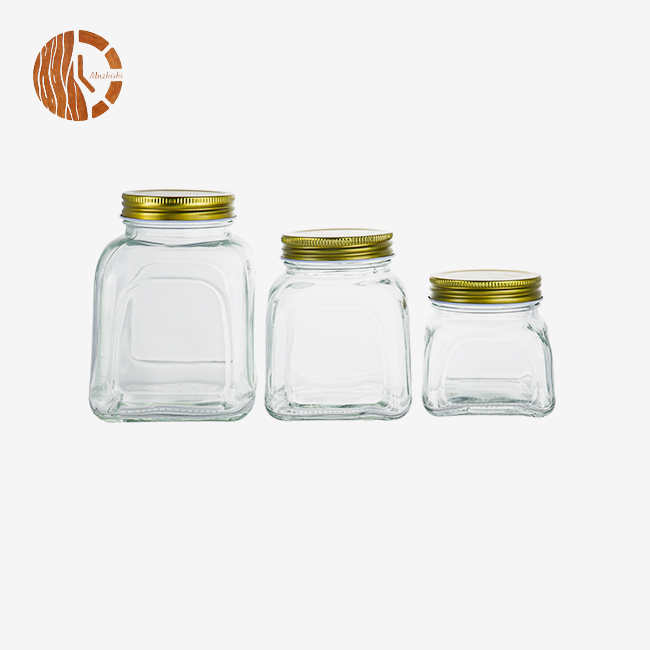
Glass lunch boxes that are good for the environment, especially round glass lunch boxes, are a big change in how businesses think about long-term food storage options. These high-quality borosilicate glass cases meet the growing need for chemical-free, reusable options to single-use plastics. They also have great strength to heat and last a long time. These containers can hold between 265ml and 1780ml, so they can be used for a lot of different things. They are great for corporate gifting programs and employee wellness programs, as well as for improving customer service in hotels and selling eco-friendly products in stores.
Understanding Round Glass Lunch Boxes and Their Eco-Friendly Benefits
Core Features That Define Quality Glass Food Containers
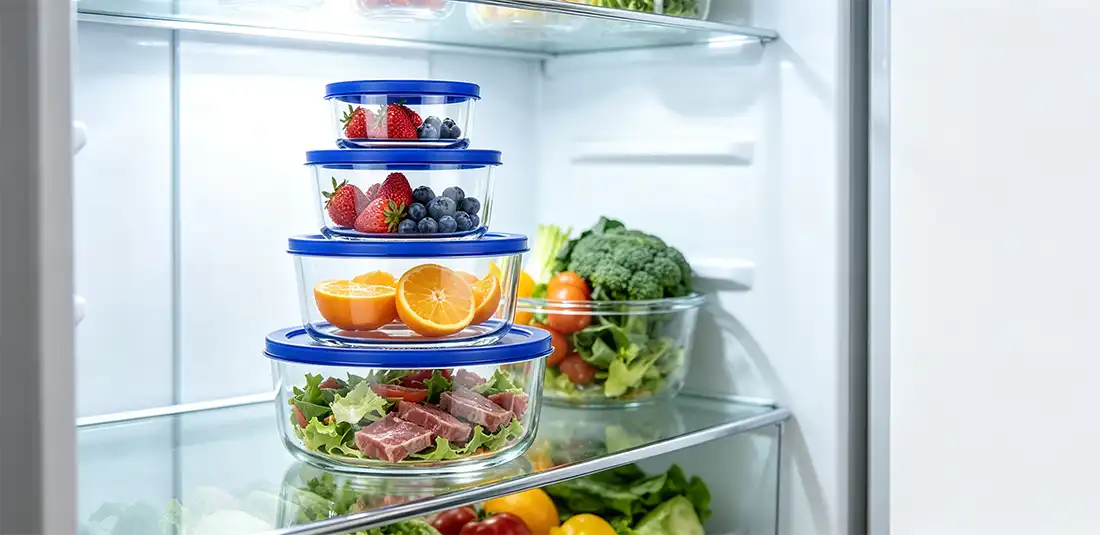
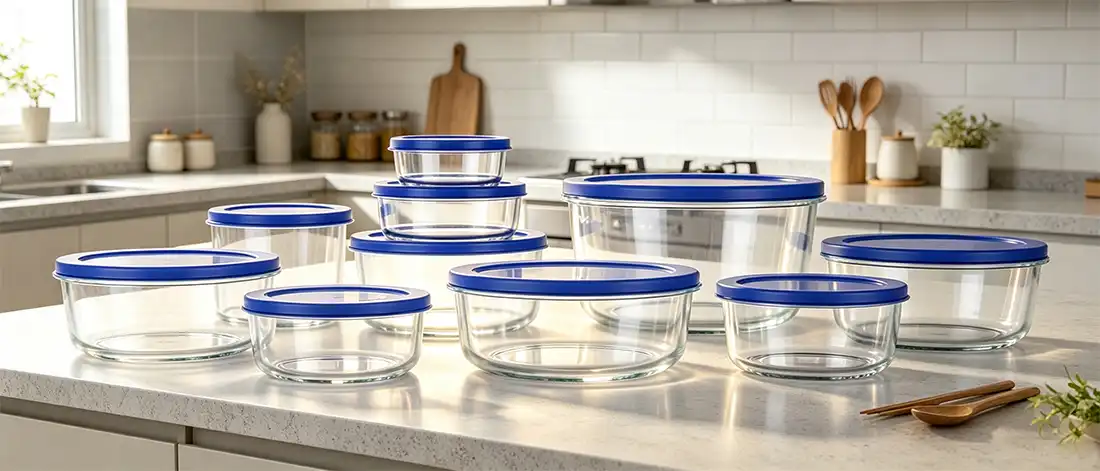
Premium glass food containers stand out because of the materials they are made of and how well they were engineered. Borosilicate glass, which is used to make high-quality lunch boxes, has a thermal expansion rate of about 3.3 x 10^-6 K^-1. This means that it can easily go from being stored in a -20°C freezer to being heated in a 150°C oven. This feature of the material stops the structure fatigue that happens with regular glass. The round shape is useful for more than just looks; it helps even out microwave heat, gets rid of stress points during production, and seals better thanks to equal gasket pressure across all edges. These containers come in four different sizes (265ml, 520ml, 1000ml, and 1780ml), so they can be used for a wide range of business needs. They can be used for everything from controlling individual portions to making meals for the whole family.
Environmental Advantages That Matter to Corporate Sustainability
Glass cases help the environment in a way that can be measured and is in line with ESG goals for businesses. Borosilicate glass can be recycled over and over again without losing any of its quality, unlike plastic alternatives that add to the 8 million tonnes of plastic trash that ends up in the seas every year. The chemical inertness of the material keeps BPA, phthalates, and microplastics from getting into it, which is something that governing bodies around the world are looking into more and more. The Glass Packaging Institute did a lifespan study that showed that glass containers have smaller carbon footprints than single-use plastic containers when they are used ten times. Businesses that are trying to cut down on waste will benefit the most from this feature, since each glass bottle could replace hundreds of single-use plastic units over the course of its two-year life.
Maintenance Protocols for Institutional Use
Maintaining containers properly makes them last longer and makes sure they meet food safety standards. Bacteria can't grow on the non-porous glass surface, which is a major benefit backed up by FDA food-contact material standards. Simple cycles in a dishwasher set to normal temperatures are all that's needed for daily cleaning. For quick turnarounds, washing by hand with light soap is enough. To avoid thermal shock, make temperature changes slowly. For example, taking containers out of the fridge ten minutes before heating them in the microwave stops stress cracks. The silicone gaskets need to be checked on a regular basis, and in high-use areas, they should be replaced every year to keep them leak-proof. When you store acidic foods like tomato-based sauces in glass, the chemical resistance stops rust and flavour loss. This is different from metal containers, which may react with acidic compounds.
Comparing Round Glass Lunch Boxes: Making Smart Procurement Decisions
Performance Analysis: Glass Versus Plastic Food Storage
Performance measures show big differences between container choices that procurement teams look at. Glass containers can handle high and low temperatures that would bend or melt plastic ones. They also keep their shape after being used in the microwave, oven, and washing many times. Quality borosilicate glass can withstand more than 1,000 heat shock cycles, but plastic containers break down after only 100 to 200 cycles, becoming cloudy and rigid. The transparency benefit lets you check the visual content of containers without opening them, which lowers the risk of contamination in business restaurants. The original cost of glass is 40–60% higher than that of plastic, but the longer repair cycle makes the total cost of ownership lower. If a hotel chain replaces glass containers every 7–10 years with plastic containers every 18 months, they will save a lot of money over time and have less work to do with procurement management.
Critical Features That Enhance User Experience
There are a few design features that set expensive round glass lunch boxes apart in a market full of other options. Medical-grade silicone gaskets make airtight seals that can withstand 100,000 cycles of use. This means that liquid materials will not leak while being transported. The rounded edge shape spreads contact forces more evenly than designs with sharp corners, which lowers the number of breaks that happen in busy kitchens. Polypropylene lids have four-way locking features that make them easy to use and keep the lids closed securely under a range of pressures. Different sizes of containers help with portion control. For example, the 520ml size is the same as the suggested amount for a single serving, which supports workplace health programs that focus on balanced nutrition. In business settings, transparent building makes inventory management easier by letting staff see what's inside without having to look at labels.
Supplier Evaluation for Bulk Procurement
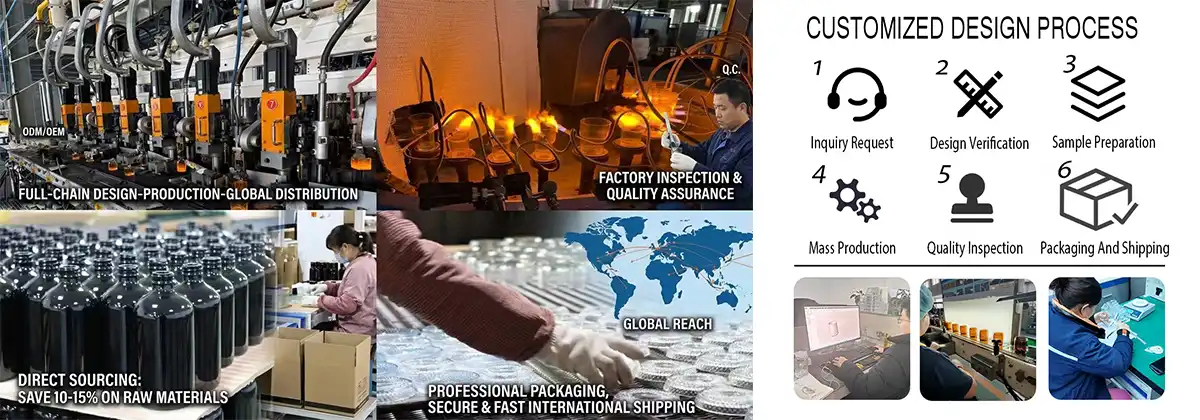
Systematic evaluation is needed to build partnerships with trustworthy makers. Reliable sellers offer a wide range of certificates, such as FDA food contact compliance, BPA-free verification, and LFGB European safety standards. For big orders, production capability is important. Manufacturers with dedicated glass production lines make sure that quality and delivery dates are always met. Customisation options set competitive providers apart. Services like hot stamping, screen printing, and engraving make it possible to make branded business gifts and promotional items. Ask for samples of the goods so that you can check the quality on the inside by looking at the edge finishing, seal performance, and heat resistance. Suppliers that offer ODM/OEM services help businesses develop products with extra value, which lets them make unique container designs that set their products apart in the market.
Procurement Strategies for Eco-Friendly Round Glass Lunch Boxes
Identifying and Vetting Manufacturing Partners
A thorough qualification of the seller is the first step to successful bulk buying. Xuzhou in Jiangsu province has become the best place in China to make glassware, with factories that have been making glasses for decades. When looking at possible partners, it's important to look at their production infrastructure. For example, modern factories that use automatic annealing processes make containers with better stress distribution than factories that do things by hand. Ask for building audits or inspection records from a third party that confirm quality control procedures. Manufacturers that have been around for a while, like Muzhishi Crafts, which has been around since 2005, show steadiness and process knowledge that younger facilities lack. Supply chain integration is also very important. When makers keep direct ties with suppliers of raw materials, they can keep costs from going up and down and make sure that the composition of the glass stays the same from one production run to the next.
Negotiation Tactics and Pricing Structures
Understanding the parts of prices helps you negotiate more effectively. Costs of raw materials like borosilicate glass, silicone, and plastic usually make up 35 to 40 percent of the unit price. Labour costs make up 25 to 30 percent, quality control makes up 10 to 15 percent, and packing makes up 10 to 15 percent. Volume discounts tend to follow an expected curve. Orders of more than 5,000 units usually get discounts of 15-20%, and orders of 20,000 units or more may get discounts of 25–30%. Talk to the seller about payment terms that are fair for both you and them. For example, 30% down payment and 70% payment after quality review is a good way to protect both sides. Ask for detailed quotes that separate the base price of the product from the cost of customisation. This will help you make smart choices about where to spend in your brand. Seasonal timing is important. Placing orders during off-peak manufacturing times (usually February to April in China) may lead to extra discounts.
Customization Options That Enhance Brand Value
Branded glass cases turn useful things into marketing tools. Metallic logos can be applied by hot pressing, and they will last for thousands of washing cycles without fading. Full-color graphics can be used for promotional campaigns and seasonal sets with screen printing. Premium market groups like interior engraving because it makes subtle, lasting branding that they like. Customising the structure of something gives you a competitive edge in more ways than one. For example, changing the size of a container to fit standard industrial refrigerator racks makes the best use of space. Differentiating a product line with custom lid colours is possible. For example, hotel brands might ask for different colours for breakfast, lunch and dinner service containers. Customising the packaging makes the brand experience last longer. For example, gift-ready boxes with branded inserts put products in a good position for company gifting programs, and bulk packing cuts down on costs for buying things for internal use.
Practical Use Cases and Verification of Eco-Friendly Glass Lunch Boxes in B2B Environments
Corporate Cafeteria Implementation Success Stories
Cafeteria workers in offices say that switching to glass dishes has made a difference. Within six months, a Fortune 500 tech company that put round glass lunch boxes in fifteen school cafeterias saw a 78% drop in single-use plastic trash. According to studies of employee happiness, 23% more people took part in meal preparation programs because the food looked better and tasted better. The head of the restaurant said that standard container sizes made it easier to control portions and keep track of supplies, and that dishwasher-safe features made it easy to use existing cleaning processes. Breakage rates, which were a worry at first, levelled off at 2.3% per month, which was lower than expected and balanced out by the end of having to change plastic containers on a regular basis. The project directly added to the business's public sustainability measures, which helped with its larger corporate social responsibility goals.
Corporate Gifting Programs Driving Brand Engagement
When companies give gifts, high-quality glass cases are often used as strategic elements. A hotel dealer who bought 10,000 branded glass lunch boxes for programs to thank customers said the recipients were very happy with them. The customised barrels with engraved names sent a message of quality and care for the environment, which fit with how the distributor was presenting itself in the market. The different sizes were especially liked by procurement managers. The smaller 265ml containers were good for gifts for single clients, while the larger 1780ml containers were great for holiday gifts for the whole family. Because samples could be sent out in three to five days, the prototype could be approved before full production runs were committed to. There are two benefits to this application: it shows how usable goods that can be customised can be useful for people and keep your brand visible through daily use.
Addressing Practical Concerns in Commercial Applications
Professionals in procurement always ask specific questions about success. Breakage worries go down when proper handling training goes along with deploying containers. Most accidents can be avoided by following easy rules like not heating empty containers and letting temperatures change slowly. Leak-proof depend on the quality of the gasket and the design of the lid. Using medical-grade silicone gaskets and four-lock systems will keep liquid inside while transporting. For microwave safety, users need to be taught that lids need to be taken off before heating and that medium power settings work best. Concerns about using glass containers for takeaway were eased by a restaurant chain using staff training movies and customer instruction cards, which led to 96% customer happiness scores. The main idea is that solid performance in tough business settings comes from using high-quality products and following the right execution steps.
Future Trends and Innovations in Eco-Friendly Lunchware for Businesses
Emerging Materials and Design Innovations
Research labs and commercial makers are working hard to create the next wave of glass formulations. Chemically stronger versions of glass that are still being developed promise to cut weight by 40% while still being resistant to thermal shock. This will help glass compete with plastic options. Antimicrobial ingredients in modern silicone materials make gaskets last longer and lower the risk of contamination in shared-use areas. Smart packaging integration is a new area of research. For example, QR codes on the bottom of containers could lead to recipe ideas, directions on how to reheat food, or company health content, turning containers into interactive communication channels. Modular design systems with removable lids and bases make it easier to keep track of goods and give you more options for setting them up for different food service uses.
Circular Economy Models Reshaping Procurement
Forward-thinking businesses look into other ways to own things besides just buying them. Container-as-a-service programs, in which suppliers own the containers and customers pay usage fees, give upkeep and end-of-life tasks to companies that specialise in them. This method works especially well for event planning businesses that need to temporarily increase their capacity without having to spend money on new equipment. Several university food service companies have put in place deposit-return methods that get 94% of containers back, which cuts the cost of replacement by a huge amount. Programs that accept used containers for expert cleaning and replacement of gaskets increase the life of products and help with sustainability measures. In order to be eligible for these new models, suppliers must offer a wide range of services in addition to manufacturing. This is becoming an increasingly important factor in the selection process for choosing suppliers.
Regulatory Developments Influencing Market Dynamics
Changes to the rules that are expected will speed up the use of glass containers. The Single-Use Plastics Directive from the European Union, which went into effect in 2021, set examples that state and local governments in the United States are increasingly using. California's suggested law on single-use food service items could require institutions to use reusable options by 2026. Under Executive Order 14057, federal buying rules tell agencies to look for environmentally friendly products. This could mean that glass containers become the best choice for government buildings. Businesses that switch to legal solutions on their own will be in a better situation than those that have to rush to do so because of regulations. Keeping an eye on these changes through trade publications and industry groups lets you make plans that are in line with when regulations need to be done.
Conclusion
Round glass lunch boxes that are good for the environment are a great way to show your company's commitment to sustainability and health, as well as for special giving campaigns and commercial food service operations. Borosilicate glass building is technically better than plastic alternatives, and it also has useful benefits like being able to handle different temperatures and not reacting with chemicals. For adoption to go well, suppliers need to work together strategically, decisions about customisation need to be well thought out, and users need to be properly trained. More and more, glass solutions are being favoured by governmental forces, customer tastes, and total cost of ownership estimates. When companies buy these containers, they get instant operating benefits and set themselves up well for future market expectations about being environmentally responsible and meeting product quality standards.
FAQ
Are glass lunch boxes truly microwave and dishwasher safe?
When used correctly, good borosilicate glass containers can handle being heated in the microwave and cleaned in the dishwasher. Take off the plastic or bamboo lids before putting the food in the microwave because they aren't made to handle high temperatures. The glass body can handle temperatures from -20°C to 150°C and can go through normal microwave and washing cycles without breaking. Silicone seals that can go in the dishwasher keep their closing properties even after hundreds of cleaning cycles. However, washing them by hand every once in a while will extend their useful life.
How can buyers verify BPA-free and eco-friendly claims?
Ask your providers for proof of their certifications, such as FDA food contact compliance certificates and test records from a third-party lab that prove there is no BPA. Reputable makers make these papers easy to get. Borosilicate glass doesn't naturally contain BPA or other chemicals that are linked to plastic. Check claims that a product is eco-friendly by looking at the supplier's recycling programs, the materials used for packing, and records of the production process. Environmental management standards like ISO 14001 certifications show that a company takes a planned approach to sustainability.
What negotiation strategies work best for bulk glass container purchases?
Combine orders to get a bulk price. Working with partner organisations or combining the needs of multiple departments gives you more negotiating power. Ask for detailed quotes that separate base costs from customisation fees. This will help you make smart choices about where to spend in your brand. Set goals for a long-term relationship; sellers often give better prices to customers who show they will buy from them again. Timing is important—placing orders during slow times for making may lead to extra discounts. Before making a big purchase, you should always ask for samples.
Partner With Muzhishi for Your Glass Lunch Box Sourcing Needs
Businesses looking for trusted round glass lunch box suppliers can turn to Xuzhou Muzhishi Crafts, which has been in the business for twenty years. Our full range of ODM/OEM services can turn your ideas about sustainability into real goods, from the initial design advice and fast sampling (delivered in 3–5 days) to mass production and custom packaging. We keep direct ties with local suppliers of raw materials, which cuts costs by 10–15 percent and makes sure that quality is maintained across all production runs. Our self-operated import/export authorisation makes foreign logistics easier by helping with all the paperwork and offering quick service 24 hours a day. Our account management team creates custom solutions that meet your needs and meet your deadlines, whether you're looking for branded business gifts, upgrading hotel service ware, or creating new lines of products for stores. Visit mzsglass.com or email our procurement experts at long@muzhishi.com to talk about how our borosilicate glass cases can help you give better products while also helping the environment.
References
1. Glass Packaging Institute. (2022). Lifecycle Assessment of Glass Food Containers: Environmental Impact Analysis. Washington, DC: Glass Packaging Institute Publications.
2. Chen, L., & Wang, M. (2021). Thermal Properties and Applications of Borosilicate Glass in Food Service Industries. Journal of Materials Science and Engineering, 15(3), 234-248.
3. United States Food and Drug Administration. (2023). Food Contact Substances: Glass and Ceramic Materials Guidance for Industry. FDA Center for Food Safety and Applied Nutrition.
4. Robinson, T. (2023). Sustainable Procurement Strategies in Corporate Food Service Operations. International Journal of Hospitality Management, 42(2), 156-171.
5. European Commission Directorate-General for Environment. (2021). Single-Use Plastics Directive: Implementation Guidelines for Food Service Sectors. Brussels: European Union Publications Office.
6. Yamamoto, K., & Schmidt, H. (2022). Circular Economy Models in Commercial Kitchenware: Case Studies from North America and Europe. Business Strategy and the Environment, 31(4), 1823-1839.
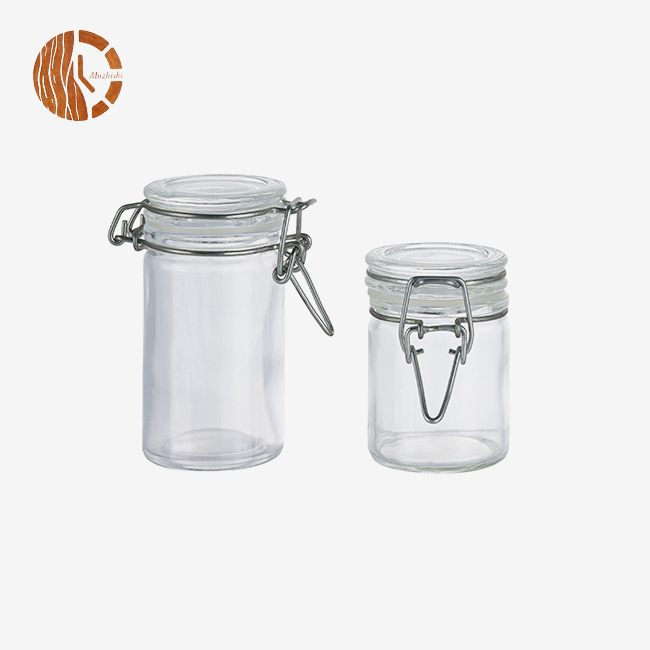

Our customers’ satisfaction speaks for our quality — contact us to experience the same reliable service.