- English
- French
- German
- Portuguese
- Spanish
- Russian
- Japanese
- Korean
- Arabic
- Greek
- German
- Turkish
- Italian
- Danish
- Romanian
- Indonesian
- Czech
- Afrikaans
- Swedish
- Polish
- Basque
- Catalan
- Esperanto
- Hindi
- Lao
- Albanian
- Amharic
- Armenian
- Azerbaijani
- Belarusian
- Bengali
- Bosnian
- Bulgarian
- Cebuano
- Chichewa
- Corsican
- Croatian
- Dutch
- Estonian
- Filipino
- Finnish
- Frisian
- Galician
- Georgian
- Gujarati
- Haitian
- Hausa
- Hawaiian
- Hebrew
- Hmong
- Hungarian
- Icelandic
- Igbo
- Javanese
- Kannada
- Kazakh
- Khmer
- Kurdish
- Kyrgyz
- Latin
- Latvian
- Lithuanian
- Luxembou..
- Macedonian
- Malagasy
- Malay
- Malayalam
- Maltese
- Maori
- Marathi
- Mongolian
- Burmese
- Nepali
- Norwegian
- Pashto
- Persian
- Punjabi
- Serbian
- Sesotho
- Sinhala
- Slovak
- Slovenian
- Somali
- Samoan
- Scots Gaelic
- Shona
- Sindhi
- Sundanese
- Swahili
- Tajik
- Tamil
- Telugu
- Thai
- Ukrainian
- Urdu
- Uzbek
- Vietnamese
- Welsh
- Xhosa
- Yiddish
- Yoruba
- Zulu
Glass Bottle Colors Explained: Amber, Green, Blue & More
Decisions about glass packing affect the purity of products in all kinds of fields, from small skincare brands that need to protect delicate serums to hospitality companies that plan engaging experiences for their guests. When purchasing teams look at glass cases, color is more than just a matter of taste. The choice of amber, green, blue, or clear glass has a direct effect on the security of the formulation, how people see the business, and how well the supply chain works. When professionals are looking for colorful glass spray bottles, they need to know how different colors work in terms of UV protection, cost, and the ability to be customized. This way, they can make smart package choices that keep the product's effectiveness while strengthening their market place. This complete guide explains the science behind the colors of glass bottles and will help you choose packing that meets useful needs and tells an interesting visual story.
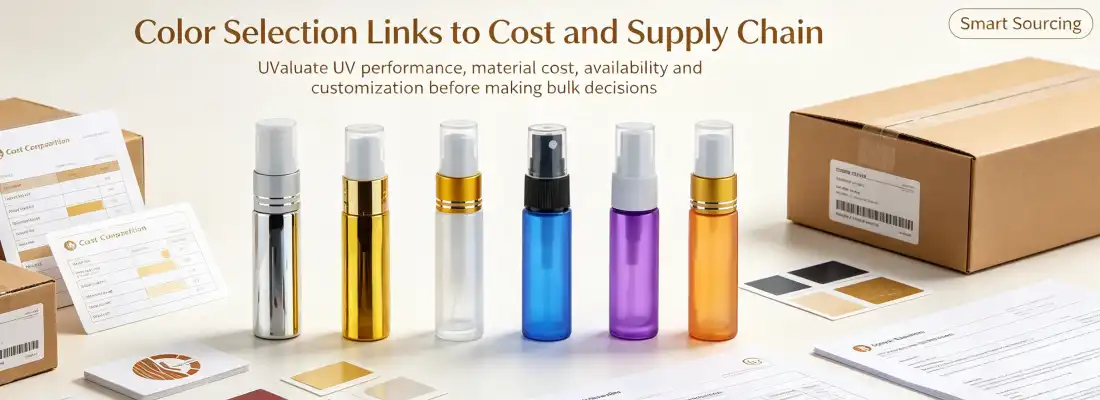
Understanding Glass Bottle Colors and Their Applications
The range of colors in glass packing comes from metal oxides that are added during production. The unique golden-brown color of amber glass comes from compounds of iron, sulfur, and carbon. These compounds form a barrier that blocks about 90% of light wavelengths below 450nm. This UV filtering is very important for flammable chemicals like those in essential oils, retinol treatments, and plant extracts that lose their effectiveness when exposed to light. Chromium and iron oxides are found in green glass, which blocks some light while keeping the glass's visual warmth. This is popular in Mediterranean product lines and plant formulas.
Blue glass's bright color comes from cobalt oxide. It's great for brand recognition, but it doesn't protect as well from UV light. Transparent glass lets you see the whole product, which is great when showing off a clear formula is a business benefit. Color psychology affects how people think about things at store touchpoints, in addition to scientific safety. Amber suggests natural authenticity, which fits with markets for organic beauty products, while cobalt blue suggests wealth, which fits with markets for high-end fragrance collections.
The Chemistry Behind Color Selection
The precise oxide ratios in soda-lime glass allow for controlled color creation. When metal alloys melt at temperatures above 1500°C, they spread out evenly in the silica material. The crystalline structure that forms blocks some wavelengths of light while letting others pass through. This makes walls that stop photodegradation. When purchasing goods from contract makers, procurement specialists should check spectral analysis reports that prove UV transmission rates. This is especially important for pharmaceutical-grade uses that need confirmed light resistance data.
Industry-Specific Color Preferences
Cosmetic companies use amber more for vitamin C serums and glycolic acid recipes because oxidation has a direct effect on how well the products work. As a way to keep photosensitive terpenes in lavender and citrus oils fresh longer, aromatherapy sellers like deep violet or amber tones. Gradients of blues and greens are often used by event designers to make wedding themes look good. In this case, the bottle itself becomes a work of art. Knowing these sector-specific tastes can help make sure that decisions about buying are in line with what customers want in the future.
Benefits of Using Colorful Glass Spray Bottles in B2B Markets
Three major problems that procurement managers have to deal with are formula preservation, environmental compliance, and brand differentiation. Colorful glass spray bottles solve all three of these problems. Glass stays completely inert, while plastic options can leak chemicals when they come into contact with strong plant extracts. Tests done by a third-party lab show that soda-lime glass keeps the bottle and its contents from reacting, even with high-pH solutions or alcohol-based cleaners.
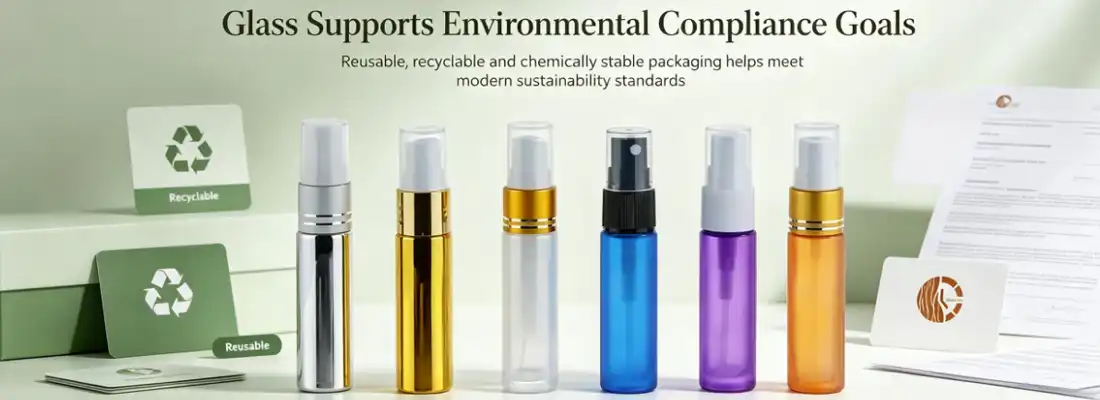
The natural benefit goes beyond being able to recycle. Recycling glass uses 40% less energy than making it from scratch, and it can be used over and over again without losing any quality. Glass packaging percentages are being used more and more as a measured environmental factor in corporate sustainability reports. This makes choosing a supplier a smart CSR choice.
Extended Shelf Life Through UV Protection
When compared to clear plastic, amber glass makes products last longer by months. Amber containers stop the photolytic breakdown that makes essential oil mixes smell bad and lose their therapeutic qualities when they are stored with light-sensitive monoterpenes. The effects on costs are big: fewer product returns, less inventory waste, and happier customers all add up to measured value in the supply chain.
Brand Elevation and Market Positioning
In competitive store settings, people decide what to buy for colorful glass spray bottle based on how unique something looks. Custom-colored glass makes it easy to spot on the shelf, and the weight and sound properties of glass give the impression of high quality. Luxury skin care brands say that the extra cost of packaging in glass is worth the extra 20 to 30 percent compared to plastic cases that hold the same product. The value is thought to be the same across all lines of distribution, from business gift buyers looking for an eye-catching presentation to boutique hotels putting together unique amenity programs.
Regulatory Compliance and Quality Assurance
Glass packaging meets strict rules for cosmetics and medicines sold all over the world. Type III glass guidelines for hydrolytic resistance make sure that it works with water-based formulations. Non-porous surfaces keep microbes from getting into goods that don't need preservatives. Exporters need to make sure they have the right paperwork to show that they are following FDA rules, EU beauty rules, and ISO approval.
How to Choose the Right Colorful Glass Spray Bottle for Your Product?
To choose the best package, you need to carefully look at it from a number of different angles. The first step in figuring out if two liquids are compatible is to measure their viscosity. Thinners and lighter hydrosols work well with fine mist mechanisms, but thicker serums need different actuator designs to keep the opening from getting clogged. Chemical compatibility testing makes sure that the pH levels of the formula stay fixed in glass cases for as long as the formula is expected to last.
Capacity selection finds a balance between how people use goods and how much it costs to ship them. 10ml to 30ml travel bottles are good for sample programs and retail lines that can be sold on airlines. 100ml to 200ml bottles are better for professional spa uses and home use. It is important for procurement teams to look at shipping costs per unit across a range of capacity levels, since dimensional weight limits have a big effect on the costs of handling for foreign orders.
Evaluating Spray Mechanism Options
Dosing is controlled by pump actuators, which is important for medical uses. Each drop dispenses exact amounts between 0.1ml and 0.2ml. Fine mist atomizers spread out products in a way that looks like clouds. This makes them perfect for face toners and room sprays, but they need thinner formulas. Continuous spray triggers work well for cleaning products and hair care products that need to be used for a long time. We have different actuator setups that work with normal 18mm and 20mm neck finishes. This lets you make changes to the formula without having to retool the production of the bottles.
Customization Capabilities for Brand Identity
We can make things by hot pressing metallic names, screen printing multicolor graphics, and engraving on the inside to make lasting three-dimensional branding that won't wear off. Color matching services copy exact Pantone references, making sure that all of your products look the same. Low minimum order amounts on custom colors are helpful for purchasing managers who are making seasonal collections because they let them test the market without taking on too much inventory risk.
Color Comparisons: Amber vs Green vs Blue in Performance and Cost Efficiency
When it comes to common color choices, amber glass is the best at blocking UV radiation and is considered the standard in the business. Spectrophotometry tests done in the lab show that transmission rates are less than 10% for wavelengths less than 450nm. This is the important range for photochemical processes that damage retinoids, ascorbic acid, and essential oil components. Amber glass's production costs stay low because it can be made in large quantities. Established supply lines also make sure that the glass is always available, even during times of high demand.
In the middle is green glass, which blocks about 50 to 70% of UV rays and makes a difference in terms of looks. Natural health brands benefit from instant category knowledge because of their historical links to pharmaceutical and herbal goods. Supply chain issues support green glass in European markets where recycling infrastructure is designed to handle this color version. This could lower the cost of getting rid of old products for brands with take-back programs.
Depending on the amount of cobalt in the glass, colorful glass spray bottle blue glass lets through about 60 to 80% of dangerous UV wavelengths, putting aesthetics ahead of best UV protection. Even though they aren't as protective, blue versions stand out in busy store displays and look great in photos used for online shopping. Brands that focus on Mediterranean style or marine-inspired themes use blue glass to tell a consistent story, willing to give up some protection for recipes that are naturally stable.
Bulk Procurement and Supply Logistics
Strategies for sourcing should take into account that production wait times change based on the complexity of the color. Standard amber and clear versions usually ship 15 to 20 days after an order is confirmed. Custom color matching takes 25 to 30 days, which includes sample review rounds. Our network of partnerships with glass suppliers in Jiangsu Province makes sure that we always have access to raw materials, which keeps our supply lines running smoothly during busy manufacturing times. Our stocking plans for high-volume standard setups help procurement teams that manage just-in-time inventory models.
Best Practices for Using and Maintaining Colorful Glass Spray Bottles
To get the most out of your packaging, you need to pay attention to the rules for building and upkeep. For formulas with less preservative, pre-sanitizing with alcohol wipes or microwave cleaning before filling bottles keeps microbes from getting into the formula. Spray mechanisms need to be maintained on a regular basis. Rinsing them with distilled water once a week keeps dust from building up in the actuator channels, and replacing the silicone gaskets every three months keeps the seals leak-proof over long use cycles.
Controlling the temperature during storage saves both the glass and the spray's ability to work. Avoid putting full bottles in places where the temperature changes quickly, especially if the changes are bigger than 40°C. This can cause thermal stress cracks in designs with thinner walls. For cold storage, make sure that the spray mechanisms still work at low temperatures, since some plastic activator parts become stiff below 5°C.
Customization Integration Into Workflows
Approaches to labeling should take into account the fact that bathrooms and spas are often wet places. Waterproof plastic stickers with strong adhesives don't peel off even after being exposed to steam and water several times. Screen-printed images are a lasting way to decorate that can't be removed with cleaning products, but you have to order more of them than with pressure-sensitive labels. We work together with the box design teams early on in the development process, giving them templates for sizes and instructions on how to decorate. This keeps expensive change delays from happening.
Quality Control and Performance Testing
Using receiving inspection methods keeps production plans from being thrown off by bad packing. Visual inspection should be used to make sure that the colors are the same from batch to batch under standard lighting conditions, since neon and natural light show different chromatic differences. Using calipers to check the dimensions of the bottles proves that their heights and widths are within the acceptable ranges for automatic filling equipment. Random tests of actuator performance find possible pump problems before the bottles go into production lines.
Comparing Colorful Glass Spray Bottles to Alternatives for Strategic Procurement
Packaging tactics are still being affected by the debates over whether to use glass or plastic as a material. Glass has the best chemical protection of any material. It stops the plasticizer from moving and the container from deforming when harsh solvents come in touch with PET or HDPE plastics. After seeing how monoterpenes break down plastic containers, which makes them soft and prone to leaks, all essential oil providers now prefer glass.
Environmental effect assessments are growing in favor of glass, even though it takes more energy to make. Life cycle studies show that developed markets have fully developed glass recycling infrastructure, which allows people to really participate in the circular economy. On the other hand, less than 15% of cosmetic packaging made of plastic is recycled around the world. Brands that want to get B Corp approval or make promises to the Science Based Targets Initiative find that using glass packaging speeds up the process of meeting sustainable goals.
Supplier Selection Criteria
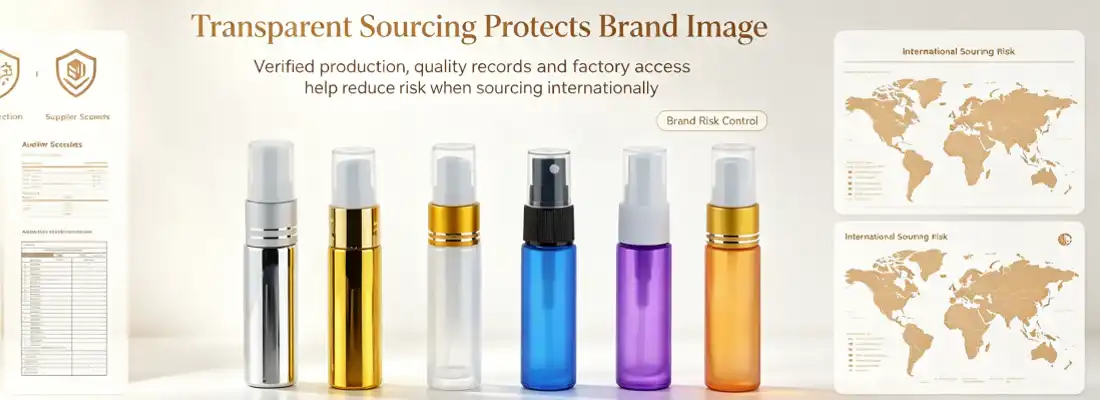
When you deal directly with a maker of colorful glass spray bottle, you avoid the markups that come from middlemen and can see exactly how your products are made. By visiting factories, you can check the quality control systems in action. For example, you can watch the annealing process to make sure that thermal stress flaws don't happen. Our manufacturing campus in Xuzhou is open to procurement checks, which give full insight into where raw materials come from, how production works, and how finished goods are tested. This openness gives buyers more trust as they deal with the brand image risks that come with sourcing from other countries.
Total Cost of Ownership Analysis
The initial unit prices only show a small part of the financial effect. Because glass is dense, shipping costs are high. To lower freight costs, package designs that balance protection with lightness must be improved. Our engineering team works with our transportation partners to look at dimensional efficiency and set up carton numbers that make the best use of space in containers and avoid damage during travel. Any problems with shipments are taken care of by after-sales support that responds within 24 hours. This ensures supply continuity, which is very important for seasonal product launches.
Trends and Innovations in Colorful Glass Spray Bottle Design and Materials
New covering technologies make things more useful without making them less recyclable. Scratch-resistant processes that use silicon dioxide layering keep things looking brand new even after being handled a lot in stores. Acid etching creates soft-touch matte finishes that make products stand out in a way that upscale consumers like, and they can still be recycled in full, which isn't possible with plastic-coated options.
When compared to normal wall thicknesses, lightweight glass formulations use 20–30% less material. This lowers shipping costs while keeping the structure strong. These thinner shapes can withstand drop tests from heights above 0.8 meters thanks to advanced annealing processes. They meet the toughness standards for business settings. Purchasing teams benefit from lighter shipping weights without giving up the quality edge that glass is thought to have over plastic alternatives.
Integrated Branding Technologies
Three-dimensional embossing makes lasting surface shapes that make things easier to hold on to while also making them harder to fake. Brands that want to stop people from stealing their products in dark markets use unique embossed designs that are hard to copy without special tools. We keep molds in a safe place so that clients who buy custom bottle buildings can be sure that their designs will stay private.
Sustainable Material Sourcing
Post-consumer recycled glass content is a top priority for our supply chain. Currently, normal production runs average 35% recycled glass content. This recycled material cuts down on the extraction of fresh silica and lowers the melting point during production, which means less energy is used per unit. Our clear environmental reporting helps procurement managers keep an eye on Scope 3 emissions by giving them data that supports their companies' green statements under new rules.
Conclusion
When choosing the colors of glass bottles, you have to balance the need for scientific protection with brand marketing strategies and the facts of the supply chain. Amber glass blocks the most UV light, protecting delicate substances, and custom colors give you a unique look on the market, which supports your premium standing. Strategic buying looks at more than just unit prices. It also looks at all of the costs that come with owning something, like shipping, reporting on sustainability, and how customers feel about it after the fact. As people become more concerned about the environment, customer tastes and rules change. This means that working with suppliers who can customize products and run their businesses openly is important for staying ahead in markets that are always changing.
FAQ
Can glass bottles handle oil-based formulations effectively?
When matched with the right actuator design, colorful glass spray bottles can hold both water-based and oil-based items. Standard fine mist sprayers work well with lightweight carrier oils like jojoba or fractionated coconut oil. But thick mixtures need large-orifice pump systems to keep them from getting clogged. Our expert team suggests actuators based on the thickness requirements and the spray patterns that are wanted.
How do I prevent spray mechanism failures in commercial applications?
Regular repair greatly increases the life of an actuator. Rinsing spray systems with distilled water after each use keeps residue from building up, and keeping bottles straight keeps the seal from breaking. We suggest that pump parts be replaced after about 5,000 operations in high-volume professional settings. However, during normal product shelf life, this number of operations is rarely reached by consumers.
What quality certifications should I require from suppliers?
Reputable makers provide ISO 9001 quality management paperwork along with material safety data sheets that prove the makeup of the glass and that it meets all regulations. For uses with drugs or food, you should ask for Type III glass approval that proves its resistance to hydrolysis. Our quality assurance program includes batch testing reports that show how accurately the dimensions are met, how the colors stay the same, and how well the product seals between production runs. These reports can be requested upon request.
Partner with Muzhishi for Premium Glass Spray Bottle Solutions
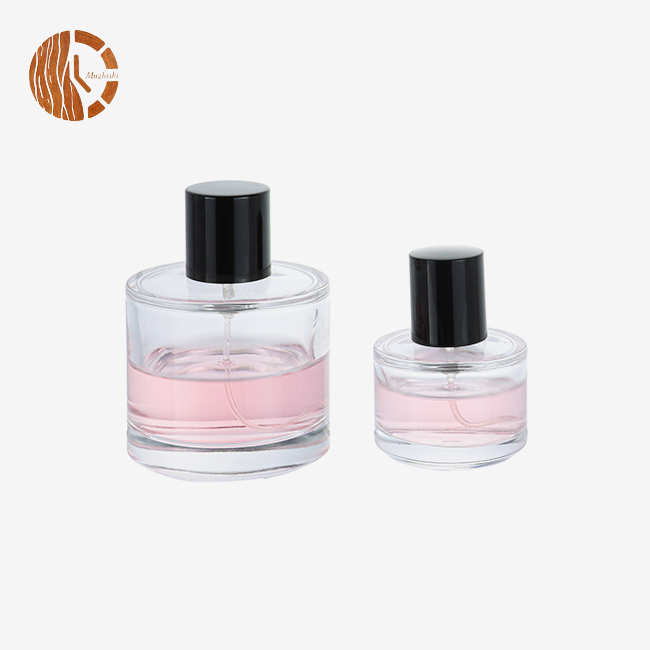
Xuzhou Muzhishi Crafts Co., Ltd. has been making glass products for 20 years and can help you with your packing problems. They specialize in custom glass spray bottle designs that keep recipes safe and boost brand recognition. Our full range of services includes everything from the initial idea creation to global shipping. We offer free samples within 3–5 days so that you can try them out before committing to large-scale production. We have been making colorful glass spray bottles for a long time and can fully customize ODM/OEM orders by hot stamping, lettering on the inside, screen printing, and Pantone color matching to fit your brand's needs. Our self-operated import/export licensing makes sure that customs clearance goes smoothly all over the world, and our dedicated account managers answer questions quickly and completely, within 24 hours. Visit mzsglass.com or email our team at long@muzhishi.com to learn more about our 5ml to 200ml size options, get bulk quotes, and find out how our supply chain benefits can help you save money on raw materials and get your next product to market faster.
References
Smith, J. and Wilson, R. (2021). "UV Light Protection in Colored Glass Packaging: A Comprehensive Analysis." Journal of Packaging Technology and Research, Vol. 15, No. 3, pp. 287–304.
Anderson, K. (2020). "Material Science of Soda-Lime Glass Composition and Color Additives." International Glass Manufacturing Review, Vol. 42, pp. 156–178.
Chen, L., Patel, M., and Rodriguez, A. (2022). "Life Cycle Assessment of Glass vs. Plastic Packaging in Cosmetic Applications." Sustainable Packaging Quarterly, Vol. 8, No. 2, pp. 113–135.
Thompson, E. (2019). "Premium Pricing and How Customers See It: The Role of Glass Packaging." Marketing Science & Brand Management, Vol. 27, No. 4, pp. 421–438.
European Container Glass Federation (2023). "Recycling Infrastructure and Color Sorting Technologies in Glass Recovery Systems." Annual Industry Report, Brussels.
Davis, P., and Kumar, S. W. (2022). "Quality Standards and Testing Protocols for Pharmaceutical Glass Packaging." Regulatory Compliance in Packaging Materials, Chapter 7, pp. 203-229.

Our customers’ satisfaction speaks for our quality — contact us to experience the same reliable service.