- English
- French
- German
- Portuguese
- Spanish
- Russian
- Japanese
- Korean
- Arabic
- Greek
- German
- Turkish
- Italian
- Danish
- Romanian
- Indonesian
- Czech
- Afrikaans
- Swedish
- Polish
- Basque
- Catalan
- Esperanto
- Hindi
- Lao
- Albanian
- Amharic
- Armenian
- Azerbaijani
- Belarusian
- Bengali
- Bosnian
- Bulgarian
- Cebuano
- Chichewa
- Corsican
- Croatian
- Dutch
- Estonian
- Filipino
- Finnish
- Frisian
- Galician
- Georgian
- Gujarati
- Haitian
- Hausa
- Hawaiian
- Hebrew
- Hmong
- Hungarian
- Icelandic
- Igbo
- Javanese
- Kannada
- Kazakh
- Khmer
- Kurdish
- Kyrgyz
- Latin
- Latvian
- Lithuanian
- Luxembou..
- Macedonian
- Malagasy
- Malay
- Malayalam
- Maltese
- Maori
- Marathi
- Mongolian
- Burmese
- Nepali
- Norwegian
- Pashto
- Persian
- Punjabi
- Serbian
- Sesotho
- Sinhala
- Slovak
- Slovenian
- Somali
- Samoan
- Scots Gaelic
- Shona
- Sindhi
- Sundanese
- Swahili
- Tajik
- Tamil
- Telugu
- Thai
- Ukrainian
- Urdu
- Uzbek
- Vietnamese
- Welsh
- Xhosa
- Yiddish
- Yoruba
- Zulu
Essential Oil Roller Bottle Buying Guide
When choosing the right essential oil glass roller bottles, you need to think about quality, usefulness, and the chance to brand them. These special cases protect the oils you've carefully made from people who will use them, so choosing the right material is very important. Essential Oil Glass Roller Bottles are now the standard for aromatherapy goods, cosmetics, and therapeutic mixes because they keep the oils' original properties without letting chemicals react with them. Glass stays inert throughout the lifetime of a product, unlike plastic options that may release chemicals or smells over time. If you're looking for something to sell in stores, give as a gift, or make your own brand, knowing the technical specs and customization options will help you make choices that are in line with your brand's positioning and your business's needs.
Understanding Essential Oil Glass Roller Bottles
Roller bottles are made up of several parts that all work together to give you exact placement. The main container is the glass jar itself, which comes in different types, from basic soda-lime glass to high-end borosilicate glass. Different types of materials have different effects on chemical protection and temperature stability.
What makes these containers different from regular drip bottles is the roller system within them. This set usually comes with a fitting case, which is made of high-density polyethylene or polypropylene and keeps the rolling ball in place while keeping the glass neck sealed. The ball inside the case can spin easily, picking up product from inside and putting it smoothly on skin surfaces.
Glass Versus Plastic Containers
When used in professional massage and cosmetics, essential oil glass roller bottles work better than plastic or other materials. Because glass is chemically inert, it doesn't react with strong essential oil molecules like limonene in citrus oils or menthol in therapeutic mixes. When these solvent-like substances are exposed to plastic containers for long periods of time, they often cause environmental stress cracking, which weakens the closing of the container.
Glass is more than just chemically compatible; it also enhances the senses. Glass's weight and cool feel make it seem like a high-end product, which helps handmade or luxury product lines command higher prices. Glass is also completely clear, so you can see how pure the product is and make creative displays with plants or other artistic elements floating in the glass.
Amber Glass Protection Versus Clear Presentation
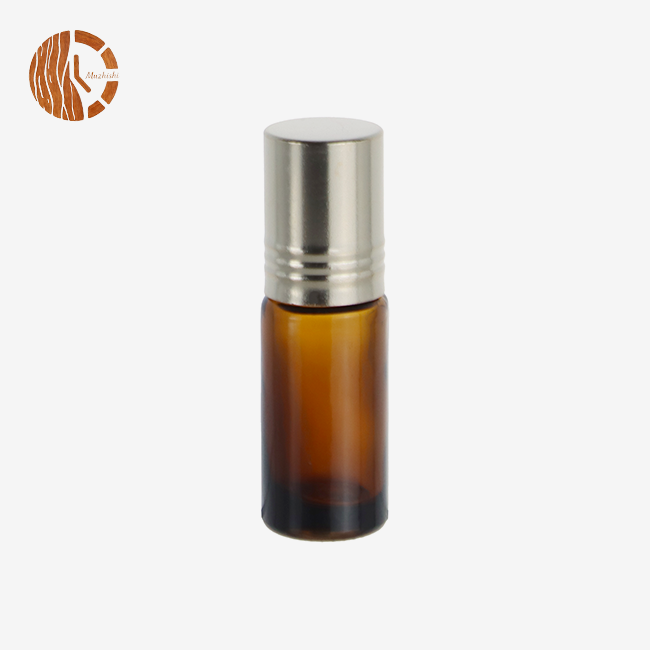
Between 200 and 400 nanometers, amber-colored glass stops ultraviolet wavelengths. This keeps photosensitive materials from breaking down. This UV filtering is good for storing and showing off citrus essential oils, chamomile, and rose pure. The amber color keeps the therapeutic effectiveness and extends the shelf life, so it's the best choice for goods that are shipped over long periods of time.
Visual appeal and company stories are important to clear essential oil glass roller bottles. These cases show off the color, clarity, and any artistic parts that are inside, like gold flakes or dried flower petals. Clear bottles are great for goods that are used up quickly or that are kept in secondary packaging that protects against UV light. Consumers who care about quality can physically confirm that the product is real, which builds trust at the point of sale.
Rollerball Material Impact on Performance
Choosing between rollerballs made of stainless steel, glass, or plastic has a big impact on how the user feels and how well the product works with other products. Medical-grade stainless steel balls, more specifically 304 or 316 types, last the longest and move the smoothest. When you apply these metal balls, they feel cool, which improves the physical experience of therapeutic mixes. High-grade stainless steel doesn't rust, so it can be used with strong citrus oils and keeps goods from oxidizing, which could change their color.
Metal ions can't get out of glass rollerballs, so they are perfect for highly acidic recipes or goods that say they are metal-free. The smooth, non-porous surface doesn't let bacteria stick to it and is easy to clean between uses. When using thicker carrier oils like castor or blended coconut oil, glass balls keep the consistency of the application thickness.
Plastic rollerball choices lower the cost of production and get rid of the worry that they will break during shipping. High-quality polyethylene balls work well for goods with a lower viscosity and a shorter shelf life. The material you choose should fit with how you want to place your product, how it will be made, and how much you want to charge for it.
How to Choose the Right Essential Oil Glass Roller Bottle
When making a procurement choice, you have to weigh a lot of technical details against your product strategy and practical limits. The process of choosing starts with the amount of space that needs to be used and continues with the types of materials, closing systems, and suppliers that can provide them. How to pick the best essential oil glass roller bottles depends on these combined factors.
Capacity Selection for Different Product Categories
Roller bottles usually come in sizes ranging from 5ml for travel and sample sizes to 15ml for full-size sale items. The 10ml size is the most flexible because it has enough space for everyday use while still being easy to carry. Smaller 5ml sizes are good for high-end fragrance oils, testers, or items that come in monthly boxes where the cost per unit is more important than the total amount. Larger 15ml bottles are better for therapeutic massage mixes or frequently used formulas like those that help you sleep or ease headaches.
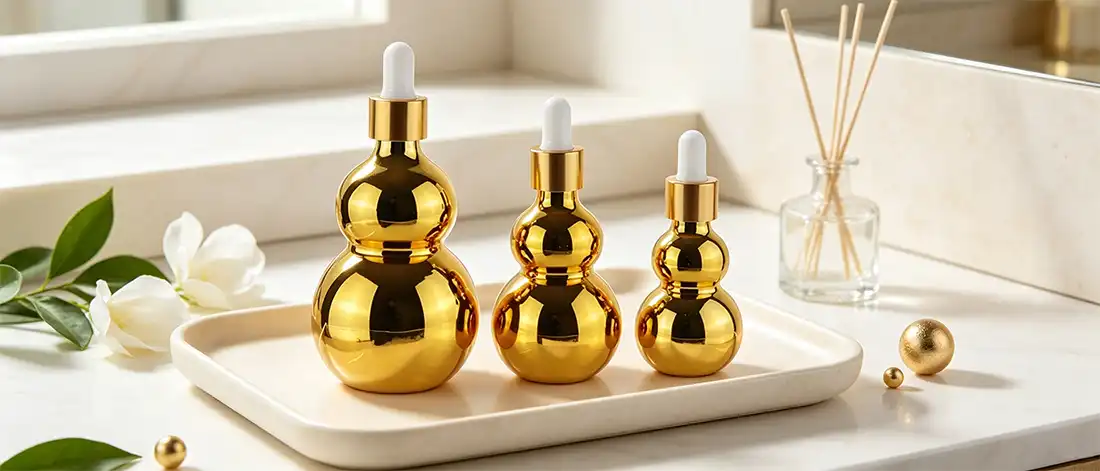
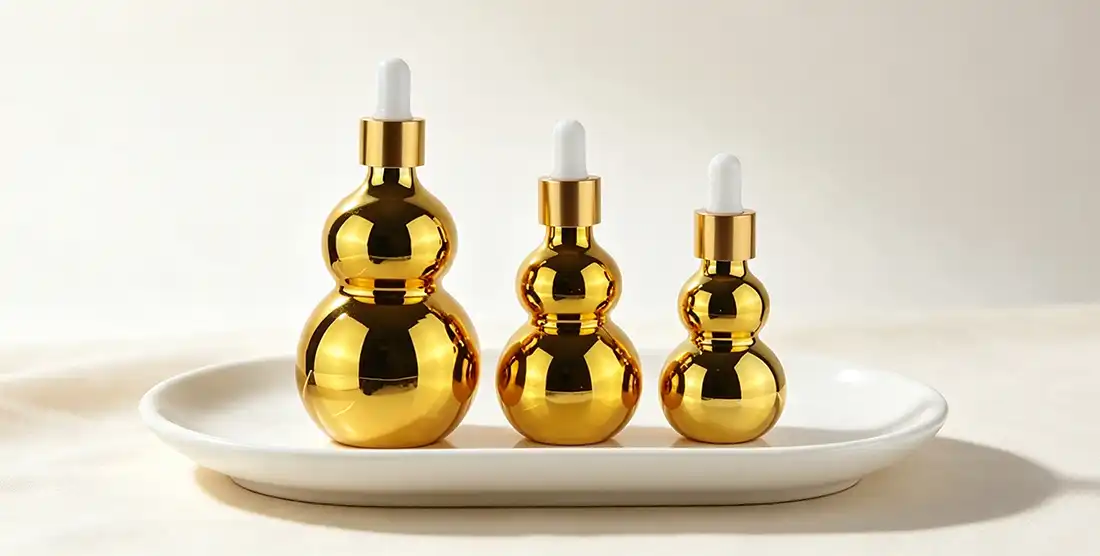
Xuzhou Muzhishi Crafts Co., Ltd. makes a unique 50ml roller bottle in the shape of a gourd that is used in situations where bigger amounts are needed. This one-of-a-kind calabash shape is better for your body in professional massage settings and gives high-end aromatherapy lines a memorable shelf presence. The two-bulb shape keeps it from rolling on flat surfaces, which is useful for professional therapy sessions. The bigger base lets you make creative displays with plants floating on top and visible through clear glass.
Evaluating Glass Quality and Roller Mechanisms
Chemical protection and thermal stability are both based on the glass's makeup. For most essential oil uses, USP Type III glass is enough safety because it doesn't mix with concentrated plant extracts. Premium borosilicate glass improves performance even more by being more resistant to temperature shock and having better hydrolytic stability. This stops tiny surface etching that could let contaminants in.
The quality of the roller housing's fitting has a direct effect on how well it stops leaks during shipping and storage. The interference fit that seals the assembly is made when the inner diameter of the glass neck and the outer diameter of the plastic fitting are close enough in size to be compatible. Professional providers provide technical models that include these important measurements, making sure that all production batches are compatible. If the fitting is properly designed, the seal will stay intact even during air travel, where changes in cabin pressure can put stress on container-closure systems.
Cap Types and Closure Systems
Screw caps are the most common type of closing because they can be resealed reliably and work with automatic filling machines. The thread pattern and material of the sealing ring affect how well they stop leaks during shipping. Caps can be made of basic plastic or high-end materials that come in gold, silver, black, or white metallic styles that can be customized.
Childproof caps are required by safety rules in stores where goods have ingredients that need to be kept out of reach of children. These unique closures make manufacturing more difficult, but they are necessary for store sales in certain areas that are controlled. Leak-proof designs have extra ways to seal them, like inner plugs or gasket systems, that stop seepage during shipping. This lowers the number of damage claims and protects the brand's image.
Assessing Supplier Credentials and Capabilities
Reliable providers show a number of important traits that go beyond their ability to make things. Professional operations are generally backed up by certifications like ISO quality management systems and following FDA GRAS guidelines or RoHS heavy-metal rules. As corporate social responsibility pledges become more important to brand character, sustainable manufacturing practices become more important in deciding what to buy.
Customers can get personalized services that add a lot of value and help brands stand out. Look for sellers that give a wide range of decoration choices, such as hot stamping, screen printing, engraving on the inside, custom labeling, and their own packaging design. Being able to make models in three to five days shows that operations are quick and prototyping processes are streamlined. Dedicated account management makes sure that there is constant contact throughout the whole order fulfillment process, from the first design meeting to the final delivery.
Best Practices for Using and Maintaining Glass Roller Bottles
The right way to handle a product will make it last longer and be used safely and effectively throughout its lifecycle, from the manufacturer to the end user. Anyone who buys things or works in buying can benefit from knowing the right way to fill, maintain, and store them.
Filling Techniques for Optimal Performance
Clean filling areas keep things from getting contaminated, which could lower the quality of the result. Even small particles from cardboard shipping boxes can get into the process of preparing bulk bottles and make them strange. Before adding the product, professional filling operations use air-blow stations or alcohol rinse steps to get rid of any remaining production dust and make sure the area is clean enough for medicinal use.
Leave enough room when filling—usually 3 to 5 mm below the roller fitting—to allow for heat expansion and keep pressure from building up. When temperatures change in shipping containers or store storage, overfilling can push goods past openings. The fitting should strongly snap into the bottleneck, and you should be able to hear the snap. This means that it is properly seated, which keeps the vacuum seal intact.
Cleaning and Reusability Protocols
If you clean your essential oil glass roller bottles properly between refills, they can be used more than once. Reusability boosts sustainability qualities and cuts down on packaging trash, which appeals to customers who care about the environment. Take apart the part by taking off the cap and fitting piece. If the design lets you, separate the roller ball from the case. However, many units have balls that are permanently set.
Use bottle brushes to get to the inside of parts and wash them all with warm water and light soap. Rinse well to get rid of any soap residue that might react with other essential oil mixtures. For situations that need a higher level of cleanliness, alcohol rinses offer extra sanitation. Before putting the parts back together, let them dry fully in the air. Moisture that gets stuck in the fittings can help microbes grow or dilute the concentration of the product.
Storage and Transport Considerations
Stability at room temperature keeps the cover from breaking down and the purity of the product. Extreme heat can soften plastic fittings, which could weaken the interference fit that keeps leaks from happening. When it's cold, carrier oils can harden or become more viscous, which can change how the roller ball moves and how evenly the product is applied. Keep store temperatures between 15°C and 25°C for best results with most formulations.
When shipped vertically, the seals are less stressed, and the roller balls don't come into touch with the closing surfaces, where product buildup could dry and make operation less smooth. Shipping boxes with partition dividers, which are sometimes called "egg-crate" configurations, keep bottles from touching each other, which could cause micro-fractures during transport. When the right safety steps are taken, breakage rates in professional bulk packing are usually less than 2%. When shipping goods across foreign borders, where handling conditions range from one transportation partner to the next, shrink-wrapped pallets add an extra layer of stability.
Comparing Popular Essential Oil Roller Bottle Options
Different container shapes are used for different purposes and to target different markets. Figuring out the pros and cons of each design helps make sure that product packaging fits with brand goals and user preferences. Various essential oil glass roller bottles are comparable in their functionality and aesthetic appeal.
Roller Bottles Versus Dropper Bottles
Essential Oil Glass Roller Bottles are great for applying products directly to skin areas in a controlled, mess-free way. The rolling device controls the flow of the product, avoiding waste and making sure that the dose is always the same. Users like that they can apply it with one hand, without having to worry about spills or different dropper tools. Roller styles are great for massages on pressure points, therapeutic massage, and use on the go, where accuracy and flexibility are most important.
Dropper bottles give users the freedom to mix their own mixtures or change the dose based on their own needs. The open pouring makes it possible to measure exact drop counts for aromatherapy diffusers or methods for diluting. Dropper shapes work best for concentrated goods that are meant to be mixed more before being used directly. Which style to use relies on whether your product strategy is focused on ease of use and ready-to-use apps or on customization and professional-level adaptability.
Standard Cylindrical Versus Specialty Shapes
The production of traditional cylinder essential oil glass roller bottles is efficient, and they work with standard filling tools. The familiar shape fits current store displays and what people expect from essential oil packing. For large-scale production runs where investments in tools need to be used across many product lines, cylindrical shapes are the most cost-effective choice.
When you shop at a busy store, specialty forms like Muzhishi's gourd-profile bottle stand out as unique brand marks. The unique shape is a three-dimensional logo that people recognize right away, which helps them remember the brand without having to look at the label. More than just looking good, contoured designs are good for your health. For example, the curved waist of a gourd bottle makes it easy to hold on to even when your hands are greased up. This solves a practical problem that therapists encounter during clinical uses. Specialty forms are worth the extra money because they improve the user experience and use unique design language that makes the brand seem better.
Metal Versus Plastic Rollerballs in Professional Use
Stainless steel rollerballs last longer and feel better to the touch, which is what professional-grade goods need. When metal touches your skin, it feels cool, which makes healing uses better. This is especially true for formulas that help with stress or headaches, where the difference in temperature gives you extra sensory benefits. Metal balls keep rotating smoothly over thousands of uses without breaking down, so the product's performance stays the same over its entire duration.
Plastic rollerballs are used in situations where cost is important and the difference in performance isn't worth the extra money. Better polypropylene balls don't have problems like surface cracking or uneven spinning that happen with cheaper plastic balls. Your product's placement should guide the material you choose. For example, metal is a good choice for high-end aromatherapy lines, while engineered plastic solutions help mass-market products balance performance and cost.
Bulk Buying, Customization, and Supplier Insights for B2B Clients
To do strategic buying, you need to know how global supply works, how prices work, and what services that add value set professional sellers apart from commodity vendors. The buying process includes more than just the unit cost. It also includes the ability to customize, help with logistics, and the dependability of the relationship.
Global Sourcing Considerations
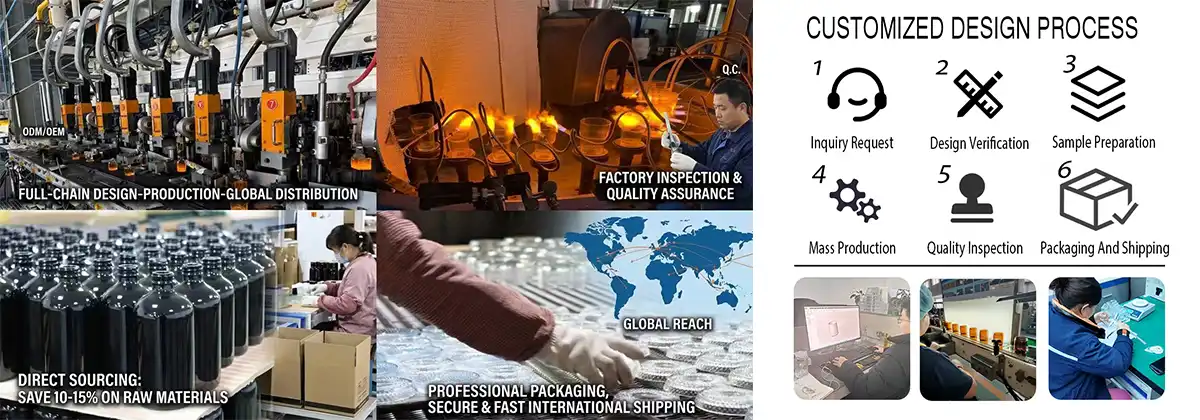
China is still the most important place to make essential oil glass roller bottles. Most of the production happens in Jiangsu Province, which is where Xuzhou Muzhishi Crafts is located. There are specialized glass sheet suppliers and packaging material companies in the area, which makes the supply chain work better. With these well-established networks, you can save money while still getting the same high-quality products as Western makers. Through strategic relationships, local suppliers can often cut the cost of raw materials by ten to fifteen percent. This means that they can offer reasonable prices for large orders.
Different suppliers have very different minimum order numbers, which are usually between 5,000 and 50,000 units, based on how complicated the customization is. Lower minimums are possible for standard configurations that use available tools. On the other hand, bigger pledges are needed to explain setup costs for custom shapes or decoration methods. Shipping operations are also very important. Skilled sellers with self-operated import-export rights can handle customs paperwork, inspection procedures, and coordinating goods, which makes sure that international delivery goes smoothly.
Customization Services That Drive Brand Differentiation
The ability to make private label products turns plain essential oil glass roller bottles into labeled items that show off your company's unique value. Screen printing puts long-lasting images directly on glass, making a decoration that lasts and can handle being handled and used. With hot stamping, you can get shiny finishes in gold, silver, or different colored foils that shine and stand out on store shelves. Inside engraving creates subtle, polished branding that can be seen through clear glass. This is a great way to place a luxury product.
Labels and stickers give product lines that change designs often or change with the seasons more choices. Custom packing boxes give people more of a brand experience than just the main container. They create moments when you open the box that are great for social media and word-of-mouth marketing. Comprehensive suppliers like Muzhishi offer a full range of services, from the initial design advice to the final packaging. They also have account managers who make sure there is clear contact throughout the whole customization process. Rapid sampling, which delivers prototypes in three to five days, speeds up the development process and lets you test the market quickly.
Sustainable Supply Partnerships
As customers expect more information about how manufacturing affects the environment, environmental responsibility plays a bigger role in purchasing choices. Suppliers who show they care about the environment by reducing trash, running energy-efficient businesses, and using reusable packing materials are in line with corporate social responsibility goals. Essential Oil Glass Roller Bottles naturally help the circular economy because glass can be recycled over and over again without losing any of its quality.
Long-term ties with suppliers are good for more than just one purchase. Partnerships that have been in place for a while make it possible to plan inventory in a way that balances costs and the risk of running out of stock. Suppliers keep extras of popular materials on hand to cut down on lead times during reorder rounds. Reliable providers make sure that the quality of each batch is the same, which cuts down on the need for inspections and speeds up the purchasing process. When there are problems in the market or in the supply chain, having a stable producing partner is very helpful.
Conclusion
To find the right essential oil glass roller bottle packing, you have to weigh your strategic goals against technical requirements, customization options, and the supplier's abilities. Essential oil glass roller bottles are chemically inert and look great, which are both things that aromatherapy uses need. You can choose between amber and clear glass for different levels of safety and sight. The user experience and efficiency of a product are affected by the capacity choice, the quality of the roller mechanism, and the design of the closing system. Specialty forms, like gourd-profile bottles, make brand marks stand out and are better for ergonomics in the workplace. Buying packaging can be turned into a strategic relationship when you work with a full-service seller that offers fast samples, full customization services, and reliable logistics support. Investing in good packing materials and quick supplier relationships pays off in the form of better brand recognition, less organizational friction, and product integrity that stays the same throughout the delivery cycle.
FAQ
1. Can glass roller bottles be used again after the original product is depleted?
If you clean your essential oil glass roller bottles properly between refills, they can be used more than once. Take the cap and fitting apart and wash each part with warm water and mild soap. Then, give everything a good rinse. Let parts dry completely in the air before adding new formulas. The long-lasting nature of the glass and stainless steel parts means that these containers can be used over and over again. They are also good for the earth because they reduce packaging waste.
2. What cleaning methods work best for maintaining roller bottle quality?
Start by taking things apart so you can get to all the inside surfaces. To get rid of oil leftovers, use bottle brushes with warm washing water. Pay special attention to the roller fitting, where product can build up. Rinse several times to get rid of soap residue that could mix with the next essential oil glass roller bottles. For situations that need a higher level of cleanliness, alcohol rinses offer extra sanitation. Moisture-related problems, like bacteria growth or product dilution, can be avoided by drying things the right way.
3. Which bottle sizes best suit different essential oil applications?
Personal aromatherapy items usually come in 10ml sizes for daily use, which is a good size for transport and volume. Sample amounts and travel sizes work well with 5ml, but 15ml or bigger volumes are better for therapeutic massage. In hospital settings, the 50 ml gourd-shaped essential oil glass roller bottles are useful because they hold more and can be used for longer periods of time without having to be refilled as often.
Partner With Muzhishi for Your Essential Oil Glass Roller Bottles
Xuzhou Muzhishi Crafts Co., Ltd. has been specializing in glass packing solutions for 20 years and makes custom essential oil glass roller bottles for home decor brands, gift companies, and catering businesses. Our full ODM and OEM services include the whole development process, from the first design to shipping around the world. We have dedicated account managers who will make sure that your unique needs for logos, colors, and packaging are met. We can import and export goods on our own, which makes customs clearance and freight coordination easier. We also offer paper preparation services for foreign shipping that is legal. As a reliable provider of essential oil glass roller bottles, we offer free trials and fast prototyping, which means that you can see how our unique gourd-shaped designs and customization choices work right away. Because we are strategically located in Jiangsu Province, we have access to specialized supply networks that help us keep the quality of our pharmaceutical-grade materials at a low cost. Get in touch with our team at long@muzhishi.com to talk about bulk prices, private labeling, and how our technical skills can help your product line stand out through premium glass packaging.
References
1. Davis, Patricia. "Aromatherapy: An A-Z." The C.W. Daniel Company Limited, 2005.
2. Tisserand, Robert, and Young, Rodney. "Essential Oil Safety: A Guide for Health Care Professionals," Second Edition. Churchill Livingstone Elsevier, 2014.
3. American Society for Testing and Materials. "ASTM E438-92: Standard Specification for Glasses in Laboratory Apparatus." ASTM International, 2017.
4. Packaging Technology and Science Journal. "Chemical Resistance of Glass Containers for Essential Oil Storage." Volume 31, Issue 8, 2018.
5. Institute of Packaging Professionals. "Container-Closure Integrity Testing in Pharmaceutical Applications." Professional Development Monograph Series, 2019.
6. International Journal of Cosmetic Science. "Packaging Materials and Essential Oil Stability: A Comparative Study." Volume 42, Issue 3, 2020.

Our customers’ satisfaction speaks for our quality — contact us to experience the same reliable service.