- English
- French
- German
- Portuguese
- Spanish
- Russian
- Japanese
- Korean
- Arabic
- Greek
- German
- Turkish
- Italian
- Danish
- Romanian
- Indonesian
- Czech
- Afrikaans
- Swedish
- Polish
- Basque
- Catalan
- Esperanto
- Hindi
- Lao
- Albanian
- Amharic
- Armenian
- Azerbaijani
- Belarusian
- Bengali
- Bosnian
- Bulgarian
- Cebuano
- Chichewa
- Corsican
- Croatian
- Dutch
- Estonian
- Filipino
- Finnish
- Frisian
- Galician
- Georgian
- Gujarati
- Haitian
- Hausa
- Hawaiian
- Hebrew
- Hmong
- Hungarian
- Icelandic
- Igbo
- Javanese
- Kannada
- Kazakh
- Khmer
- Kurdish
- Kyrgyz
- Latin
- Latvian
- Lithuanian
- Luxembou..
- Macedonian
- Malagasy
- Malay
- Malayalam
- Maltese
- Maori
- Marathi
- Mongolian
- Burmese
- Nepali
- Norwegian
- Pashto
- Persian
- Punjabi
- Serbian
- Sesotho
- Sinhala
- Slovak
- Slovenian
- Somali
- Samoan
- Scots Gaelic
- Shona
- Sindhi
- Sundanese
- Swahili
- Tajik
- Tamil
- Telugu
- Thai
- Ukrainian
- Urdu
- Uzbek
- Vietnamese
- Welsh
- Xhosa
- Yiddish
- Yoruba
- Zulu
750 ml Glass Wine Bottles: The Complete Guide for Beverage Packaging and Wine Making Supplies
When wineries, distributors, and hospitality businesses need to find beverage packaging that is both stylish and useful, 750 ml glass wine bottles are the clear choice. This internationally agreed upon standard volume is more than just a matter of custom; it is the result of careful engineering that ensures the purity of the product from bottling to final consumption. The 750 ml glass wine bottle's capacity provides the best conditions for aging while also making it easier to handle on both automated production lines and in-person cellaring. Whether you're a small winery or a foreign importer, knowing the technical specs and buying methods for these bottles will help you keep the quality of your goods high while also meeting the needs of a wide range of customers.
Understanding 750 ml Glass Wine Bottles: Specifications and Benefits
The Industry Standard Volume and Its Historical Significance
750 ml glass wine bottles weren't added randomly. This figure was similar to glassblowers' average lung capacity, according to historical data. Modern factories utilize precise automated processes to manufacture products. This format is now used for more than custom. Hospitality businesses can manage supplies and set prices more easily because each bottle has six servings. Importers and sellers can easily complete out global trade paperwork and grasp customs classes because regulatory organizations worldwide agree on this measurement.
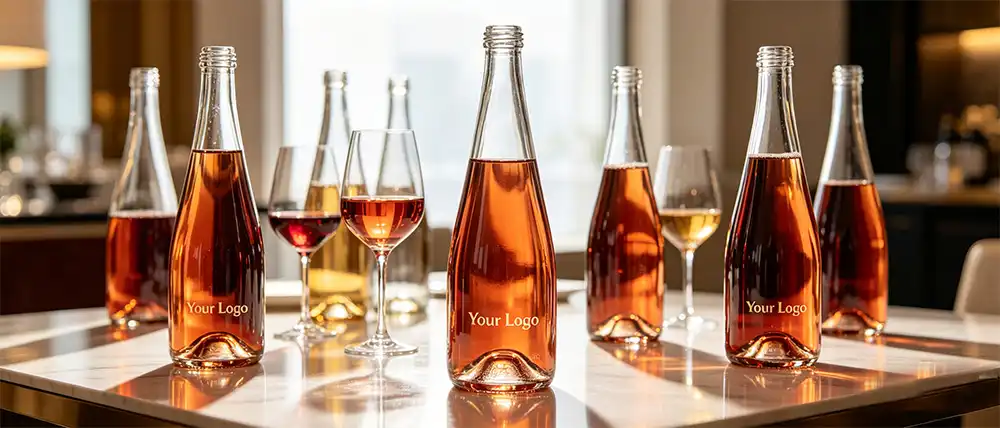
Dimensional uniformity is crucial for high-volume operations. Standard bottles are 28.8 cm tall and 8.4 cm wide, but this varies by use. Average standard-thickness glass weighs 398 grams, which affects shipping costs and pallet setup. These factors affect marine and air shipping charges' overall landing costs.
Glass Composition and Material Advantages
Soda-lime-silica glass is the foundation of high-quality 750 ml glass wine bottles. This chemically neutral material maintains Class HGB1 hydrolytic resistance, per international requirements. This means what in real life? Long-term storage doesn't leach minerals, even in warehouses with high temperature variations. Your product retains its flavor without absorbing unwanted ingredients or releasing alkaline substances.
Transportation planning also requires structural stability. Good glass bottles can withstand 5 bar pressure; therefore, they can be used to manufacture sparkling wine without breaking. Vertical load resistance is normally greater than 1.5 tonnes, allowing you to stack items safely and maximize warehouse space. Thermal shock resistance can withstand temperature variations over 40°C; thus, it can be utilized for pasteurization and cold-chain distribution without stress fractures.
Color Options and UV Protection Benefits
The tint of the glass affects product durability and commercial positioning. Clear, see-through bottles highlight wine color. Rosé and white wines, which are bought for their appearance, benefit from this. Unfortunately, long-term light exposure breaks down phenolic molecules, giving sensitive wines unpleasant sulfur overtones.
Amber glass filters block 90% of damaging UV radiation in the 200–450 nanometer range, solving this problem. Light-struck defects that affect taste and fragrance in stores are prevented by this protection. Antique green wines provide medium protection while maintaining their high-end wine look. When organizing seasonal campaigns or limited-edition releases, choosing the proper glass hues keeps the product safe and meets market needs.
Environmental Sustainability and Recyclability
Glass is recyclable without losing quality, meeting expanding corporate environment requirements. For environmentally conscious buying teams, using cullet—recovered glass feedstock—in manufacturing reduces furnace energy use and carbon footprint. Closed-loop recyclability meets corporate social responsibility reporting requirements and may help you achieve green procurement certifications from retail and hospitality chains.
The bottle and its contents do not chemically interact because the material is neutral. This eliminates microplastic contamination and chemical leaching from other packaging materials. This attribute is especially effective in high-end marketplaces where product quality makes a brand stand out.
Comparing 750 ml Glass Wine Bottles: Features, Uses, and Market Options
Glass Versus Plastic Packaging Considerations
Material choice affects product positioning and pricing. 750 ml glass wine bottles block air better than PET plastics, preventing rust that quickly degrades wine. For items that need to mature for more than six months, glass vessels work better than plastic containers, which are lighter and cheaper to ship.
Barrier performance is crucial for calculating an object's lifetime cost. The air stays out of sealed glass even after years of storage. Plastic choices slowly let oxygen through, shortening shelf life and requiring faster product turnover. Only glass can preserve high-end spirits and old wines during shipping and exhibition.
Brand perception goes beyond functionality. Consumer research consistently links glass packaging to quality and premium positioning. Glass is ideal for gift-wrapping due to its richness. Business gifting and holiday advertising campaigns are significantly affected by presentation value, which influences purchases.
Closure Systems: Cork Versus Screw Cap Analysis
How effectively a neck finish works with different closures affects food preservation and sales. Traditional cork sealings are still associated with high-end wines, which helps sell to restaurants and wine specialty stores. Because cork doesn't let much air through, it helps mature wine properly.
Screw cap closures solve cork issues like TCA contamination by sealing consistently across long production runs. Business bottling operations that produce many bottles benefit from this dependability because quality consistency drives efficiency. BVS/Stelvin neck finishes fit screw caps with +/-0.5 millimeter tolerances, keeping seals tight during distribution cycles.
Closure selection affects operational procedures differently. Corks require specific tools and expert workers, whereas screw caps may be installed on automated high-speed lines that can handle 10,000 bottles an hour. Your production output and target market should guide this decision. In some marketing channels, balance efficiency and client preference trends.
Glass Thickness Trade-offs
Wall thickness distribution influences protection and movement expenses. Heavy bottles with stronger glass walls resist impact while handling, reducing supply chain bottle breaks. Extra weight increases freight costs, which is crucial when planning sea or air freight for urgent orders.
Minimum thickness criteria prevent heel and shoulder failures during filling and temperature cycling. Quality control using ultrasonic thickness measuring ensures properly distributed walls and detects manufacturing variations before bottle manufacture. This quality control step prevents costly bottle breaks during high-speed filling.
Cold-end coatings provide lightweight protection. To prevent glass from breaking on a moving conveyor, polythene wax covers smooth things out. This prevents surface scratches without increasing weight. This coating approach balances safety and delivery costs. Price-conscious markets benefit from this.
Transparent Versus Colored Glass Selection
The choice of color affects both the naming strategy and the need to protect the goods. Clear boxes make the product look better, which is helpful when the color of the wine is a key sign of its quality. Consumers can judge the clarity, color intensity, and presence of sediment, all of which affect their confidence in making a purchase in premium segments.
Dark glass colors give up some of their clarity to protect against UV rays better, which extends the shelf life of items displayed in stores under electric lighting. This trade-off works out especially well for wines that are sold in general stores and have longer display times. The security stops the quality from dropping quickly, which leads to customer complaints and returns.
Customized color choices help brands stand out in competitive market areas. Different tints on the glass make the bottles stand out on the shelf, which helps people recognize the brand. This is especially helpful when introducing new lines of products or going after gift markets where new packaging gets people interested in buying. Custom colors come with higher minimum order numbers, but they help build brand personality in a way that makes the cost worth it for well-known product lines.
Procurement Guide: How to Source 750 ml Glass Wine Bottles for Your Business
Identifying Qualified Manufacturers and Suppliers
There are manufacturing hubs around the world in specialized areas that already have the infrastructure to make glass. Vertical supply chain cooperation gives Xuzhou, which is in Jiangsu Province, China, a competitive edge as a major output hub. Manufacturers in this area have direct ties with suppliers of silica sand and have a lot of technical knowledge that they've gained over many years of specialized production.
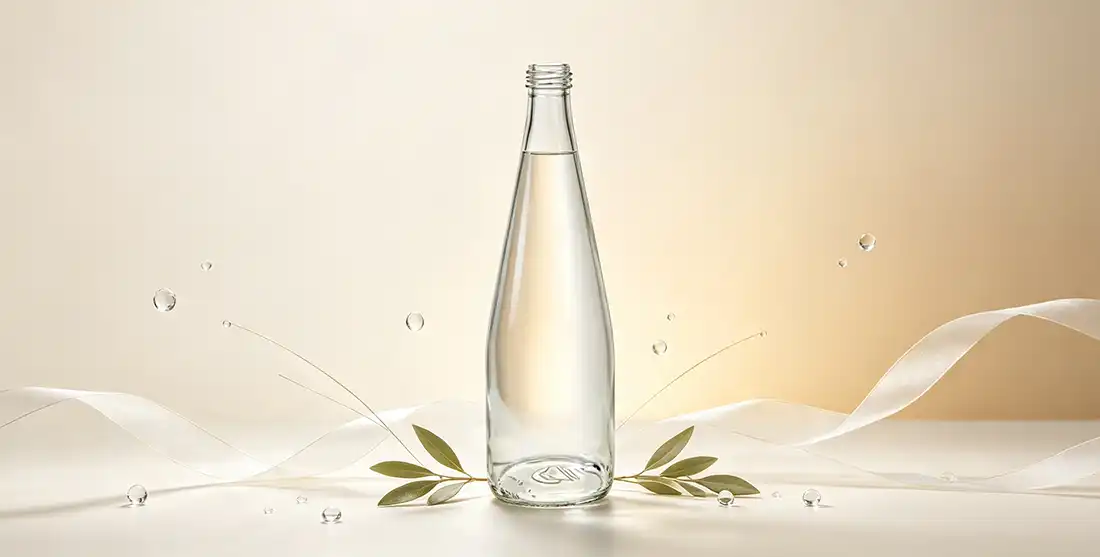
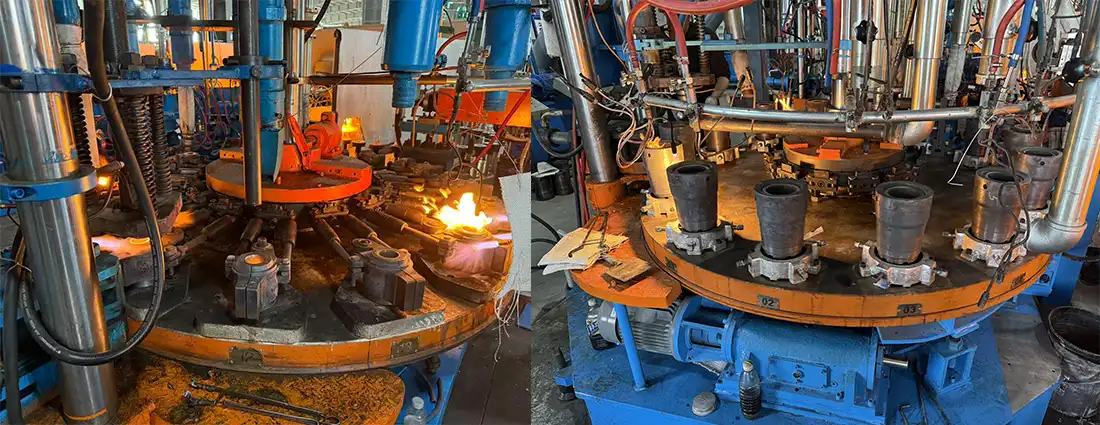
When evaluating possible providers of 750 ml glass wine bottles, you need to look at more than just price. During busy seasons, the reliability of order fulfillment depends on how much manufacturing capacity there is. Large production runs are always accurate in terms of size when the making and annealing lines are automatic. Certifications in quality management, such as ISO 9001, give a structured guarantee that production processes stay in line with specifications while an order is being carried out.
When making unique bottle designs, being able to provide technical help is very important. Rapid testing is easier when suppliers have their own design teams, which shortens the time it takes to go from idea to production. By sending samples within 3–5 days, you can try them out before placing a large order. This is especially helpful when testing new product ideas or quality standards.
Minimum Order Quantities and Bulk Purchasing Strategies
Order number limits have a big effect on unit costs and how engaged suppliers are. Standard production runs usually need at least 10,000 to 50,000 units, but this depends on how complicated the customization is. These amounts make production more efficient, which lowers the cost per unit and covers the costs of making molds for custom bottle shapes.
Stocking tactics weigh the costs of keeping goods against the savings that come from buying in bulk. When you make an annual number promise, you can often get better prices and make sure that you always have a supply during times of high demand. This method works especially well for seasonal businesses, like gift shops that sell gifts around the holidays, that need to be sure they have enough capacity during key selling times.
When you buy more than one type of goods from integrated sellers, you can save money by combining your purchases. Combining orders for different bottle sizes or glass goods that go well with each other is a common way to meet minimum order requirements and give a wider range of products. This approach makes managing suppliers easier and makes it easier to coordinate transportation across product lines.
Customization Capabilities and Branding Options
Surface treatment technologies allow for a lot of brand customization, which makes goods stand out in markets with lots of competition. The following methods of customization have clear benefits:
Screen printing uses long-lasting inks that come in many colors and can survive being washed in the machine and being handled without breaking down. This method works well for operational branding needs where durability is more important than exact reproduction of small details. The cost of production stays low even for multicolor jobs, which means that screen printing can be used for medium-sized production runs.
Hot stamping uses high-end metallic foils in gold, silver, or other finishes to create high-end looks that command high prices. For limited-edition releases and gift packages where the perceived value supports expensive placement, this method works especially well. People notice them on store shelves because they are reflective, which leads to accidental purchases in places with a lot of other products on show.
Inside, etching carves complex three-dimensional patterns into the inside of glass objects. This way of lasting decoration doesn't wear off when the bottles are exposed to light from behind, and it creates unique visual effects. Interior engraving is especially popular with high-end hotels and resorts that want to add unique touches to the guest experience.
Customizing labels and capsules goes beyond decorating bottles and adds to branding. Coordinated package parts, like custom boxes, shrink cases, and neck capsules, make brand displays that look good and support the idea that the product is of high quality. Suppliers that offer integrated packaging solutions make it easier to buy things and make sure that the design is the same for all parts of the product.
Understanding Total Landed Cost Components
A full cost analysis looks at more than just the prices of the bottles; it also looks at all the costs that come up until the final delivery. Both the original price and the long-term results are directly affected by the quality of the raw materials. Higher unit costs are justified by lower rejection rates and better aesthetic results from premium silica sand sources that make glass that is cleaner and has fewer flaws.
International shipping involves big costs that need to be carefully planned for. Maritime freight costs change a lot depending on how well containers are used and which routes are chosen. Suppliers with a lot of experience know how to set up pallets so that containers are as dense as possible, which lowers the cost of freight per unit. Understanding Incoterms, especially the differences between FOB and CIF prices, makes it easier to see who is responsible for what and how much the delivery actually costs.
Import taxes and customs procedures make things more complicated and need specialized knowledge. Tariff classifications for glass bottles change based on what they are used for and where they come from, which has a big effect on duty rates. Suppliers who can import and ship goods on their own take care of customs paperwork by making business invoices, packing lists, and certificates of origin that meet the needs of each country. This service gets rid of delays at customs while making sure that rules are followed.
Sustainability Certifications and Compliance
As business sustainability requirements grow, environmental credentials become more important in purchasing choices. Suppliers who use recovered cullet in glass composition may be able to get green buying choices while also reducing their impact on the environment. Recording the percentages of recycled content helps with corporate reporting needs and marketing claims about being environmentally friendly.
Certifications for the manufacturing process of 750 ml glass wine bottles show environmental responsibility beyond the composition of the product. Emission controls and furnace technologies that use less energy lower the carbon footprint of production, which is in line with corporate sustainability programs' scope 3 emissions reduction goals. Environmental measures that are reported clearly allow for accurate lifecycle estimates that help make decisions about buying strategies.
Best Practices for Using and Maintaining 750ml Glass Wine Bottles
Optimal Storage Conditions and Temperature Control
Proper storage keeps bottles in good shape during inventory holding times. Horizontal storage settings are best for corked bottles because they keep the caps wet and the seal intact. When it comes to screw-capped goods, vertical stacking designs work well. They also make the best use of warehouse space by optimizing pallet height.
It turns out that temperature steadiness is more important than exact temperature numbers. Changes of more than 5°C in 24 hours cause thermal stress that could weaken the glass or speed up the breakdown of the closure. Climate-controlled warehouses keep the temperature and humidity stable, which protects both empty bottles and products that are ready to be shipped.
Sealing Techniques and Closure Selection
Using the right closure has a direct effect on how long a product lasts and how happy customers are with it. For cork insertion, controlled force must be used to squeeze the material without damaging the structure. When there is too much tension, the seal breaks, and when there isn't enough force, air gets in early and lowers the quality of the product.
For screw cap applications, you need to set the force precisely so that it meets the tension needs of the liner. Not tight enough doesn't work the sealing compounds, and tightening too much hurts the liner materials or bends the neck threads. Automatic closing equipment that checks the force makes sure that the same amount of material is used in each production run, so there are no differences in how well the seals work.
Cleaning Protocols and Repurposing Strategies
Pre-filling sanitation gets rid of waste from production and outdoor pollutants that lower the grade of the product. Hot caustic washes followed by rinsing with sterile water make surfaces microbiologically clean so they can be used for direct filling. Before bottles go into the filling lines, inspection systems look for any leftover bits or chemicals that could be contaminated. This stops batch poisoning incidents before they happen.
Recycling used bottles offers chances for sustainability and lowers the cost of getting rid of trash. When clean bottles are sent back to glass recycle lines, they are turned into cullet, which is used to make new bottles. This circular economy approach appeals to consumers who care about the environment and shows that businesses are responsible for the environment.
Labeling Strategies for Industrial Distribution
Label design strikes a balance between communicating the name and meeting legal standards. Government rules say that certain information has to be shown, like the amount of booze, the volume, health advice, and the country of origin. Knowing the needs of the target market can help you avoid expensive label redesigns or customs holds because of packaging that doesn't meet the rules.
The choice of adhesive affects how long a label lasts through multiple distribution cycles. Formulations that don't absorb moisture keep the bond strong during cold storage and temperature shifting. Removable adhesives make recycling bottles easier by separating clean labels during the glass recovery process. This helps meet sustainability goals and makes it easier for consumers to recycle.
Conclusion
When choosing the right wine bottle packing, you have to balance technical performance, cost management, and company positioning goals. 750 ml glass wine bottles offer the best safety for products and give the impression of being high-end, which is why they are still the most popular choice for wine and drinks. By knowing about specifications, sourcing strategies, and operational best practices, you can make smart decisions about what to buy that improve both the quality of the product and the efficiency of the supply chain. Working with experienced manufacturers makes sure that your packaging supports your business goals and meets high quality standards, whether you're releasing craft spirits, increasing retail sales, or creating corporate gift programs.
FAQ
What standard weight should I expect for quality wine bottles?
Depending on the thickness of the glass and what it will be used for, good 750 ml glass wine bottles usually weigh between 380 and 450 grams. While lighter bottles are cheaper to ship, they don't protect as well against impacts. On the other hand, heavier bottles make the product look more expensive and last longer. Your choice should strike a balance between the cost and efficiency of operations, the needs of brand placement, and the handling conditions across your entire delivery network.
How do 750ml bottles compare with 1-liter sizes for commercial applications?
The 750 ml glass wine bottle format is still the worldwide standard because it meets regulatory requirements in all markets and is easy for customers to understand, which boosts their trust in buying. One-liter bottles are better for carrying a lot of liquid, but they aren't widely accepted in all markets and may need special labels for each area. Unless you're going after specific niche markets that prefer bigger sizes, the 750ml standard works with more markets and makes managing your inventory easier.
What practices ensure eco-friendly bottle sourcing?
Give preference to suppliers who use recycled cullet in their glass, and ask for proof of the recycled content percentages. Check that production processes use little energy and look at logistics networks to find the best routes that reduce pollution from movement. Think about providers who offer return programs or back-to-bottle recycling programs that close the loop on materials and cut down on the need for new materials.
Partner With Muzhishi for Premium Wine Bottle Solutions
Xuzhou Muzhishi Crafts Co., Ltd. has been making glass wine bottles for 20 years and offers a wide range of options for beverage companies, hotels, and delivery networks around the world. As a well-known company that makes 750 ml glass wine bottles, we offer full help from the beginning of the planning process to international delivery. We can customize your products by hot-pressing, engraving on the inside, and screen-printing. This lets you create unique branding that sets your goods apart in a crowded market. We keep our prices low by working together with local suppliers and by providing self-operated export services that make clearing customs and coordinating logistics easier. To get samples and talk about your specific needs with account managers who understand the specific needs of beverage packaging procurement, email our team at long@muzhishi.com.
References
1. Johnson, M. (2021). Glass Container Engineering: Technical Standards and Quality Specifications. Packaging Technology Press.
2. Anderson, P. & Williams, R. (2022). "Material Selection in Premium Beverage Packaging: A Comparative Analysis." Journal of Food and Beverage Packaging Science, 15(3), 234-251.
3. International Society of Beverage Technologists. (2020). Guidelines for Wine Bottle Specifications and Performance Standards. ISBT Technical Publication Series.
4. Chen, L. (2023). "Supply Chain Optimization in Global Glass Container Distribution." International Journal of Industrial Logistics, 28(2), 112-129.
5. European Container Glass Federation. (2022). Sustainability and Recycling in Glass Manufacturing: Industry Best Practices. FEVE Annual Report.
6. Rodriguez, S. & Martinez, D. (2021). Beverage Packaging Materials: Properties, Performance, and Market Applications. Industrial Materials Publishing.
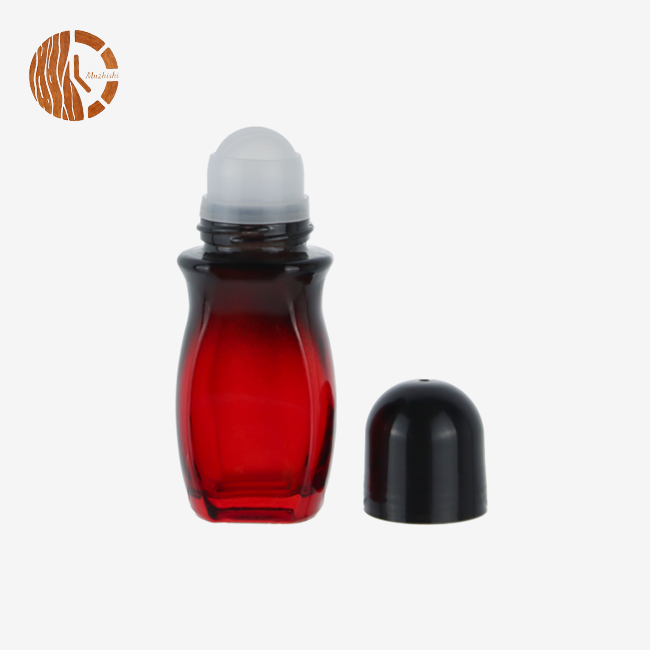
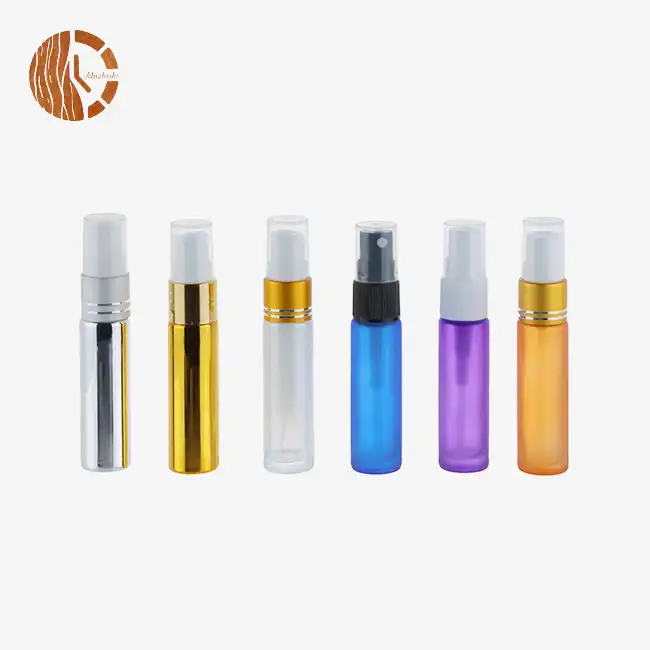
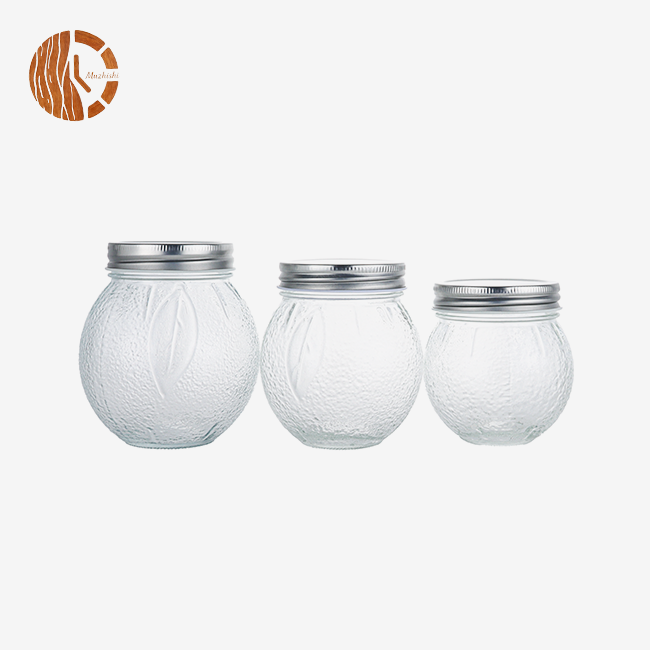

Our customers’ satisfaction speaks for our quality — contact us to experience the same reliable service.