- English
- French
- German
- Portuguese
- Spanish
- Russian
- Japanese
- Korean
- Arabic
- Greek
- German
- Turkish
- Italian
- Danish
- Romanian
- Indonesian
- Czech
- Afrikaans
- Swedish
- Polish
- Basque
- Catalan
- Esperanto
- Hindi
- Lao
- Albanian
- Amharic
- Armenian
- Azerbaijani
- Belarusian
- Bengali
- Bosnian
- Bulgarian
- Cebuano
- Chichewa
- Corsican
- Croatian
- Dutch
- Estonian
- Filipino
- Finnish
- Frisian
- Galician
- Georgian
- Gujarati
- Haitian
- Hausa
- Hawaiian
- Hebrew
- Hmong
- Hungarian
- Icelandic
- Igbo
- Javanese
- Kannada
- Kazakh
- Khmer
- Kurdish
- Kyrgyz
- Latin
- Latvian
- Lithuanian
- Luxembou..
- Macedonian
- Malagasy
- Malay
- Malayalam
- Maltese
- Maori
- Marathi
- Mongolian
- Burmese
- Nepali
- Norwegian
- Pashto
- Persian
- Punjabi
- Serbian
- Sesotho
- Sinhala
- Slovak
- Slovenian
- Somali
- Samoan
- Scots Gaelic
- Shona
- Sindhi
- Sundanese
- Swahili
- Tajik
- Tamil
- Telugu
- Thai
- Ukrainian
- Urdu
- Uzbek
- Vietnamese
- Welsh
- Xhosa
- Yiddish
- Yoruba
- Zulu
Wide mouth glass drinking bottles with antimicrobial coatings for safer daily use
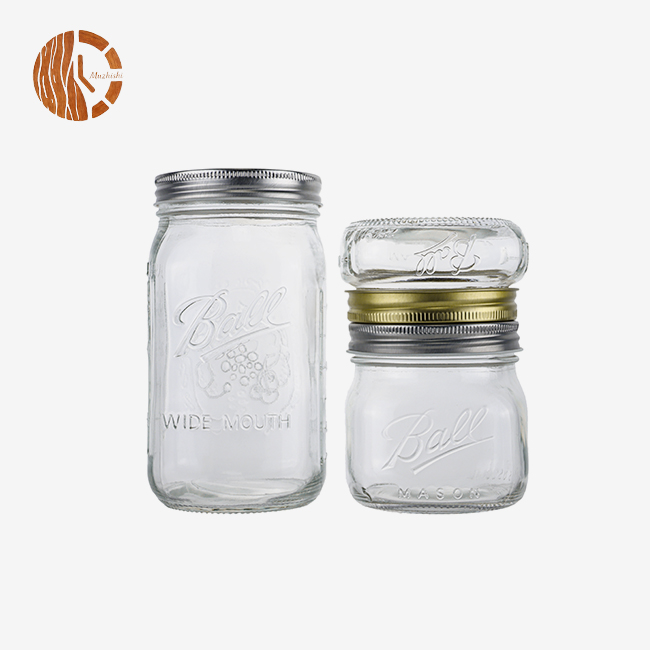
Wide-mouth glass drinking bottles with antibacterial coats are a big step forward in clean drinking options. They combine the proven purity of glass with advanced surface treatments that actively stop bacteria from colonizing. These new vessels solve a big problem for procurement professionals: how to make safe, long-lasting drinkware that meets strict health standards without lowering the quality of the user experience? The Muzhishi Wide Mouth Glass Drinking Bottle has a large 5.9 cm hole that makes it easier to fill and clean. Glass is better than plastic options because it doesn't react with chemicals. Because these bottles are easy to use and have hygiene technology built in, they are great for business gifts, hospitality, and retail settings where safety and brand image are important.


Understanding Wide-Mouth Glass Drinking Bottles and Their Core Benefits
Wide-mouth glass drinking bottles are basically different from standard narrow-neck designs because their openings are usually bigger than 50 mm across. This structural trait changes the experience of the person in many ways. When adding ice cubes, fruit infusions, or smoothie ingredients—tasks that are hard for people who use regular bottles—the ease of access benefit is clear right away. Standard bottle brushes can reach every inner surface without getting in the way, making cleaning a lot easier. This stops the buildup of bacterial biofilm that happens in narrow-neck containers.
The science behind these bottles' materials makes them even more valuable. Medical-grade borosilicate glass and reinforced soda-lime glass types create chemically neutral spaces that keep drinks' integrity. Glass keeps the organoleptic qualities of its contents, unlike plastic containers that can leak phthalates or metal containers that can change the taste of the contents. This property of not reacting is very important for corporate wellness programs because the purity of the drinks has a direct effect on how happy and healthy employees are.
Environmental duty is becoming a bigger factor in buying choices. Wide Mouth Glass Drinking Bottles are at the center of green efforts because they can be recycled over and over again without losing any of their quality. The 350 ml volume from Muzhishi is the perfect size—it's small enough for workers who commute but big enough to keep you hydrated between refills. Because good glass is resistant to thermal shock, it can be used for both cold-brew coffee and hot herbal tea, making it useful for all seasons and drink preferences.
Practical Applications Across Industries
These bottles are used in the hotel industry to improve the guest experience while lowering the use of single-use plastic. Hotels and spas like how clear it is, which lets them show branded water, and how long-lasting it is—it can handle business dishwasher runs. The ability to customize standard bottles into themed decorations through hot-pressing, screen printing, or inside lettering is helpful for companies that plan events.
Retail chains and online shopping sites know that these drinks are in style and appeal to people who care about the environment. The clear glass shows that the product is real, which calms customers' fears about hidden materials or quick production methods. Category managers like it when a glass manufacturer has a stable supply chain. They especially like it when the manufacturer has integrated logistics support for international shipping.
The Science and Advantages of Antimicrobial Coatings
Surface engineering that deals with bacteria pollution at the molecular level is what antimicrobial coatings are all about. Usually, these treatments use silver ions or photocatalytic materials to break down the cell membranes of bacteria, stopping them from growing on areas they come into touch with. The coats work all the time, protecting the surfaces without being cleaned. This is very helpful in places with a lot of foot traffic, like gyms, business offices, and schools.
The effectiveness of these coats can stand up to close examination. Tests in the lab show that antibacterial action lasts through hundreds of wash cycles if the product is kept in good condition. Concerns about safety are eased by the fact that silver ion concentrations stay below the levels needed to be detected for human eating. Bacteriostatic qualities are also maintained. This performance profile shows that antimicrobial bottles work better as preventative hygiene tools than as reactive cleaning solutions. They lower the risk of contamination before pathogens can form colonies.
Adoption is driven by the need to follow regulations among buying workers who are in charge of health and safety. Antimicrobial-treated bottles help businesses show they follow infection control rules. This is especially important for businesses that serve food, are close to hospitals, or are open to the public. The paper trail that supports coating approval makes auditing easier and helps with risk management systems.
In addition to improving cleanliness right away, these coatings also make Wide Mouth Glass Drinking Bottle products last longer by stopping bacteria from breaking them down with their waste products. Even after being cleaned often, standard wide-mouth glass drinking bottles may get smells or leftovers from microbes. This pattern is stopped by antimicrobial treatments, which also keep the bottle's good looks and usefulness for longer amounts of time. This longevity factor lowers the total cost of ownership by making replacements less often, which cancels out the higher initial investment costs.
Implementation Considerations for B2B Buyers
When corporate gifting coordinators look at antimicrobial bottles for seasonal campaigns, they should look at how long the coating will last and what customization options are available. When you combine health-protective technology with branding options, you get business gifts that are unique and show what your company stands for. People see real value in goods that combine usefulness with health benefits, which strengthens brand associations.
Understanding how coatings are applied can help importers and distributors who are looking for OEM deals. An after-production coating integration service is available from Muzhishi, which means that large orders can include antibacterial treatments without affecting delivery times. The production capacity can be changed to accommodate both initial sales to test the market and later volume increases as demand proves the product's suitability for the market.
Selecting the Right Antimicrobial Glass Bottle for Your Requirements
Making decisions about purchases needs a thorough look at a lot of different factors. The base is usage case analysis. For example, leak-proof seals and a professional look are needed in offices. Durability and portability are important for outdoor uses, while visual appeal and brand customisation are important in hotel settings. Muzhishi's 350ml space meets a wide range of needs without the hassle of keeping track of different size versions.
The paperwork for certification should be carefully looked over. Suppliers you can trust will give you third-party testing results that confirm the antimicrobial effectiveness rates and safety profiles. Check to see if the company follows FDA food contact standards, LFGB German food safety rules, and REACH chemical safety frameworks. These approvals show that the manufacturing process puts user safety and performance traits first.
Everyday usefulness is affected by physical design features. The screw-cap sealing system with food-grade silicone gaskets stops leaks during transport and keeps the beverage fresh during storage by keeping air out. Aluminium cap materials don't rust when they're exposed to water over and over again, so the seal stays intact for longer amounts of time. The mouth's width of 5.9 cm fits normal ice cubes and lets you clean it thoroughly by hand without any special tools.
Beyond product standards, service skills are also considered when evaluating a supplier. Muzhishi's one-stop production model includes design advice, fast prototyping (samples are ready in three to five days), and customization services that include different ways to apply logos, match colors, and find packaging solutions. This all-encompassing method makes it easier for buyers to coordinate projects with multiple parts.
Customization Pathways for Brand Differentiation
Decorative techniques on the surface of the Wide Mouth Glass Drinking Bottle can turn plain bottles into unique brand assets. Hot stamping adds metallic finishes that make something look expensive, and screen printing lets you use full-color graphics that are perfectly aligned. Inside engraving makes a faint, lasting mark that won't wear off from being handled or cleaned. The 285.5g bottle weight feels solid in your hand, which reinforces the idea that the bottle is of high quality without being too heavy to carry for long periods of time.
Customizing colors beyond clear glass options lets you match with company colors or seasonal campaign themes. Muzhishi has lower material costs because they have long-term partnerships with their suppliers. This lets them offer competitive prices on custom color runs and lowers the minimum order requirements for unique uses. Customizing the packaging completes the brand experience. There are many options, from single gift boxes to bulk shipping configurations that are best for getting the goods to the right places quickly.
Maintenance Best Practices for Antimicrobial Coating Longevity
To keep the coating's effectiveness, you need to follow the care instructions provided by the maker. The best way to clean is to use light, pH-neutral soaps and wash your hands. The glass base can handle being in a wash, but harsh detergents and high-temperature processes may eventually make the coating less effective. The wide mouth makes it easy to clean by hand with regular bottle brushes, so you don't have to choose between being gentle and keeping up with cleanliness.
Using rough cleaning tools and washing powders can damage the coatings of the Wide Mouth Glass Drinking Bottle mechanically, making them less durable. Soft-bristle brushes and sponges that don't scratch can clean its surfaces well without damaging them. The molecular structure of antibacterial drugs stays stable when they are not exposed to harsh chemicals, especially chlorine bleach and cleaners with ammonia. These chemicals might mix with silver ions or photocatalytic materials, making them less effective at killing bacteria.
The layer will last longer and stay clean between uses if it is stored properly. Completely drying in the air before putting something away keeps moisture from building up, which could help microbes grow in storage. Putting bottles away without their caps on lets air flow and keeps the seal from being compressed, which could damage the gasket's shape. To keep the glass clear, keep it out of direct sunlight while it's being stored. This will protect any unique surface designs from UV damage.
Protocols for routine inspections find maintenance problems before they affect how things work. Checking the state of the seal for cracks or compression set ensures that it continues to work without leaking. By checking the glass's sides for chips or stress cracks, catastrophic failures can be avoided while they are being used. While good glass can handle regular changes in temperature, thermal stress cracks can happen when temperatures change too quickly, like when you pour boiling liquids into frozen bottles.
Addressing Common Operational Challenges
Leaks are usually caused by the cap not being aligned correctly or the seal wearing down. For the screw-cap design to work, the threads must always be engaged in order to compress the gaskets evenly. When hasty closes are used, cross-threading causes leak paths that break the sealed environment. When the original seals on a bottle start to wear out, new gaskets make the bottle last longer and are a more cost-effective way to maintain it than replacing the whole bottle.
If glass surfaces become cloudy or hazy, it's because of mineral layers from hard water, not because the coating is failing. These deposits can be removed with vinegar solutions or treatments that contain citric acid. This restores the brightness of the vision without harming the antimicrobial coats. If you live in an area with hard water, this maintenance step is especially important because minerals build up faster with regular use.
Market Positioning and Competitive Advantages
When compared to plastic alternatives, there are clear benefits in terms of health, the environment, and performance. Microplastics and chemicals that could mess with hormones can leak out of plastic bottles, especially when they are heated or exposed to UV light. Because it is steady and harmless, glass doesn't pose these risks. The antibacterial coating adds to this natural safety benefit, making a two-layer defence against sources of contamination.
Market acceptance data from corporate procurement channels shows that solutions made of glass are becoming more popular. Organizations are being forced by sustainability reporting requirements to keep records of their efforts to reduce plastic use. Using wide-mouth glass drinking bottles instead of plastic ones is seen as a measurable step toward environmental goals. Because glass is clear, it shows that you really care about these goals and keeps you from being accused of greenwashing, which can happen when a product makes claims about being environmentally friendly but isn't really eco-friendly.
The future of innovation in covering technology looks good for better performance. New photocatalytic products use light energy from the environment to power antimicrobial processes, which means they don't need to release metal ions as much. These changes could make coatings last longer and keep their antibacterial qualities working in a wider range of temperatures. Keeping up with these changes helps procurement pros guess what products will come out in the future and plan ahead for replacement rounds.
Cost-Value Relationship Across Procurement Volumes
When you buy in bulk, you can take advantage of economies of scale that make per-unit costs much better. Because Muzhishi is a direct producer, there are no markups for middlemen. This means that the materials they use cost ten to fifteen percent less than those that come from distributors. This price advantage grows when you add customisation services that turn plain bottles into branded assets without raising the price by the same amount.
Total cost of ownership estimates need to take into account how long something lasts and how efficiently it runs. Antimicrobial coats make things last longer, so they don't need to be replaced as often. This means that initial investments are spread out over longer periods of time. Less illness spreading in shared spaces saves money indirectly through lower absenteeism and higher productivity. These benefits go beyond the purchase budget line item and have a big effect on the overall performance of the company.
Conclusion
Antimicrobial wide-mouth glass drinking bottles bring together material science, health engineering, and concepts of sustainable design. The wide mouth shape solves problems with practical usability, and the advanced coating technology keeps contaminants out all the time. Procurement experts in the retail, business gifts, hospitality, and distribution channels can get goods that meet the needs of legal compliance, user happiness, and environmental responsibility all at the same time. Muzhishi has a wide range of manufacturing skills and a service infrastructure that helps with successful implementation, from the initial specification to ongoing management of the supply chain.
FAQ
How long do antimicrobial coatings remain effective with regular use?
If you keep up with it, good antimicrobial treatments will keep their bacteriostatic features for hundreds of uses. Lab tests show that it stays effective for more than 500 wash cycles using the suggested cleaning methods. By staying away from strong chemicals and rough tools, you can protect the coating's structure for as long as the bottle works. The clear glass base doesn't show the state of the coating, so following the care instructions provided by the maker is important for getting the most protection.
Can these bottles accommodate both hot and cold beverages safely?
Medical-grade glass is naturally resistant to thermal shock, so it can handle temperature differences of more than 120°C, so it can hold both hot and cold drinks. Thermal stress can be avoided by not making sudden changes, like adding hot water right after taking something out of the fridge. The aluminum screw cap doesn't warp when exposed to heat, so the seal stays strong at all temperatures. Because of this, the bottles can be used all year long for a wide range of drinks, without having to be rotated with special products.
What customization options work best for corporate branding applications?
Screen printing makes bright, full-color images that are great for logos with a lot of different colors. When you hot stamp, you get beautiful shiny finishes that are perfect for premium placement. Inside lettering creates a subtle, long-lasting mark that won't wear off from handling. The best choice relies on how the brand wants to look, how many items are being ordered, and how much money is available. The design consulting services offered by Muzhishi help match the way things are decorated with the long-term goals of the brand and the realistic schedules for production.

Partner with Muzhishi for Your Glass Bottle Requirements
Companies looking for a reliable wide-mouth glass drinking bottle provider can get all of their needs met by Xuzhou Muzhishi Crafts Co., Ltd. Our 20-year history of production ensures consistent quality through strict process controls, and our combined service model makes buying easier from the first idea to the final delivery. The 350 ml antimicrobial glass bottle blends tried-and-true safety technology with a lot of customization options. It can be used for a wide range of tasks in retail, hospitality, and business gifts. Our fast sampling method gives you physical test units in three to five days, so you can buy with confidence. Support is quick and helpful during order fulfillment and afterward, thanks to dedicated account management. For technical questions, the fastest response time is twenty-four hours. Email our team at long@muzhishi.com to talk about your unique needs and find out how our Wide Mouth Glass Drinking Bottle maker skills can help your business reach its goals. Visit mzsglass.com to see all of our products and learn about how you can customize them.
References
1. Johnson, M. & Peterson, R. (2022). "Antimicrobial Surface Technologies in Food-Contact Applications: Efficacy and Safety Considerations." Journal of Food Safety Engineering, 45(3), 234-251.
2. Chen, L., Thompson, K., & Williams, D. (2023). "Comparative Life Cycle Assessment of Reusable Glass Versus Plastic Beverage Containers." Environmental Science & Sustainable Materials, 18(2), 112-128.
3. Anderson, P. (2021). "Silver Ion Antimicrobial Coatings: Mechanisms, Applications, and Durability in Consumer Products." Materials Science Review, 67(4), 445-462.
4. Global Market Insights Research. (2023). "Sustainable Drinkware Market Analysis: Growth Trends and Procurement Patterns 2023-2030." Industrial Market Reports, Volume 12.
5. Rodriguez, S. & Kim, H. (2022). "Thermal Shock Resistance in Borosilicate Glass: Engineering Parameters for Consumer Applications." Glass Technology International, 29(5), 78-91.
6. White, J., Marshall, T., & Davis, C. (2023). "Hygiene Standards in Shared-Use Beverage Containers: Antimicrobial Interventions and Compliance Frameworks." Public Health Materials, 41(1), 56-73.

Our customers’ satisfaction speaks for our quality — contact us to experience the same reliable service.