- English
- French
- German
- Portuguese
- Spanish
- Russian
- Japanese
- Korean
- Arabic
- Greek
- German
- Turkish
- Italian
- Danish
- Romanian
- Indonesian
- Czech
- Afrikaans
- Swedish
- Polish
- Basque
- Catalan
- Esperanto
- Hindi
- Lao
- Albanian
- Amharic
- Armenian
- Azerbaijani
- Belarusian
- Bengali
- Bosnian
- Bulgarian
- Cebuano
- Chichewa
- Corsican
- Croatian
- Dutch
- Estonian
- Filipino
- Finnish
- Frisian
- Galician
- Georgian
- Gujarati
- Haitian
- Hausa
- Hawaiian
- Hebrew
- Hmong
- Hungarian
- Icelandic
- Igbo
- Javanese
- Kannada
- Kazakh
- Khmer
- Kurdish
- Kyrgyz
- Latin
- Latvian
- Lithuanian
- Luxembou..
- Macedonian
- Malagasy
- Malay
- Malayalam
- Maltese
- Maori
- Marathi
- Mongolian
- Burmese
- Nepali
- Norwegian
- Pashto
- Persian
- Punjabi
- Serbian
- Sesotho
- Sinhala
- Slovak
- Slovenian
- Somali
- Samoan
- Scots Gaelic
- Shona
- Sindhi
- Sundanese
- Swahili
- Tajik
- Tamil
- Telugu
- Thai
- Ukrainian
- Urdu
- Uzbek
- Vietnamese
- Welsh
- Xhosa
- Yiddish
- Yoruba
- Zulu
Glass Bottles vs Plastic for Essential Oils: Which Is Better?
When selecting packaging for essential oil products, choosing essential oil bottles made from glass consistently outperforms plastic alternatives in preserving product integrity. Glass containers—particularly amber and cobalt variants—prevent UV-induced photo-oxidation that degrades volatile compounds like terpenes and esters, maintaining therapeutic potency and scent profiles. While plastic bottles offer lightweight convenience, glass provides chemical inertness, prevents leaching, and aligns with sustainability expectations from wellness-conscious consumers. Throughout our two decades working with home décor brands, gift companies, and hospitality clients, we've observed how packaging decisions directly influence brand perception and customer satisfaction.
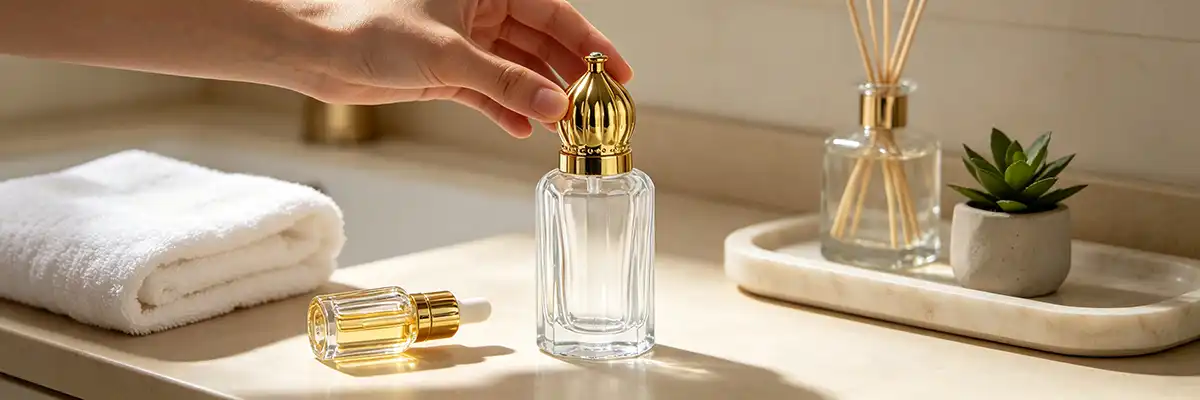
Understanding Essential Oil Bottles: Materials and Their Properties
To make good essential oil packaging, you need to know about material science and how the composition of the container affects volatile plant compounds. When looking for the right storage options, procurement professionals have to look at a number of important types of materials.
Glass Bottle Categories and Their Chemical Properties
Different types of glass protect differently depending on its minerals and manufacturing. Amber glass is colored using iron, sulfur, and carbon. These substances form a matrix that inhibits UV wavelengths below 450nm, which break down essential oils. Though it contains cobalt oxide, cobalt blue glass also blocks UV rays in a different way. Clear glass lets the most light through but doesn't block UV rays; thus, it's best for stable molecular oils.
Boron trioxide makes type I borosilicate glass chemically and heat shock resistant. These containers can be autoclaved at 121°C without changing form due to their composition. This is crucial for sterile medicinal usage. Due to its chemical resistance and low cost, commercial aromatherapy products are made from Type III soda-lime glass.
Plastic Material Considerations
The most prevalent packing plastics are PET and HDPE. PET containers are clearer and more impact-resistant than silicate-based ones. HDPE is flexible and chemically robust, preventing it from breaking during shipping. Both materials are lighter than glass, reducing shipping costs and CO₂ emissions.
Permeability is a major issue with plastic containers. Polymer chains have micro-holes for oxygen and combustible chemicals. Distillers call this "angel share." Citrus essential oils, notably d-limonene, contain powerful compounds that react with plastic polymers. This can damage containers or taint long-stored items.
Comparative Material Analysis
Glass is chemically inert; thus, it prevents ion exchange that may affect oil pH or let pollutants in. With the correct closures, the non-porous surface produces a hermetic seal that prevents oxygen leakage and accelerates oxidation. Glass may be recycled repeatedly without losing quality, supporting business environmental responsibility.
Plastic is durable and easy to work with. Breakage during fulfillment or consumer use is almost eliminated, reducing product loss and responsibility. Low weight implies lower shipping, which is crucial for large international orders. Making them is cheaper than glass, although high-quality UV-protective polymers reduce this advantage.
Comparing Glass vs. Plastic Essential Oil Bottles: Critical Performance Dimensions
Practical performance metrics help businesses figure out which type of material meets their needs and quality standards the best.
Light Protection Capabilities
Photoprotection is probably the most important performance factor for storing essential oils in essential oil bottles. About 90% of light in the 290–450nm range is blocked by amber glass. This is the range of light that causes photodegradation reactions in plant compounds that are sensitive to it. Blue glass offers the same level of security, but it looks different, which is good for premium branding strategies. Nearly all light is blocked by black glass or biophotonic violet glass, which is the best photoprotective packaging.
Standard clear plastics don't block UV light very well, so full-spectrum light can get through and quickly lower the quality of essential oils. Although there are UV-resistant plastics, they don't always protect as well as colored glass. Product shelf life studies consistently show that oils stored in amber glass keep their therapeutic properties and chemical makeup for a much longer time than oils stored in plastic under the same conditions.
Chemical Compatibility and Leaching Risk
Chemically, glass cases are completely inert—the silicate matrix doesn't mix with the parts of essential oils, no matter how much or how long they are exposed to them. This steadiness makes sure that the purity of the product meets pharmaceutical standards and the ever-tougher legal needs of the health market.
The compatibility of plastic varies based on the polymer composition and the chemistry of the essential oil. Citrus oils that have a lot of limonene in them can break down some types of plastic, which can damage the bottle and add polymer breakdown products to the oil. Food-grade HDPE and PET are safe for many uses, but if they come into contact with strong plant extracts for a long time, they may still have small chemical reactions that change the way they smell or work as medicine.
Seal Integrity and Leakage Prevention
It turns out that the right closing methods are just as important as the right bottles. When you put poly-cone liners or orifice reducers calibrated to DIN 18 thread standards inside glass bottles, they make secondary gas-tight seals that stop both leakage and evaporation. The stiff glass neck has constant threading that keeps the seal intact even after many opening and closing rounds.
Plastic bottles are naturally flexible, which can make it harder to get a good seal. When the temperature changes, the bottle body and cap expand and contract at different rates, which could leave tiny gaps that let water evaporate. But this same flexibility keeps things from breaking in terrible ways—a dropped plastic bottle usually stays whole, but glass breaks into a million pieces.
Transportation and Durability Considerations
Different skills can be seen in shipping operations. Because glass is fragile, it needs to be packed in protective materials, which adds to its size and costs. Although breakage rates during shipping can be controlled by following the right packing rules, they can lead to lost products and problems with customer service. The amount of weight also has a big effect on freight costs, especially when shipping by air or for foreign sales.
Because plastic doesn't break easily when hit, it makes packaging easier and lowers the cost of shipping large items. When you buy a lot of something, the weight benefit is especially important. For example, a pallet of plastic bottles may weigh 30–40% less than a pallet of glass bottles, which directly lowers your carbon footprint and freight costs.
Environmental Impact Assessment
Sustainability factors are becoming more important in purchasing decisions as being environmentally responsible becomes an important part of a company's brand. Glass can be recycled over and over again without losing any of its quality. Old bottles can be turned into new containers over and over, which creates real circular economy potential. Many cities and towns have established systems for recycling glass, but problems with contamination and sorting can make recycling rates less efficient.
Recycling plastic has bigger problems than it used to. Although PET and HDPE are officially recyclable, they aren't recycled very often because people are afraid of contamination, there isn't enough processing facilities, and the economy is hurting markets for recycled materials. A lot of the materials used to make plastic come from oil, which makes people worry about our dependence on fossil fuels and the impact our manufacturing has on the environment.
How to Choose the Best Essential Oil Bottles for Your Business Needs?
To use technical knowledge to make choices about purchases, you need to look at specific business situations and working needs.
Volume and Scale Considerations
Standardized bottle specifications help bulk essential oil providers with high-volume filling lines make sure that their equipment works with each other and make inventory management easier. Offering synced volumetric sizes from 5 ml to 100 ml with standard neck finishes, a full series method lets brands keep the same closure systems and visual identity across product lines. This standardization cuts down on the cost of capital equipment and makes it easier to train staff. It also helps people recognize the brand by using the same visuals everywhere.
Application-Specific Selection Criteria
Full-size retail packaging needs to be optimized in a different way than sample essential oil bottles that are used for marketing and getting new customers. Sample containers are usually between 0.25 ml and 5 ml, with portability and low cost being the most important factors. With these small sizes, brands can offer discovery sets or tester collections, which makes it easier for customers to buy while still protecting the quality of the product. Glass is still better, even in small amounts, because it keeps things better and protects a brand's reputation.
For packing to be travel-friendly, different sacrifices have to be made. Plastic is useful for portable uses because it is lightweight and can't be broken, even though it isn't good for preservation. But high-end brands often don't mind if the glass is fragile as long as they keep their quality image and make sure the product works during travel.
For long-term storage, glass is clearly the best choice. Its better preservation properties have a direct effect on both product shelf life and customer happiness. Oils that will be stored for more than one year, especially botanical extracts that are expensive or hard to find, need the absolute protection that only glass can provide.
Cap and Closure System Selection
The design of closures has a big effect on how they work and how the user feels about them. Orifice reducers built into Euro droppers allow for limited dispensing, which stops waste and limits air contact during use. Glass pipettes are great for healing uses because they allow for precise doses. Tamper-evident caps offer security that is valued by both regulators and people who care about quality. Depending on the type of product and the market it's aimed at, childproof features may be needed by law.
To make a closure compatible, the thread specifications must match. DIN 18 and GL 18 are industry standards that make sure everything fits. Making sure that the thread standards for bottles and caps are the same stops expensive compatibility problems from happening when production grows.
Cost-Performance Balance
When making choices about what to buy, people have to weigh the upfront cost against the long-term value. Amber glass bottles cost more at first than plastic ones, but they last longer, so less product is lost to degradation, which supports premium pricing strategies. Brands in the high-end wellness market need glass to keep up their perceived value and back up their price points.
Plastic has lower start-up costs, which makes it appealing for businesses that want to save money or places where products are used up quickly enough that preservation restrictions don't matter. Plastic may be fine for mass-market stores that have a lot of items that come and go quickly. It also has cost benefits that help keep prices low.
Best Practices for Storing and Maintaining Essential Oils in Bottles
To keep products at their highest value, they need to be stored correctly, no matter what kind of material the container is made of.
Environmental Control Parameters
Stability at room temperature is important for keeping essential oils fresh for longer. Temperatures should stay stable between 15°C and 25°C in storage areas, and molecules should not be exposed to heat sources that speed up the breakdown process. Even though glass doesn't naturally keep temperatures stable, its thermal mass makes it less likely that temperatures will change quickly than thin-walled plastic.
Even with photoprotective containers, light exposure needs to be carefully managed. The UV rays that are dangerous are blocked by amber glass, but visible light can still break down things over time. Keeping valuable items in dark places or using opaque secondary packaging gives them even more protection.
Air contact is another type of pollution that needs to be managed. Keeping headspace to a minimum in bottles that are only partly empty lowers oxygen contact. Moving the leftover oil to smaller containers as the stock runs out keeps the best conditions for storage.
Cleaning and Reuse Protocols
When done right, glass containers for glass bottles for essential oils can be cleaned thoroughly and used again and again. Using the right solvents to wash gets rid of oil residue without contaminating the detergent. The smooth, non-porous glass surface keeps old contents from soaking in, so it can be completely cleaned. Glass is durable enough to be used more than once, which supports green efforts and cuts down on packaging trash.
It's harder to refill plastic bottles in some situations. The slightly porous polymer surface can hold on to traces of what it used to hold, which can lead to cross-contamination problems. Cleaning solvents that are too strong may react with plastic polymers, destroying the integrity of the container. Plastic bottles can be used more than once, but in business settings they are usually only used once.
Recycling and Disposal Considerations
Responsible end-of-life management helps companies keep their environmental promises. Glass can be recycled at the curb in most cities and towns, but colored glass may need to be separated from clear glass. To keep recycling lines clean, empty bottles should be cleaned of their caps and any oil that is still on them.
The infrastructure for recycling plastic varies a lot from place to place. Making sure that certain types of polymers are accepted in the area keeps recycling efforts from turning into pollution. Some places don't have good plastic recycling systems, so trash that can be recycled ends up in landfills.
Market Insights: Trending Essential Oil Bottle Types and Supplier Selection for B2B Buyers
Knowing how the market is changing right now helps buying professionals make smart decisions about where to buy things.
Popular Format and Size Trends
Industry data shows that there is strong demand for a range of bottle sizes that serve different types of customers. The 2 ml and 5 ml sizes are small enough for sampling and travel. Most aromatherapy items sold in stores come in standard 10 ml and 15 ml bottles. Larger sizes (30ml, 50ml, and 100ml) are available for professionals and people who buy in bulk. By offering synchronized series across these amounts, brands can serve a wide range of customers while keeping costs low by using standard closures and marking systems.
Dropper essential oil bottles with built-in orifice reducers keep getting more popular because people like controlled dispensing that stops waste. Roll-on applicators with stainless steel or glass rollerballs are used for skin applications, but they usually only use smaller amounts.
Supplier Evaluation Criteria
When choosing the right providers, you need to look at more than just the basic product specifications. Suppliers can support business growth without having to make disruptive vendor changes thanks to manufacturing capacity and scalability. Reliable lead times have a direct effect on inventory management and keep customers from getting upset when you're out of stock.
With customization options, brands can stand out by using their own bottle designs, colors, or printing methods. Suppliers that offer both ODM and OEM services help with everything from design to production, which makes the buying process easier. Sample return time—ideally three to five days—allows for quick product development processes.
As governmental scrutiny grows, certification and compliance paperwork become more and more important. Material certifications from suppliers should show that the materials are safe for food, don't contain BPA, and meet international standards such as FDA and REACH rules.
Quality Assurance and Testing
Reliable suppliers use strict quality control procedures to make sure that product specifications are always met. Testing should make sure that the dimensions are correct, that the threads work with each other, and that the seal is intact. Material composition analysis proves that there are no illegal substances and that colorful glass really does protect against UV light.
International sellers who have exported goods before know what paperwork is needed and how to follow the customs rules for the countries they want to sell to. Partnerships with logistics providers make global shipping more reliable, and the right insurance covers damage that happens in transit.

Conclusion
Choosing between glass and plastic essential oil bottles for essential oil storage comes down to weighing the quality of preservation, cost, goals for sustainability, and the needs of the specific application. Glass containers are great for premium brands, long-term storage, and products that focus on quality and sustainability because they are better at resisting chemicals, protecting against light, and being recycled over and over again. Plastic is long-lasting, lighter, and cheaper, making it a good choice for high-turnover items, travel items, and markets that want to save money. Instead of using one-size-fits-all solutions, B2B procurement professionals do their companies the most good by carefully matching container material to product positioning, target customer standards, and business needs. Packaging can be turned from a basic buy into a valuable brand asset by working with experienced providers who offer full customization, reliable quality, and quick service.
FAQ
Is glass always better than plastic for essential oil storage?
Glass is better at keeping things fresh for most uses, especially when it comes to light-sensitive oils that need to last longer. Because amber or cobalt glass is chemically inert and protects against UV light, it doesn't break down in a way that changes its healing qualities or smell profiles. However, plastic works well in some situations—travel containers work well because they are strong and won't break, and fast-moving store items may not need the protection benefits of glass. The best material choice depends on the application.
Can plastic bottles contaminate essential oils?
Under normal circumstances, good food-grade plastics like HDPE don't get contaminated easily. However, over time, the harsh chemicals in some essential oils, especially citrus oils that are high in limonene, can react with polymer chains. This interaction risk goes up as the concentration and storage time go up. Because it is chemically inert, glass completely eliminates contamination concerns. This makes it the best material for products that need to be guaranteed to be pure or that need to be stored for a long time before they are used.
What storage practices extend essential oil shelf life regardless of container material?
Controlling natural forces is the best way to protect things. Keep the temperature stable between 15°C and 25°C, store the containers in dark places to limit their exposure to light, and make sure the lids are tight to keep air out. Move the remaining oil to smaller containers to reduce the amount of empty space in bottles that are only partly used. These tips go along with choosing the right container material. Following the right storage rules will greatly increase the shelf life of any product, whether it's in a glass or plastic bottle.
Partner with Muzhishi: Your Trusted Essential Oil Bottles Supplier
Xuzhou Muzhishi Crafts Co., Ltd. brings 20 years of specialized expertise in glass product manufacturing, serving home décor brands, corporate gift companies, hospitality businesses, and international distributors worldwide. Our comprehensive customization services support ODM and OEM requirements with rapid 3-5 day sampling, ensuring your packaging perfectly aligns with brand identity and quality standards. As an experienced essential oil bottle manufacturer, we maintain strategic partnerships with local raw material suppliers, delivering cost advantages without compromising quality while our self-operated import-export capabilities ensure seamless customs clearance and logistics coordination. Our dedicated account managers provide one-on-one support throughout the procurement process, from initial design concepts through production and compliant documentation preparation. Whether you require amber glass bottles for premium aromatherapy lines, bulk essential oil containers for large-scale distribution, or custom black glass bottles for luxury positioning, we deliver reliable quality and responsive service. Contact our team at long@muzhishi.com to discuss your specific requirements, request samples, or explore how our supply chain advantages and technical expertise can strengthen your product offerings. Visit mzsglass.com to view our full product range and discover why leading brands trust Muzhishi as their long-term packaging partner.
References
1. Tisserand, Robert and Young, Rodney. "Essential Oil Safety: A Guide for Health Care Professionals." Churchill Livingstone, 2nd Edition, 2014.
2. Bowles, E. Joy. "The Chemistry of Aromatherapeutic Oils." Allen & Unwin Academic, 3rd Edition, 2003.
3. Patel, Sanjay and Wiggins, John. "Glass Packaging Technology for Essential Oils and Volatile Compounds." Journal of Pharmaceutical Packaging Science, Volume 12, Issue 3, 2019.
4. American Society for Testing and Materials. "Standard Specification for Glass Containers for Pharmaceutical Use (ASTM E438-92)." ASTM International, 2018.
5. European Directorate for the Quality of Medicines. "Glass Containers for Pharmaceutical Use: Technical Guidelines." Council of Europe Publications, 2020.
6. Sustainability Packaging Coalition. "Material Properties and Environmental Impact Assessment: Glass vs Plastic in Personal Care Markets." GreenBlue Institute Research Report, 2021.
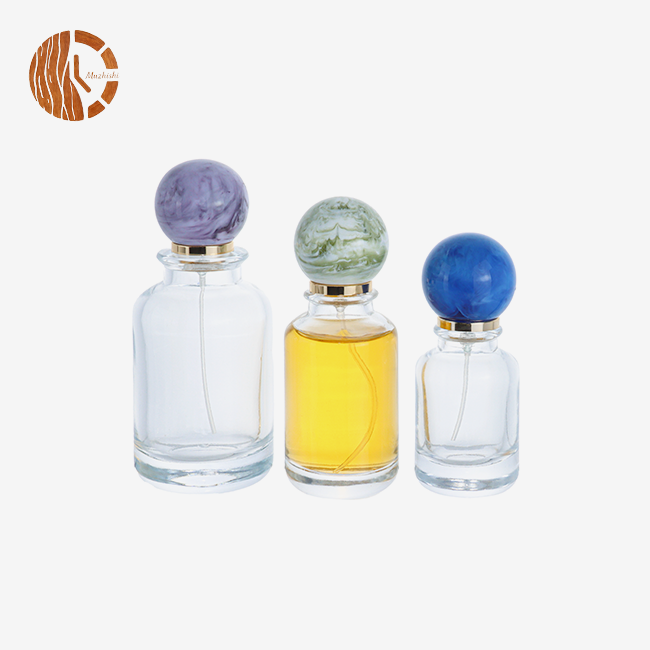

Our customers’ satisfaction speaks for our quality — contact us to experience the same reliable service.