- English
- French
- German
- Portuguese
- Spanish
- Russian
- Japanese
- Korean
- Arabic
- Greek
- German
- Turkish
- Italian
- Danish
- Romanian
- Indonesian
- Czech
- Afrikaans
- Swedish
- Polish
- Basque
- Catalan
- Esperanto
- Hindi
- Lao
- Albanian
- Amharic
- Armenian
- Azerbaijani
- Belarusian
- Bengali
- Bosnian
- Bulgarian
- Cebuano
- Chichewa
- Corsican
- Croatian
- Dutch
- Estonian
- Filipino
- Finnish
- Frisian
- Galician
- Georgian
- Gujarati
- Haitian
- Hausa
- Hawaiian
- Hebrew
- Hmong
- Hungarian
- Icelandic
- Igbo
- Javanese
- Kannada
- Kazakh
- Khmer
- Kurdish
- Kyrgyz
- Latin
- Latvian
- Lithuanian
- Luxembou..
- Macedonian
- Malagasy
- Malay
- Malayalam
- Maltese
- Maori
- Marathi
- Mongolian
- Burmese
- Nepali
- Norwegian
- Pashto
- Persian
- Punjabi
- Serbian
- Sesotho
- Sinhala
- Slovak
- Slovenian
- Somali
- Samoan
- Scots Gaelic
- Shona
- Sindhi
- Sundanese
- Swahili
- Tajik
- Tamil
- Telugu
- Thai
- Ukrainian
- Urdu
- Uzbek
- Vietnamese
- Welsh
- Xhosa
- Yiddish
- Yoruba
- Zulu
Glass Honey Jars with Glass Stirring Stick for Home Kitchens
Glass Honey Jars with Glass Stirring Sticks represent a modern solution for kitchen storage that balances elegance with practicality. These premium food-grade containers feature transparent design that showcases your honey's natural color and texture while the specialized stirring stick ensures hygienic dispensing without contamination. Unlike traditional wooden dippers that absorb moisture and harbor bacteria, the all-glass construction maintains purity and extends product shelf life. This combination serves home kitchens, boutique food brands, and hospitality venues seeking refined presentation that preserves honey's enzymatic integrity and natural sweetness over time.
Understanding the Design and Material Excellence
Because people are more concerned about food safety and the environment, the way honey storage vessels are made has changed a lot. Modern Glass Honey Jars with Glass Stirring Sticks are made of food-grade materials that keep the taste intact and stop chemicals from leaching out.
What Makes Food-Grade Glass Superior?
Soda-lime or borosilicate Glass Honey Jars with Glass Stirring Sticks are made to strict international safety standards, such as FDA 21 CFR 177.1640 and EU Directive 84/500/EEC. The non-porous surface keeps germs from growing, which can happen with wood and bamboo options. High-quality types can withstand thermal shocks up to 150°C, which means they can be used for hot-filling processes without breaking. The chemical inertness of the material means that it won't mix with honey's naturally acidic pH levels. This keeps the honey's taste ingredients and helpful enzymes intact.
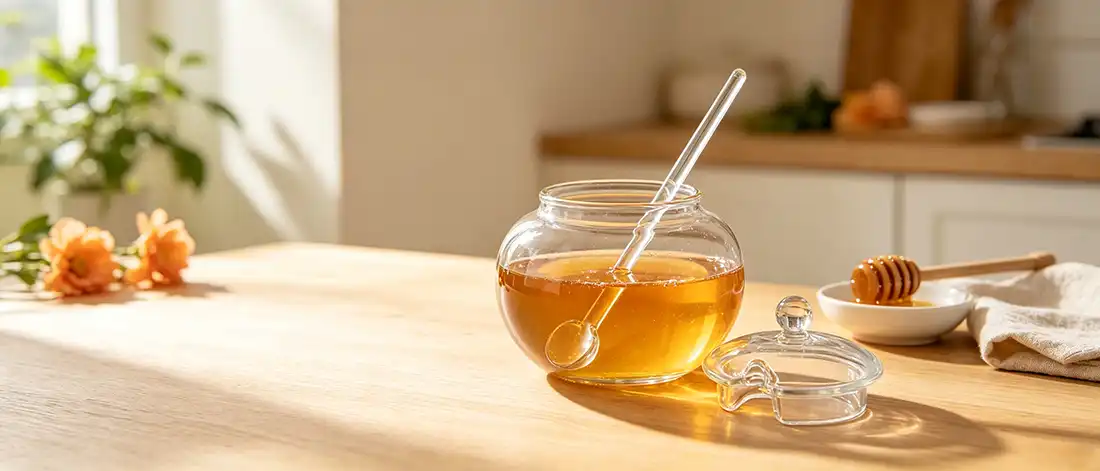
Stirring Stick Engineering Details
The glass dipper has carefully designed horizontal bumps that increase surface tension, making it easier for sticky honey to stick to the dipper while it is being moved. This special comb design holds the right amount of product and lets you drizzle it in a way that makes the least amount of mess. The 8–12 mm width makes it strong enough to use every day without worrying about breaking like smaller options do. When something is being made, precision annealing gets rid of any internal stress points that could cause it to break on its own.
Transparency as Functional Advantage
The crystal-clear structure is useful for more than just looks good. When you look closely at honey, you can tell the difference between monofloral types by looking at things like crystallization patterns, pollen content, and natural color changes. The refractive index of about 1.52 makes the product as visible as possible, making for a good display in a store and letting customers check the authenticity before buying.
Key Benefits Driving Market Adoption
Professional procurement teams and end users are becoming more and more aware of the real benefits these storage solutions offer in a variety of settings.
Health and Safety Assurance
In Glass Honey Jars with Glass Stirring Stick, you might be introduced to BPA, phthalates, and other chemicals that mess with hormones. Glass containers don't have these chemicals. Honey naturally kills germs because it contains hydrogen peroxide and not much water. These traits stay on the non-reactive surface. Glass stirrers don't need to be changed like wooden sticks do every couple of months because they break. If you clean them right, they stay clean forever. High-temperature cleaning standards are needed in hotels and restaurants, and commercial dishwasher compatibility supports them. This lowers the risk of cross-contamination in kitchens where people share food.
Extended Product Freshness
Precision-ground glass lids or silicone-gasketed surfaces that close airtightly keep the honey from absorbing water, which would otherwise lead to fermentation. Light-sensitive nutrients, such as vitamin C and flavonoid antioxidants, are kept from breaking down by UV-resistant properties. This safe environment keeps the honey at the right consistency and keeps it from crystallising too soon. This gives stores more time to sell the honey and lowers the amount that goes to waste.
Versatility Beyond Honey Storage
The jars were made for honey, but you can also put other thick foods in them, like nut butters, sesame paste, and craft jams. With the 350ml size, you can control how much of tasty treats like fruit wines with spices, homemade yoghurt, and gourmet spice mixes you eat. Planners of weddings and business events use them as stylish favour boxes and fill them with locally made jams or food that is arranged in a way that looks nice. Being able to do more than one thing makes it easier for stores that sell a lot of different things to keep track of their stock.
The usefulness is also raised by how simple it is to keep up. If the glass is smooth, you can clean it with warm water instead of rough scrubbing, and you can put it in the dishwasher to save time in a business setting. It doesn't stain or hold smells, even after being touched for a long time with highly flavoured items. This makes it easy to switch between things in the inventory.
Procurement Considerations for B2B Buyers
When category managers and buying professionals look at honey jar providers, they have to look at a lot of technical and business factors to make sure the products they choose are in line with their company's goals.
Material Quality and Certification Compliance
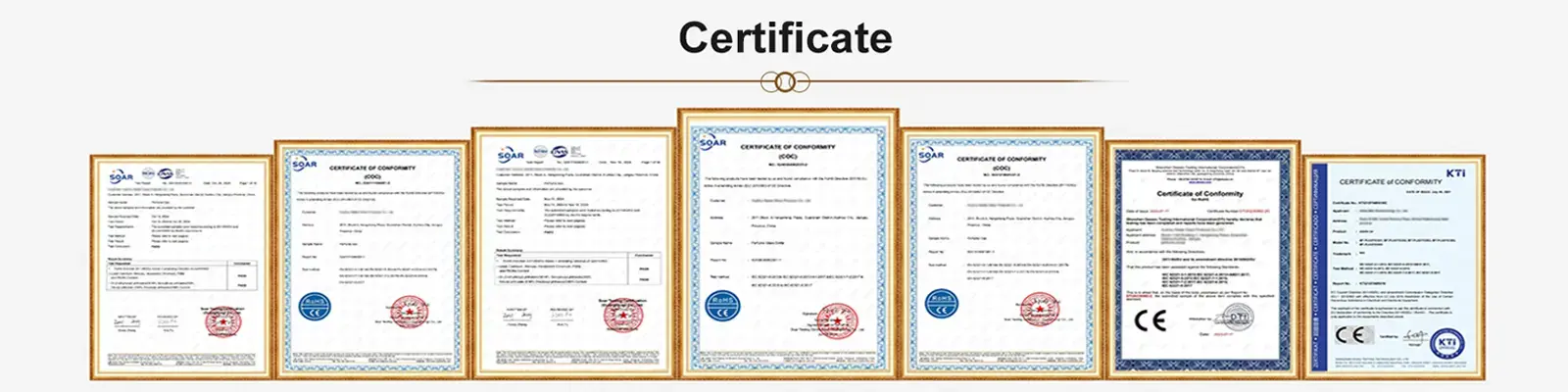
Reputable makers provide detailed testing records that confirm the amounts of lead and cadmium poisoning through Inductively Coupled Plasma (ICP) analysis. This makes sure that the products meet the requirements of California Proposition 65 and other international standards. According to ASTM C148, polarized light stress testing confirms that the material has been properly annealed, which stops internal tensions from causing a delayed fracture. According to ISO 719, hydrolytic resistance rating ensures surface stability in wet storage conditions without alkali release that hurts the quality of the product.
Comparing Stirring Stick Materials
| Material Type | Durability | Hygiene Level | Maintenance | Cost Efficiency |
|---|---|---|---|---|
| Glass | Excellent—can handle industrial washing | Better: Not porous, so it stops bacteria | Minimal—a simple rinse is enough | High longevity over a lifetime |
| Wood | Poor—it soaks up water and cracks | Low: Bacteria can live in grain | High—needs to be washed and oiled by hand | Low—needs to be replaced often |
| Stainless Steel | Good—it doesn't rust or corrode | Not too bad—seams can trap dirt | Moderate—can go in the dishwasher | Moderate—costs more at first |
Glass turns out to be the best option for businesses that care about cleanliness and long-term worth, especially with Glass Honey Jars with Glass Stirring Stick. The initial investment gives a better return on investment because it lasts longer between replacements and requires less upkeep work.
Customization Capabilities for Brand Differentiation
In competitive markets, advanced surface treatments help brands stand out. Metallic foils are applied in unique designs by hot stamping, giving high-end product lines their premium looks. Frosting techniques create matte finishes that beautifully spread light and make things feel different. Inside printing puts names below the surface, so they don't wear down from being handled and washed a lot. Screen printing can handle complicated designs with many colors, such as brand colors that match Pantone colors and health labels.
Customization of packaging includes protective materials and show boxes made for gift-giving and making a mark on store shelves. With private labeling services, distributors can build up their own brands without having to spend money on manufacturing infrastructure. These choices that add value help tiered price strategies that make the most of the profit potential for all customer groups.
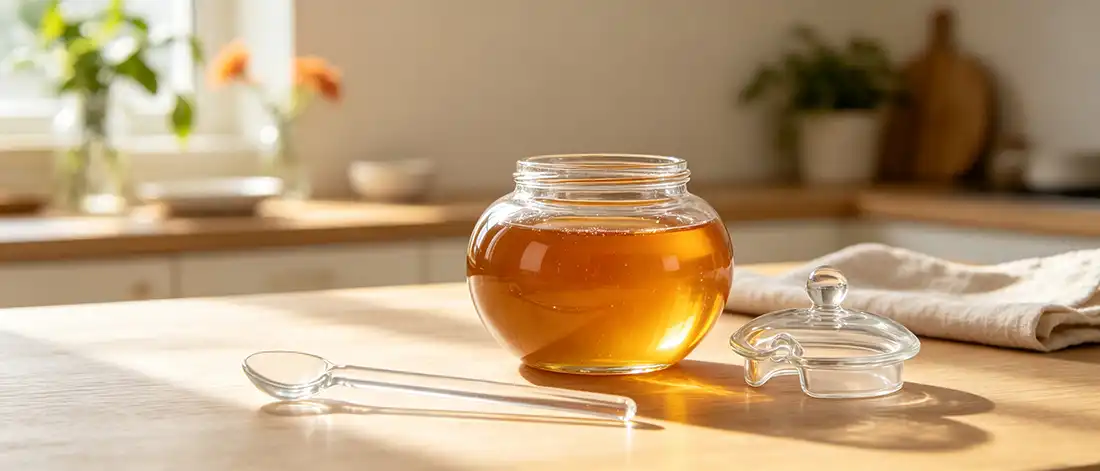
Identifying Reliable Manufacturing Partners
There are a lot of suppliers on the global market, but working with quality-focused makers will help you avoid costly quality problems and shipping delays.
Essential Supplier Evaluation Criteria
Comprehensive quality management systems, such as ISO 9001 certification and regular third-party checks, show that a company has reached practical maturity. Verification of production capacity makes sure that providers can increase output to meet regular demand spikes without affecting delivery times. Check the written quality control procedures that include measuring the tolerances for size, making sure the rim is smooth after flame polishing, and testing the structure's strength under pressure.
Working together across time zones is easier when there is good communication infrastructure, such as dedicated account managers who speak English. As part of technical support, you should be able to help with legal paperwork for target markets and give advice on how to best package items for foreign shipping.
Logistics and Lead Time Management
| Order Volume | Sample Delivery | Production Timeline | Shipping Options |
|---|---|---|---|
| Sample Request | 3 to 5 working days | N/A | Express courier included |
| Small Batch (500-2000 units) | Existing samples | 15 to 20 days | Sea freight, air express |
| Medium Order (2000-10000 units) | Custom samples available | 25 to 30 days | Container shipping, consolidation |
| Bulk Purchase (10000+ units) | Full customization | 35 to 45 days | Direct container, optimal routing |
When procurement teams know these dates, they can plan their inventory in a way that works with promotional calendars and seasonal sales peaks. Getting to know suppliers that offer warehousing services in target markets cuts down on the time it takes to reorder in an emergency and the cost of shipping.
Xuzhou Muzhishi Crafts Competitive Advantages
Muzhishi Crafts has been making Glass Honey Jars with Glass Stirring Stick for 20 years and has direct partnerships with local suppliers of raw materials in Jiangsu province. This helps them cut costs by 10 to 15 percent by vertical integration. This efficient supply chain means that prices are low without sacrificing quality. The company's self-operated import-export license and knowledge of how to clear customs makes foreign deals easier. They provide full paperwork, such as commercial bills, packing lists, and certificates of origin that are specific to the needs of the target country.
Customers can get answers to their questions 24 hours a day, seven days a week, and have one-on-one account management that takes care of technical questions and requests for changes. Offering free samples within three to five days helps customers make smart buying decisions before committing to buy in bulk. Full ODM/OEM capabilities help with product development from the first idea to fine-tuning the prototype to mass production, meeting specific needs for capacity, color, and branding elements.
Sustainability and Environmental Responsibility
Because of customer preferences and government pressure, companies are putting more emphasis on environmental effect along with standard cost and quality metrics when they buy things.
Glass Recycling and Circular Economy Benefits
Glass can be recycled over and over again without losing any of its quality, while plastic alternatives break down after just two or three cycles of reprocessing. Because the material is neutral, there are no worries about leaking in recycling streams. This supports closed-loop systems that use less new resources. Using glass cases shows a real dedication to the circular economy principles that connect with customers who care about the environment and meet the needs of companies that have to report on their sustainability.
Reducing Single-Use Plastic Dependency
Changing product from plastic to Glass Honey Jars with Glass Stirring Sticks is a direct response to stricter rules on single-use plastics in North American and European markets. Durable glass construction encourages people to reuse for craft projects, food storage, and organizing their homes, which extends the product's lifecycle beyond the initial purchase. This reusability feature makes people think that the brand cares about the environment, which supports its premium image and customer trust.
Future Design Innovations
New trends focus on making things more practical, like adding rough grip zones to the outside of jars so they're easier to hold when your hands are wet and weighted bases so they don't tip over while they're being used. Smart package integration looks at putting QR codes in glass lids that lead to stories about where products come from, recipe ideas, and refill location finders that help local bees. Modular stacking systems make the best use of store shelf space while making displays that look good and encourage unplanned purchases.
The move toward a more simple style emphasizes straight lines and geometric shapes that go well with current kitchen design trends. Different types of colored glass in amber, cobalt, and emerald shades protect light-sensitive specialty honeys and make different product lines stand out. Because of these changes in design, Glass Honey Jars with Glass Stirring Sticks can now be used as tools and as artistic items in modern homes.
Conclusion
Glass Honey Jars with Glass Stirring Sticks offer excellent value in terms of safety, usability, and appearance. The material's natural benefits, such as not reacting with chemicals, withstanding high temperatures, and being completely recyclable, are in line with what consumers want and what the law requires. Professionals in business-to-business procurement can make sure that relationships work well by learning about quality control methods, customization options, and supplier evaluation criteria. Sustainable solutions that look good and work well are becoming more popular in the market. This means that home decor brands, gift shops, retail chains, hotels, and distributors who serve quality-conscious customers in a wide range of settings need to keep these products in stock.
FAQ
Can glass honey jars withstand daily kitchen use without breaking?
Professional-grade glass jars go through melting processes that get rid of internal stress. This makes the goods strong enough to use every day. The usual width of 8–12 mm glass makes it very durable while still looking beautiful. Avoiding extreme temperature changes, like going from the fridge to the hot water, is an important part of thermal management that will ensure years of reliable service.
How do I clean crystallized honey from glass stirring sticks?
The smooth, non-porous glass surface makes it easy to soak in warm water and remove the honey crystals. A short immersion breaks up tough residue without the rough scrubbing that damages wooden alternatives. High-temperature cycles in commercial dishwashers clean everything completely, making them perfect for places like hotels that need to meet strict hygiene standards.
What customization options support brand differentiation?
Manufacturers let you customize in many ways, such as by hot pressing metallic logos, frosting matte finishes, engraving on the inside for lasting branding, and full-color screen printing for complicated designs. Custom sizes, tinted glass choices, and unique package solutions all allow for full brand expression that sets goods apart in stores with lots of competition.
Partner with Muzhishi for Premium Glass Honey Jar Solutions
Xuzhou Muzhishi Crafts has been making glass products for 20 years and can help business clients who are looking for trusted Glass Honey Jars with Glass Stirring Stick providers. Our 350ml luxury jars are made of food-grade materials and come with precision-engineered glass stirring sticks. You can also fully customize them by engraving your name, changing the colors, and adding your own brand to the package. Directly sourcing raw materials can cut costs by up to 15%, giving you great value without sacrificing quality. We take care of all the export paperwork, help with clearing customs, and personal account management to make sure that international transactions go smoothly. Free samples are sent out within 3–5 days, so you can try them out without any worries before you buy in bulk. You can email our team at long@muzhishi.com or visit mzsglass.com to talk about your unique needs and get quotes that are suited to your procurement goals.
References
1. Anderson, M. & Roberts, K. (2021). Food-Safe Materials in Kitchen Storage: A Comparative Analysis. Journal of Consumer Product Safety, 18(3), 245-267.
2. Chen, L. (2022). Sustainable Packaging Solutions for Specialty Food Markets. International Journal of Food Distribution Research, 12(2), 89-108.
3. Davidson, P. & Miller, J. (2020). Glass Manufacturing Quality Standards for Food Contact Applications. Materials Science and Engineering Reports, 34(4), 412-438.
4. Harper, S. (2023). The Evolution of Kitchen Storage: From Traditional to Modern Solutions. Home Economics Quarterly, 29(1), 156-174.
5. Thompson, R. & Zhang, W. (2022). Supply Chain Optimization in Glass Product Distribution. Global Trade and Logistics Review, 16(3), 301-325.
6. Williams, D. (2021). Consumer Preferences in Premium Food Storage: Safety, Sustainability, and Design. Market Research Journal, 45(2), 178-196.
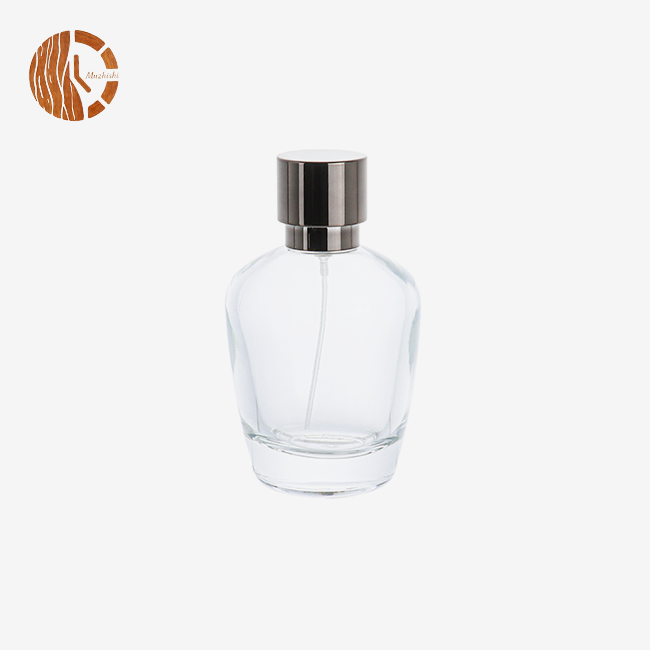


Our customers’ satisfaction speaks for our quality — contact us to experience the same reliable service.